
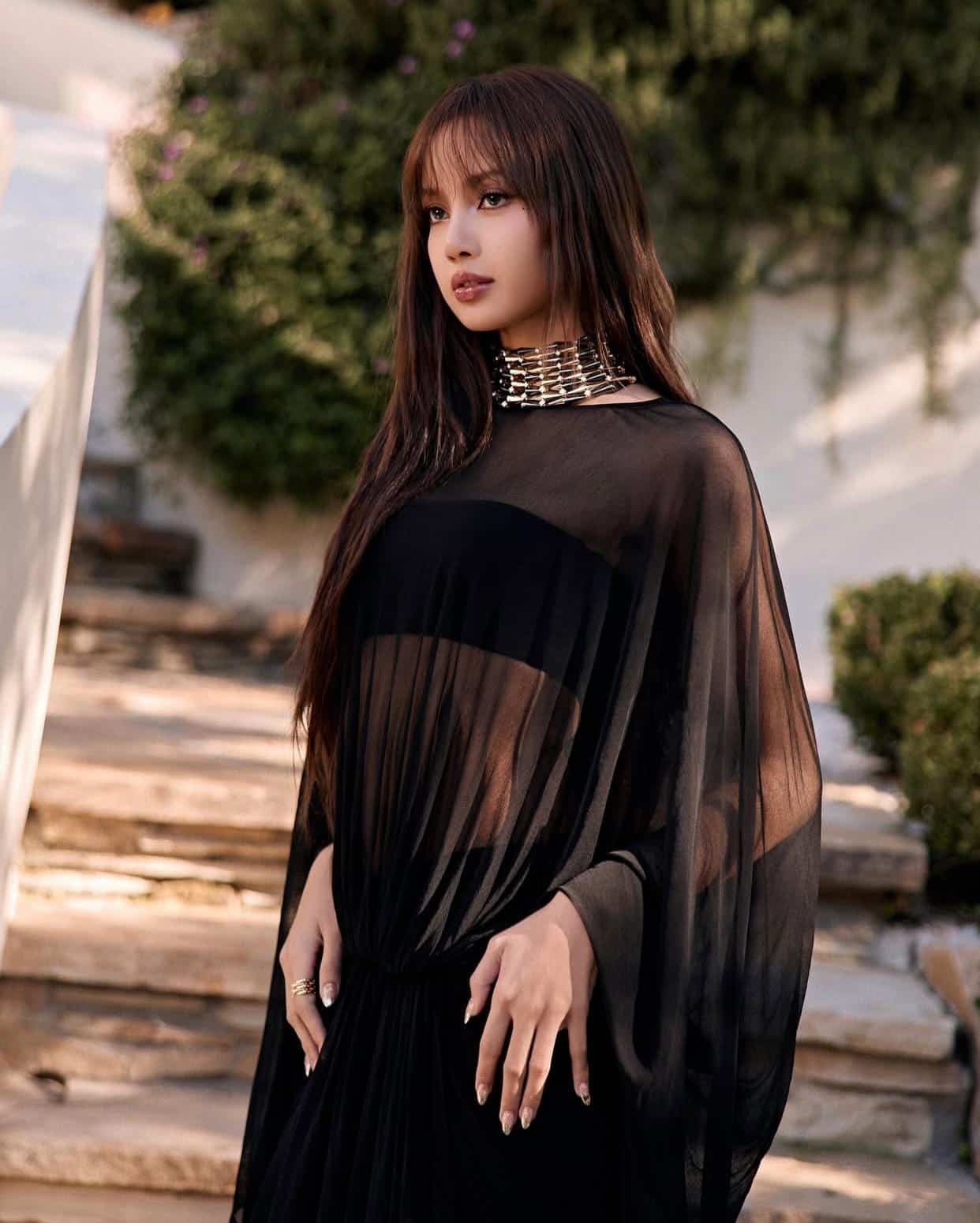
© Bvlgari
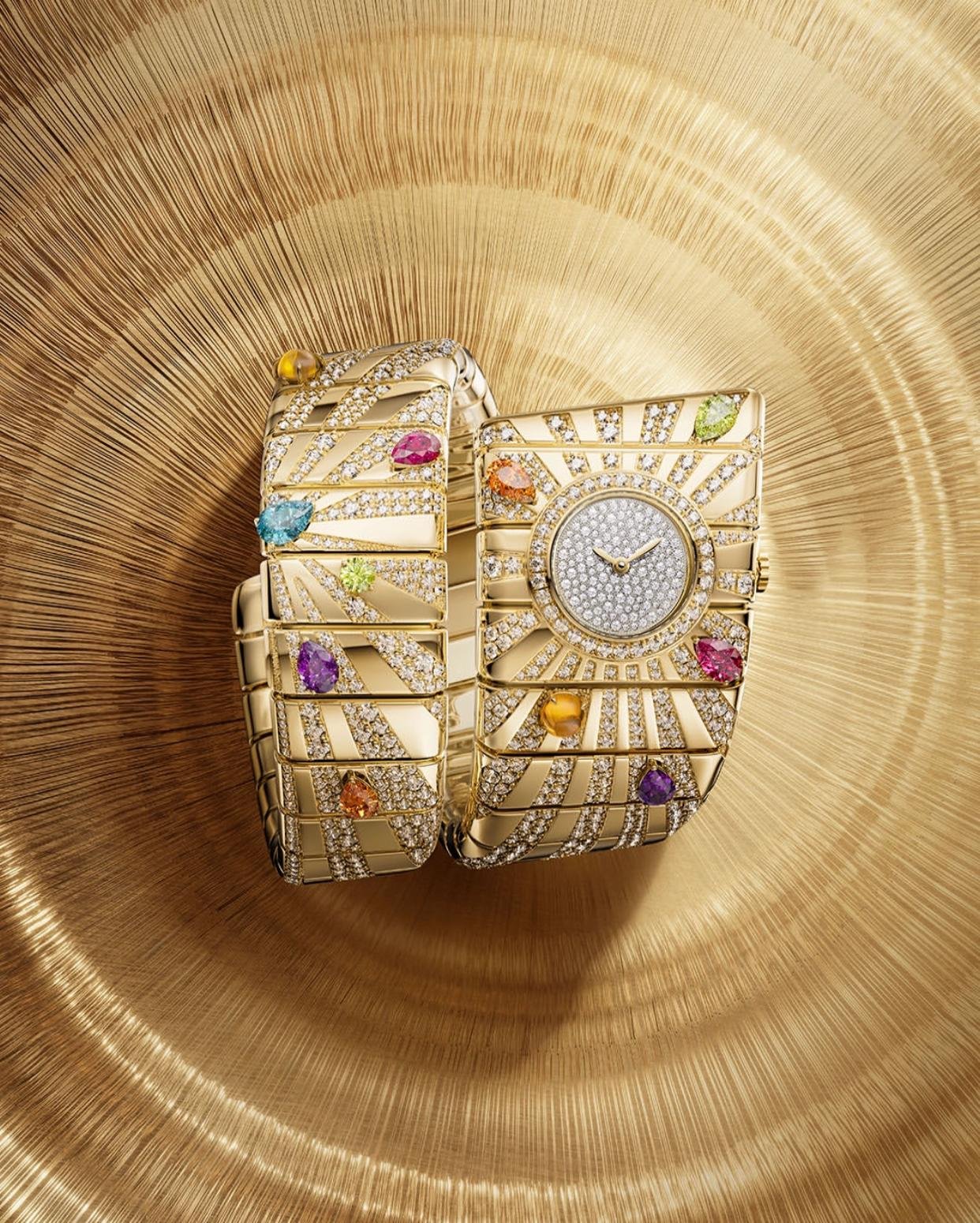
© Bvlgari
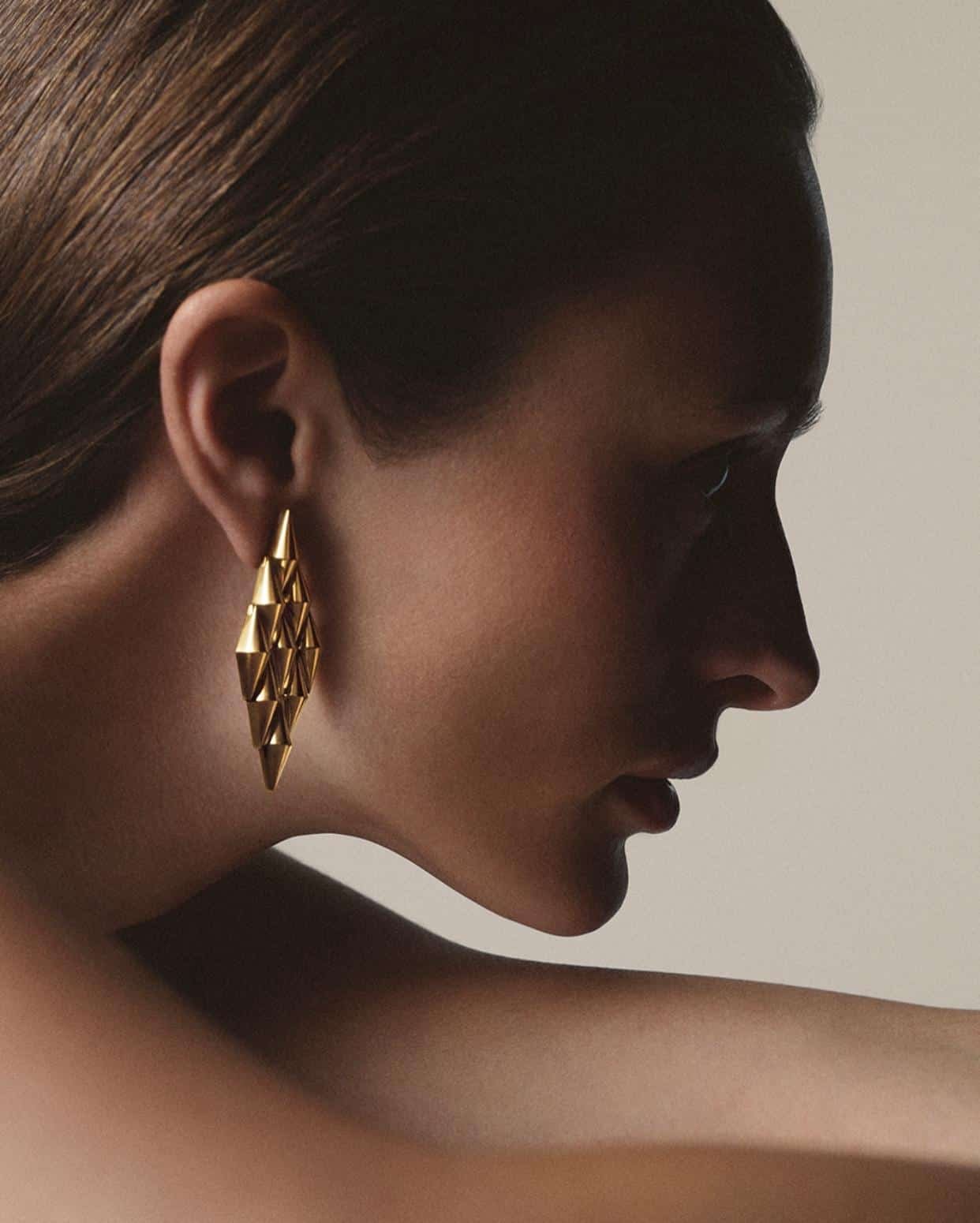
© Bvlgari
Bvlgari
The name BVLGARI has been written with a V in place of the U since 1934 — not as a graphic flourish, but as a deliberate reference to the classical Latin alphabet, a tribute to ancient Rome from which the House has drawn its imagination since its founding in 1884. A Greek jeweller who emigrated to Rome and chose the script of Caesar as his signature. And Elizabeth Taylor, the most famous client on the Via Condotti, knew only one word of Italian. That word was Bulgari.
The History · A Greek Goldsmith · A Roman Boutique · A Latin Alphabet
Sotirios Voulgaris was born in 1857 in the village of Paramythia, in Epirus — then part of the Ottoman Empire, today northwestern Greece. He was a goldsmith, like his father, like the craftspeople of his region for generations. In 1877, he left Greece, passed through Corfu, then Naples, and arrived in Rome in 1881. Three years later, he opened his first boutique on via Sistina — antiques, jewellery, curiosities — which he named the "Old Curiosity Shop" to attract the English clientele of the Grand Tour. In 1905, he opened a new address at 10 via Condotti, which has since become a historic monument and the headquarters of the House. His sons Giorgio and Costantino steered the enterprise toward fine jewellery from the 1910s onward. In 1934, the family decided to write the House's name in the classical Latin alphabet — BVLGARI, with a V — in tribute to Rome, whose emperors, empresses, mosaics, columns and coloured stones have permeated every collection since the beginning. It was the year Sotirios died. That same year, Giorgio created for his fiancée the Trombino ring — diamonds enveloping the stone and covering the entire band — which would become one of the House's most emblematic pieces. Elizabeth Taylor would fall for it decades later.
Ginza · Silver Guild · The District That Carries Metal In Its Name
Ginza literally means "silver guild" in Japanese — the district was during the Edo period the birthplace of Tokyo's silversmiths and precious metal founders, organised around silver transactions before a great fire in 1872 razed the district and allowed its modern reconstruction. A jeweller whose name is written in the classical Latin alphabet as a tribute to Rome establishes itself in a district whose Japanese name means "silver guild." This is not a communications strategy. It is a coincidence that says something about the way jewellery luxury finds, everywhere in the world, the same territories — those with a history of excellence in precious metal, even when that history is buried under centuries of urban transformation.
The Bvlgari Ginza Tower, opened in 2007, is the largest Bvlgari boutique in the world — nine hundred and forty square metres of retail space across several floors, at the intersection of two Ginza streets known for the liveliness of their blend of heritage and innovation. In 2025, Bvlgari inaugurated the Ginza Bar & Dolci there — two dining spaces on the ninth and tenth floors conceived under the direction of chef Niko Romito, three Michelin stars, whose vision of contemporary Italian cuisine enters into dialogue with the Japanese attention to detail. The Bvlgari Afternoon Tea — the House's international signature — is served here. The eighth-floor lounge and La Terrazza terrace on the eleventh floor complete the ensemble. The boutique is simultaneously the largest Bvlgari address in the world and the only one to have developed this gastronomic stratosphere above the collections. It is not a restaurant within a boutique. It is a destination that also happens to include a boutique.
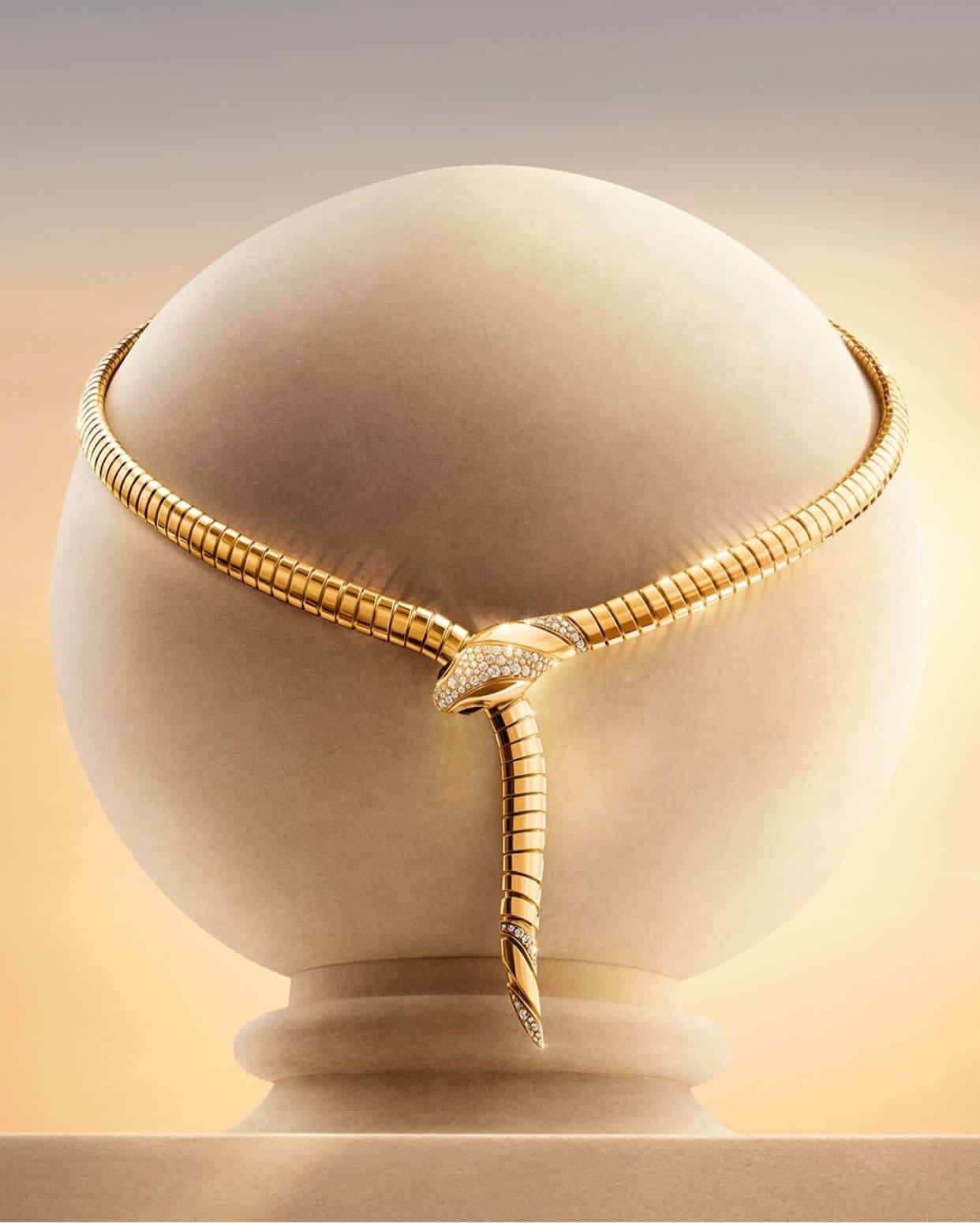
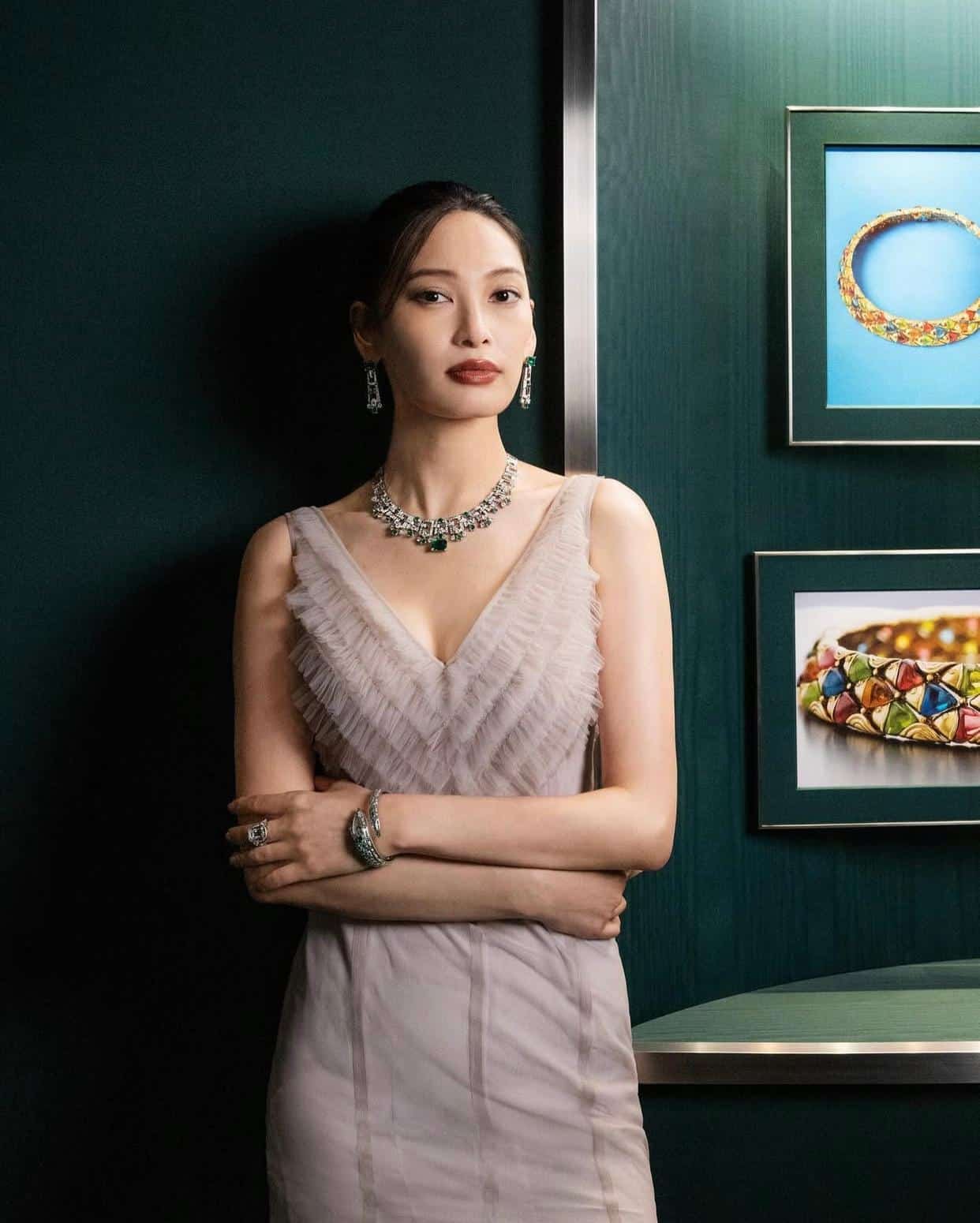
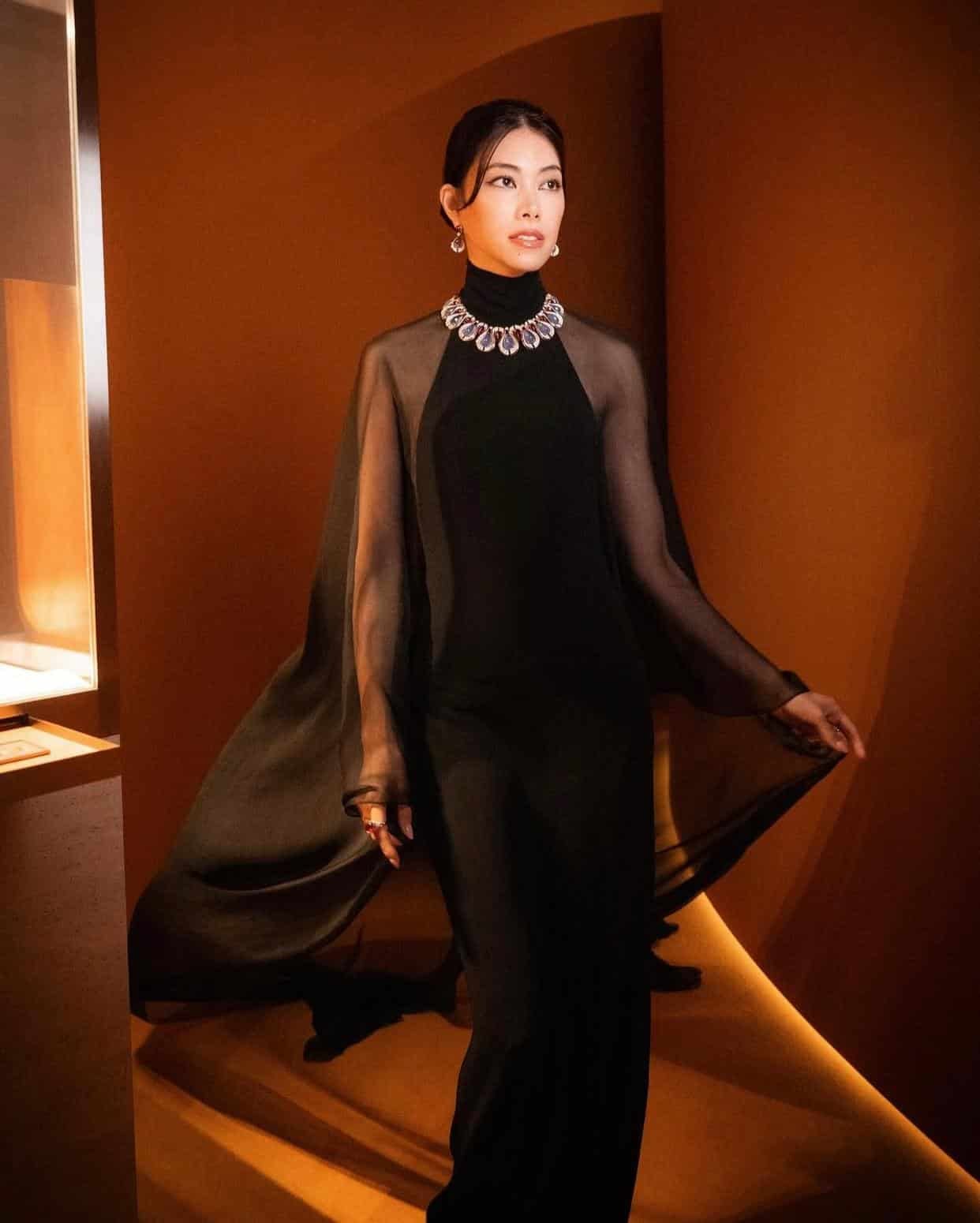
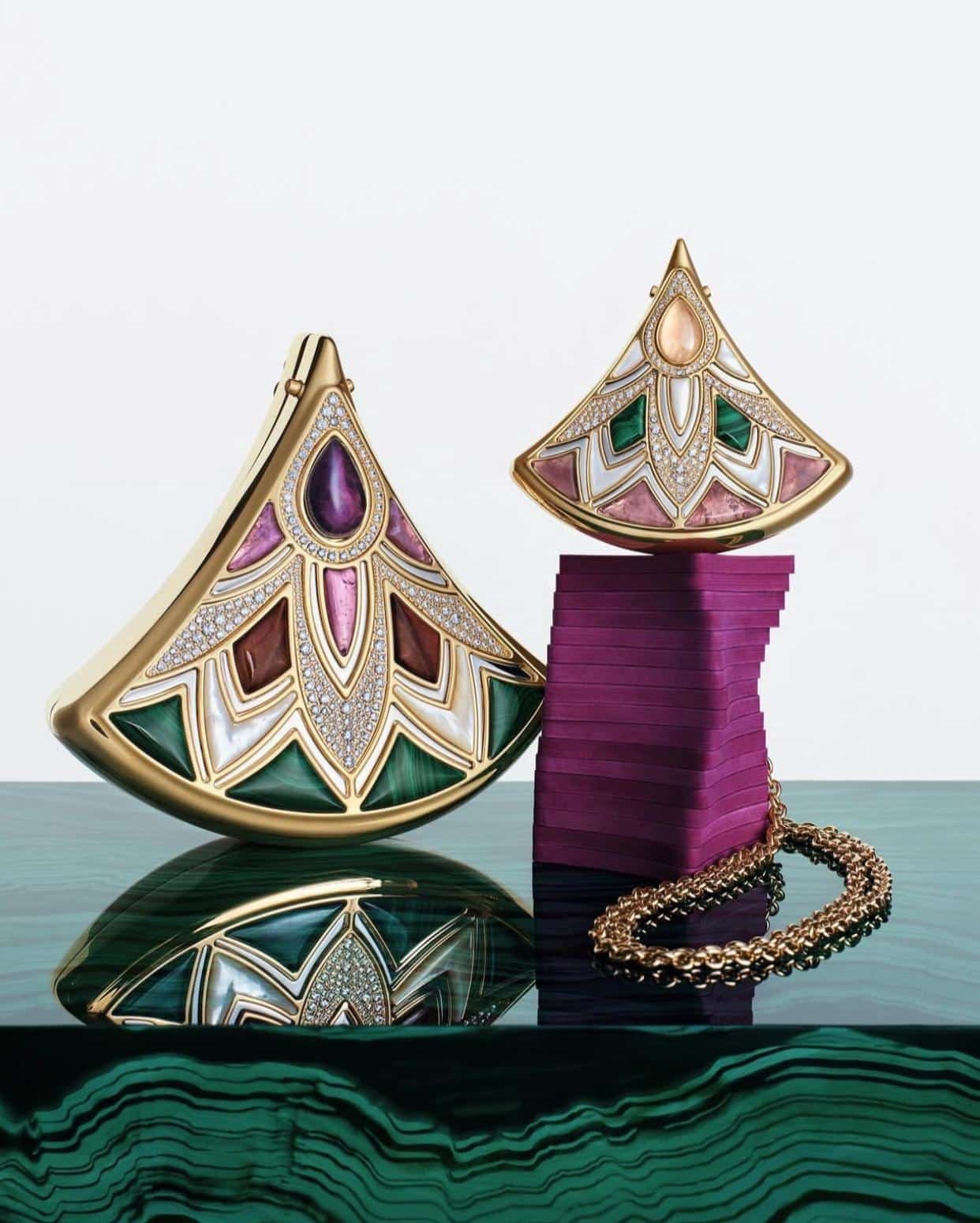
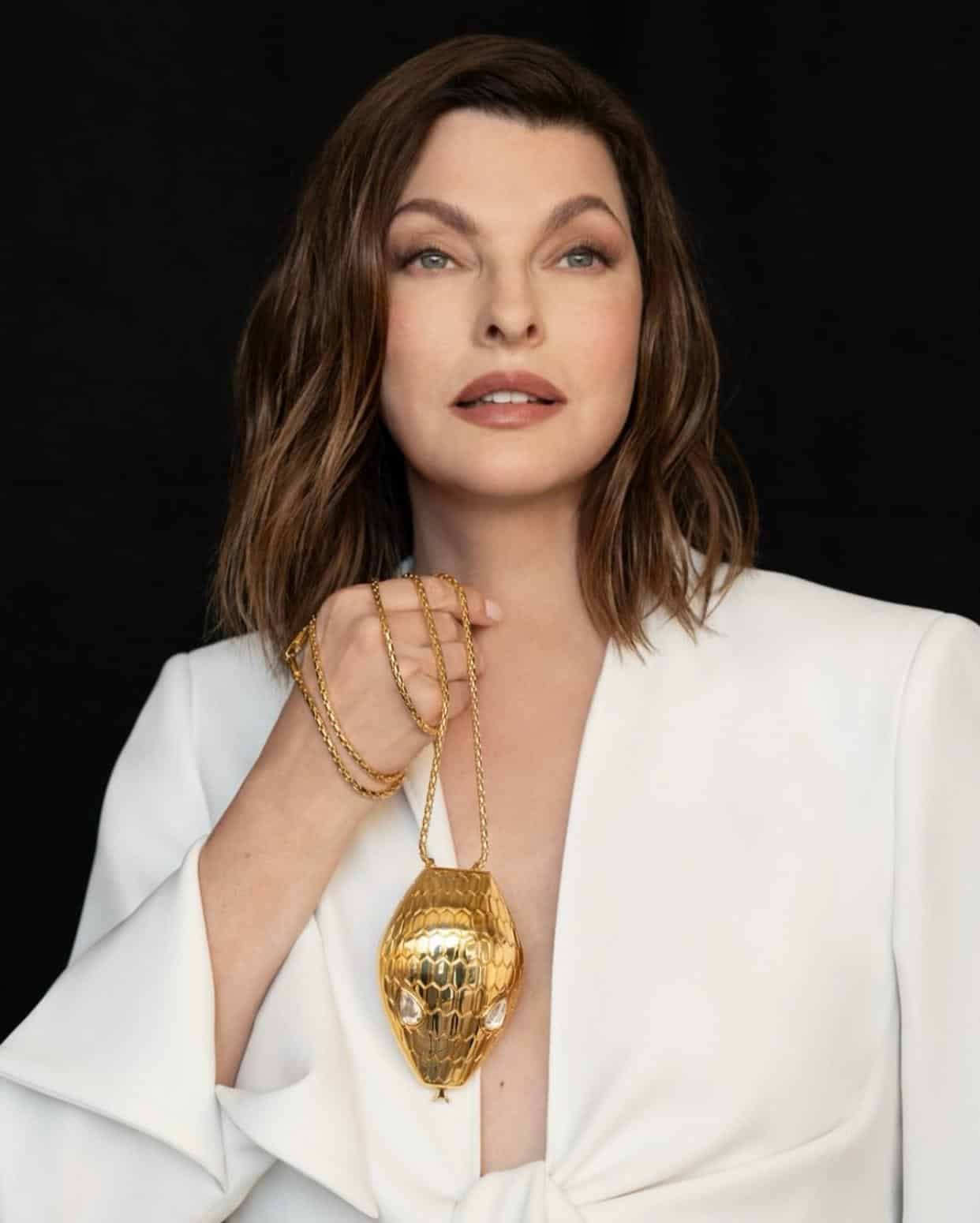
Bvlgari fine jewellery distinguishes itself from the Place Vendôme Houses through a fundamental decision made in the nineteen-fifties: the progressive abandonment of the supremacy of the white diamond in favour of coloured stones — emeralds, rubies, sapphires, amethysts — used as cabochons, meaning polished rather than facet-cut. This technique, previously reserved for stones of lesser value, Bvlgari applied to precious stones, creating a chromatic intensity that facet-cutting would not have produced. The collections presented at the Ginza Tower include the Serpenti — the coiling serpent, symbol of fertility and eternity in ancient Greece, originally conceived in the nineteen-forties and developed into bracelet-watches of which Elizabeth Taylor wore a model in Cleopatra — the B.zero1, a spiral ring inspired by the Colosseum, the Divas' Dream whose patterns evoke the mosaic fans of ancient baths, and the Monete collection which sets actual antique coins in gold mounts. Rome worn on the wrist, in Tokyo.
Elizabeth Taylor was the most famous client the Via Condotti ever had — and the most loyal. During her film shoots at Cinecittà in the nineteen-fifties and sixties, she made the Roman boutique a regular stop. She acquired there parures of an amplitude that few women of her era wore with the same ease — the necklace of sixteen emeralds and diamonds of exceptional rarity, sixty point five carats, which she wore to receive the Academy Award for Best Actress in 1966 for Who's Afraid of Virginia Woolf. She wore the Serpenti bracelet-watch in Cleopatra. And she once said that she knew only one word of Italian. That word was Bulgari. This line summarises, better than any analysis could, what the House achieved in the years of the Dolce Vita — becoming the word that remains when all the rest of the vocabulary fades. The collections presented in Tokyo carry that inheritance in every emerald cabochon, in every Serpenti coil, in every B.zero1 ring inspired by the Colosseum, just as Taylor drew her inspiration from Rome in order to live.
Niko Romito is the chef Bvlgari has chosen for all of its hotel and dining addresses — Rome, Milan, Paris, Dubai, Bali. Three Michelin stars for his restaurant Reale in Abruzzo, a contemporary Italian cuisine that proceeds through reduction and purity rather than addition and decoration. For the Ginza Bar & Dolci, inaugurated in June 2025, Romito composed menus whose Italian logic — simplicity of ingredients, precision of cooking, coherence of line — enters into dialogue with the Japanese attention to the detail of presentation. The Bvlgari Afternoon Tea, the House's international signature, is served here with variations incorporating Japanese tea, yuzu and pastries that read simultaneously in both registers. The eleventh-floor terrace looks out over the rooftops of Ginza. This is the 2025 version of what the Via Condotti boutique was in the nineteen-fifties — a place one comes to for the jewellery and stays for everything else.
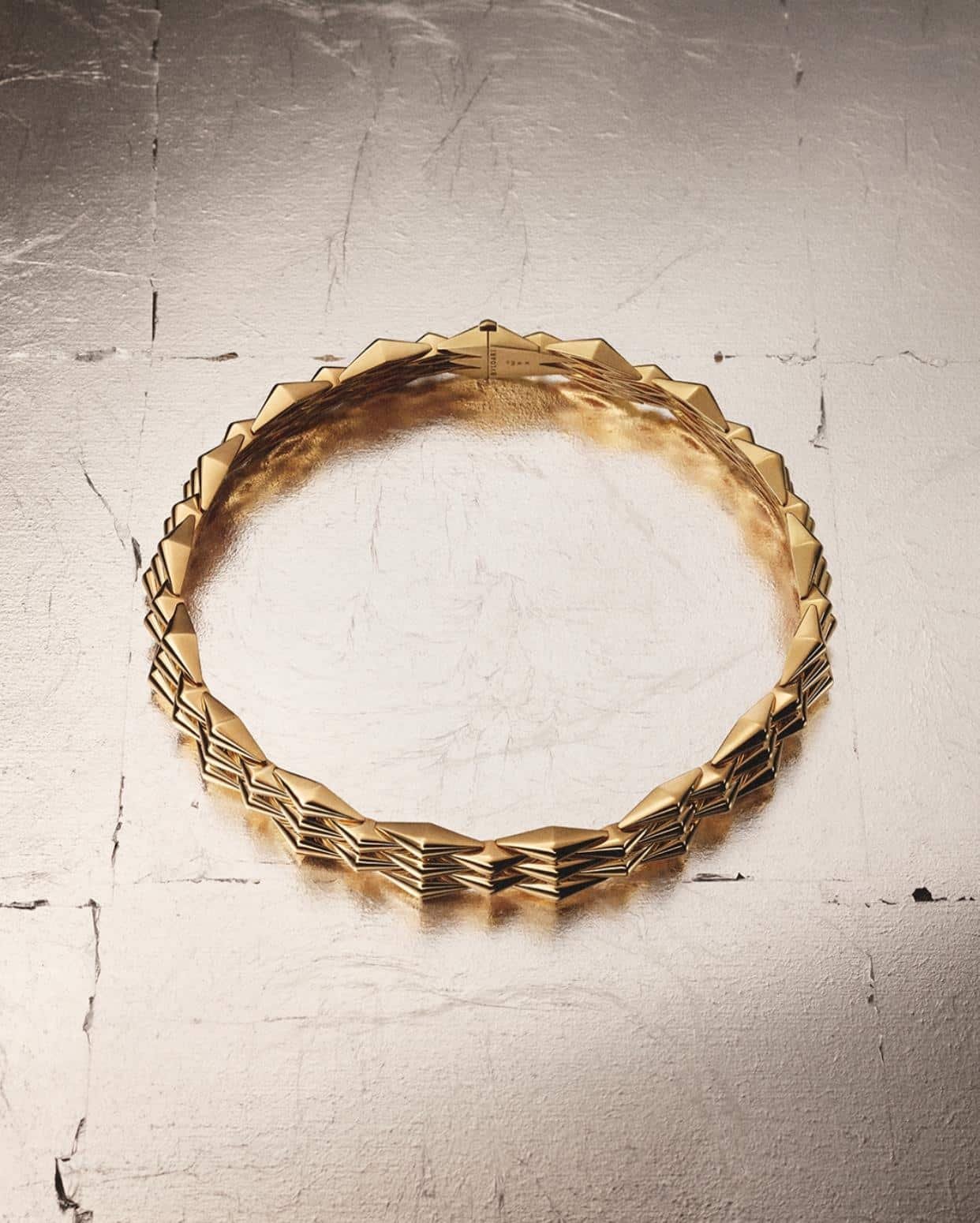
Bvlgari is the only House of fine jewellery whose creative vocabulary is systematically anchored in Roman and Greek antiquity — not as a distant historical reference but as a direct and permanent formal source. The B.zero1, created in 1999, is a gold spiral inspired by the structure of the Colosseum — its concentric rings, its repeated arcades, its volume. The Divas' Dream translates into jewellery the mosaic fans of the ancient baths. The Monete collection sets actual Greek and Roman coins — denarii, drachmas — in wearable creations. The Serpenti comes from the guardian serpent of birth and regeneration in ancient Greek mythology. This continuity is not a marketing argument. It is the direct consequence of the fact that the House was born of a Greek goldsmith settled in Rome, whose sons grew up surrounded by both civilisations, and whose grandsons decided in 1934 that the alphabet of Caesar would be the House's definitive signature. Every Bvlgari piece worn in Tokyo carries in its forms and its stones the memory of this inheritance.
Beyond the Ginza Tower, Bvlgari is present in Tokyo within the prestigious department stores — Ginza Mitsukoshi, Nihombashi Mitsukoshi, Isetan Shinjuku — following the same distribution model that characterises the presence of the great international Houses in Japan: the flagship as the sovereign address, and department store spaces as neighbourhood presences accessible within the structures that Japanese clients frequent daily. These spaces carry the jewellery and timepiece collections — Serpenti, B.zero1, Divas' Dream, Octo Finissimo — in different contexts from the Ginza Tower but with the same level of service. The Japanese clientele, which has developed for fine jewellery a reading of stones and settings as precise as that of professional gemologists, finds the same collections in different settings — the department store as a point of entry into the universe, the Ginza Tower as the complete destination.
A Greek goldsmith who emigrated to Rome in 1881.
A boutique on the via Sistina for English tourists.
A V in place of the U since 1934
because it is the alphabet of Caesar.
Elizabeth Taylor knew
only one word of Italian.
That word was Bulgari.
Ginza means "silver guild" in Japanese.
The world's largest Bvlgari boutique
has been in Tokyo since 2007.
Rome worn on the wrist
in a district
whose name carries the metal.
Bvlgari is not a Parisian House. It is a Roman House — born of a Greek, built on antiquity, carried by the Dolce Vita, distinct in its chromatic vocabulary from everything the Place Vendôme produces. This distinction is precisely what the Japanese fine jewellery clientele recognises and seeks: an alternative to the northern European register of the white diamond on platinum, a jewellery of colour and volume rooted in a Mediterranean tradition older than the Parisian codes of the twentieth century. The Monete collection — antique coins set in gold — is the Bvlgari piece that best summarises this singularity: an object that carries two thousand years of history in its metal, worn on the wrist or at the neck, in Tokyo as in Rome, by women who understand that the age of an object is not a constraint but a depth. The V of BVLGARI, which pays tribute to the Roman alphabet, is read on Ginza by clients who know that this district was called the silver guild long before the first boutique on the Via Condotti ever opened its doors.
Bvlgari Ginza Tower
2-7-12 Ginza, Chūō-ku, Tokyo
World's largest Bvlgari boutique · 2007
Bvlgari Ginza Bar & Dolci · Chef Niko Romito · 2025
La Terrazza · 11th floor
Bvlgari Ginza Mitsukoshi
4-6-16 Ginza, Chūō-ku, Tokyo · Shinkan 1F
Bvlgari Nihombashi Mitsukoshi
2-4-1 Nihombashi, Chūō-ku, Tokyo · 1F
A V in place of the U
because it is the alphabet of Caesar.
A Greek serpent coiling
around Elizabeth Taylor's wrist
in Cleopatra.
A spiral gold ring
inspired by the Colosseum.
An antique coin
set in a pendant on Ginza.
Ginza means silver guild.
Bvlgari did not need
to search for its district in Tokyo.
It had been waiting since the Edo period.
© Bvlgari
© Bvlgari
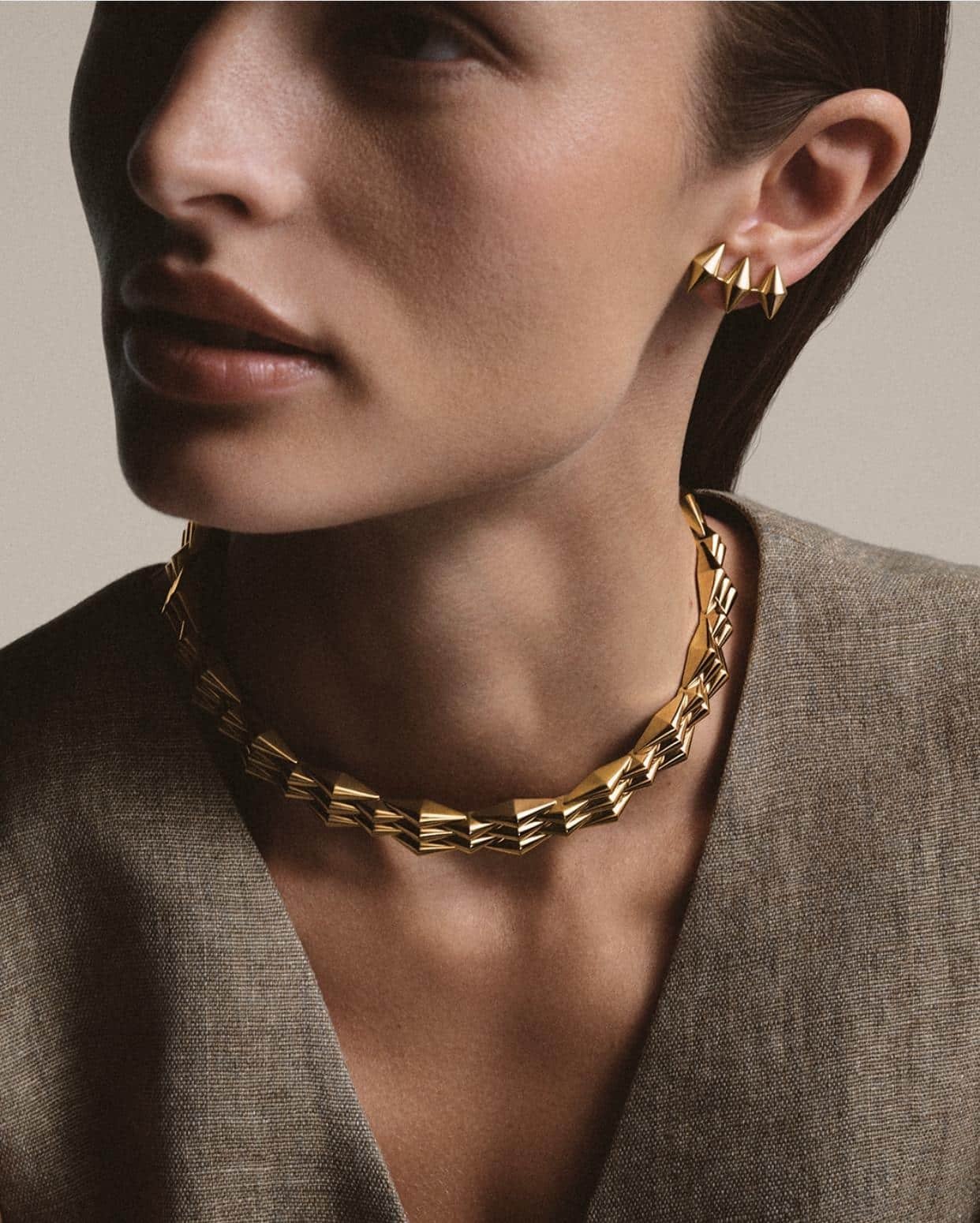
© Bvlgari
© Bvlgari
© Bvlgari
© Bvlgari
© Bvlgari
© Bvlgari

© Bvlgari
© Bvlgari
BVLGARI
© Bvlgari