

© Cartier
© Cartier

© Cartier
Watchmaking
On 25 December 1969, Seiko put on sale in Tokyo the Quartz Astron 35SQ — the world's first quartz watch. Price: the equivalent of a mid-size car. Precision: a hundred times greater than a standard mechanical watch. Slogan: "One day, all watches will be made this way." That day, from Ginza — where Kintaro Hattori had opened his workshop in 1881 at the age of twenty-one — Tokyo changed the history of world watchmaking. Switzerland, which had dominated the market for two centuries, entered a crisis. And Ginza has carried since that date, at the summit of the Wako building, a Seiko clock looking out over Japan's most famous intersection.
1881 · Kintaro Hattori · Ginza As The Birthplace Of Japanese Watchmaking
In 1881, Kintaro Hattori was twenty-one years old. He opened a watch and clock sales and repair workshop on Ginza — the historic district of silversmiths and precious metal merchants since the Edo period. This choice was not incidental: Ginza was already the most legitimate territory in Tokyo for objects of value and precision. Eleven years later, in 1892, he founded the Seikosha factory. In 1895, the first Japanese pocket watch left the ateliers. In 1913, the first mechanical wristwatch made in Japan. In 1923, the Great Kanto Earthquake destroyed part of the workshops — Hattori gave a new watch to each client who had lost theirs, a gesture that catapulted the brand to the forefront of Japanese manufactures. In 1932, the Wako building was reconstructed at the corner of the Ginza Yonchome intersection — it survived the bombing of the Second World War and became the most visible symbol of Seiko's presence in Ginza. The clock at the summit of the Wako has marked Ginza's rhythm for more than ninety years. In 1960, Seiko launched the first Grand Seiko — a prestige wristwatch whose explicit objective was to rival the best Swiss watches. And in 1969: the Quartz Astron. What had begun as a repair workshop in 1881 became, in less than a century, the manufacture that changed the world.
Two Traditions · One Shared Precision · Switzerland And Japan On Ginza
Watchmaking in Tokyo rests on two distinct traditions that Ginza makes coexist on the same street. The Japanese tradition — Seiko since 1881, Grand Seiko since 1960, Citizen, Orient — is a tradition of integrated manufacture: Seiko produces its own hands, dials, movements, cases, bracelets and even its hairsprings, a vertical integration that few manufactures in the world can claim. The Swiss tradition — Rolex, Patek Philippe, Audemars Piguet, IWC, Jaeger-LeCoultre, Cartier — is a tradition of mechanical complication and artisanal savoir-faire transmitted across centuries. These two traditions came face to face in 1969 when the Seiko Quartz Astron imposed a precision that Swiss mechanics could not achieve — and the quartz crisis that followed nearly destroyed the Swiss watchmaking industry. Switzerland survived by redefining what a luxury watch is — no longer an instrument for measuring time, but an object of culture, transmission and craft. And today, on Ginza, the two traditions stand side by side with the same exigence: the precision of the gesture, the quality of the finish, the value of the object across time.
Grand Seiko was born in 1960 from a precise objective: to produce the best watch in the world, according to Japanese standards of precision and finishing. For decades, it remained a Seiko sub-brand — known to Japanese connoisseurs, virtually invisible internationally. In 2017, Grand Seiko became an autonomous brand, with its own identity and its own strategy. What distinguishes Grand Seiko from the Swiss manufactures is not the complication — it is the finishing. Zaratsu polishing — a hand-polishing technique on a tin disc that produces perfectly flat surfaces and reflections unlike anything else in world watchmaking — is the most visible signature of this philosophy. Grand Seiko's dials are inspired by the landscapes and seasons of Japan: the snow of Shizukuishi, the Shinshu forests in autumn, the rice fields in spring. Each dial is a miniature work of art that says something about the Japanese relationship to nature and to passing time. And the Spring Drive — a mechanical-quartz hybrid movement developed by Seiko — offers a precision of one second per day with a perfectly fluid seconds hand, without the subtle tick of the mechanical. Grand Seiko in Japan competes directly with Rolex — and often wins the arbitration of the most discerning clientele.
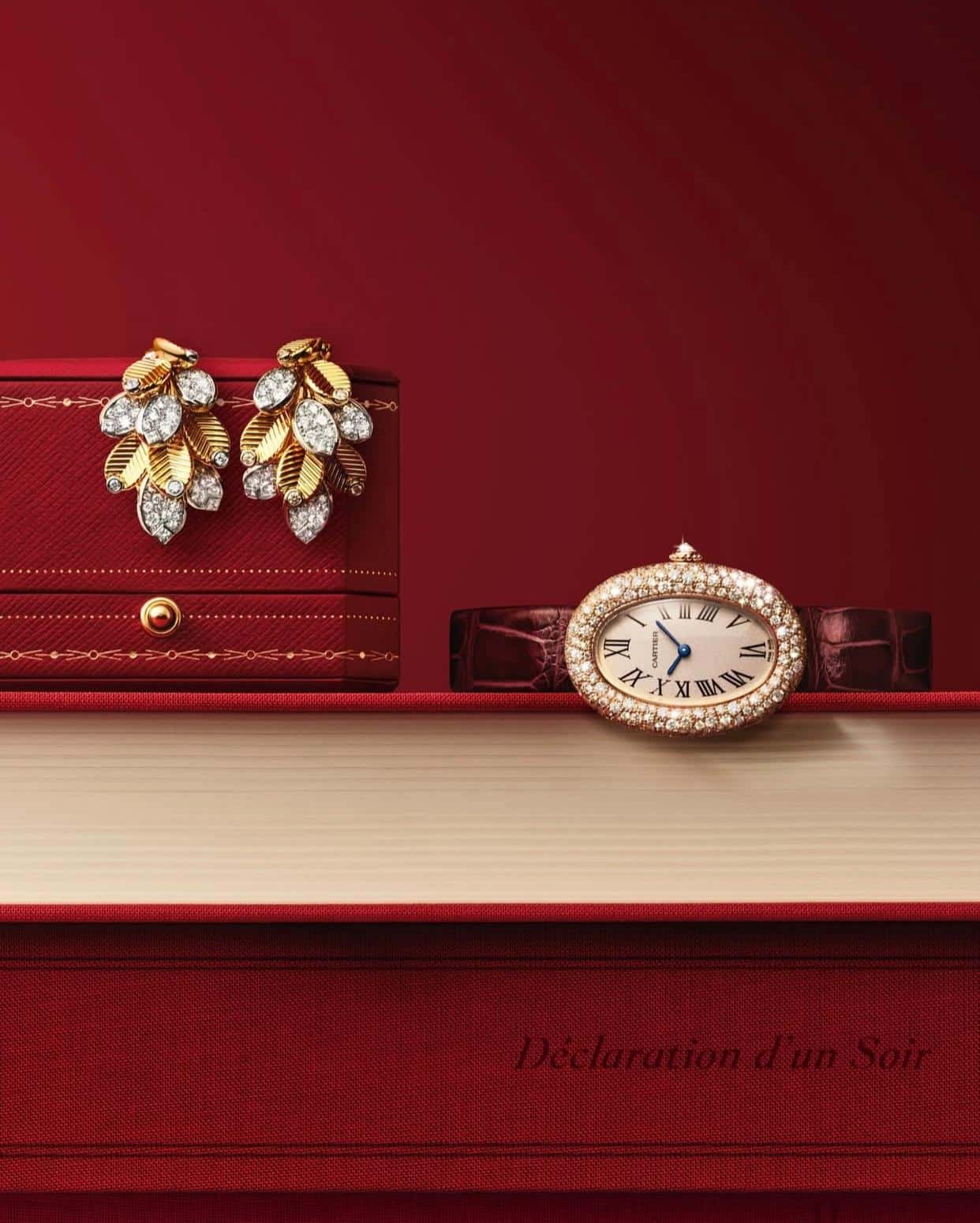
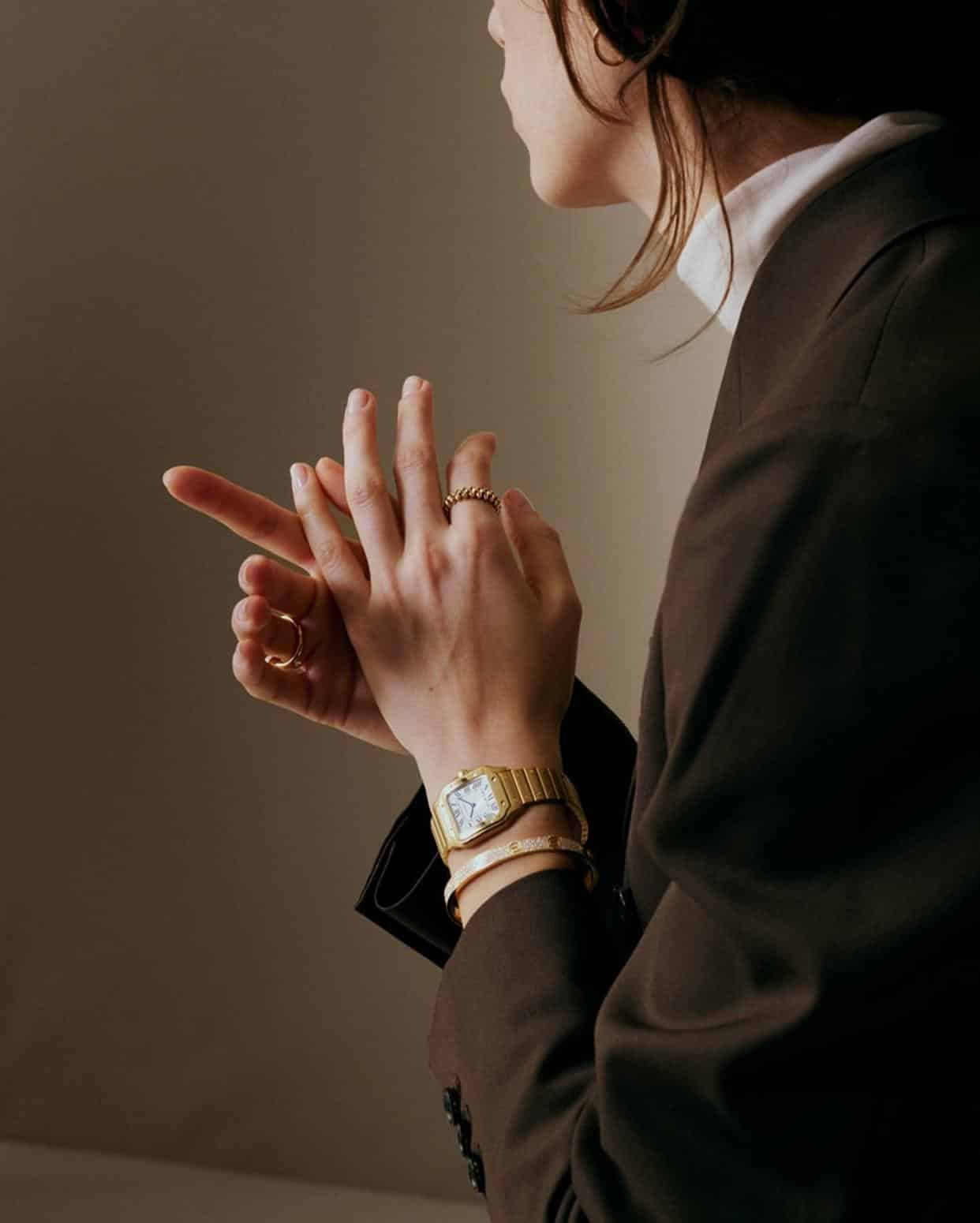
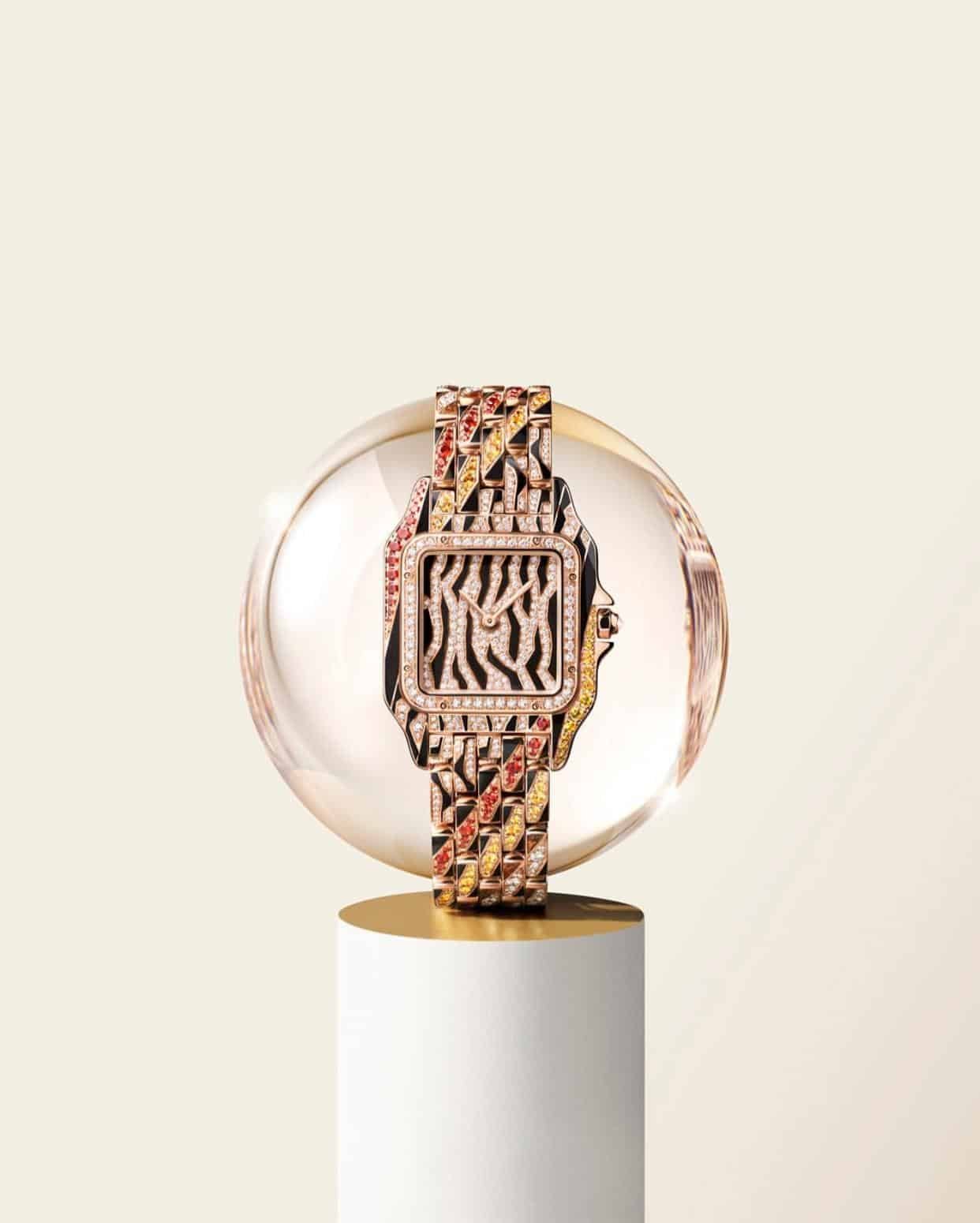
The great Swiss manufactures all have a strong presence in Tokyo — Ginza for the Houses that combine jewellery and watchmaking such as Cartier, Omotesando and the premium districts for the purely watchmaking manufactures. The Japanese market is for many of them a reference market — not because it is the largest, but because it is the most demanding. The Japanese fine watchmaking clientele reads movements with a precision that few European clienteles possess. It distinguishes a Côtes de Genève finish from a perlage finish without needing the difference explained. It knows references in their historical depth and buys with a loyalty to Houses that extends across decades. In this context, a Swiss watch that succeeds in Tokyo has proved something — its finishing quality has passed the test of a clientele that makes no compromises on this point. And the boutiques of the great manufactures in Tokyo reflect this exigence: spaces where the watch is presented with the same care as a piece of fine jewellery, in an atmosphere that owes as much to omotenashi as to contemporary architecture.
The Wako building, at the corner of the Ginza Yonchome intersection, is one of the rare buildings in Tokyo to have survived the bombing of the Second World War. Built in 1932 in a neo-classical Art Deco style topped by a clock tower, it has belonged to the Seiko group since its origins — Kintaro Hattori had installed his first shop there in 1881, at the corner of the same street. The clock at the summit of the Wako has marked the rhythm of Ginza's most famous intersection for more than ninety years — it has become the visual symbol of Seiko's presence in the district where the brand was born. Today, the Wako houses one of the largest Seiko retail spaces in the world, alongside the Seiko Museum and the Seiko Dream Square — a space dedicated to the history and vision of each of the brand's collections. For connoisseurs, passing in front of the Wako on Ginza is passing in front of the place where it all began — the workshop of a twenty-one-year-old in 1881 who wanted to repair watches and ended up changing the world of watchmaking.
The Quartz Astron 35SQ put on sale on 25 December 1969 cost 450,000 yen — the price of a mid-size car. Within a week, a hundred examples had been sold. Within a few years, quartz technology had spread throughout the world, costs had plummeted, and the Swiss watchmaking industry — which had dominated the global market for two centuries — was losing a considerable share of its jobs and volumes. This shock, known as the "quartz crisis", nearly destroyed a savoir-faire. In its place it produced one of the most remarkable industrial reconversions of the twentieth century — Switzerland redefined what a luxury watch is, no longer as an instrument of measurement but as an object of culture and transmission. What we today call high mechanical watchmaking — the complications, the finishes, the limited editions — is in part the Swiss response to what Seiko had launched from Ginza in 1969. Without the Quartz Astron, there might not have been the same renaissance of the mechanical watch as an object of desire and collection. Tokyo did not only unsettle world watchmaking. It gave it a reason to reinvent itself.
The Japanese fine watchmaking clientele is considered by the Swiss manufactures to be one of the most sophisticated in the world — not the highest-spending, but the most precise in its reading of what is on offer. In a culture where precious objects are kept, maintained and transmitted rather than replaced, the prestige watch finds a particular resonance. It is not a fashion accessory — it is an object of time, in every sense of that phrase. This philosophy of the watch as heritage is culturally Japanese: it aligns with the Japanese relationship to the precious object, to the right gesture, to a quality that does not express itself by making noise but by resisting wear. Grand Seiko is an example of this coherence: a Japanese brand that took decades to achieve international recognition, because it never sought visibility before it had quality. Today, a Grand Seiko Snowflake sometimes changes hands above a Rolex Datejust among Japanese collectors. This reversal says something essential about what Tokyo thinks of watchmaking value.
Gloss Tokyo covers prestige watchmaking in Tokyo to the same standard as every other category on the platform — an unexpected and verified factual hook for each House, grounded in primary sources, that reveals something about the manufacture's history that official communications do not always tell. The complication Patek Philippe developed to measure Japanese time — the six-day week of the Edo period. The way Cartier collected Japanese art without ever visiting Japan, and what that produced in its creations. The first Grand Seiko of 1960 and what it said about Japanese ambition vis-à-vis Switzerland. These hooks are not anecdotes — they are the foundations of a reading of each House that explains why it is in Tokyo, and why the Tokyo clientele has accorded it its trust. Watchmaking deserves writing at the level of what it is — precise, dense, rigorous, attentive to the detail that changes everything.
25 December 1969.
Seiko put on sale in Tokyo
the world's first quartz watch.
Price: the equivalent of a car.
Precision: a hundred times greater than the mechanical.
Slogan: "One day, all watches
will be made this way."
Switzerland entered a crisis.
And Ginza has carried since that date,
at the summit of the Wako building,
a clock looking out over
Japan's most famous intersection.
Tokyo did not only change watchmaking.
It gave it a reason to reinvent itself.
In the global geography of prestige watchmaking, Tokyo occupies a unique position — simultaneously a receiving market for the great Swiss manufactures and a territory of production for a distinctly Japanese watchmaking tradition that has nothing left to prove. This dual nature produces on Ginza the densest and most demanding concentration in the world for prestige watches — a place where Grand Seiko and Rolex, Patek Philippe and Citizen Campanola, IWC and Credor coexist on the same street, before a clientele that reads them all with the same precision. And at the summit of the Wako building, Seiko's clock continues to mark the rhythm of Ginza's most famous intersection — as it has since 1932, as it did when Kintaro Hattori was twenty-one years old and simply wanted to repair watches. There is something Japanese in this continuity — the conviction that the quality of a gesture is measured across duration, not in the brilliance of a moment.
1881: a workshop on Ginza.
1913: the first Japanese watch.
1960: the first Grand Seiko.
1969: the world's first quartz watch.
At the summit of the Wako,
the clock has been watching Ginza
for more than ninety years.
Tokyo did not join world watchmaking.
It unsettled it.
And continues to watch it
with the quiet precision
of someone who knows
what time is truly worth.
CARTIER

© Cartier