
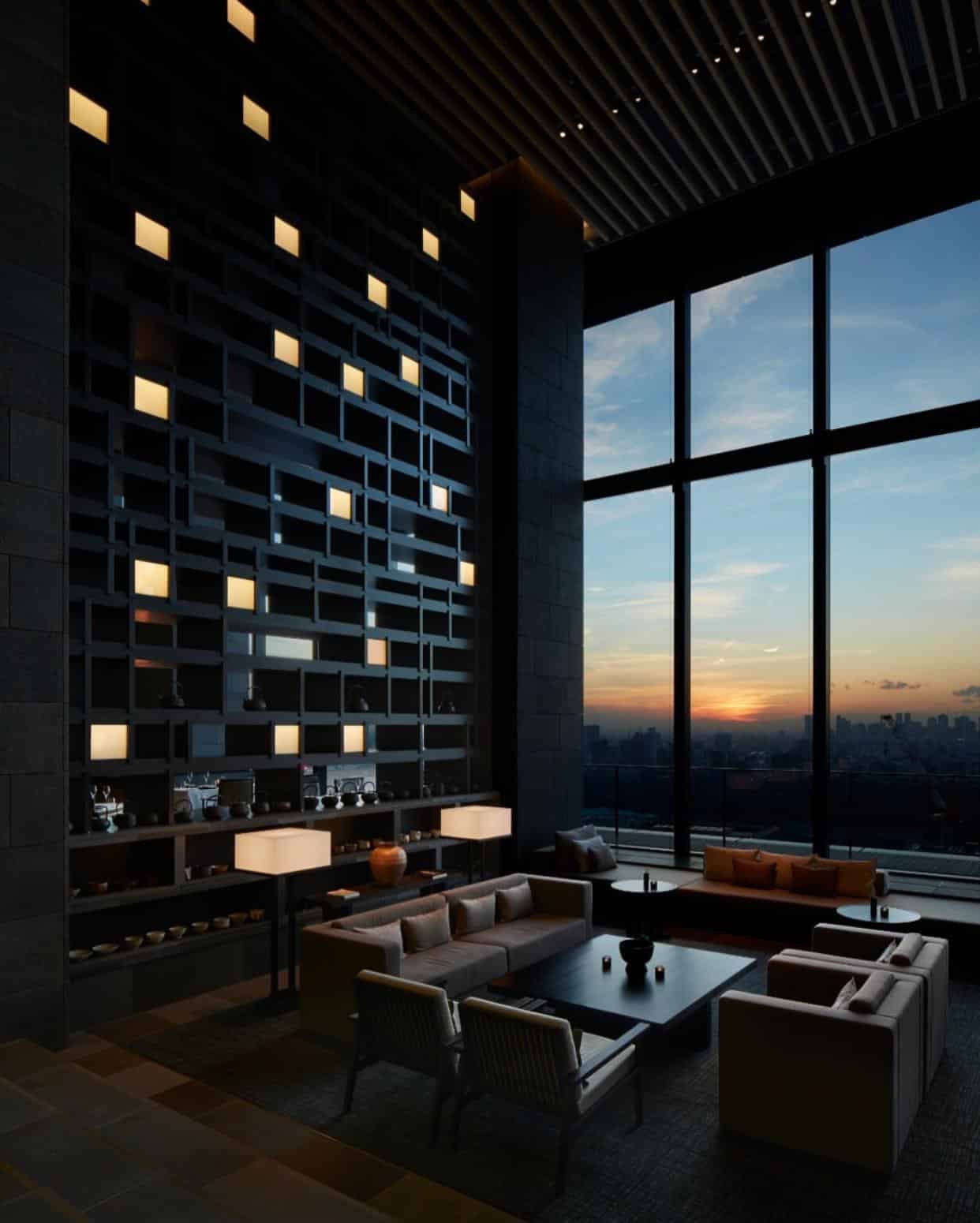
© Aman Tokyo
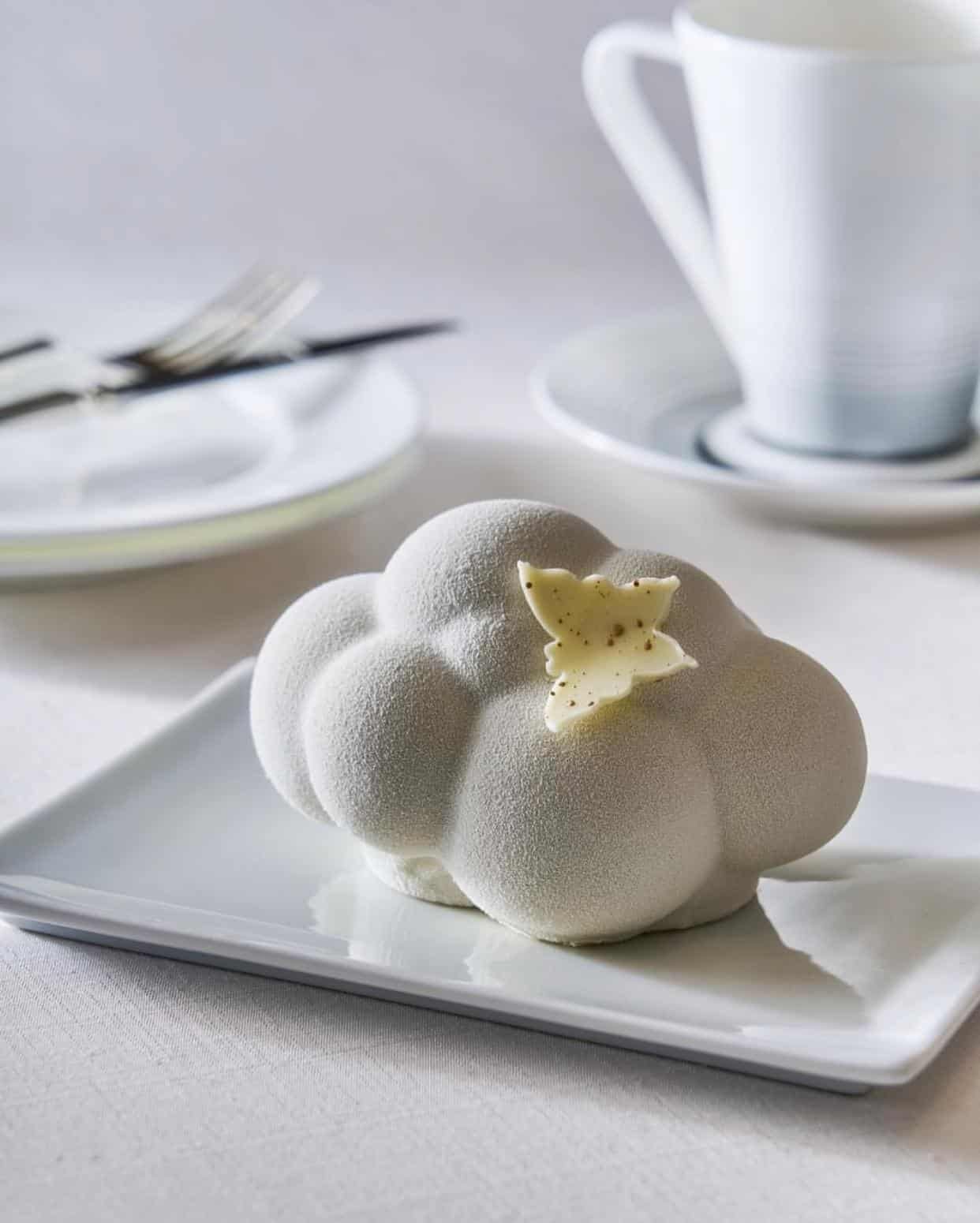
© Mandarin Oriental Tokyo
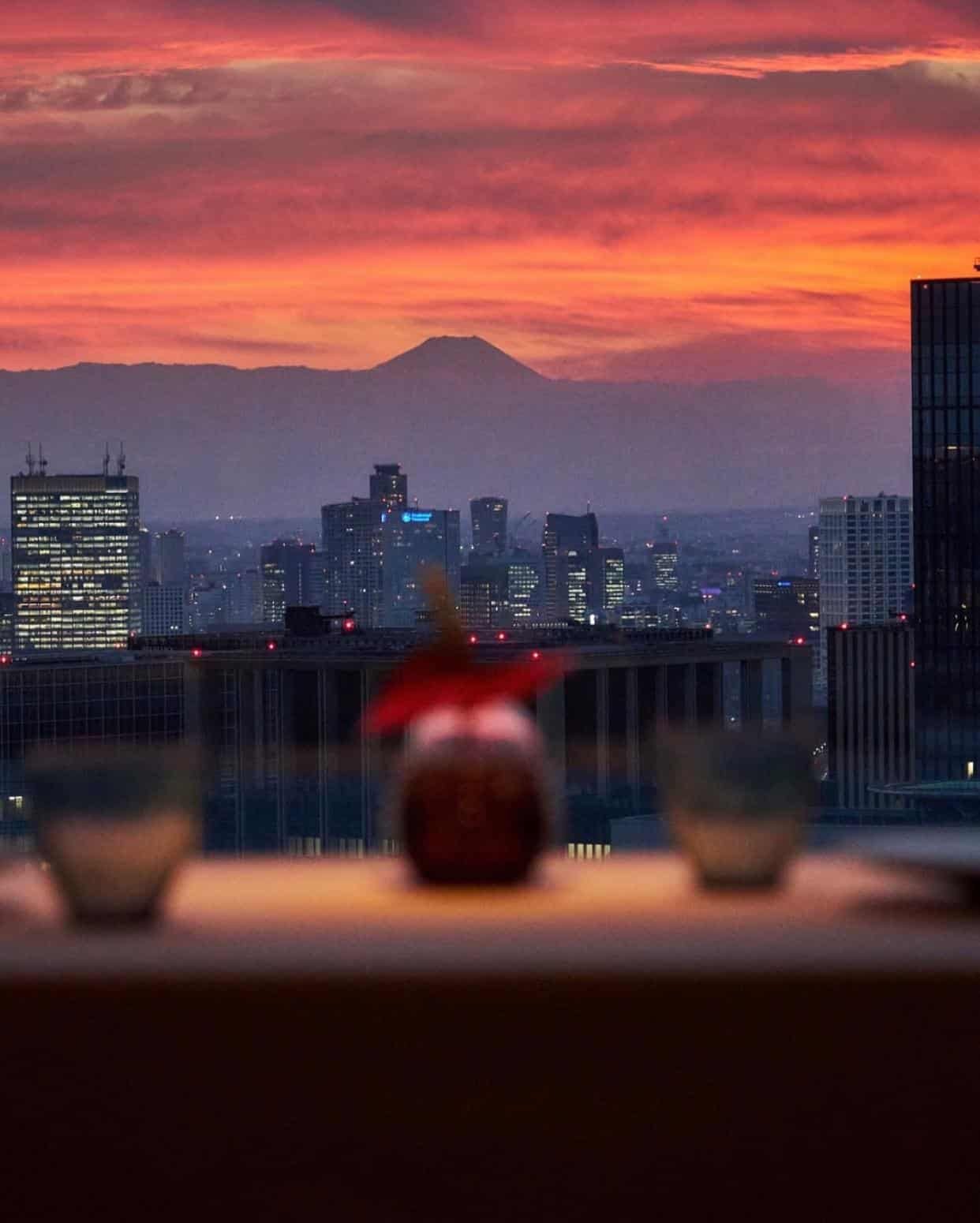
© Mandarin Oriental Tokyo
Hotels & Palaces
In 1890, on the very site where the feudal domain of the Ii clan once stood, Yoshii Kisaburo opened a Western-style establishment for foreign dignitaries arriving in a Meiji Japan opening to the world. He named it the Imperial Hotel. Twenty-three years later, Frank Lloyd Wright would design its third iteration — with a foundation floating on concrete pylons sunk into the soft alluvial ground below Tokyo. In 1923, the Great Kantō earthquake reduced the city to ash. The Imperial Hotel stood. That moment says everything about what a great Tokyo hotel is — not a building placed in a city, but a structure built from an understanding of what the city is, at its most fundamental depth.
The Philosophy · Between Two Civilisations · Hospitality As Architecture Of The Self
Tokyo hospitality is not reducible to either the Western palace tradition or the ryokan. It exists at the crossing — and the best establishments have made this crossing not a compromise but a discipline. Omotenashi — the Japanese concept of hospitality without expectation of return, of anticipating a need before it is expressed — is not a brand value added to a brochure. It is the structuring principle of every interaction, from the way a door is held to the angle at which a teacup is presented. Luxury in Tokyo does not announce itself. It makes itself felt only once you are inside — in the quality of silence, in the precision of light, in the temperature of the water served without being asked. The great palace hotels of Tokyo — the Aman, the Palace Hotel, the Mandarin Oriental, the Okura — do not compete through spectacle. They compete through depth. And that depth is the result of decades of thought about what it means to receive a guest in a city that has rebuilt itself three times since 1868, each time with greater precision, and always without forgetting where it began.
1890 · Imperial Hotel · The Earthquake And The Floating Foundation
When Frank Lloyd Wright accepted the commission for the Imperial Hotel's third building in 1919, he studied the Tokyo subsoil with the same rigour he applied to form. What he found was a layer of soft mud approximately two metres beneath the surface — not a weakness, as his predecessors had treated it, but a material to work with. He designed a foundation of short concrete pylons, each one independent, floating on the mud rather than rigidly anchored against it. The hotel rested on the earth the way a battleship rests on water — with mass distributed, with flexibility assumed. On September 1, 1923, the Great Kantō earthquake struck. Fires consumed the city for two days. One hundred thousand people died. The Imperial Hotel stood without structural damage. A telegram was sent to Wright: "Hotel stands undamaged as monument of your genius." This is not merely architectural history. It is the founding story of what Tokyo understands by the word excellence — a preparation for every possible eventuality, designed at a depth invisible to the guest but present in every moment of their stay.
The Aman Tokyo, opened in 2014 on the top six floors of the Otemachi Tower, holds the distinction of being the smallest Aman in the world by room count — eighty-four rooms, at the intersection of Marunouchi's financial density and the green calm of the Imperial Palace gardens. The interiors, designed by Kerry Hill Architects, translate the vocabulary of the traditional Japanese house into volumes of contemporary abstraction — washi paper diffuses natural light across walls that shift tone through the day; Japanese cypress lines the bathing rooms with a fragrance that functions as a form of omotenashi before any word is spoken. The thirty-metre indoor pool faces northwest: on days of exceptional clarity, Mount Fuji appears between the towers. The hotel acquired three photographs by Hiroshi Sugimoto for the public spaces — a gesture that signals to every guest familiar with contemporary Japanese art that this is a building that knows what it inhabits.
The Palace Hotel Tokyo occupies one of the most charged sites in the city — overlooking the Imperial Palace moat from Marunouchi, on the ground where the original Edo castle once anchored the western edge of the shogunate's power. Rebuilt and reopened in 2012, the hotel commissioned Hiroshi Sugimoto to design its tea ceremony room — the Shōsei-an — situating the most minimal of Japanese aesthetic traditions at the center of the most formal of hospitality experiences. The rooms that face the moat are among the largest in central Tokyo; their design resolves the persistent tension of the luxury Tokyo hotel — how to use space without losing precision, how to open to the view without losing interiority. The Grand Kitchen, on the first floor with a terrace, remains one of the city's most accurately observed dining experiences — it has understood Marunouchi's clientele without trying to be anything other than itself.
The Mandarin Oriental Tokyo, opened in 2005 in the Nihonbashi Mitsui Tower, has held five Forbes Travel Guide stars since 2009 without interruption — one of only a small number of hotels in Asia to maintain this classification for more than fifteen consecutive years. Its position in Nihonbashi is deliberate: this is Tokyo's original commercial district, where Edo merchants established the measuring post from which all distances in Japan were once calculated. The hotel faces the city's geometry in both directions — east toward Shinjuku's density, west toward the open corridor where Mount Fuji becomes visible on clear winter mornings. The Sense spa operates on the principle that the body requires as much precision as the room — its heat circuit is structured around a Japanese cedar steam room whose temperature is adjusted twice daily by hand.
The Hotel Okura Tokyo has hosted every American president visiting Japan since John F. Kennedy in 1961 — a continuity of diplomatic protocol that has made it the effective extension of official state hospitality. When the original 1962 building was demolished in 2015, the hotel preserved the Ohtori-kai: a collection of lacquerware, screens, and ceramic objects accumulated over six decades of institutional gifts, now displayed across the public spaces of the new building. Isamu Noguchi's original pendant lanterns — a paper and bamboo interpretation of the traditional chōchin — were reproduced with the same washi paper suppliers used in 1962. Yamazato, the hotel's Japanese restaurant holding three Michelin stars, structures its seasonal menu around the Japanese lunar calendar — a system of twenty-four micro-seasons that the kitchen uses as its operational guide, not as a marketing concept.
The Tokyo Station Hotel is housed within Tokyo Station's Marunouchi building — a red-brick structure completed in 1914, designed by Tatsuno Kingo, now classified as a national important cultural property of Japan. The station was designed with deliberate reference to Amsterdam Centraal — a statement of Meiji modernisation through European architectural vocabulary, and the point of arrival for the imperial family's journeys across the country. The Imperial Suite occupies the axis of the northern dome, directly above the entrance used by the Emperor. The hotel's restoration, completed in 2012, recovered the original dome murals — twelve zodiac reliefs painted in 1914 and plastered over in 1945, which emerged intact beneath the surface. This is Tokyo hospitality as palimpsest: a building that has not invented its history but uncovered it, and offers it to its guests as a space to inhabit rather than merely observe.
Gloss Tokyo covers Tokyo's palace hotels to the same editorial standard applied to every other category on the platform — one unexpected and verified factual hook per establishment, grounded in primary sources, that reveals what the building knows about the city it occupies. Wright's floating foundation and the 1923 earthquake. Sugimoto's photography in the Aman lobby, and his tea room at the Palace Hotel. The twenty-four lunar micro-seasons structuring Yamazato's menu. The zodiac murals plastered over in 1945 and recovered in 2012. These details are not decorative. They are the grammar through which a great Tokyo hotel communicates its intelligence — to the guest who notices, and more quietly, to the one who simply feels that something, without being able to name it, is exactly right.
On September 1, 1923, the Great Kantō earthquake
reduced Tokyo to ash.
The Imperial Hotel stood.
Frank Lloyd Wright had sunk its foundation
into the soft mud beneath the city —
not against it. With it.
A telegram reached him in Wisconsin:
Hotel stands undamaged as monument of your genius.
The best Tokyo hotel is not built above the city.
It is built from an understanding
of what the city is
at its deepest level.
In the global geography of luxury hospitality, Tokyo occupies an incomparable position — a city that has rebuilt itself from earthquake, from fire, from war, each time with greater precision, and each time without losing the continuity of its fundamental culture. Its palace hotels are the most visible expression of this continuity. They are not monuments to wealth. They are monuments to attention — to the kind of attention that anticipates a need before it is voiced, that designs a bathing room around the smell of cypress rather than its appearance, that preserves a lacquerware collection through a demolition rather than dispersing it. Omotenashi is the word most often invoked — but it is finally only a name for something that the great Tokyo hotel does through its architecture, its light, its silences, and the precise calibration of every moment between arrival and departure. A guest who has stayed well in Tokyo has not merely rested. They have been read. And found worth receiving.
Marunouchi, 1890.
A building for foreign dignitaries.
A foundation floating on mud.
An earthquake that took one hundred thousand lives.
The telegram that crossed the Pacific:
Hotel stands undamaged.
Tokyo does not build its hotels
to impress the city.
It builds them
to survive it —
and to receive, within what survives,
the guest who was worth waiting for.
AMAN TOKYO
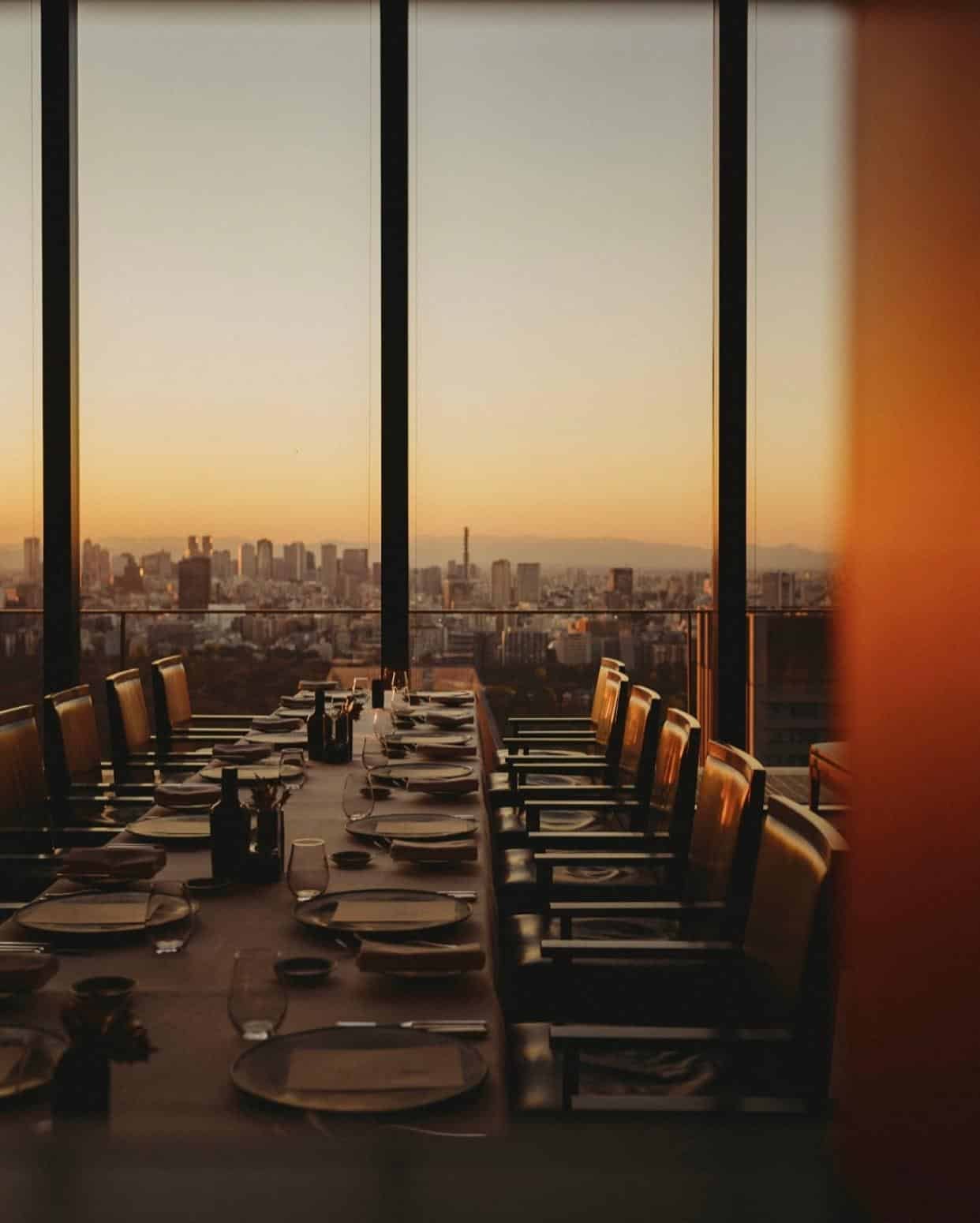
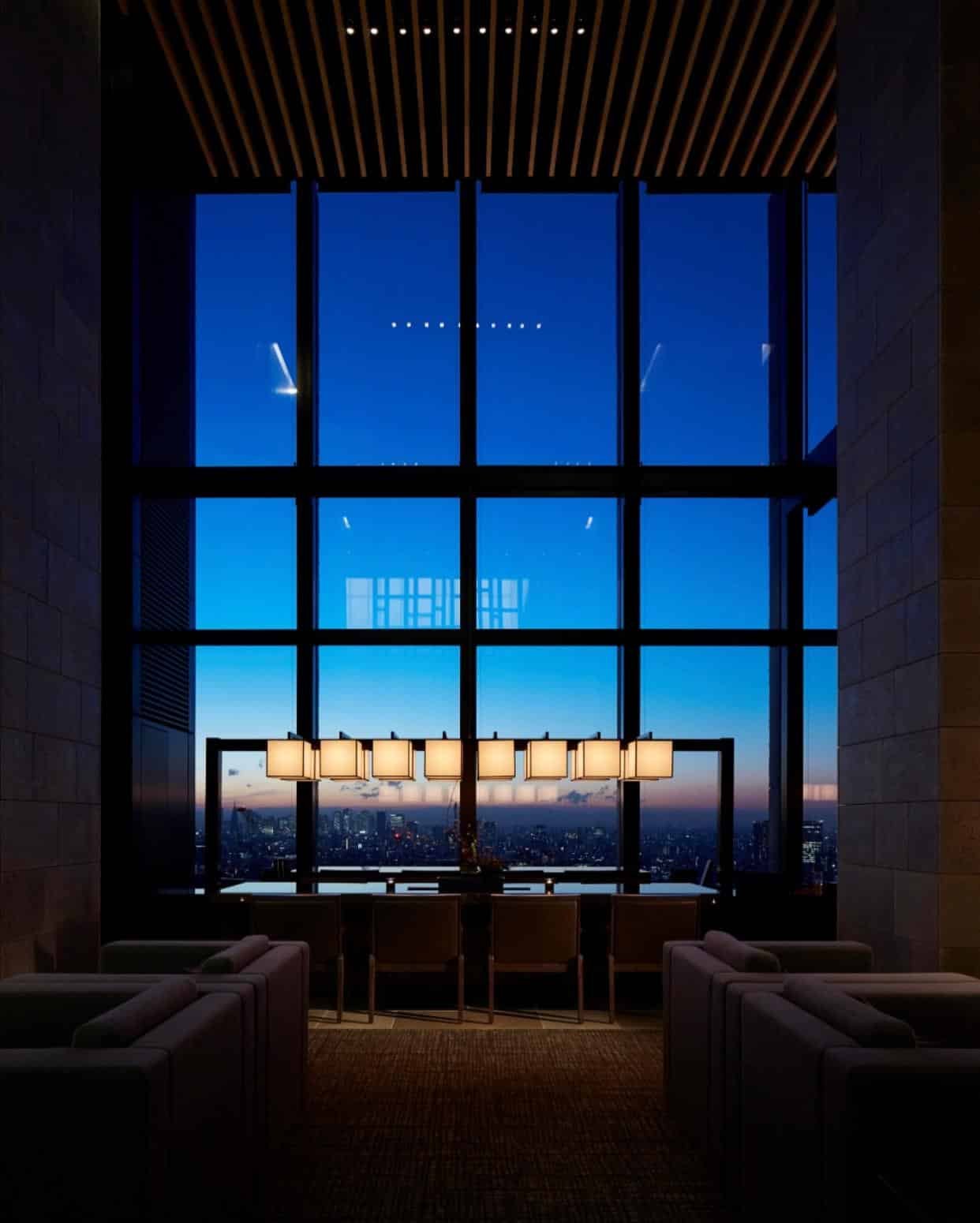
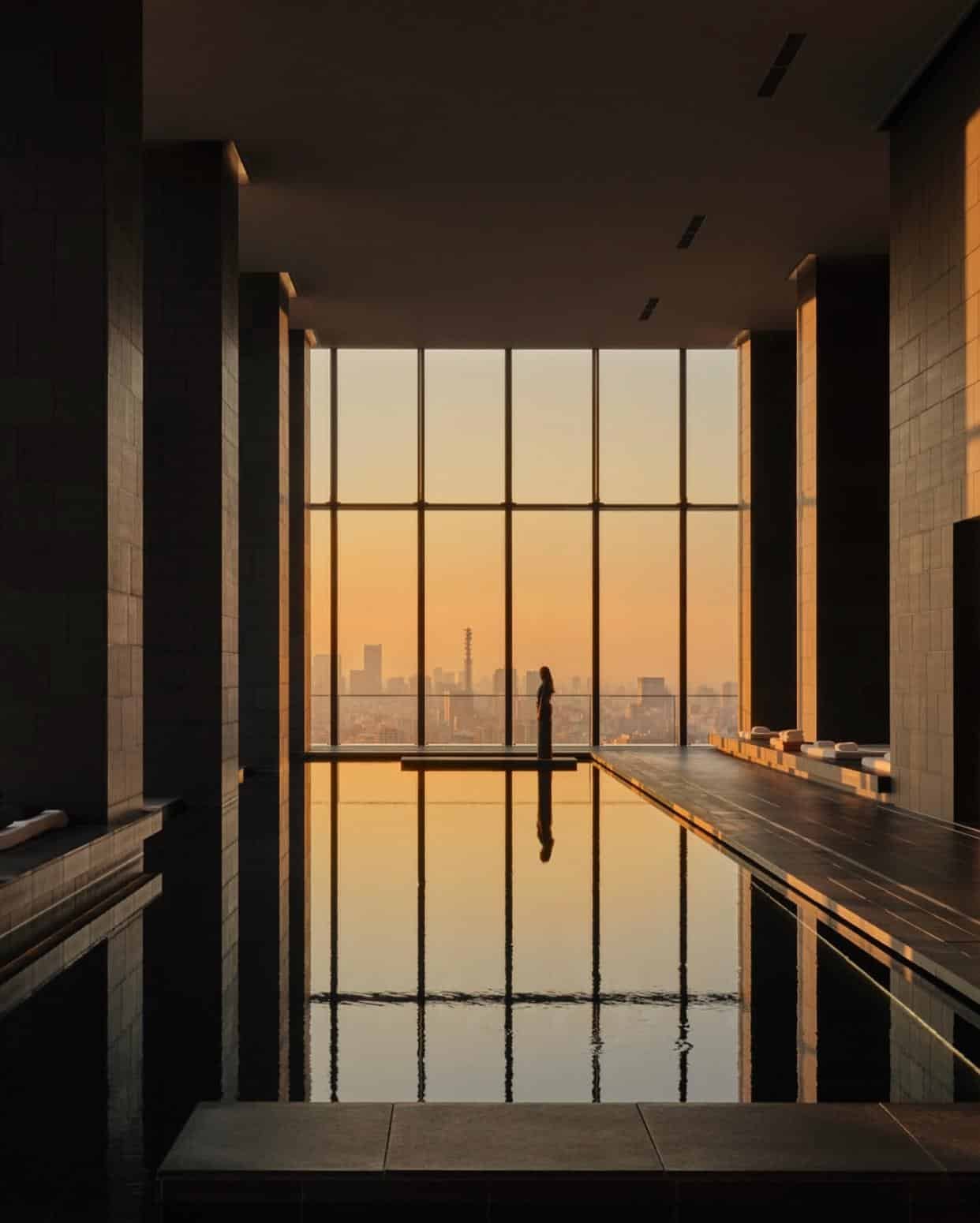
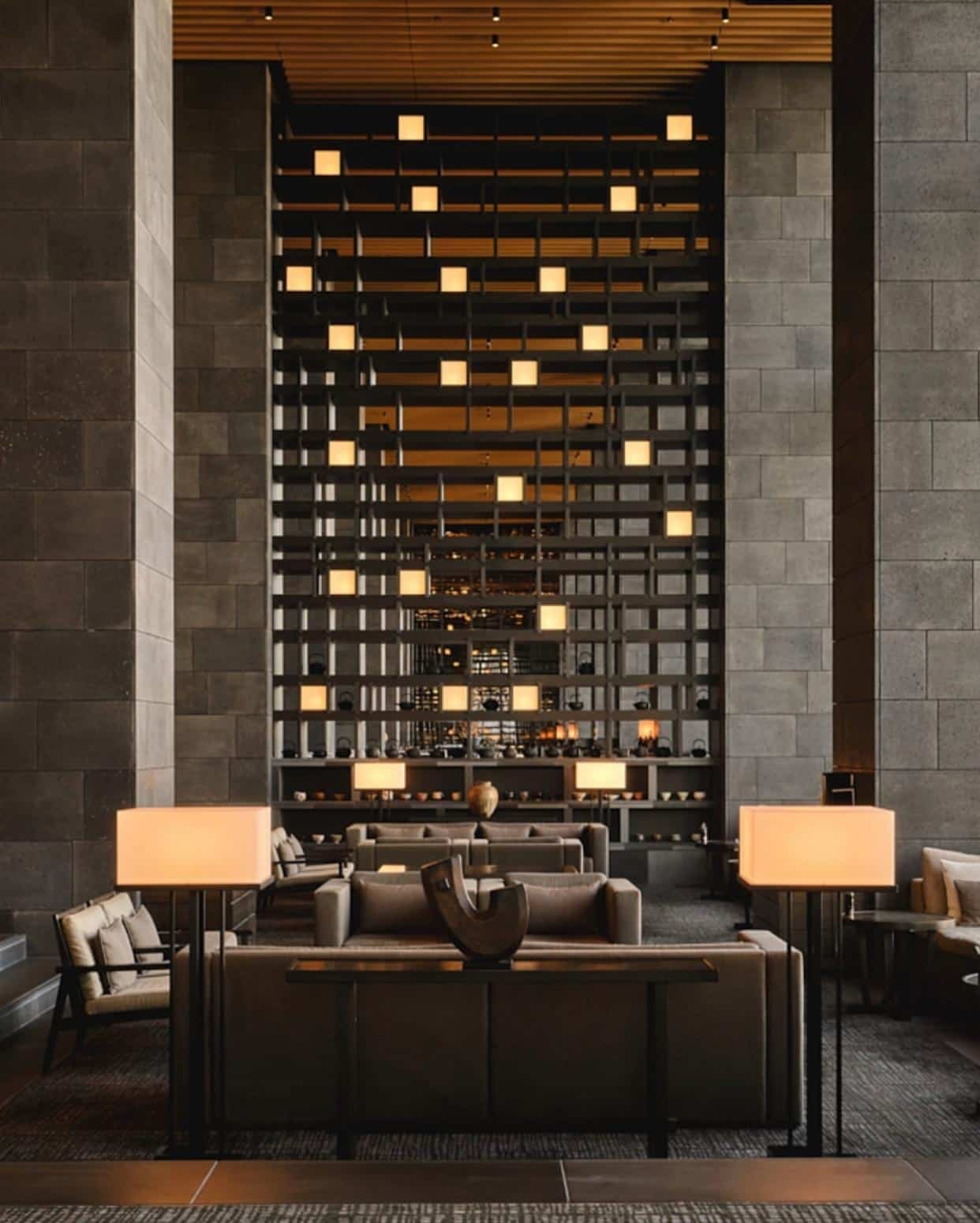
© Aman Tokyo
MANDARIN ORIENTAL TOKYO
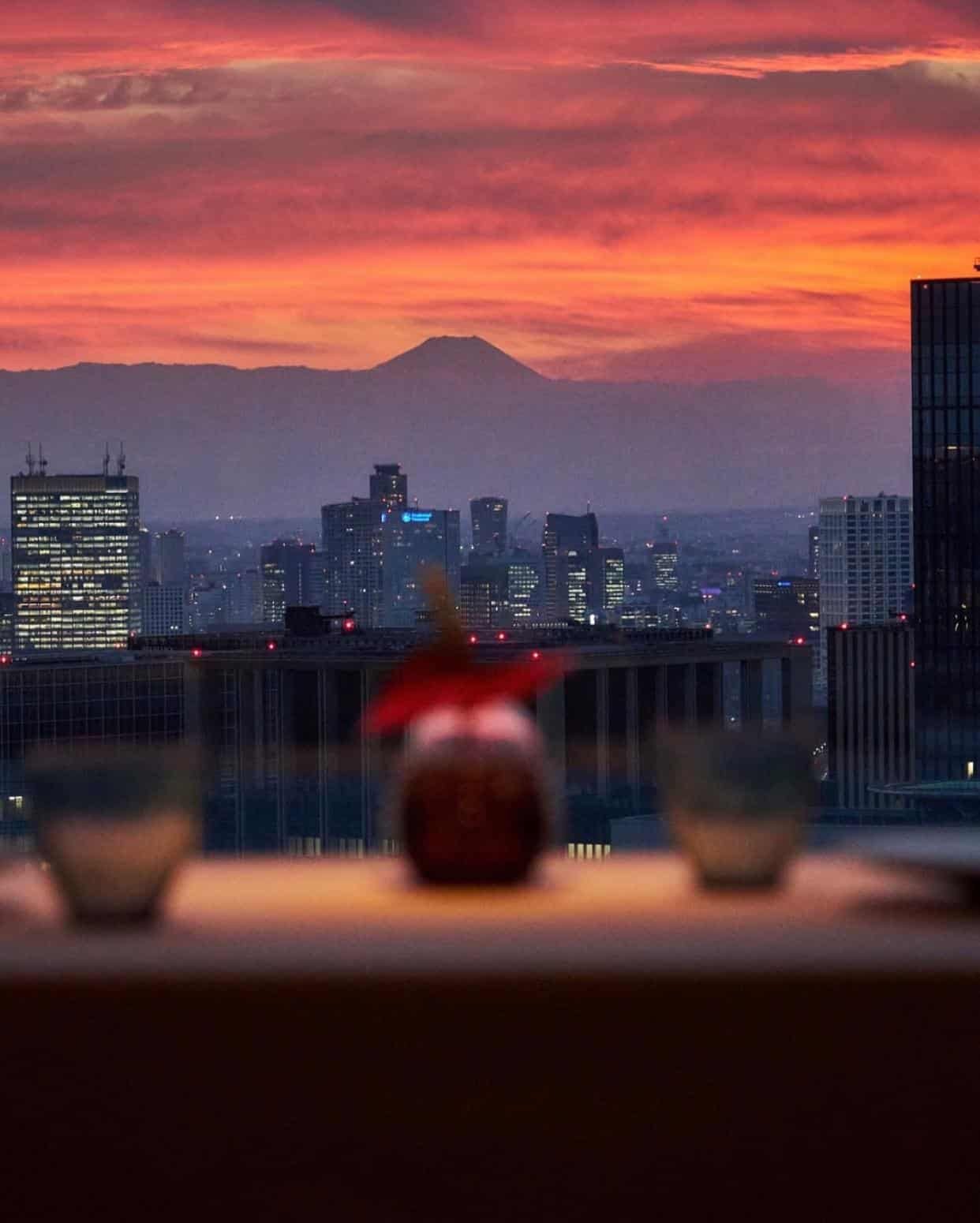
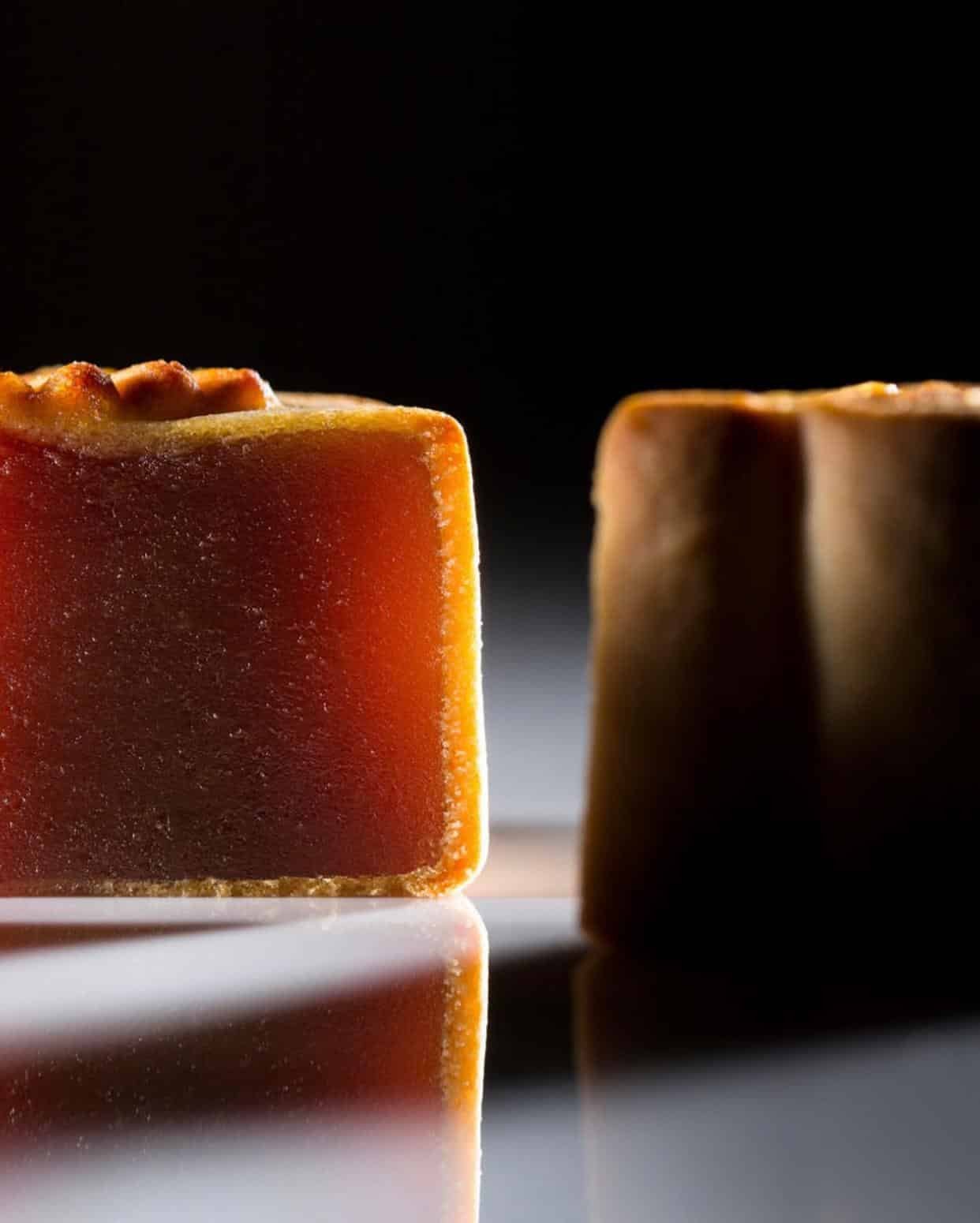
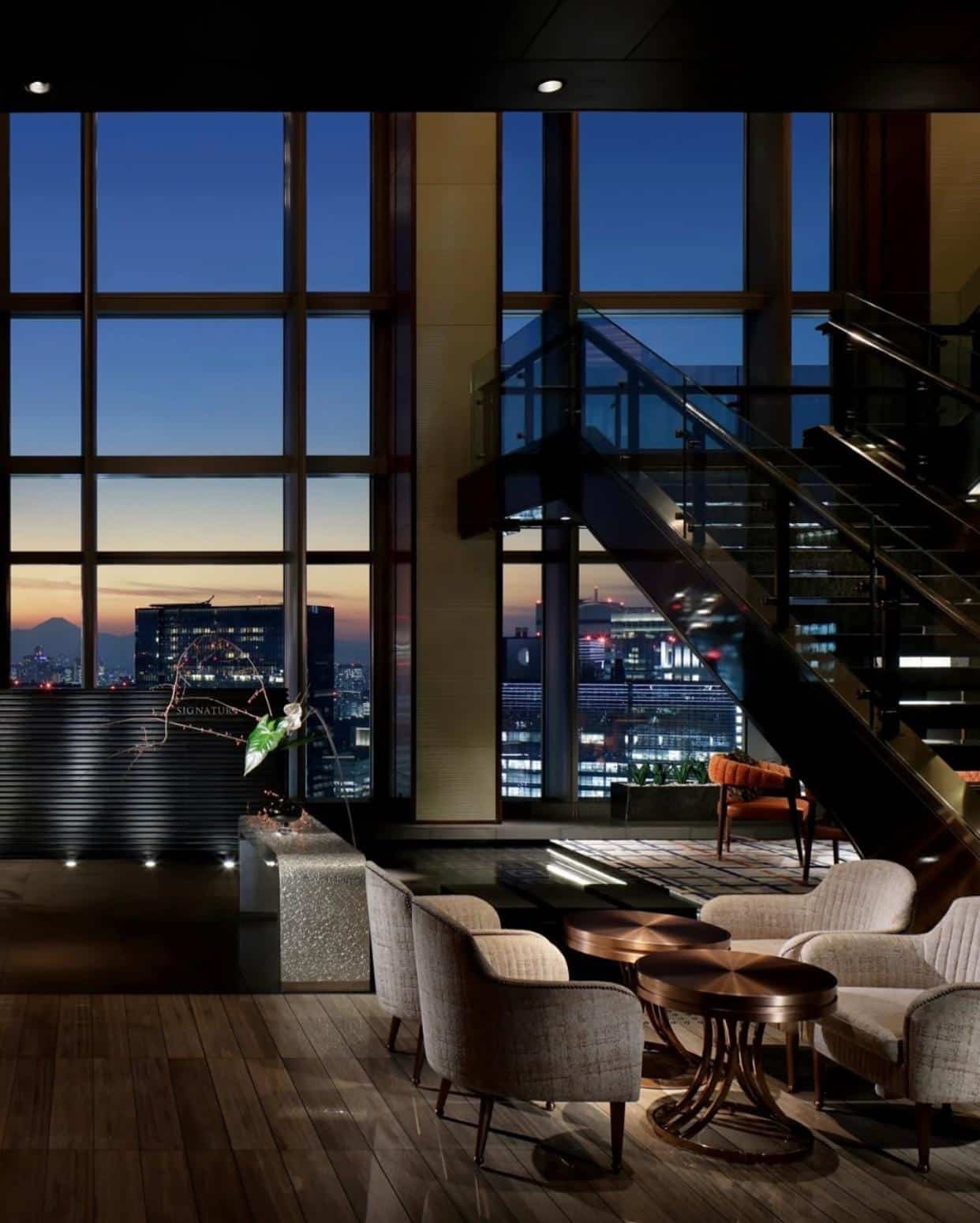
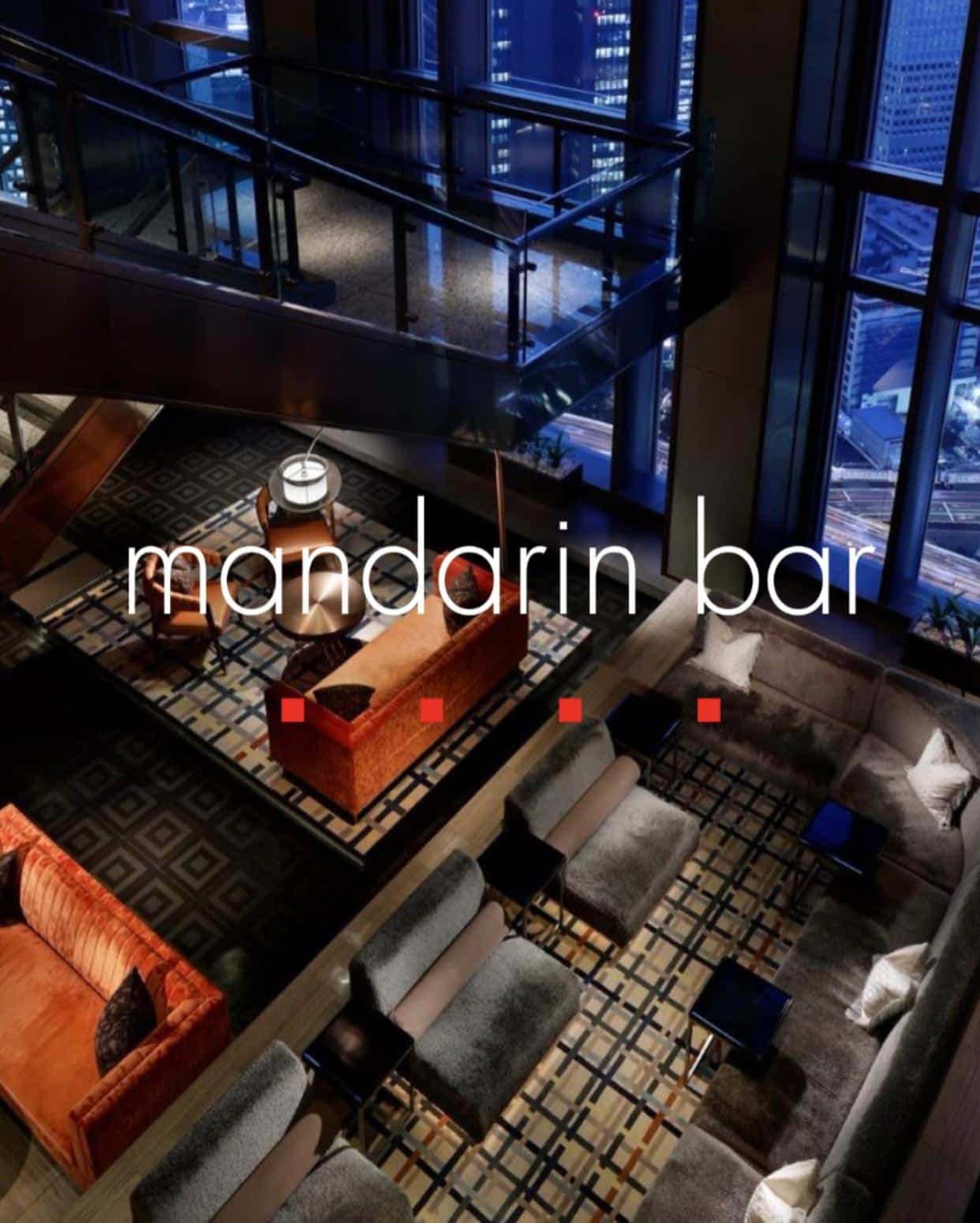
© Mandarin Oriental Tokyo
PALACE HOTEL TOKYO
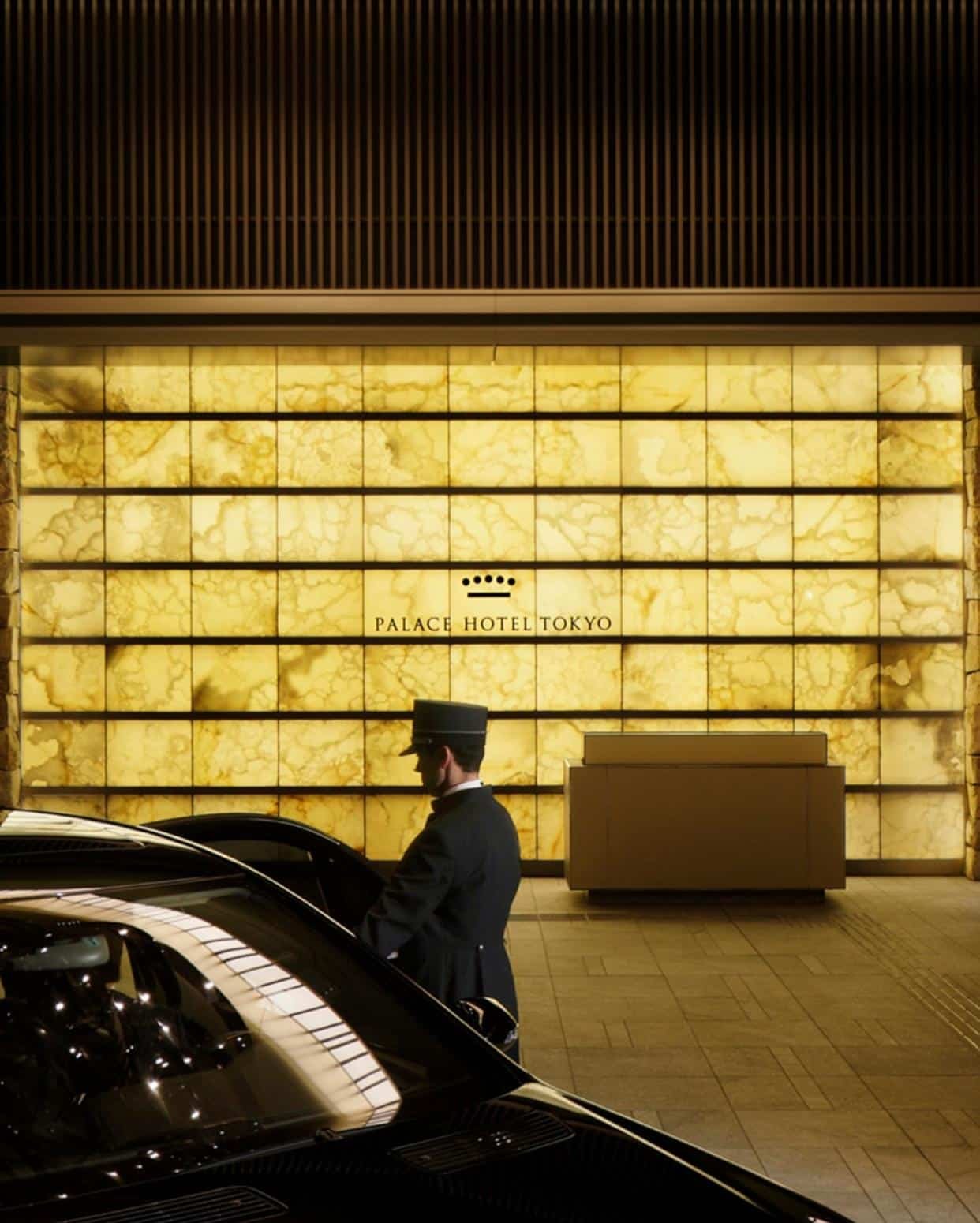
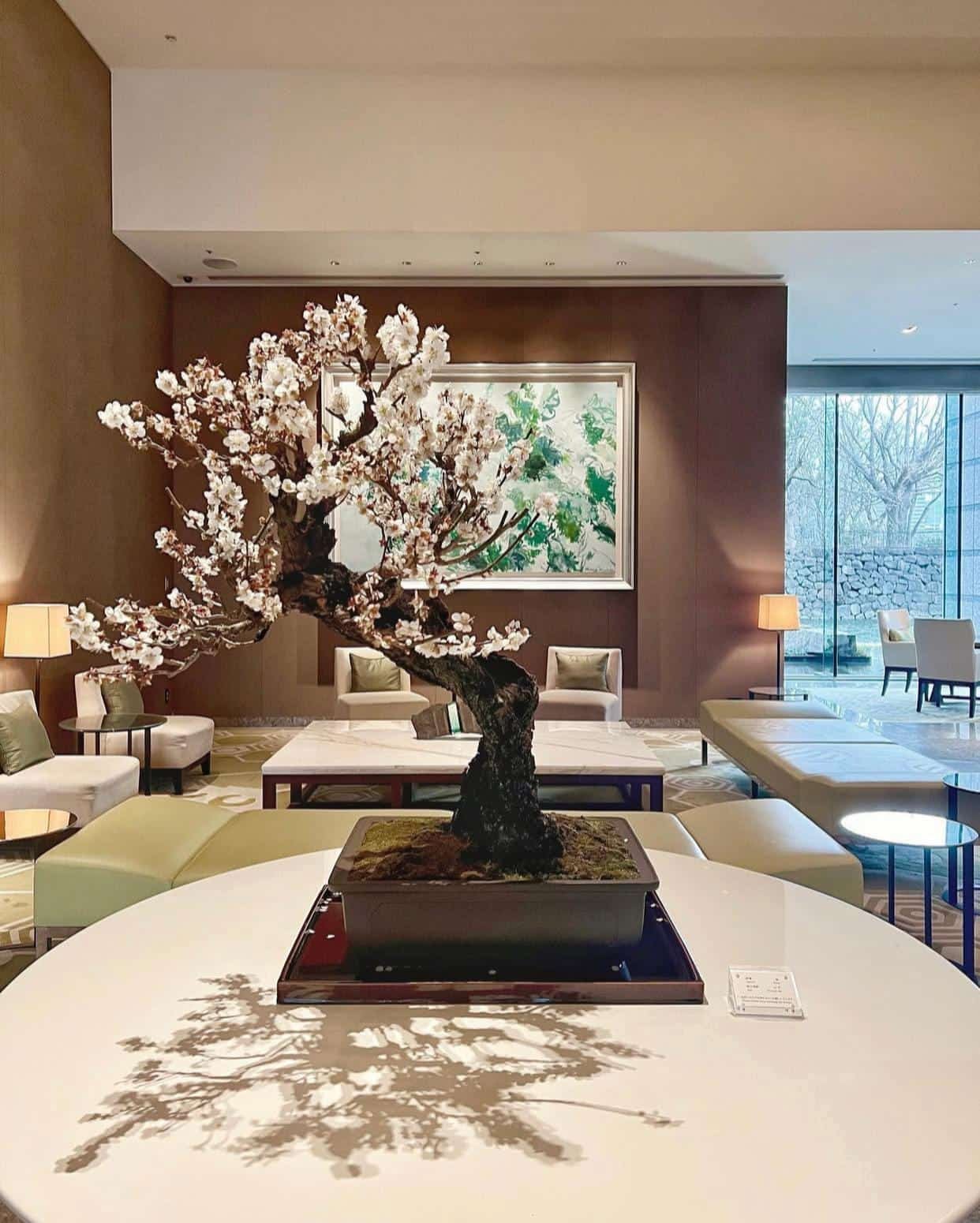
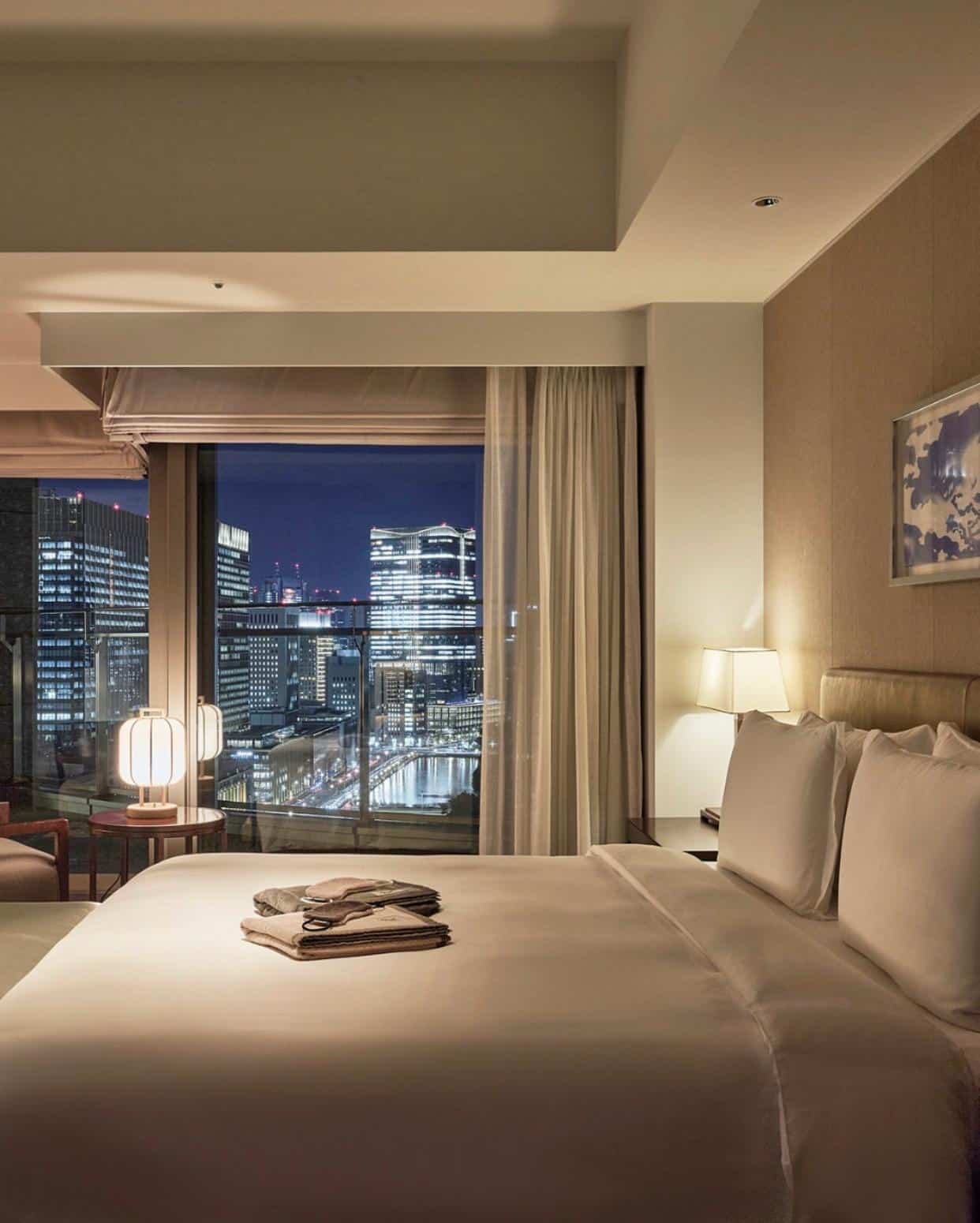
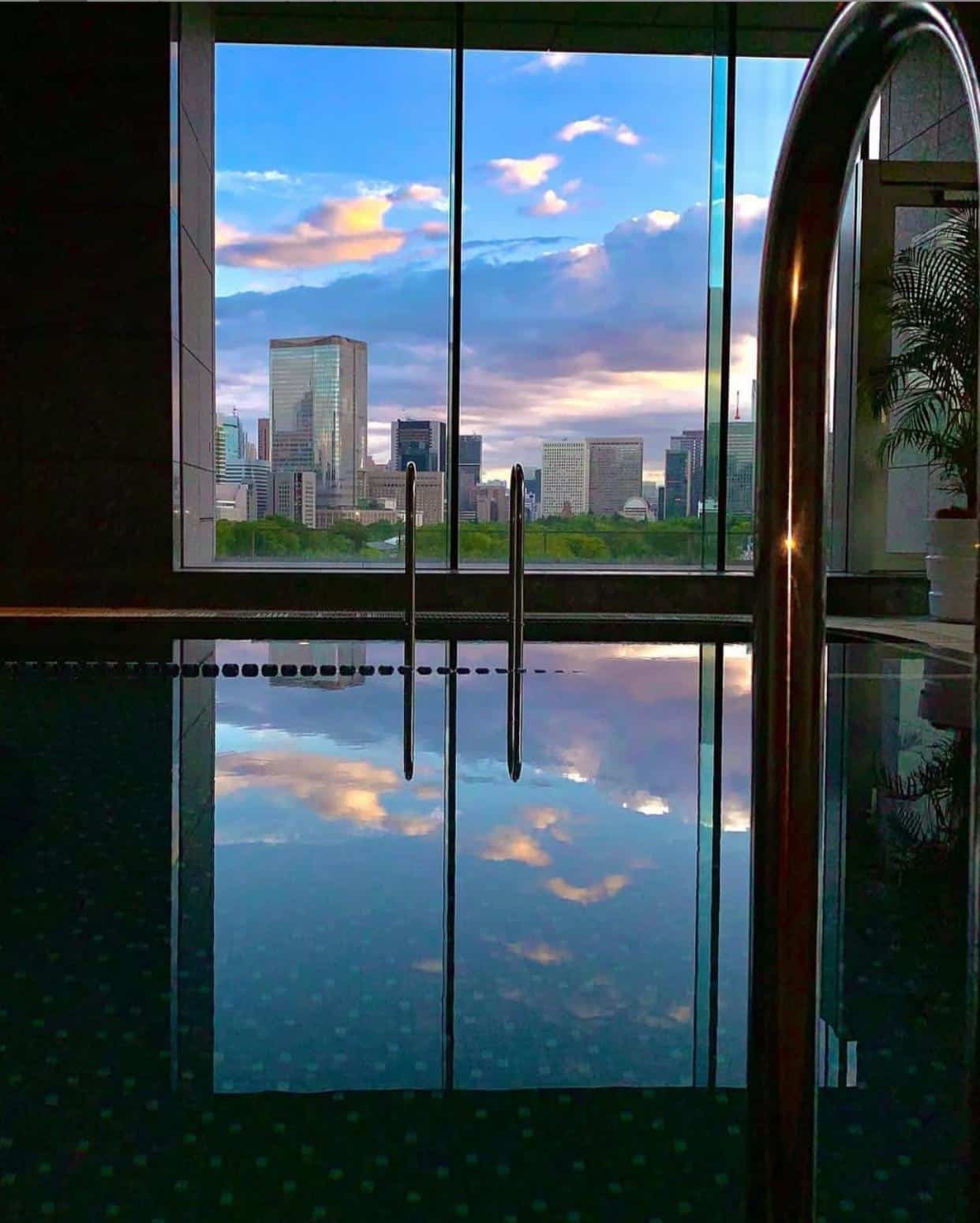
© Palace Hotel Tokyo
SHANGRI-LA TOKYO
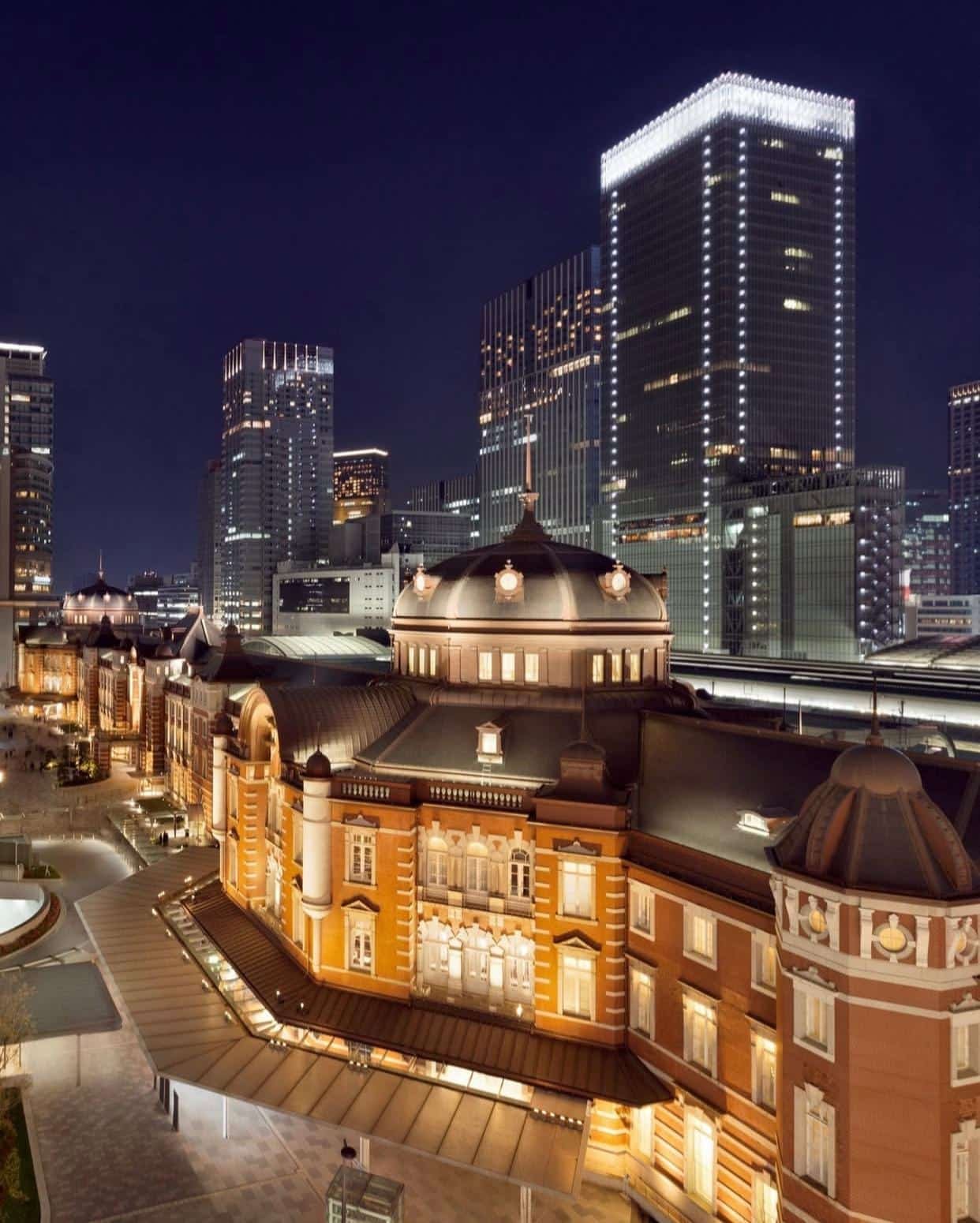
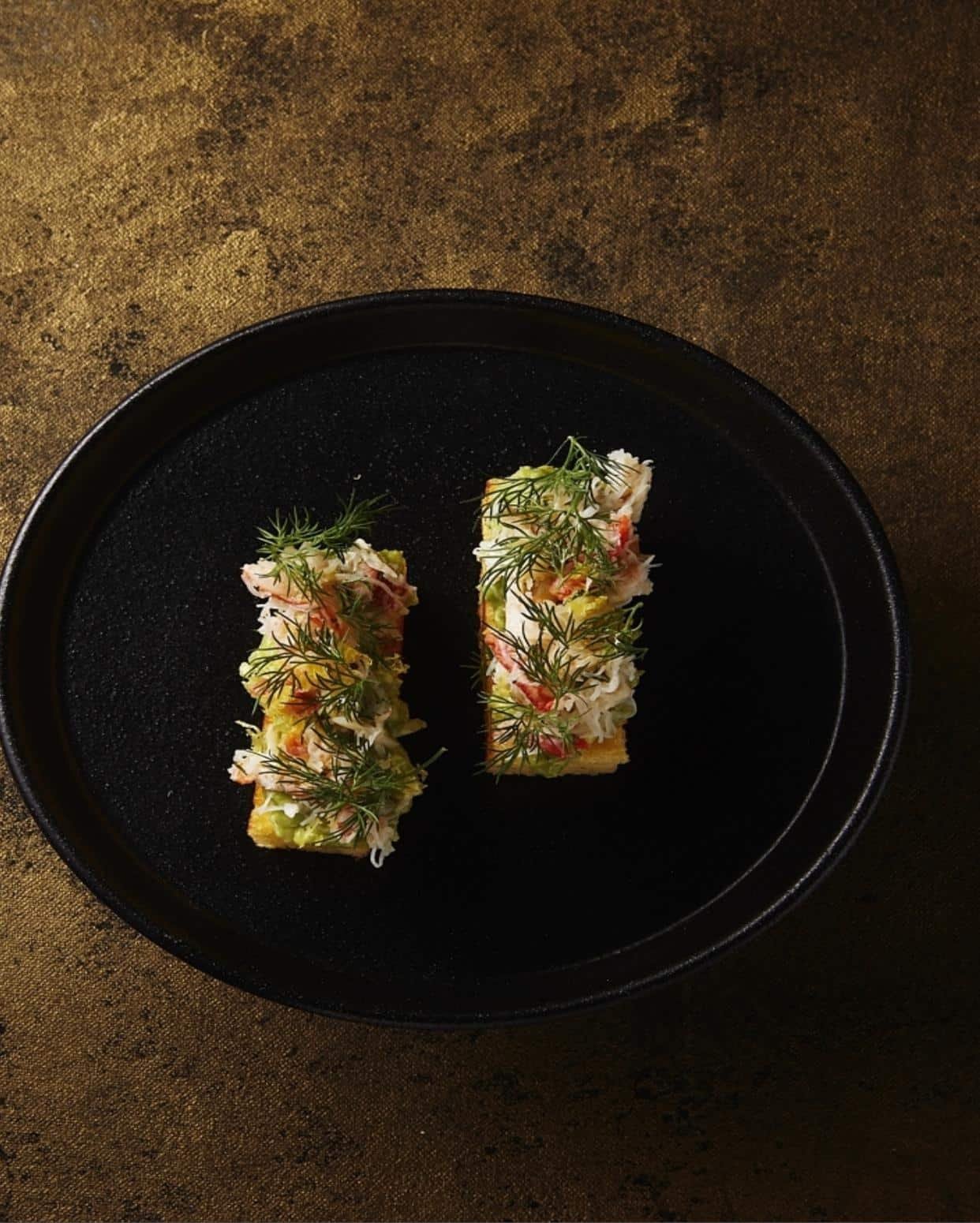
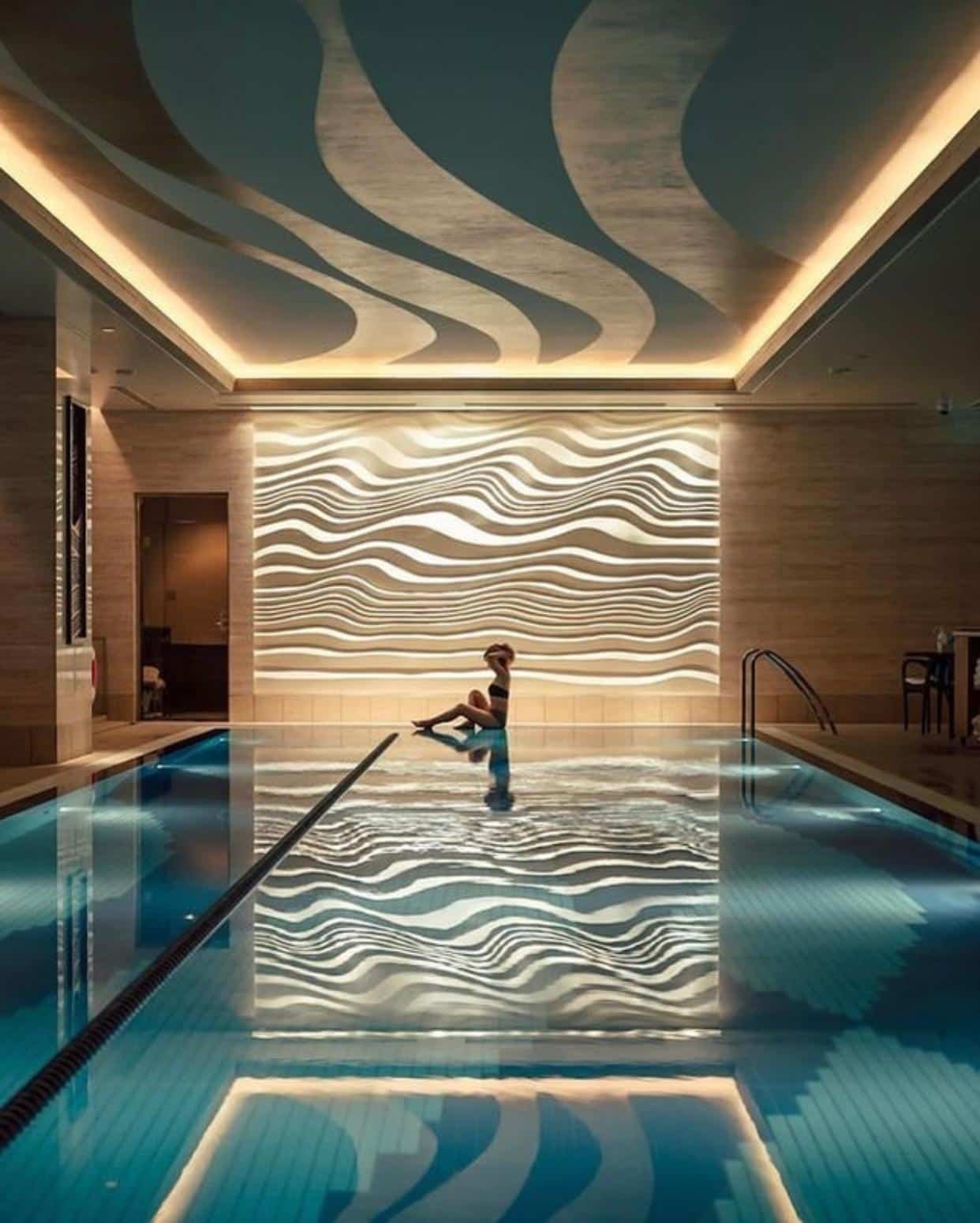
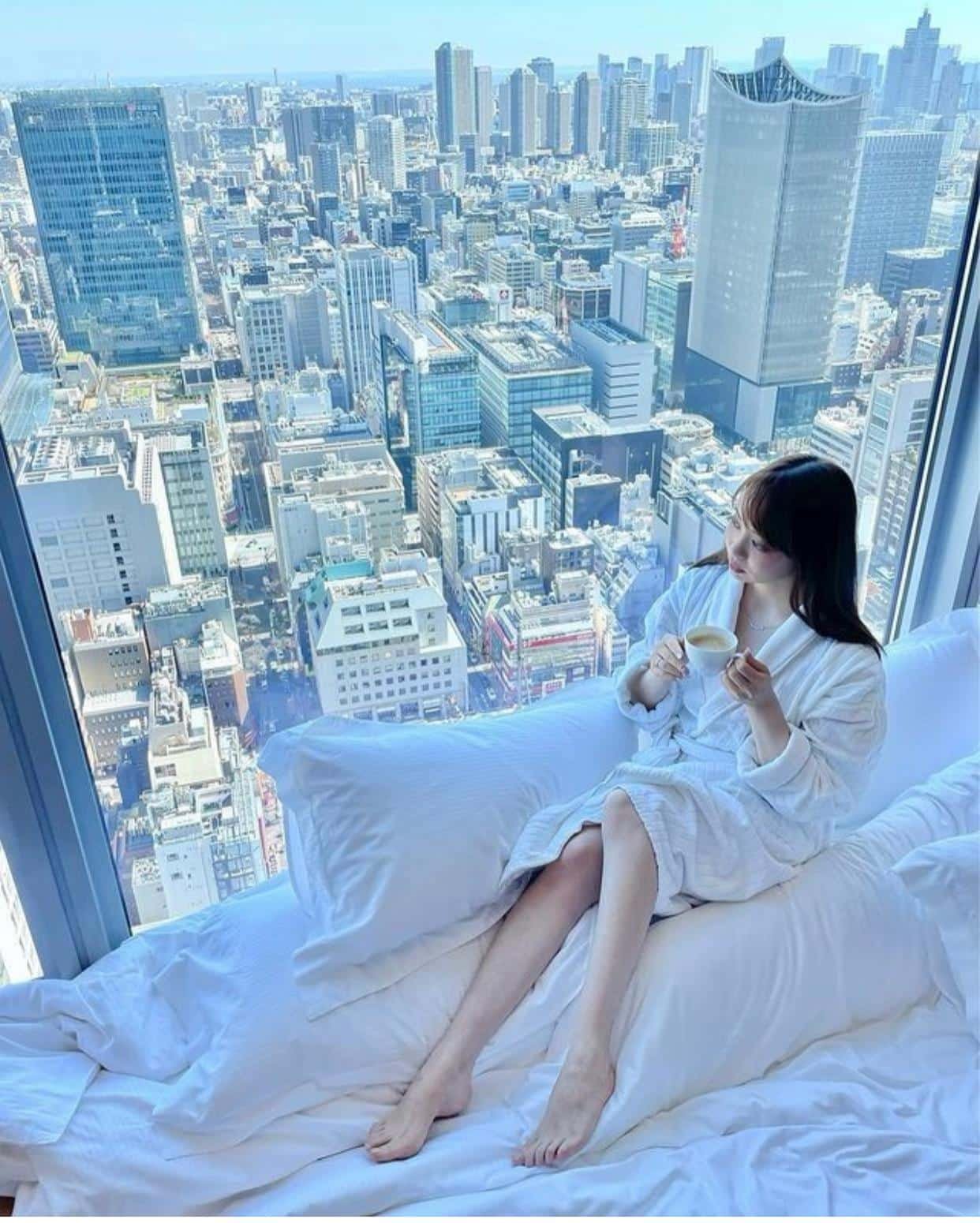
© Shangri-La Tokyo
THE PENINSULA TOKYO
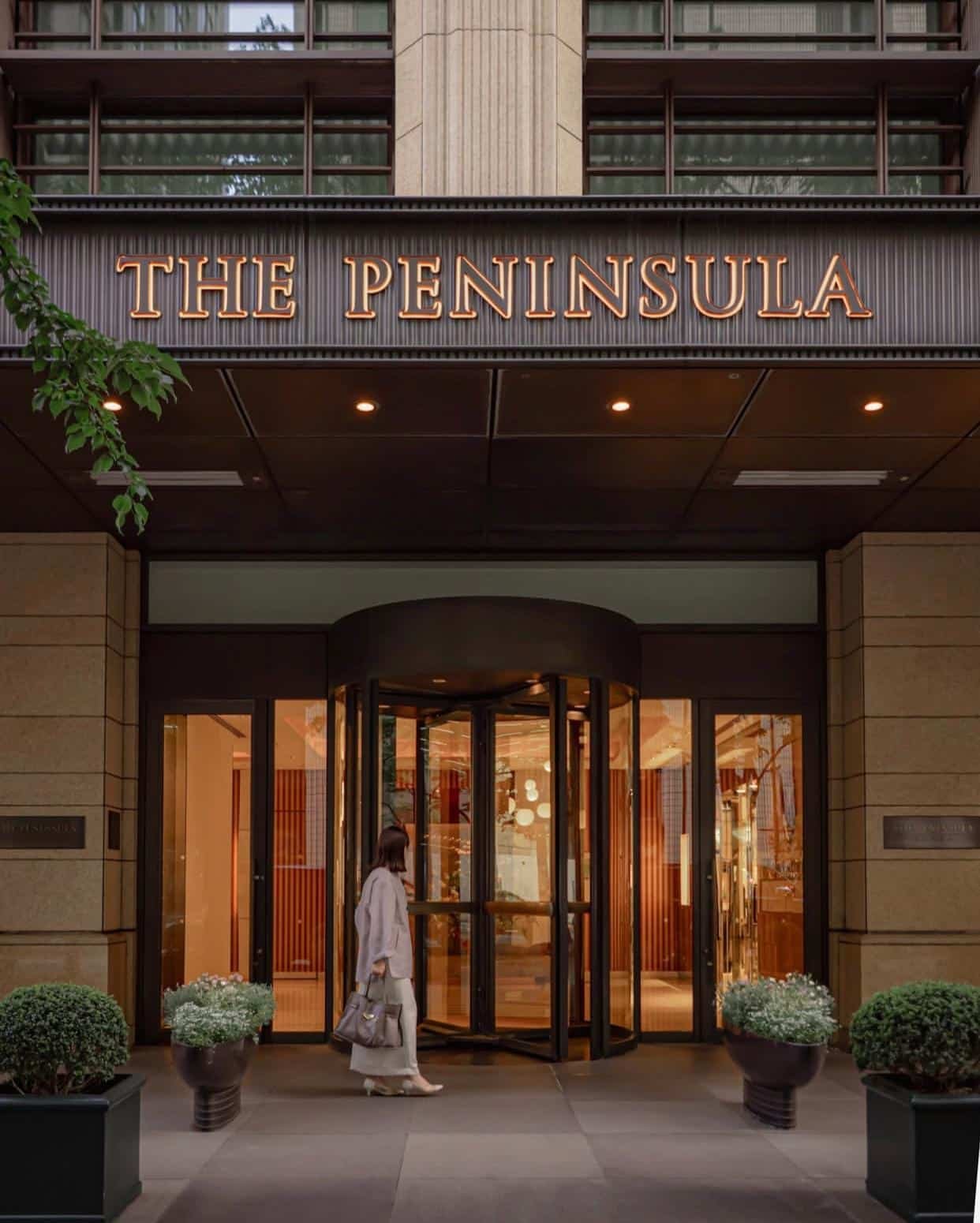
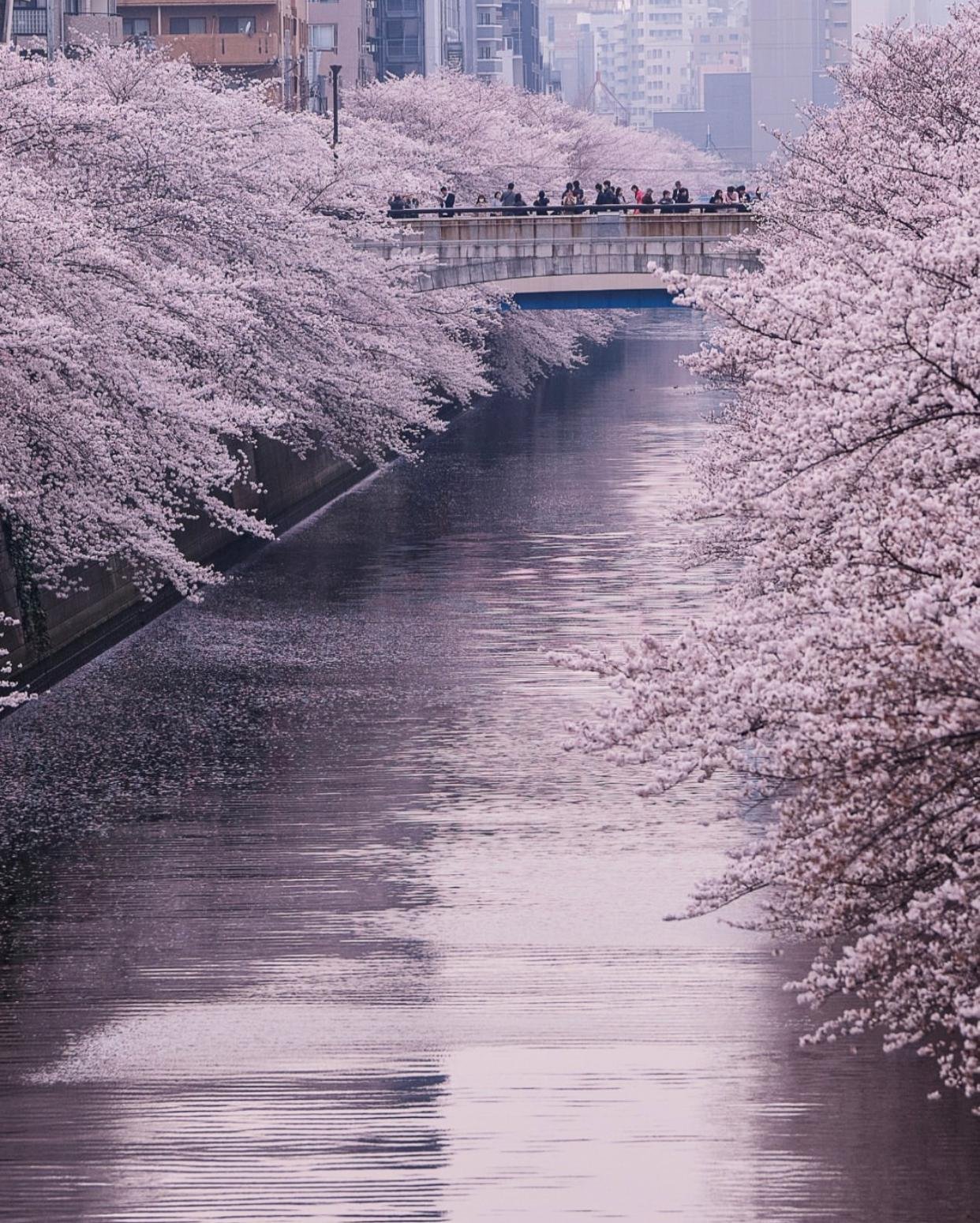
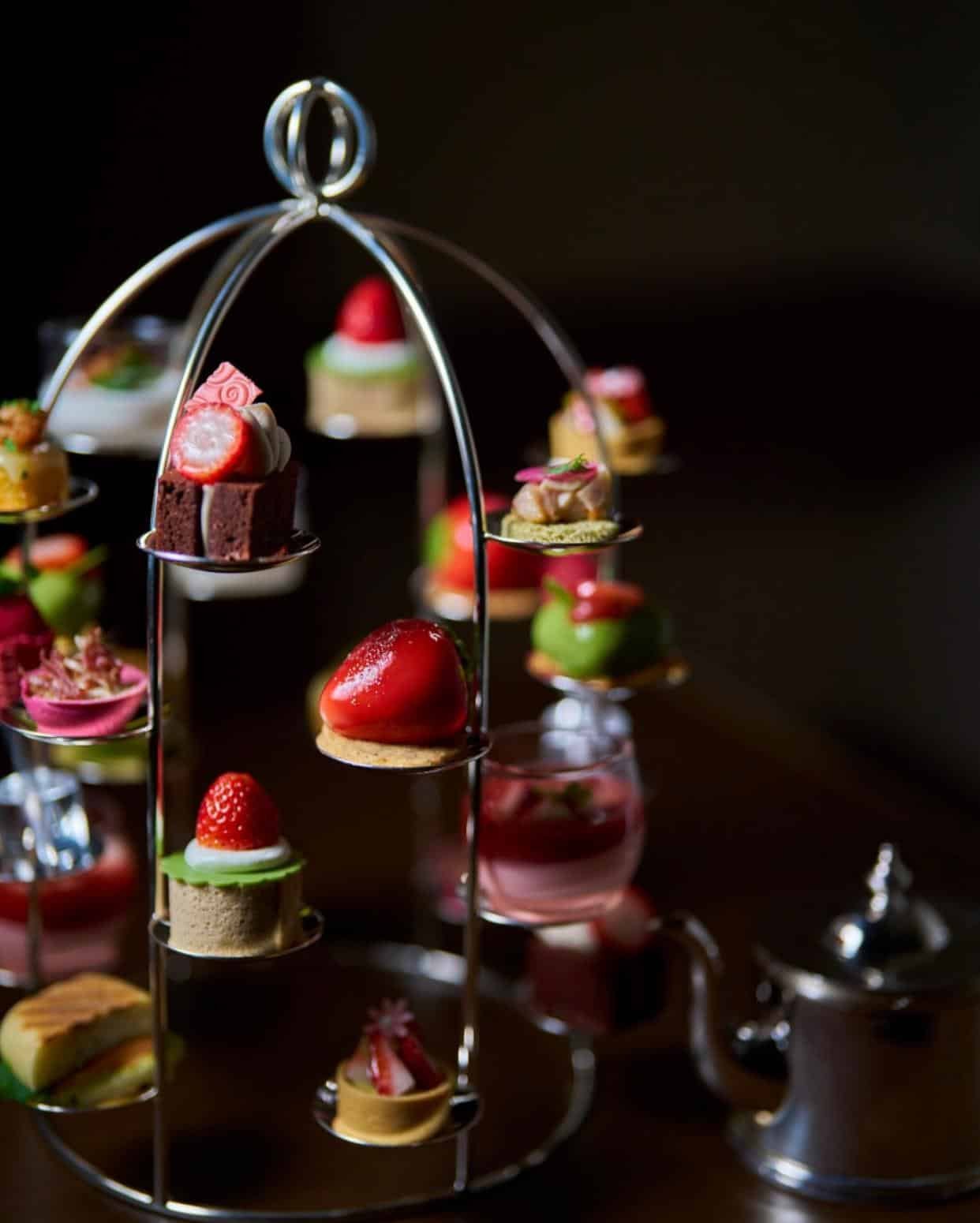
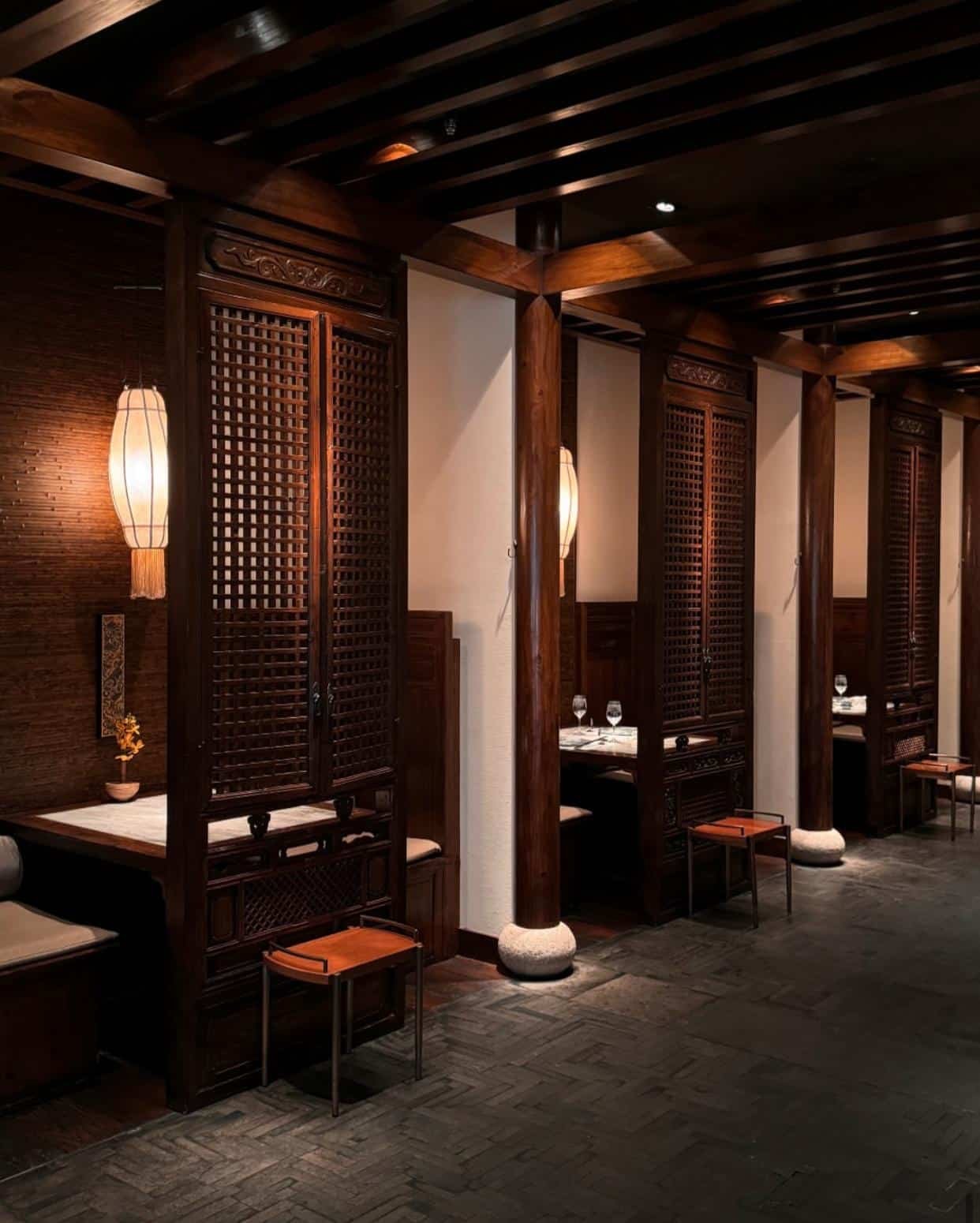
© The Peninsula Tokyo
FAQ — Hotels & Palaces Tokyo
· • • ·
1. Why is Tokyo’s luxury hospitality considered unique in the world?
Because Tokyo does not build luxury the way other cities do.
New York seeks energy.
Paris seeks allure.
Dubai seeks effect.
Tokyo seeks order.
In a city where:
— every gesture is measured,
— light is controlled,
— silence has value,
— service is a behavioral art,
luxury is not expressed through demonstration,
but through total control.
Tokyo palaces do not aim to impress.
They aim to stabilize,
to calm,
to organize.
This aesthetic discipline is what makes Tokyo
one of the most advanced capitals of luxury hospitality.
· • • ·
2. What defines a palace in Tokyo?
Three structural markers:
Geometry
Clean volumes, affirmed verticality, pure lines.
A Tokyo palace reads like an architectural plan.
Silence
Not empty silence —
controlled silence:
— softened doors,
— calibrated corridors,
— service that is almost imperceptible.
Light
White, clean, diffused.
It reveals surfaces and sets an extremely high standard
for materials and volumes.
In Tokyo, a palace is not décor.
It is a functional system.
· • • ·
3. How does Japanese service stand out in Tokyo palaces?
Through exactness.
Tokyo service is neither warm nor cold.
It is correct.
Staff members:
— observe before acting,
— anticipate without imposing,
— step back the second a gesture is complete,
— respect the guest’s space as a protected territory.
A Tokyo palace does not talk about service.
It shows it through its ability to disappear.
It is an art form —
a craftsmanship of behavior.
· • • ·
4. Why is light so central in Tokyo hotels?
Because it dictates the aesthetic.
Tokyo’s light is:
— cool,
— frontal,
— disciplined,
— completely honest.
It forces hotels to:
— choose flawless materials,
— refine surfaces,
— control reflections,
— calibrate textures.
Nothing is hidden.
Everything must withstand the light.
Hence the obsession with visual purity.
· • • ·
5. Which hotels are emblematic in Tokyo, and why?
Aman Tokyo
The temple of black verticality — absolute calm, sacred lines.
Mandarin Oriental Tokyo
Aerial purity — infinite view, suspended light.
Four Seasons Otemachi
Luminous minimalism — calm as architecture.
Park Hyatt Tokyo
The introspective palace — cinematic depth.
The Peninsula Tokyo
Sculpted luxury — precise gesture, stable elegance.
HOSHINOYA Tokyo
The reinvented ryokan — tradition + future in one breath.
Each hotel is different,
but all share the same idea:
luxury is a state, not a spectacle.
· • • ·
6. Why do Tokyo hotel rooms feel so completely calm?
Because they are designed as frictionless spaces.
— Few objects
— Natural materials
— Breathing volumes
— Neutral colors
— Continuous lines
— Stable surfaces
A Tokyo palace room offers nothing superfluous.
It offers the possibility to think.
It is not decorative.
It is functional in its calm.
· • • ·
7. How does sustainability express itself in Tokyo palaces?
Through structural coherence,
never through messaging.
— meticulously managed water
— reduced waste
— organized recycling
— durable materials
— invisible maintenance
— deep acoustic insulation
— optimized energy systems
Tokyo does not “communicate” sustainability.
It practices it.
Responsibility is a continuation
of calm and precision.
· • • ·
8. How does Japanese craftsmanship influence Tokyo hospitality?
Through every gesture.
Japanese service is a form of craftsmanship:
— posture,
— rhythm,
— precision,
— listening,
— control.
The Japanese hand is discreet yet absolute.
It works like a silent mechanism
that maintains the order of the place.
The palace becomes a living atelier
where calm is crafted.
· • • ·
9. Why is Tokyo so aligned with contemporary luxury travelers?
Because it matches perfectly
with modern luxury expectations:
— calm,
— cleanliness,
— precision,
— protection,
— clarity,
— detail obsession,
— absence of overload.
Tokyo offers an experience
where luxury is not consumed,
but breathed.
· • • ·
10. Do Tokyo Hotels & Palaces align with the Gloss City 50/30/20 model?
Absolutely — and almost perfectly.
50% Luxury
An aesthetic of pure calm, true light, controlled architecture.
30% Craftsmanship
Service as behavioral art, precise gestures, silent rituals.
20% Sustainability
Complete coherence, invisible optimization, disciplined resource management.
Tokyo is almost the ideal expression
of what Gloss City represents.
· • • • ·