

© Bvlgari
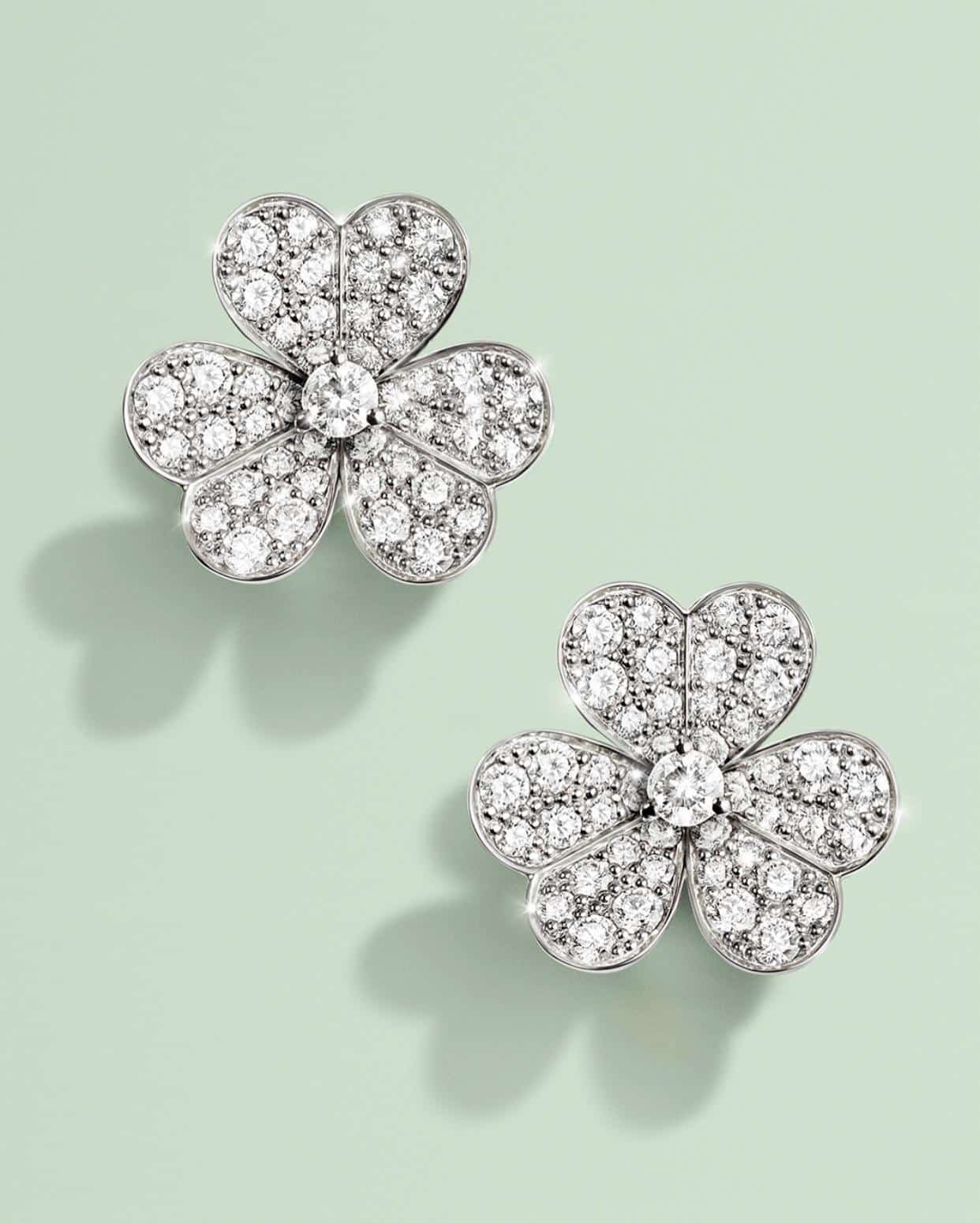
© Van Cleef & Arpels
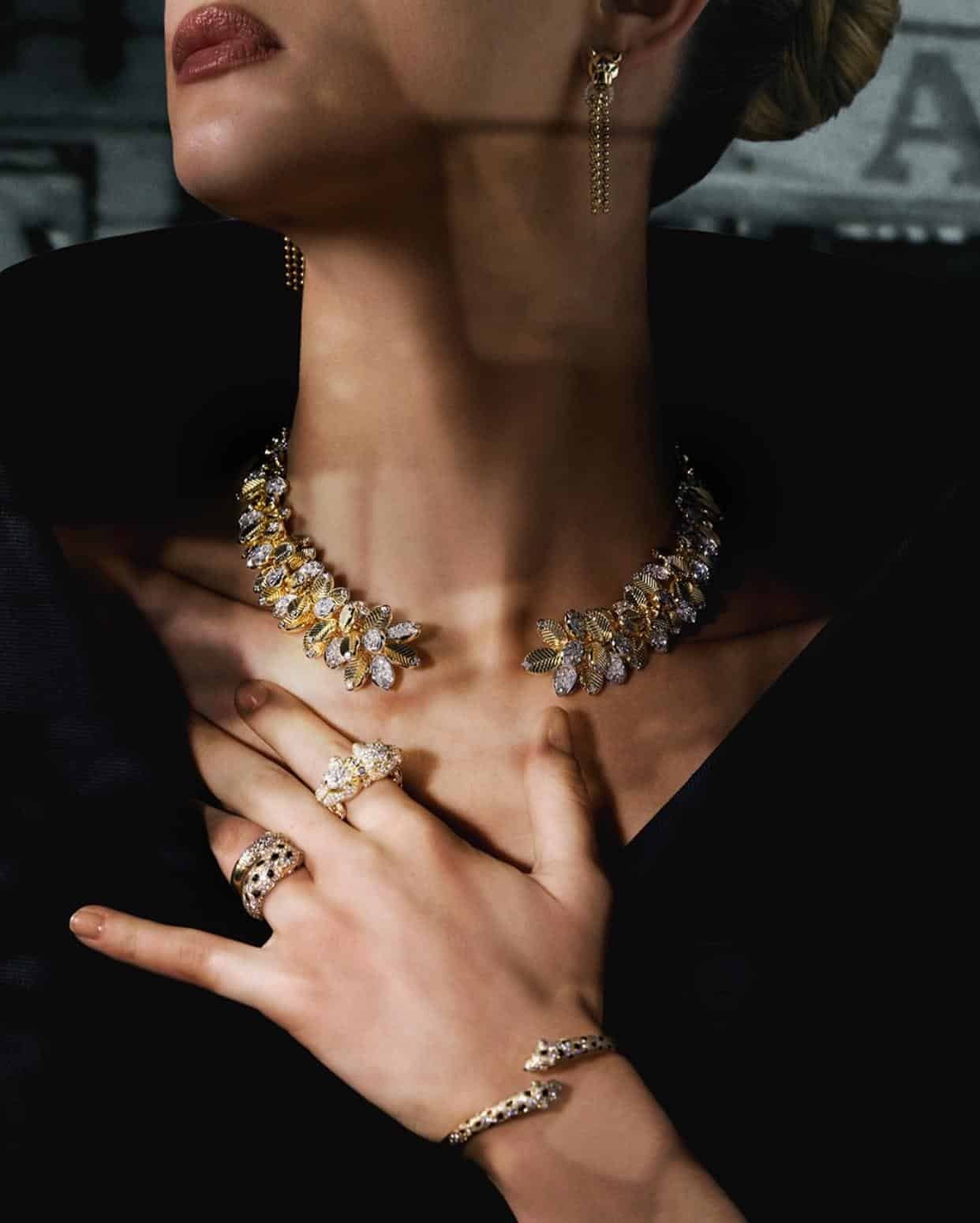
© Cartier
Fine Jewellery
In 1893, Kokichi Mikimoto cultivated in Toba the world's first cultured pearl. Before him, a perfect pearl was an accident of nature — one oyster in a thousand produced one in its lifetime. After him, the pearl became a mastered material. In 1899, he opened his first boutique on Ginza. That gesture founded something — Ginza as the territory of prestige jewellery in Japan, before the great European Houses had even arrived. Cartier, Van Cleef & Arpels, Bvlgari, Chanel, Dior — they all came after. Mikimoto was there first. And Ginza still carries that history in every façade of stone and glass that lines the Chuo-dori.
Ginza · The Silver Guild · The First Territory Of The Stone
The name Ginza comes from the Edo period — "silver guild" — when the district housed the silversmiths and precious metal merchants who worked for the Imperial Household and the city's traders. This original link between Ginza and precious materials is not a metaphor — it is a four-hundred-year historical continuity. When Kokichi Mikimoto chose Ginza for his first boutique in 1899, he did not choose just any district of Tokyo. He chose the district that, since the Edo period, had treated silver, gold and precious stones as a central rather than a marginal activity. The great European Houses of fine jewellery that established themselves on Ginza during the twentieth century made the same choice — not because Ginza was Tokyo's busiest commercial street, but because Ginza was the most legitimate territory for what they were selling. A piece of fine jewellery in a district that does not understand precious metal does not find its clientele. On Ginza, the clientele understands before it has even entered the boutique.
Two Traditions · One Shared Exigence · The Stone And The Pearl
Fine jewellery in Tokyo rests on two distinct traditions that have met without merging. The European tradition — the Place Vendôme, the diamond, the gemstone, the gold and platinum setting, Van Cleef's Serti Mystérieux, Cartier's Panthère — arrived in Japan gradually over the course of the twentieth century. Van Cleef & Arpels in 1974 — the first French jewellery House to establish itself in Japan. Cartier, with its historical link to Japanese culture that Louis Cartier nurtured through his collection of Japanese art without ever having visited the country. Bvlgari, whose Roman reading of the jewel enters into dialogue with the Japanese aesthetic of the precious object. The Japanese tradition — Mikimoto and the cultured pearl, Tasaki and its Mabé pearls, the Ginza jewellers who since the Meiji era have synthesised the techniques of European Art Deco and Art Nouveau with Japanese aesthetic sensibility — was born of a different conviction: that the beauty of a gemstone lies not in its geological rarity but in the way it is worked, mounted, presented. These two traditions share the same exigence of precision. They express it differently. And Ginza is the place in the world where they coexist with the greatest density.
The great Houses of the Place Vendôme have all chosen Ginza as their Japanese reference address — and all have invested in architectures that express their vision as much as their collections. The 2025 Cartier flagship, the largest in Asia, with its seigaiha façade by Klein Dytham Architecture and Moinard Bétaille interiors integrating washi and origami panels, is the most recent expression of this ambition. The Bvlgari Ginza Tower — the largest Bvlgari boutique in the world at its opening in 2007, with the Bvlgari Ginza Bar & Dolci on the ninth and tenth floors. Chanel with its two Peter Marino towers whose seven-hundred-thousand-diode tweed glass façade comes alive at night. Van Cleef & Arpels on Ginza since 1974 — the first French jewellery House in Japan — with three addresses in the district. In each of these boutiques, the experience of fine jewellery follows the protocol of omotenashi — total Japanese hospitality — which elevates the service beyond what one finds in the same House's boutiques elsewhere in the world. The same piece, presented differently, in a register of care and precision that belongs to Japan.
Mikimoto and Tasaki are the two Houses that have built the legitimacy of the Japanese pearl as a fine jewellery material — not as craft or everyday jewellery, but as an exceptional piece comparable to a diamond solitaire or a Serti Mystérieux. Mikimoto Ginza, renovated in 2017, has a façade of forty thousand small glass tiles whose shimmer evokes the glittering sea in spring — an architecture that speaks pearl before one has even entered the boutique. Tasaki, founded in 1954, evolved from the 2000s toward creative fine jewellery with European artistic directors — Thakoon Panichgul, Mélanie Georgacopoulos — who reinterpret the pearl in contemporary, asymmetric, sometimes radical compositions. These two Houses occupy a particular position on Ginza: they are not subsidiaries of a European group, their headquarters are not in Paris or Milan. They were born here, of this sea, of these oysters, of this conviction that the cultured pearl deserved to be treated with the same care as the rarest stone.
The Japanese fine jewellery clientele is one of the most discerning in the world — not because it spends the most, but because it reads the most precisely. It knows collections in their historical depth, it distinguishes a piece of fine jewellery from a piece of everyday jewellery with a precision that few European clienteles possess, and it chooses with a loyalty to Houses that extends across decades. This relationship to the jewel — as a precious object, as an inheritance, as a connection to a House and its history — is culturally Japanese. In a culture where precious objects are kept, transmitted, honoured rather than replaced, fine jewellery finds a particular resonance. And in the prestigious department stores — Mitsukoshi Ginza, Isetan Shinjuku, Takashimaya — jewellery spaces function as editors: their selection of Houses and collections says something about the value of what is on offer, which the Houses themselves read attentively.
Gloss Tokyo covers fine jewellery in Tokyo to the same standard as every other category on the platform — an unexpected and verified factual hook for each House, grounded in primary sources, that reveals something about the House's history that official communications do not always tell. The link between Louis Cartier and Japanese culture, which he collected without ever having visited Japan. Van Cleef & Arpels' first sale in 1906 — a diamond heart — and its arrival in Japan in 1974. Mikimoto's cultured pearl of 1893 and what it changed in the history of world jewellery. These hooks are not anecdotes — they are the foundations of a reading of each House that explains why it is on Ginza rather than elsewhere, and why the Tokyo clientele has accorded it its trust for decades. Fine jewellery deserves writing at the level of what it is — precise, dense, rigorous. Gloss Tokyo produces it.
In fine jewellery, the point of sale is not a shop — it is a setting. This conviction that the building must itself be a piece of the collection is particularly visible on Ginza, where the Houses have invested in architectures whose material precision enters into dialogue with the precision of what they sell. The 2025 Cartier flagship at Ginza Sukiyabashi, by Klein Dytham Architecture with Moinard Bétaille interiors integrating washi, Japanese woods and origami ceilings, is the most recent declaration of this ambition. The Bvlgari Ginza Tower of 2007 — with its nine hundred and forty square metres across several floors and the Bvlgari Bar on the upper levels — says that fine jewellery in Tokyo is lived at height, with a view over the city. Mikimoto Ginza says the same thing differently: forty thousand glass tiles that shimmer like the nacre of a pearl. In each of these buildings, the architecture is already a demonstration — of the value of materials, of the precision of the gesture, of the conviction that what contains a piece of fine jewellery must be worthy of it.
Alongside the great international Houses and Japanese institutions such as Mikimoto and Tasaki, a scene of contemporary Japanese jewellery exists on Omotesando and in Aoyama — discreet, precise, built on aesthetic values that extend into jewellery what Japanese avant-garde fashion produced in clothing. Shihara, nestled in a passage near Omotesando, offers stripped-back geometric pieces — angular signet rings, square bangles, triangular earrings — whose formal radicality recalls the same logic as Comme des Garçons in fashion. Hirotaka works fine stones in minimalist settings of Japanese precision. Ahkah, with its XXS pieces whose details are so small they seem designed for a close gaze, corresponds to the Japanese taste for micro-detail and discreet beauty. These Houses are not trying to rival the Place Vendôme. They are trying to say something else — a fine jewellery that would be simultaneously Japanese in its relationship to material and contemporary in its way of thinking the jewel as a philosophical object as much as an aesthetic one.
In 1893, Kokichi Mikimoto cultivated
the world's first cultured pearl.
In 1899, he opened on Ginza.
Before him, a perfect pearl
was an accident of nature.
After him, it was an art.
The great European Houses
arrived after.
Ginza already carried
the legitimacy of the precious stone
since the Edo period.
This is not a coincidence.
It is a history.
In the global geography of fine jewellery, Tokyo occupies a singular position — simultaneously a receiving market for the great European Houses and a territory of production for a distinctly Japanese jewellery tradition. This dual nature exists nowhere else to the same degree. New York is a market. Paris is a centre of creation. Tokyo is both simultaneously — and it links them through a philosophy of precision that is profoundly Japanese. The jeweller who mounts a stone on Ginza and the craftsperson who lacquers a box in Kyoto, the chef who fillets a fish at the Toyosu market and the watchmaker who assembles a complication in Yokohama share the same conviction: that the quality of a gesture is measured at the point where tolerance for approximation ends. For fine jewellery, that tolerance is close to zero. And Tokyo, a city where zero approximation is a cultural standard rather than a professional exception, is the most demanding market in the world for what fine jewellery produces at its most precise.
Ginza: silver guild since the Edo period.
Mikimoto in 1899: the pearl as art.
Van Cleef & Arpels in 1974: the first French jeweller in Japan.
Cartier in 2025: the largest flagship in Asia.
Between these dates:
a clientele that reads the archives,
keeps the pieces,
passes them to those who follow.
Fine jewellery in Tokyo
is not a market.
It is a conversation
that has been going on for centuries.
BVLGARI

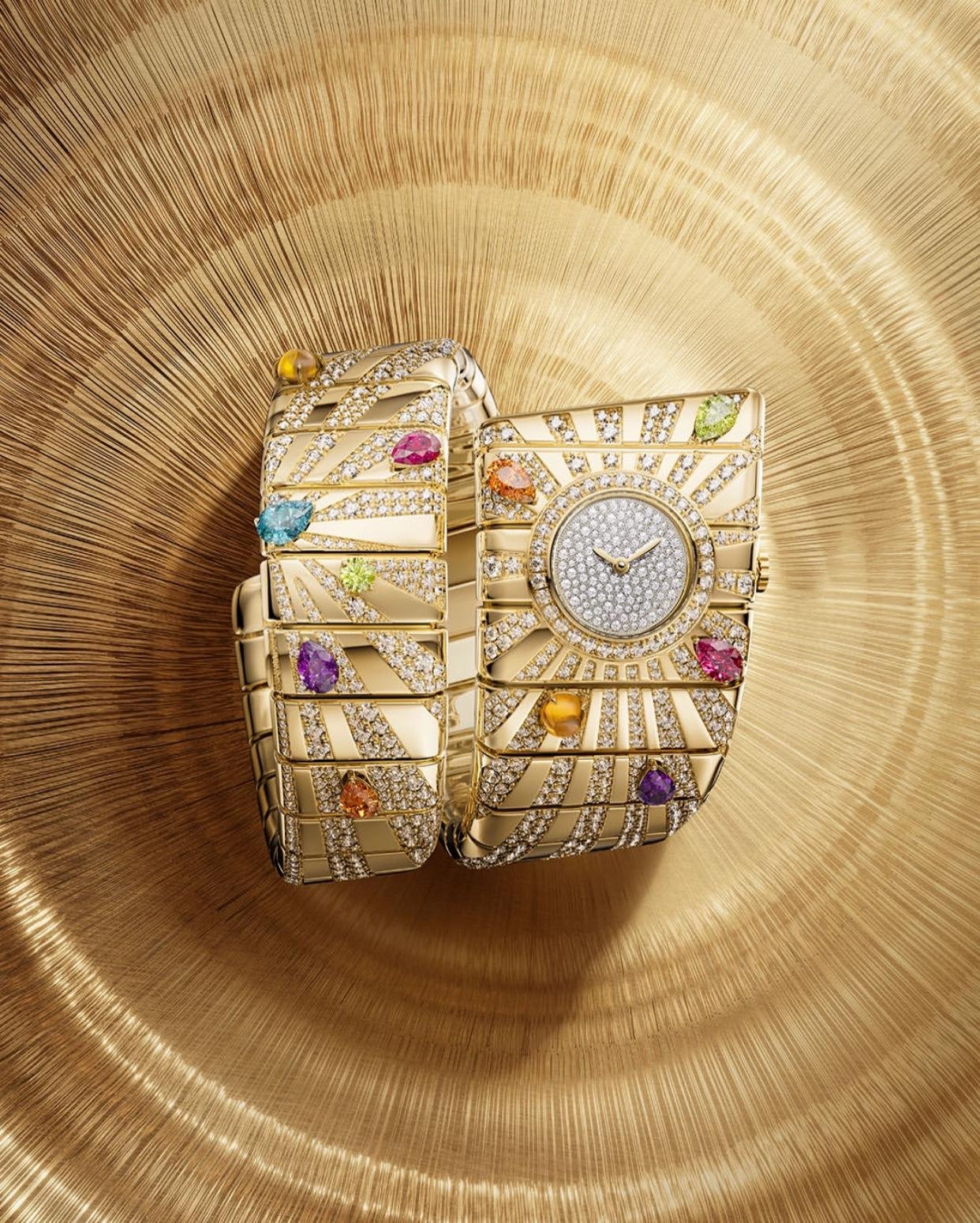
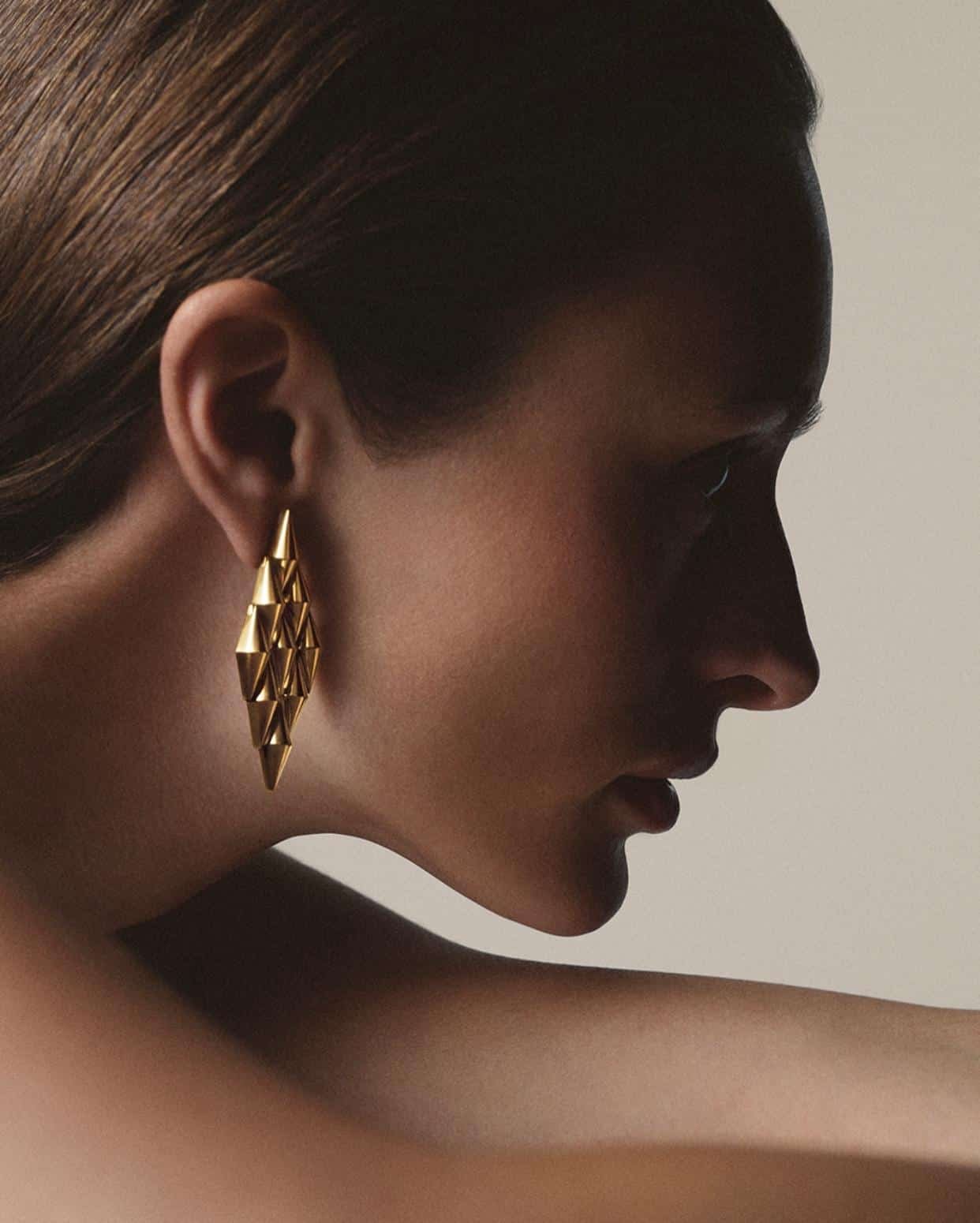
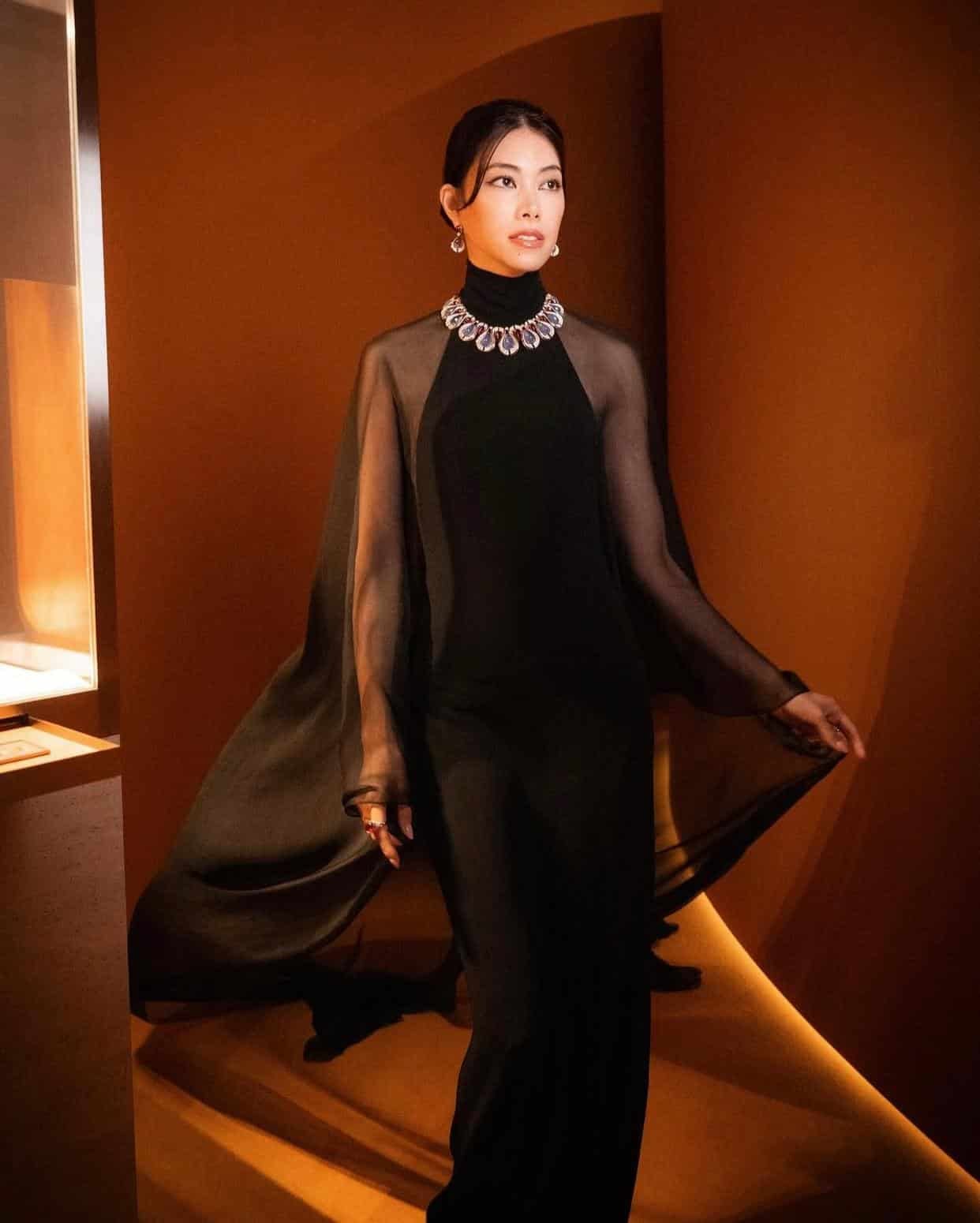
© Bvlgari
CARTIER
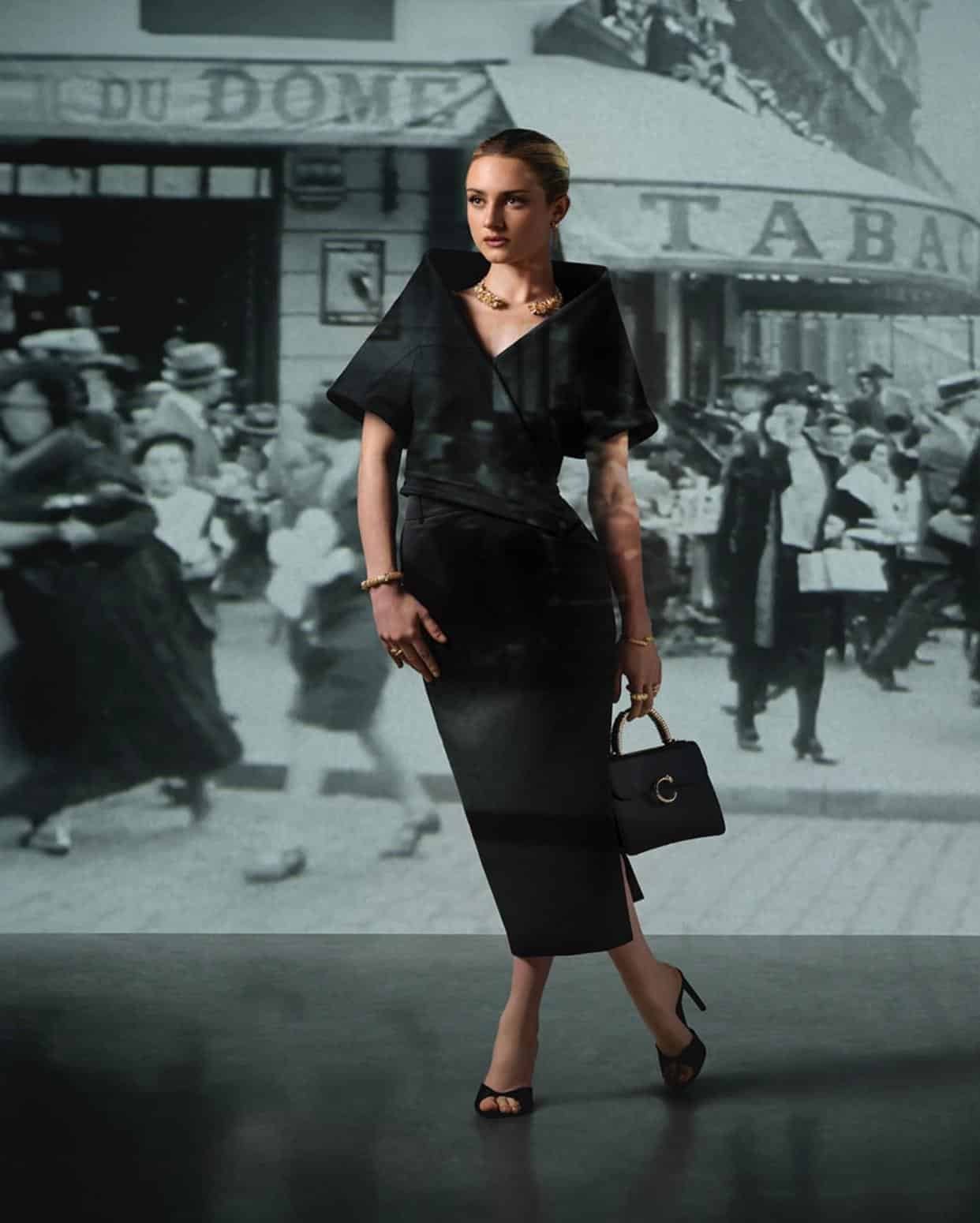
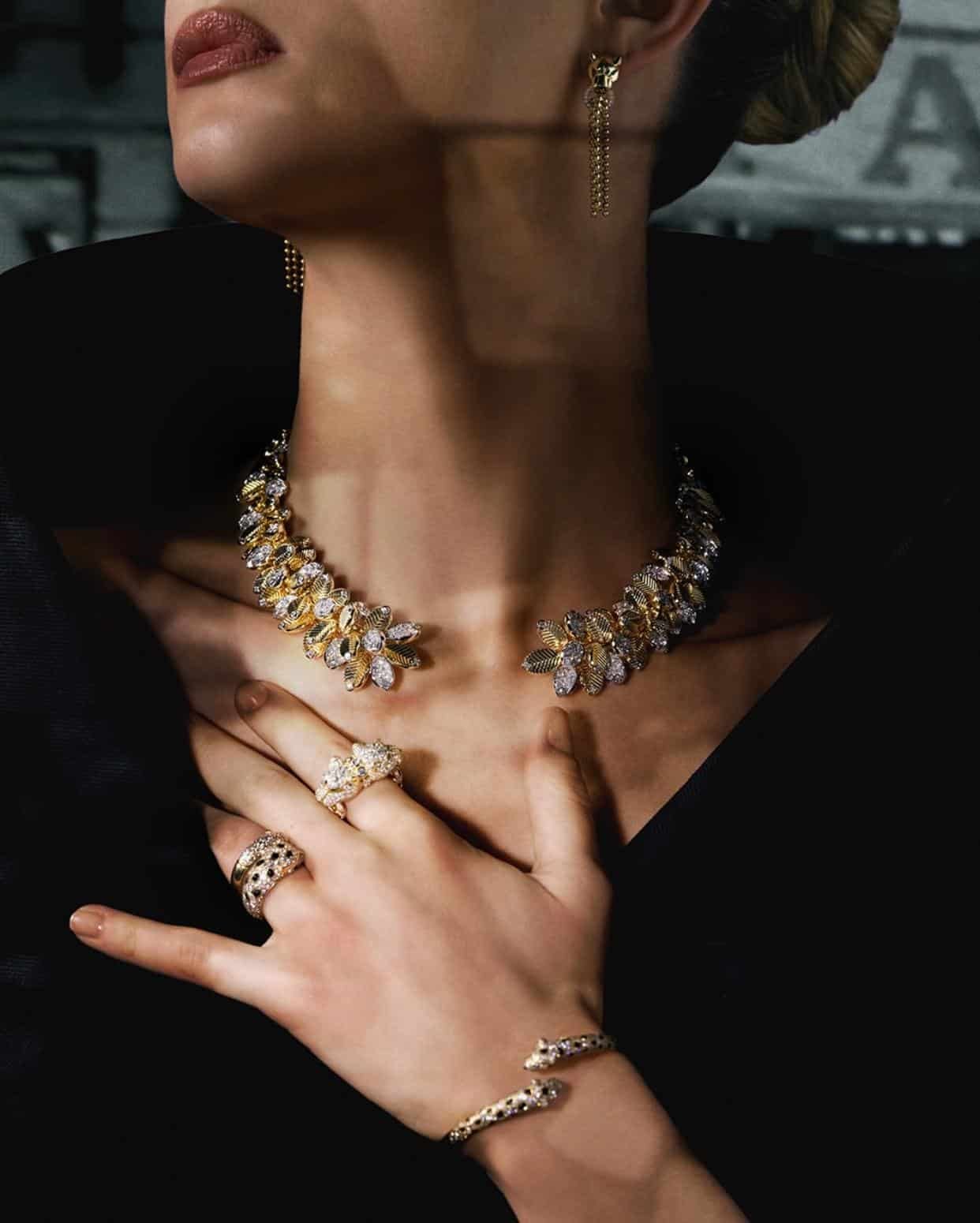
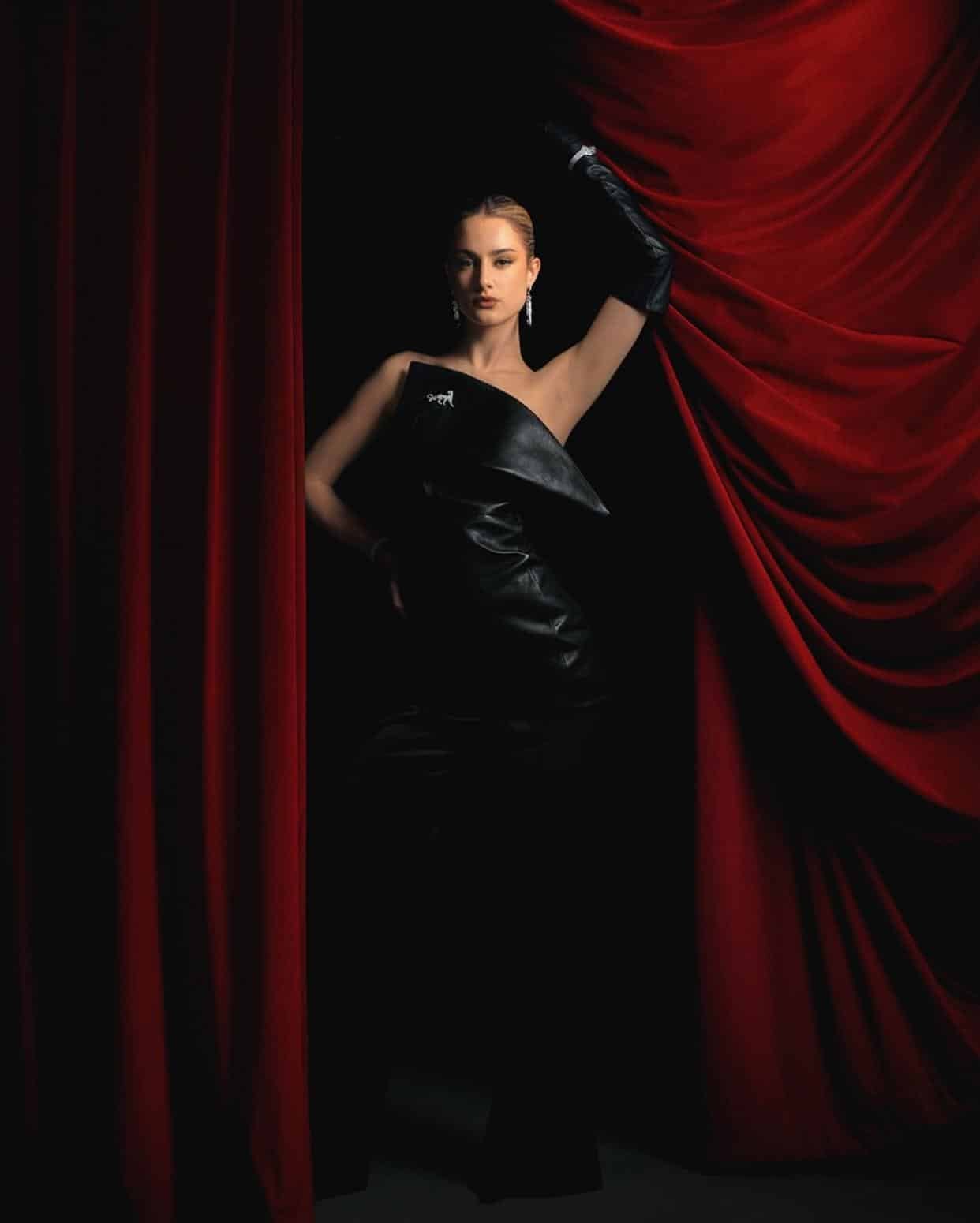

© Cartier
CHANEL

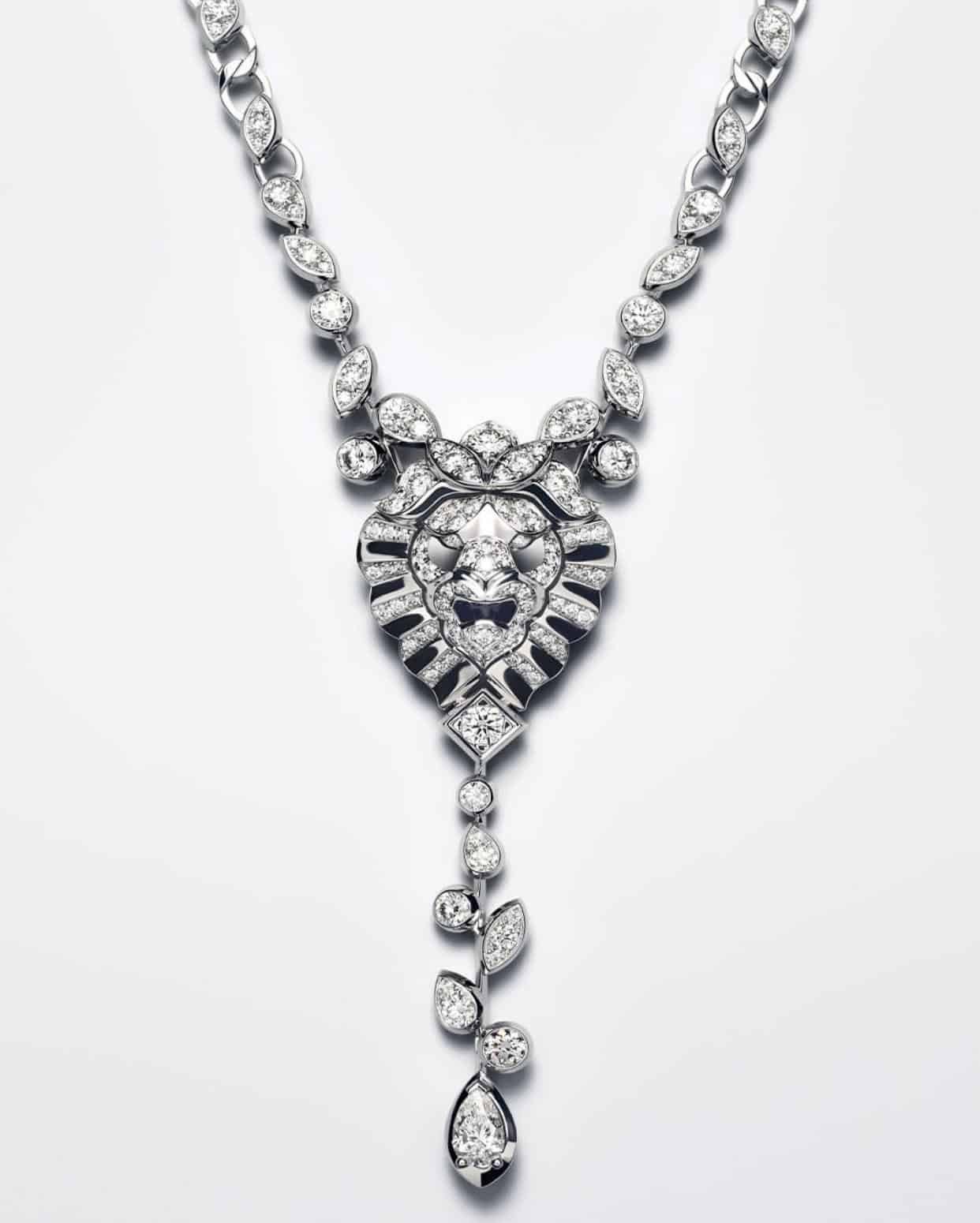


© Chanel
DIOR

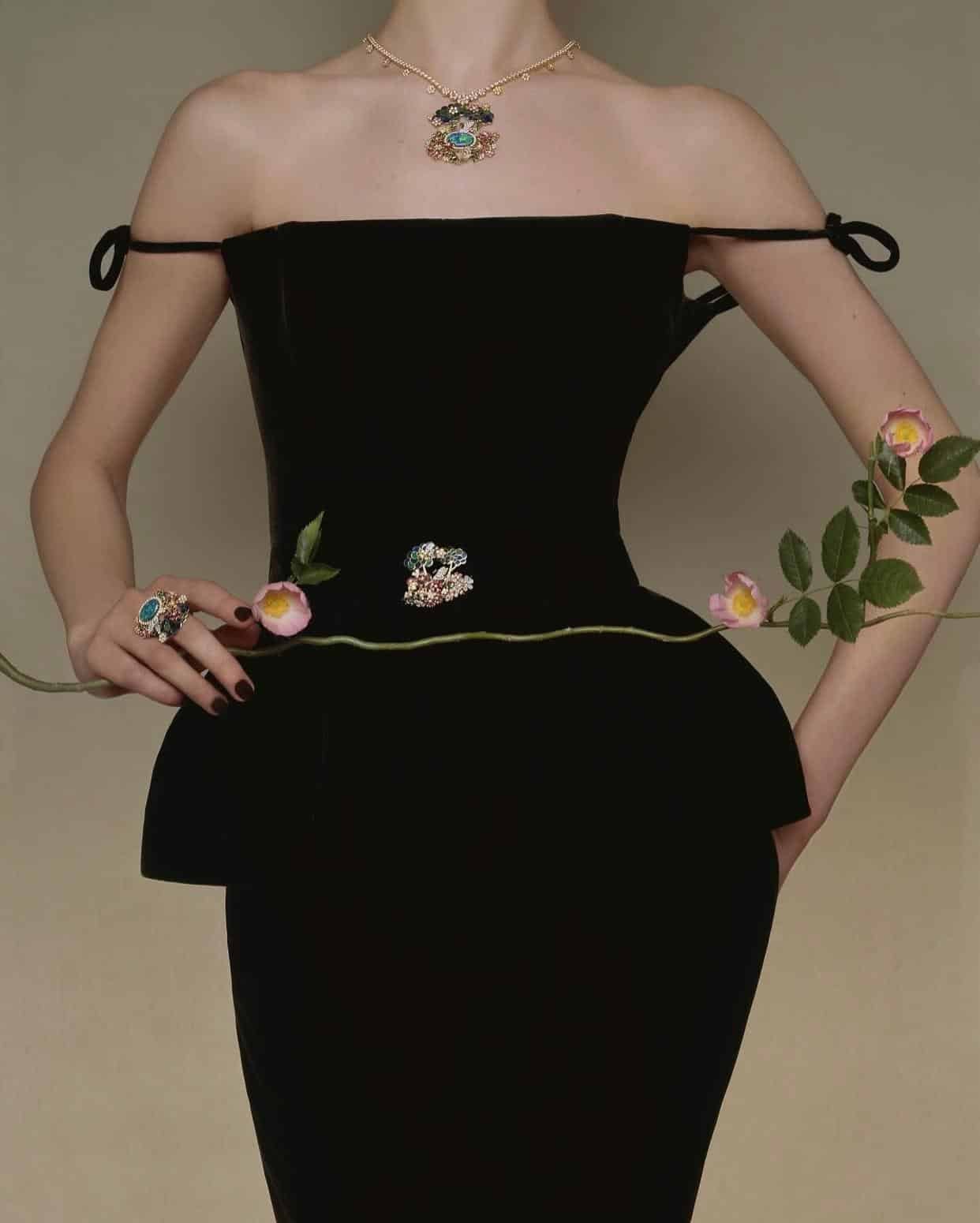
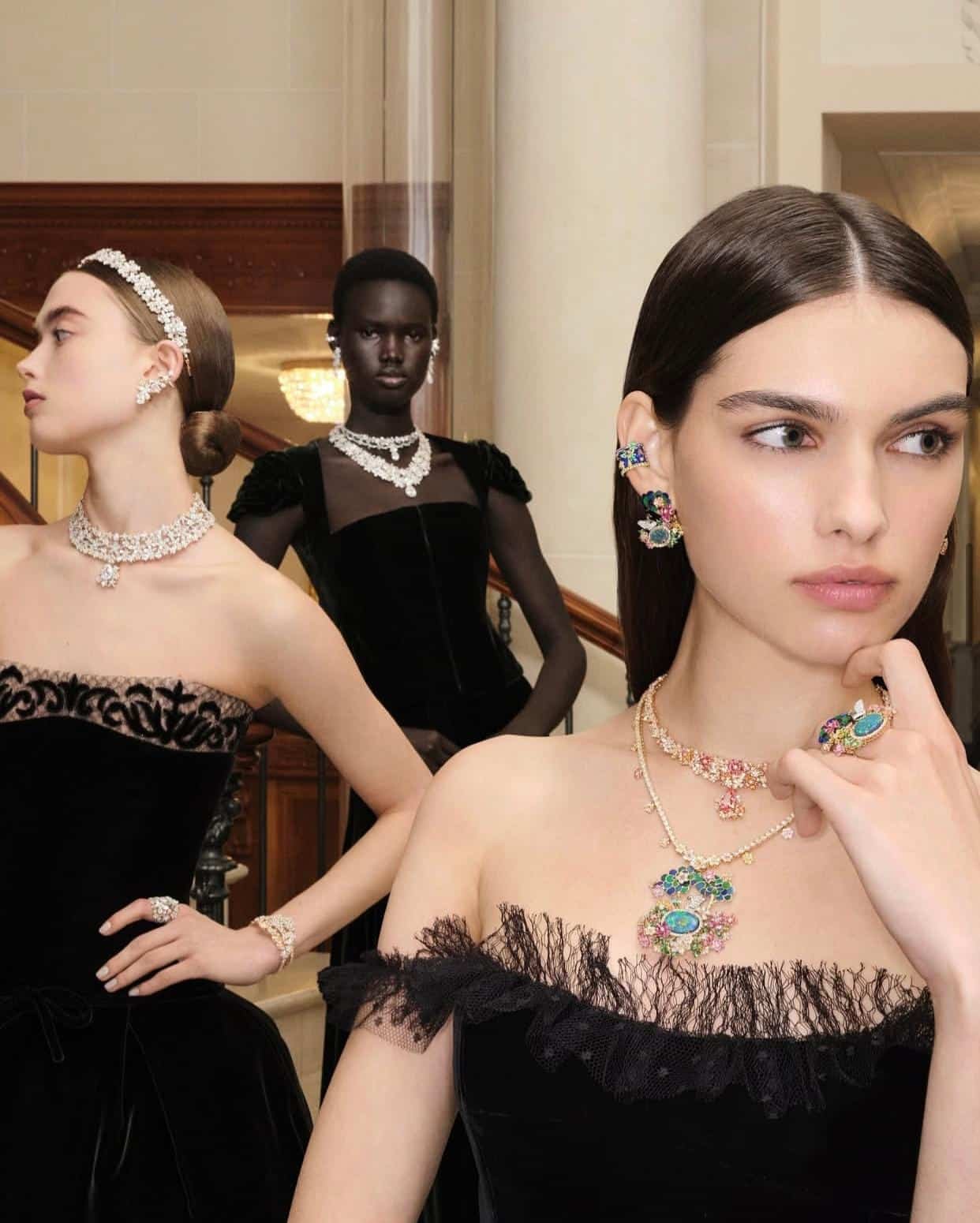

© Dior
VAN CLEEF & ARPELS
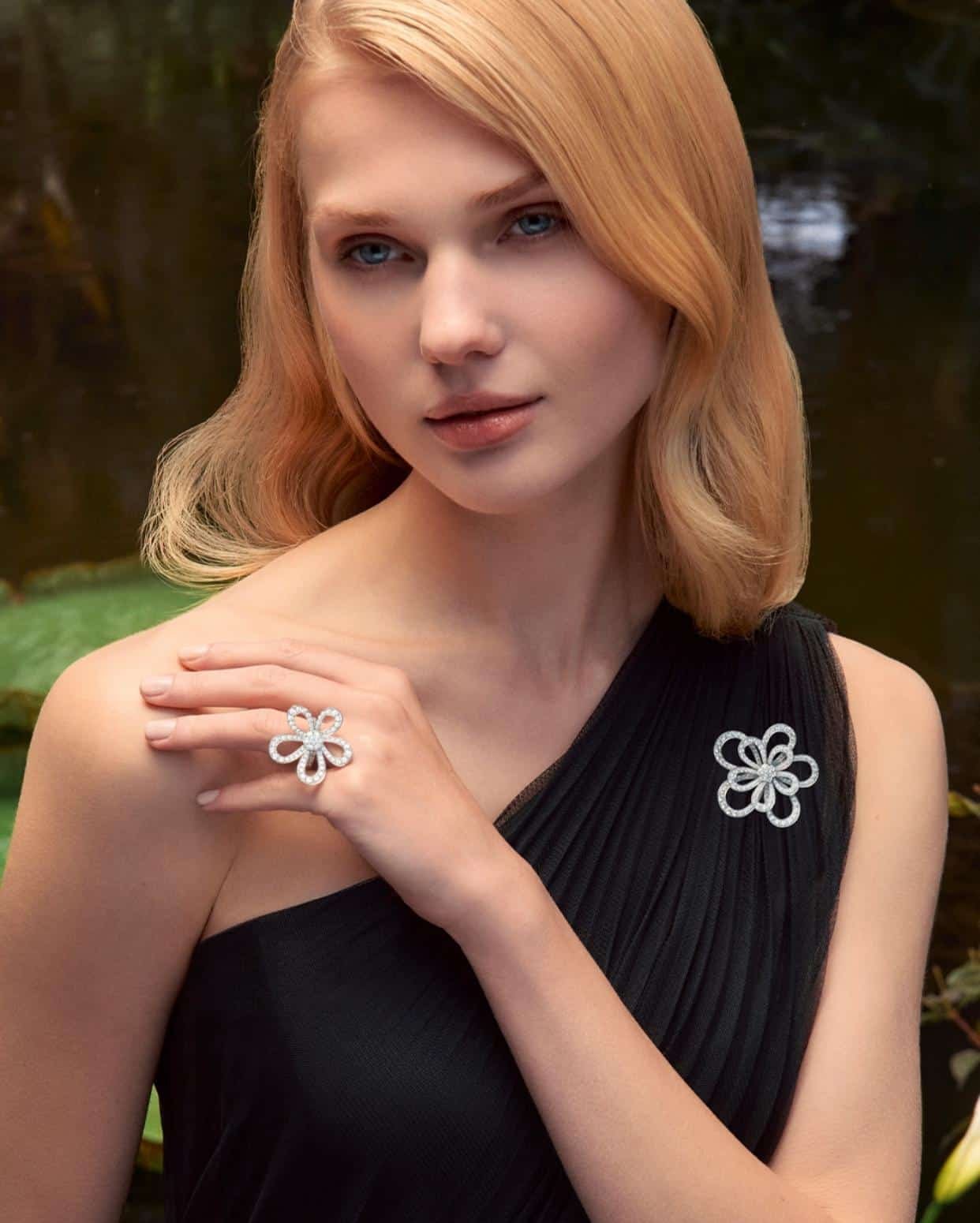
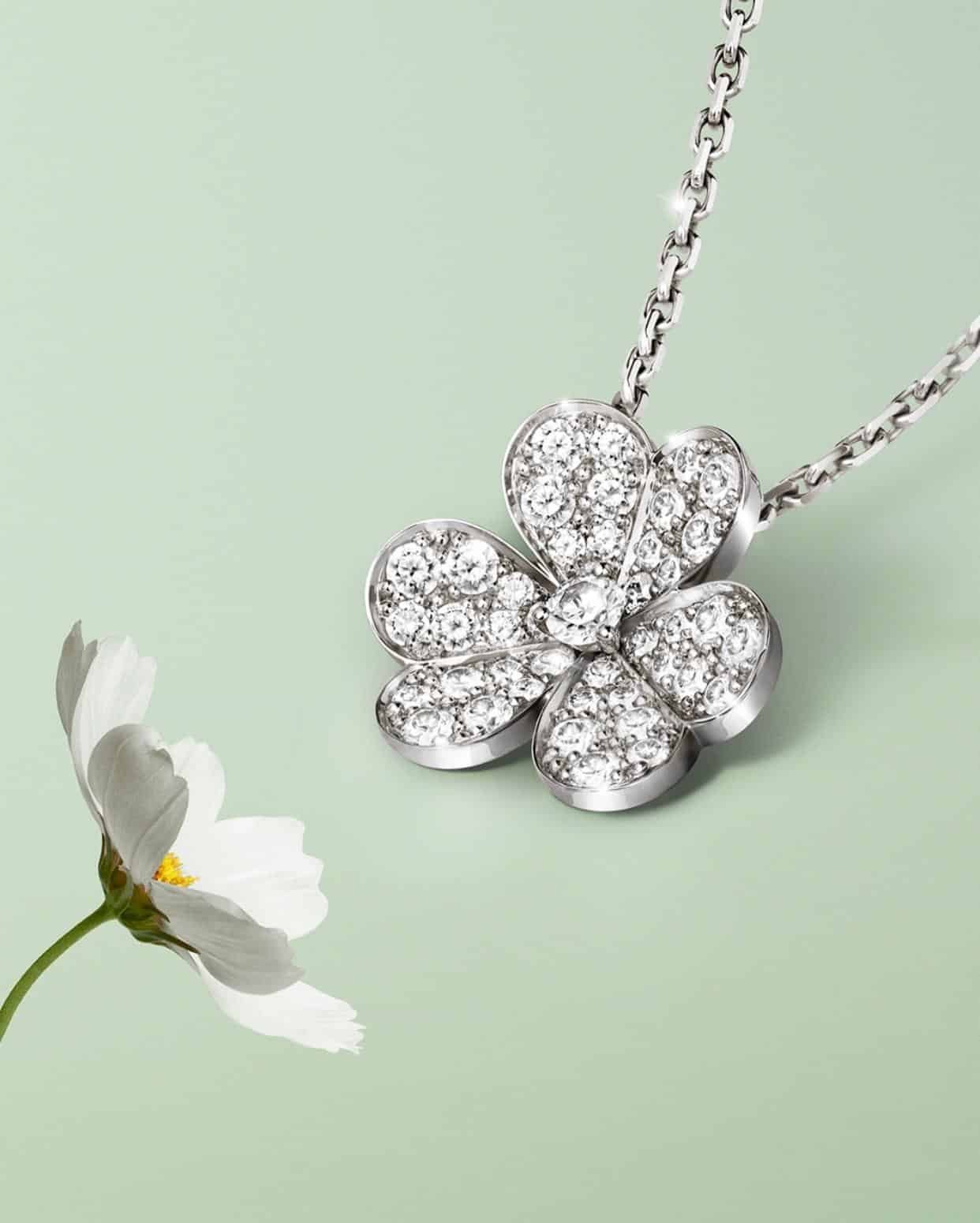

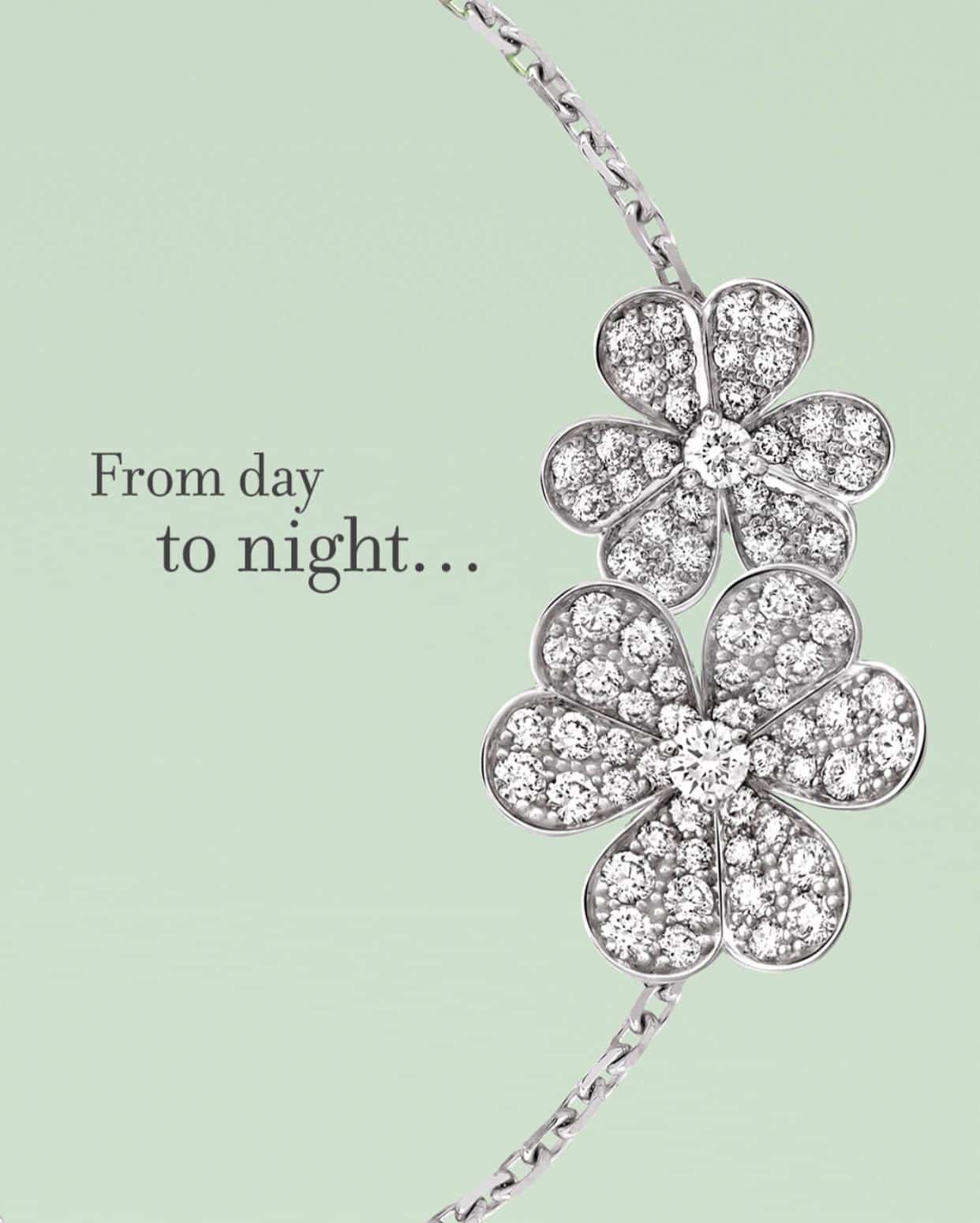
© Van Cleef & Arpels