
© Aman Tokyo
© Aman Tokyo

© Aman Tokyo
Aman Tokyo
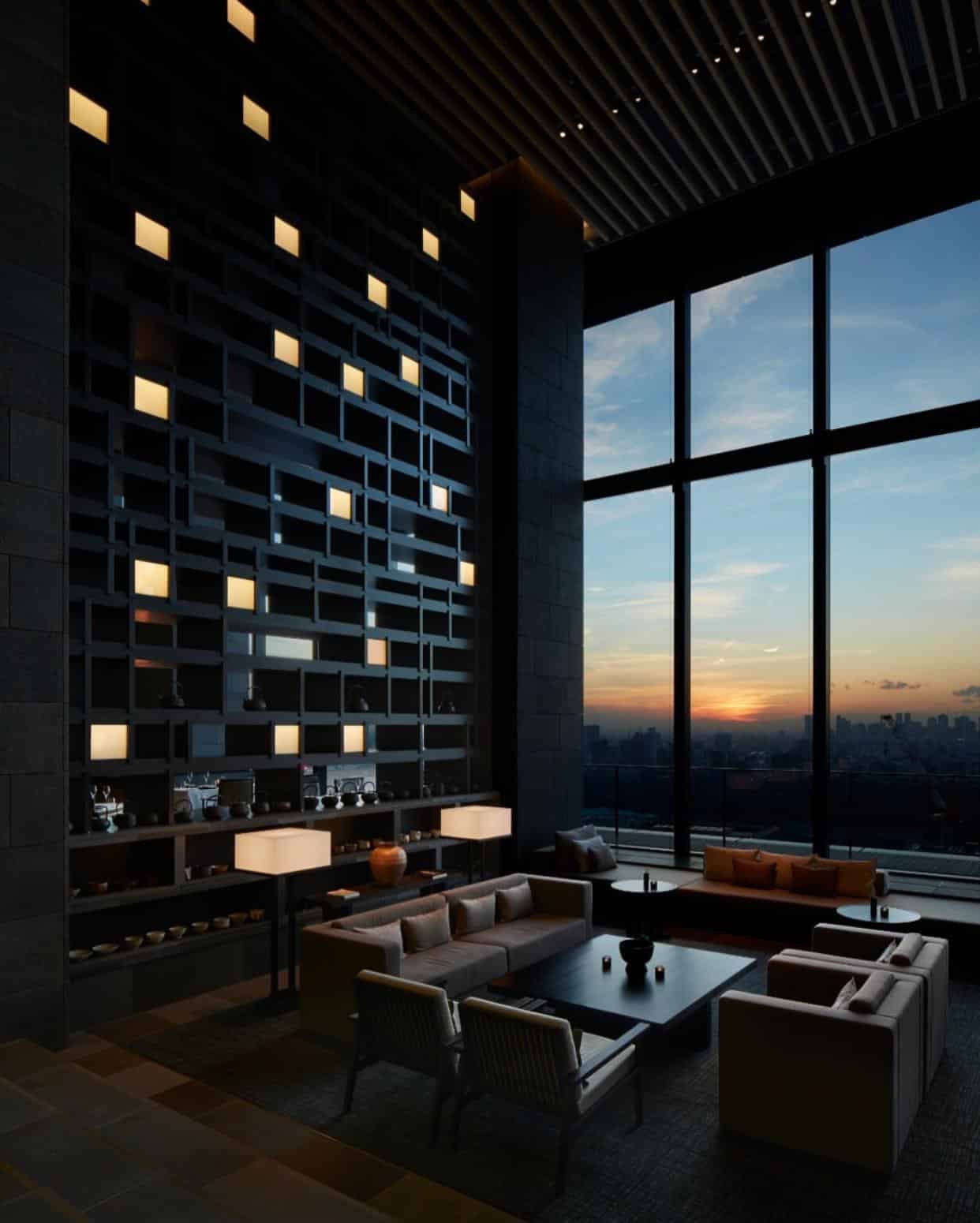
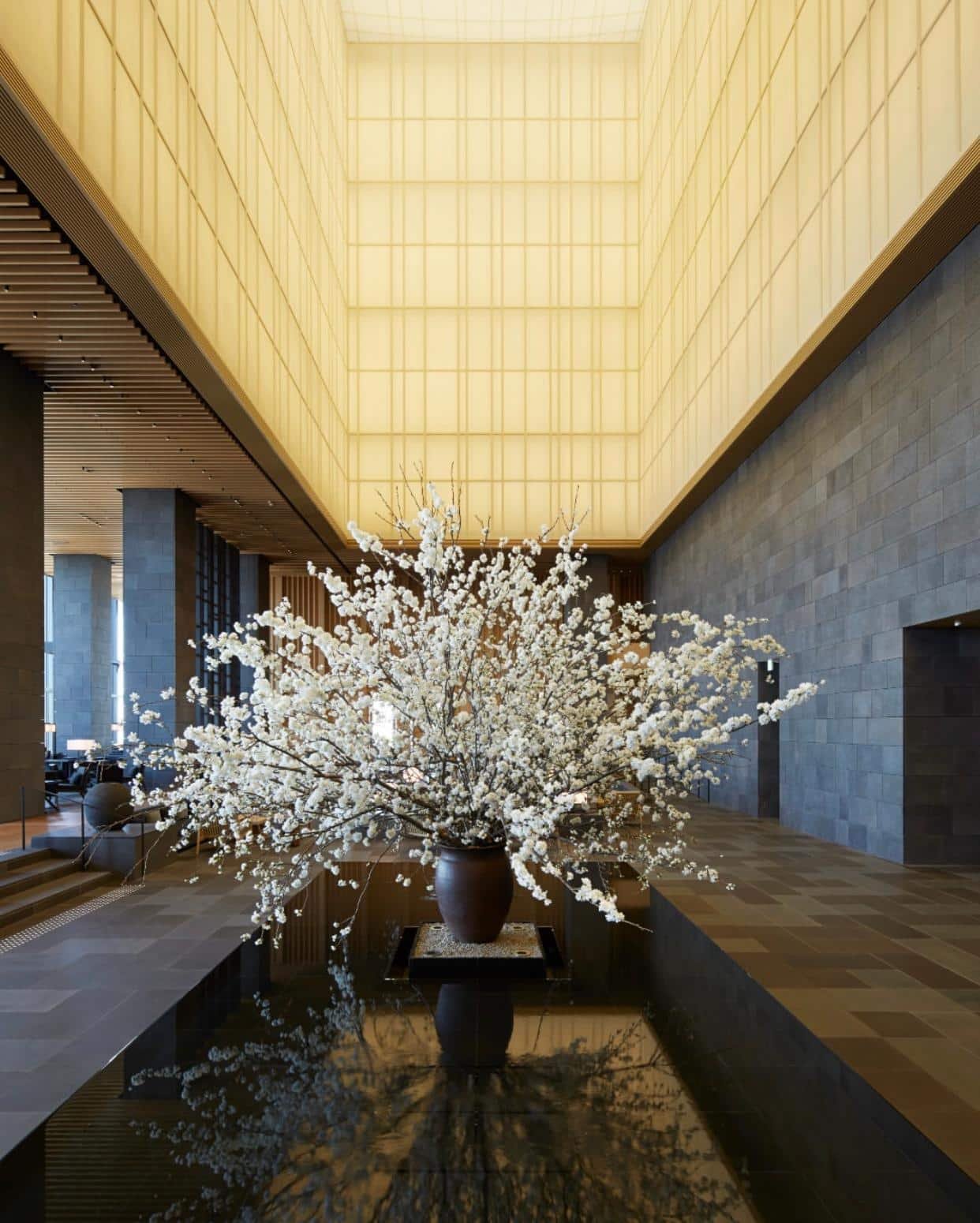
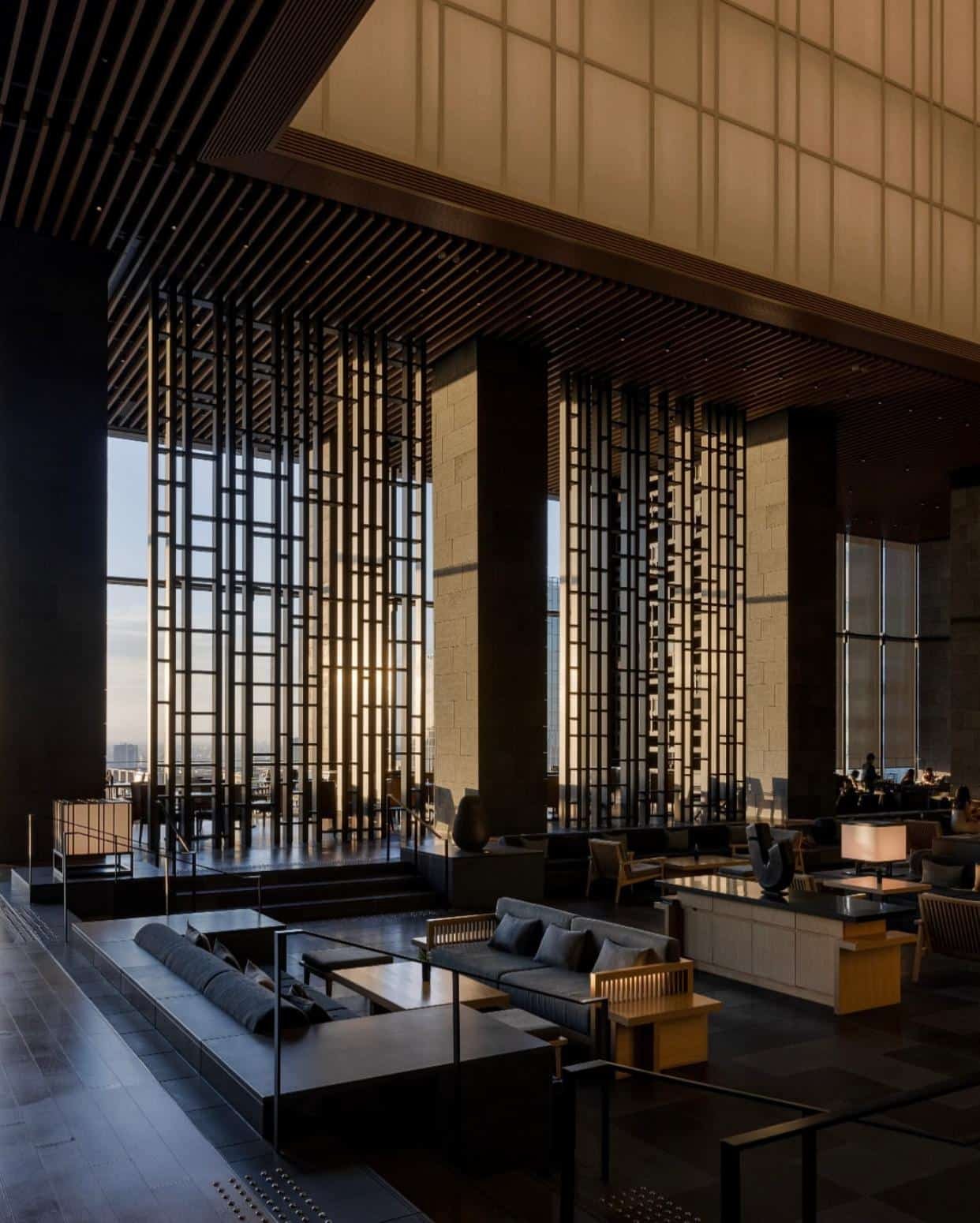
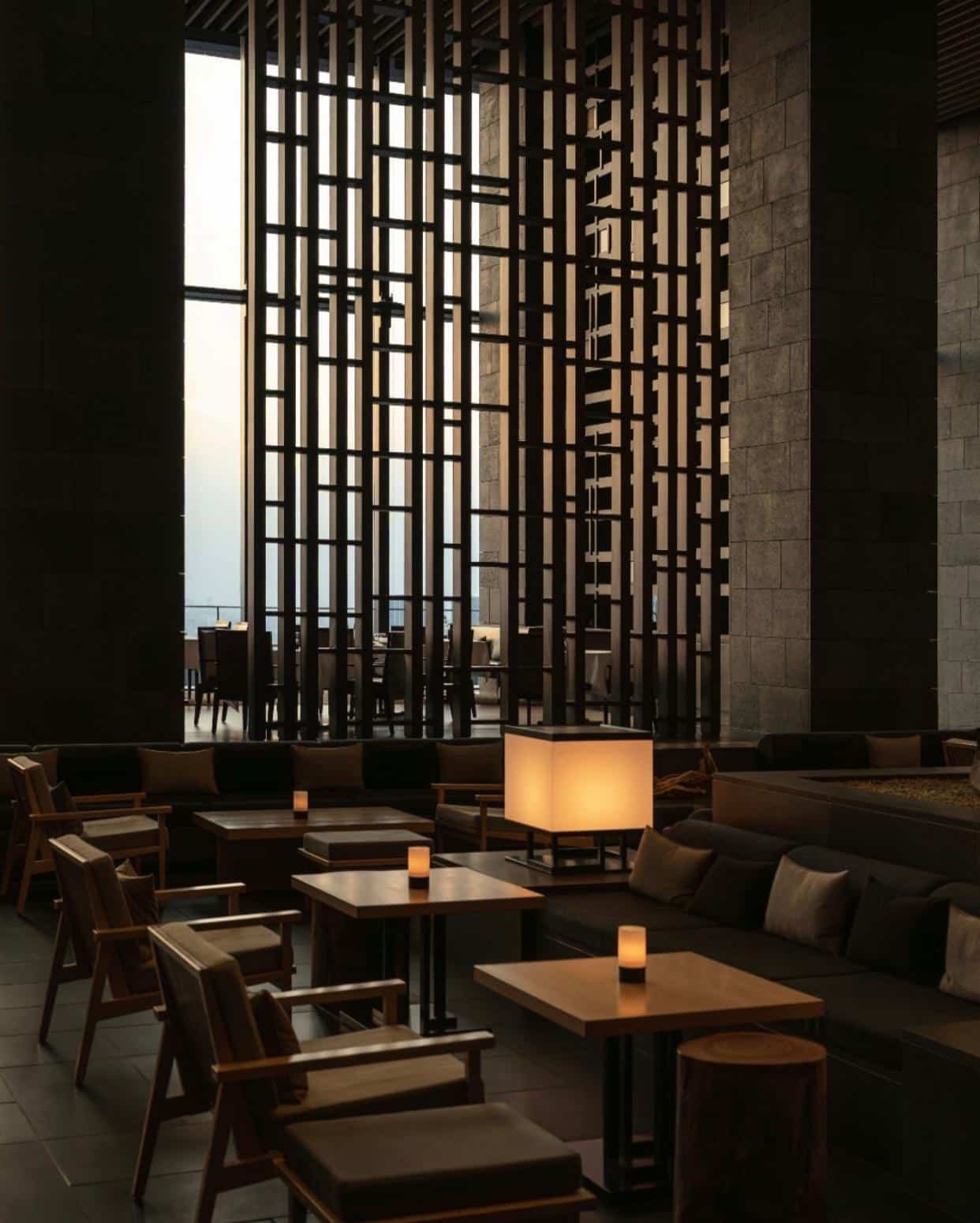
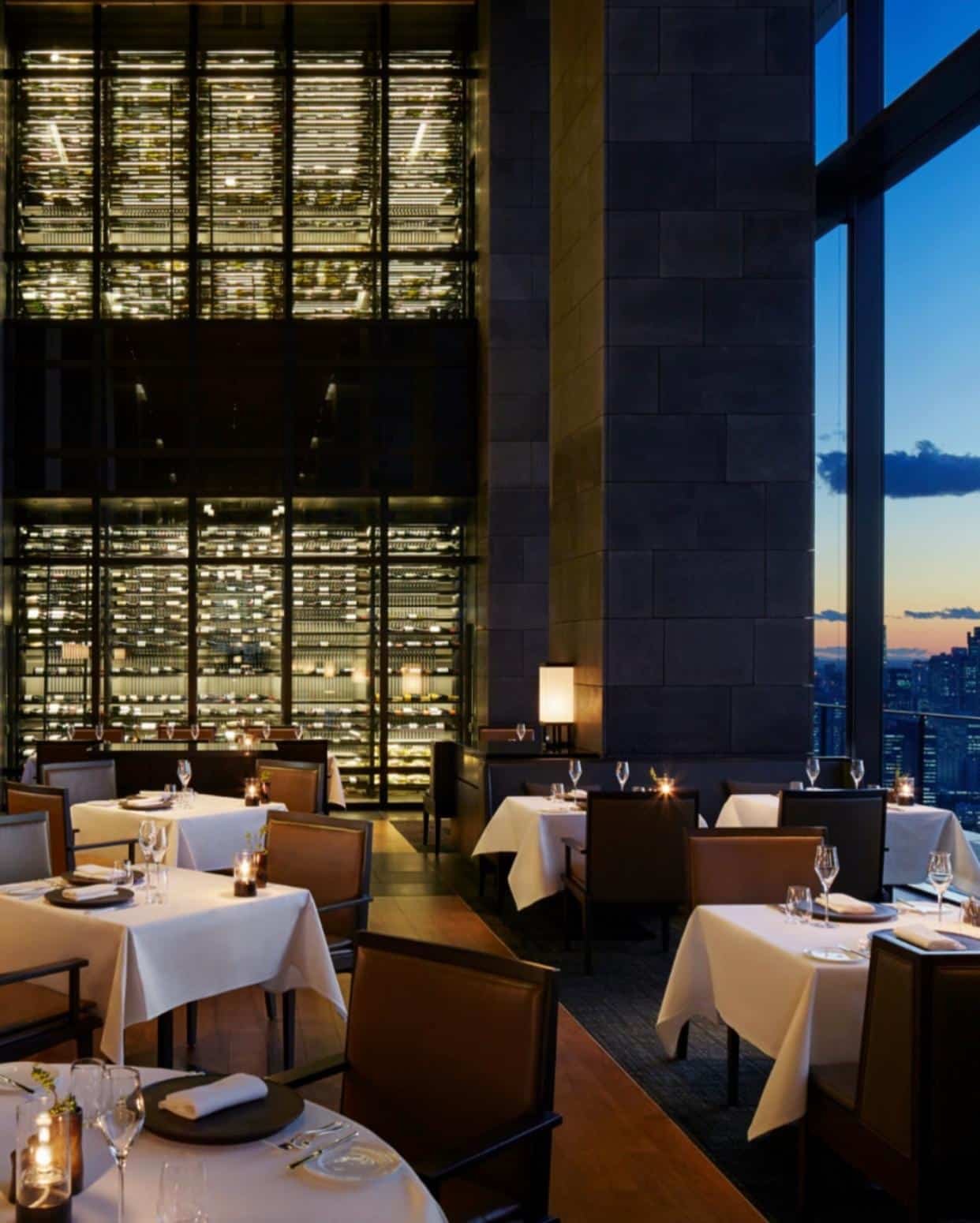
In December 2014, Aman opened its first city hotel. Until then, the brand had existed only in remote places — Balinese rice terraces, Bhutanese valleys, Rajasthani desert fortresses. Tokyo was the rupture. Architect Kerry Hill took the top six floors of the Otemachi Tower — a steel-and-glass high-rise designed by Kohn Pedersen Fox, headquarters of the Mizuho Financial Group — and carved into it a volume of silence. The lobby: a thirty-metre atrium sheathed in layers of textured washi paper, glowing from within like a giant andon lantern. Below, the city. Above, a ryokan that no map had ever placed here before.
The Philosophy · The Ryokan At 150 Metres · Silence As Architecture
Kerry Hill had worked with Aman since before there was an Aman. His relationship with Adrian Zecha — the Indonesian hotelier who founded the brand in 1988 — preceded Amanpuri itself: Hill had designed hotels for Zecha in the early 1980s, and later designed his private residence, which Zecha described as the most comfortable he had ever inhabited. By the time the Tokyo commission arrived, Hill had designed nine Aman properties. He understood the vocabulary completely — and he understood that Tokyo required something he had never done before. Not the genius loci of a tropical forest or a mountain pass, but the genius loci of a financial district at the intersection of Marunouchi and the Imperial Palace gardens. His answer was compression followed by release. The lift from the street-level lobby is slow, dim, deliberately narrow. It opens on the thirty-third floor into a reception of controlled intimacy. And then: the atrium. Thirty metres of height, walls of washi, a shallow inner garden with stone and water below. The city, suddenly, is very far away. This sequence — compression, then release — is the oldest device in Japanese spatial design. Hill did not adapt it. He simply trusted it.
The Hook · The Andon Lantern · Washi As Structural Light
The andon is a Japanese lantern of paper stretched over a bamboo frame — a domestic object, small, intimate, carried by hand through the dark. Kerry Hill took this object and scaled it to thirty metres. The atrium walls of the Aman Tokyo lobby are not decorated with washi paper — they are built of it, layer over layer, stretched across a structure designed to backlight the surface from within. At any hour of the day, the quality of that light shifts: sharp and white at noon, amber and diffuse at dusk, a barely luminous grey before dawn. This is not a lighting effect. It is a material decision — the choice to make the walls of a luxury hotel lobby out of the same paper used to wrap a temple lantern, and to trust that the intelligence of the gesture would be legible to those it was designed for. The lobby has been described repeatedly, by guests and critics alike, as resembling the entrance hall of a major museum. That comparison misses something. A museum holds objects. The Aman Tokyo lobby is itself the object — the thing to be contemplated, before the room, before the spa, before anything else.
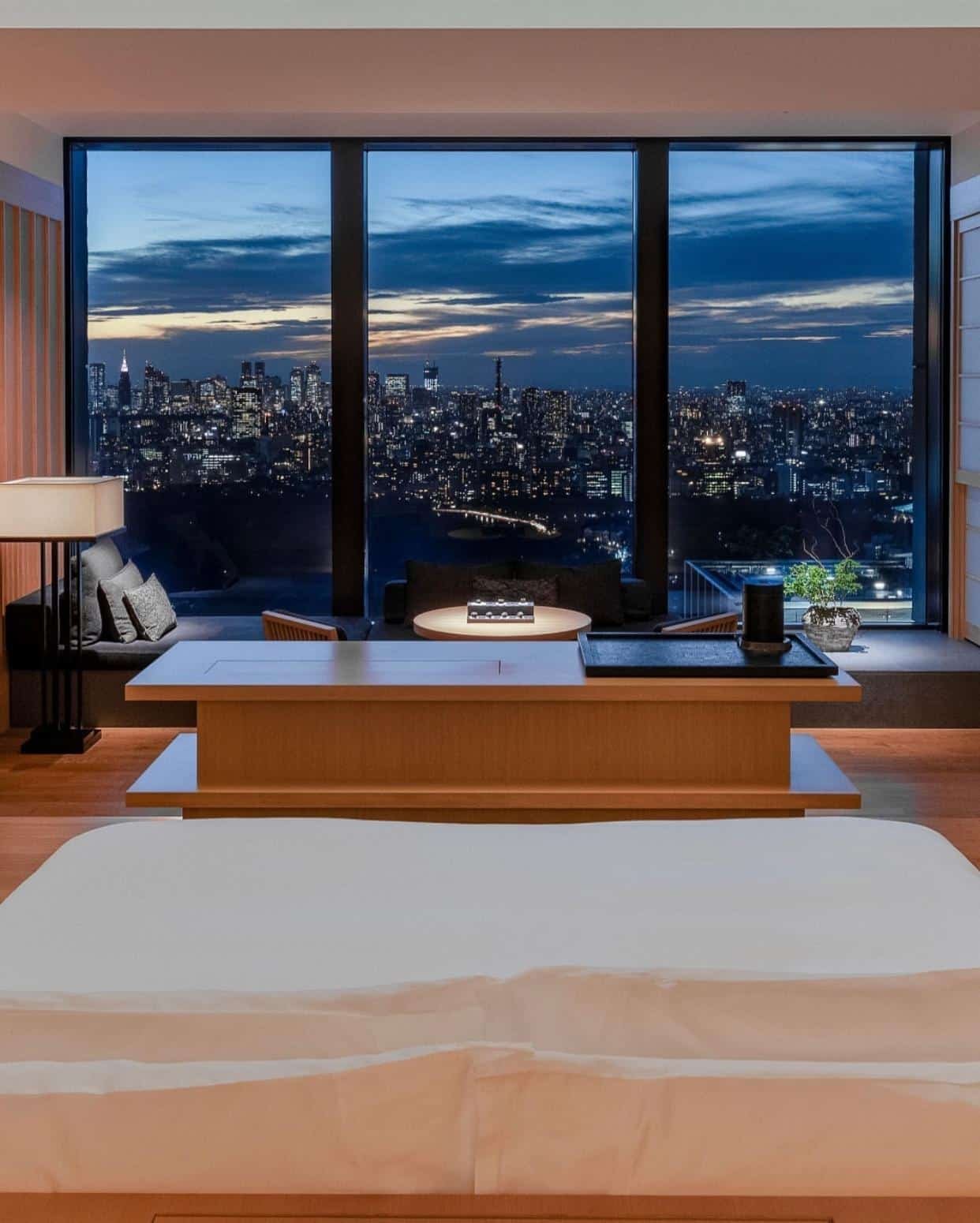
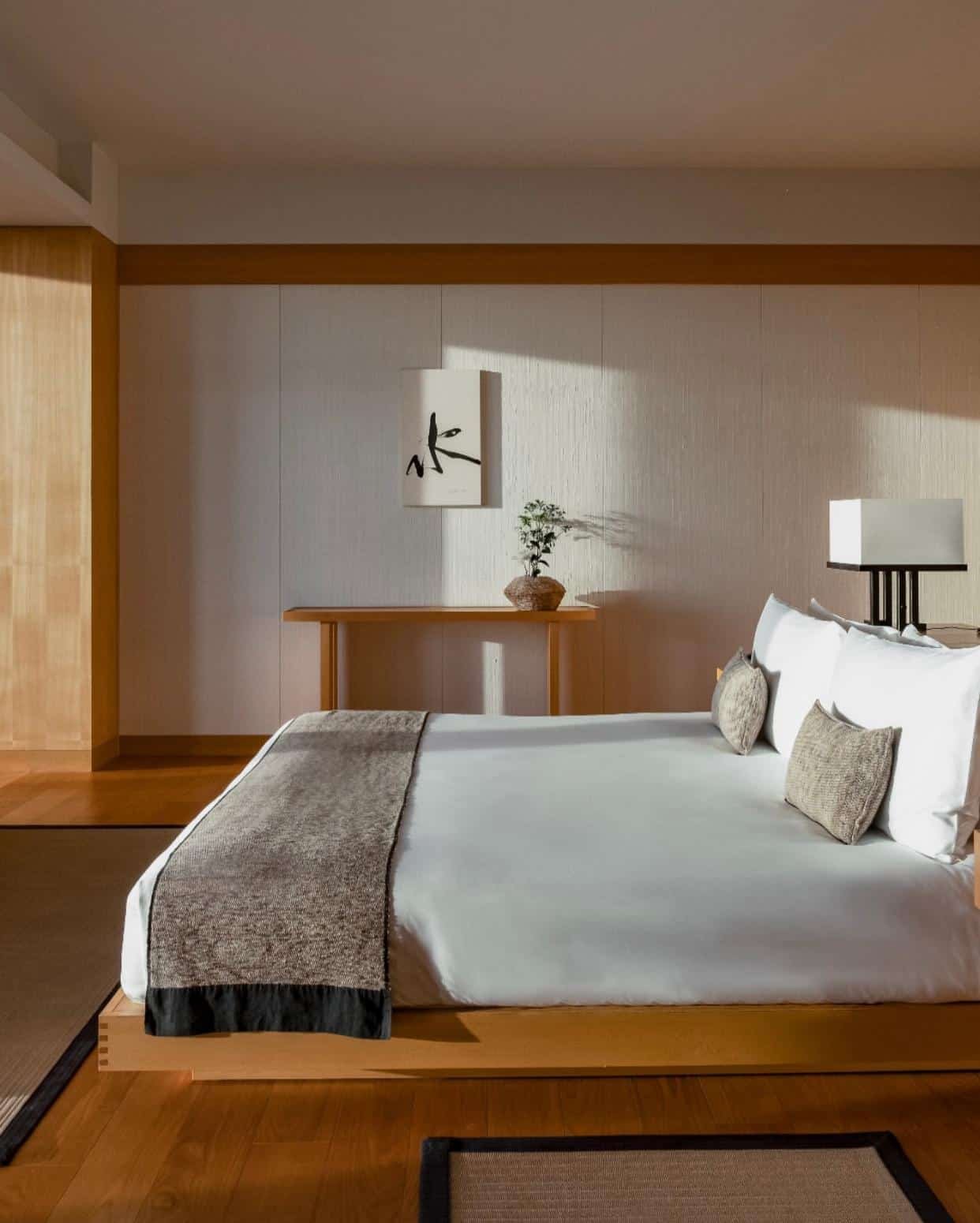
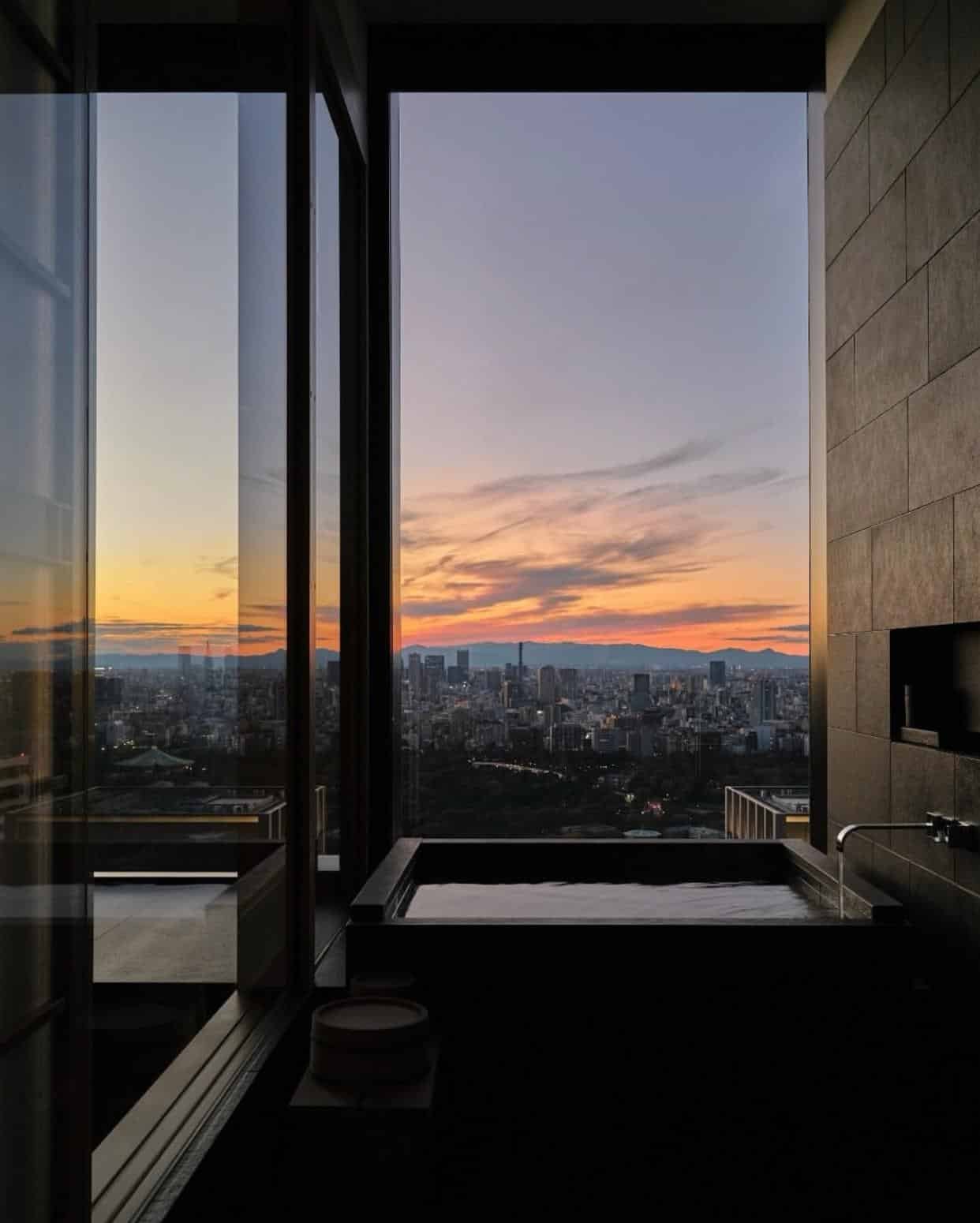
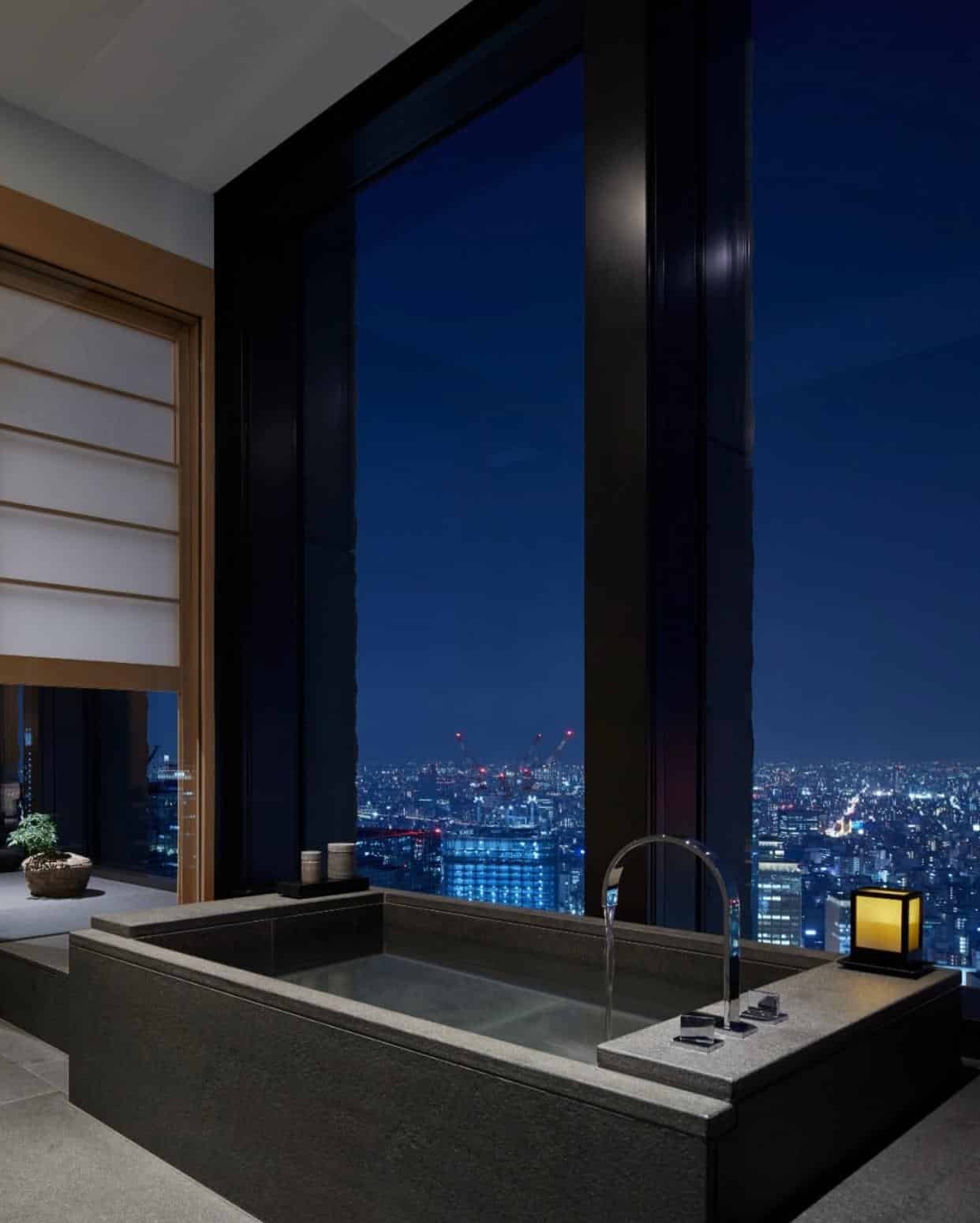
Eighty-four rooms across six floors — the smallest Aman in the world by room count. Each room is built around a material hierarchy that Hill had refined across nine Aman properties: camphor wood for surfaces, washi paper for light diffusion, stone for grounding. The shoji sliding doors divide the room into sequences of interiority rather than into separate spaces — a gesture borrowed directly from the traditional Japanese house, where the relationship between inside and outside is managed through screens rather than walls. The engawa — a transitional porch between the room and the window — is not a decorative element. It is a spatial instruction: this is where you stop, before you look at the city. The Japanese cypress bath is lined in a wood whose smell functions as its own form of arrival — a scent that the body recognises as the bathhouses have recognised it for centuries, without needing to be told what it is.
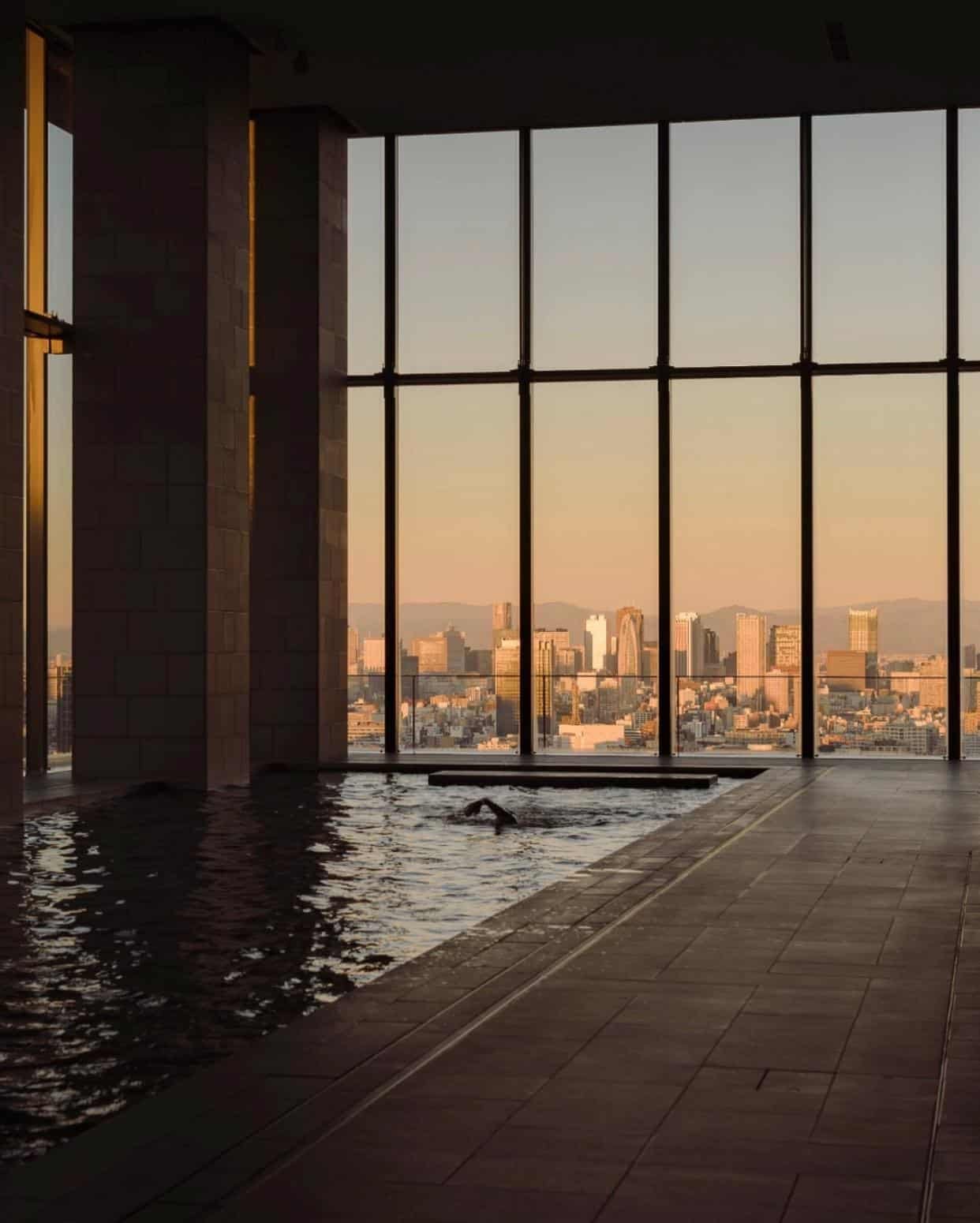
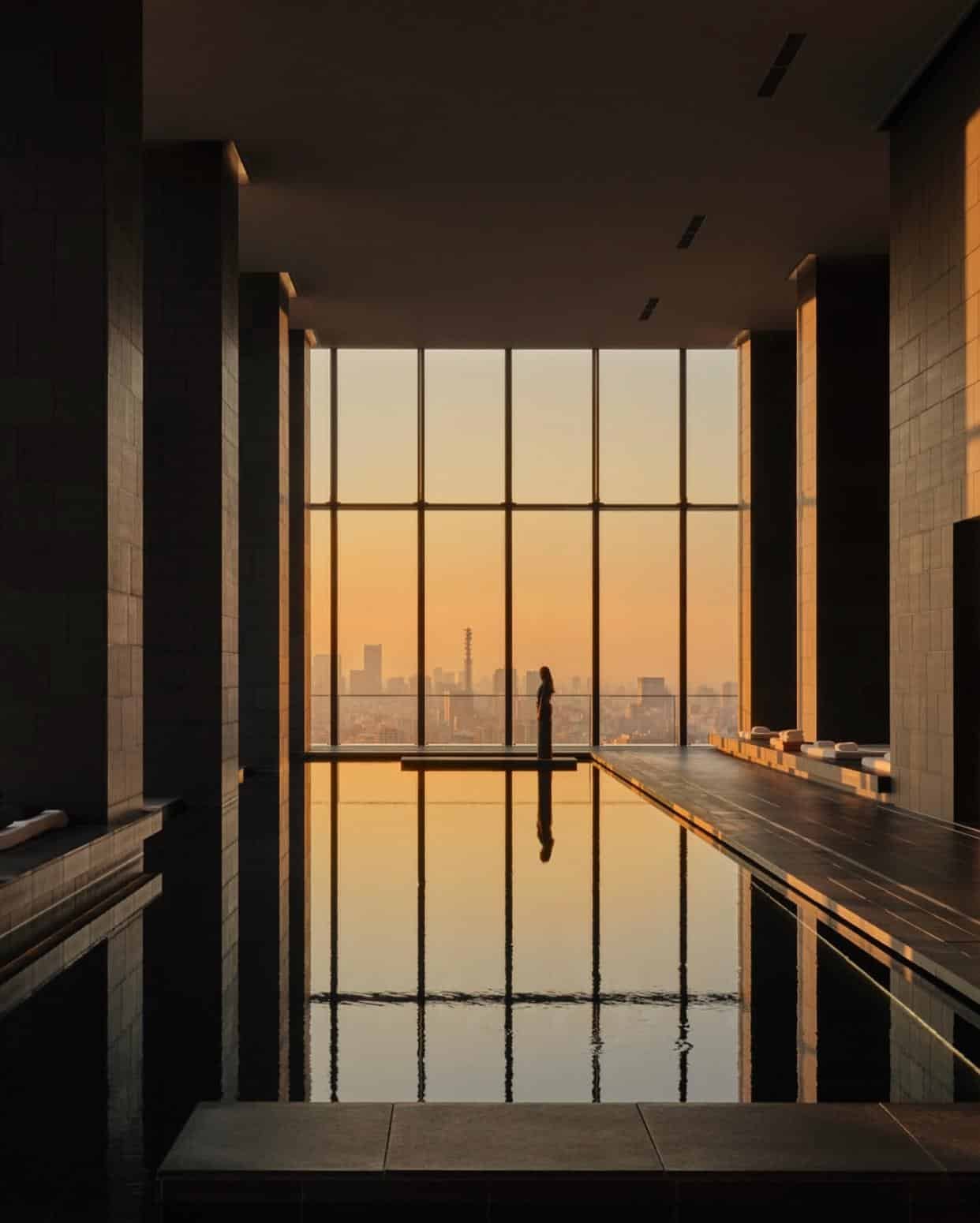
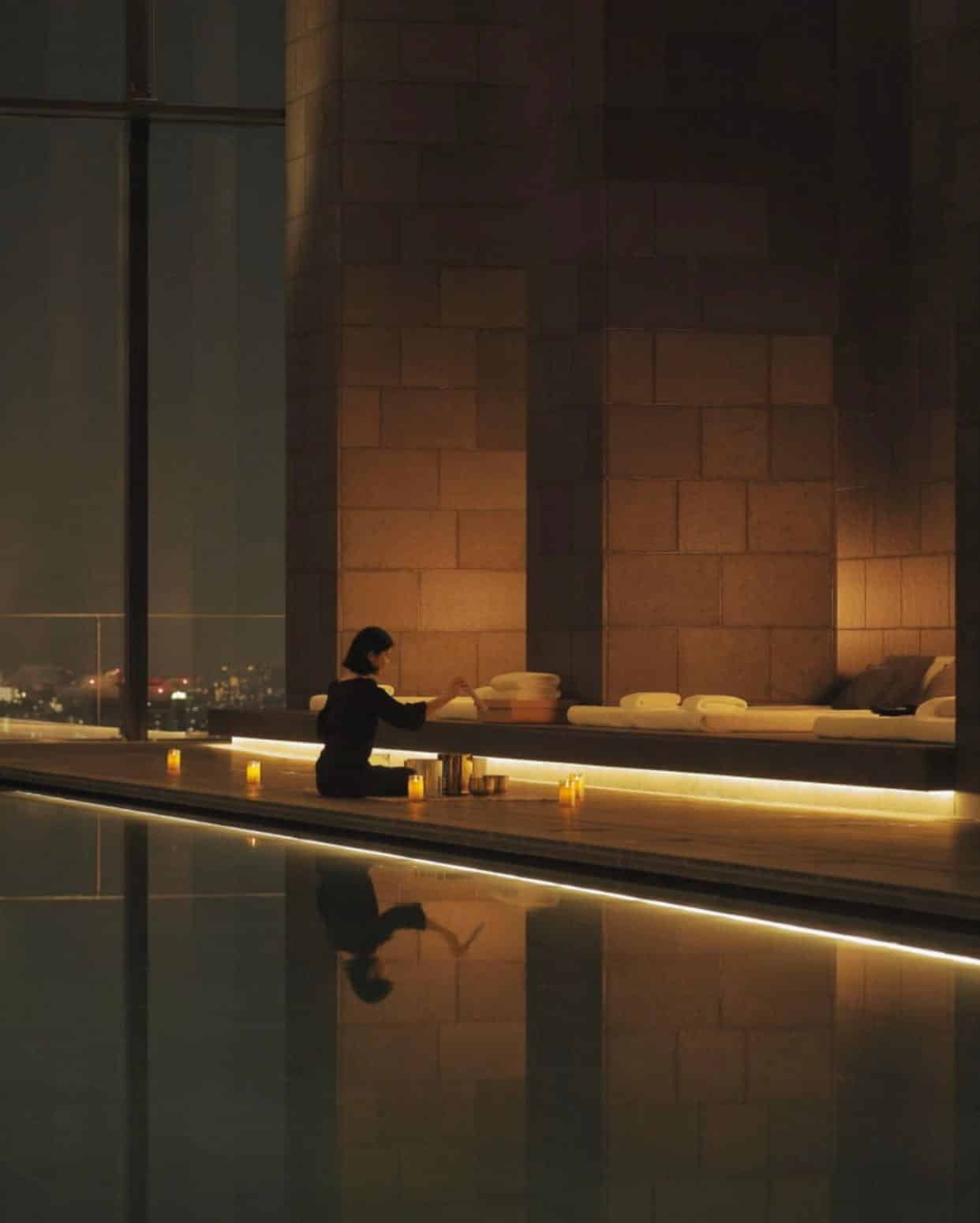
Two full floors — approximately 2,500 square metres — are given entirely to the Aman Spa. The pool is thirty metres long, lined in black basalt. Its design resolves one problem with unusual precision: from the water, at swimming level, the pool's edge aligns exactly with the window line of the tower. What is visible from the water is only sky. Tokyo disappears. The eight double treatment rooms each have their own dressing room, treatment area, steam shower, and Japanese hot bath — a spatial generosity that functions as a statement about what a treatment room should be. The spa menu is structured around Misogi — the Shinto practice of water purification undertaken before any journey — and uses Kampo herbs, the traditional Japanese system of plant medicine, as the basis for seasonal treatments. This is not wellness theming. It is a coherent philosophy of the body applied to a specific urban context, in a city that has never confused relaxation with the absence of rigour.
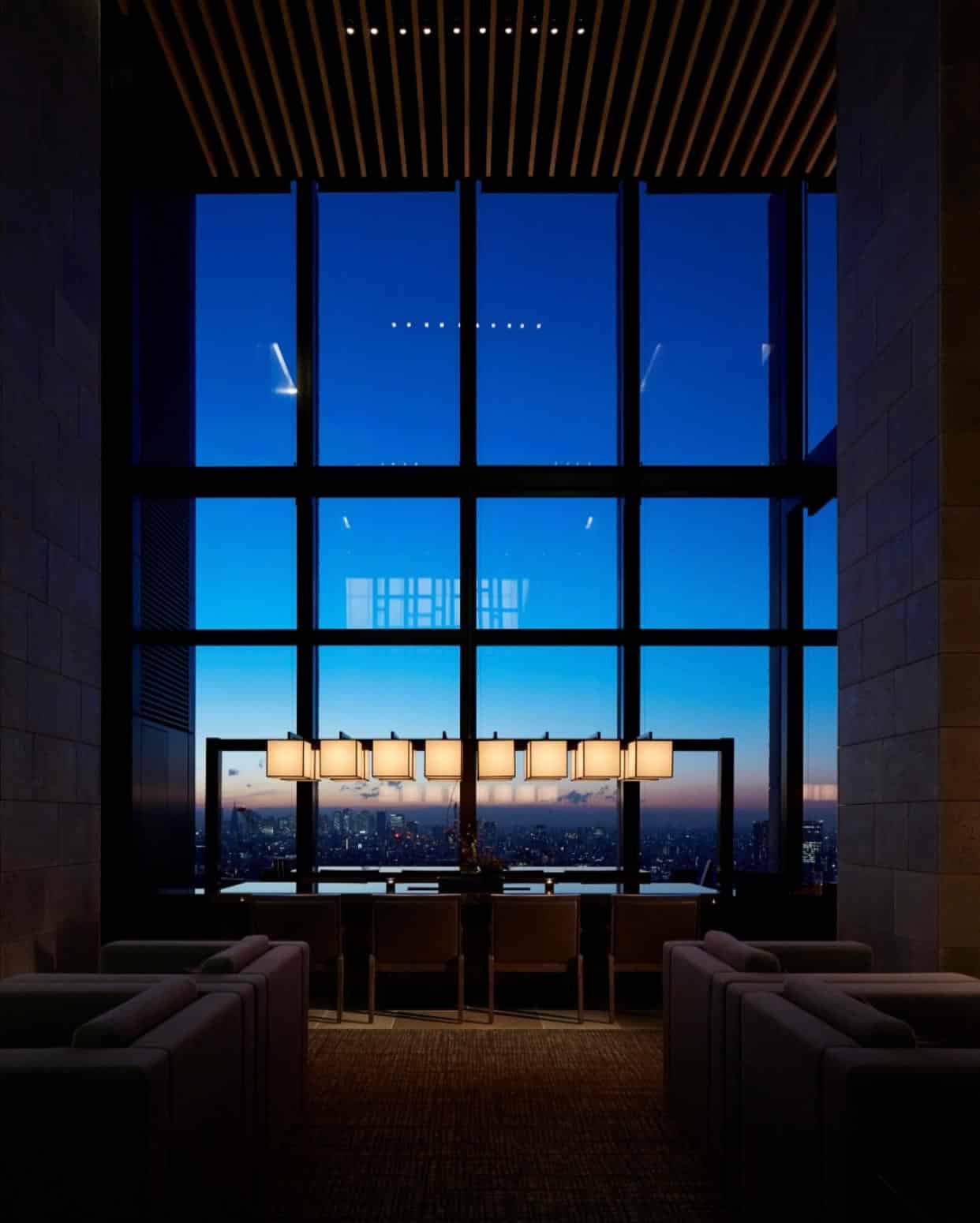
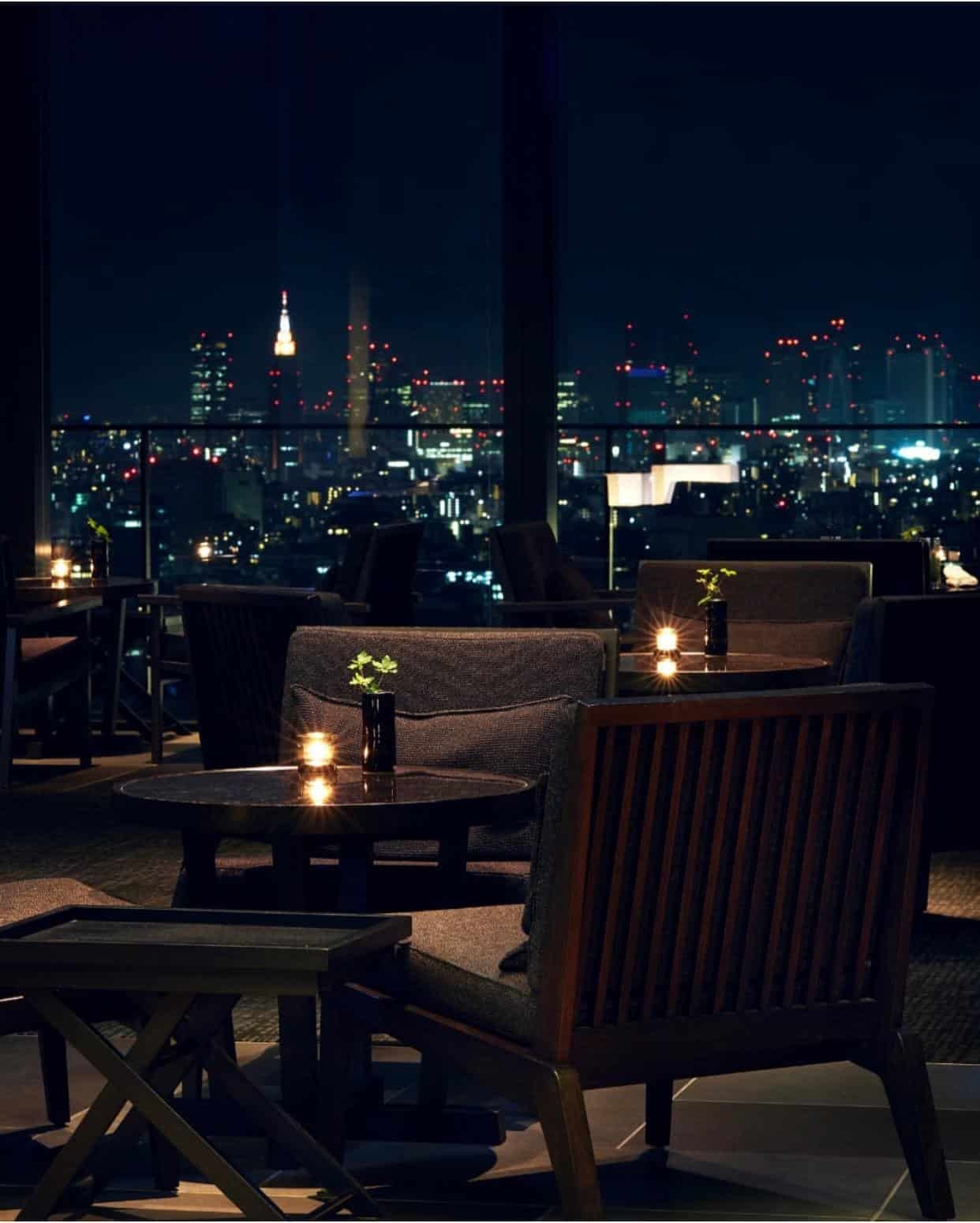
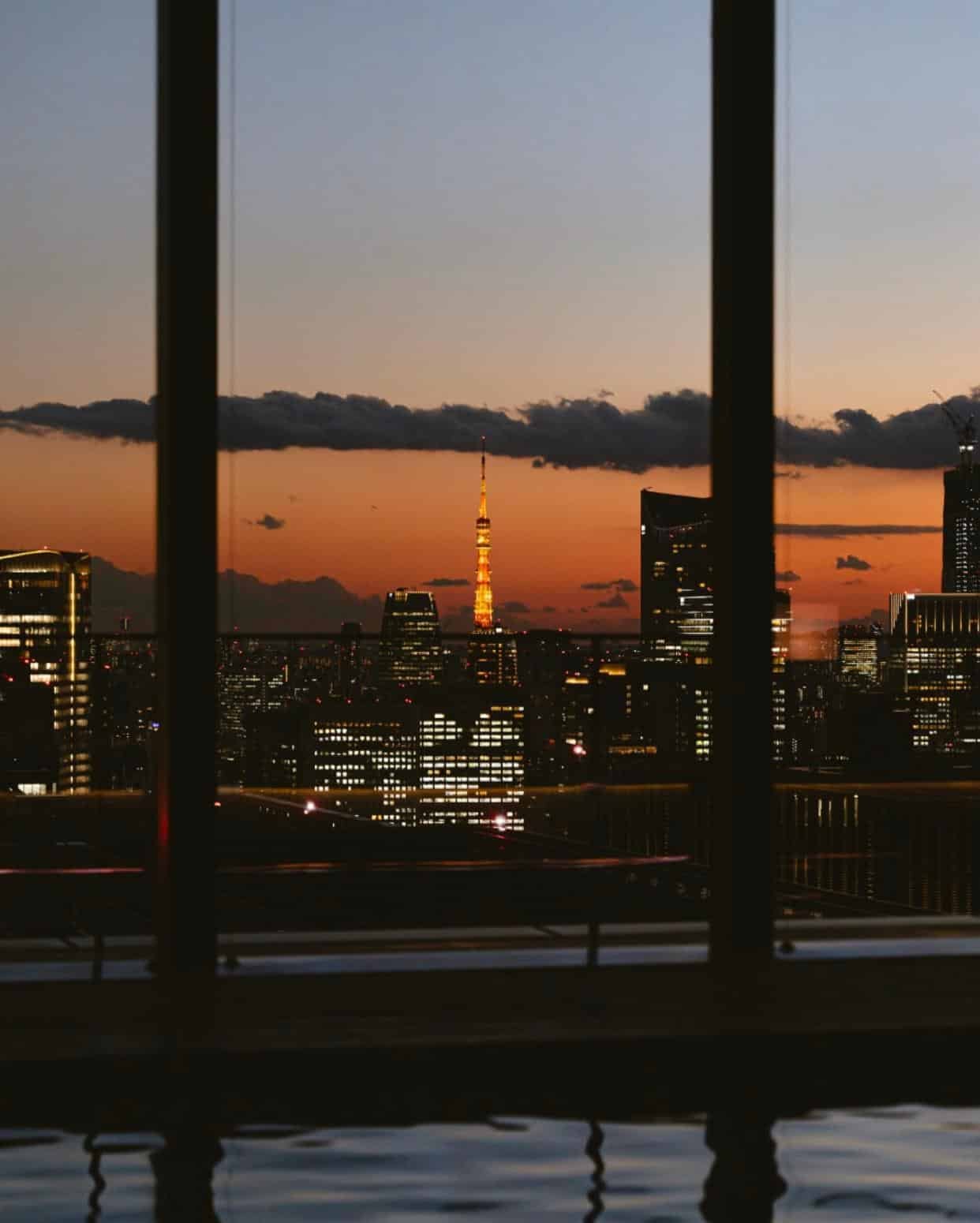
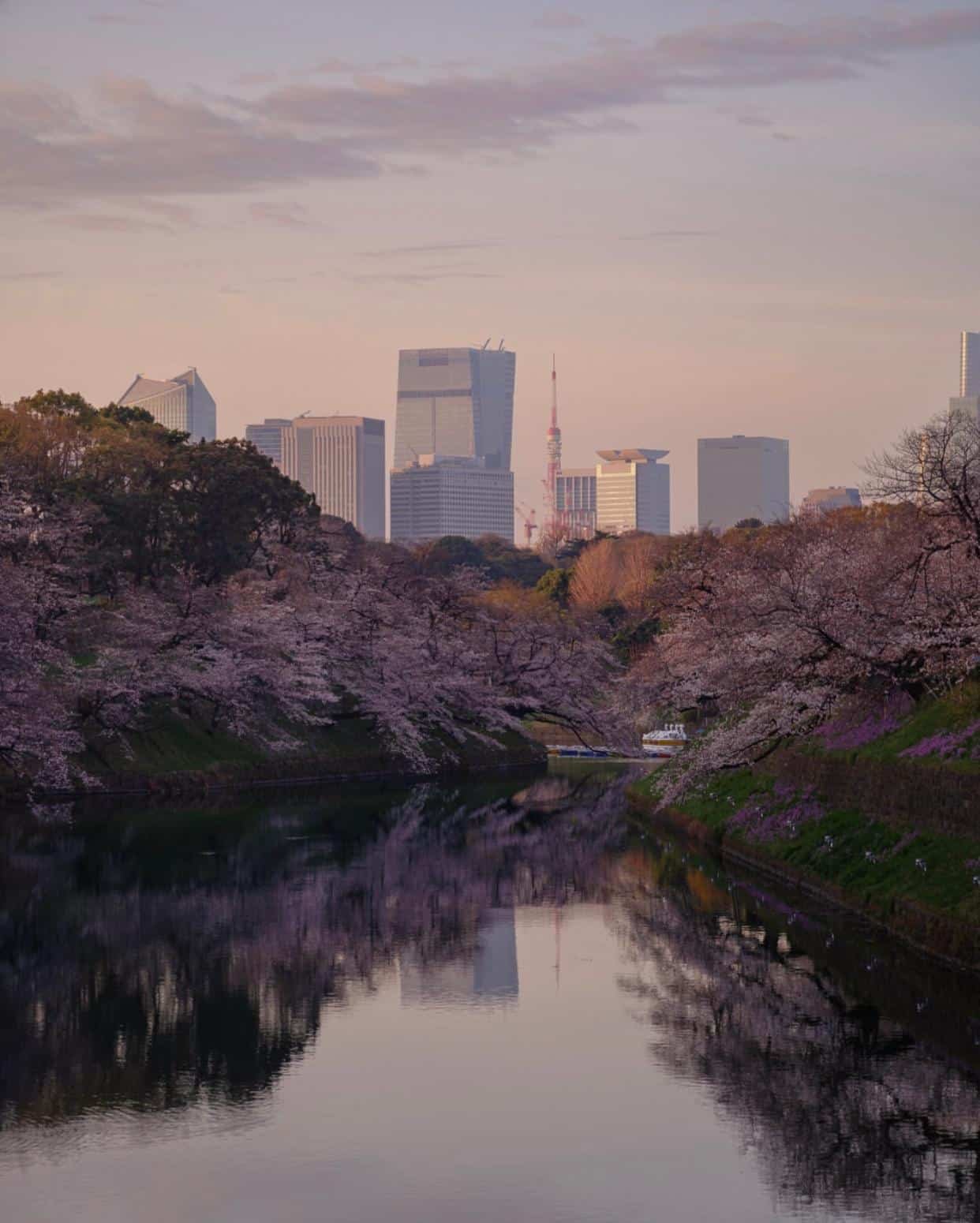
Otemachi is the district where Tokyo's largest financial institutions have their headquarters — it is, in the Japanese geography of power, what Marunouchi is to corporate Japan and what the Nagatacho is to political Japan. The Otemachi Tower, designed by Kohn Pedersen Fox, shares its lower thirty-two floors with the Mizuho Financial Group global headquarters. The Aman occupies the remainder. From the northwest rooms, the Imperial Palace gardens — two hundred hectares of forest in the centre of the city, closed to the public since 1869 — appear at eye level. This view is not incidental. It places the hotel in direct relationship to the oldest inhabitable silence in Tokyo, a silence that has existed at the centre of the city's density for a century and a half. On clear winter mornings, the geometry of the view extends further: Mount Fuji, framed between towers, appears on the northwest axis. It is not guaranteed. That is precisely the point.
Kerry Hill died in August 2022, at seventy-five. He had designed nine Aman properties across four decades — from the first tropical retreats in Southeast Asia to the Bhutanese lodges at Amankora, where he used stabilised rammed earth and yak hair in contemporary structural applications, to Aman Tokyo, his most formally ambitious project. His method had a name he gave it himself: the contemporisation of materials. Not pastiche, not reproduction — but the use of traditional materials and spatial logics at a contemporary scale, in a contemporary structure, with the intelligence of an architect who had spent forty years learning what those materials actually do. The washi lobby of Aman Tokyo is the most complete expression of this method. It is not a Japanese room. It is not a Western hotel lobby. It is a thing that could only have been made by someone who understood both completely, and who knew when to stop explaining.
The lift is slow. The corridor, dim.
The reception, contained.
Then the atrium opens —
thirty metres of washi paper, backlit from within,
glowing like a lantern the size of a building.
Kerry Hill took the andon —
a paper lamp carried by hand through the dark —
and scaled it to the height of a tower.
The city is still there, below.
You simply can no longer hear it.
Aman had spent twenty-six years building its identity in remoteness — the conviction that luxury requires distance from the world, and that the world's most desirable hotels are the hardest to reach. Tokyo was the refutation of that premise, and also its most complete proof. The city is not remote. But the thirty-third floor of the Otemachi Tower, in December 2014, was. Hill had not brought Aman to Tokyo. He had made Tokyo — or a precise, edited version of it — into an Aman. The washi atrium. The engawa porch. The black basalt pool. The Misogi foot bath with Kampo herbs before every treatment. Each element is a decision about which part of Japan to make present in a room that is already, technically, in Japan. That curatorial precision — knowing what to include, and knowing what silence to leave around it — is the intelligence that the Aman Tokyo lobby performs without speaking. The city can wait. It has been waiting for a hundred and fifty years. It will still be there when you descend.
Otemachi, December 2014.
The first Aman in a city.
A tower of glass and steel.
Thirty metres of washi, glowing from within.
Kerry Hill once said:
I am an architect like a dog is a dog.
He meant: this is not a choice.
It is what I am.
The lobby says the same thing —
in paper, in light, in silence —
to anyone who knows how to listen.
© Aman Tokyo
© Aman Tokyo
© Aman Tokyo
© Aman Tokyo
© Aman Tokyo

© Aman Tokyo
© Aman Tokyo

© Aman Tokyo
© Aman Tokyo
© Aman Tokyo
© Aman Tokyo

© Aman Tokyo

© Aman Tokyo

© Aman Tokyo
© Aman Tokyo
© Aman Tokyo
© Aman Tokyo
© Aman Tokyo
© Aman Tokyo
© Aman Tokyo
© Aman Tokyo
© Aman Tokyo
© Aman Tokyo
© Aman Tokyo
© Aman Tokyo
© Aman Tokyo
AMAN TOKYO
© Aman Tokyo