
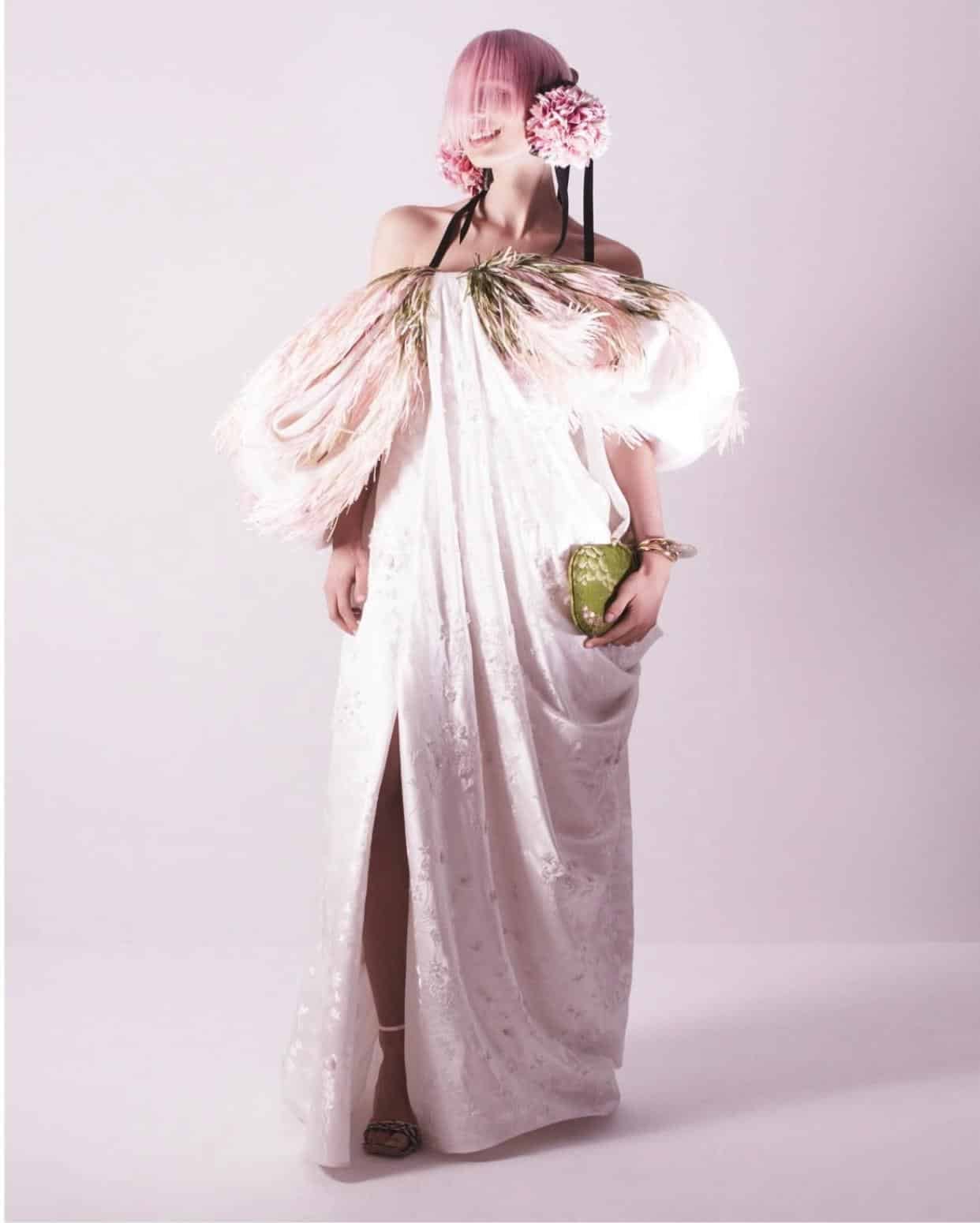
© Dior
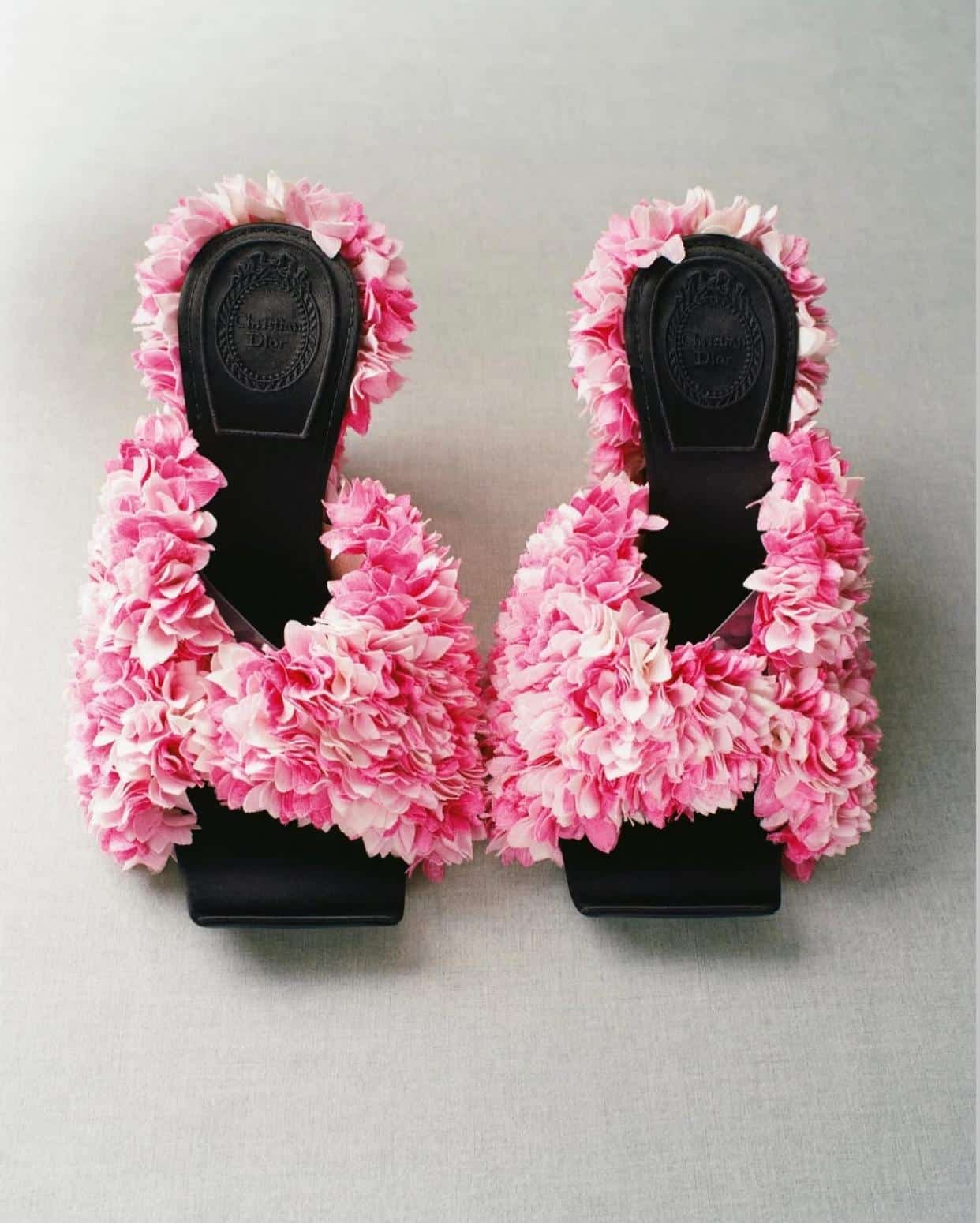
© Dior
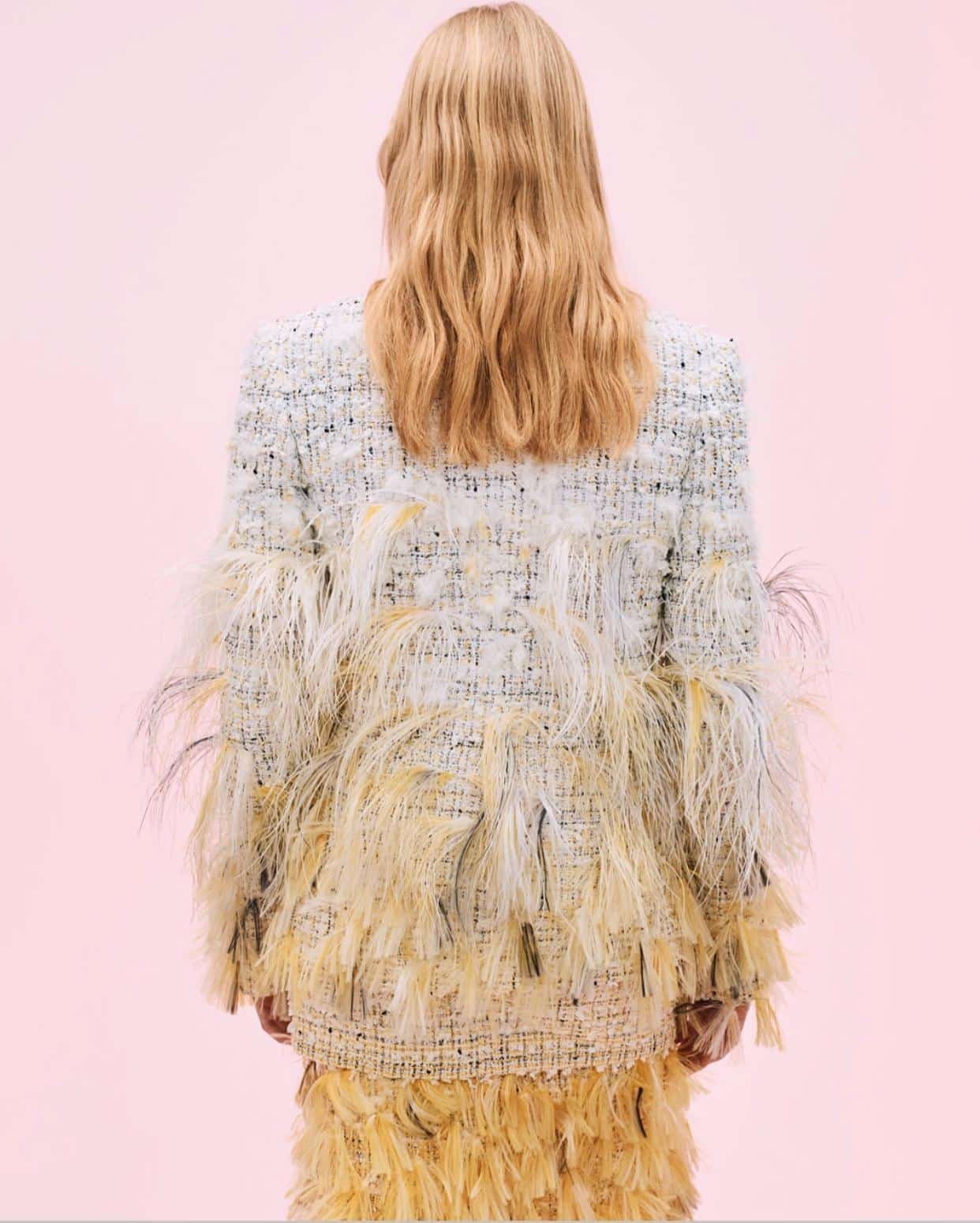
© Chanel
Fashion
In 1981, Rei Kawakubo and Yohji Yamamoto showed in Paris the same season. Black garments, undone, asymmetric, with unfinished hems. The French press did not understand. Le Figaro wrote "decadence and caricature of vagabonds." Libération replied: "French fashion has its masters: the Japanese." Within a few seasons, Comme des Garçons and Yohji Yamamoto became the most uncompromising references in global fashion. That moment is the moment Tokyo entered the history of world fashion. Not by imitating Paris. By unsettling it.
One City · Two Geographies · Fashion As Territory
Tokyo does not have one geography of fashion — it has several, distinct and complementary, each saying something different about the city's relationship to clothing. Ginza is the first — the historic district of silversmiths and money merchants since the Edo period, rebuilt after the fire of 1872 in a Western style with wide avenues and shopfronts, and transformed over the decades into the highest concentration of luxury flagships in Japan. Chanel, Hermès, Louis Vuitton, Dior, Cartier — the world's greatest Houses have entrusted their Ginza buildings to the most ambitious architects of their generation: Peter Marino, Renzo Piano, Jun Aoki, Klein Dytham. The Chuo-dori, closed to traffic on weekends since 1970, becomes one of the rare places in the world where luxury is experienced on foot, unhurried, along an avenue whose architectural profile resembles no other fashion street in the world. Omotesando is the second geography — a boulevard lined with zelkova trees whose branches form a canopy overhead, flanked by buildings designed by Tadao Ando, Herzog & De Meuron, MVRDV and SANAA. Tokyo's version of the Champs-Élysées, but quieter, more precise, more Japanese in its way of making the spectacular and the discreet coexist.
1981 · The Shock · Japanese Fashion As Revolution
Before 1981, Japanese fashion already existed on the international scene — Kenzo Takada had been showing in Paris since 1970, Issey Miyake since 1973. But it was the simultaneous debuts of Comme des Garçons and Yohji Yamamoto in 1981 that produced the real shock. Rei Kawakubo presented garments that appeared undone — asymmetric, torn, with unfinished hems, dominated by a black that was then rare in fashion collections. Yohji Yamamoto showed at the Cour Carrée du Louvre with white-faced models dressed in black, on a soundtrack of heartbeats. The professional press was disoriented. Several critics spoke of "pauperism", of "post-Hiroshima chic." But in newsrooms and ateliers, something cracked — the certainty that the West held the monopoly on defining luxury and elegance. Within a few seasons, what the press had mocked became what it admired. And Tokyo claimed its place in the global geography of creation — not as a market that consumes Western fashion, but as a territory that produces, questions and redefines it.
What distinguishes the presence of French Houses in Tokyo from their presence in any other city in the world is not their number — it is the way they express themselves here. In Tokyo, a luxury boutique is an architectural declaration. Hermès entrusted Renzo Piano with the task of creating for Ginza a building of thirteen thousand translucent glass blocks — a lantern that shifts with the light of day and night. Dior built the House of Dior at Ginza Six with white veil façades by Yoshio Taniguchi and interiors by Peter Marino. Louis Vuitton commissioned Jun Aoki for an iridescent façade evoking water. Chanel asked Peter Marino, working with Austrian engineers, to design a glass panel in a tweed motif with seven hundred thousand diodes — a building that comes alive at night. Cartier opened its largest Asia flagship in 2025 with a seigaiha façade by Klein Dytham Architecture. This density of architectural ambition within a single district exists nowhere else. Ginza is where Houses come to show not only their collections, but their vision of the world.
The three great houses of Japanese avant-garde fashion — Rei Kawakubo's Comme des Garçons, Yohji Yamamoto and Issey Miyake — were born in Tokyo between 1969 and 1972, shaped in large part by the Bunka Fashion College. They share a way of thinking about clothing that does not belong to the Western tradition: not the seduction of a body put on display, but the question of the body within the garment — what the fabric conceals, reveals, protects, interrogates. Kawakubo's black speaks the refusal of colour as communication. Yamamoto's asymmetry speaks the refusal of symmetry as a convention of beauty. Issey Miyake's pleats speak the refusal of fabric as dead matter — the search for a textile that lives, moves, transforms with the body. These three ways of thinking about clothing have produced one of the most important contributions Japanese fashion has made to global visual culture. Their boutiques on Omotesando and in Aoyama remain places of pilgrimage for fashion professionals from around the world.
The name Ginza comes from the Edo period — "silver guild" — when the district housed the mint and the precious metal trading houses that served the Imperial court and the city's merchants. Four hundred years of commerce in the same district, with a continuity that resembles no other commercial area in the world. The fire of 1872 razed the district and provided the occasion for an exemplary Meiji-era modernisation — wide avenues, brick buildings inspired by Western architecture, shopfronts that made window shopping possible, then a novelty in Japan. The Chuo-dori has been closed to traffic on weekends since 1970 — pedestrian paradise — and has become a rare pedestrian space within Tokyo's urban density. The square metre in front of the Kyukyodo in the 5th district is today the most expensive in Japan. Ginza Six, opened in 2017 on the site of the former Matsuzakaya, is the district's most important luxury shopping complex — with the House of Dior Ginza as its most spectacular flagship.
Omotesando means "the approach path to the sacred site" — the road leading to the Meiji Jingu shrine. This one-kilometre boulevard, lined with zelkova trees whose branches form a canopy, has become since the 1990s one of the densest streets of fashion architecture in the world. Tadao Ando designed Omotesando Hills — the shopping complex that spirals down into a trench beneath the boulevard. Herzog & De Meuron designed the Prada building — a geometric structure of curved glass whose façade is visible from several streets away. MVRDV conceived Gyre — five staggered floors offset from one another. SANAA signed Dior Omotesando with its façade of layered translucent glass. Toyo Ito designed Tod's Omotesando — a concrete structure whose ribs echo the branches of the boulevard's trees. This kilometre is a course in contemporary architecture applied to fashion — where each building is an answer to the same question: what does a luxury boutique say to the city that receives it?
Japan has for decades been one of the leading global markets for luxury fashion — Hermès' largest market worldwide, among the first for Louis Vuitton, Chanel and Dior. This position is not merely quantitative: it speaks to the quality of the relationship between the Houses and the Japanese clientele. The Japanese fashion clientele reads collections with a precision and loyalty that few markets in the world produce. It knows the archives of Houses, the transitions of artistic directors, the shifts in register from one season to the next. It buys in season and keeps across time. And it uses department stores — Isetan Shinjuku, Mitsukoshi Ginza, Takashimaya — not as simple distributors but as editors: spaces whose decision to select or not select a collection says something about that collection's value in Japan. A buyer at Isetan Shinjuku who retains a line sends a signal that the commercial directors of the great Houses read with the same attention as a leading press review.
Gloss Tokyo covers luxury fashion in Tokyo to the same standard as every other category on the platform — rigorous primary source research, an unexpected and verified factual hook for each House, dense and sensorial writing that says why a collection, a flagship or a neighbourhood deserves attention rather than simply describing it. Each fashion text explores three dimensions: the House in its history and its specific presence in Tokyo, the building and its architecture as a declaration, and the relationship between the House and the Japanese clientele as an indicator of the value of what is proposed. We cover French, Italian and Japanese Houses — with no geographical hierarchy, holding the conviction that luxury fashion in Tokyo is the result of a conversation between cultures that no other city produces with the same intensity and precision. Fashion in Tokyo is not fashion in Paris. It is fashion in Tokyo — and that is something else entirely.
In 1981, the Parisian press wrote "decadence."
Libération replied: "French fashion
has its masters: the Japanese."
Forty years later,
the world's greatest architects
build their most ambitious buildings
on the same street in Ginza.
Tokyo did not join world fashion.
It redefined it.
And it continues.
In the global geography of luxury fashion, Tokyo occupies a unique position — not because it is the largest market, nor because it has the most boutiques, but because it is the only place where French, Italian and Japanese fashion coexist on the same street with the same architectural ambition, the same editorial density of department stores, and the same precision of reading from a clientele that makes no compromises. A House that succeeds in Tokyo has passed a test that no other city proposes in the same terms. It has convinced a clientele that knows its archives. It has justified its architecture before a district where buildings are declarations. It has maintained the quality of its service in a country where omotenashi — total hospitality — is the minimum standard, not the standard of excellence. It is not fashion that travels to Tokyo. It is Tokyo that decides what fashion is worth.
Ginza: silver guild since the Edo period.
Omotesando: the approach path to the sacred site.
1981: the black of Kawakubo and Yamamoto
that unsettled Paris.
Forty years later:
the world's greatest architects
on the same street.
Tokyo does not have one geography of fashion.
It has several.
And each one says something
that no other city says
in quite the same way.
CHANEL

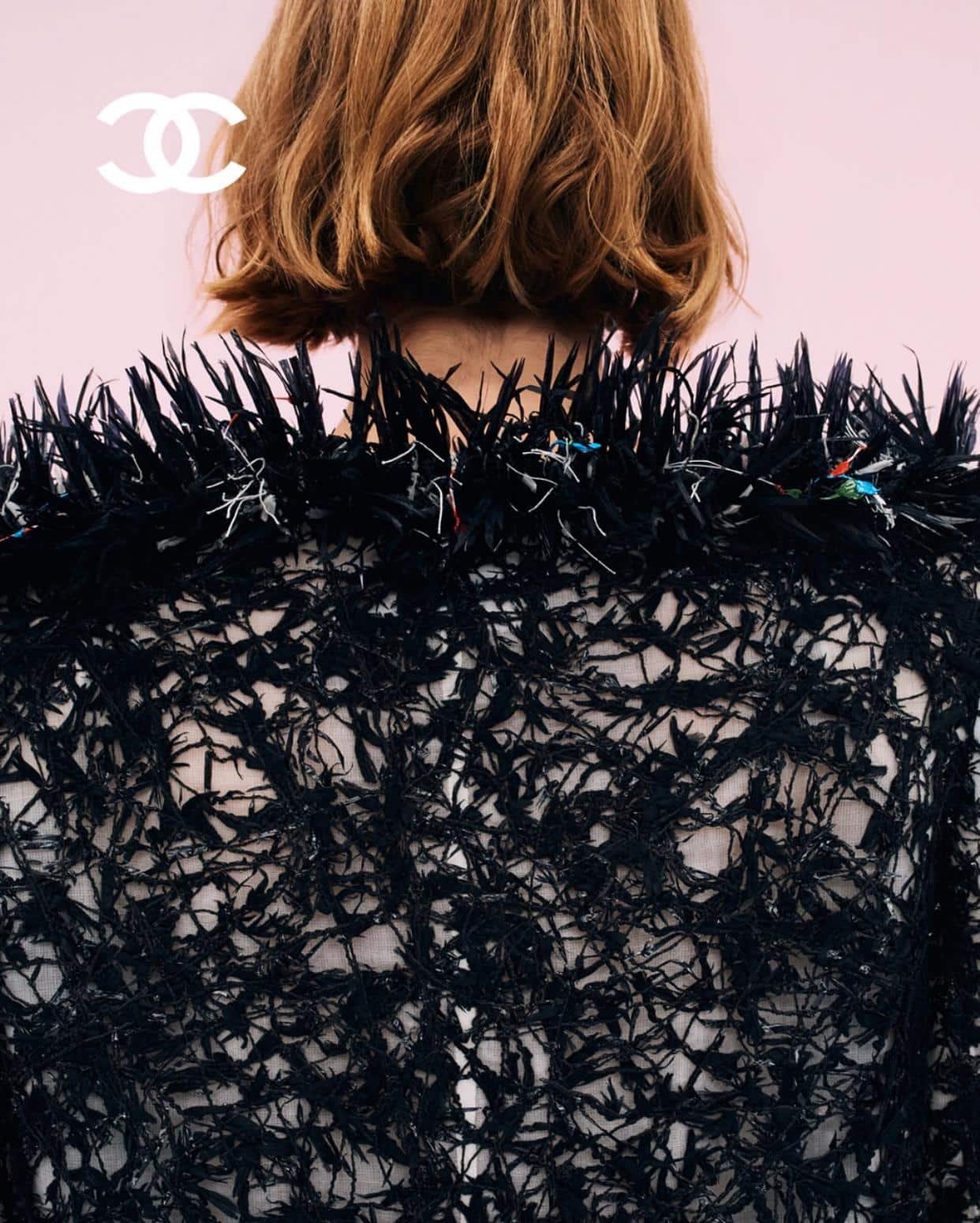
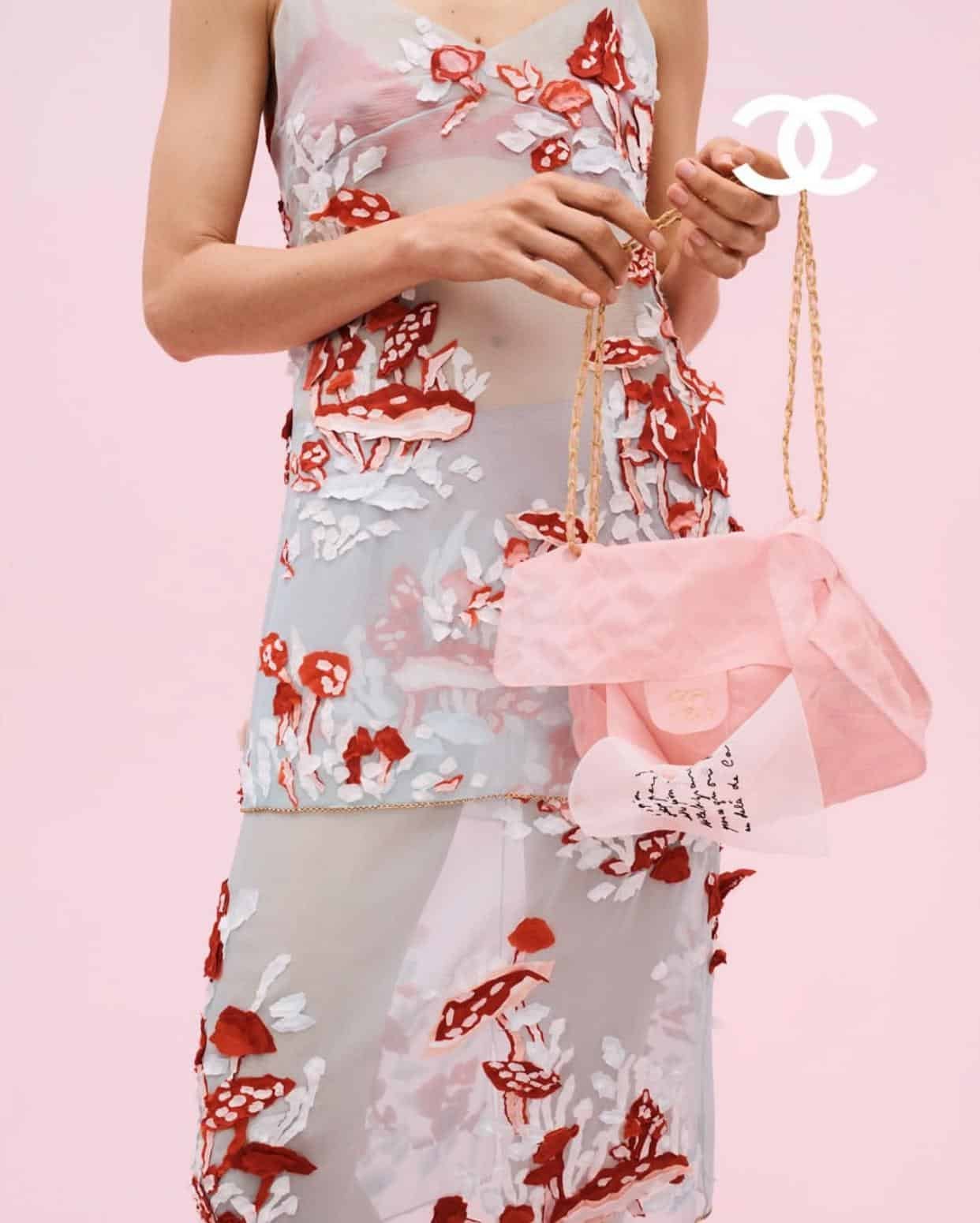
© Chanel
DIOR
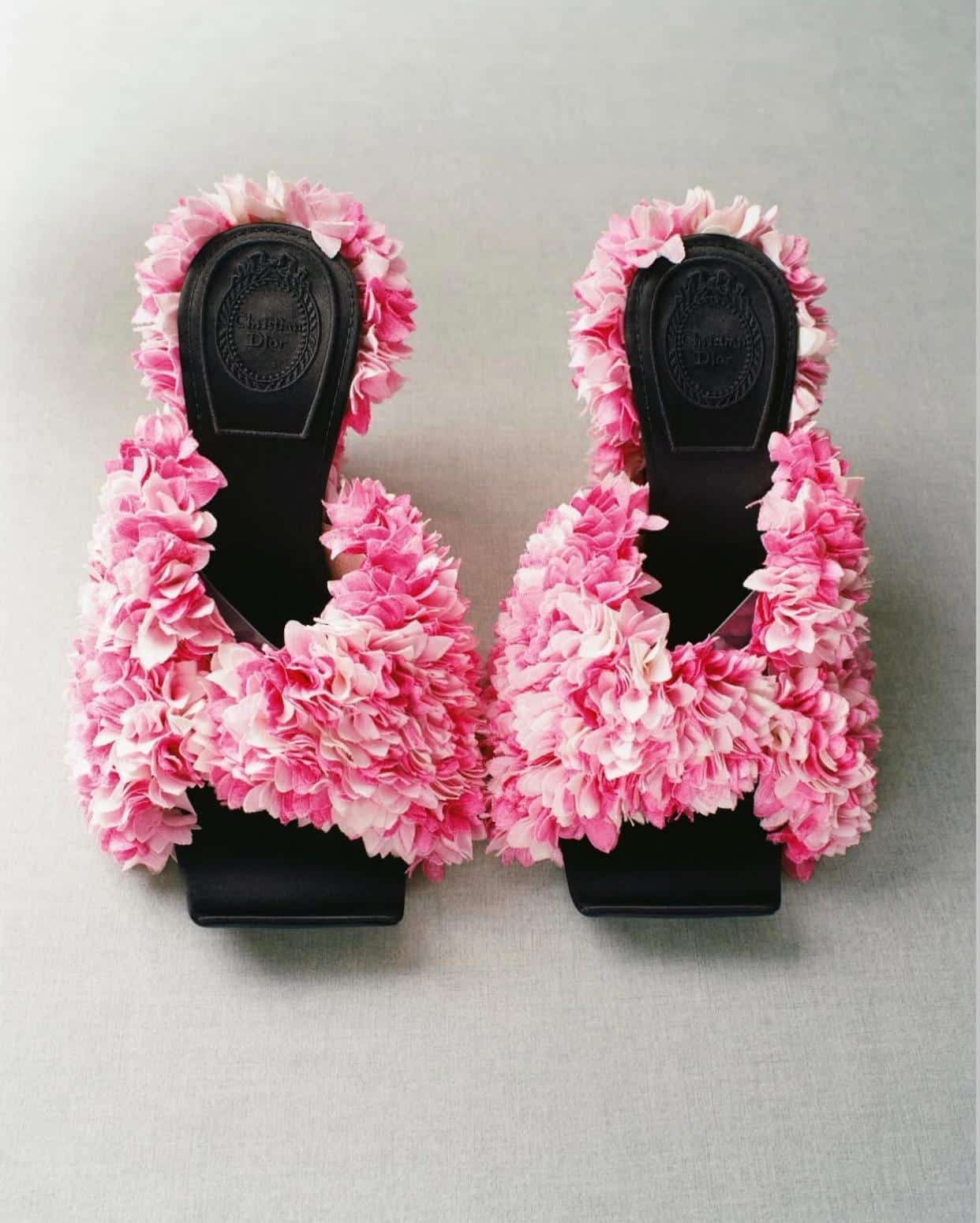
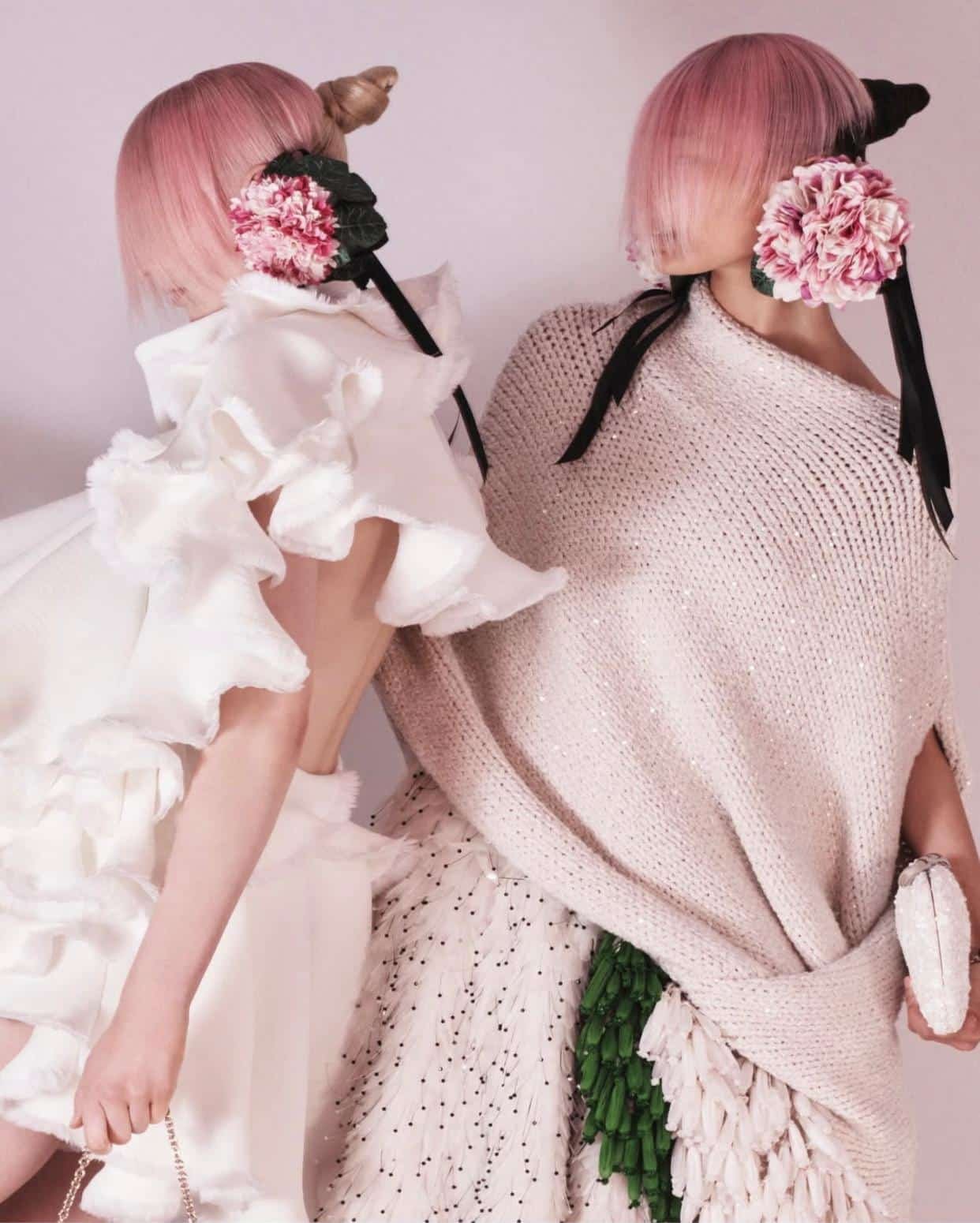
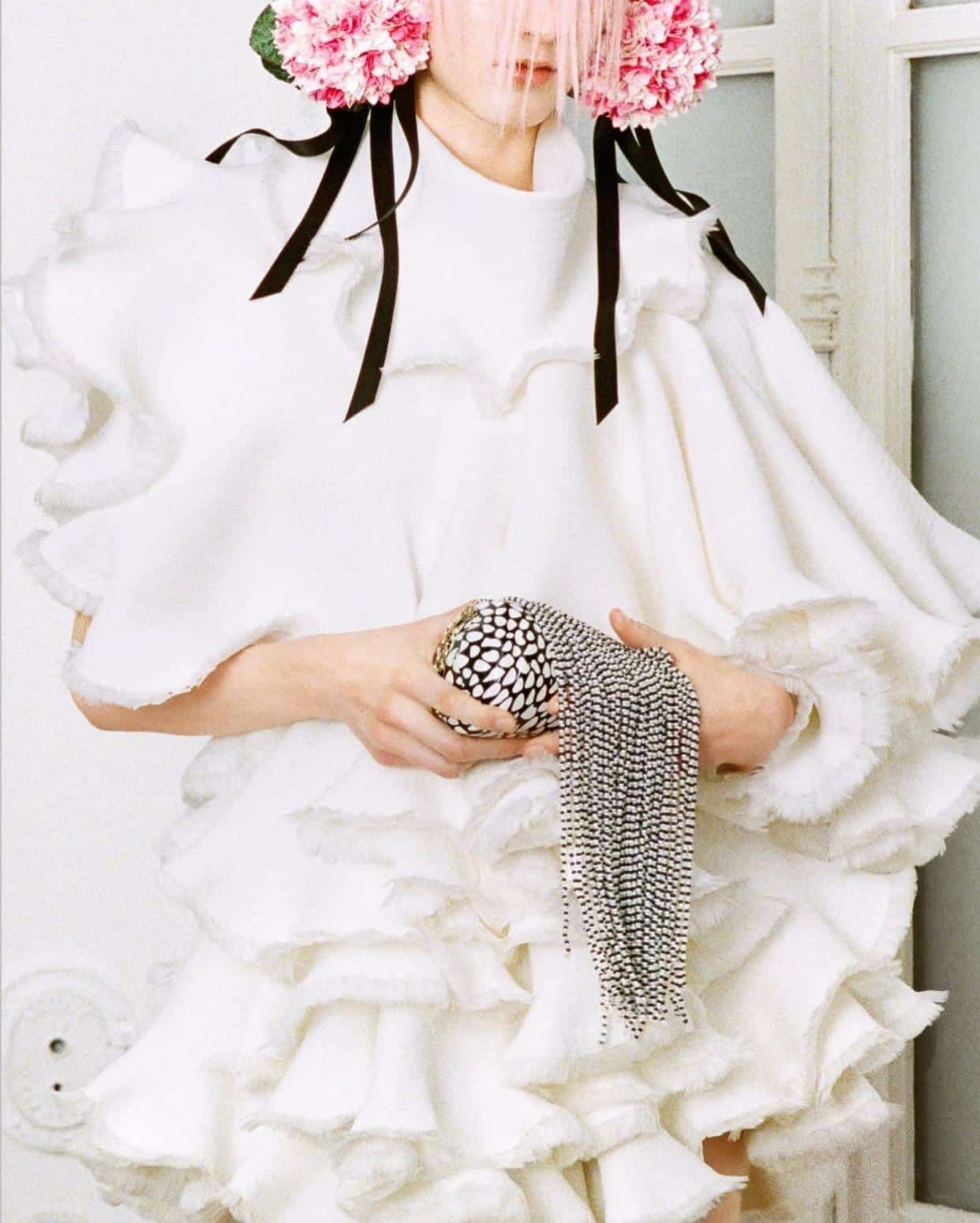
© Dior
HERMÈS
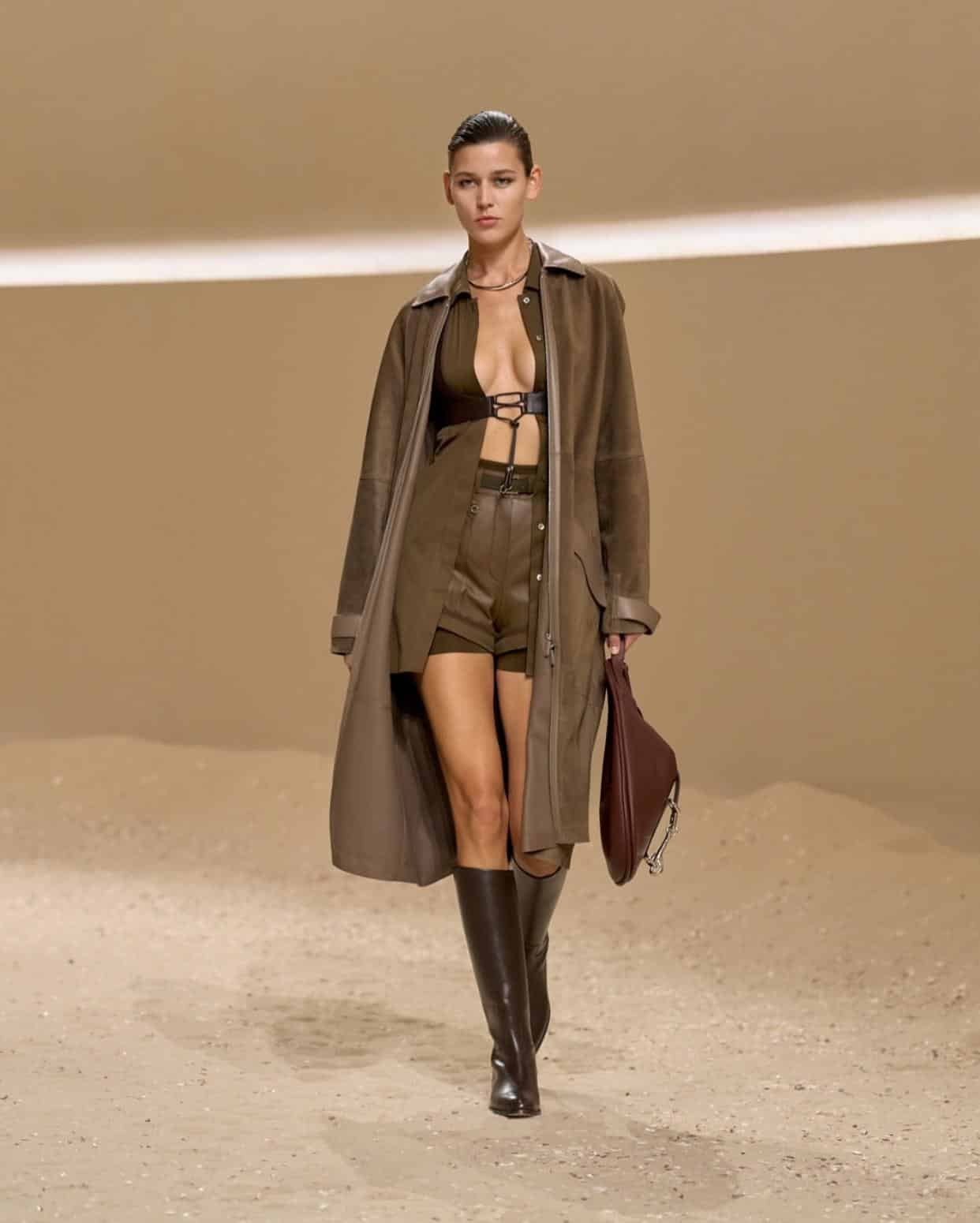
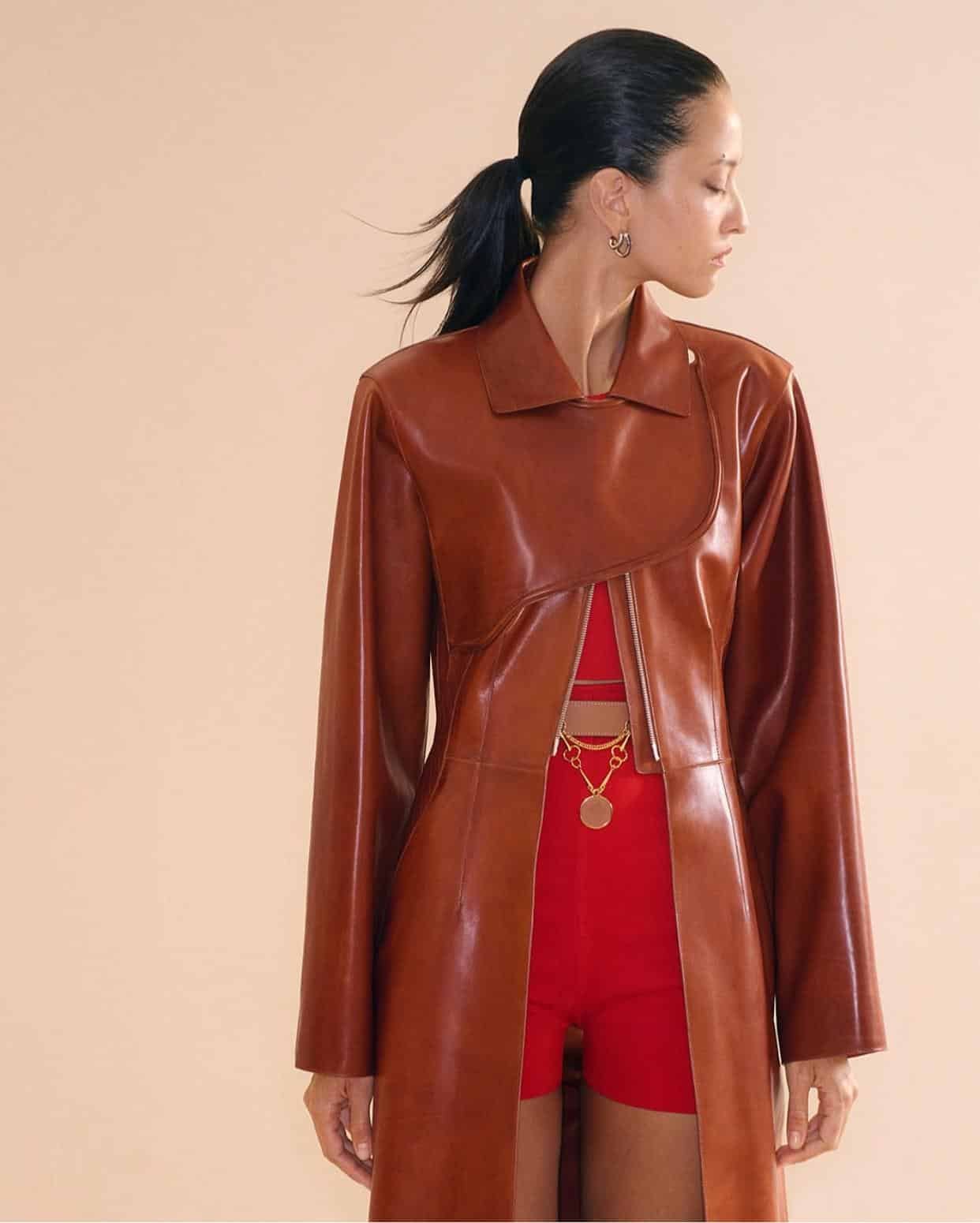
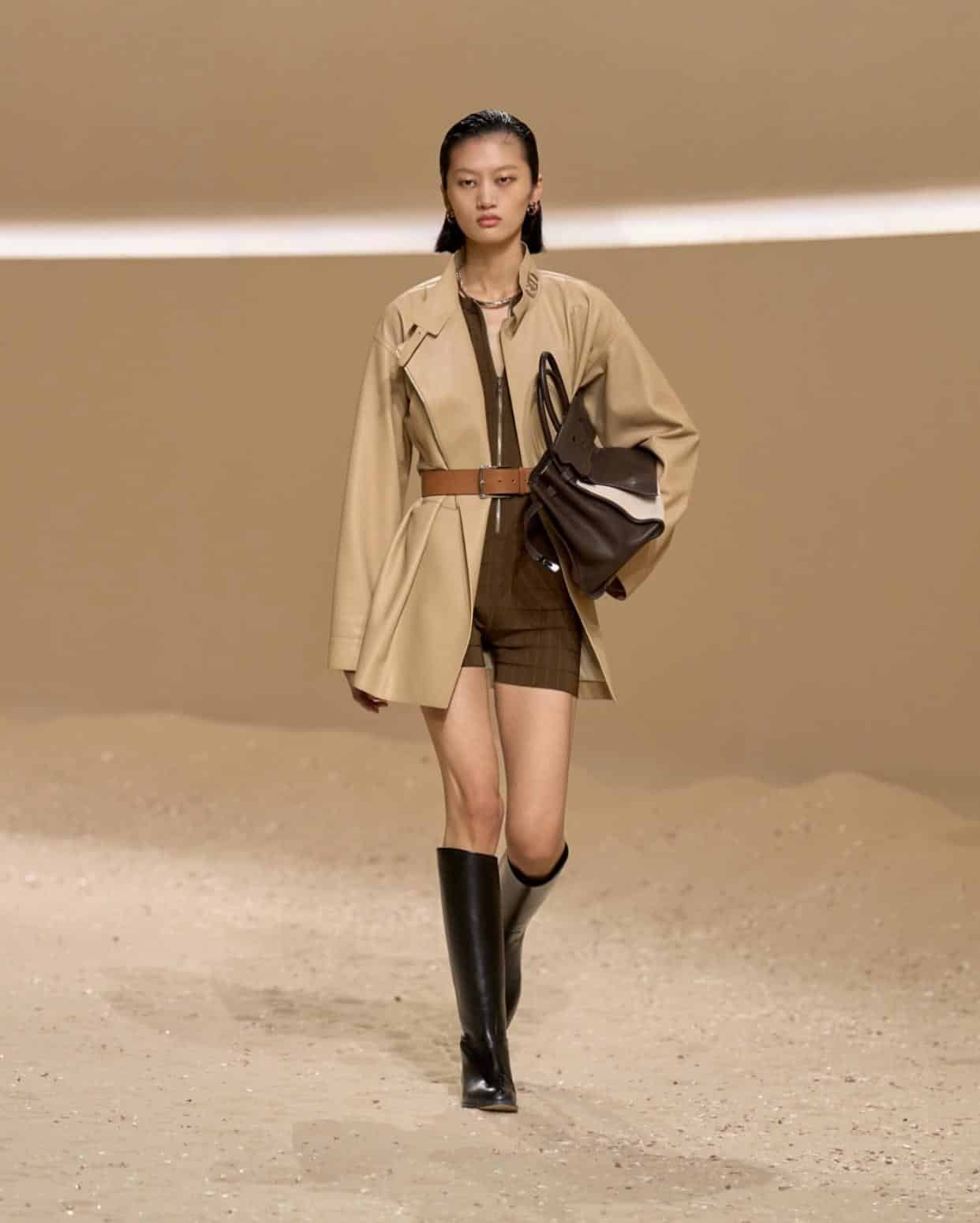
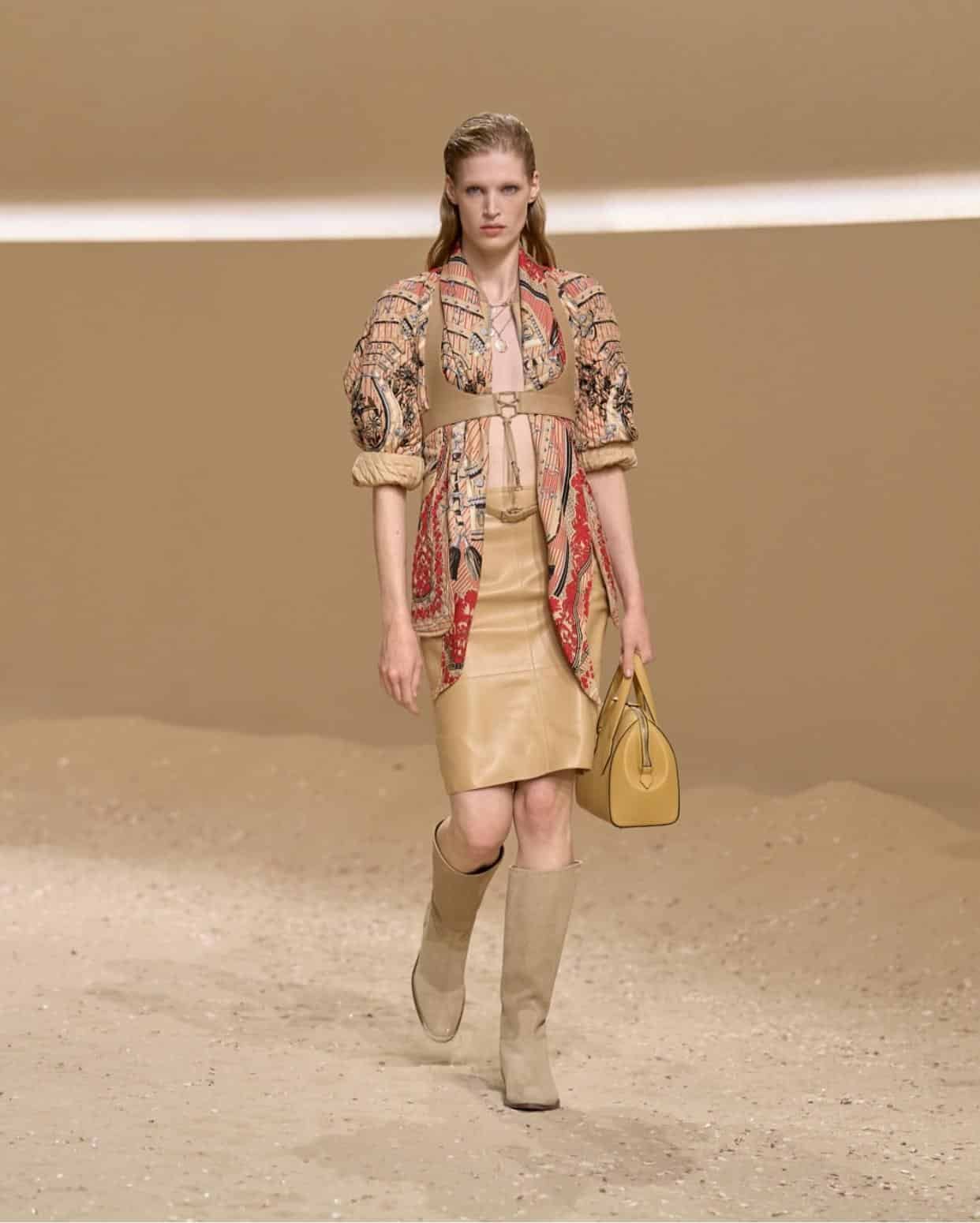
© Hermès
LOUIS VUITTON
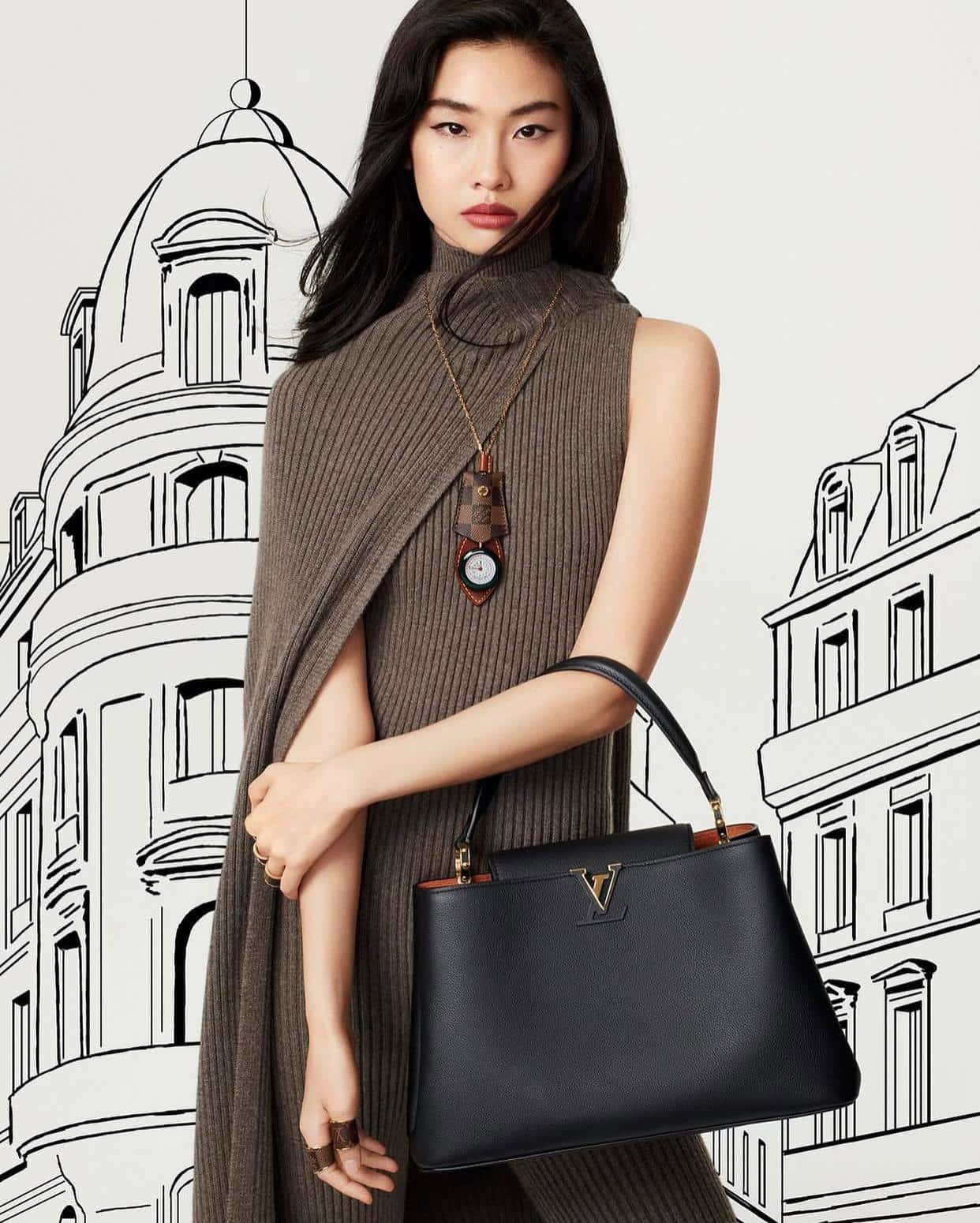
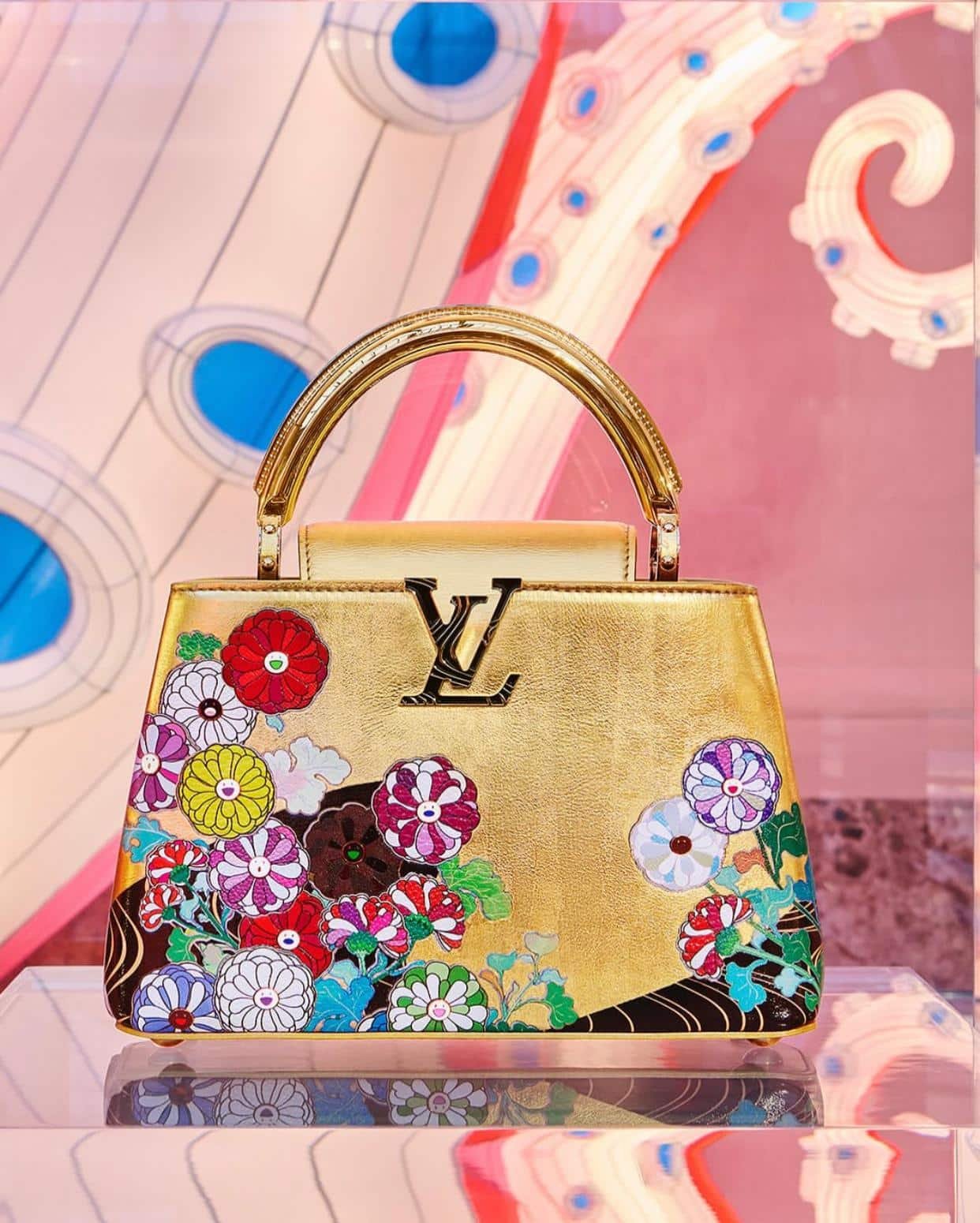
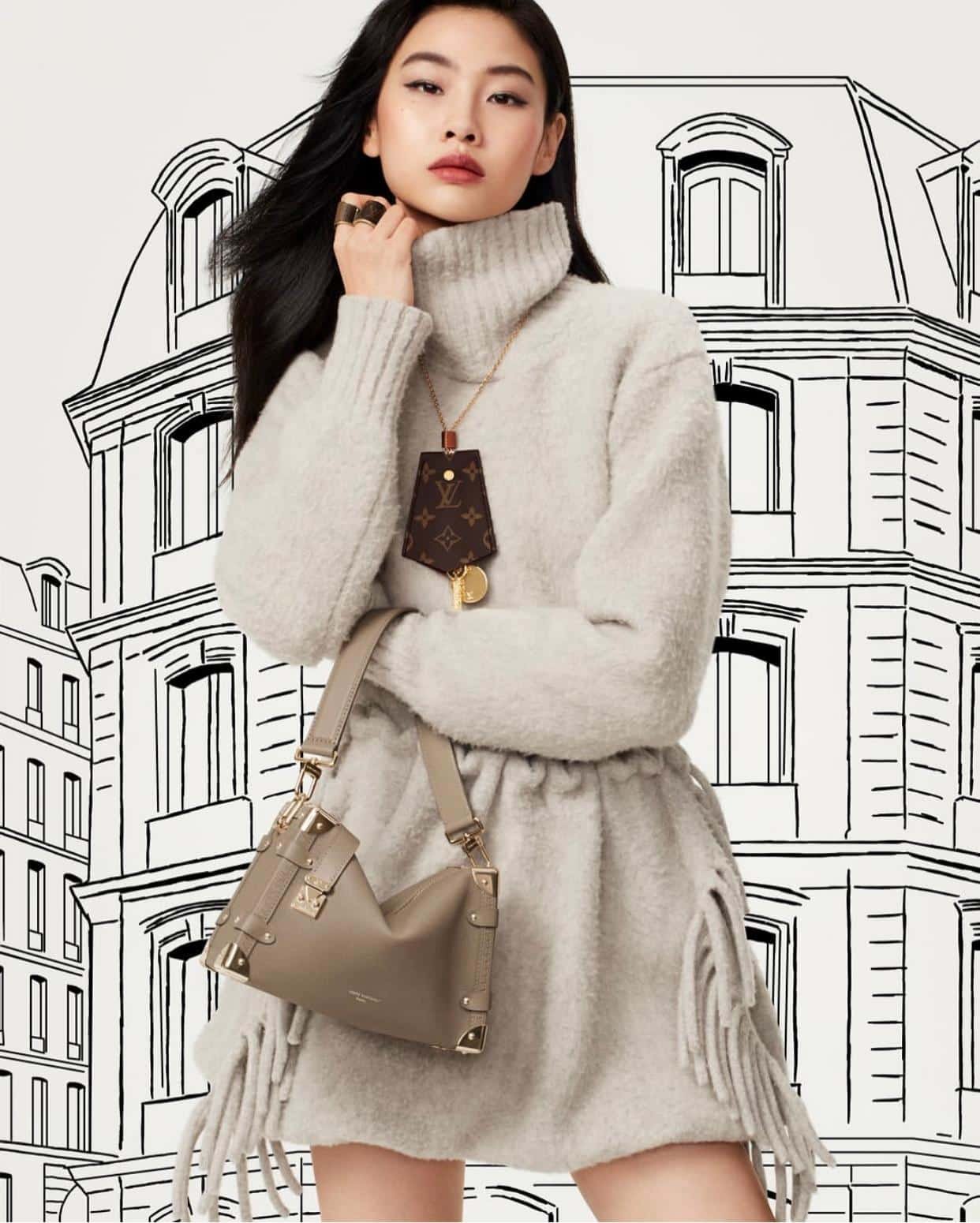
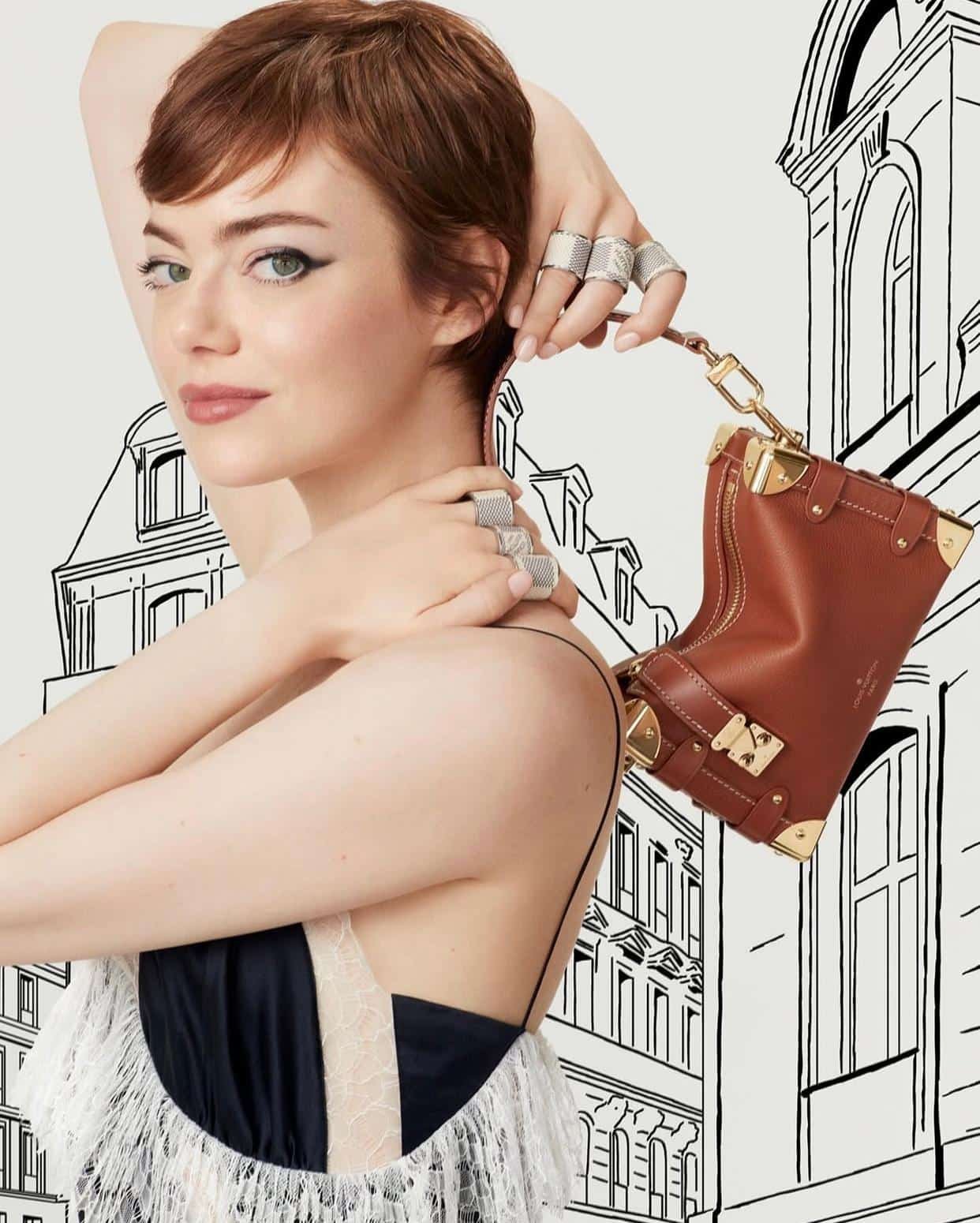
© Louis Vuitton