

© Chanel
© Chanel

© Chanel
Chanel
In 1954, Marilyn Monroe was on her honeymoon in Tokyo with Joe DiMaggio. At Haneda Airport, a Japanese journalist asked what she wore to bed. Her answer: "Why, Chanel N°5, of course." It was not an advertising campaign. It was a line said in passing, on arrival, in a country the House had not yet truly committed to. It did more for Chanel in Japan than any communications strategy could have. Tokyo remembered the line. Seventy years later, the House is everywhere in the city — and still knows it arrived here before it ever decided to.
The History · What Came Before The Boutiques
The relationship between Chanel and Japan does not begin with a flagship. It begins with an aesthetic affinity — Gabrielle Chanel's own, for Japanese visual arts, which permeated her collections long before the House had any physical presence in the country. The Coromandel lacquer screens with which Mademoiselle decorated her apartment at the Ritz had their origins in dynastic China, but it was the taste for line, for purity and for the precise gesture — shared across the decorative arts of East Asia — that infused her silhouettes from the nineteen-twenties onward. It was only in 1978 that Chanel presented its first fashion show in Tokyo — the first great French couture House to invest Japan in this way. In 2004, the Ginza flagship opened, and with it the first exhibition of Chanel's Métiers d'art outside France. Tokyo was not a secondary destination for the House. It was the destination that had decided, on its own terms, that Chanel belonged to it too.
The Boutique · Ginza · The Founding Address
The Chanel flagship on Ginza is the founding address of the House's fashion presence in Tokyo — the boutique that established, in 2004, that Chanel would take its place in Japan's most demanding luxury district with the same architectural ambition and the same rigour of presentation as on the rue Cambon in Paris. Ginza is the territory where great Western Houses submit to the most unsparing comparison — that of Japanese clients, who have developed for luxury objects a depth of knowledge and an exactingness that few markets in the world can equal. The Ginza boutique carries the full range of Chanel's fashion collections — ready-to-wear, leather goods, shoes, jewellery, accessories, timepieces. It operates with the personalised service and level of counsel that the Tokyo clientele considers the minimum standard of a serious address.
From 30 September to 20 October 2025, the 19M — the campus founded by Chanel in 2021 in Aubervilliers, bringing together eleven Houses of art and nearly seven hundred artisans specialised in the crafts of fashion — travelled from Paris to take up temporary residence on the fifty-second floor of the Mori Tower at Roppongi Hills. The Beyond Our Horizons exhibition was not a showcase for the House. It was a demonstration of the way in which the savoir-faire of the French ateliers — Lesage embroidery, Lemarié featherwork, Goossens goldsmithing, Lognon pleating — enters into dialogue with artists and artisans from across Japan, transcending linguistic, technical and generational difference to produce something that neither tradition would have produced alone. This is the most precise expression of what Chanel has always sought in Japan — not to export French luxury, but to find in Japanese rigour a mirror that reflects back what it is, more clearly defined.
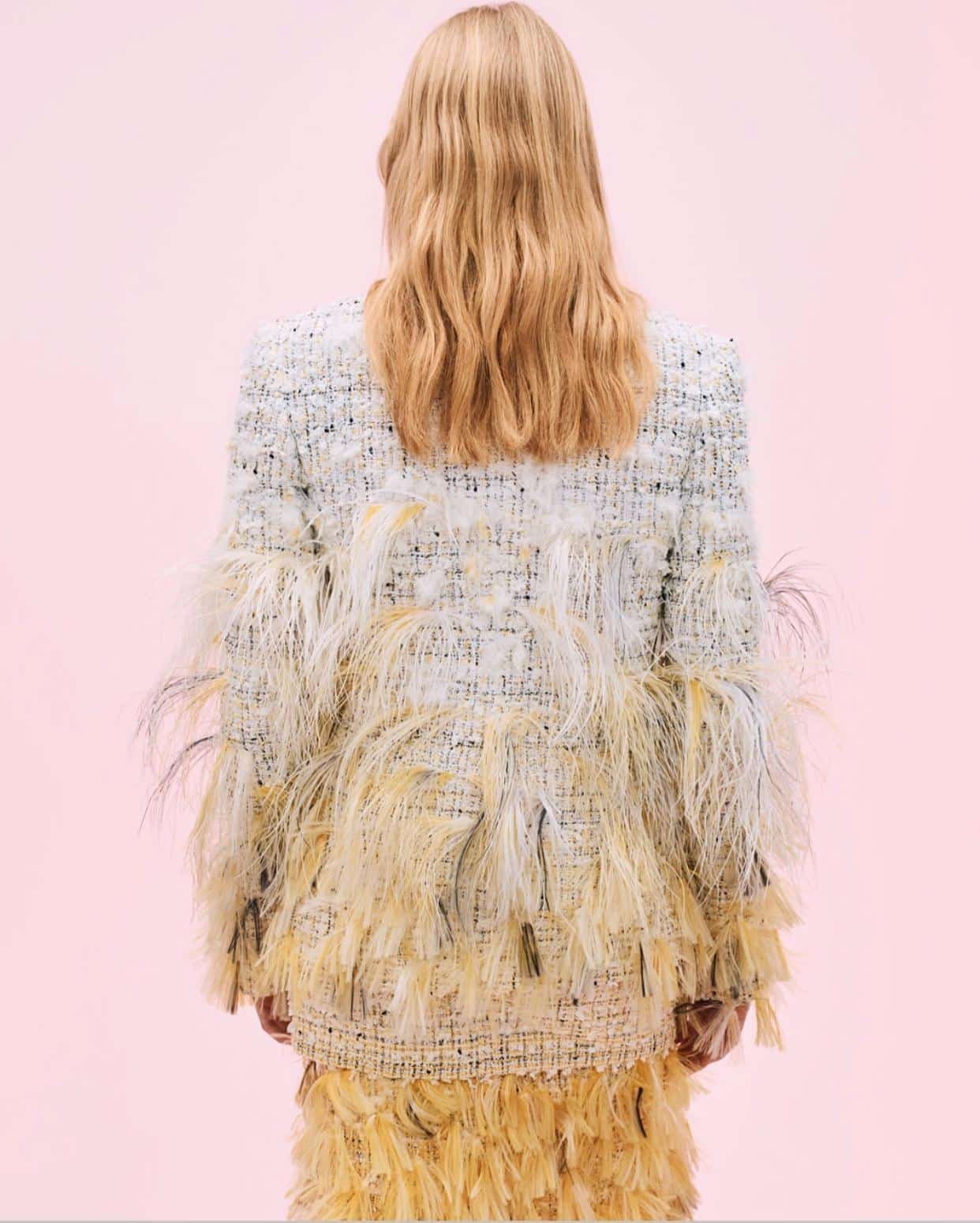
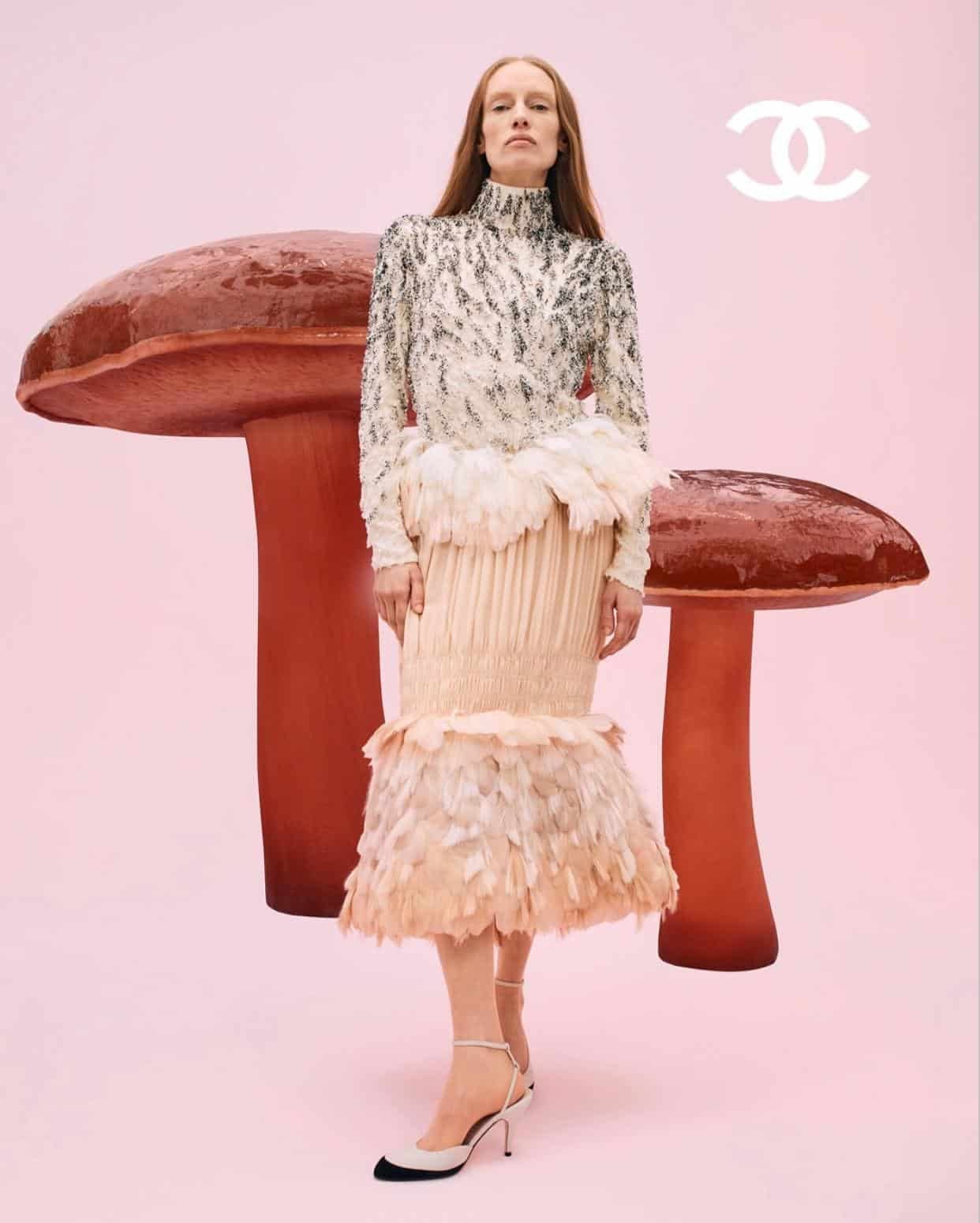
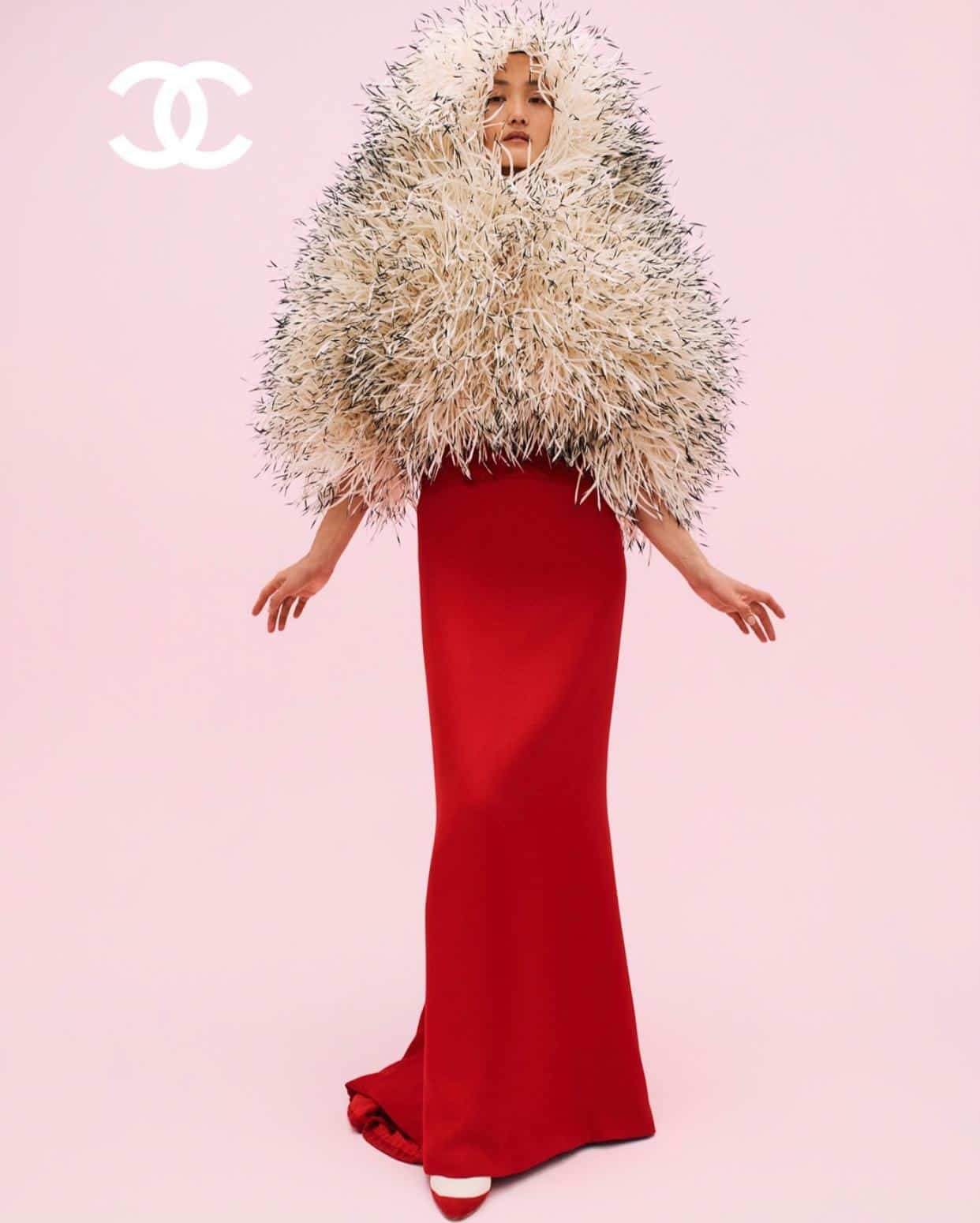
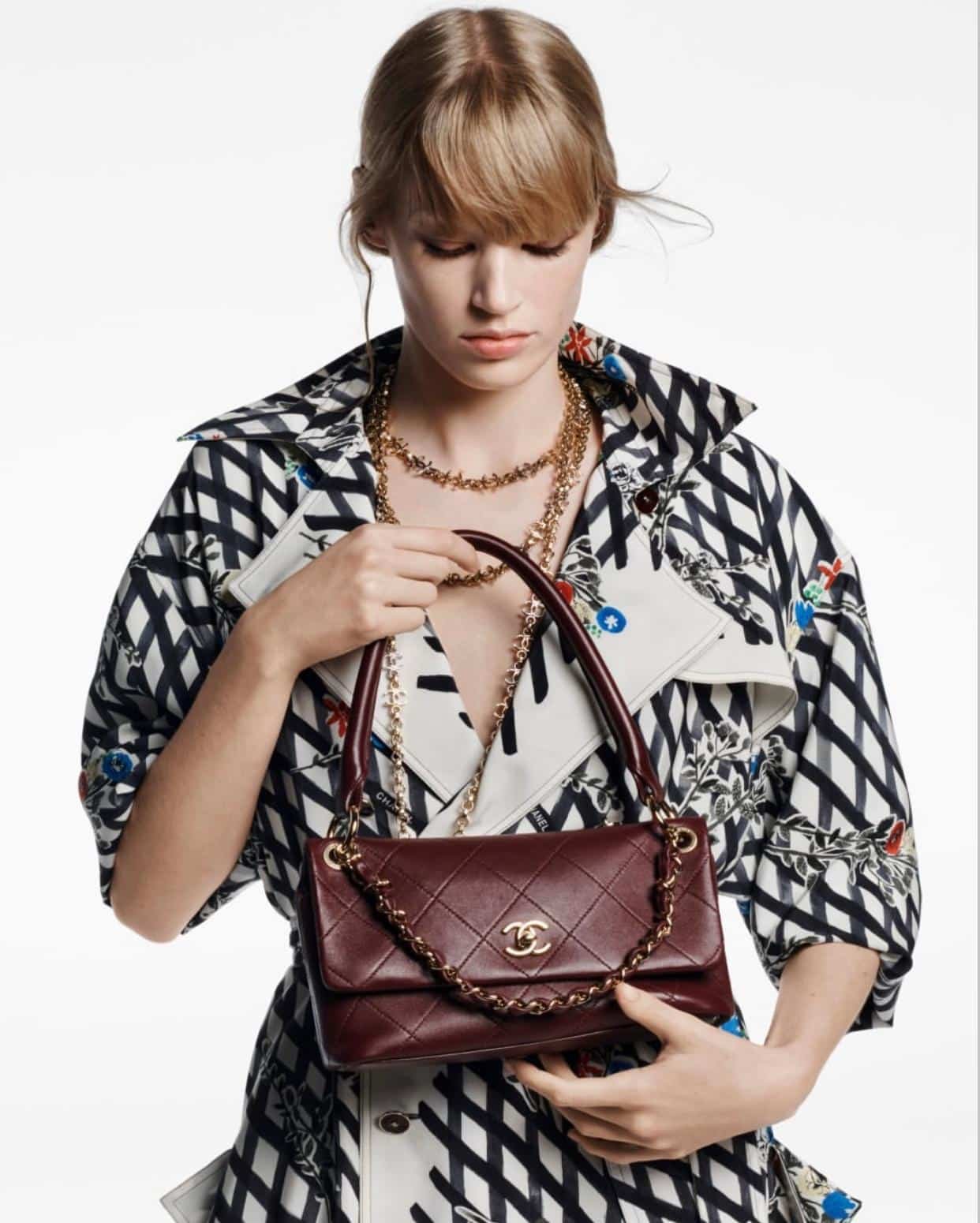
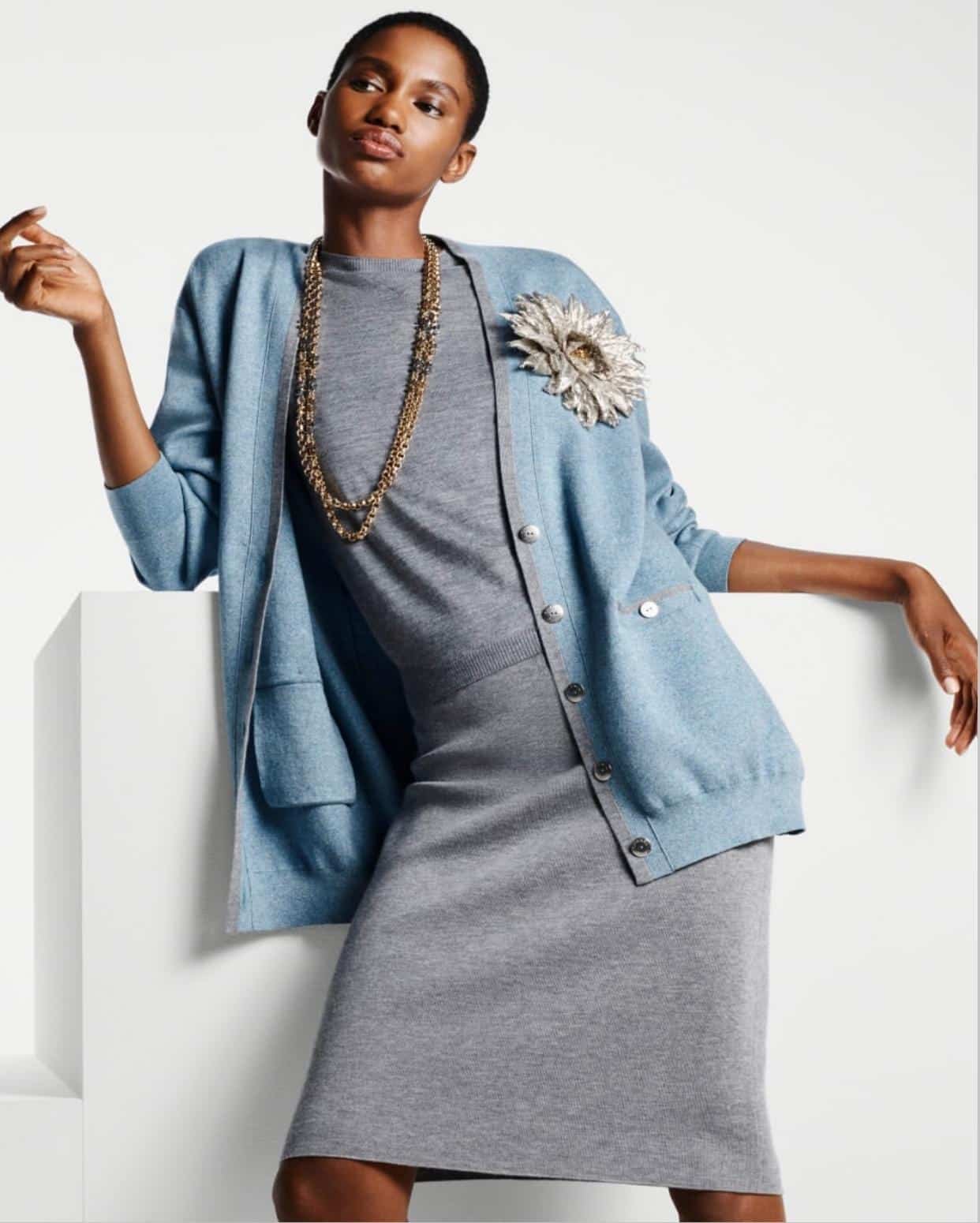
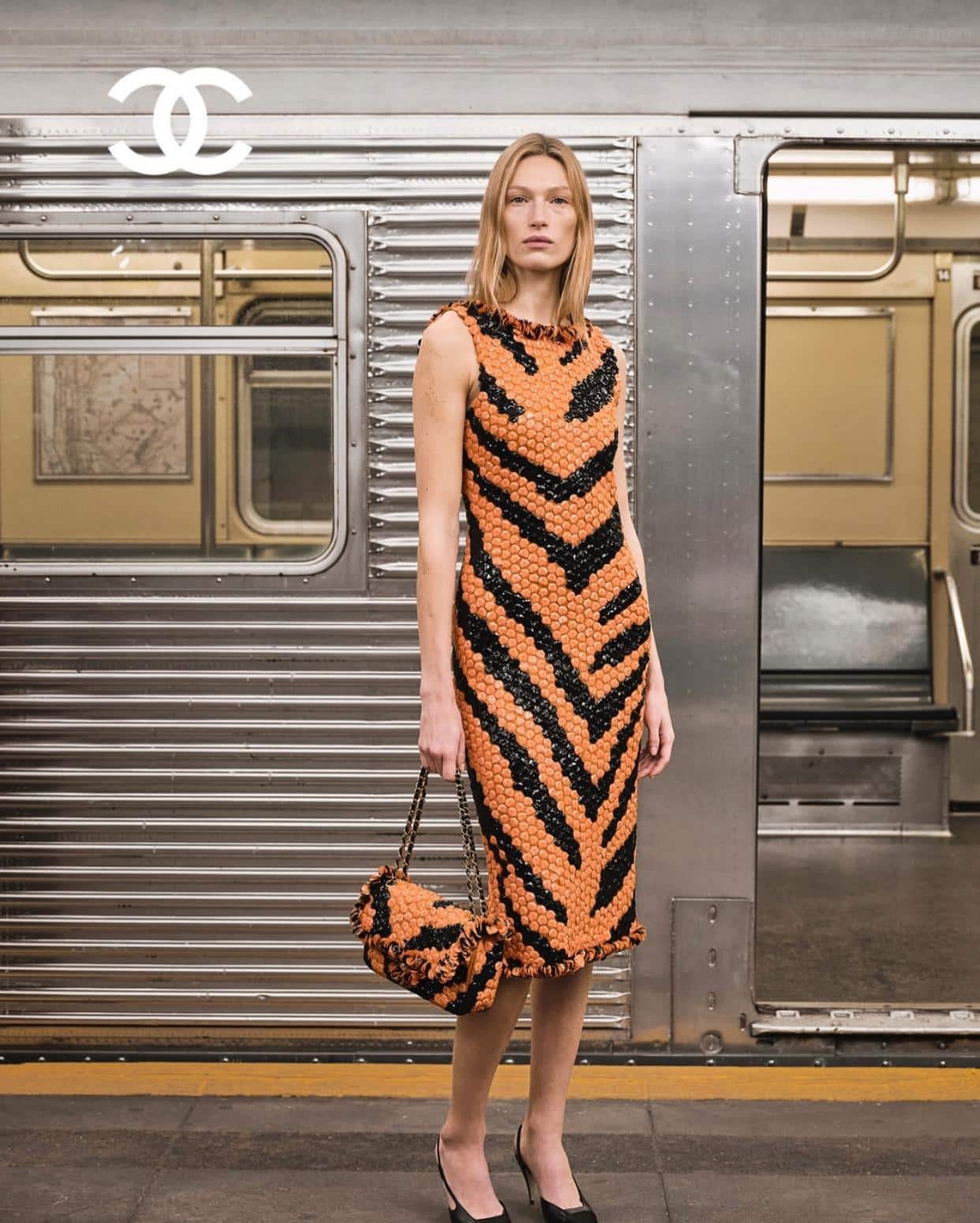
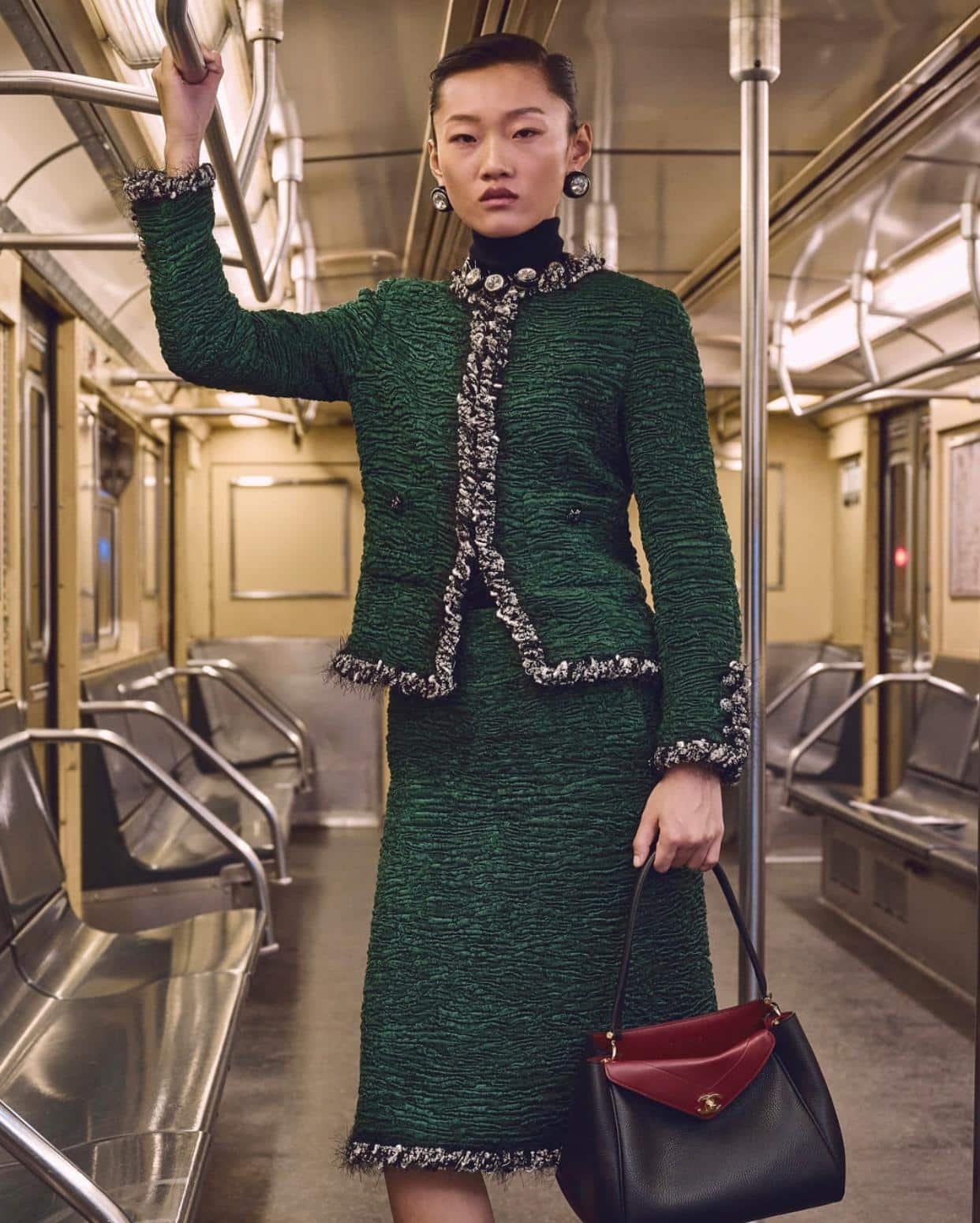
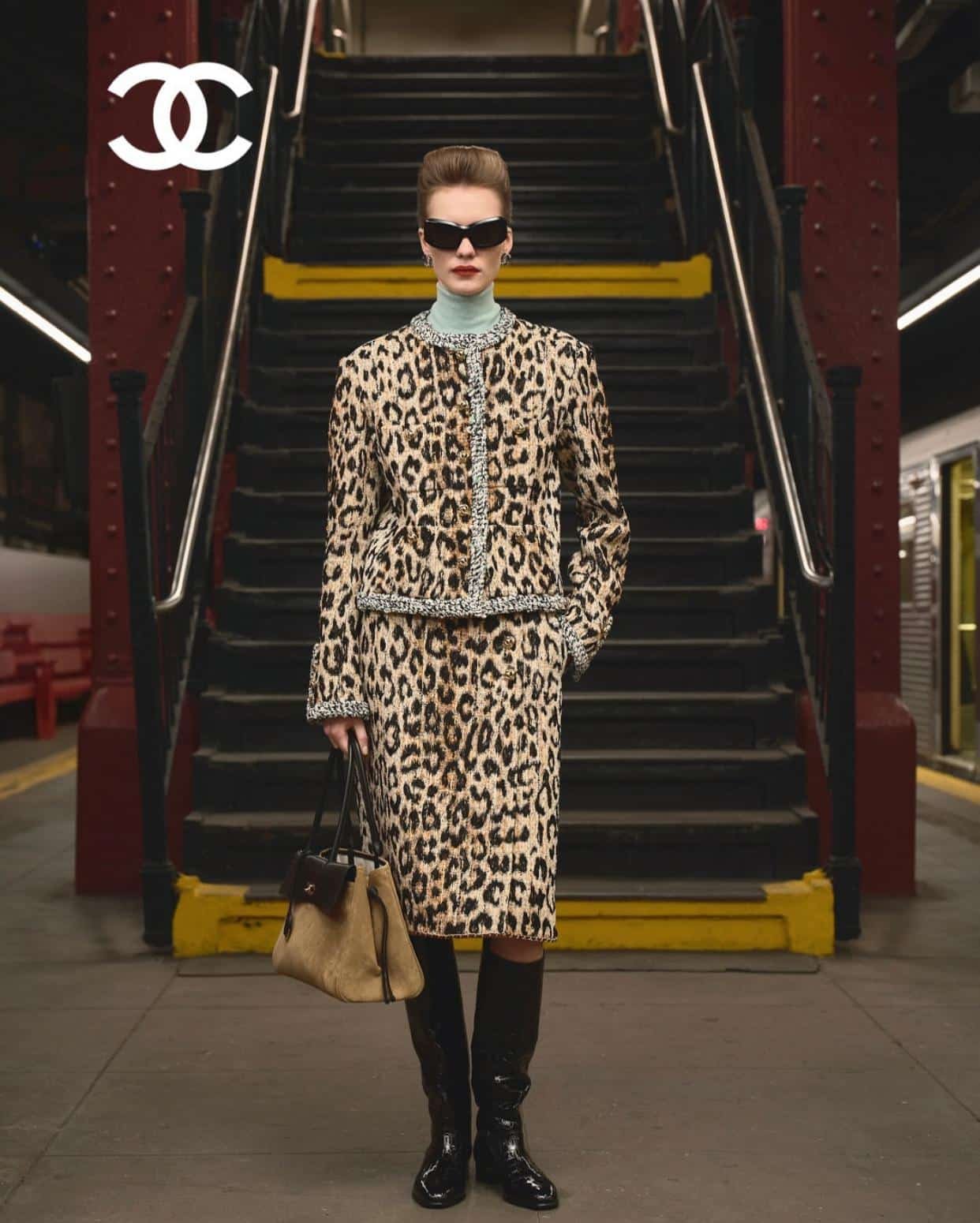
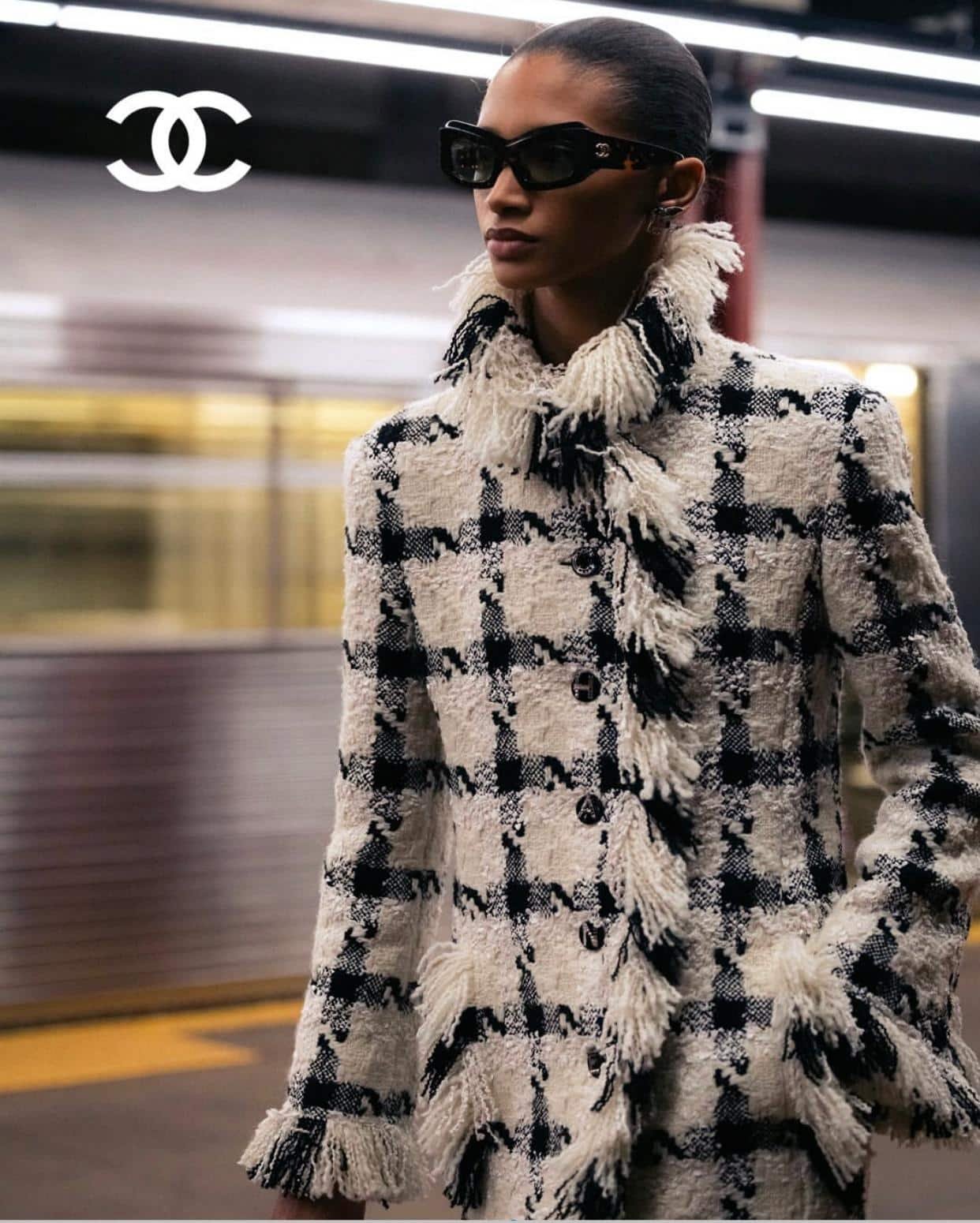
Matthieu Blazy took the artistic direction of Chanel in 2025 — the first director to succeed Virginie Viard after Karl Lagerfeld's thirty-six years at the head of the House. His reading of Chanel — noble materials worn on direct silhouettes, luxury that allows itself to be forgotten so that the person wearing it can exist — finds in Tokyo a particular resonance. The Japanese clientele has always held a relationship with clothing founded on the quality of the material and the precision of the construction rather than the visibility of the logo or the volume of the decoration. Tweed, knitwear, jersey — Chanel's historic materials — read in this context as a declaration of seriousness rather than a concession to classicism. The suit that Mademoiselle invented in the nineteen-fifties in response to the rigidity of the couture of her era remains in Japan the most deeply understood Chanel object — the one whose construction, lining, ease of wear and durability say something that Japanese clients know how to read before they have even touched it.
Chanel fashion is present in Tokyo according to a geography that reflects the very structure of luxury in the city — the Ginza flagship as the sovereign address, and spaces within the prestigious department stores of Isetan Shinjuku, Odakyu Shinjuku and Takashimaya Shinjuku as neighbourhood presences. This double distribution — the dedicated boutique and the shop-in-shop within the great department stores — is specific to Japan, where department stores have historically been the first points of entry for imported luxury in the country. In the nineteen-fifties and sixties, foreign luxury goods were sold on the upper floors of department stores under the designation Hakuraihin — imported articles — at prices three to four times higher than those in France. It is this history of distribution that gives Chanel's presences within Tokyo department stores a depth that boutiques in other cities do not quite possess.
What makes Chanel's relationship with Tokyo singular within the House's geography is not the turnover — though Japan has been one of Chanel's most significant markets for decades. It is the reciprocity. Japan did not simply adopt Chanel. It contributed to defining how Chanel understands itself — through a clientele that demands the quality of construction as much as the beauty of the silhouette, that keeps its garments for decades, that knows the difference between first-quality tweed and second, and that does not need to be told why Mademoiselle's suit is still relevant seventy years after it was conceived. The House that showed in Tokyo for the first time in 1978, that installed its first Métiers d'art exhibition abroad in 2004, and that brought the 19M to the summit of the Mori Tower in 2025, is not conquering a market. It is continuing a conversation that began well before — at Haneda Airport, one morning in 1954, with a line nobody had asked for.
In 1954, at Haneda Airport,
a Japanese journalist asked Marilyn Monroe
what she wore to bed.
"Why, Chanel N°5, of course."
It was not a campaign.
It was a line said in passing,
in a country the House had not yet invested.
Tokyo remembered the line.
Seventy years later,
the 19M takes up residence on the 52nd floor of the Mori Tower
with seven hundred artisans and eleven Houses of art.
Chanel did not conquer Tokyo.
Tokyo had already decided
that Chanel belonged to it too.
There is something in the way Tokyo consumes luxury that resembles the way Gabrielle Chanel conceived her garments — with a radical preference for what works over what impresses, for invisible quality over visible decoration, for duration over novelty. The little black dress of 1926, which American Vogue compared to the Ford T in its democratic uniformity, remains in Japan the most purchased, most preserved and most transmitted French fashion object. Not because it is classic in the nostalgic sense, but because it is right in the precise sense — a construction, a material, a proportion that do not age because they never bet on a trend. This is what Tokyo has recognised in Chanel since 1954: a House whose stylistic decisions resemble, in their logic, the decisions Japan has made about its own objects for centuries. Sobriety as an achievement, not a constraint.
Chanel Ginza
Ginza, Chūō-ku, Tokyo
Chanel Isetan Shinjuku
3-14-1 Shinjuku, Shinjuku-ku, Tokyo 160-0022
19M Gallery · Mori Tower
52F, Roppongi Hills Mori Tower
6-10-1 Roppongi, Minato-ku, Tokyo
Beyond Our Horizons Exhibition · October 2025
A line said at Haneda Airport in 1954.
A show in Tokyo in 1978.
A flagship on Ginza in 2004.
The 19M at the summit of the Mori Tower in 2025.
The relationship between Chanel and Tokyo
has never needed to be explained.
It was built the way the House builds its objects —
through precise decisions,
accumulated across time,
without forcing.
© Chanel

© Chanel
© Chanel
© Chanel
© Chanel
© Chanel
© Chanel
© Chanel

© Chanel
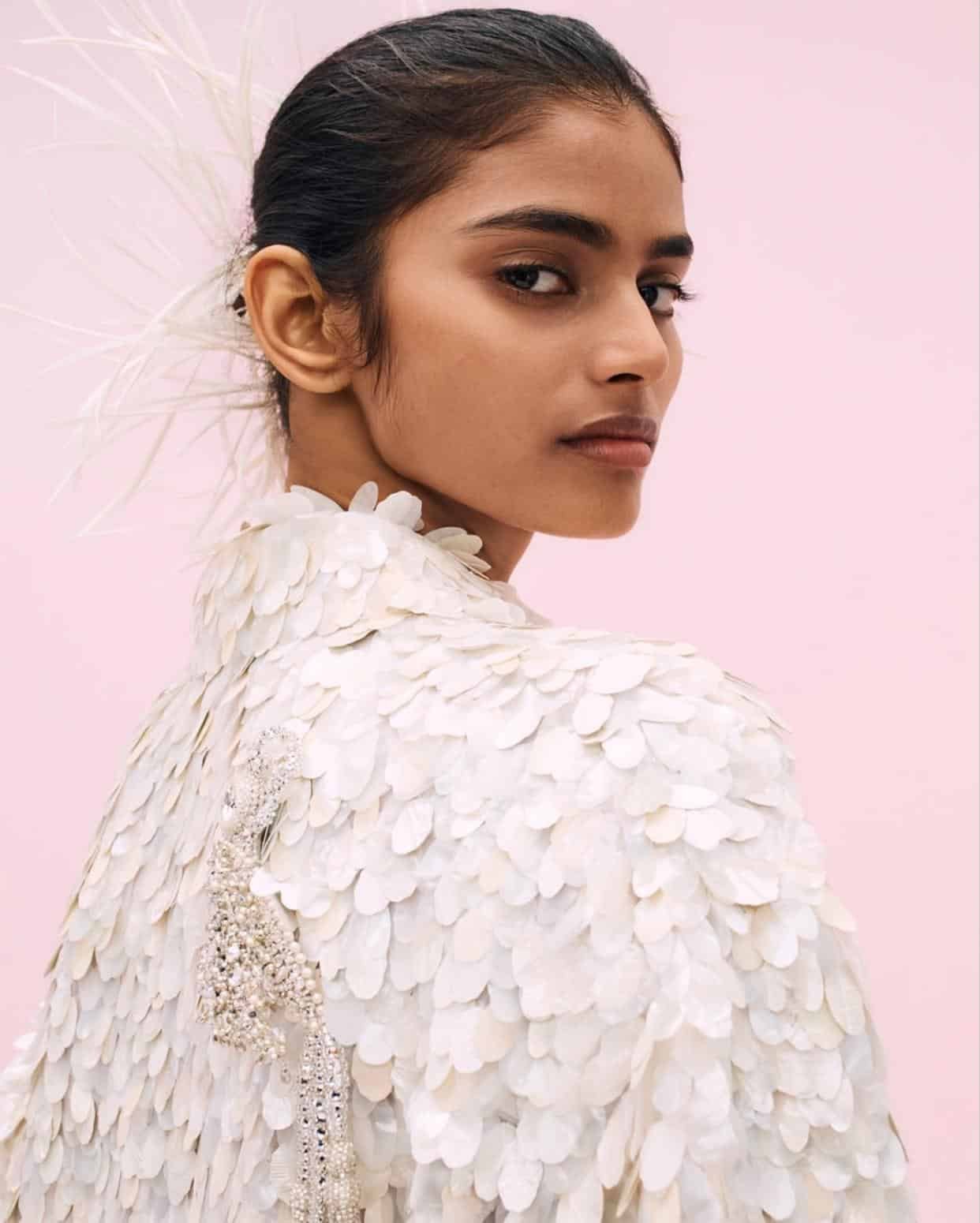
© Chanel
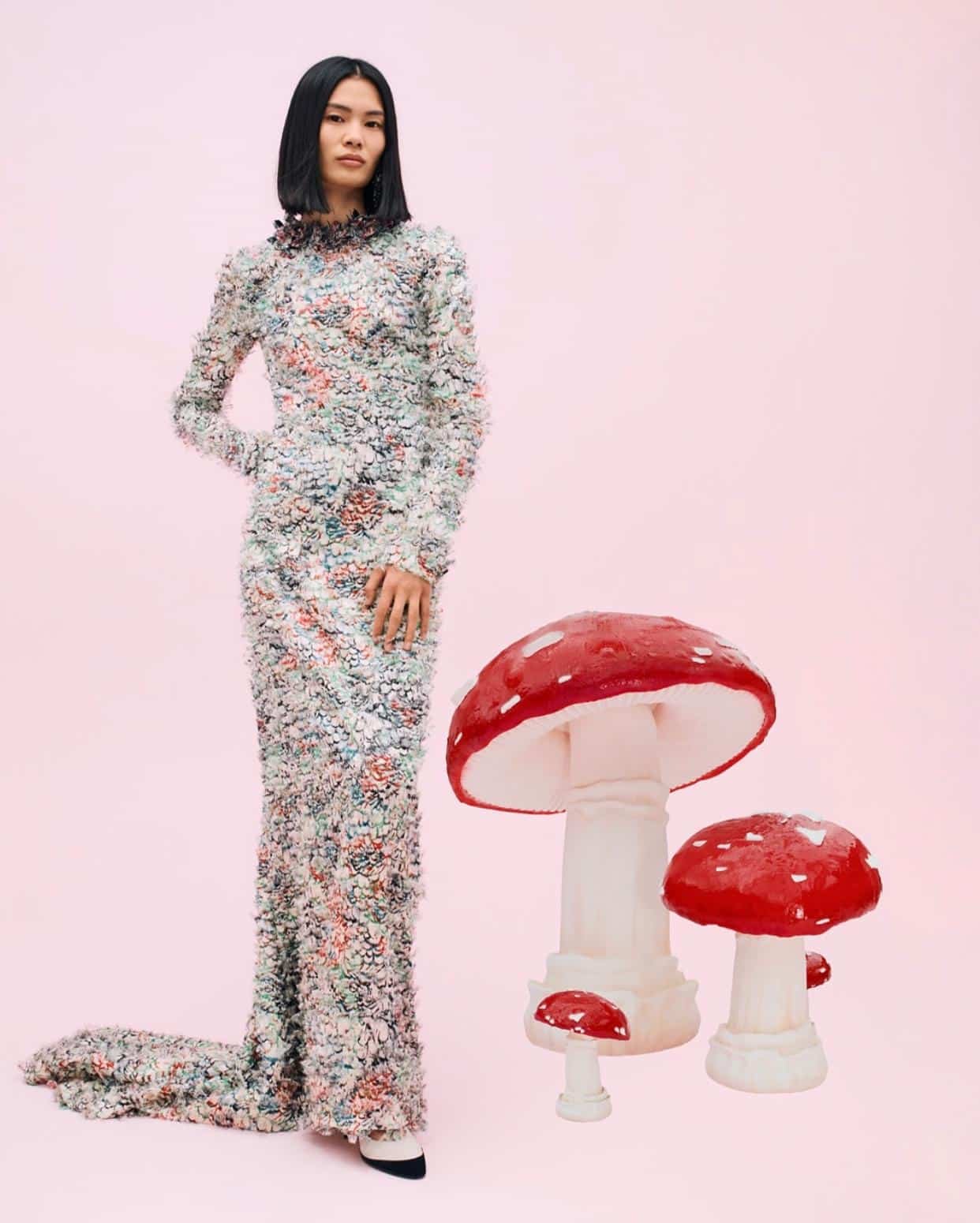
© Chanel
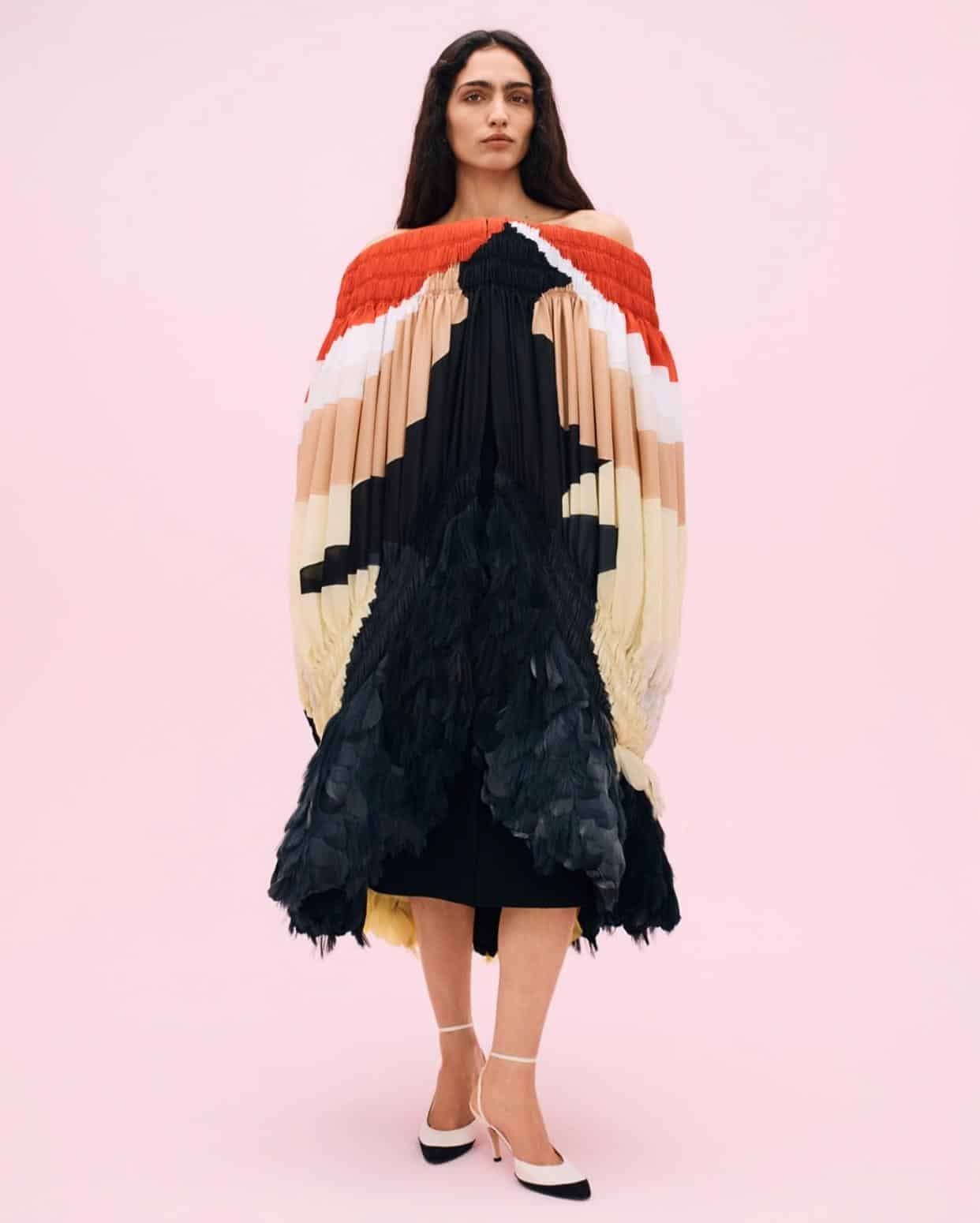
© Chanel
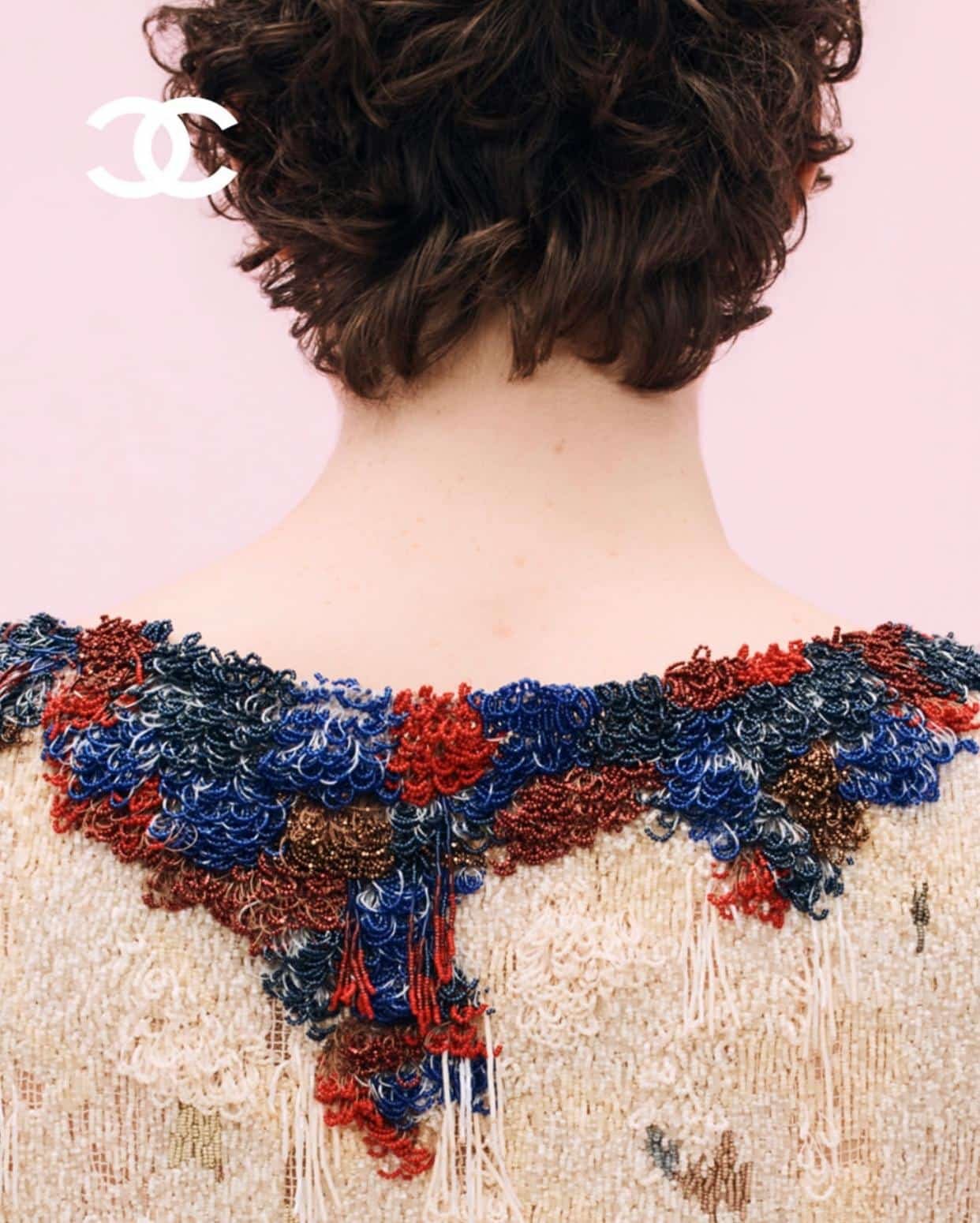
© Chanel
© Chanel
© Chanel
© Chanel
© Chanel
© Chanel

© Chanel
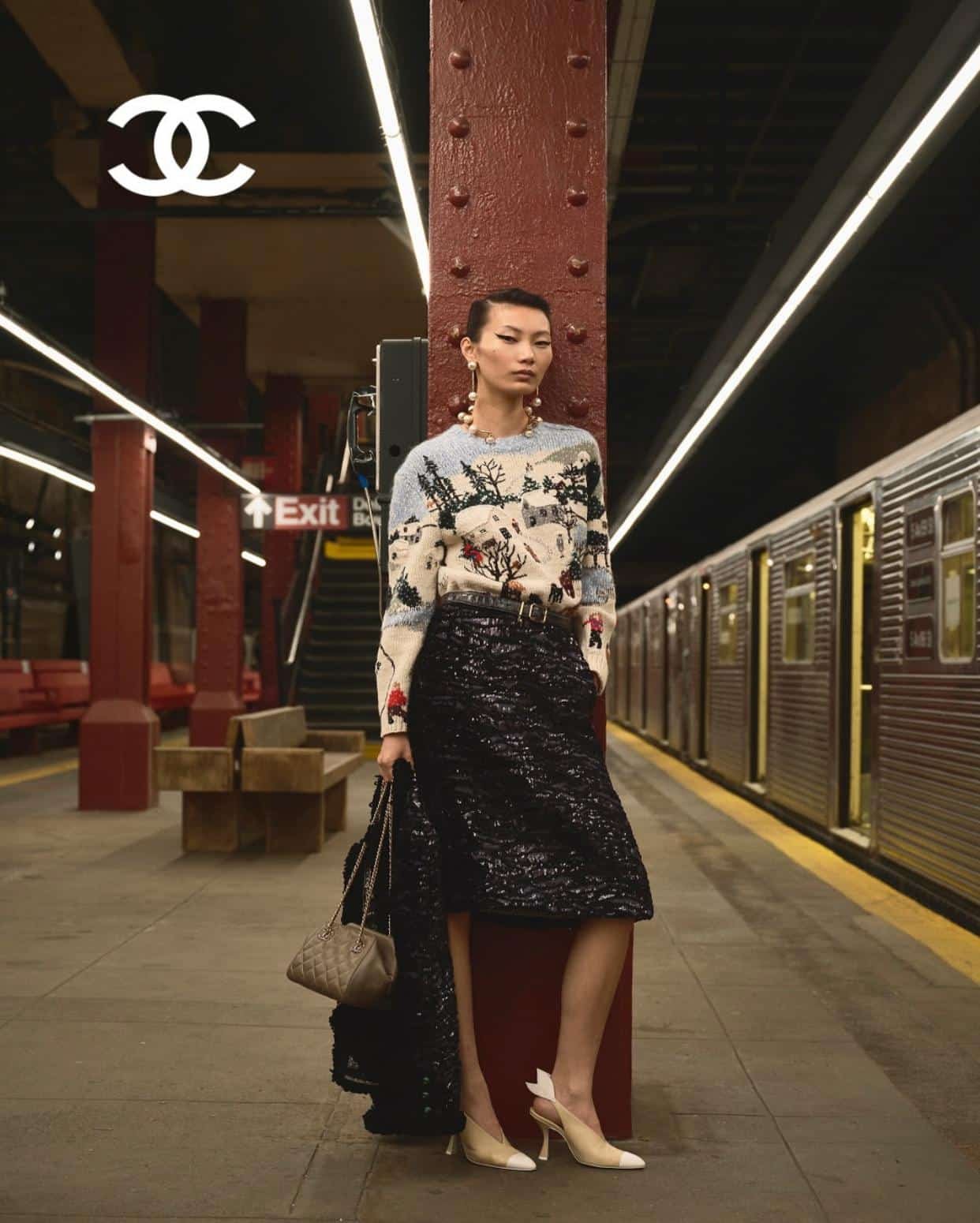
© Chanel
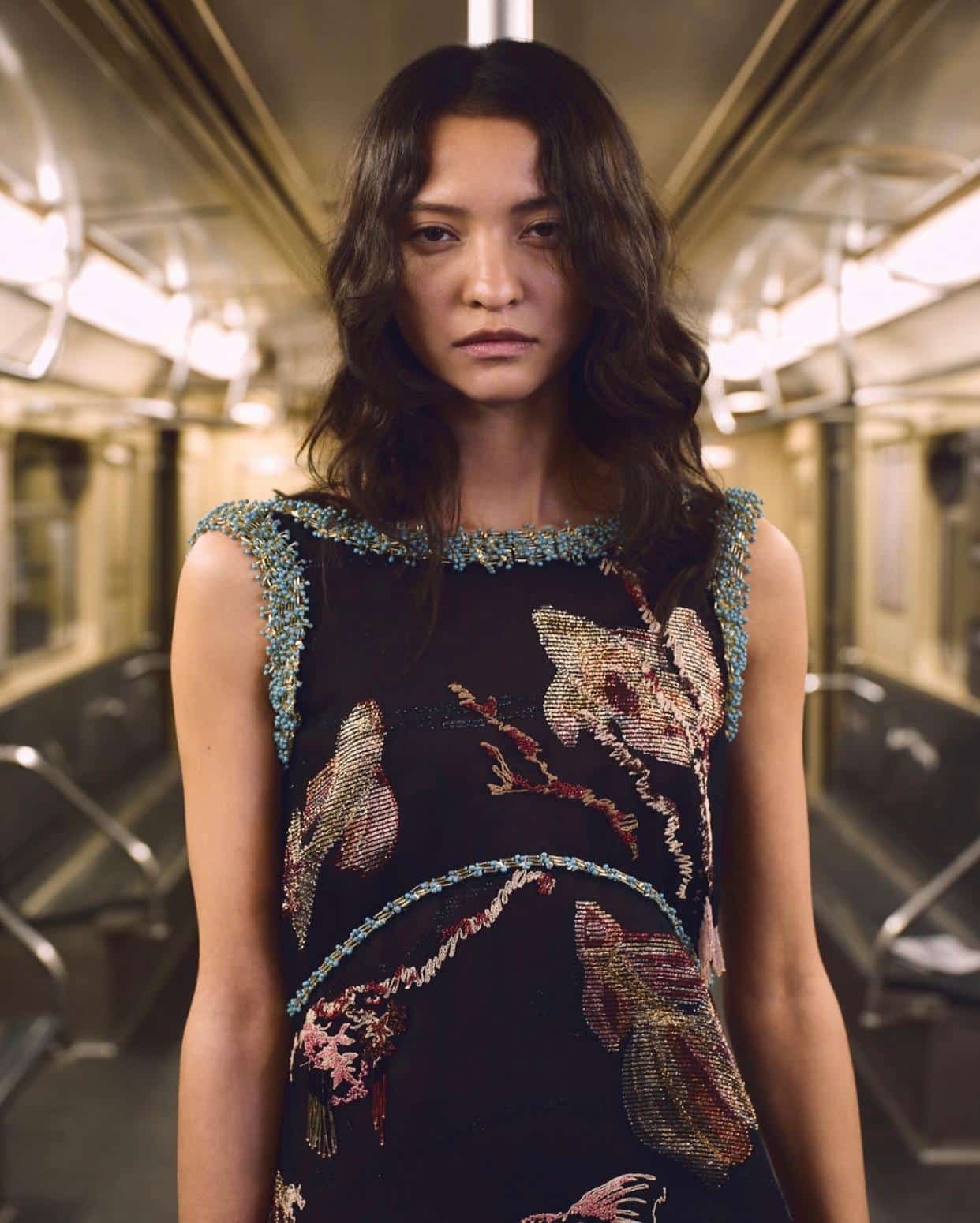
© Chanel
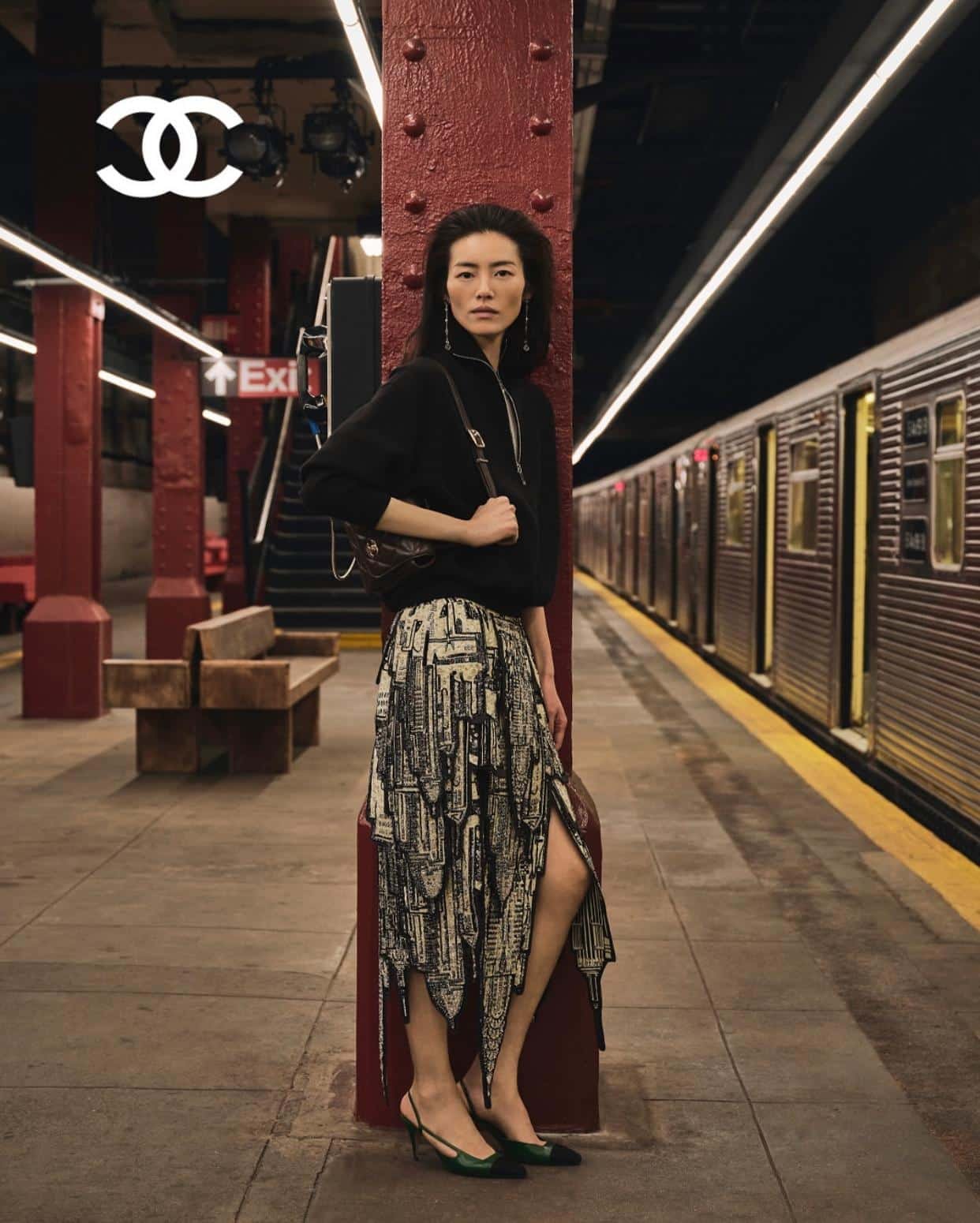
© Chanel
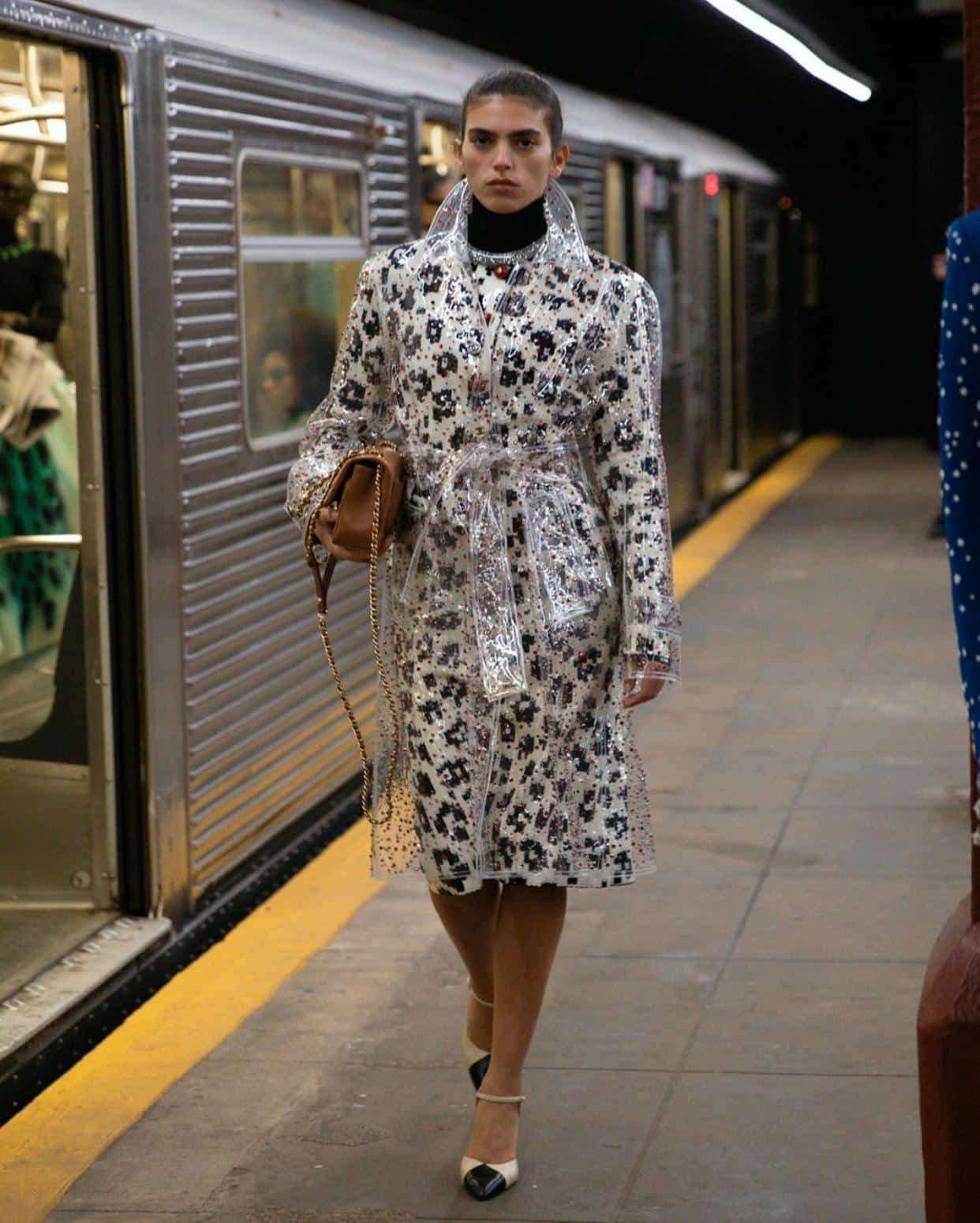
© Chanel
© Chanel
© Chanel

© Chanel

© Chanel
© Chanel
© Chanel
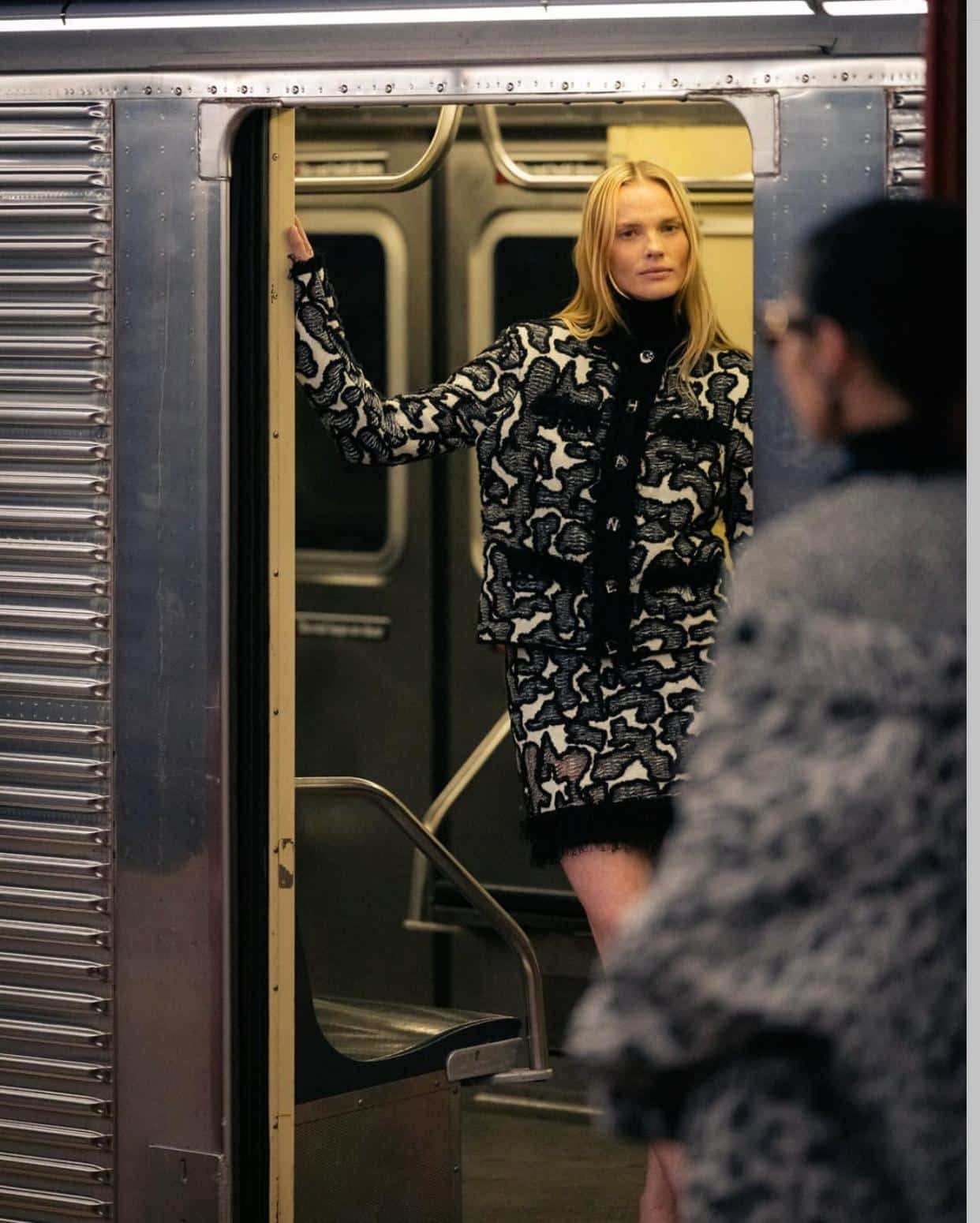
© Chanel
CHANEL
© Chanel