
© Palace Hotel Tokyo
© Palace Hotel Tokyo
© Palace Hotel Tokyo
Palace Hotel Tokyo
In December 1937, a building was completed at 1-1-1 Marunouchi — directly across the moat from the Ōte-mon Gate of Edo Castle. It was the Forestry Office of the Imperial Household Agency. After the war, on the order of the Supreme Commander of the Allied Forces, it became a hotel: government-owned, reserved for foreign buying agents arriving to rebuild trade with Japan. In 1961, it was razed and replaced by a privately owned hotel — 450 rooms, 1.6 million shigaraki tiles on its outer walls — the first hotel in Tokyo to share premises with an office building. In 2012, that building too was demolished, and the current Palace Hotel Tokyo was opened on the same address, in the same relationship to the same moat. Three buildings. One site. Eighty-seven years of the same view.
The Philosophy · The Moat As Standard · Japanese Through And Through
The Palace Hotel Tokyo is the only major luxury hotel in Tokyo that is entirely Japanese — in its ownership, its management, its service protocols, and its declared aesthetic ambition. This is not a positioning exercise. It is a structural fact that determines every decision made inside the building. When the president of Palace Hotel Co. Ltd. described the 2012 property at its opening, he used four words: Japanese through and through. The design brief that followed from this commitment is visible in every register — from the Aji stone walls at the main entrance, whose grey-blue granite echoes the exact stonework lining the imperial moats across the street, to the cast-iron teapots in each room, which use leaves from Jugetsudo by Maruyama, a Kyoto tea house founded in 1854. The moat is not a decorative backdrop. It is the standard against which the hotel measures every surface, every material, every silence between sentences.
1937 · Imperial Household · The Site Before The Hotel
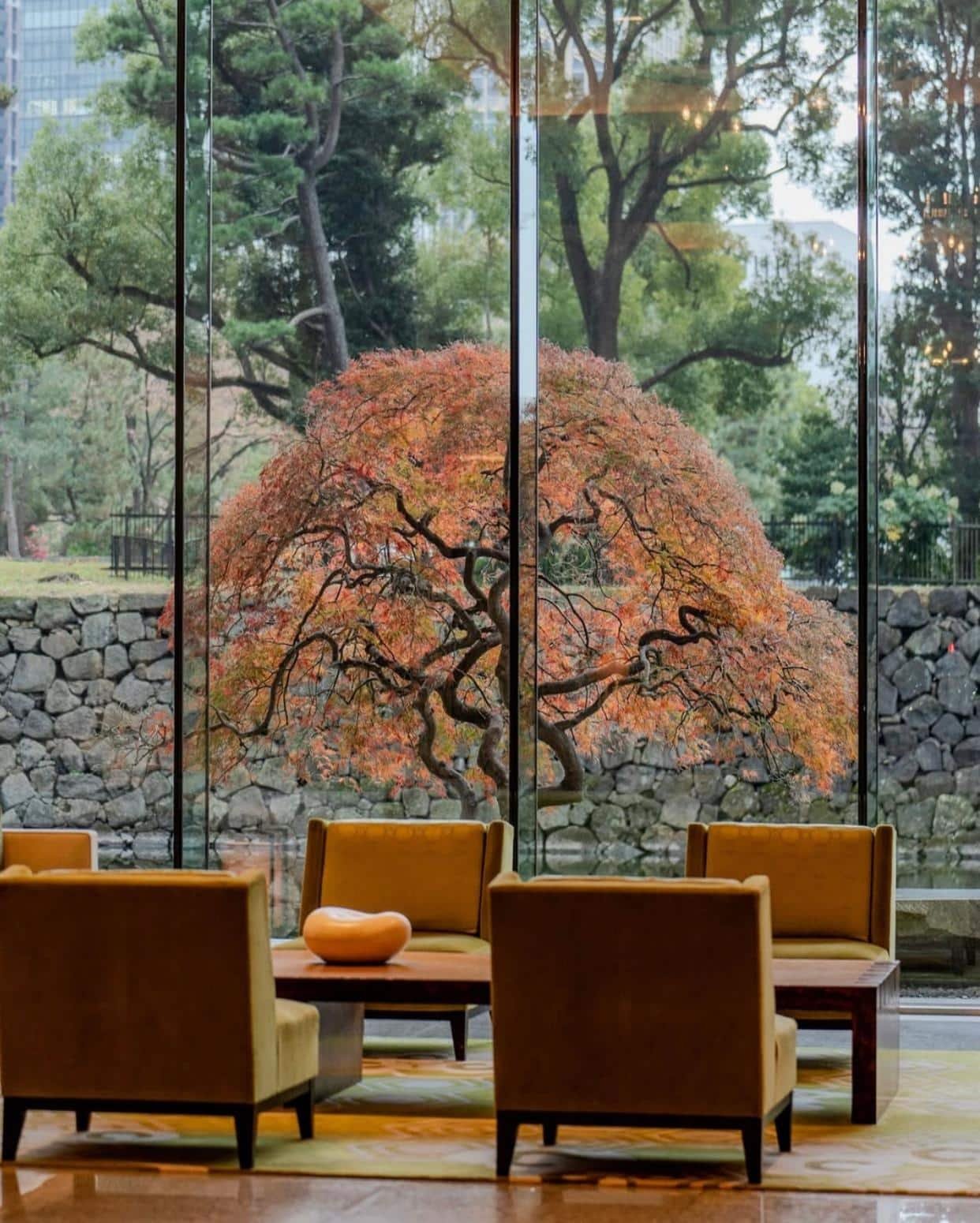
The address 1-1-1 Marunouchi is, in the geography of Tokyo, the most precisely loaded address a building can occupy. Across the street: the Ōte-mon Gate, which was the official main gate of Edo Castle throughout the entire period of the Tokugawa Shogunate — the gate through which daimyo entered on foot, having dismounted at the designated stopping point outside, because the protocol of the castle required it. The building constructed here in 1937 as the Forestry Office of the Imperial Household Agency was not a gesture of coincidence. It was placed at the edge of the imperial enclosure because the imperial enclosure was what it served. When the Allied Forces converted it to a hotel in 1947, they understood that the address carried a form of authority that required no decoration. When the private sector replaced that building with the Palace Hotel in 1961, and when Palace Hotel Co. Ltd. rebuilt it entirely in 2012, both decisions respected the same logic: what the site is has always been more important than what the building looks like. The current hotel does not announce this. It simply faces the moat — as every building on this site has faced it since 1937.
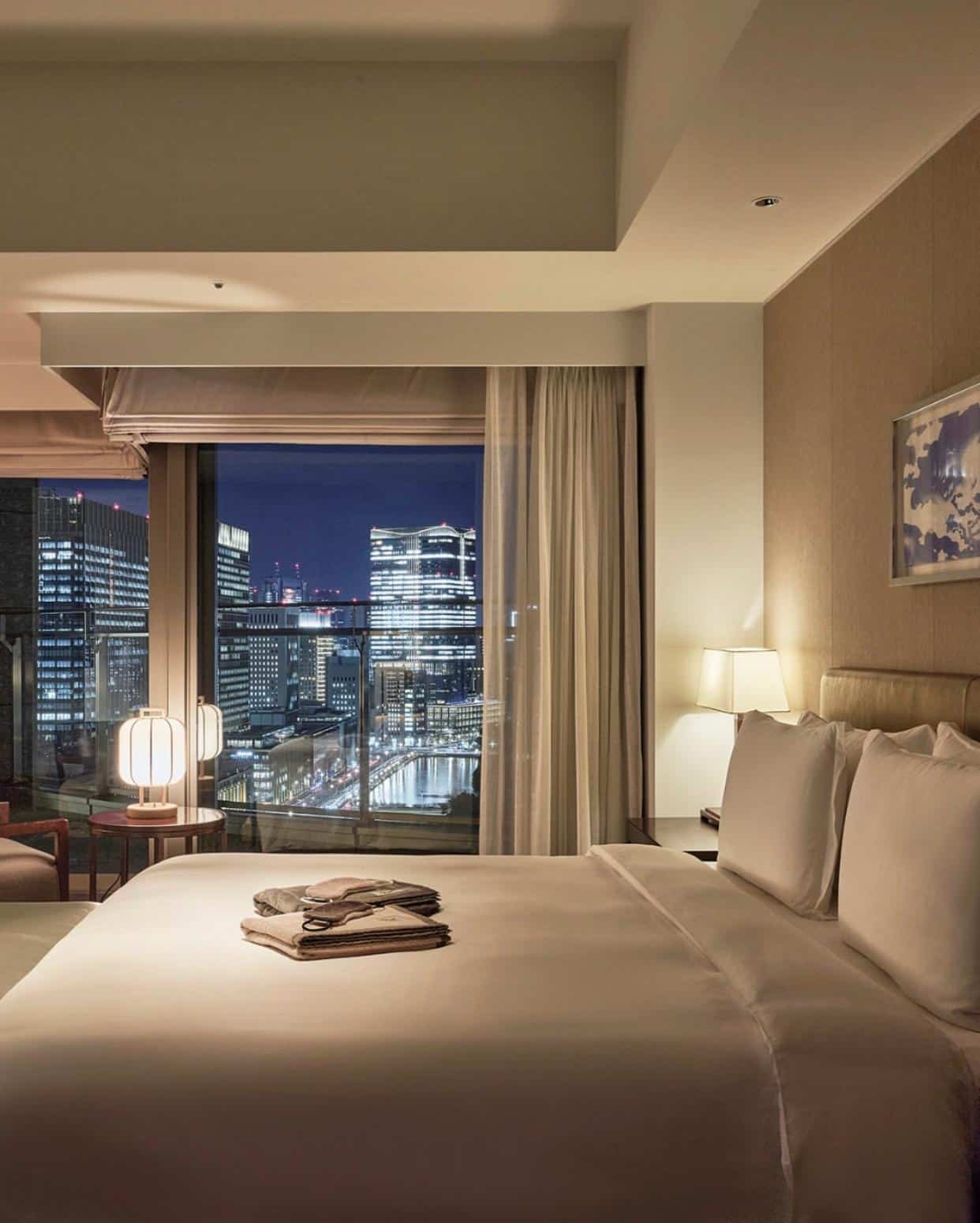
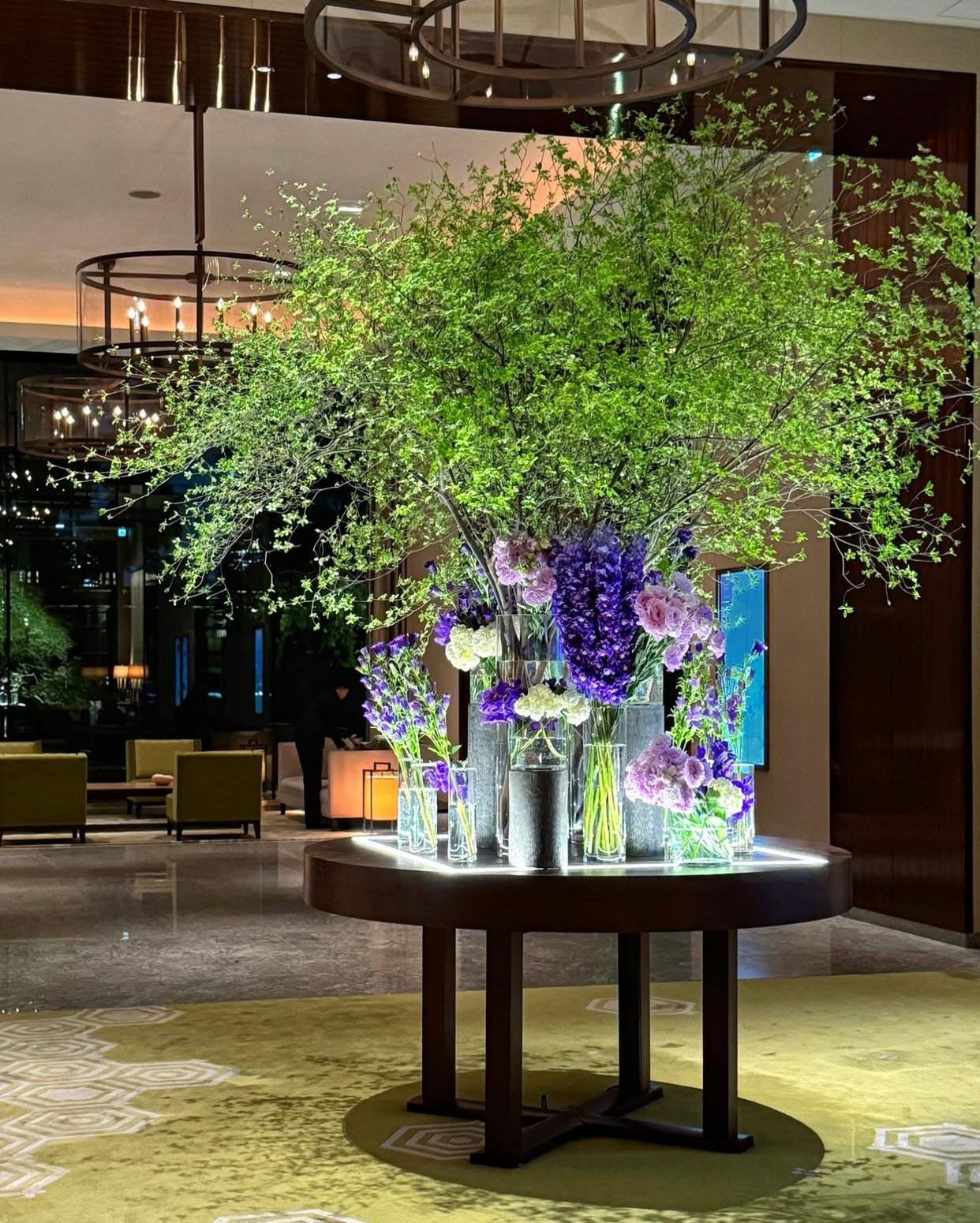
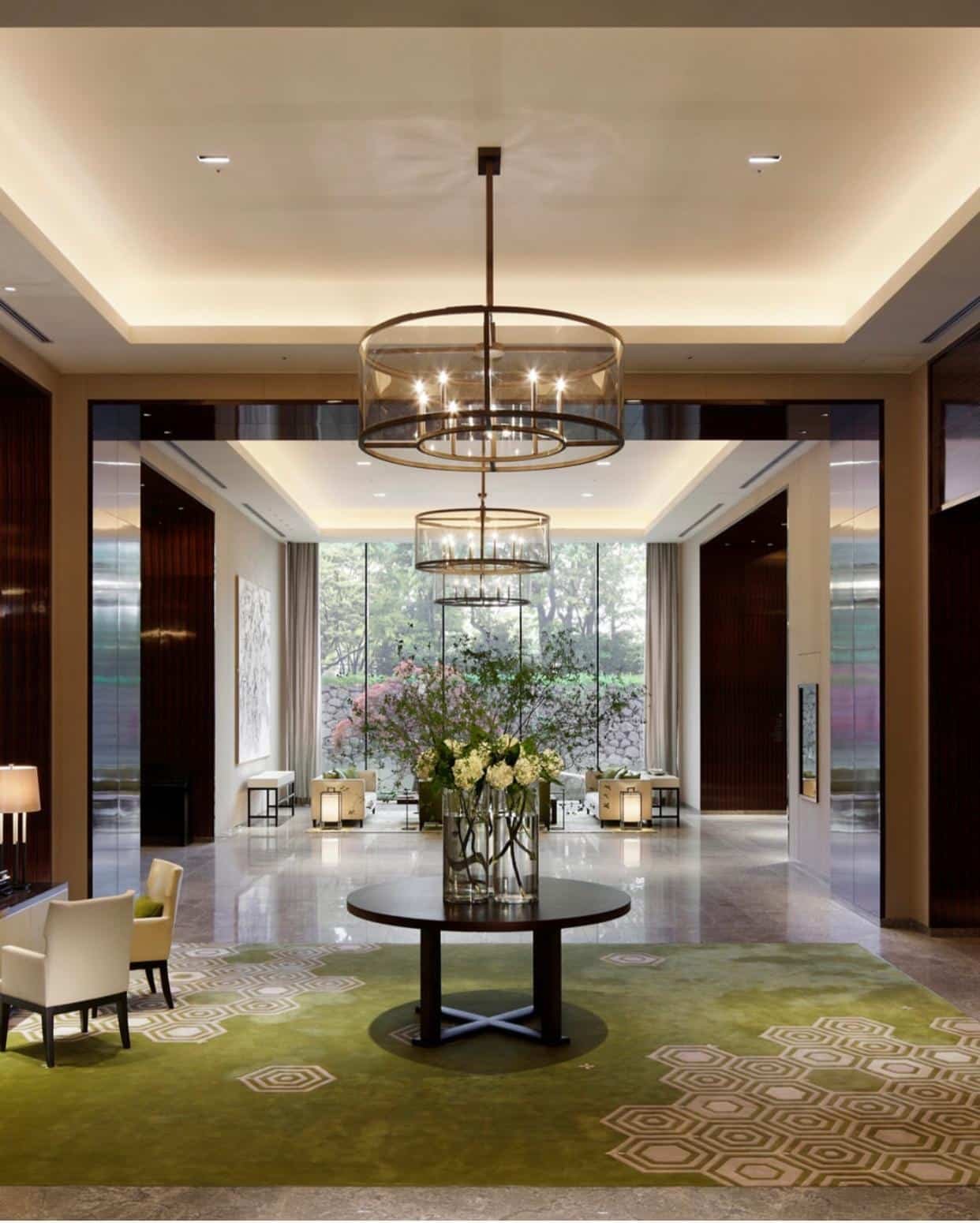
Two hundred and ninety rooms across twenty-three floors, every one of them oriented toward the Imperial Palace gardens. This is not a coincidence of geometry — it was the governing constraint of the architectural brief. In a city where luxury hotels compete through altitude and panoramic views of urban density, the Palace Hotel Tokyo made a different decision: every guest wakes to the same 3.5 square kilometres of forest that the Tokugawa Shoguns inhabited from 1603. The window-side bathtubs are positioned to face this view. The deep green carpets throughout the hotel are an interior echo of the gardens outside — a continuity of colour chosen not for decorative effect but for spatial coherence. In each room, a cast-iron teapot waits with Jugetsudo by Maruyama tea — a Kyoto house that has been blending tea since 1854, served in handmade pottery cups whose technique predates the hotel by twelve centuries.
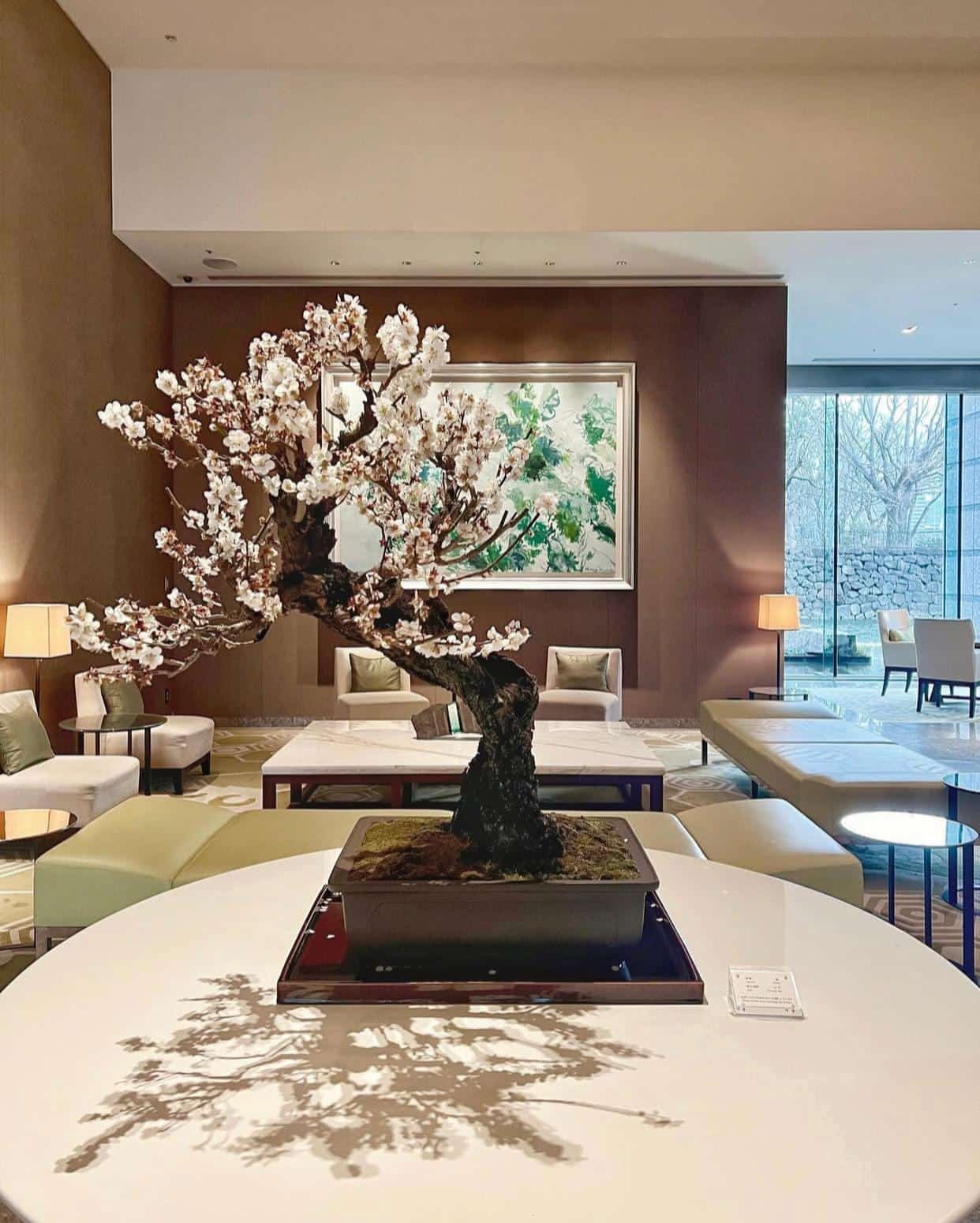
The Palace Hotel Tokyo holds more than one thousand permanent works of art across its public spaces and guest floors, assembled under a single curatorial concept — The Palace Garden: Inheritance and Innovation. The collection moves between registers without hierarchy: Hiroshi Senju's large-scale abstract waterfall — white cascades against black walls — occupies a wall adjacent to a contemporary wooden Shinto shrine with hoop pinewood floors and Bishu Hinoki walls. The textured plasterwork in Wadakura, the hotel's signature Japanese restaurant, was executed by master artisan Naoki Kusumi; the floor of its tatami-style private dining rooms carries naguri-style woodwork, a technique of hand-hewn surface texture developed by carpenters in the Edo period. None of this collection is explained by placard in the corridors. It is present in the way the building is present — as a fact, available to the guest who stops to look.
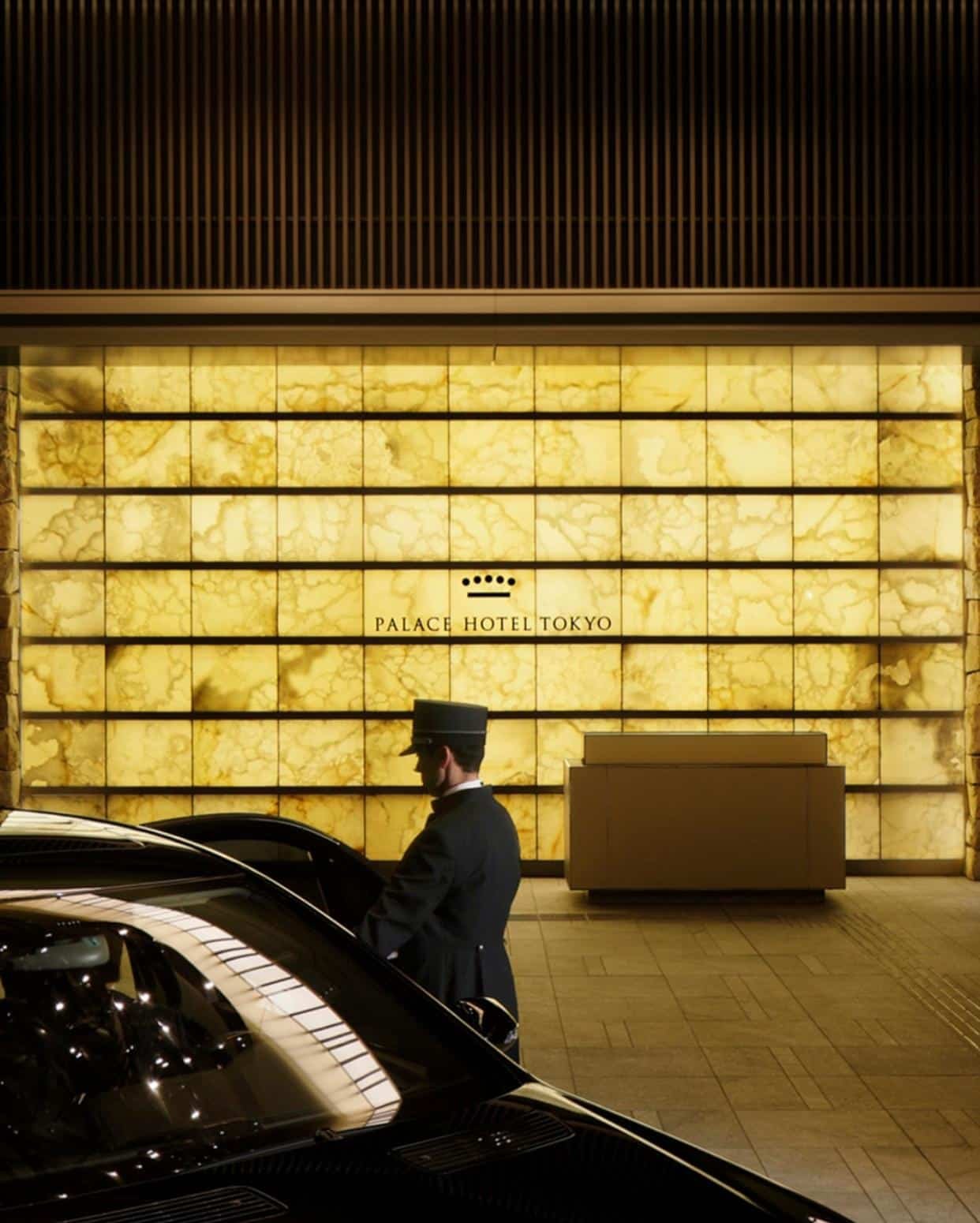
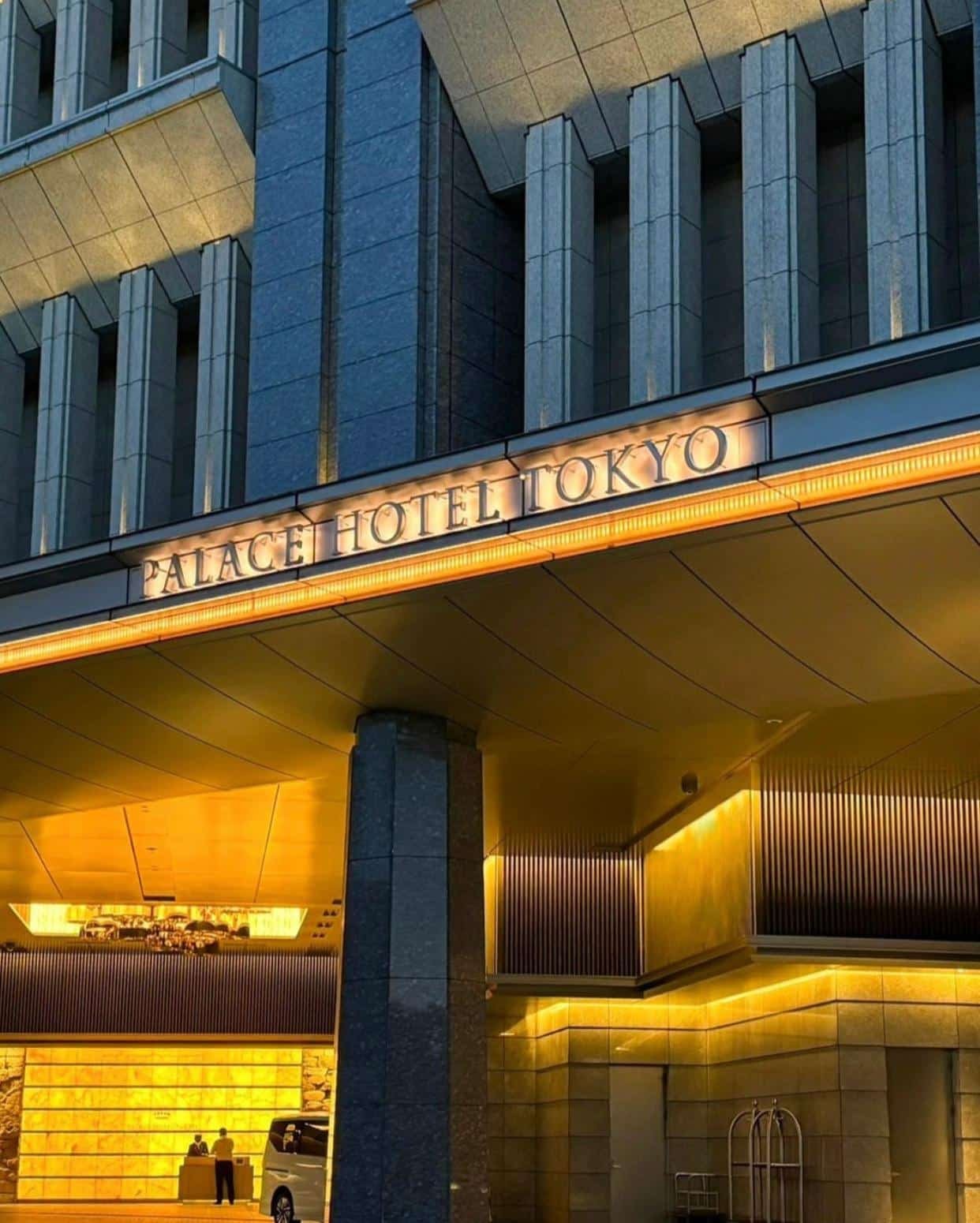
Aji stone is quarried on Aji Island in Kagawa Prefecture — a granite of exceptional density and a grey-blue tonality that has been worked by stonemasons for more than a thousand years. It is the stone used to line the moats of the Imperial Palace. When the architects of the 2012 Palace Hotel Tokyo specified Aji granite for the walls of the main entrance, they were not making an aesthetic choice in isolation. They were making an argument: that the building and the moat share a material, and that this shared material establishes a continuity of address that no amount of luxury positioning could manufacture. A guest arriving at the hotel entrance touches, on the walls beside the door, the same stone that holds the water in the moat across the street. This detail appears in no brochure. It is simply there — a decision made at the level of the building's skin, where architecture either means something or it does not.
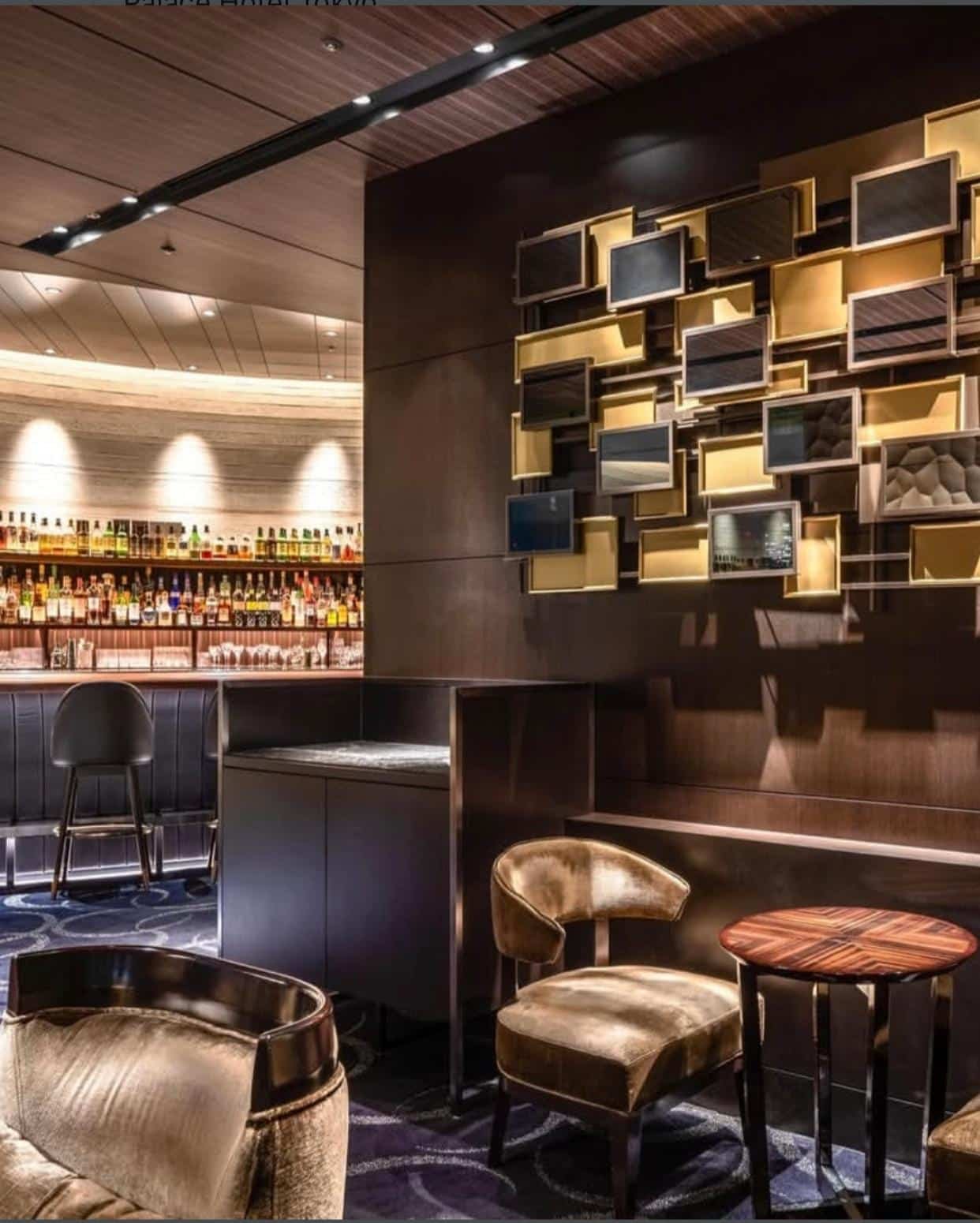
Ten restaurants and bars, each resolved around a different register of the hotel's commitment to Japanese ownership with international culinary ambition. Wadakura, the signature Japanese restaurant, operates the sushi counter in collaboration with Shinji Kanesaka — chef and owner of Sushi Kanesaka in Ginza, which holds two Michelin stars. The Grand Kitchen occupies the ground floor with a terrace directly facing the Otemon Gate — it is, by geometry, the only restaurant in Tokyo where a lunch guest can eat with the main gate of Edo Castle in their direct sightline. The Lounge Bar Privé on the sixth floor serves the building's most architecturally precise interior — tree-pattern walls, a leaf-shaped bar counter, a terrace that faces the Imperial Palace gardens by day and the city's light grid by night. The evian SPA Tokyo, on the fifth floor, was the first Evian spa to open in Japan — a detail that the hotel mentions once, in passing, because that is how the Palace Hotel Tokyo handles its distinctions.
The president of Palace Hotel Tokyo, at the hotel's 2012 opening, described its distinguishing character in terms that no interior specification could replicate: from the summer soundtrack of cicadas in the park's trees, to the winter's ice on the imperial moat, a sense of seasons will be felt to a much greater degree than anywhere else in the city. This is not a hospitality promise. It is a description of what the site does, on its own, across the twelve months of the year. The cherry blossom season places the hotel at the centre of Tokyo's most anticipated natural event — the moat-side promenade fills, and the rooms facing west become the best seats available. In winter, when the moat surface freezes and the bare branches of the garden trees hold a precise geometry against the sky, the rooms are quieter and the view more structural. The hotel does not change with the seasons. The moat does. And the hotel, because of its orientation, changes with it.
Gloss Tokyo covers the Palace Hotel Tokyo through its site before its services — because the site is the only thing that cannot be replicated, renovated, or repositioned. Three buildings have stood at 1-1-1 Marunouchi since 1937. Each one has faced the same moat. The current building resolved, in 2012, a question that luxury hotel design rarely asks: what material does this place already have, before a single tile is chosen? The answer was Aji stone — the stone of the moat itself, brought inside the entrance, making the boundary between the hotel and the imperial enclosure a matter of shared geology rather than street address. A guest who knows this crosses the threshold differently. A guest who does not know it crosses it the same way — and feels, without being able to name it, that something here is more grounded than the city around it. Both responses are intended. Neither is explained.
December 1937.
A Forestry Office for the Imperial Household Agency.
1947: a hotel for Allied Forces buying agents.
1961: 1.6 million shigaraki tiles.
2012: razed again. Rebuilt again.
Three buildings. One address. One moat.
At the main entrance of the current hotel:
Aji granite — the same stone
that lines the imperial moat across the street.
The hotel did not import this material.
It returned it.
In the hierarchy of luxury hotels, distinction is usually constructed — through design, through service protocols, through culinary ambition, through the density of art collections. The Palace Hotel Tokyo has all of these. But its founding distinction is prior to all of them: it is the only hotel in Tokyo built on a site that was, before there was ever a hotel here, part of the administrative perimeter of the Imperial Household. That history does not appear on the hotel's website. It does not need to. It is embedded in the address — 1-1-1 Marunouchi — and in the view from every room, and in the Aji stone at the entrance, and in the seasonal rhythm of the moat, which has been freezing in winter and flowering in spring since 1603. The hotel arrived on this site in 1947, as a converted forestry office, at the order of an occupying military command. It has been refining its understanding of the site ever since. The 2012 building is the most complete expression of that understanding. It will not be the last.
1-1-1 Marunouchi.
The most precisely loaded address in Tokyo.
Across the street: the Ōte-mon Gate.
The gate through which daimyo
dismounted before entering the castle.
The hotel did not choose this address.
It inherited it —
through a forestry office,
through an occupation,
through two demolitions,
through the same Aji stone
brought back each time
to face the same moat.
© Cheval Blanc-Paris
© Cheval Blanc-Paris
© Palace Hotel Tokyo
© Palace Hotel Tokyo
© Palace Hotel Tokyo
© Palace Hotel Tokyo

© Palace Hotel Tokyo
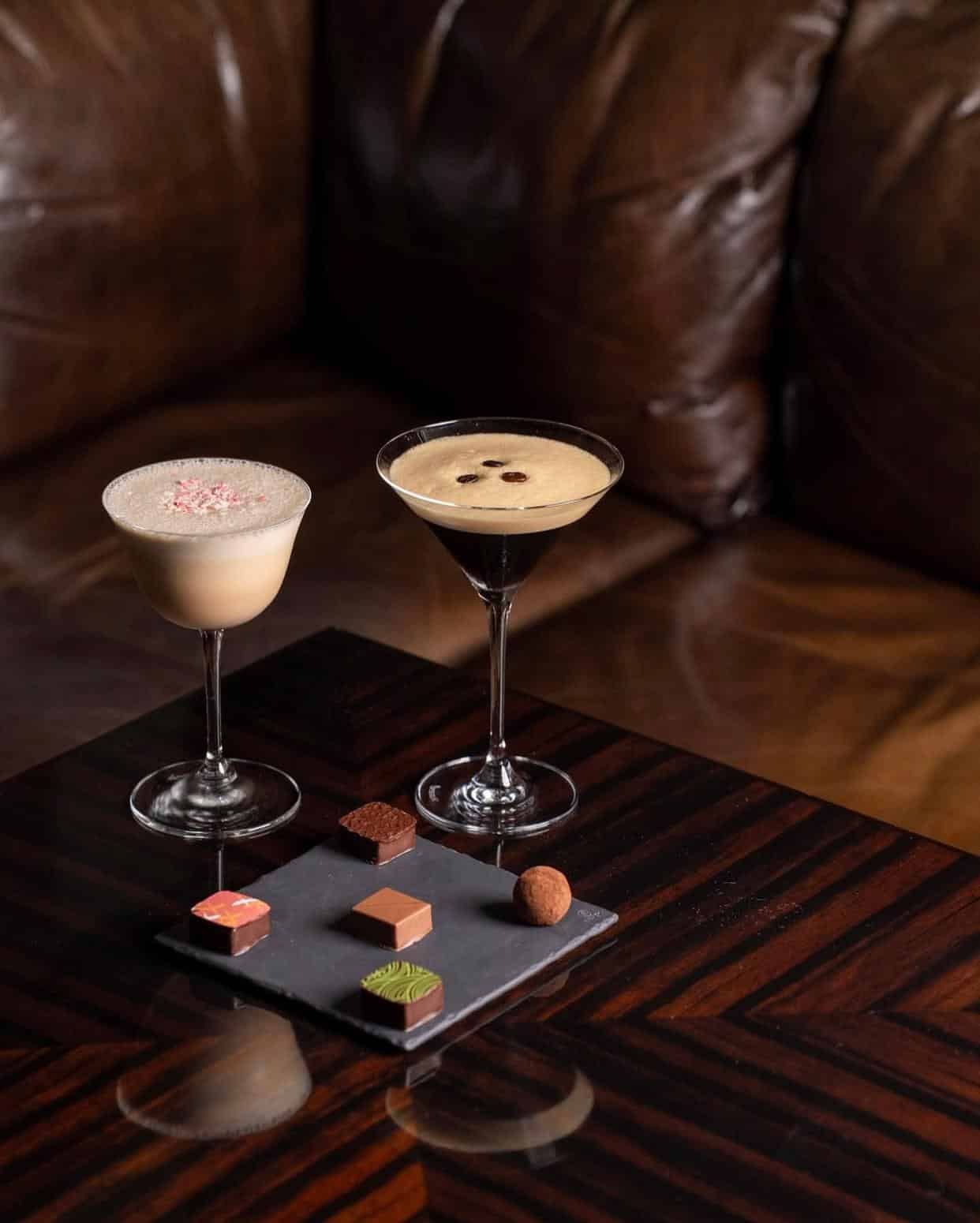
© Palace Hotel Tokyo
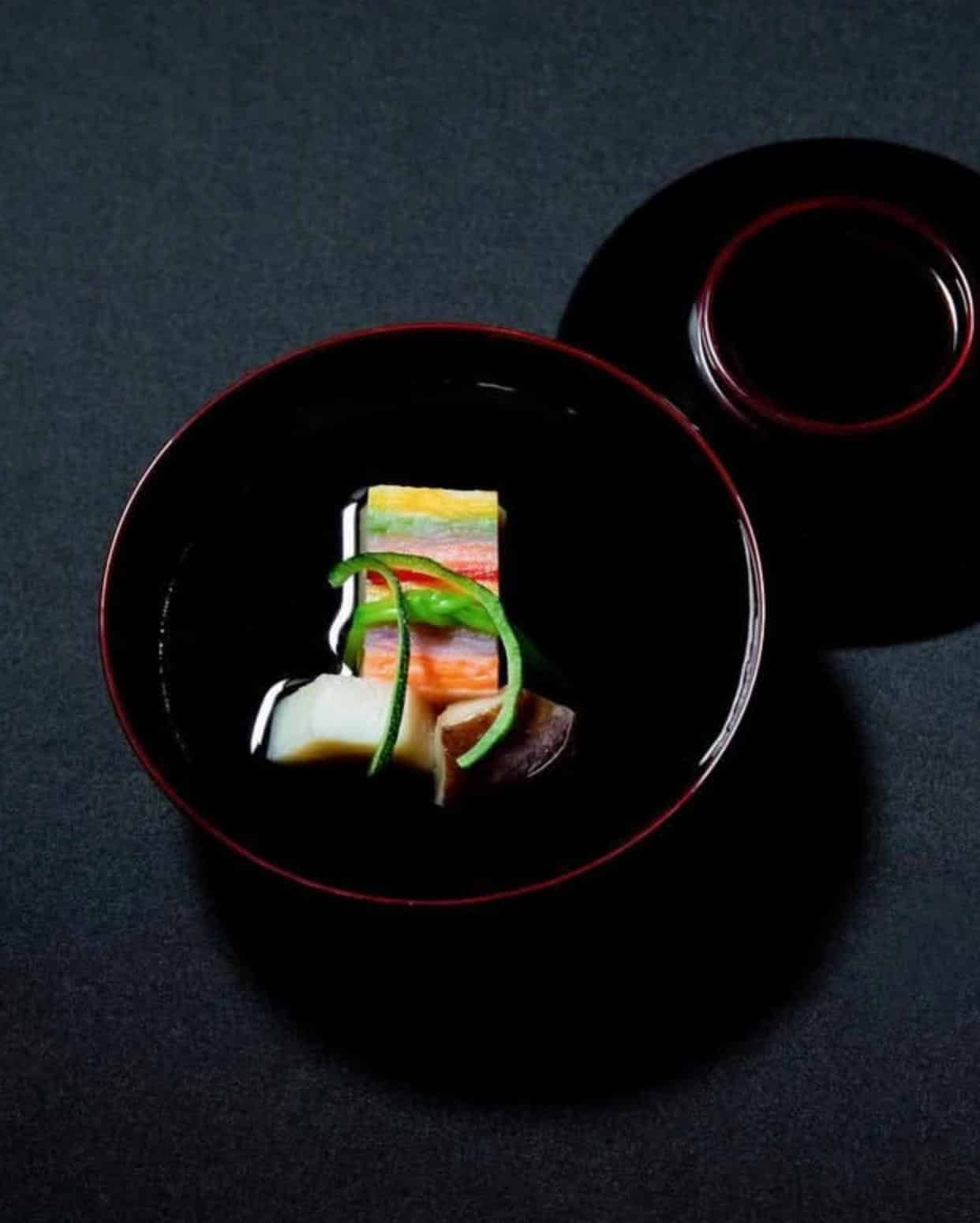
© Palace Hotel Tokyo
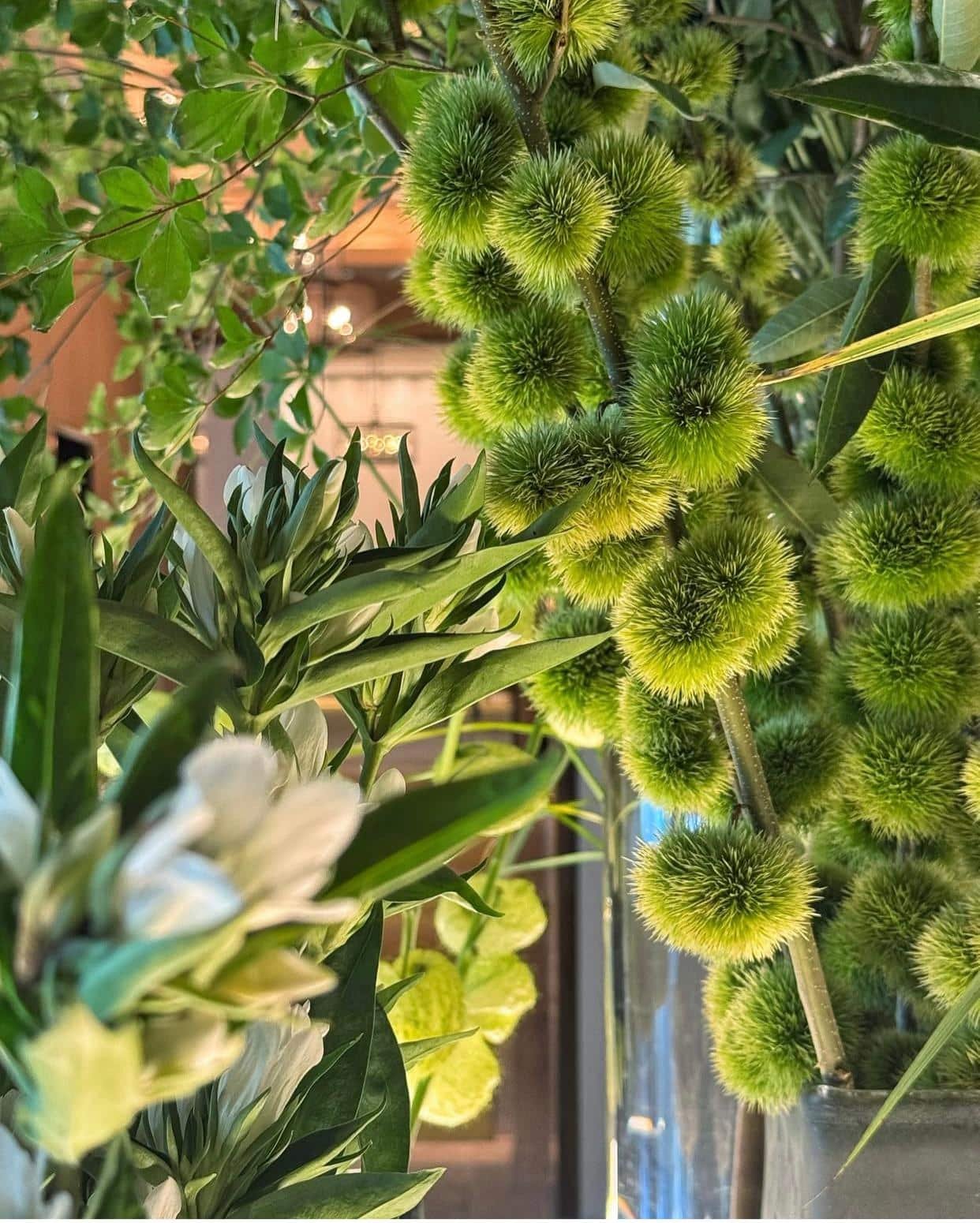
© Palace Hotel Tokyo
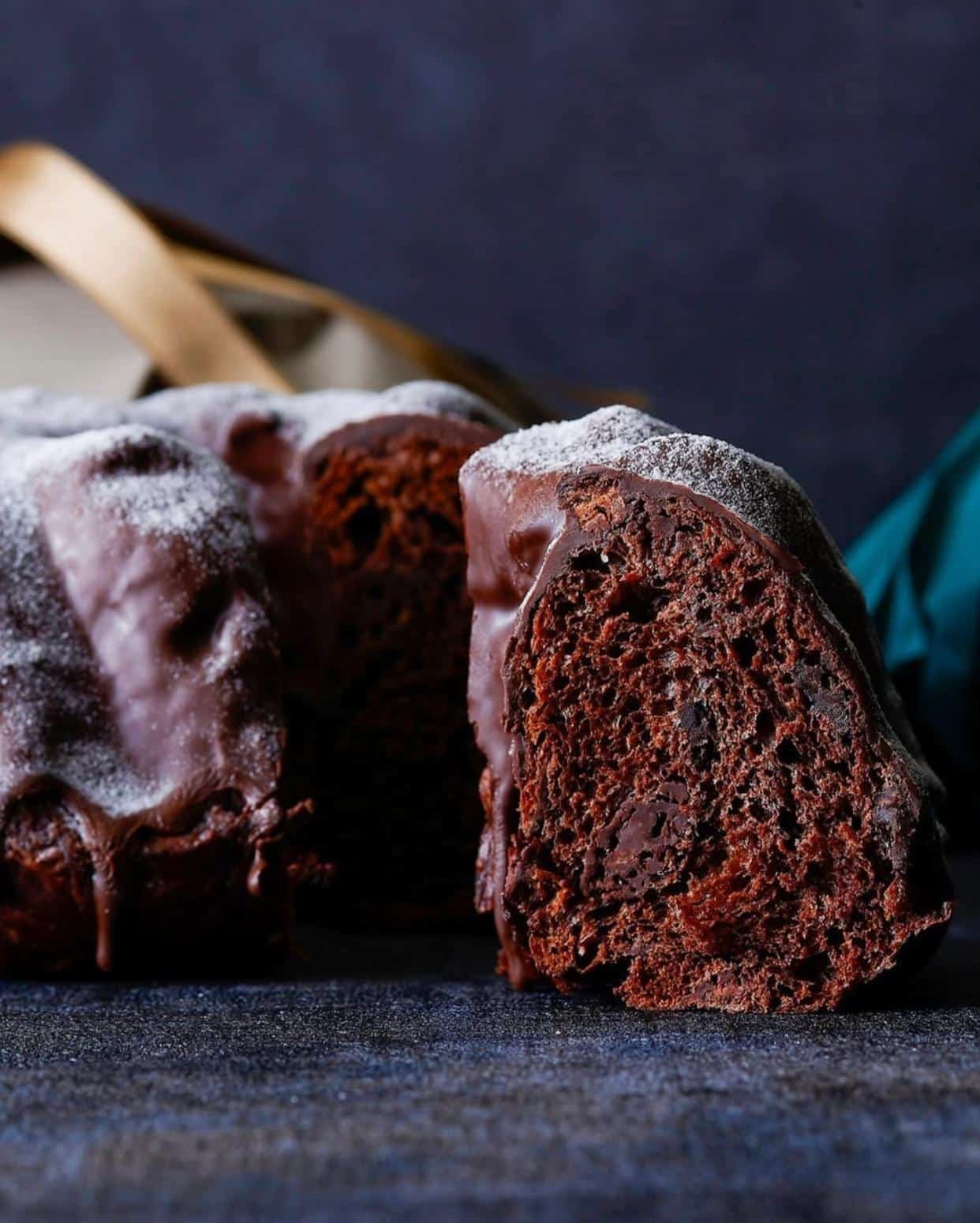
© Palace Hotel Tokyo
© Palace Hotel Tokyo
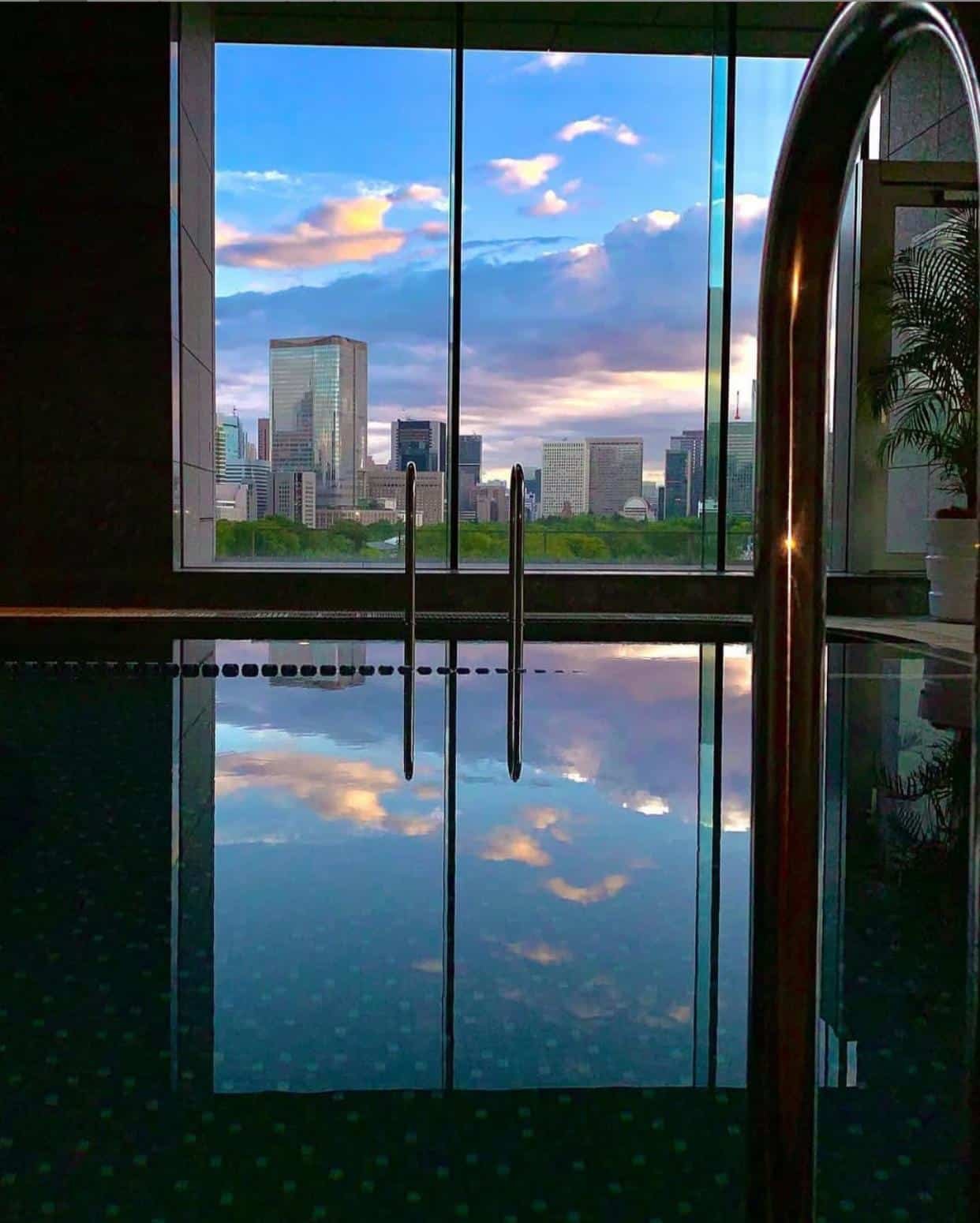
© Palace Hotel Tokyo
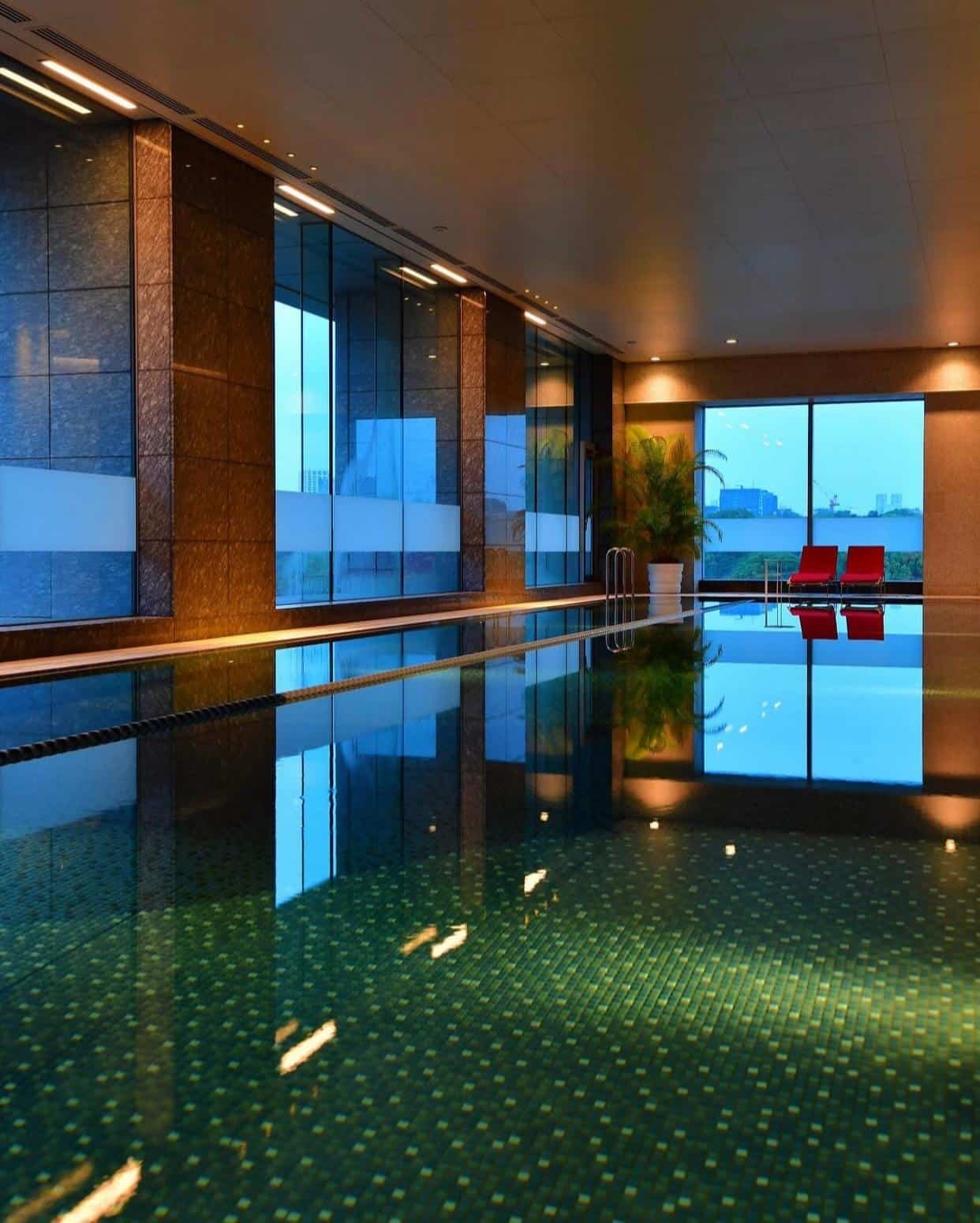
© Palace Hotel Tokyo
Palace Hotel Tokyo
© Palace Hotel Tokyo