

© Chanel
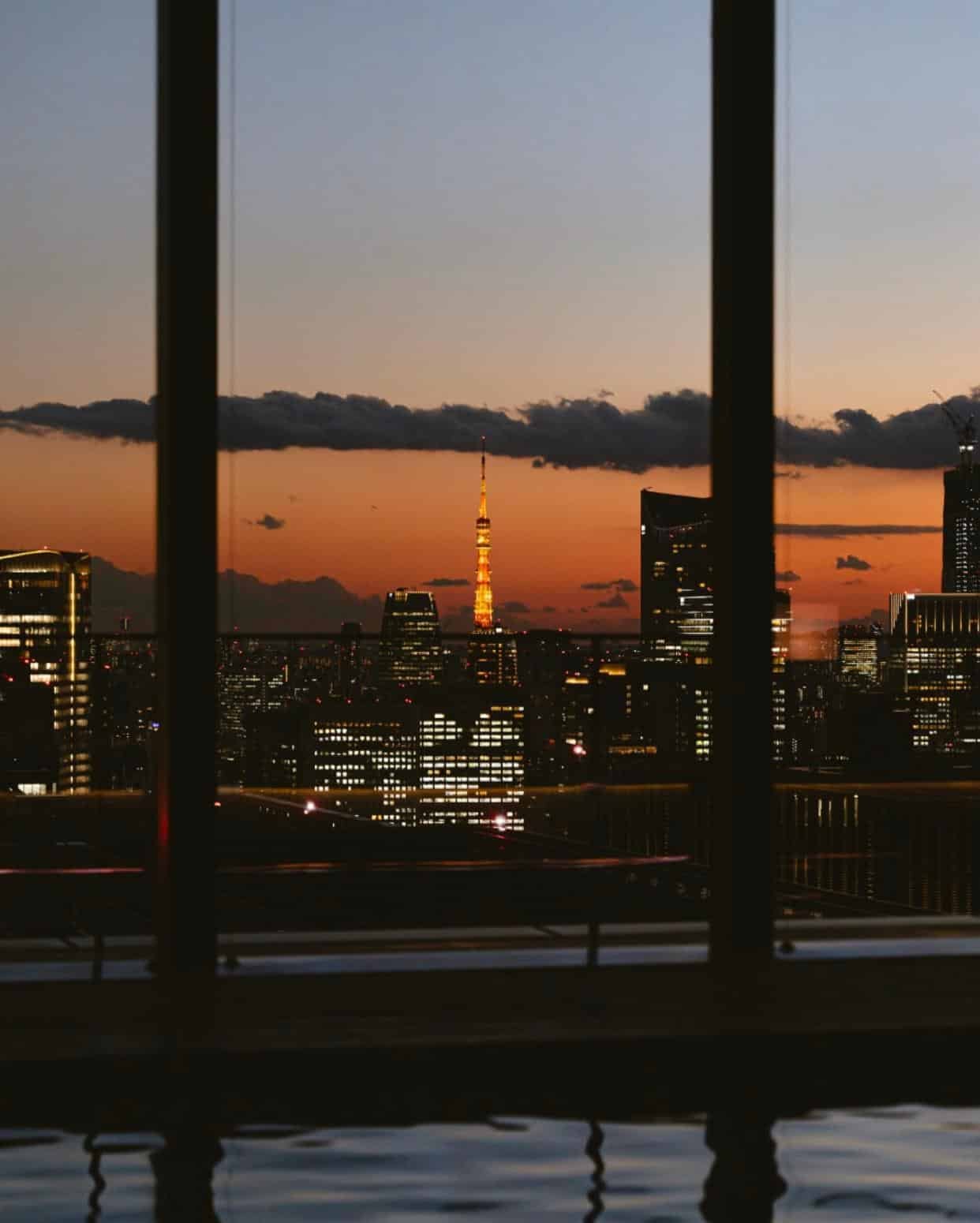
© Aman Tokyo
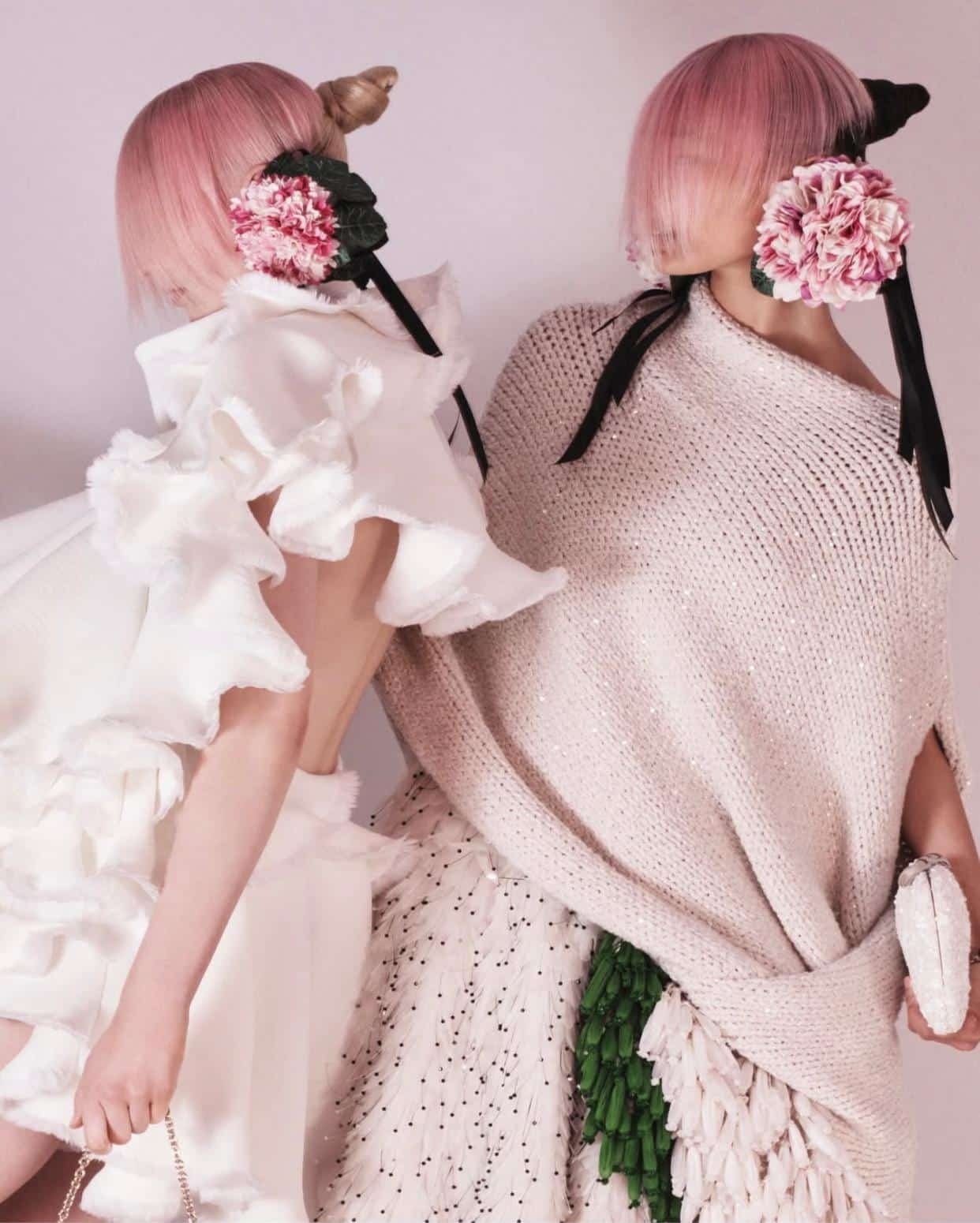
© Dior
Gloss Tokyo
An editorial platform dedicated to Tokyo luxury — its houses, its hotels, its tables, its watchmakers, its jewelers, its streets, its commitments. The city that holds more Michelin stars than any other on earth, invented the world's first urban carbon trading scheme, built the most demanding fine dining clientele in the world, and placed at the corner of its most prestigious intersection a clock tower that survived the Great Kantō earthquake, the firebombing of 1945, and seven years as an American military PX — before becoming, once again, the symbol of Ginza. Gloss Tokyo covers all of it — with the precision the city demands and the density it deserves.
What We Are
Gloss Tokyo was born from a simple conviction — that Tokyo luxury deserves to be told with the same precision with which it is lived. No empty superlatives. No received formulas. An informed, dense, sensory reading that makes you want to book a counter, choose a hotel, understand why a house chooses this address over any other, and why certain names endure when others pass. We cover fashion, fine jewelry, watchmaking, hotels, restaurants, and the city's engagement with its own environmental obligations. Tokyo first — and Tokyo always, because no other city produces luxury at this particular intersection of ancestral discipline, technological precision, seasonal philosophy, and an exigence applied equally to a bowl of ramen at four in the morning and to a kaiseki sequence that took the chef thirty years to learn how to compose.
Our Gaze
Gloss Tokyo does not describe — it reveals. What distinguishes a Grand Seiko Snowflake dial from any other white dial at any other price point. What makes a hotel built above a city that has rebuilt itself three times since 1868 still the most grounded address in Japanese hospitality. What renders a counter of eight seats, with a menu decided each morning, worth a three-month wait and a flight from anywhere. What makes a French restaurant on the ninth floor of a Ginza building, with a wall shaved open to show the sand and pebbles within, hold two Michelin stars for twelve consecutive years. We read Tokyo luxury the way one reads the city itself — its avenues and its side streets, its institutions and its newcomers, what is visible from the Ginza 4-chome intersection and what only becomes legible once you understand the history beneath it. Each text is an invitation to see what was already there but had not yet been properly looked at. Each house, each address, each creation deserves that attention — particularly when it operates in the world's most exacting luxury market.
Why Tokyo
Tokyo is not a luxury city among others. It is the place where luxury invented different rules from those of Paris, Geneva, or New York — and where those rules have been tested, refined, and maintained by a culture of shokuninship that predates the modern luxury industry by several centuries. In 1612, the Tokugawa Shogunate transferred its silver mint to a reclaimed district southwest of the castle. The district took its name from the mint: Ginza — silver guild. In 1881, a twenty-two-year-old watchmaker named Kintarō Hattori opened a shop there. By that year's end, his watches were so precisely made that the Imperial Household used them as gifts. He named his watches Seiko — precision. In 1894, he built a clock tower at the corner of Chuo-dori and Harumi-dori. The Great Kantō earthquake of 1923 interrupted its reconstruction. The firebombing of May 1945 reduced the surrounding district to ash. The clock tower survived both. The American military requisitioned the building and used it as a PX — a military shopping post — until 1952, when the Seiko Group regained ownership. Today the Wako clock tower stands at the same corner, plays the Westminster Chimes on the hour, and is called the face of Ginza. Luxury in Tokyo does not set out to endure. It simply refuses to become anything other than what it is. Gloss Tokyo documents that particular discipline — because it is rare, because it is specific, because it deserves to be told with the care it brings to everything it does.
Gloss Tokyo covers the full spectrum of Tokyo luxury across nine categories — each with its own history, its own geography, its own set of houses that have built something specific at this address. Ready-to-wear, where the encounter of European houses with Japanese textile mastery has produced some of the most technically precise fashion in the world. Fine jewelry and high jewelry, where Ginza concentrates more flagship boutiques per square metre than any other luxury district on earth. Watchmaking — both women's and men's — where Grand Seiko's ateliers in Shizukuishi produce movements whose finishing standard the Swiss industry has spent a generation attempting to explain. Skincare, where Shiseido launched the Eudermine lotion in 1897 and the country invented the layering philosophy that the rest of the world eventually called clean beauty. Hotels and palaces, where the Imperial Hotel survived the 1923 earthquake because Frank Lloyd Wright had designed its foundation to float on the mud beneath the city. Fine dining, where 160 restaurants hold Michelin stars and the oldest active starred chef is ninety-seven and still in service. And the city's environmental commitments — the cap-and-trade scheme Tokyo launched in 2010 as the first in the world, and the houses that have begun to measure before the legislation requires it.
Every text published on Gloss Tokyo rests on rigorous research — primary sources, house archives, verified data, strict adherence to editorial accuracy. No invented figures. No unverified citations. No superlatives without source. Luxury deserves better than approximation — and Tokyo, more than most cities, has the institutional memory to expose what is not precisely true. Each house, each address is read through three complementary axes: technical mastery, depth of commitment over time, and coherence of position in this specific city. A rigorous framework that reflects what contemporary Tokyo luxury has become — exacting in its forms, conscious of its position in the world, accountable to a clientele that reads INCI compositions, knows the difference between high and low molecular weight hyaluronic acid, and does not forgive a product that promises without delivering. The hook — the unexpected true detail embedded in every editorial text that anchors the writing in something specific and verifiable — is not a device. It is a standard. Tokyo's history is dense enough that every house, every address, every object has one. Our job is to find it.
Tokyo luxury does not live in a single district. It lives along Chuo-dori in Ginza, where the Wako clock tower has marked the intersection since 1894 and where more flagship boutiques of international luxury houses are concentrated than in any other single street in the world. It lives in Marunouchi, where the Palace Hotel was built on the site of the Imperial Household's Forestry Office and faces a moat lined in the same Aji granite as its own entrance walls. It lives on Omotesando, Tokyo's most architecturally deliberate avenue, where Tadao Ando designed the Omotesando Hills complex and every flagship is a statement of architectural ambition. It lives in Nihonbashi, where the zero kilometre marker of Japan has been embedded in the bridge since 1603 and the Mandarin Oriental rises above it. It lives in Asakusa, where a chef born in the neighbourhood opened a restaurant at twenty-six in a bare concrete building and received two Michelin stars twelve years later. The geography of Tokyo luxury is not a corridor. It is a city-wide argument conducted simultaneously in multiple registers, by houses whose histories span from 1612 to last season's opening. Gloss Tokyo covers the full map.
Gloss Tokyo is part of Gloss City — a network of editorial platforms dedicated to the great destinations of world luxury. Paris, Courchevel, Saint-Barth, New York, Tokyo. Each destination has its own reading, its own temporalities, its own codes, its own history. The ensemble forms a common language — precise, adaptable, international — that applies the same editorial standards across different luxury geographies without flattening what makes each one specific. What Gloss Saint-Barth brings to the Caribbean — a reading of luxury as something inseparable from the natural environment it occupies — Gloss Tokyo brings to the city: a reading of luxury as something inseparable from the seasonal philosophy, the artisanal discipline, and the institutional precision that made it what it is. The luxury that Cartier deploys on Ginza is not the same object as the Cartier on the rue de la Paix or on Fifth Avenue, even when the piece is identical. Tokyo has done something to it. Gloss Tokyo's job is to say what.
In 1612, the Tokugawa Shogunate
transferred its silver mint to a district
southwest of Edo Castle.
The district took its name from the mint.
Ginza — silver guild.
In 1881, a twenty-two-year-old watchmaker
opened a shop there.
By year's end, his watches were so precise
the Imperial Household used them as gifts.
He named them Seiko — precision.
His clock tower survived the earthquake of 1923,
the firebombing of 1945,
and seven years as an American military PX.
In 1952, it became Wako again.
It plays the Westminster Chimes on the hour.
They call it the face of Ginza.
Gloss Tokyo is here
to say what that face is watching —
and why it has not looked away.
To the houses that choose Tokyo as their Asian address — and understand that this choice is not a distribution decision but an identity one. To the hotel directors who build a season in one of the world's most demanding hospitality markets, where omotenashi is not a brand value but a structural expectation. To the chefs who hold two Michelin stars for twelve consecutive years in the most starred city on earth — and who changed their menu this morning based on what the market delivered at six. To the watchmakers whose atelier in Shizukuishi produces a Snowflake dial whose surface treatment takes more time to apply than most watches take to assemble. To the jewelers who understand that a Ginza clientele reads a setting the way a watchmaker reads a movement — with the knowledge to see what others miss. To the skincare houses that have been layering since before the concept had a name. And to everyone who cares about Tokyo luxury enough to want to understand it — not simply to consume it. Gloss Tokyo accompanies the actors of urban luxury in the articulation of their excellence — with a clarity and a precision that reflect the quality of their work. Because a restaurant that has held its Michelin stars without interruption in the most competitive dining city in the world deserves writing at the level of what it accomplishes. Because a hotel whose foundation was designed to float on the soft mud beneath the city, and whose 1923 earthquake survival made the front pages of every newspaper in the world, lives in a kind of excellence that few readers have the vocabulary to recognize — and that we choose to tell.
Tokyo has always refused to become anything other than itself.
A district named for a silver mint
that is now the most concentrated luxury address on earth.
A clock tower that survived an earthquake, a firebombing,
and an American military occupation
and still plays the Westminster Chimes
at the corner it has occupied since 1894.
A chef who is ninety-seven years old
and still comes to work every morning
to prepare the eel
he has been preparing for seven decades.
A city that launched the world's first
urban carbon trading scheme in 2010
and has been counting the emissions of Ginza's boutiques
ever since.
Gloss Tokyo is here
to tell what this city decided to be —
and how it manages it,
every season,
with a standard the city itself
makes harder to reach
every year.