
© Dior
© Dior
© Dior
Dior
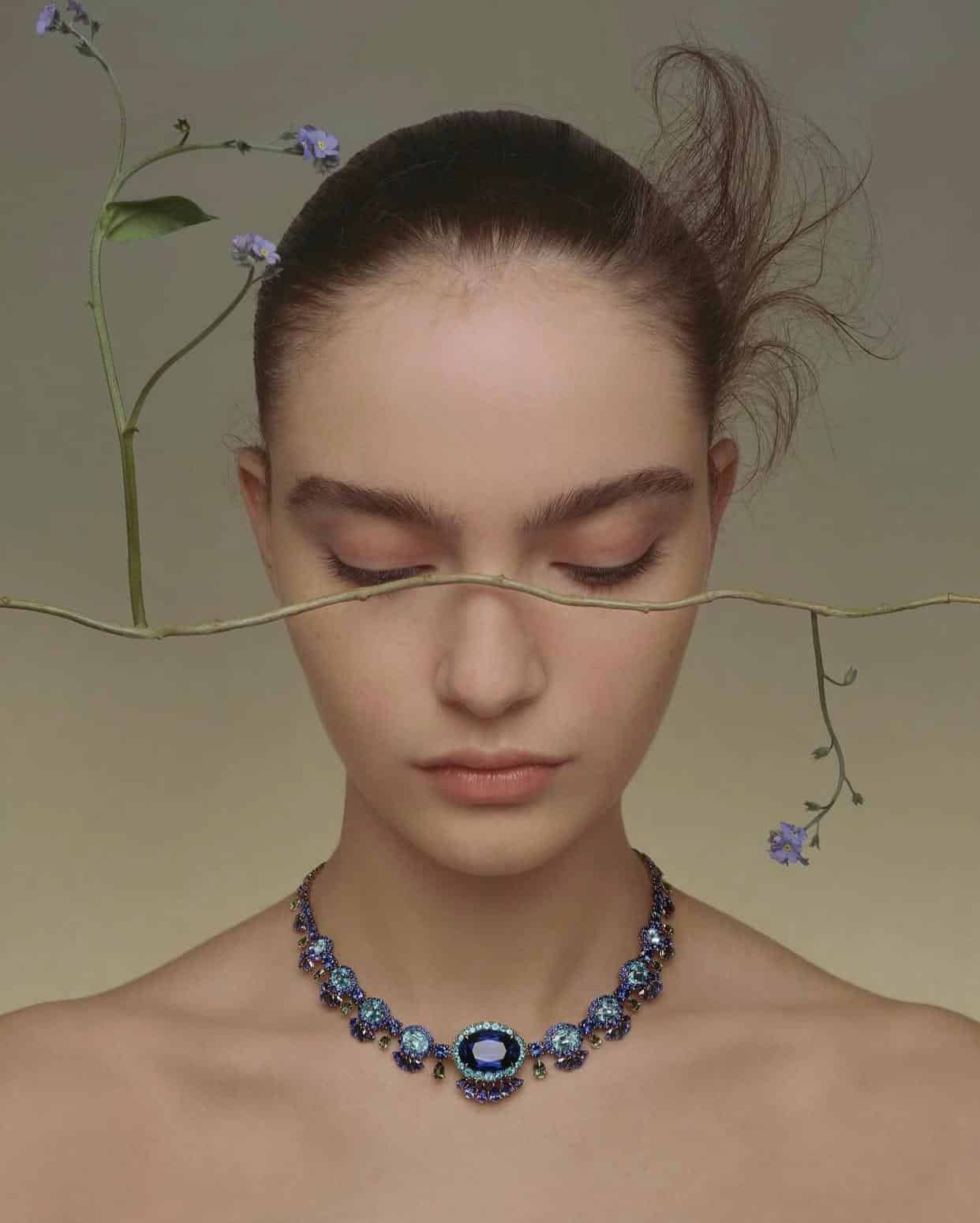
In 1998, Bernard Arnault created from scratch the jewellery department of the House of Christian Dior — a House that had never had one — and entrusted its direction to Victoire de Castellane, thirty-four years old, who had spent the previous fourteen years alongside Karl Lagerfeld at Chanel. Her first decision: burn the codes. Where the Place Vendôme jewellers worked with four precious stones, she introduced Paraíba tourmalines, morganites, aquamarines, tsavorites, peridots. "Jewellery had become terribly bourgeois. It had lost its sense of gaiety, freedom, lightness." Twenty-six years later, she still works on the avenue Montaigne — decoding dresses from 1951 to make collections for 2026.
The History · A Jewellery House Born Without A Tradition
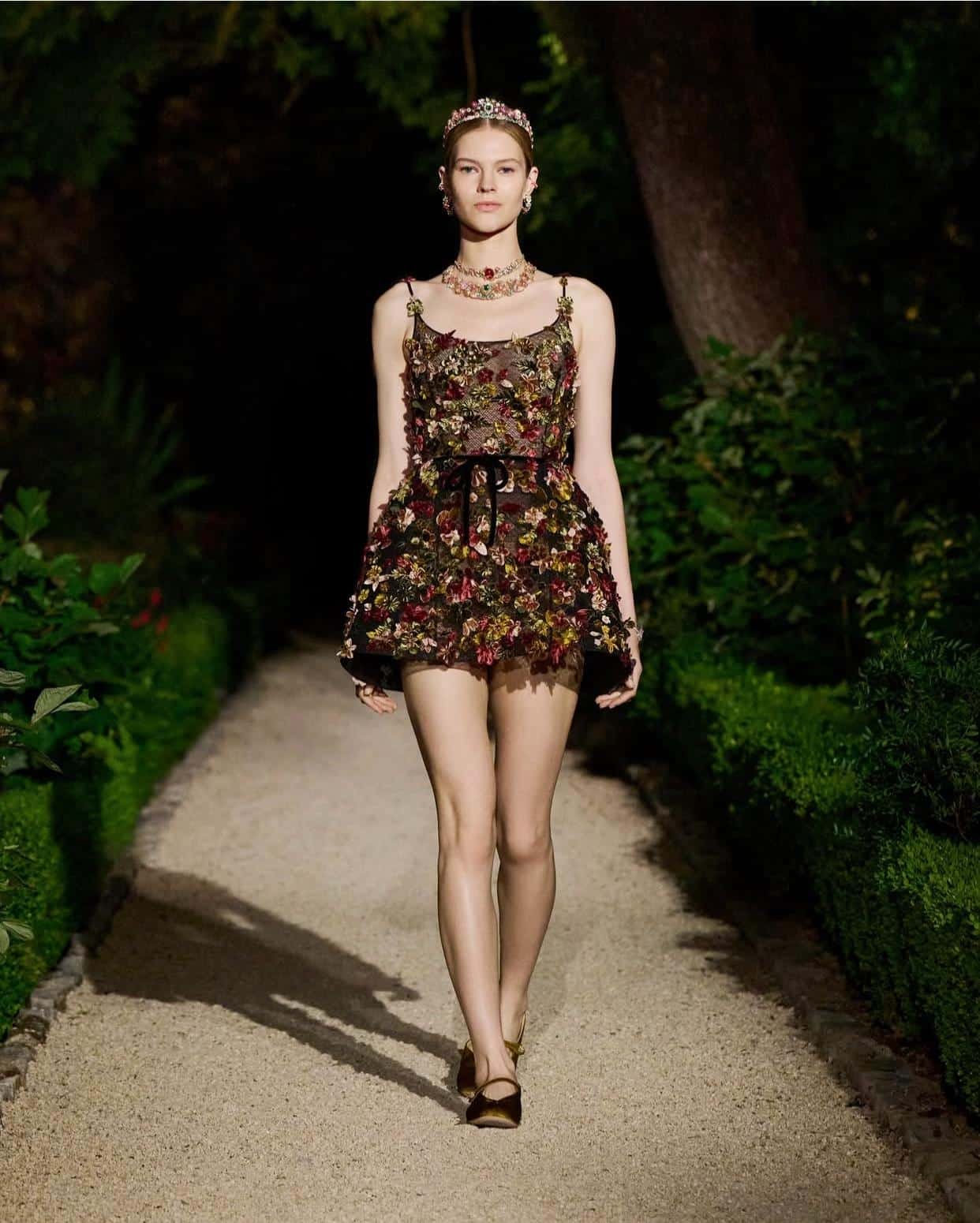
Dior fine jewellery is the youngest of the great French jewellery Houses — founded in 1998, within a couture house whose DNA was not the jewel but the garment, the garden, the rose and the New Look. It is precisely this absence of jewellery tradition that made possible what Victoire de Castellane built. She did not have to respect an inheritance of stone and metal. She could borrow from couture — the ribbons, the lace, the cannage, the prints, the embroideries — and translate them into materials that the ateliers at 30 avenue Montaigne were learning to work with as she requested them. Her first collections — Incroyables et Merveilleuses, with coloured stones of eighty carats — caused scandal in a direction opposite to the scandal of 1998: not too conservative, but too free, too colourful, too large to be believed. It is precisely these excesses that founded the identity of Dior jewellery — a narrative jewellery, where each piece tells a story, where technique serves the imagination rather than a demonstration of virtuosity.
The House Of Dior Ginza · Yoshio Taniguchi · Peter Marino
The House of Dior Ginza, opened in 2017 in the Ginza Six mall on Chuo-dori, is Dior's principal boutique in Tokyo — five levels in a corner building whose façade, designed by Japanese architect Yoshio Taniguchi, evokes a luminous gradation of white veils structured by horizontal lines and punctuated by four large display windows on the ground floor. Taniguchi is the architect responsible for the renovation of MoMA in New York — a choice that says something about the way Dior thinks its buildings in Japan: not as boutiques decorated with local references, but as architectural buildings commissioned from architects whose work has an intrinsic value. The interior, by Peter Marino, is dominated by tones of white with a large seven-metre-high atrium that welcomes the leather goods, jewellery and timepiece collections from the entrance. The Café Dior by Anne-Sophie Pic occupies a space within the building — the second address in the world for this café, the first being in Seoul.
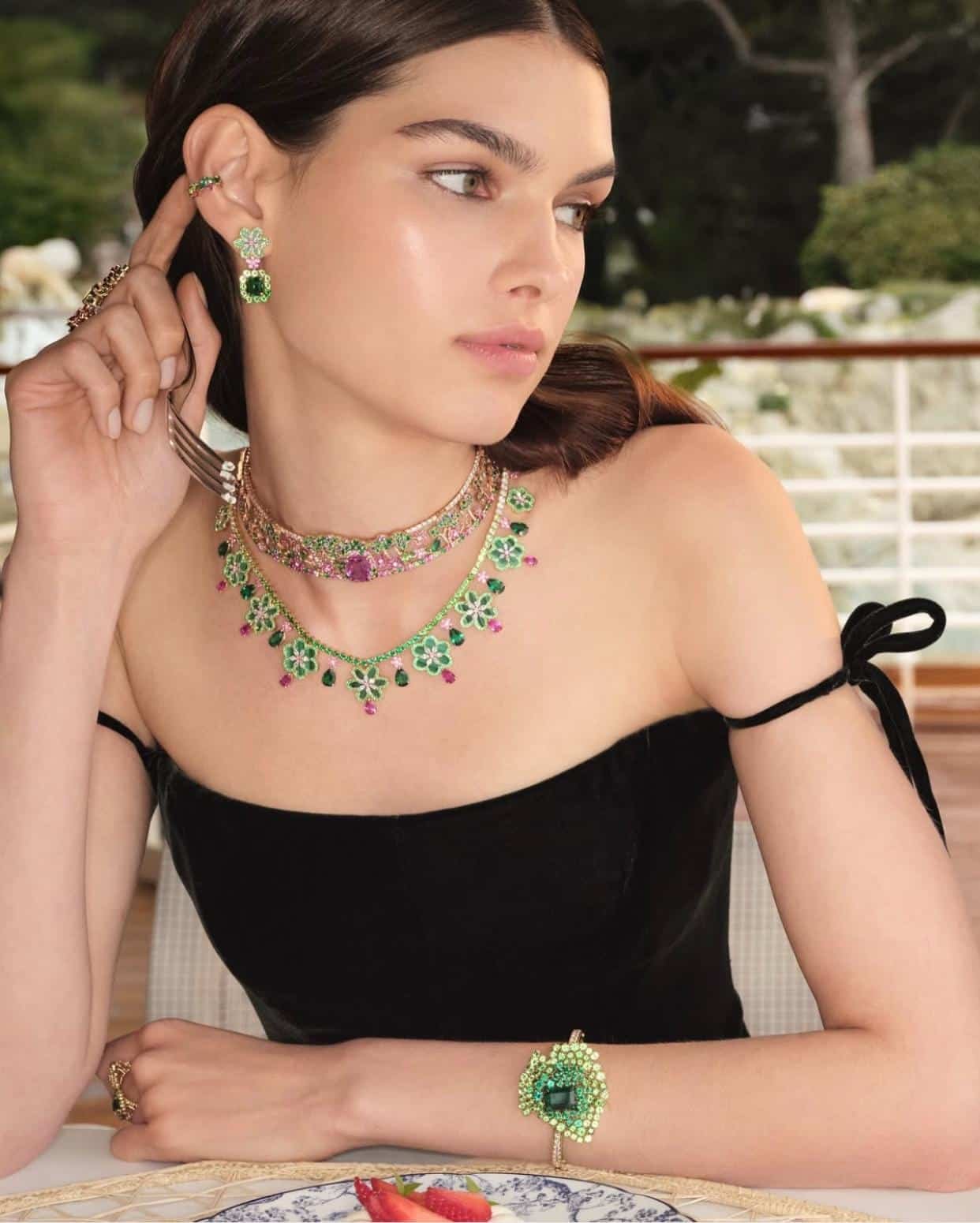
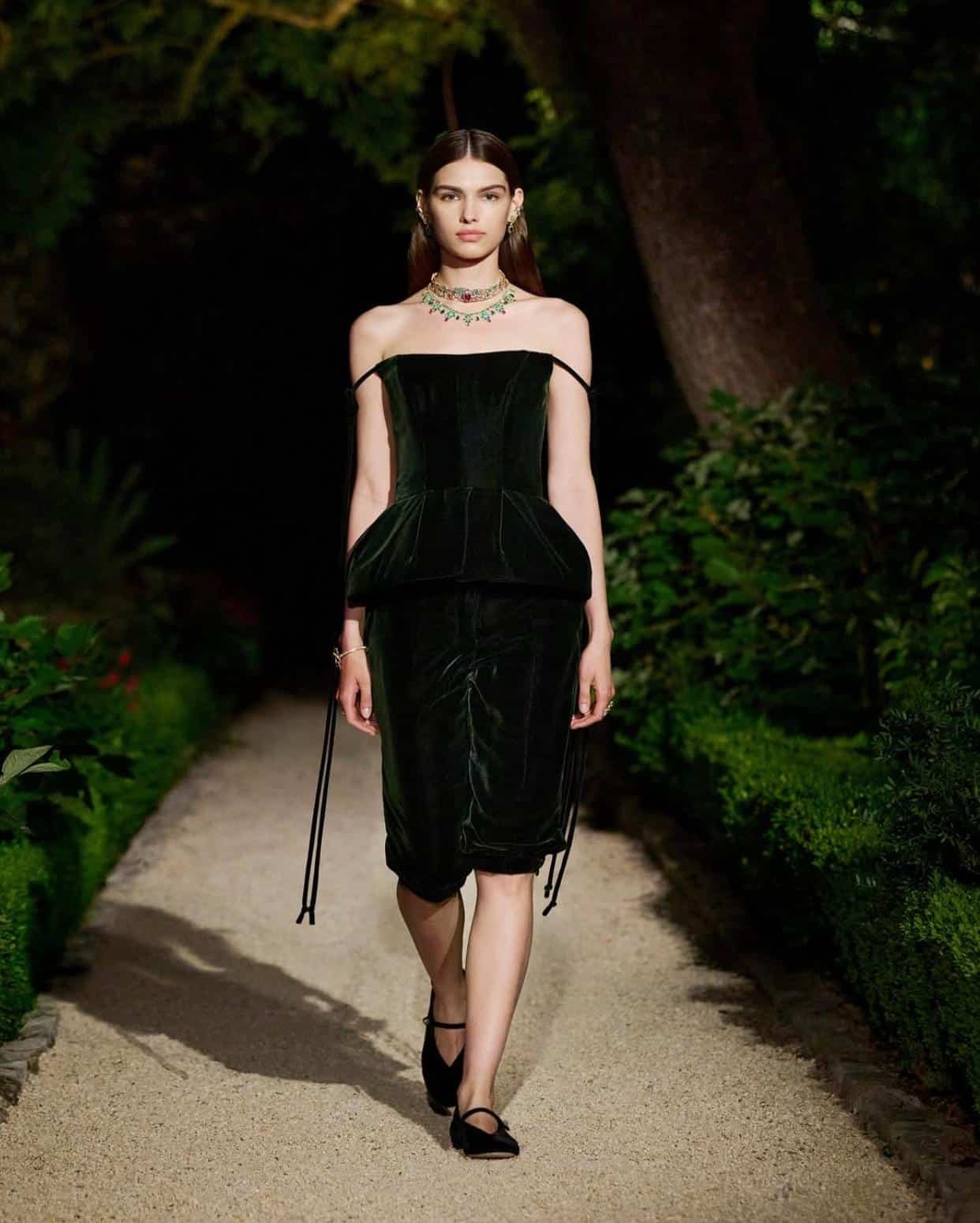
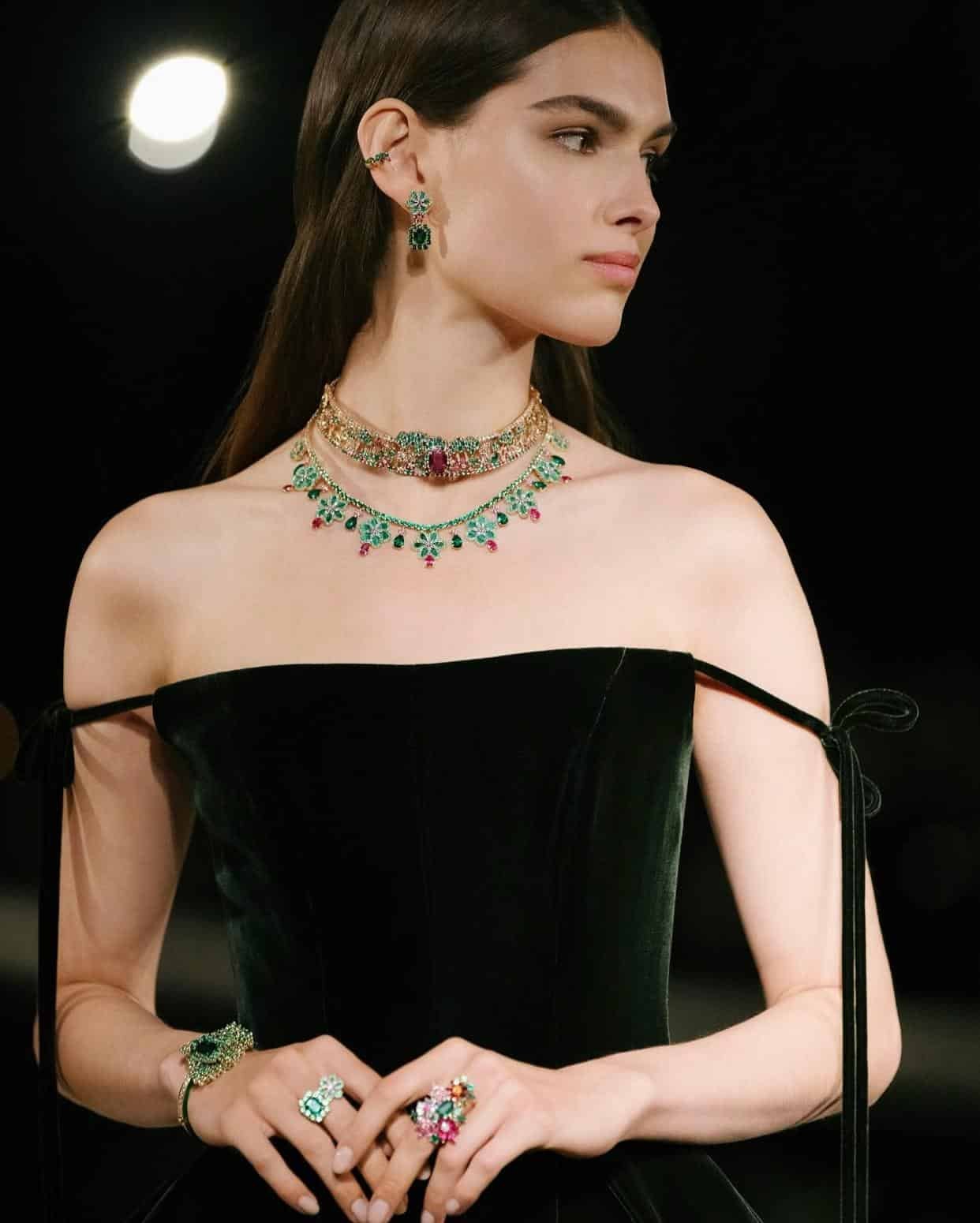
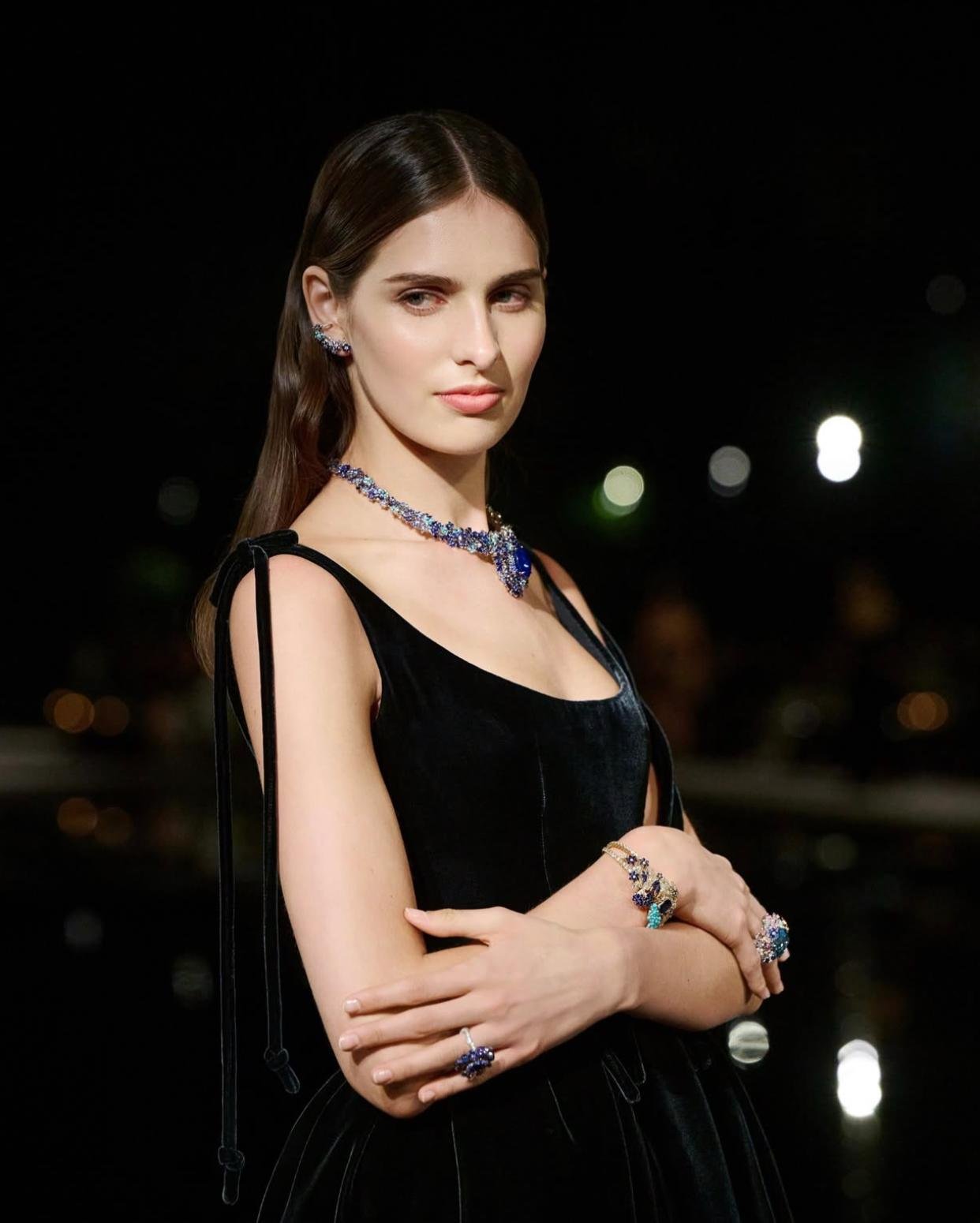
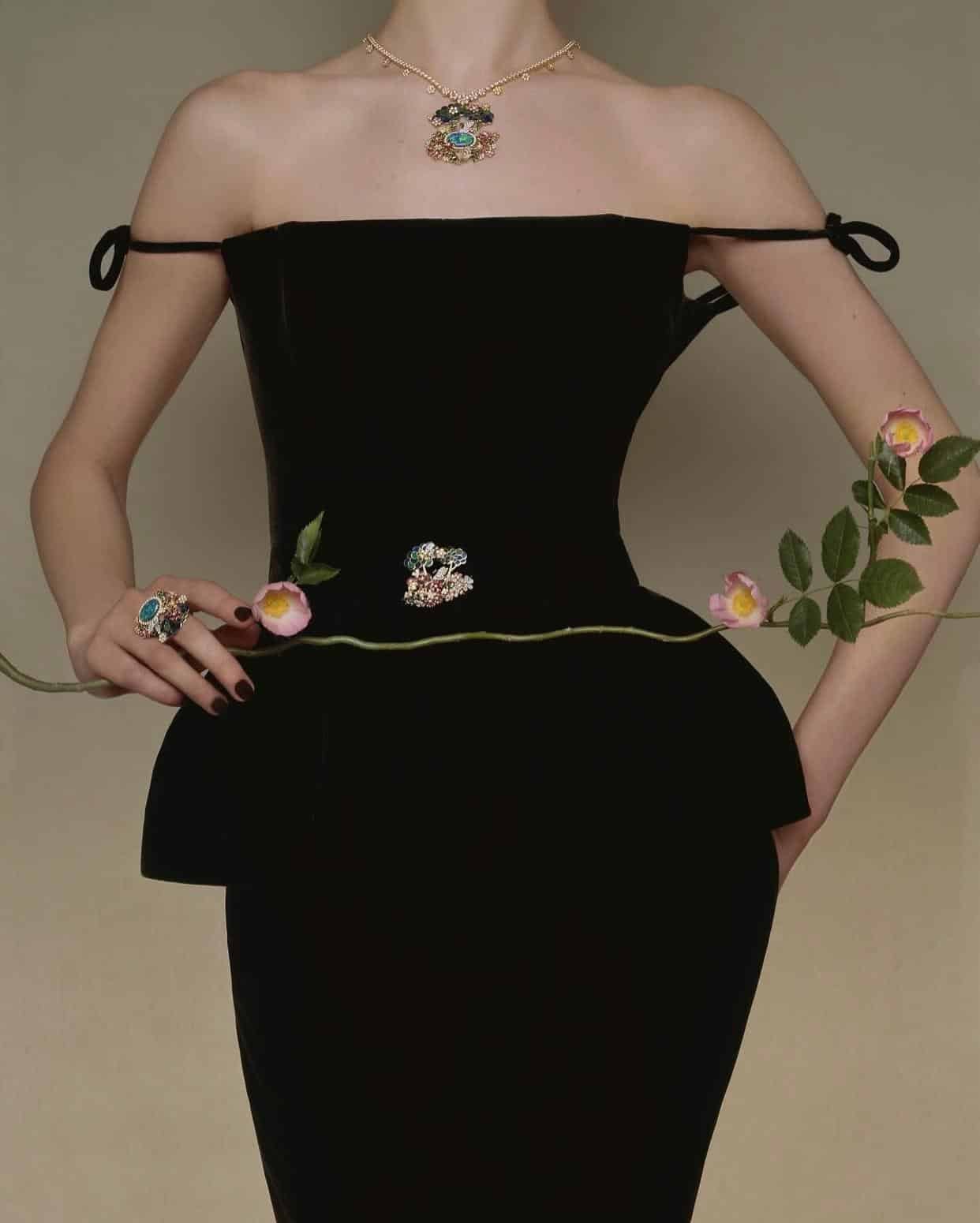
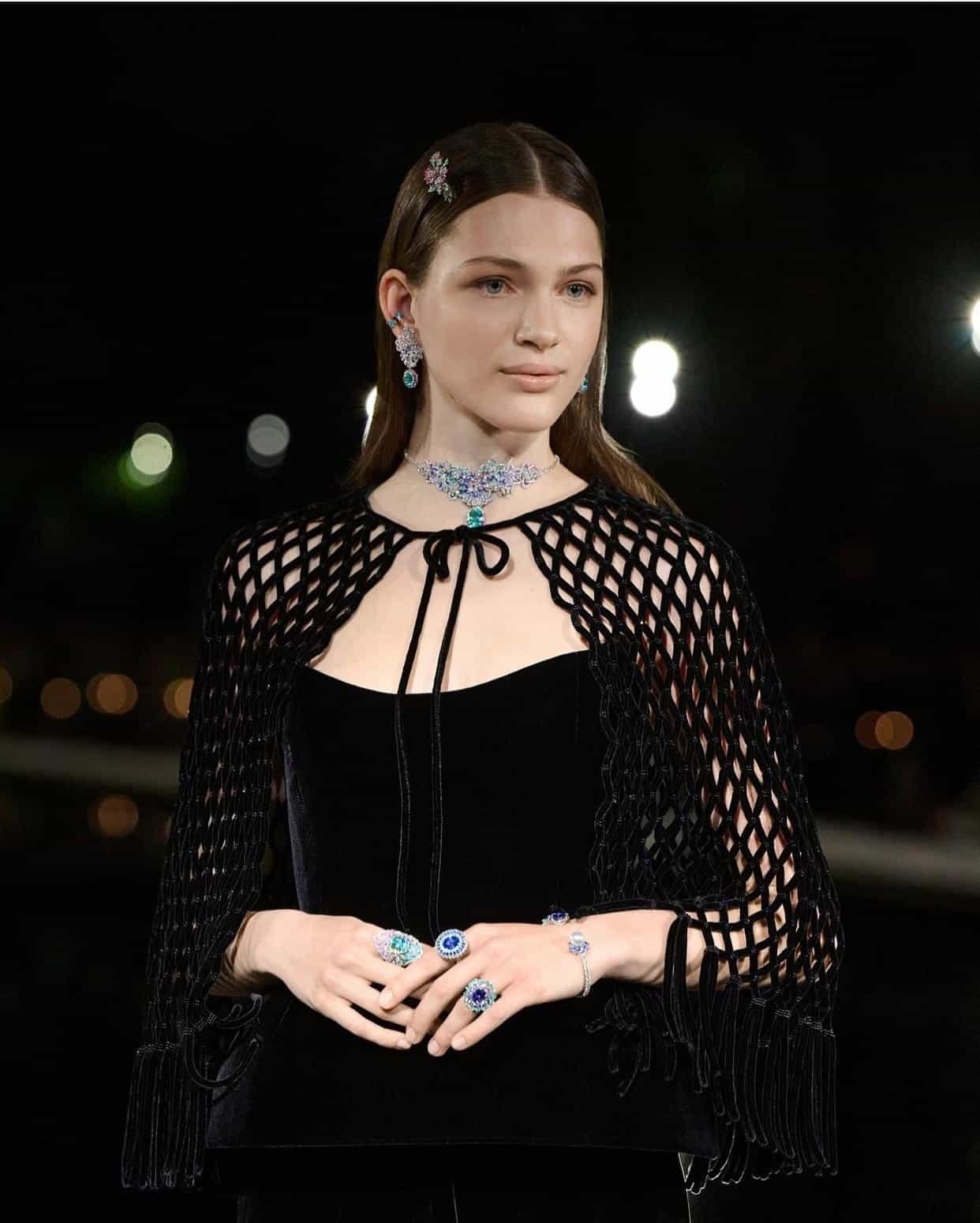
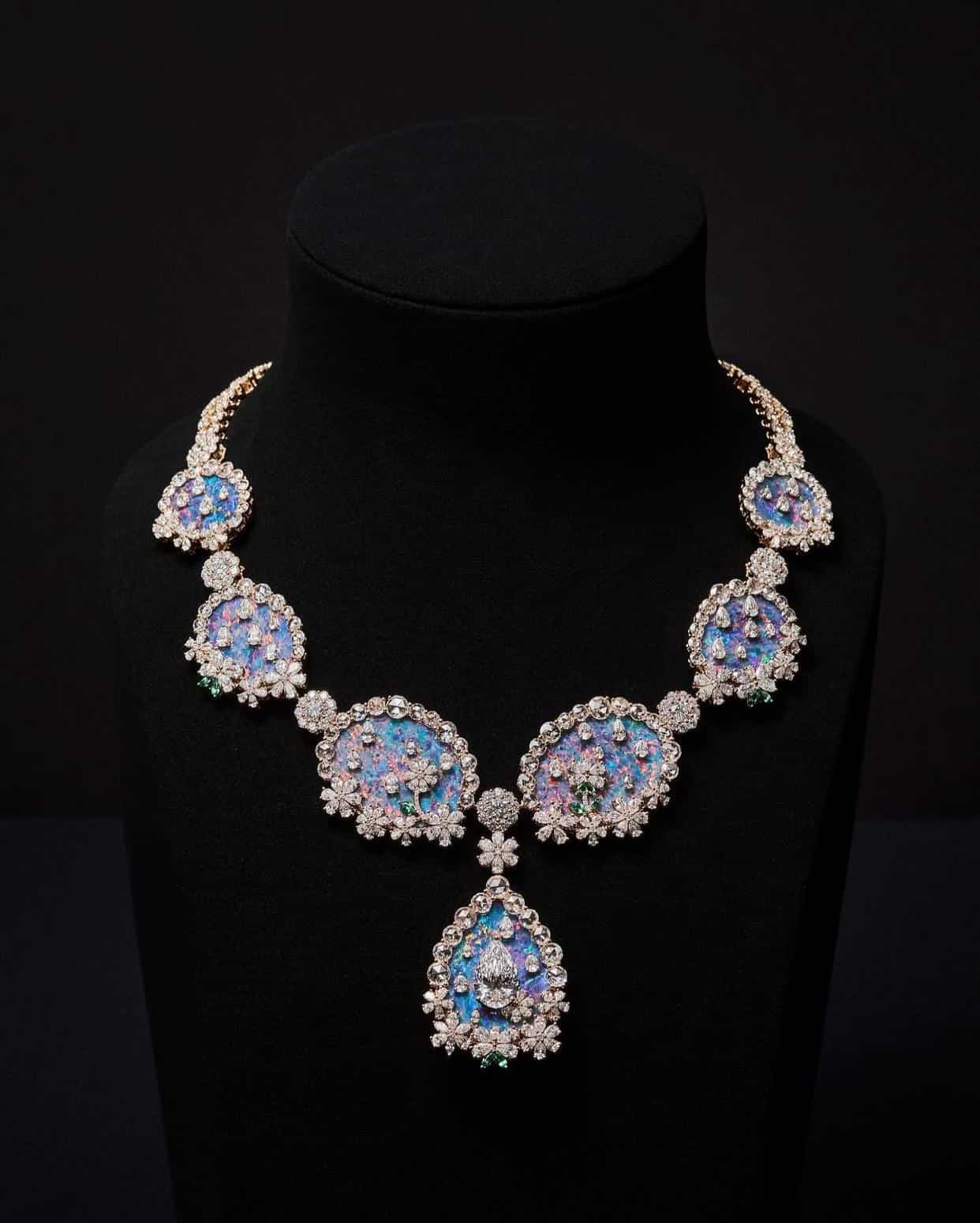
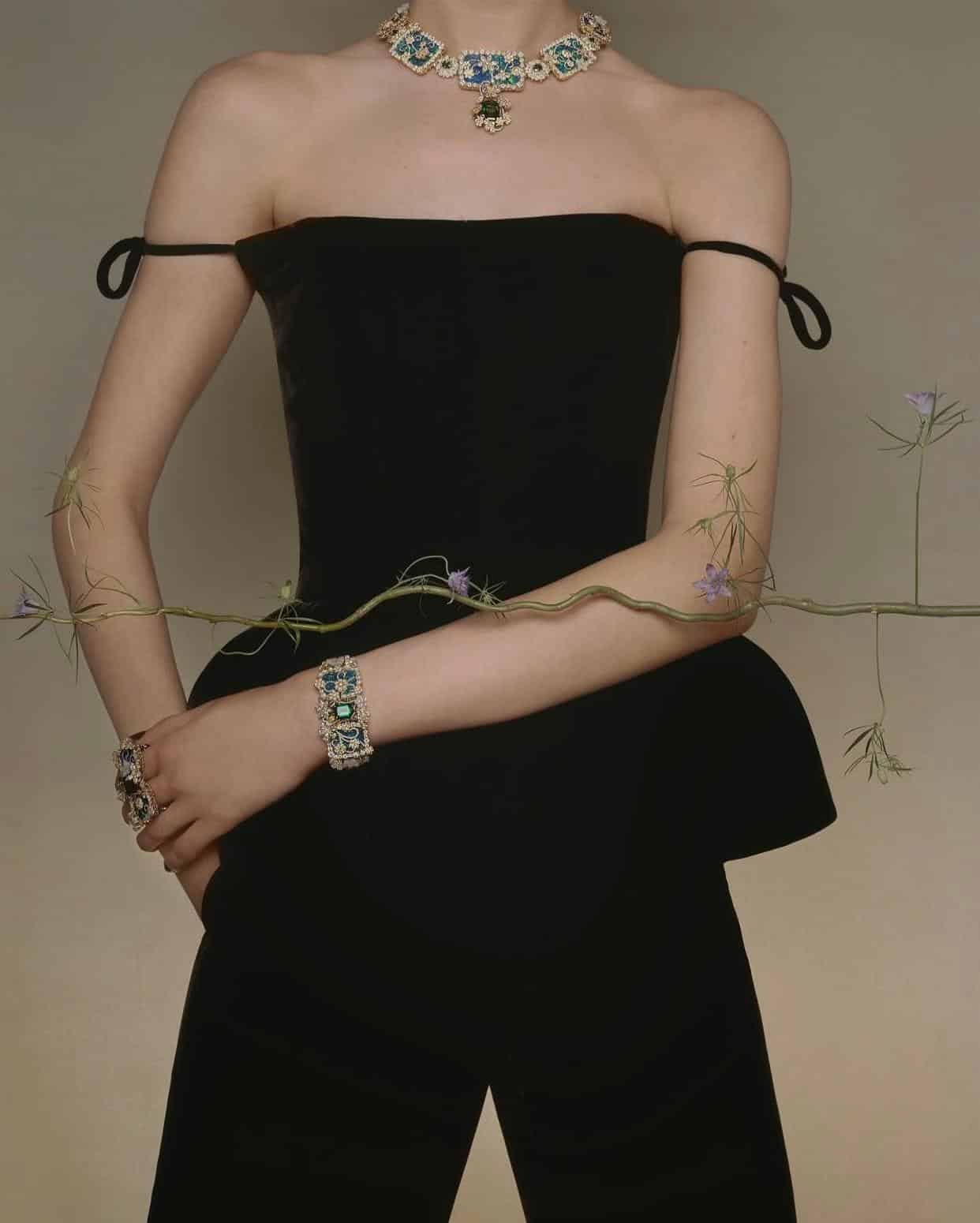
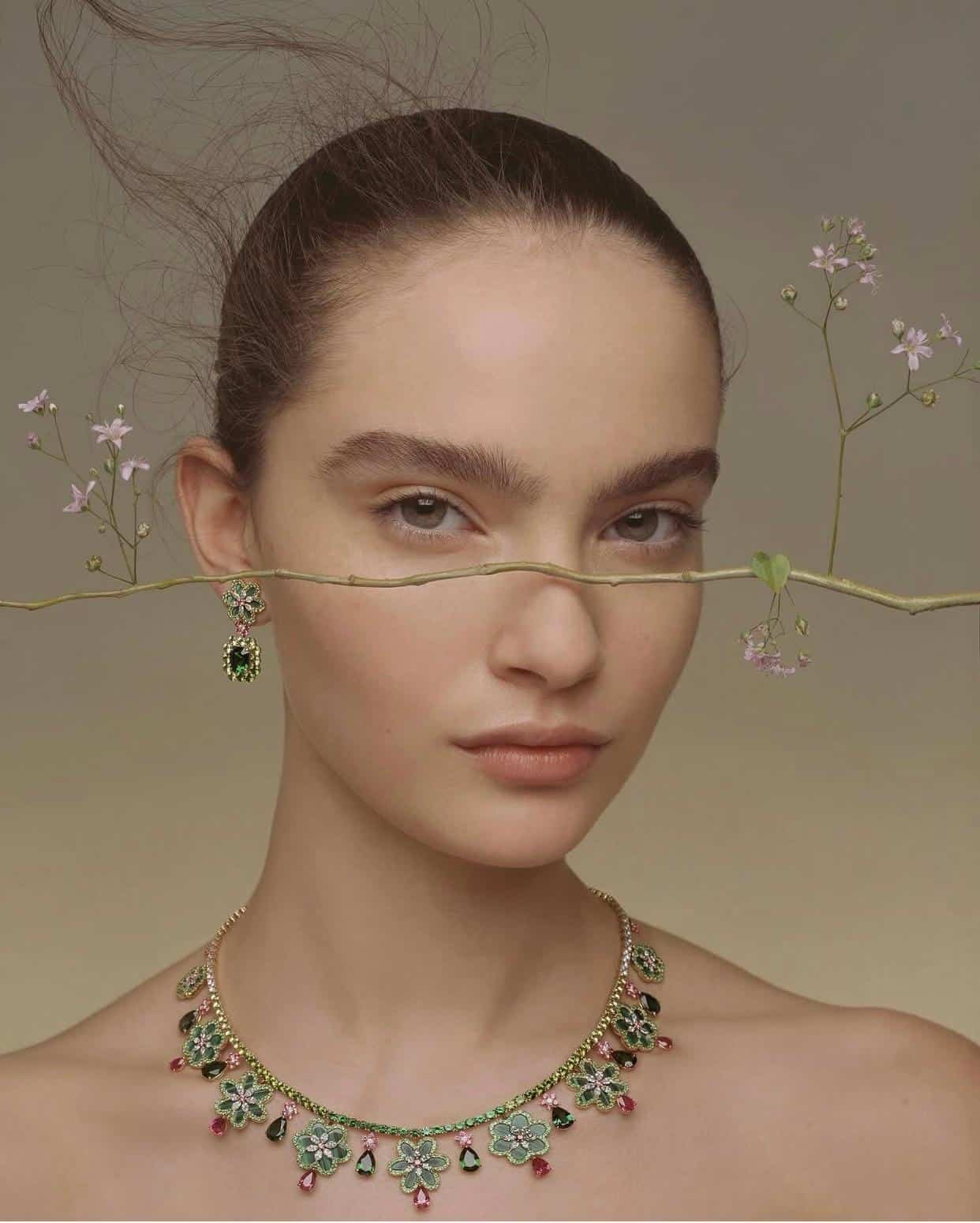
Victoire de Castellane has been in dialogue since 1998 with archives that Christian Dior himself could never hand to her — he died in 1957, she was born in 1964. She works from show photographs, patterns kept on the avenue Montaigne, marginal notes from ateliers, gardening notebooks. Her method is not generic inspiration — "the Dior spirit" as a vague formula — but the precise archaeology of a gesture. The 2026 Diorama collection departs from a specific dress: the Diorama dress from the Naturelle line, spring-summer 1951 haute couture show. She decodes its structure — the ribbon that structures without constraining, the marked waist, the skirt that amplifies the natural movement of walking — and assesses what, within this couture logic, can migrate into goldsmithing without losing its memory. The range across six formats — necklace, bracelet, earrings, classic ring, double ring, hair jewel — states the ambition: to inhabit the entire body, not only its noble extremities. In Tokyo, these pieces are presented in the context of a House whose relationship to Japan dates to 1953 and whose first show in the country remains a founding act of international luxury.
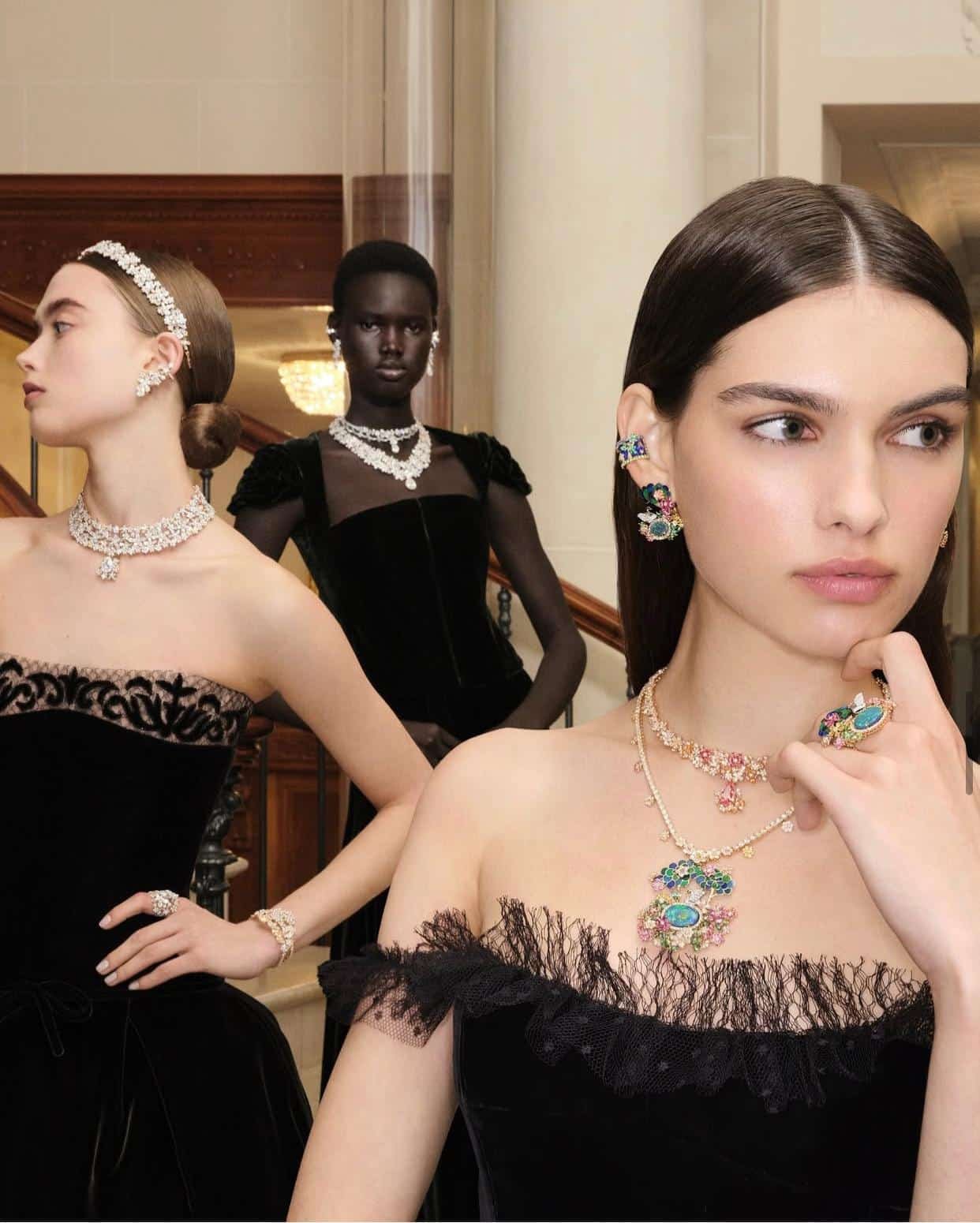
The rose is the founding motif of Dior fine jewellery — Christian Dior's totemic flower, who wrote: "After women, flowers are the creatures I love most in the world." It runs through the collections from the very beginning — from the rosebud to the thorned stem, from voluptuous petals to the Milly-la-Forêt garden that gave rise to the Diorette collection in 2006. The cannage — the pattern of the Napoleon III chairs on which guests sat at the first show of 12 February 1947 — is the second founding motif, present in the My Dior collection as a subtle gold interlace. The Rose des Vents, inspired by the compass star found in Christian Dior's childhood house in Granville, is the collection that best summarises Victoire de Castellane's approach: to find in the biography of Monsieur Dior a precise detail, to bring it to jewellery scale, and to have it tell a story that neither the archives nor the fashion collections would have produced alone. These collections are presented in Tokyo with the same density as in Paris — the coloured stones first, the diamonds after, the jewellery gesture as the condition of the jewel's existence.
Dior fine jewellery is the only one of its kind to have developed specific techniques for translating couture into metal — not couture motifs on jewels, but the constructive logic of couture applied to goldsmithing. The Dior Milly Dentelle collection, inspired by lace — one of the lightest and most structured materials in haute couture — required the development of a knife-thread and chasing technique allowing metal to be made as visually fine and supple as lace, without making it so fragile as to be unwearable. The Soie Dior collection, which plays with ribbons, borrowed from watchmakers the technique of enamel barrettes linked to one another to give suppleness to what is ordinarily rigid. These technical achievements are not commercial arguments — they are the necessary consequence of an artistic director who begins from the question "is it possible?" rather than "will it sell?" This logic is what has made Dior fine jewellery legible in Tokyo, where the clientele judges the technique before it judges the design.
The Café Dior by Anne-Sophie Pic, installed in the House of Dior Ginza at Ginza Six, is the second address in the world for this café after Seoul — an extension of the House's vision that French art de vivre and gastronomy belong to the same register as jewellery and couture. Anne-Sophie Pic, the world's most Michelin-starred chef, creates for this space a menu whose Dior codes — flowers, gardens, rose, white — are read in the flavours and presentations. This is not a café within a boutique. It is a proposition about what it means to inhabit the Dior universe in Tokyo — not to buy a jewel and leave, but to settle into the House, to take one's time, to understand the register from the inside. The Japanese clientele, which has developed for dining spaces within luxury boutiques a gastronomic exigence of its own, finds there a level of execution consistent with the exigence of the collections surrounding it.
Victoire de Castellane has traversed four artistic directors of Dior fashion since 1998 — John Galliano, Raf Simons, Maria Grazia Chiuri, Jonathan Anderson. Her longevity within a House whose creative fashion direction has changed four times in twenty-six years is not incidental. It reveals that fine jewellery operates according to a different logic from fashion — not by seasons and trends, but by the sedimentation of a vocabulary. Victoire de Castellane does not need to reinvent herself each season because she digs. The 2026 Diorama collection, which departs from a dress of 1951, is the most recent demonstration of this method: the jewellery timeframe is long, the archives are inexhaustible, and every collection is an additional layer in a dialogue with a man she never met. The Japanese fine jewellery clientele, which prefers depth to novelty, understands this logic better than most Western markets.
Beyond the House of Dior Ginza at Ginza Six, Dior is present in Tokyo across several addresses including the Ginza 3-6-1 boutique on Namiki-dori — the street that concentrates several of the great international Houses in a more intimate format — and within the department stores of Shinjuku: Isetan, Takashimaya, Odakyu. This distribution network reflects the same logic as the other great Houses: the flagship as the sovereign address where fine jewellery is presented in its entirety, and the department store spaces as neighbourhood presences where the permanent collections — Rose Dior Bagatelle, My Dior, Rose des Vents, Archi Dior — are accessible within the structures that Tokyo clients frequent daily. Fine jewellery, in unique pieces or very limited editions, is available only in dedicated spaces — the House of Dior Ginza in the first instance, where private salons allow personalised presentations.
In 1998, Bernard Arnault created the jewellery department
of a House that had never had one.
Victoire de Castellane arrived
with fourteen years of costume jewellery at Chanel
and one conviction:
"Jewellery had become bourgeois.
It had lost its sense of gaiety."
She introduced Paraíba tourmalines,
morganites, aquamarines.
She decodes dresses from 1951
to make collections for 2026.
The House of Dior Ginza
opens onto Taniguchi's white veils.
Twenty-six years.
Four artistic directors traversed.
She is still digging.
Dior fine jewellery is the only great jewellery House to have founded its identity not on a tradition of the jewel but on a tradition of the garment — couture, the garden, the rose, the New Look. This foundation gives it a singular advantage: access to archives of unlimited richness, which Victoire de Castellane has not yet exhausted after twenty-six years. The four thousand pieces of the Dior haute couture collection kept on the avenue Montaigne, the patterns, the sketches, the atelier notes — each is a potential source for a jewellery collection. The Japanese fine jewellery clientele, which reads jewels with the same philological attention as a reader of ancient texts, understands this archaeology without having it explained. It recognises in a Dior piece the trace of a precise couture gesture — the suppleness of a ribbon, the lightness of a lace, the interlace of a cannage — translated into a metal that gives it a permanence that fabric does not have. This is what Victoire de Castellane has built on the avenue Montaigne since 1998: a jewellery that has the long memory of a couture.
House of Dior Ginza
Ginza Six · 6-10-1 Ginza, Chūō-ku, Tokyo
Yoshio Taniguchi · White veil façade
Peter Marino · Interiors
Café Dior by Anne-Sophie Pic
Dior Ginza Namiki
3-6-1 Ginza, Chūō-ku, Tokyo
A couture house without a jewellery tradition.
An artistic director who arrived
with stones the Place Vendôme did not use.
A ribbon from 1951
translated into white gold in 2026.
Luminous white veils
by the architect of MoMA
at the corner of Ginza Six.
Dior fine jewellery
has no tradition to respect.
It has archives to dig into.
That takes much longer.
And is much more precise.
© Dior
© Dior
© Dior
© Dior
© Dior

© Dior

© Dior
© Dior
© Dior
© Dior
© Dior
© Dior
© Dior
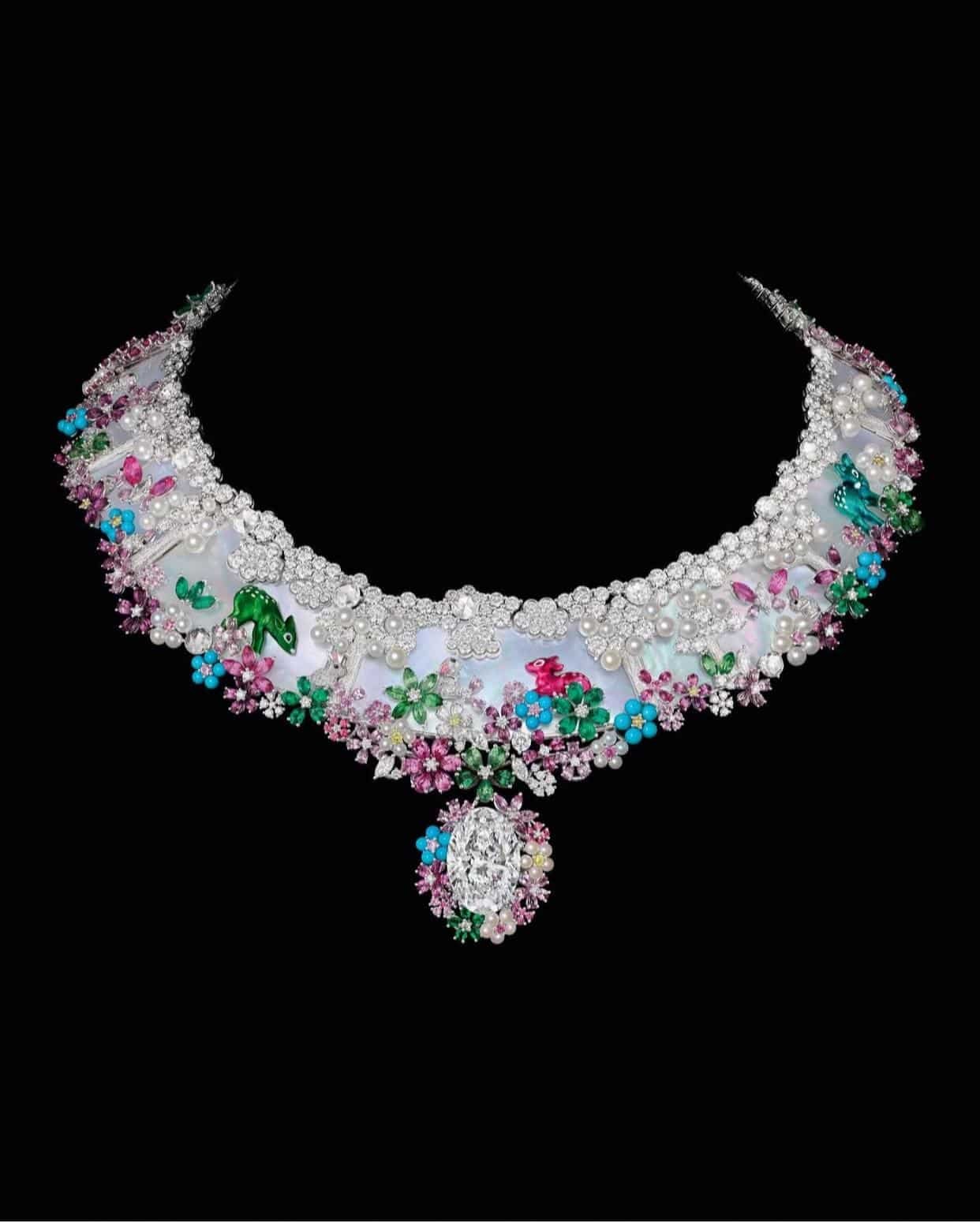
© Dior

© Dior

© Dior
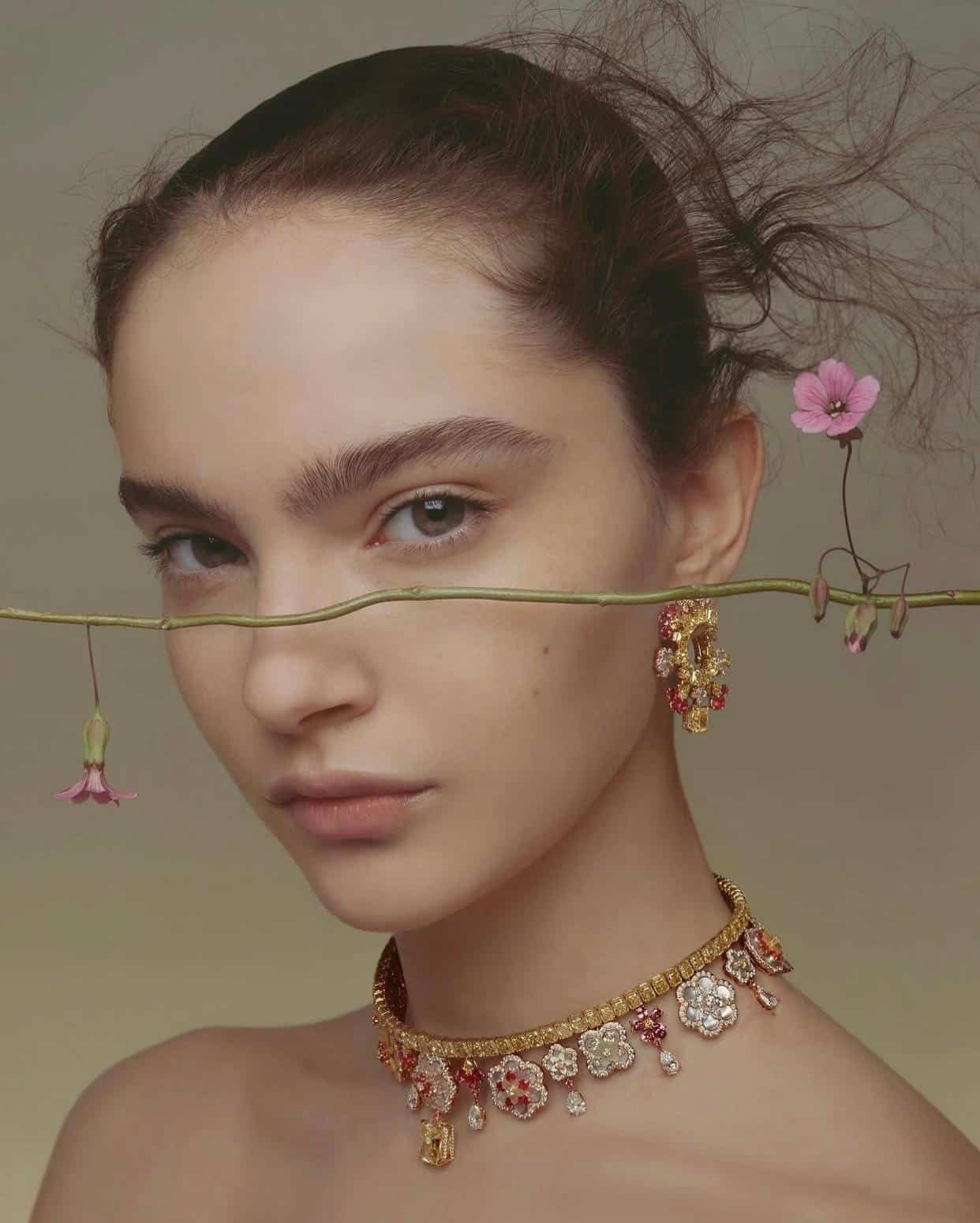
© Dior
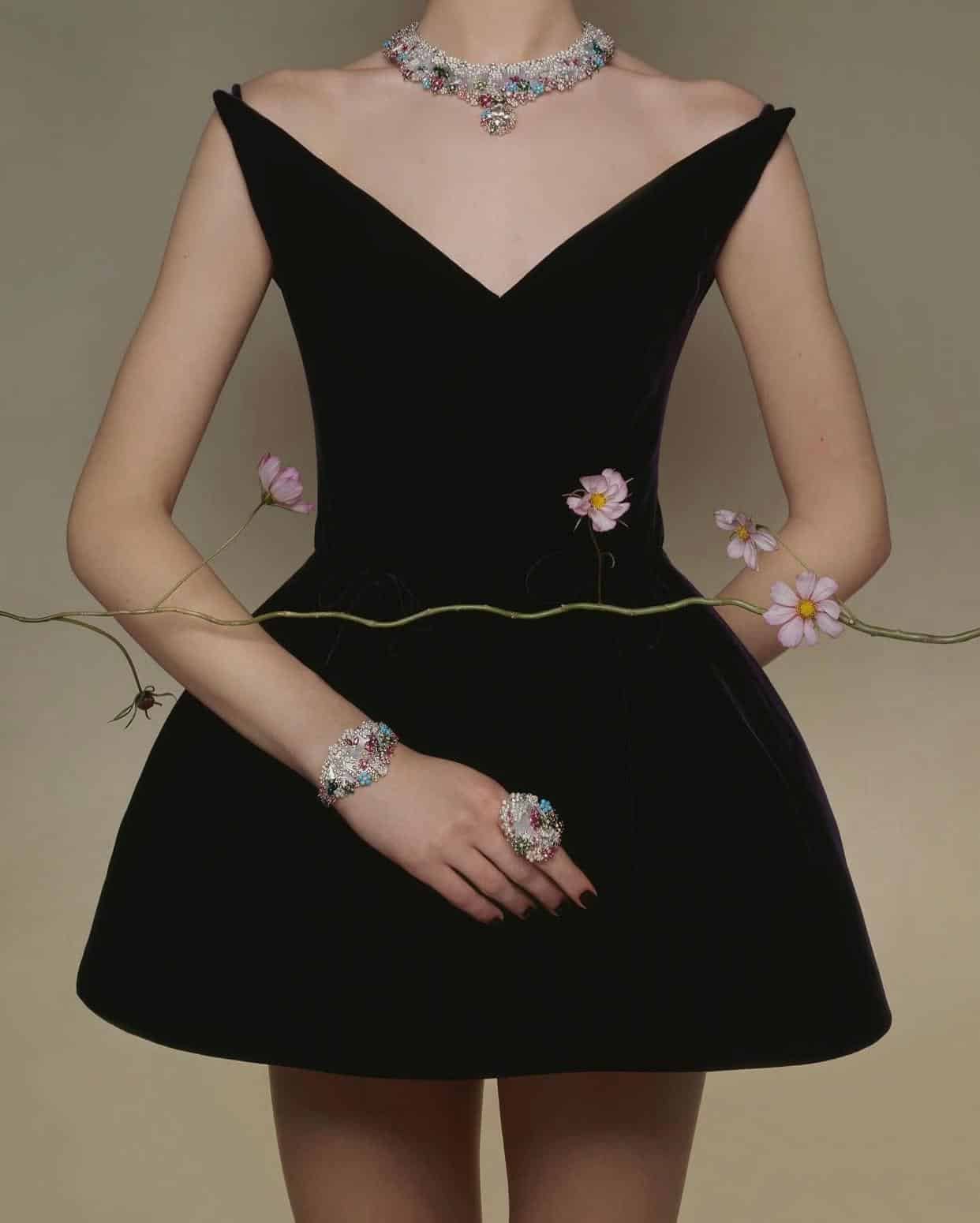
© Dior
DIOR
© Dior