
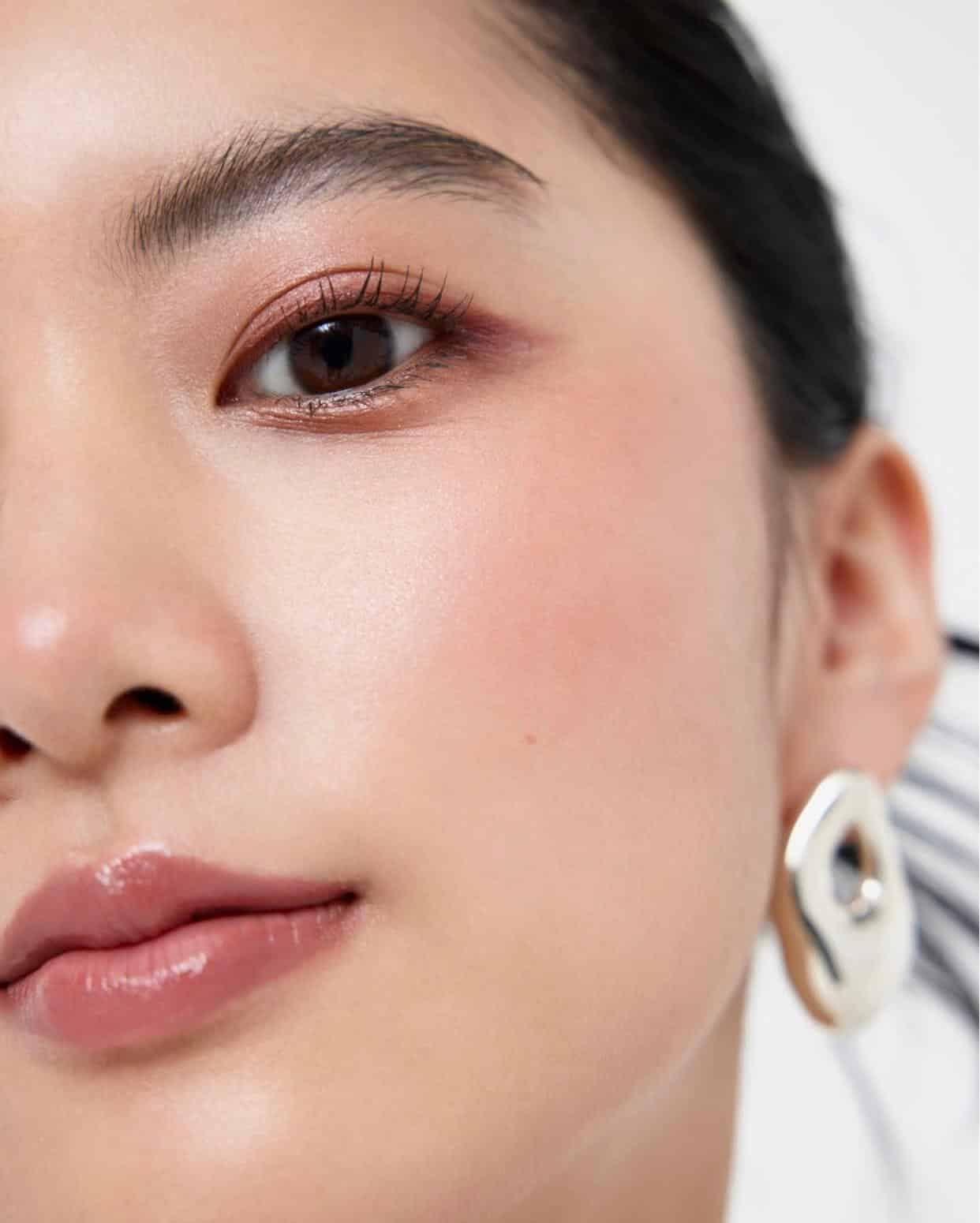
© SUQQU
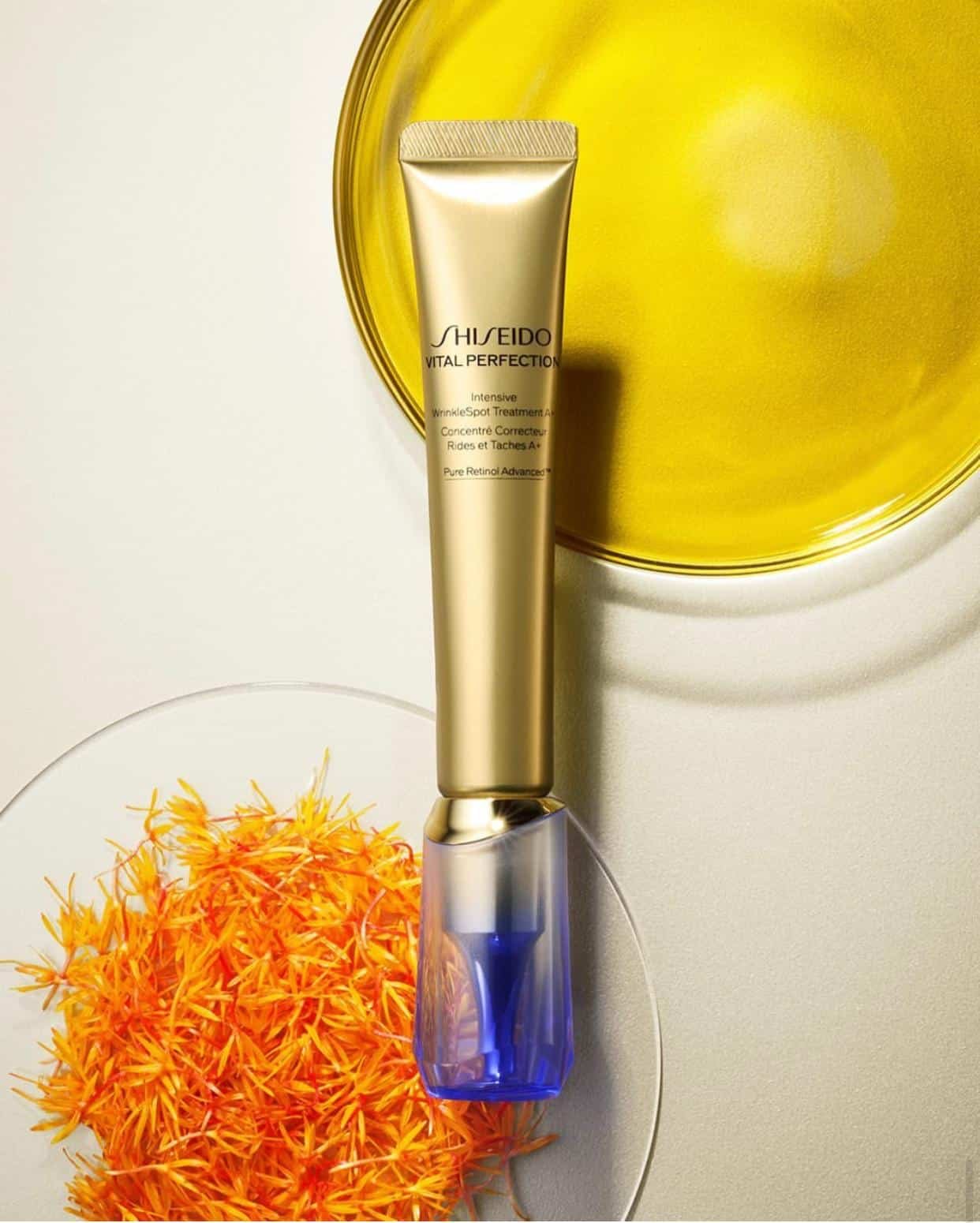
© Shiseido
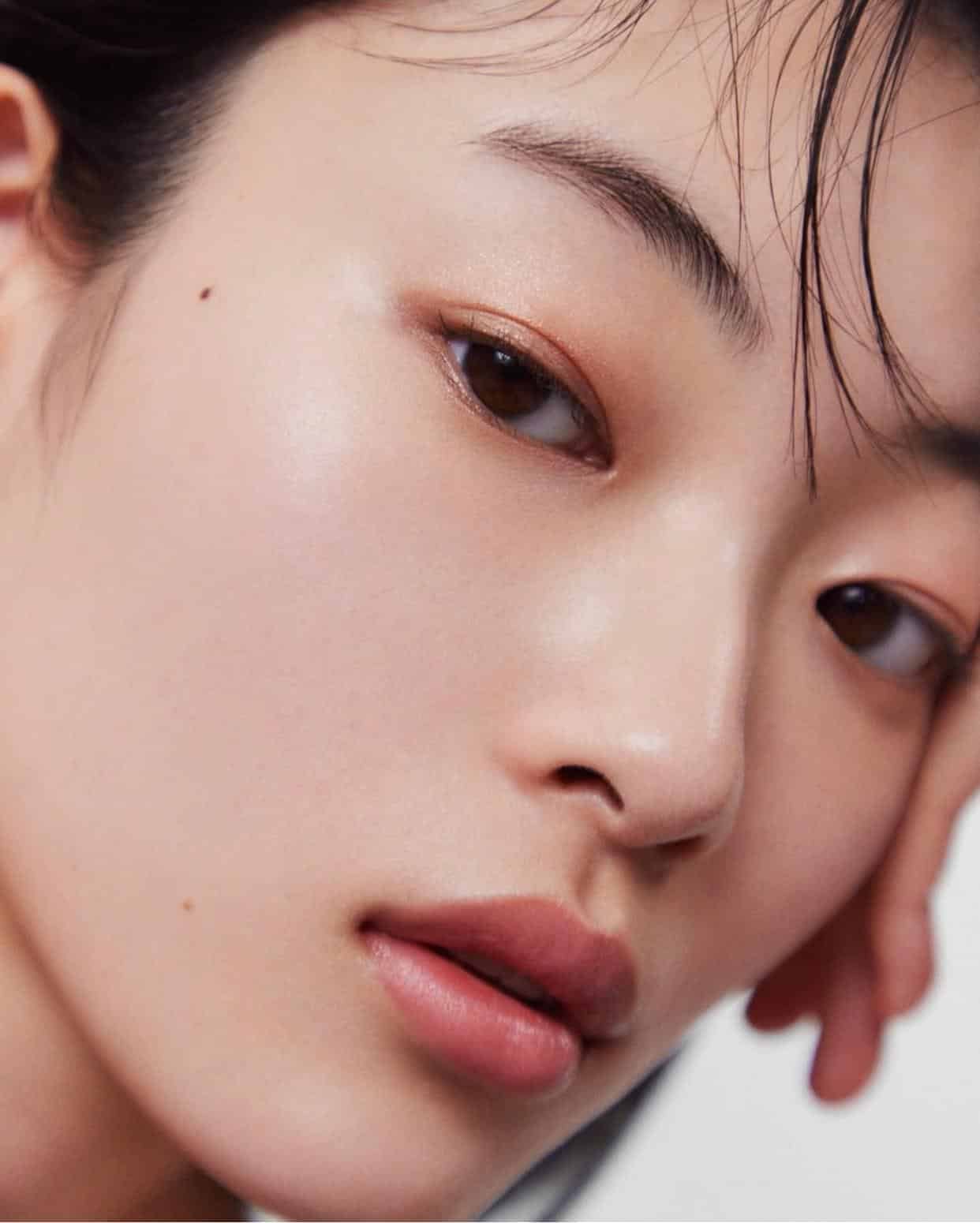
© SUQQU
Skincare
In 1872, Arinobu Fukuhara — former chief pharmacist of the Japanese Imperial Navy, twenty-three years old — opened on Ginza the first Western-style pharmacy in Japan. He named it Shiseido, in reference to the I Ching: "the earth bears life in abundance, by virtue of its great virtues." In 1897, he launched the Eudermine — a ruby-red lotion in an eight-faceted bottle, its name from the Greek for "good skin" — still sold today. This founding gesture says everything: Japanese beauty is not a trend. It is a philosophy — the encounter of Eastern wisdom and Western science, on Ginza, for a hundred and fifty years.
The Philosophy · Prevent Rather Than Correct · Skincare As Ritual
Japanese beauty rests on a conviction that precedes by several centuries what the West today calls "clean beauty" or "slow beauty" — the conviction that caring for one's skin is a long-term act, not an emergency correction. Japanese layering — the practice of skincare in several successive layers, lotion then essence then serum then cream, each stratum allowing the next to penetrate more deeply — is not a routine invented by brands. It is a philosophy of patience applied to the face. The skin, in the Japanese tradition, is cultivated like a garden — with regularity, with gentleness, without brutality. This relationship to skincare explains why Japanese women have some of the best-preserved skin in the world at every decade of their lives — not through a miracle product, but through a daily discipline begun early and maintained without interruption. And it explains why the skincare market in Japan is the third largest in the world, after the United States and China — not through vanity, but through culture. Taking care of one's skin in Japan is as natural as brushing one's teeth. It is not a luxury category. It is a daily gesture — and in its most elaborate expressions, an art.
1872 · Ginza · Shiseido · The Birth Of Modern Japanese Beauty
When Arinobu Fukuhara chose Ginza to open his pharmacy in 1872, the district was in the midst of post-fire reconstruction, in the Western style of the Meiji era. It was the precise place where East and West met in the Tokyo of the time — and that is precisely what Shiseido wanted to be. The name itself is a programme: Shiseido comes from the I Ching, the Chinese classic of the first millennium BC, and means that the earth produces life by virtue of its great virtues — a philosophy of nature as the source of beauty, long before global brands discovered the marketing of the natural. In 1897, the Eudermine — a ruby-red lotion in an eight-faceted bottle, its name composed of the Greek words "eu" and "derma", good skin — was launched. It is still sold today, with a refined formula but an almost identical bottle. In 1902, Japan's first soda fountain was installed in the pharmacy — imported from the United States, it says that Shiseido thinks of beauty as a total experience, not only as a product. The Shiseido Parlour, born of this soda fountain, is still open on Ginza. These hundred and fifty years of history at the same address say something essential about the way Tokyo thinks of beauty — not as a trend, but as a continuity.
The great Japanese skincare Houses share the same way of thinking about formulation — science in the service of nature, not in place of it. Shiseido and its Ultimune technology — a serum that reinforces the skin's natural defences by activating memory T-cells — is the brand's best-selling product since its launch, reformulated in 2022 with the Power Fermented Camellia, extracted from the camellia of the Goto Islands through a patented fermentation process. Clé de Peau Beauté — Shiseido's prestige subsidiary, founded in 1982 — builds its formulas around the Skin-Empowering Illuminator, a patented active that works on cell-to-cell communication to produce a luminosity that surface correctors cannot reach. SK-II owes its founding active — Pitera — to a discovery in the 1970s at a sake brewery: scientists noticed that the elderly brewers had wrinkled faces but the hands of teenagers. Five years of research across three hundred and fifty yeast strains to isolate the Galactomyces. The formula of the Facial Treatment Essence has not changed since 1980. SUQQU, born in 2003 from the hands of Japanese film makeup artists, built its entire skincare line around a gesture — the Gankin Massage, which works the muscular and bony structure of the face before the application of the product.
Dior Prestige in Tokyo is the most precise expression of what the French House can offer the Japanese market — a market whose clientele knows actives better than most Western dermatologists. The Rose de Granville — selected from forty thousand varieties after seven successive hybridisations, cultivated twenty kilometres from the Villa Les Rhumbs where Christian Dior grew up — is the central active of the Prestige range. Its sap is four times more effective than retinoic acid according to Dior studies. In 2022, the Rosapeptide was launched — a patented peptide extracted from the rose, acting on cellular communication with a molecular precision that the Japanese skincare market is particularly equipped to appreciate. Dior's Scientific Council includes researchers from Kyoto — a signal deliberately sent to the Japanese market. Dior Snow, developed specifically for Asian markets with the EPI Reveal technology, addresses a central concern in Japanese beauty culture for centuries: the clarity and evenness of the complexion.
Japanese layering is not a routine invented by brands to sell more products — it is a philosophy of the skin built over centuries of practice. Double cleansing first — cleansing oil then foaming cleanser — to prepare the surface. Then the Japanese lotion, which is not an astringent toner as in the West but a first layer of hydration that prepares the skin to receive what follows. The essence next — a light texture, high concentration of actives — that penetrates into the deeper layers. The serum. Then the cream. Each layer denser than the one before, each texture built to let the next one through. The beauty ideal that results — the mochi skin, supple and plumped like the surface of a mochi — is the opposite of the glossy Korean glass skin. It is a skin that glows from within, not from the surface. And in the background of every Japanese skincare ritual: the culture of the bath. The onsen — natural mineral hot springs — and the ofuro — the daily bath at home — are beauty rituals as fundamental as applying a cream. The skin, in the Japanese tradition, prepares itself to receive care as much as it receives it.
Japanese beauty is often described as the alliance of tradition and science — but this formula does not say enough about the precision of that alliance. Fermentation is the most telling example. The Japanese have used fermentation processes for millennia — in cooking, sake, miso — and Japanese beauty laboratories have adapted this mastery to cosmetics. Shiseido produced in 1983 the first hyaluronic acid at industrial scale through bacterial fermentation — a technology that would become the global standard for moisturising skincare. SK-II isolated the Galactomyces in the 1980s after five years of research on brewery yeast strains. In 2022, Shiseido launched the Power Fermented Camellia — extracted from the camellia of the Goto Islands through a patented fermentation process that multiplies the concentration of actives without denaturing the plant. These innovations are not marketing coups — they are the result of decades of fundamental research at centres such as the Shiseido Global Innovation Center in Yokohama. Japanese beauty thinks formulation scientifically, with the same rigour as a pharmaceutical laboratory — and sensorially, with the same attention to texture and touch as a craftsperson.
The Japanese skincare clientele is, according to the brands that sell there, the hardest to convince and the most loyal once convinced. It reads INCI compositions with a precision that few Western clienteles possess. It knows the difference between high molecular weight hyaluronic acid and low molecular weight hyaluronic acid. It knows why a serum is applied before the cream and not after. And it does not forgive a product that promises without delivering. This exigence comes from a culture of skincare that begins very early — Japanese beauty rituals are transmitted from mother to daughter since adolescence — and that never stops. A sixty-year-old Japanese woman with the skin of a forty-year-old has not found a miracle secret. She has simply maintained a daily discipline for thirty years. The department stores — Isetan Shinjuku, Mitsukoshi Ginza — function in skincare as they do in jewellery or fashion: their buyers select brands and ranges with editorial rigour, and a House referenced in the Isetan beauty department has received a validation worth more than any press campaign.
Gloss Tokyo covers skincare in Tokyo to the same standard as every other category on the platform — an unexpected and verified factual hook for each House, grounded in primary sources, that reveals something about the brand's history and its actives that official communications do not always tell with this density. The discovery of Galactomyces in a sake brewery in the 1970s and the five years of research that followed. Shiseido's Eudermine launched in 1897 and still sold in the same eight-faceted bottle. SUQQU's Gankin Massage born of film makeup artists' questions about the durability of skincare. The hyaluronic acid produced by Shiseido in 1983 — the first in the world through bacterial fermentation. These hooks are not anecdotes — they are the foundations of a reading of each House that explains why it is in Tokyo, and why the Tokyo clientele has accorded it its trust. The skin deserves writing at the level of what it is — alive, precise, slow to convince and loyal when it is.
In 1872, Arinobu Fukuhara opened on Ginza
the first Western-style pharmacy in Japan.
He named it Shiseido — in reference to the I Ching.
In 1897, he launched the Eudermine.
Ruby-red lotion. Eight-faceted bottle.
Still sold today.
In 1902: Japan's first soda fountain.
Beauty as a total experience.
Not only as a product.
A hundred and fifty years at the same Ginza address.
Japanese beauty does not follow trends.
It precedes them.
And waits for them to return.
In the global geography of luxury skincare, Tokyo occupies a unique position — simultaneously a receiving market for the great French Houses and a territory of production for the most advanced innovations in world beauty. The Japanese invented the first soda fountain in a pharmacy in 1902, the industrial production of hyaluronic acid through fermentation in 1983, the Galactomyces as a cosmetic active in the 1980s. They transmitted from generation to generation a philosophy of skincare that says the skin is cultivated, not repaired. And they formed the most demanding clientele in the world — the one that reads INCI, knows its actives, does not believe the promises, and remains loyal for decades to a brand that keeps its commitments. A skincare House that succeeds in Tokyo has passed the most rigorous test in the industry. It has not merely sold a product. It has convinced a culture.
Ginza, 1872.
A pharmacy. A ruby-red lotion.
An eight-faceted bottle.
Still sold a hundred and fifty years later.
Japanese beauty does not grow impatient.
It knows that the skin
responds to regularity,
not to urgency.
And that the best active
is not in the bottle.
It is in the gesture
repeated every morning
for decades.
DIOR
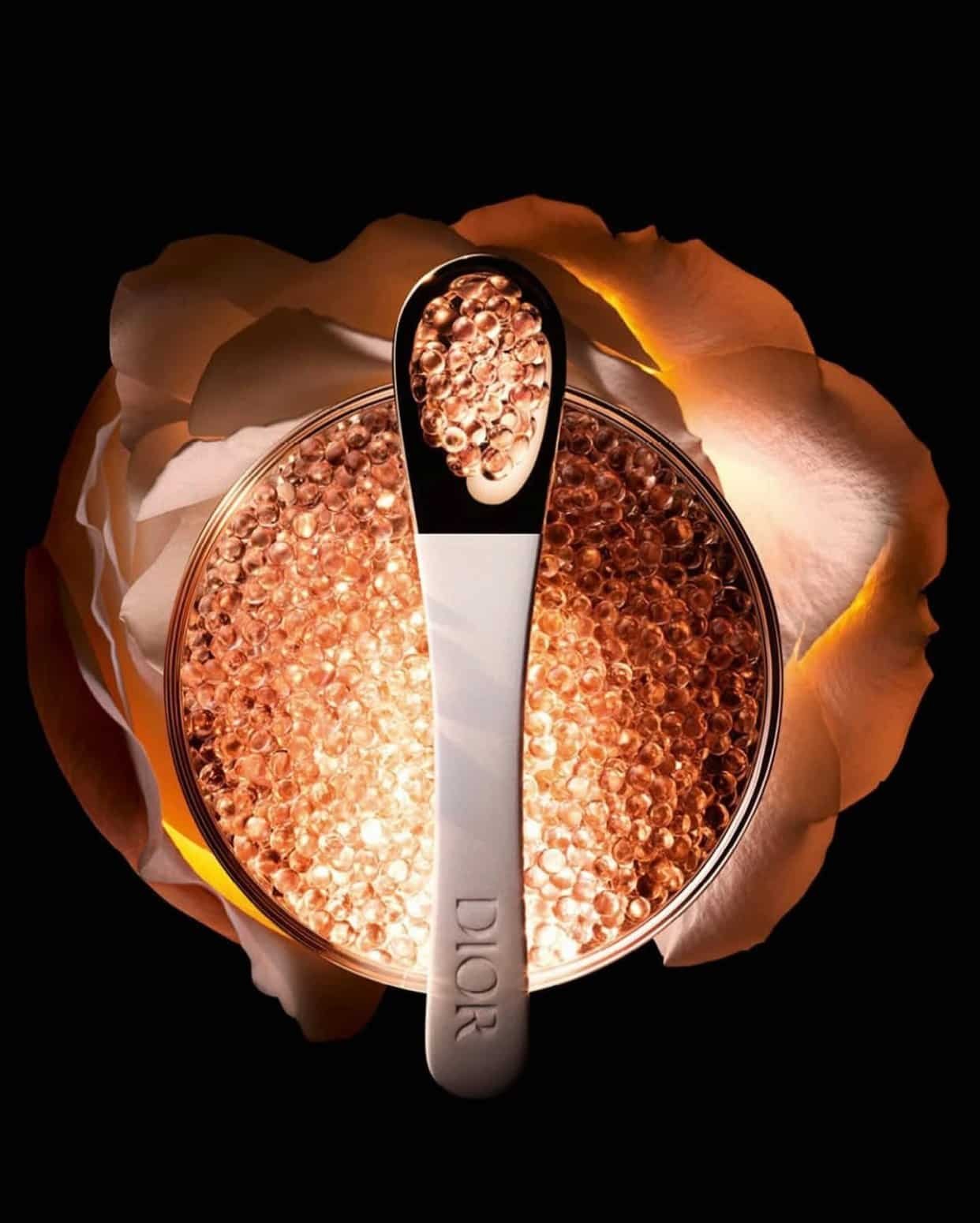
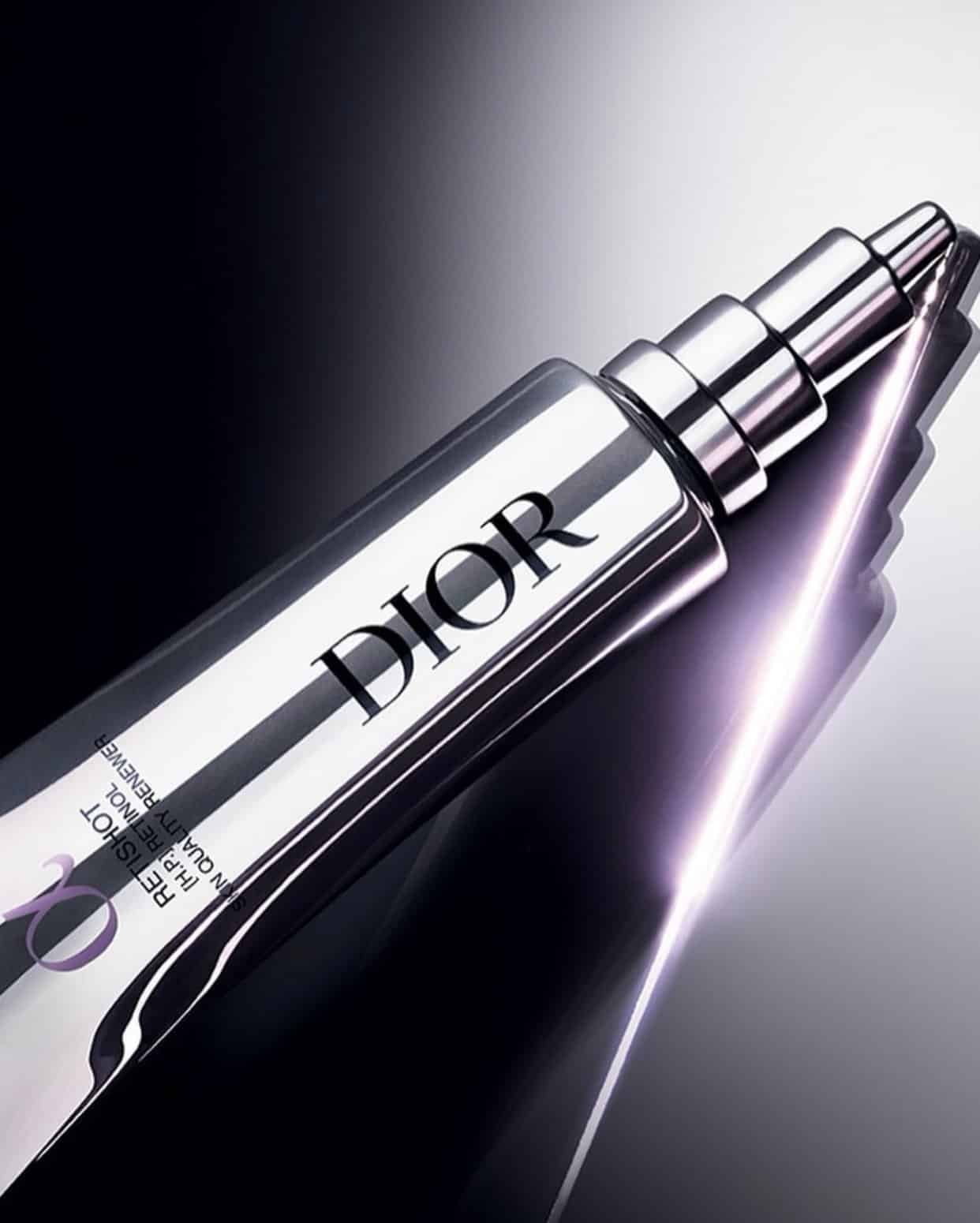

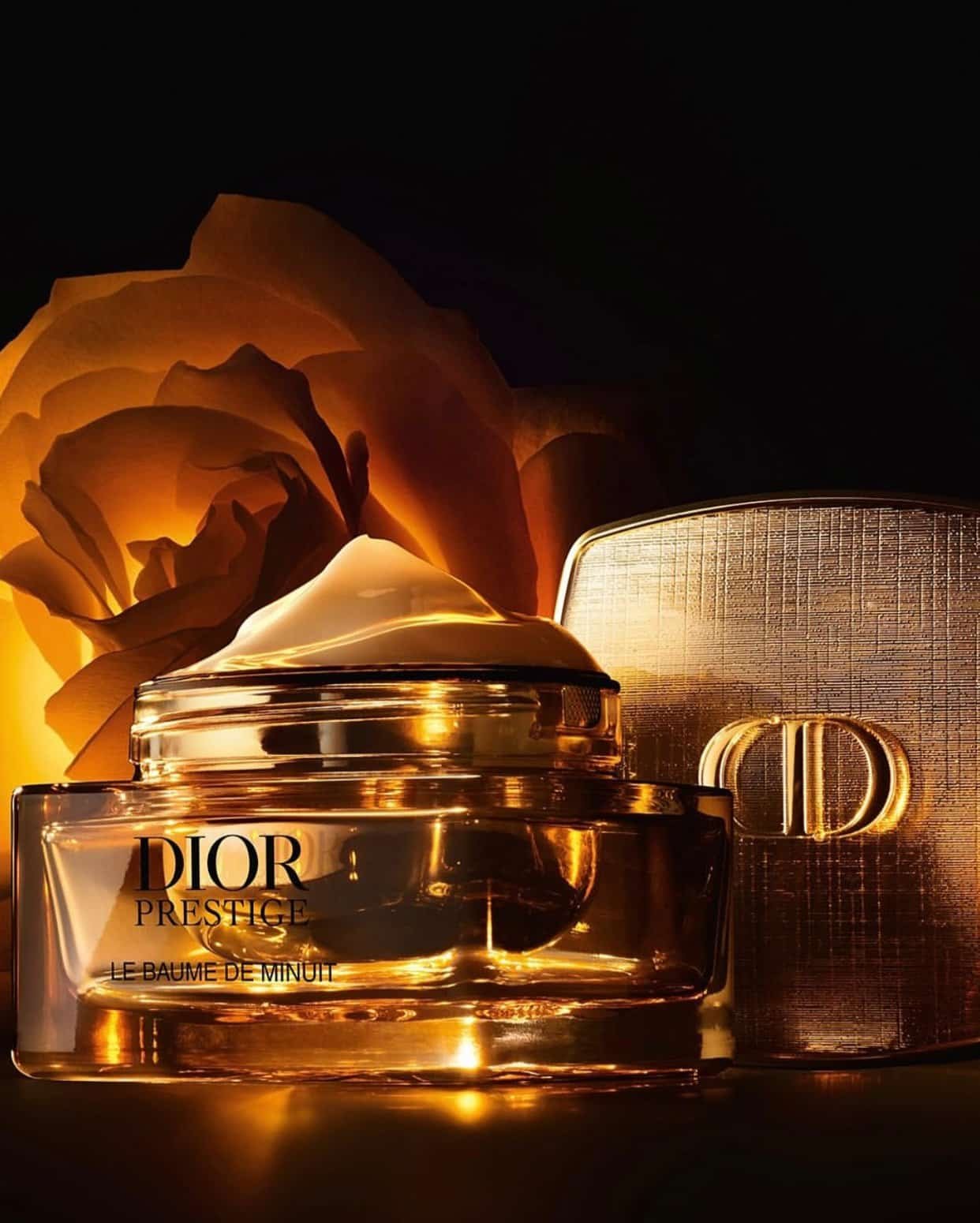
© Dior
SHISEIDO
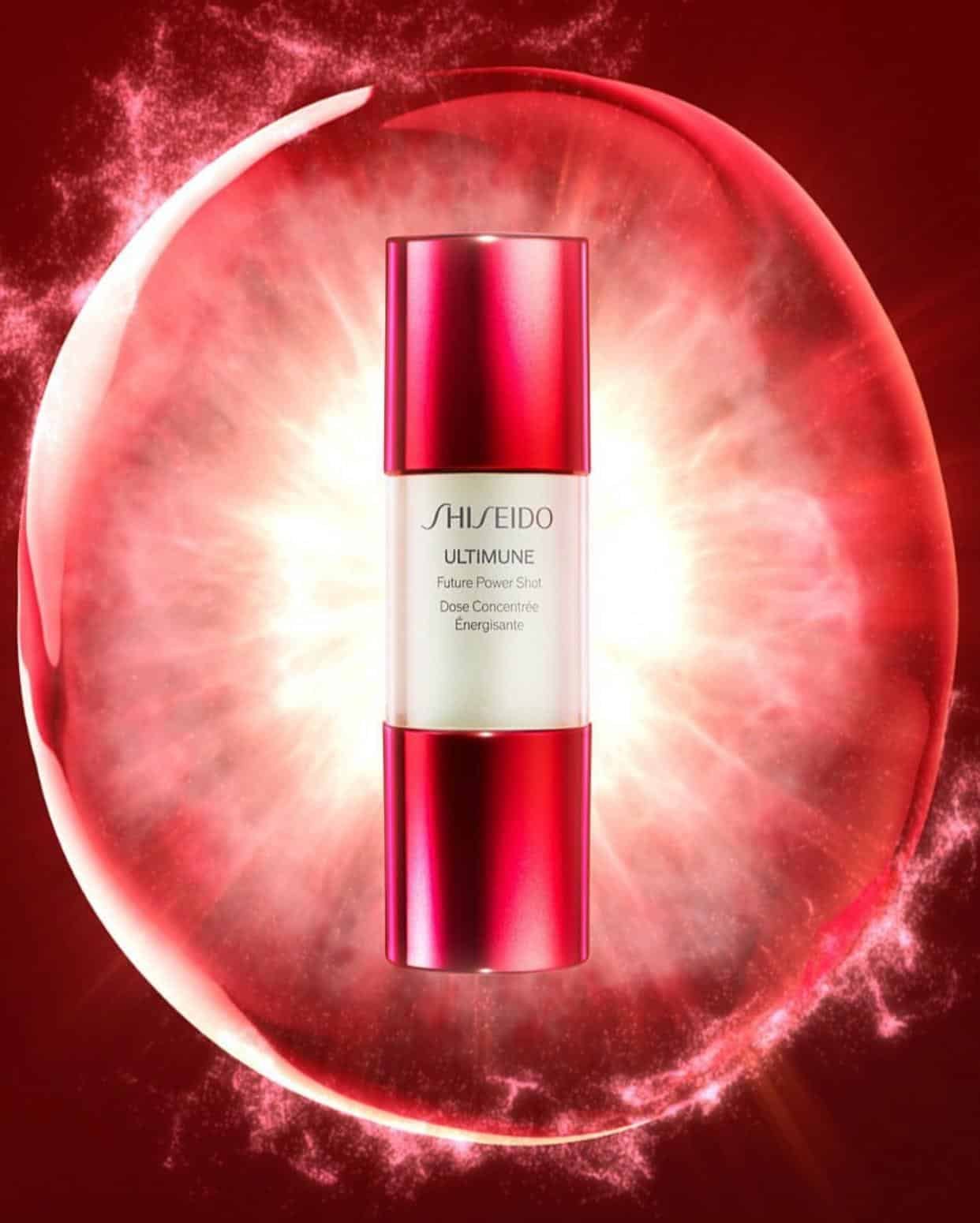
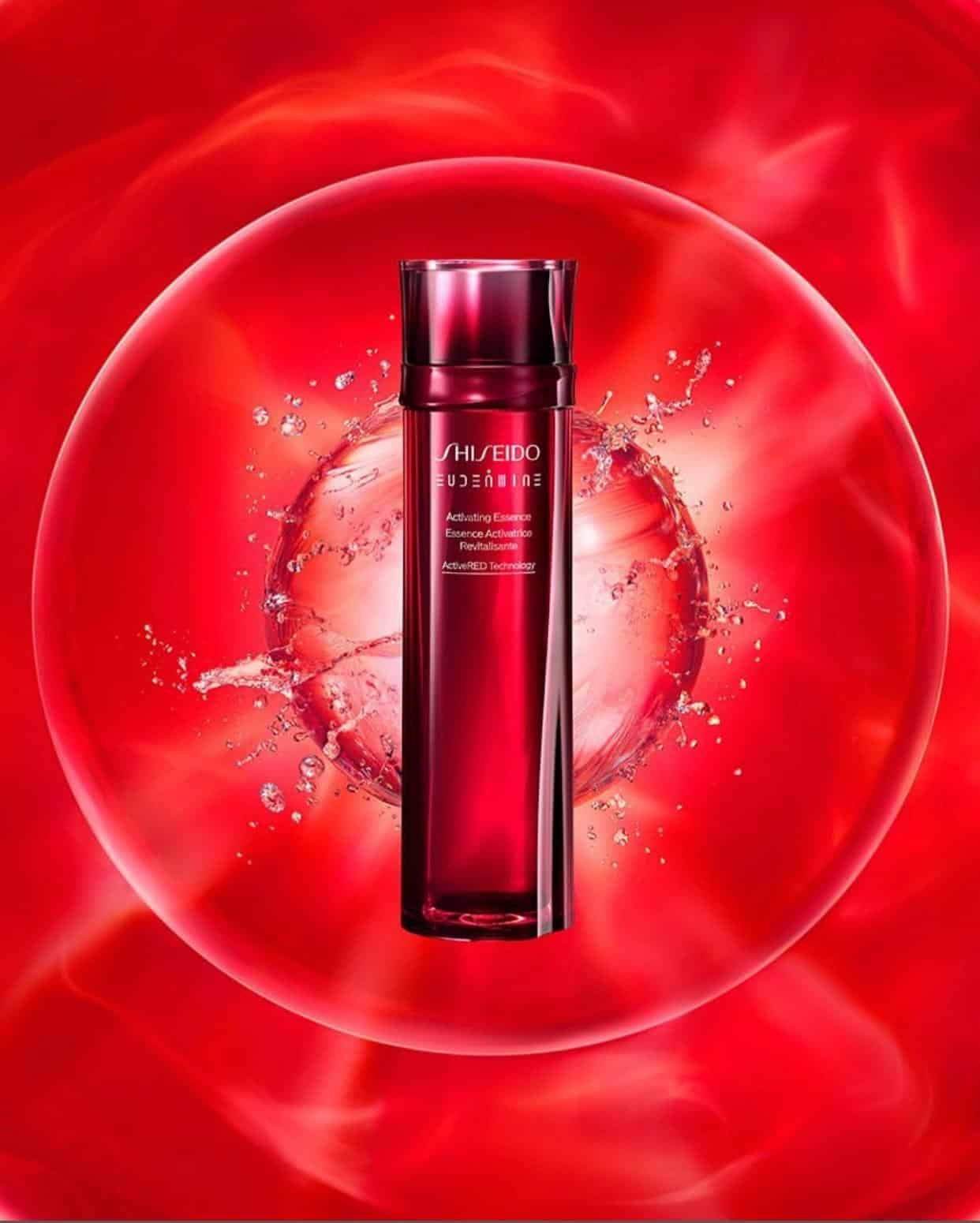
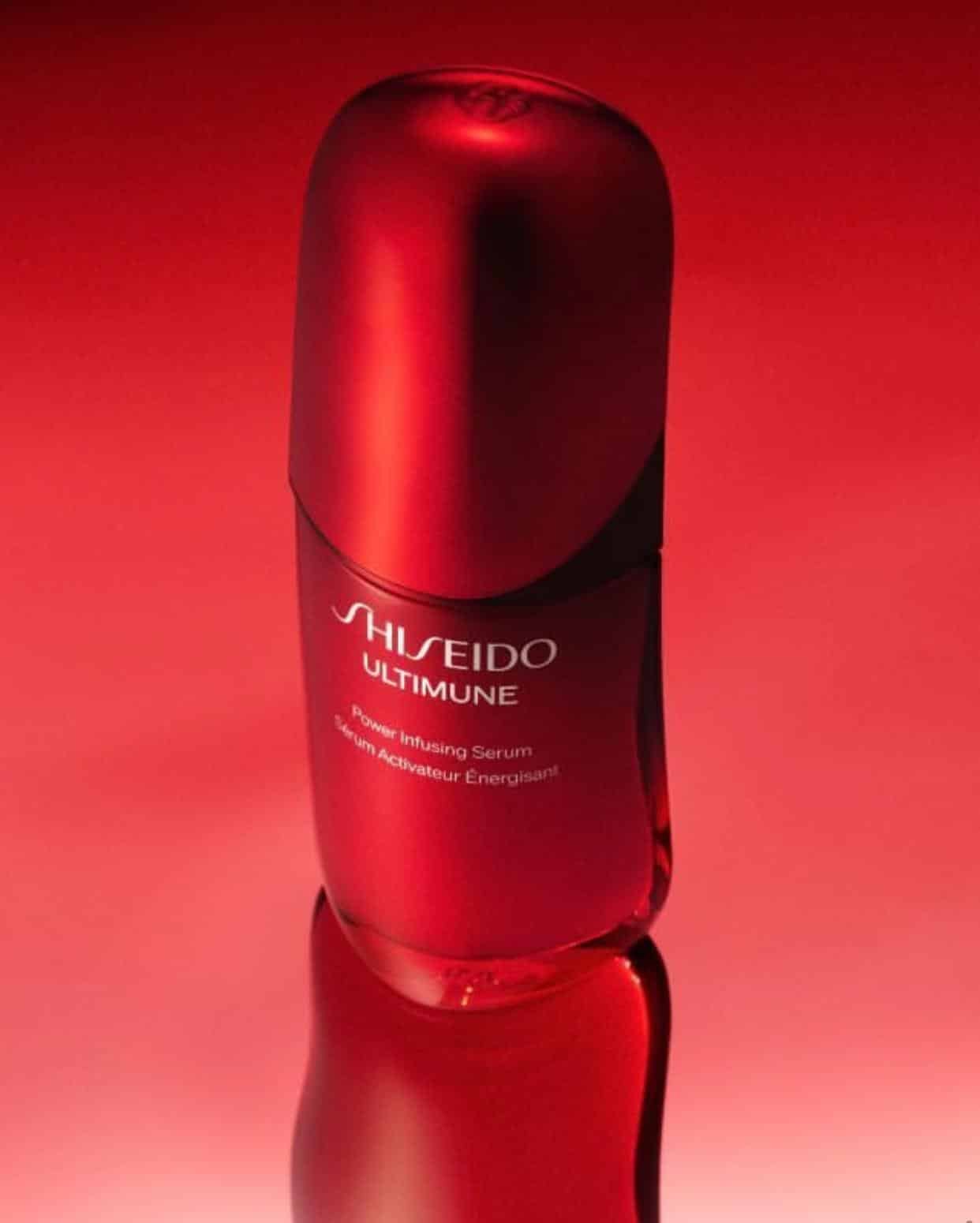
© Shiseido
SK-II

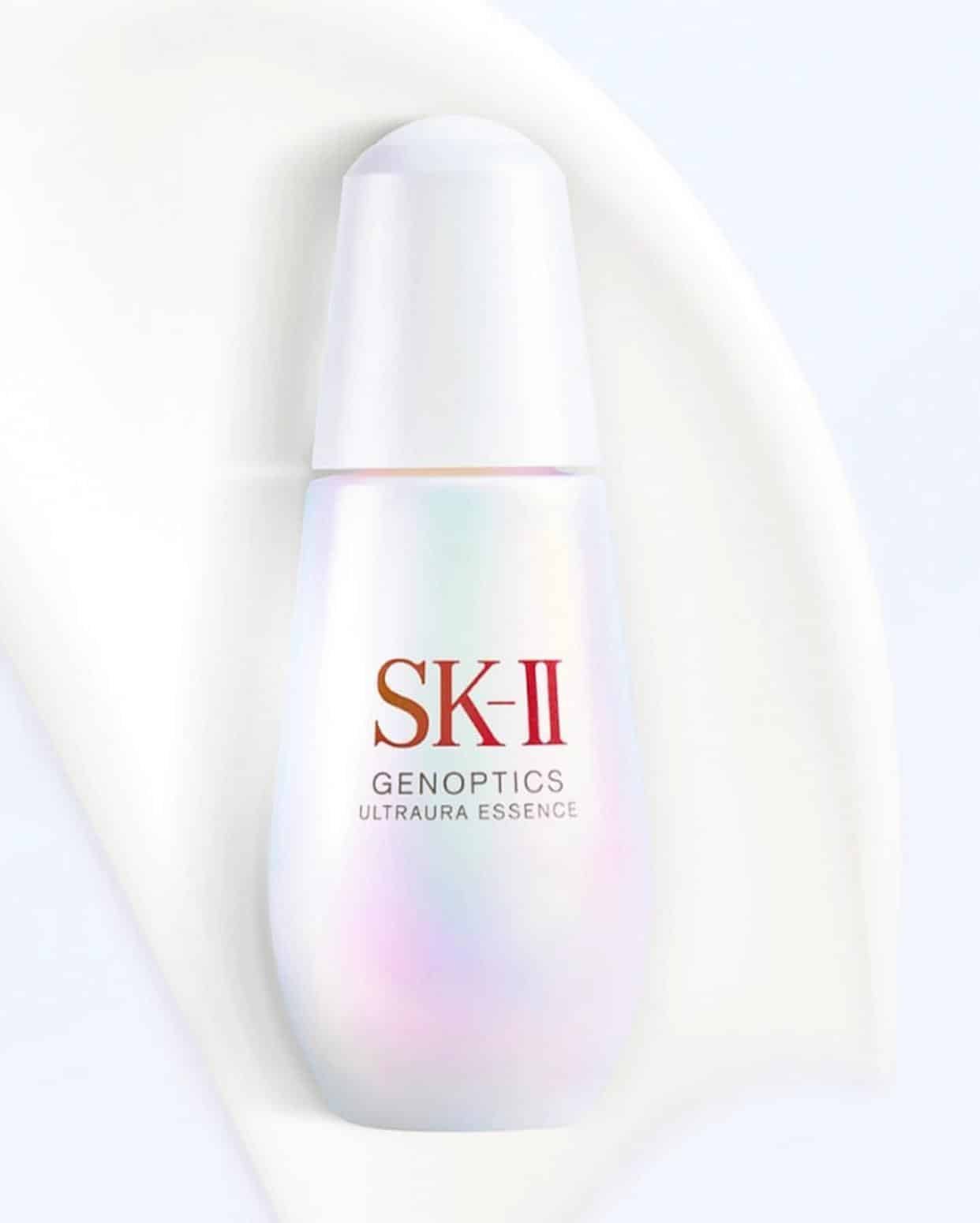
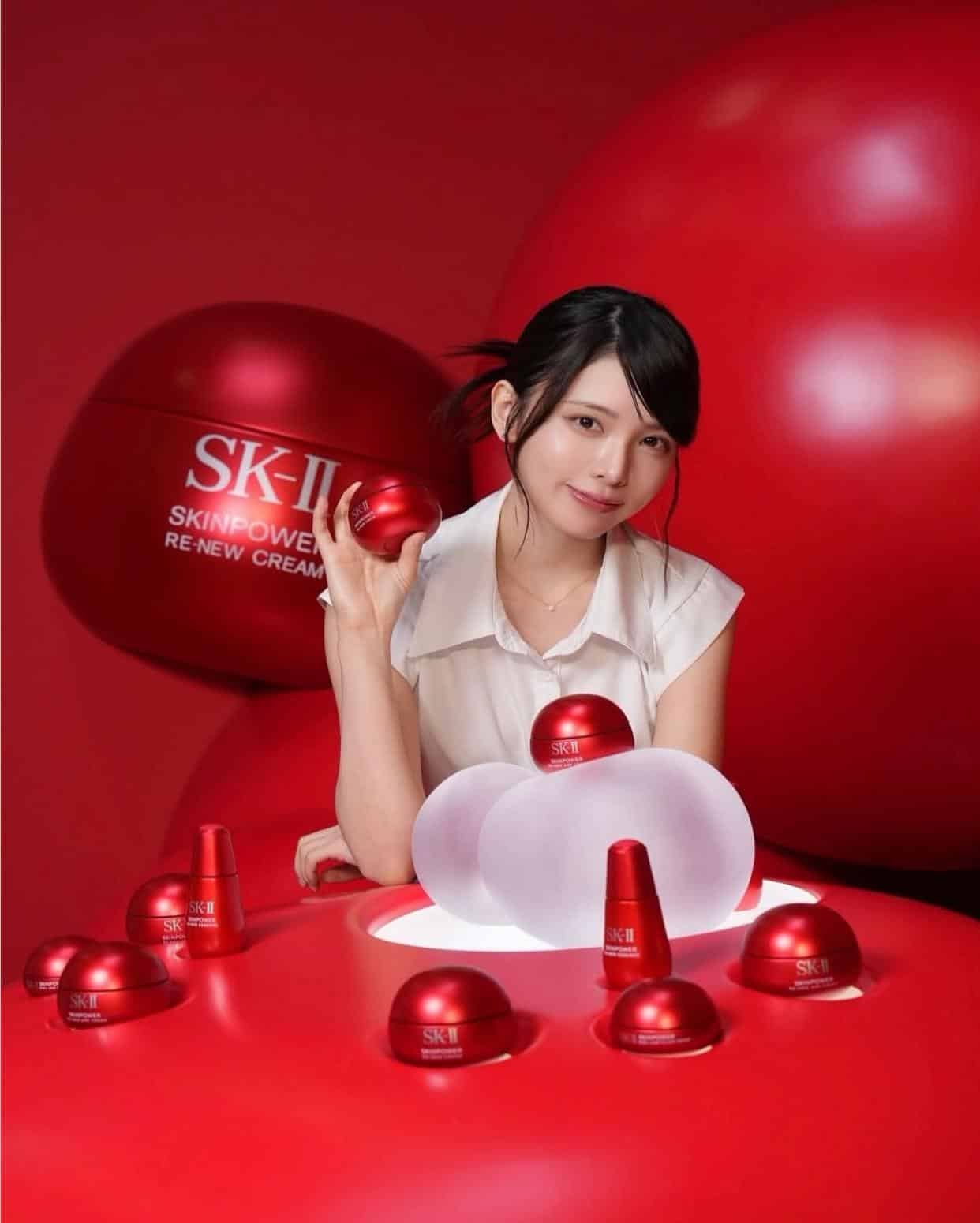
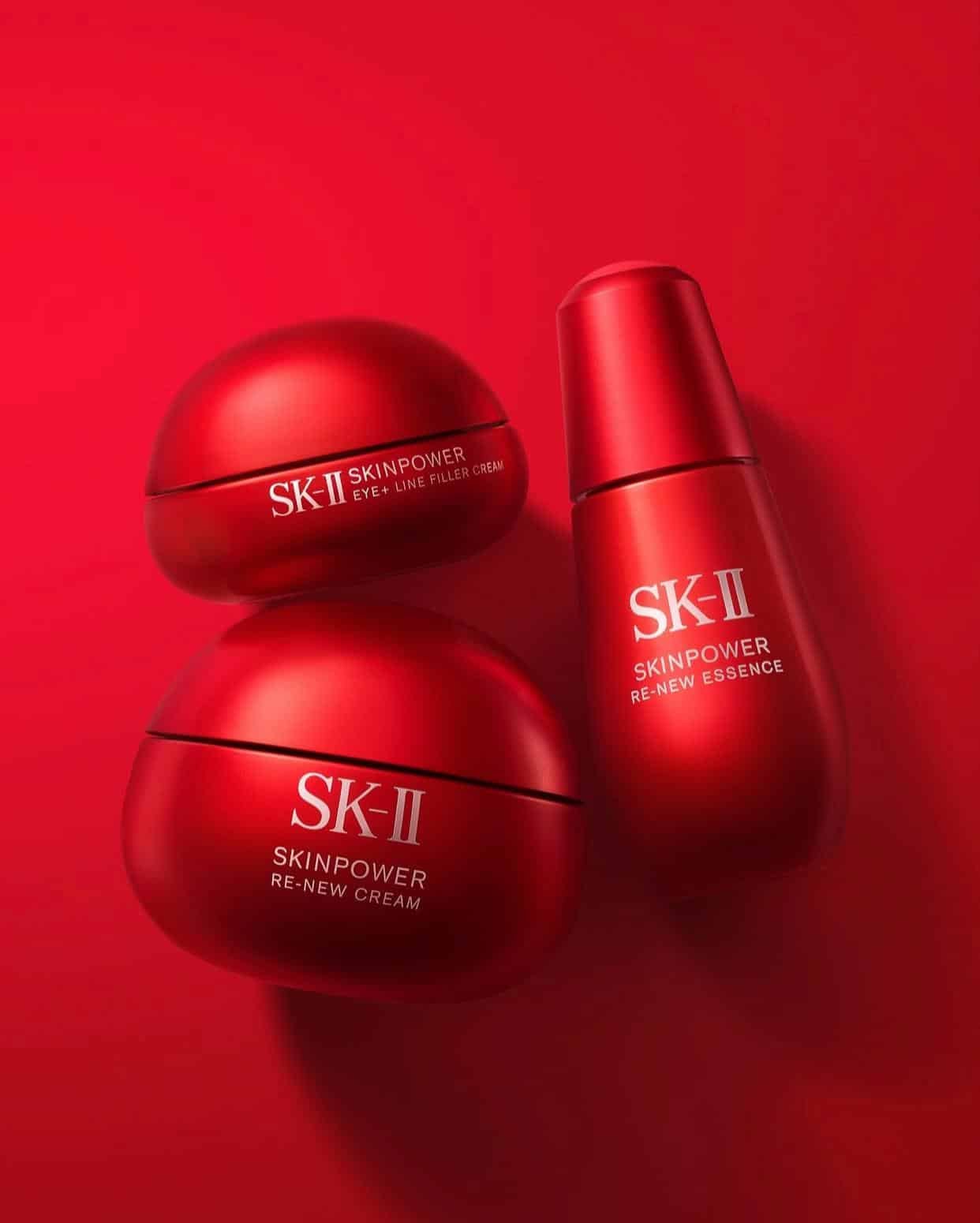
© SK-II
SUQQU
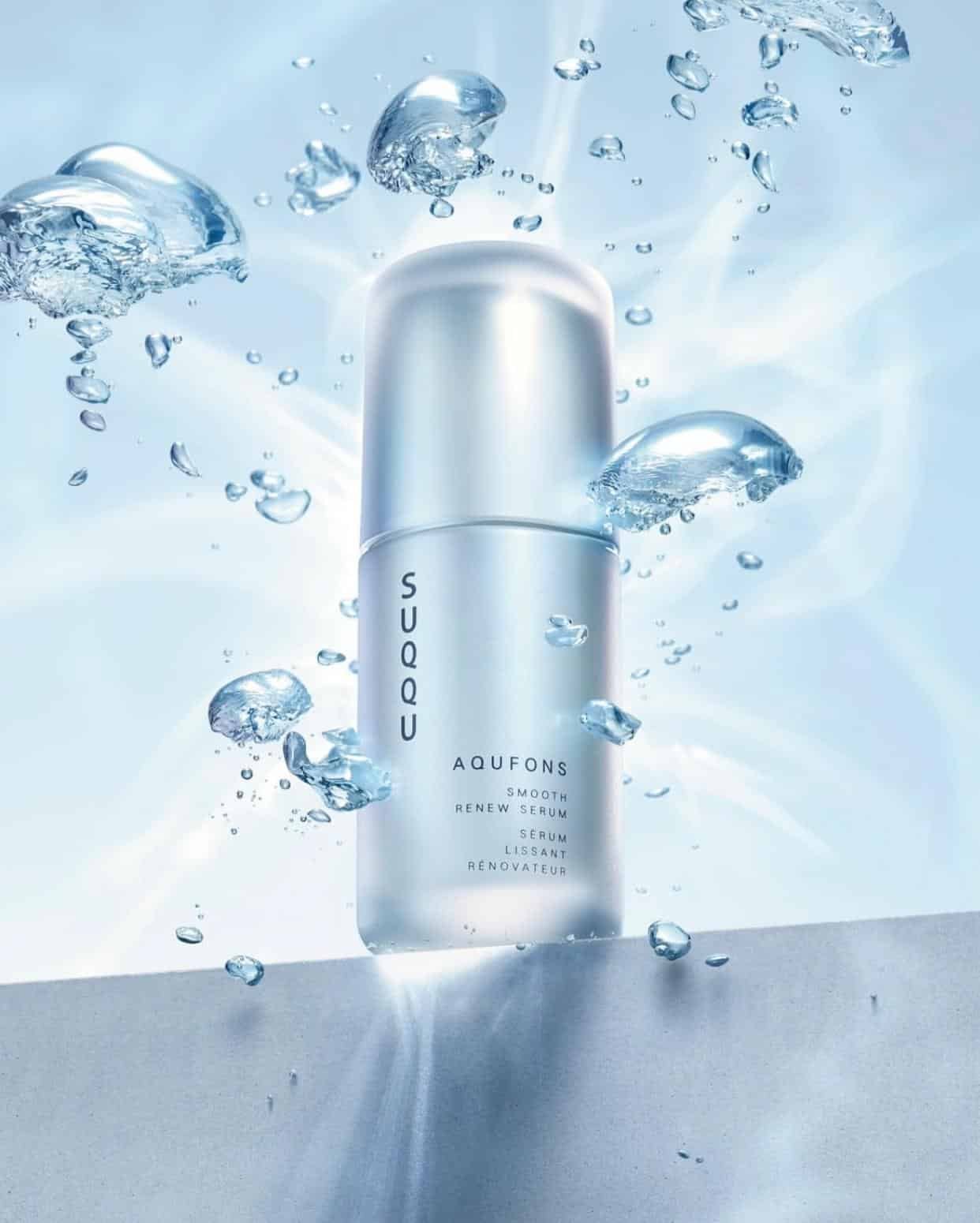

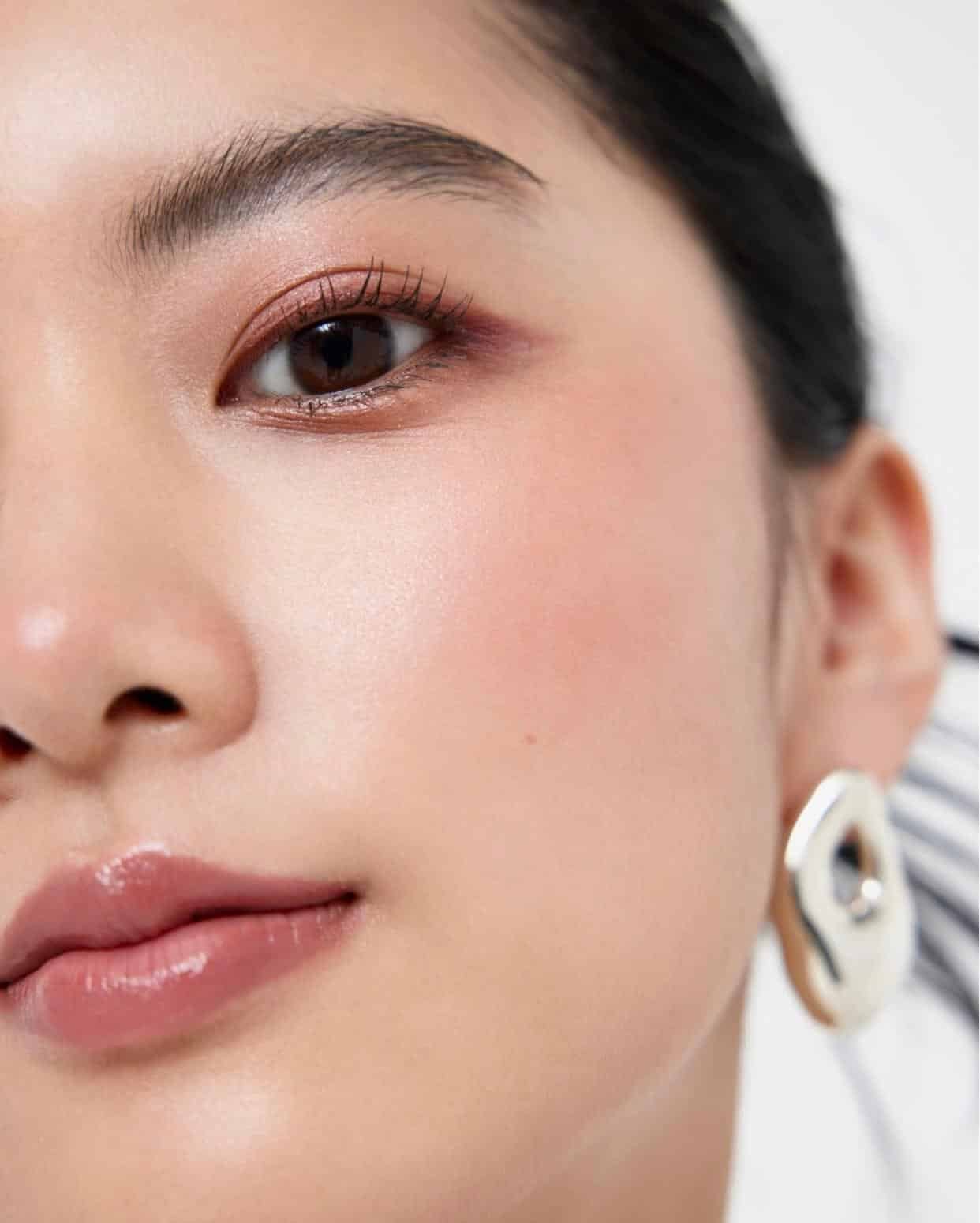
© SUQQU