
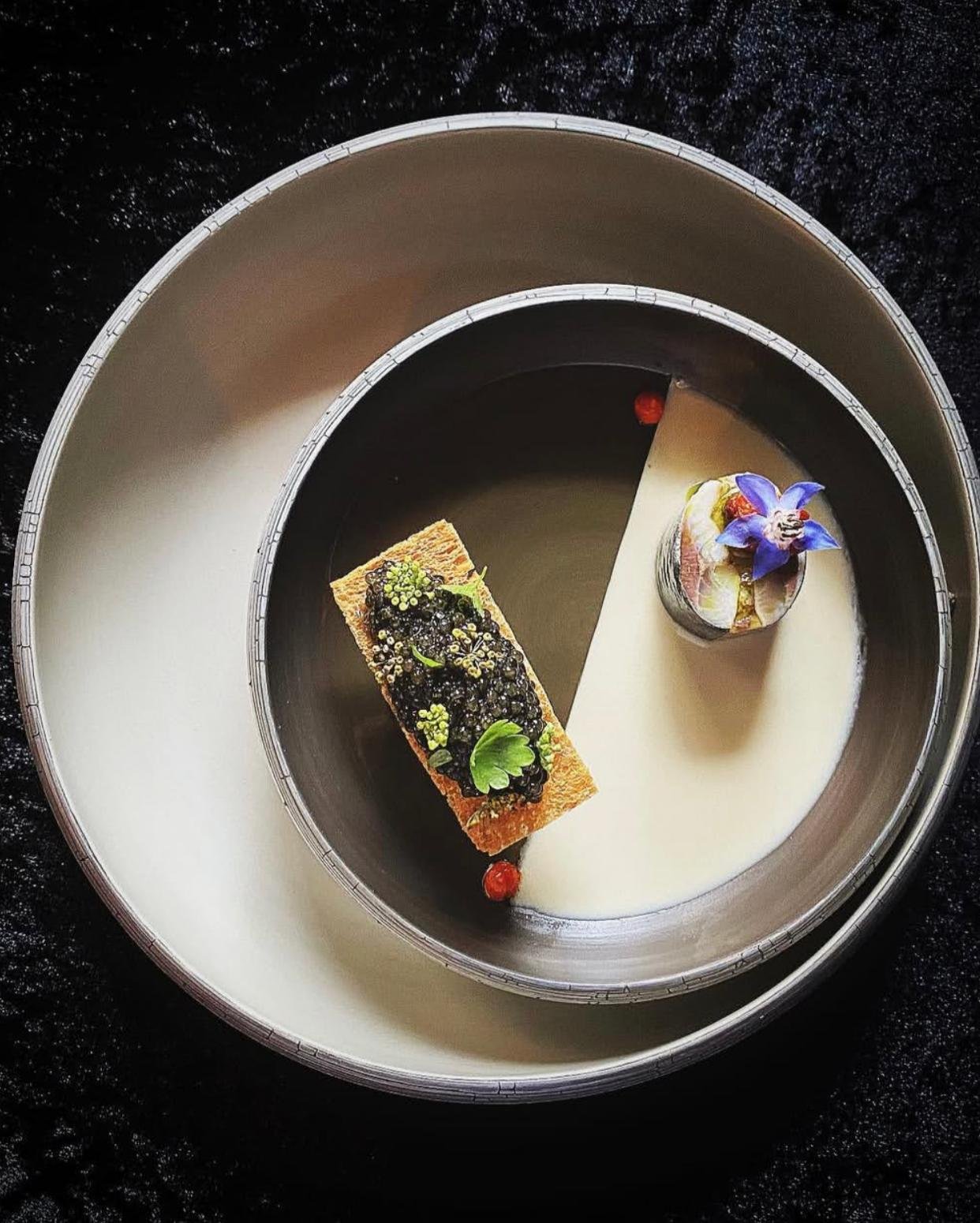
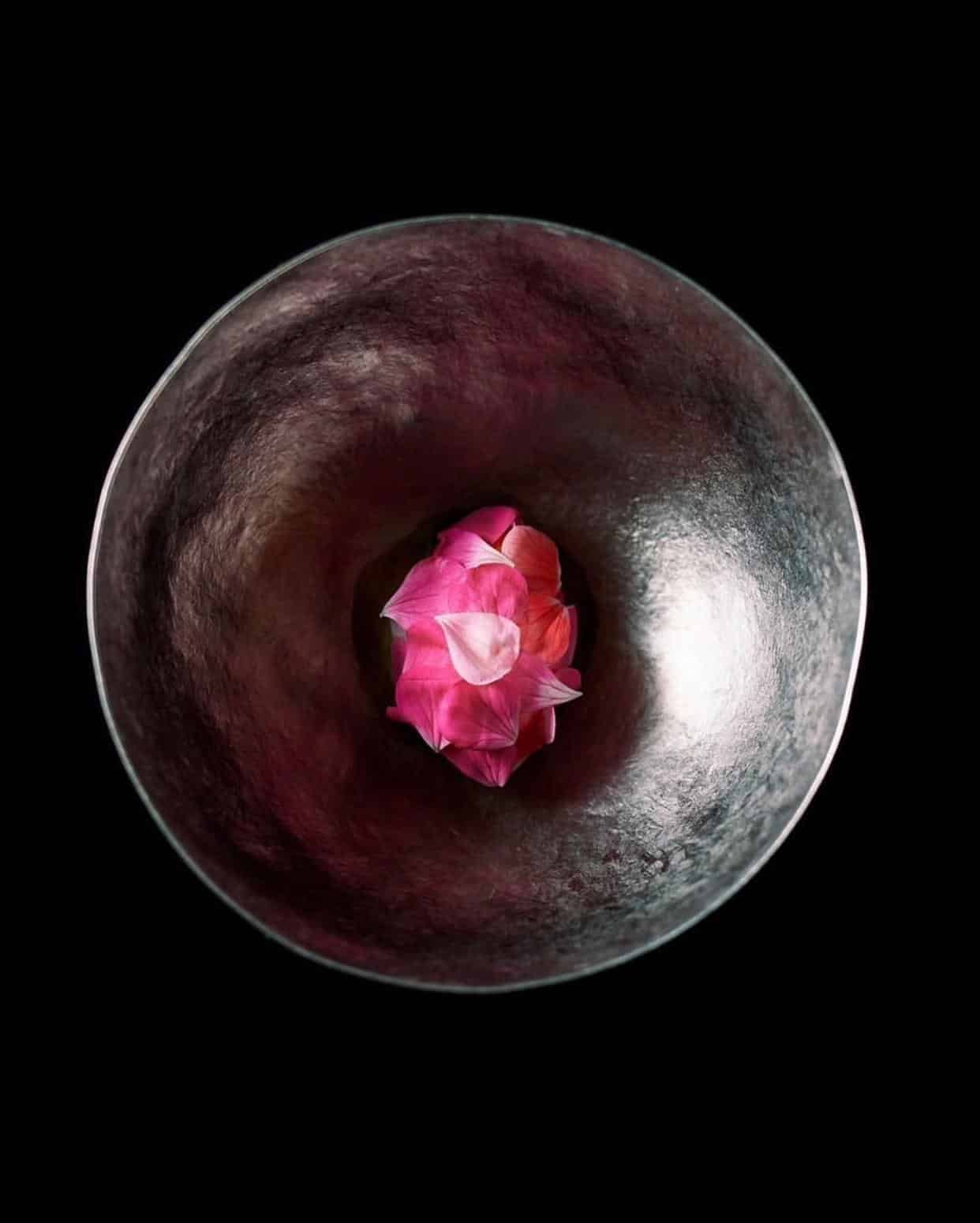
© Hommage
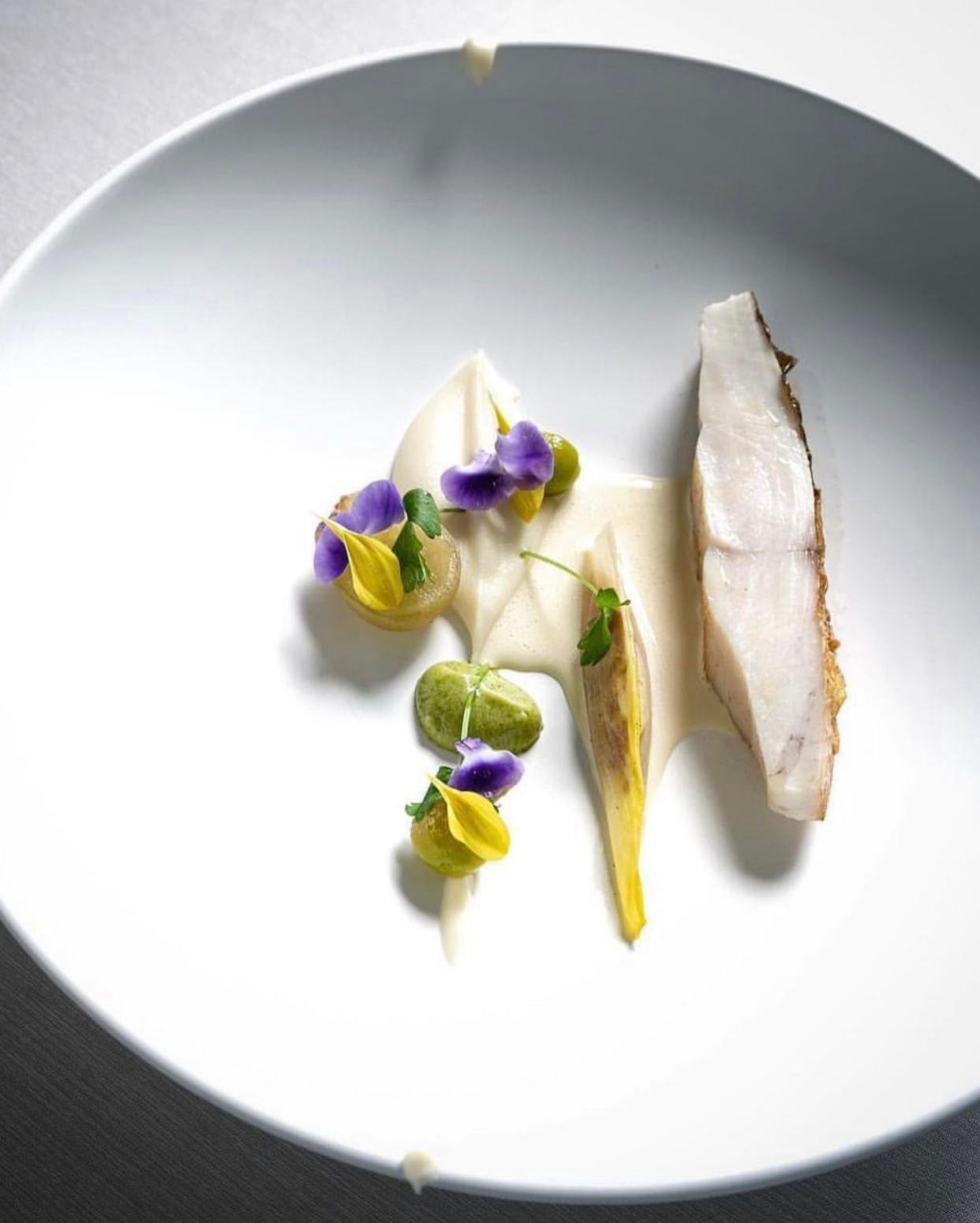
© Esquisse Tokyo
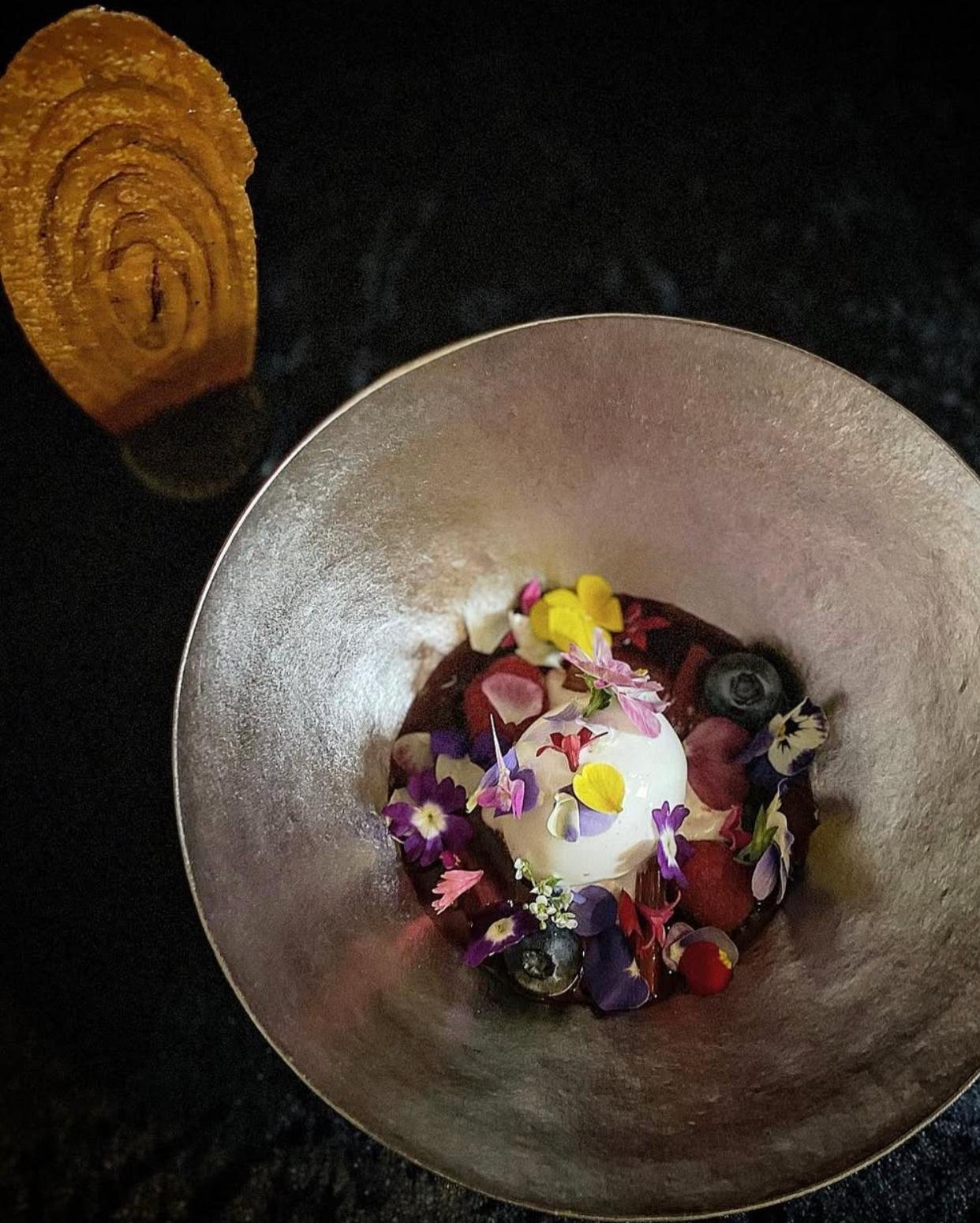
© Hommage
Fine Dining
In 2007, Michelin published its first guide to Tokyo. The city had never been rated before. When the results were announced, Paris — which had held the record for most starred restaurants in the world for the entirety of Michelin's history — was surpassed in a single edition. Tokyo received 191 stars. Paris had 64. The guide's International Director noted, without elaboration, that the inspectors had encountered something they had not encountered elsewhere. They did not explain further. They did not need to. Tokyo has held the ranking of most starred city in the world every year since — not by a narrow margin, but by a distance that has never been threatened. In 2026, the city counts 160 starred establishments. The nearest competitor has fewer than half that number.
The Philosophy · Shokunin · The Craftsman Who Does Not Stop
The Japanese word that explains Tokyo's dining dominance better than any statistic is shokunin — a craftsperson whose commitment to a single discipline is total and lifelong. The shokuninf does not diversify. He does not open satellite restaurants in other cities, does not publish a memoir before the age of seventy, does not accept speaking engagements during service. He comes to work before anyone else and leaves after everyone. In the 2026 Michelin Guide Tokyo, the Mentor Chef Award was given to Kenjiro Kanemoto — fifth-generation owner of the one-starred eel restaurant Nodaiwa Azabu Iikura Honten. He is ninety-seven years old. He is the oldest active Michelin-recognised chef in the world. He is still in service. This detail does not require commentary. It is simply the most precise description available of what Tokyo's relationship to culinary discipline actually means — not as a cultural value communicated through branding, but as a daily fact, maintained across nine decades, in an eel restaurant in Azabu.
2007 · The First Edition · Paris Surpassed In A Single Night
The Michelin Guide had existed for a hundred and seven years before it arrived in Tokyo. In that time, Paris had accumulated its starred restaurants across generations of inspections, revisions, promotions, and withdrawals — a century of culinary archaeology that had made the French capital's starred landscape the most densely mapped in the world. The 2008 Tokyo guide — announced in late 2007 — replaced that landscape in a single edition. The inspectors had found, in a city of thirty-seven million people across an urban agglomeration that includes Yokohama, Kawasaki, and the surrounding prefectures, a density of precision cooking that the guide's existing categories were not entirely prepared to measure. Eight Tokyo restaurants received three stars immediately — more than any city outside Paris had ever received in a first edition. The total star count was 191, more than double Paris's 64. The logic of this was not difficult to identify: a culture that had been cultivating the discipline of shokuninship for centuries had produced, across every category of cuisine, a cohort of practitioners whose standard was simply not comparable to anything the guide had previously encountered at this scale. Tokyo did not wait to be discovered. It had simply been cooking.
Kaiseki is the formal tasting menu tradition of Japan — a sequential progression of dishes whose governing logic is not the chef's creativity but the season. Each course uses ingredients at the precise moment of their peak, presented in vessels chosen for their material relationship to the time of year. The menu is never announced in advance, because it cannot be: it is assembled in the days before service, as the markets and the weather determine what is available. In Tokyo, kaiseki operates at a register distinct from its Kyoto origin — denser, more urban, more willing to absorb the influence of the city's international position without losing the seasonal discipline that defines the form. The twenty-four micro-seasons of the Japanese lunar calendar are not a marketing device in this context. They are an operational framework: the precise thirty-day intervals of a system that the kitchen reads as a fisherman reads the tide.
Sushi in Tokyo is not a category of restaurant. It is a precision instrument. The Edo-mae tradition — developed in the nineteenth century when Tokyo was still Edo, and fresh fish from the bay could be served within hours of the catch — imposes a set of technical constraints that the counter format makes visible. The rice is served at thirty-seven degrees: body temperature, calibrated so that the warmth of the fish and the warmth of the rice arrive simultaneously on the palate. The soy sauce and wasabi are applied by the chef, not offered to the guest — because the ratio is a decision of the preparation, not a preference of the table. The counter, with eight to twelve seats, makes the geometry of this relationship explicit: the guest is not a diner at a distance from a kitchen. They are a witness to the work, close enough to see the angle of the knife.
Tokyo holds more Michelin-starred French restaurants than any city outside France — forty-eight as of the 2024 guide. This is not an accident of geography. It is the result of a generation of Japanese chefs who trained in the kitchens of Paris and Lyon, returned to Tokyo with the technical vocabulary of French cuisine intact, and applied it to Japanese ingredients whose quality and seasonal precision exceeded what they had worked with in Europe. The result is a category that has no precise equivalent elsewhere: neither French cooking in Japan nor Japanese cooking in a French register, but something that emerged from the encounter of two of the world's most codified culinary traditions, in the hands of practitioners who had mastered both. L'Effervescence holds three Michelin stars and a Green Star simultaneously — the only three-star restaurant in Tokyo to hold both. Its chef, Shinobu Namae, trained in England and studied under Michel Bras in France before returning to develop a cuisine structured around Japanese foraging and French rigour.
The presence of nineteen ramen establishments in the 2024 Michelin Guide's Bib Gourmand selection — and one, Nakiryu, holding a full Michelin star — is not an anomaly in Tokyo's dining landscape. It is the logical expression of a culture where precision is applied without reference to price point. A bowl of ramen at Fuunji in Shinjuku, produced from a broth that has simmered for eighteen hours and portioned into a queue that begins forming before the restaurant opens, is the product of the same discipline that produces a kaiseki meal at Kikunoi. The category is different. The commitment is identical. Tokyo's dining culture does not reserve the quality of its attention for expensive meals. It distributes it across every register — which is precisely why the Michelin Guide, when it first arrived in 2007, found more to star than it had budgeted for.
The most reliable indicator of Tokyo's dining culture is not its Michelin count but its booking geometry. The city's most sought-after counters — eight seats, one seating per evening, no menu communicated in advance — operate on waiting lists that extend three to six months from the date of call. The reservation is not a confirmation of preference. It is an acceptance of the chef's authority over the meal: the omakase format — in which the chef decides every element of the experience without consulting the guest — is the formal structure through which the counter's discipline is communicated. A guest who arrives at an omakase counter in Tokyo has agreed, in advance, to surrender the decision-making to the person who has spent thirty years making these decisions better than anyone else. This is not a constraint. It is the most precise act of trust available in a restaurant setting — and Tokyo has made it the organizing principle of its finest dining.
Gloss Tokyo covers fine dining in this city to the same standard applied to every category on the platform — one unexpected and verified factual hook per establishment, grounded in primary sources, that reveals what the kitchen knows about the discipline it has chosen. The hook is rarely the starred count. It is the detail that explains why the stars are there: the broth that has not changed formula since 1950, the master who is ninety-seven and still in service, the rice temperature calibrated to the degree of a living body, the French technique applied to a Japanese leek whose variety the chef has grown himself for eleven years. These are not anecdotes. They are the load-bearing elements of a culinary culture that surpassed Paris on its first night of inspection and has held the position, without interruption, for seventeen years. Tokyo does not ask to be called the world's dining capital. It simply cooks.
In 2007, Michelin arrived in Tokyo for the first time.
Paris had held the world record for a century.
On the night of the first announcement:
191 stars. Paris had 64.
The inspectors said they had encountered something
they had not encountered elsewhere.
They did not elaborate.
In the 2026 guide, the Mentor Chef Award
went to a man of ninety-seven
who still comes to work every day
to prepare eel in Azabu.
Fifth generation. One Michelin star.
No plans to stop.
This is what the inspectors
could not find the words for.
In the global hierarchy of dining cities, Tokyo's dominance is statistical but its logic is philosophical. The city does not produce the most starred restaurants because it has the most chefs, or the most money, or the most international visibility. It produces them because it has the most sustained culture of shokuninship — of complete, lifelong commitment to a single discipline — applied across every category of cuisine, at every price point, without distinction between what is considered prestigious and what is considered ordinary. A ninety-seven-year-old eel master in Azabu and a three-star kaiseki chef in Ginza are operating within the same framework of values. The commitment is identical. The category is all that differs. When Michelin arrived in 2007 and found a city that had been cooking at this level of discipline for generations without international recognition, the 191 stars were not a discovery. They were a belated acknowledgment. Tokyo had not been waiting to be found. It had simply been, for centuries, at work.
Tokyo, 2007.
The first Michelin Guide. The first night of results.
Paris: 64 stars. A century of accumulation.
Tokyo: 191. A first edition.
No one had been expecting this.
Tokyo had not been expecting to be asked.
It had simply been cooking —
in eel restaurants and kaiseki rooms,
at counters of eight seats,
with rice at body temperature
and broth that had not changed
since before anyone thought
to give it a star.
ESQUISSE TOKYO
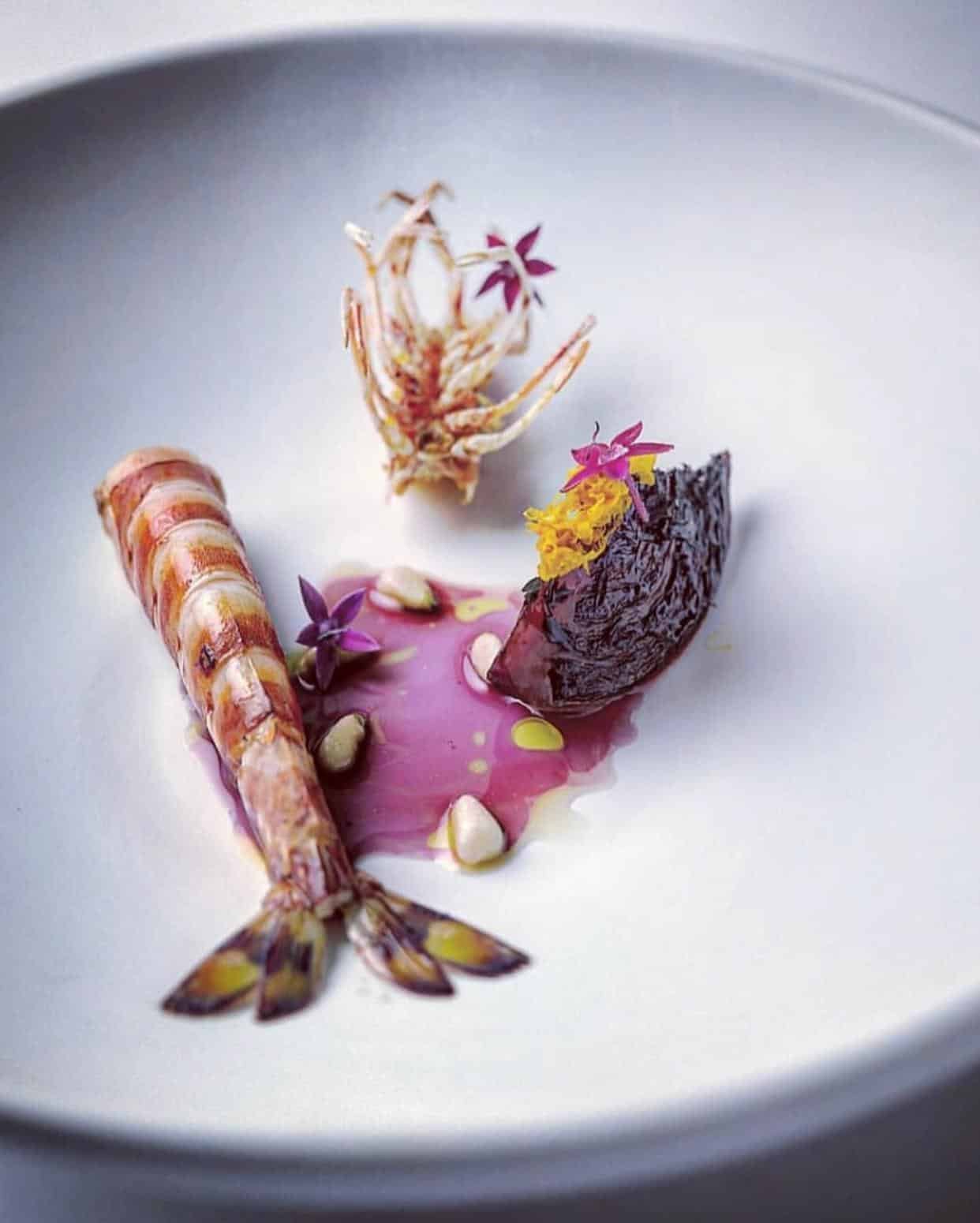
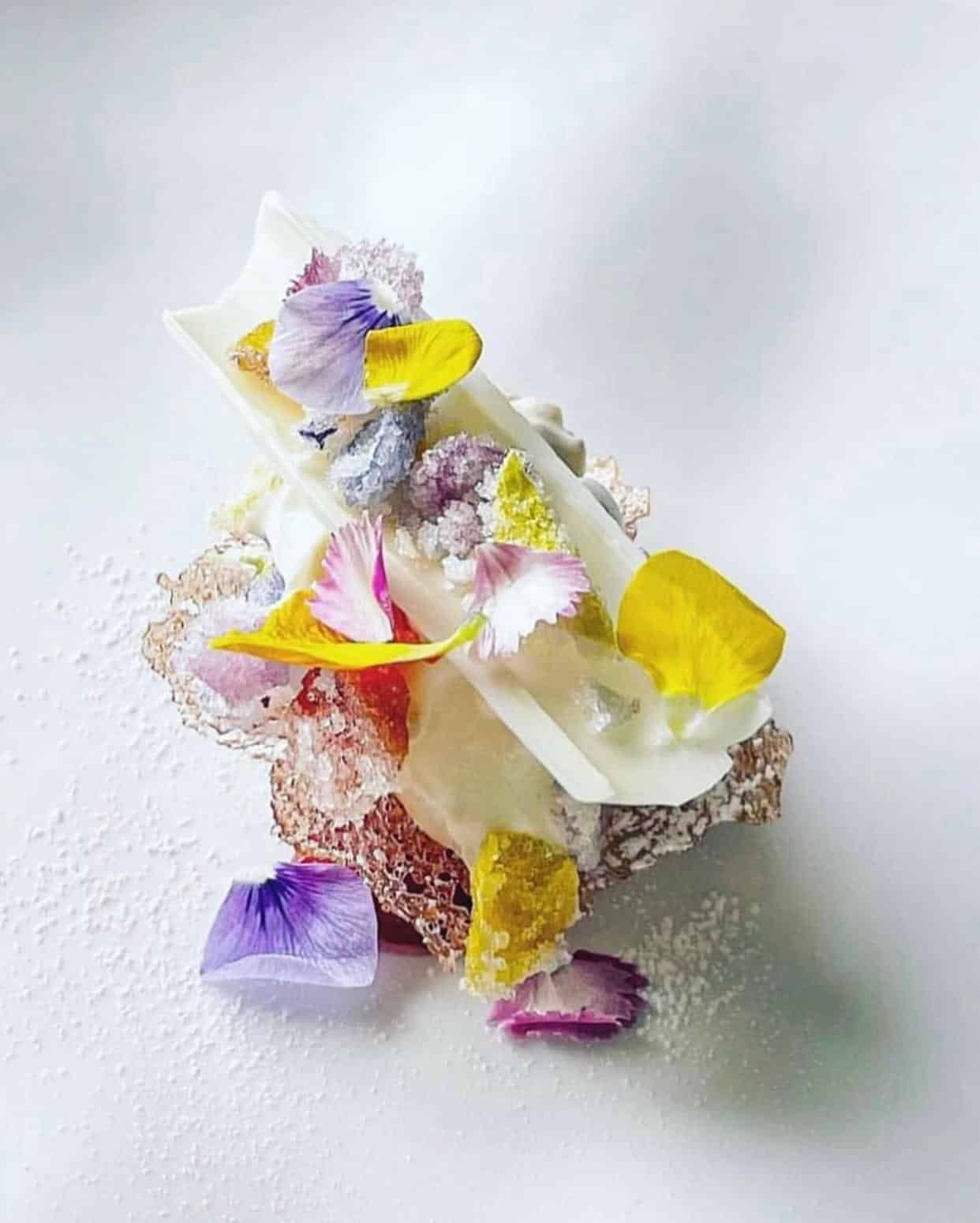
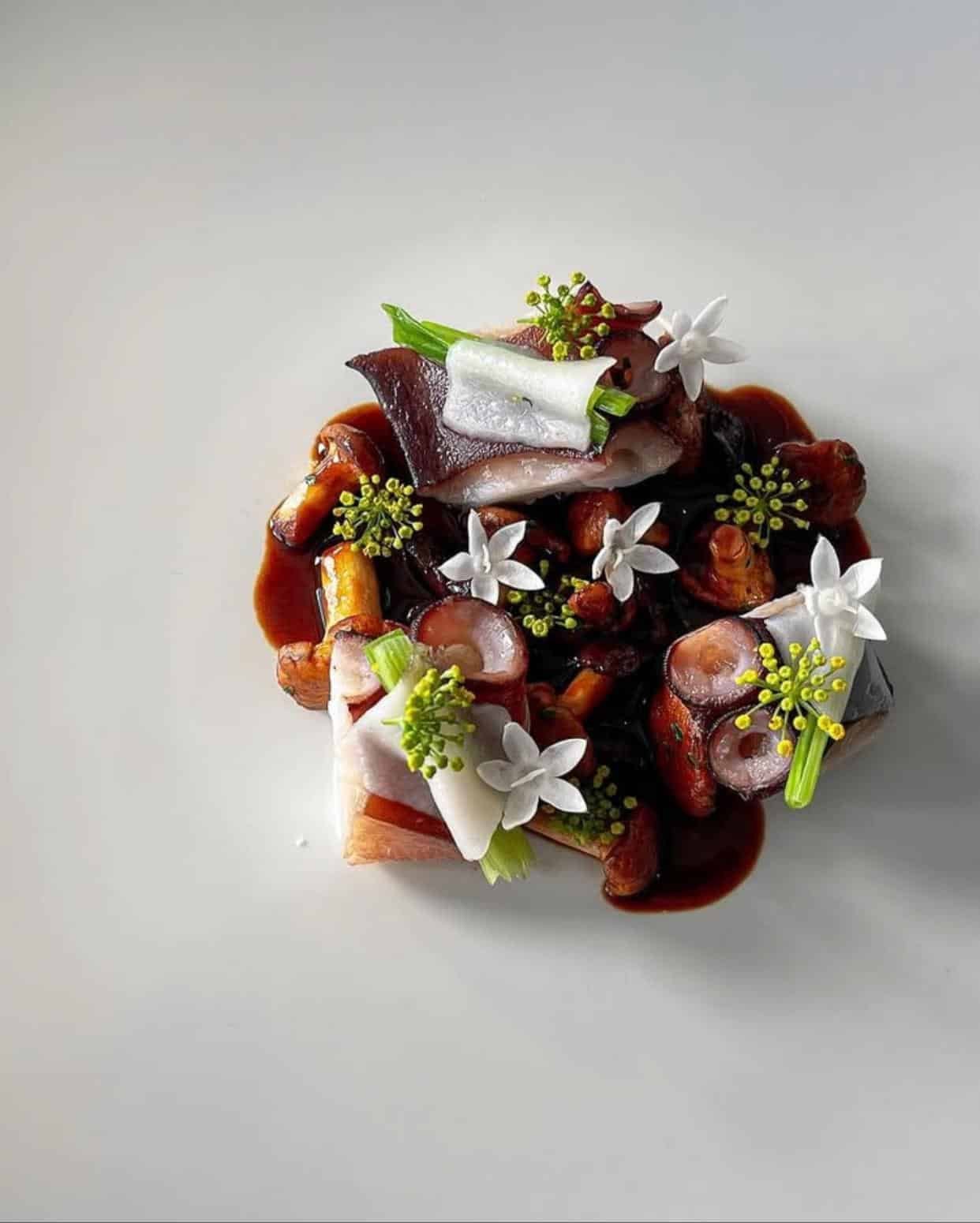
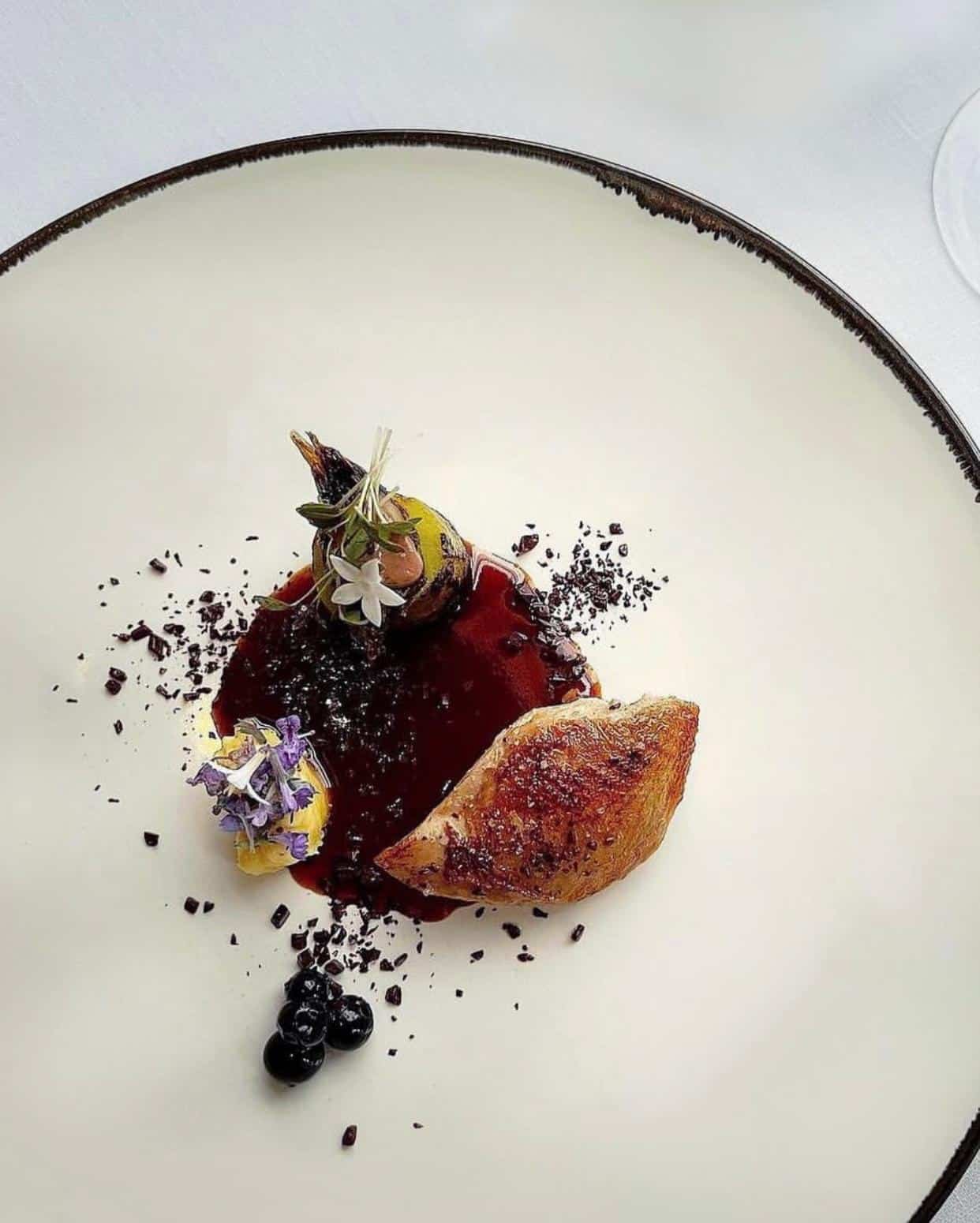
© Esquisse Tokyo
HOMMAGE
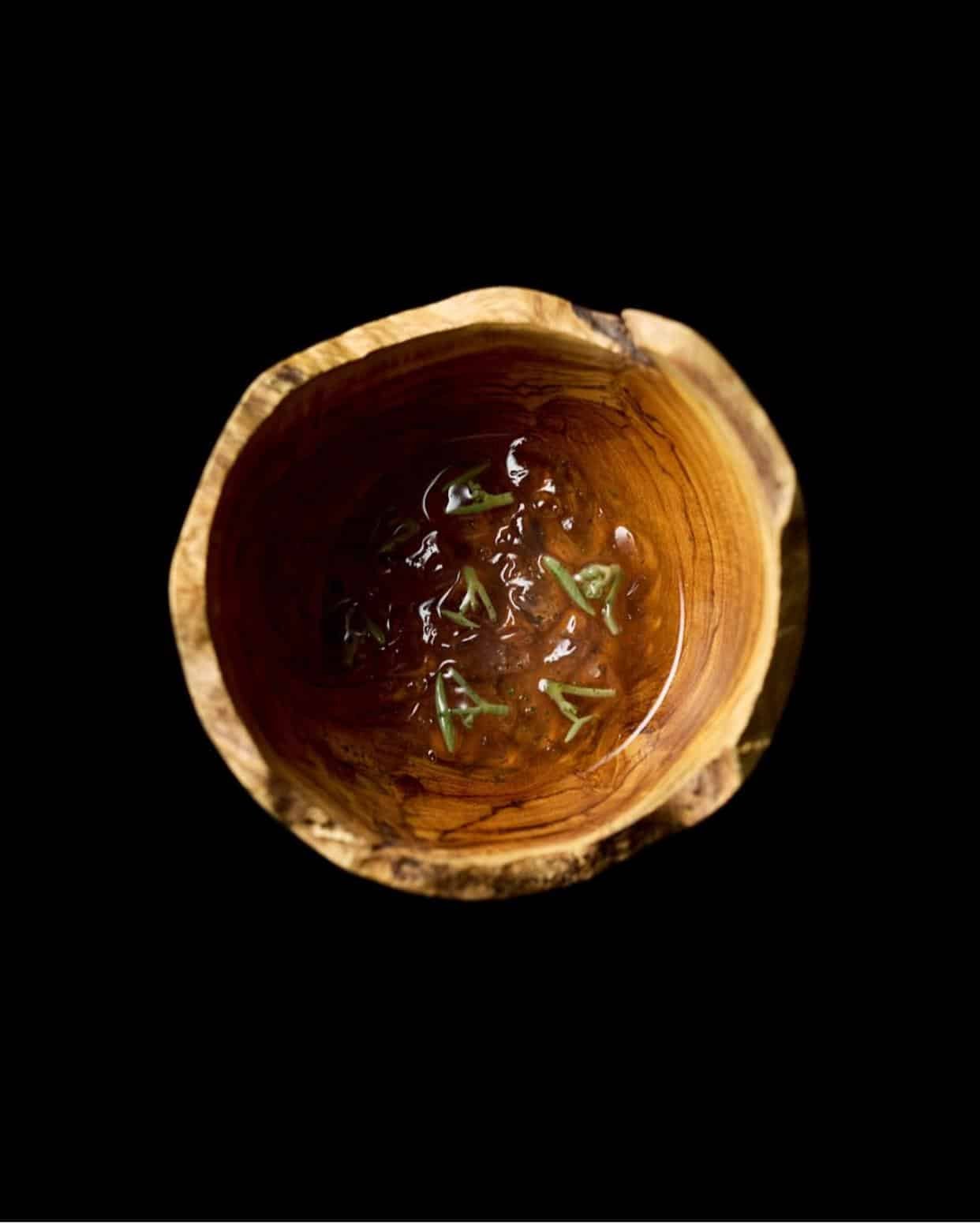
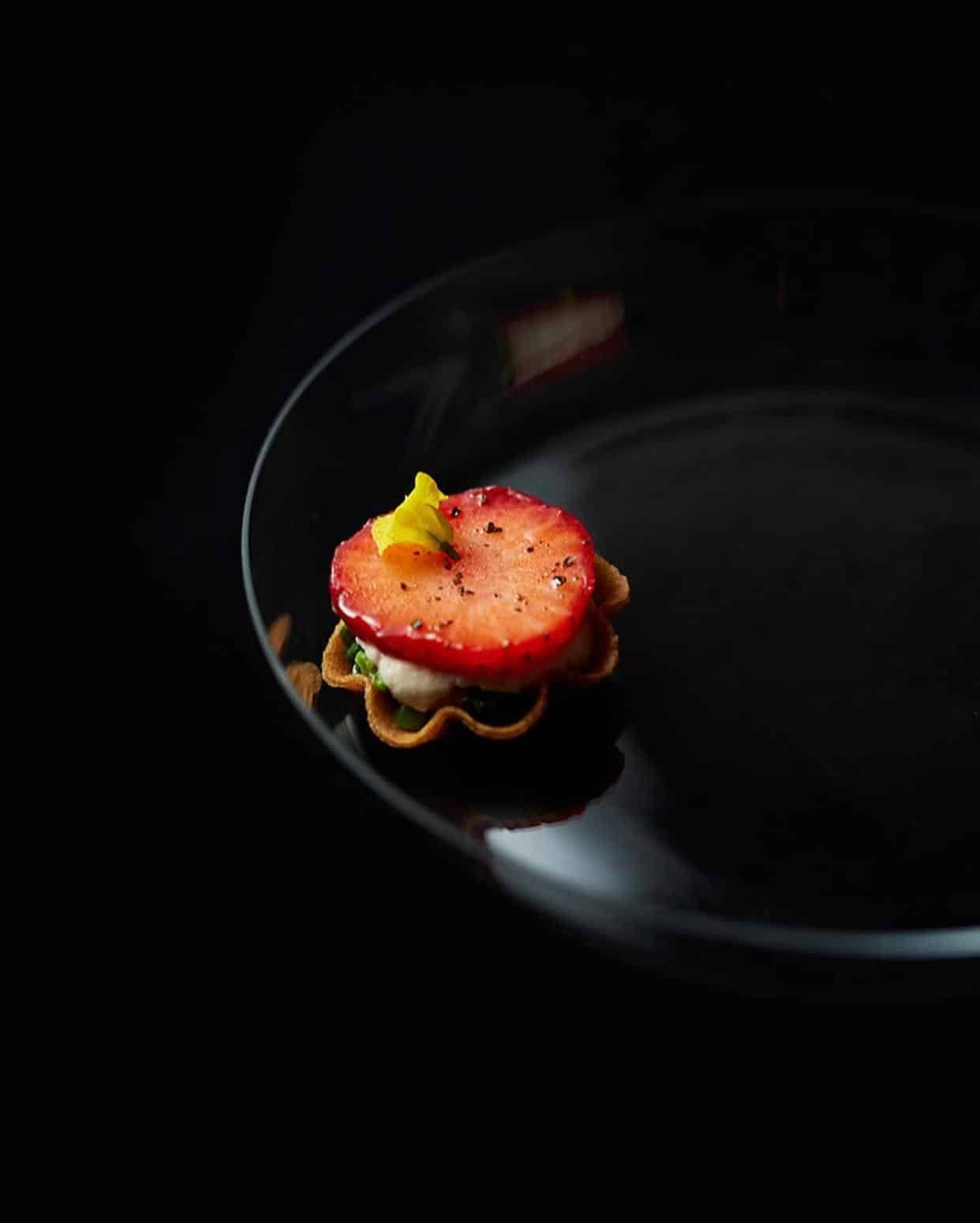
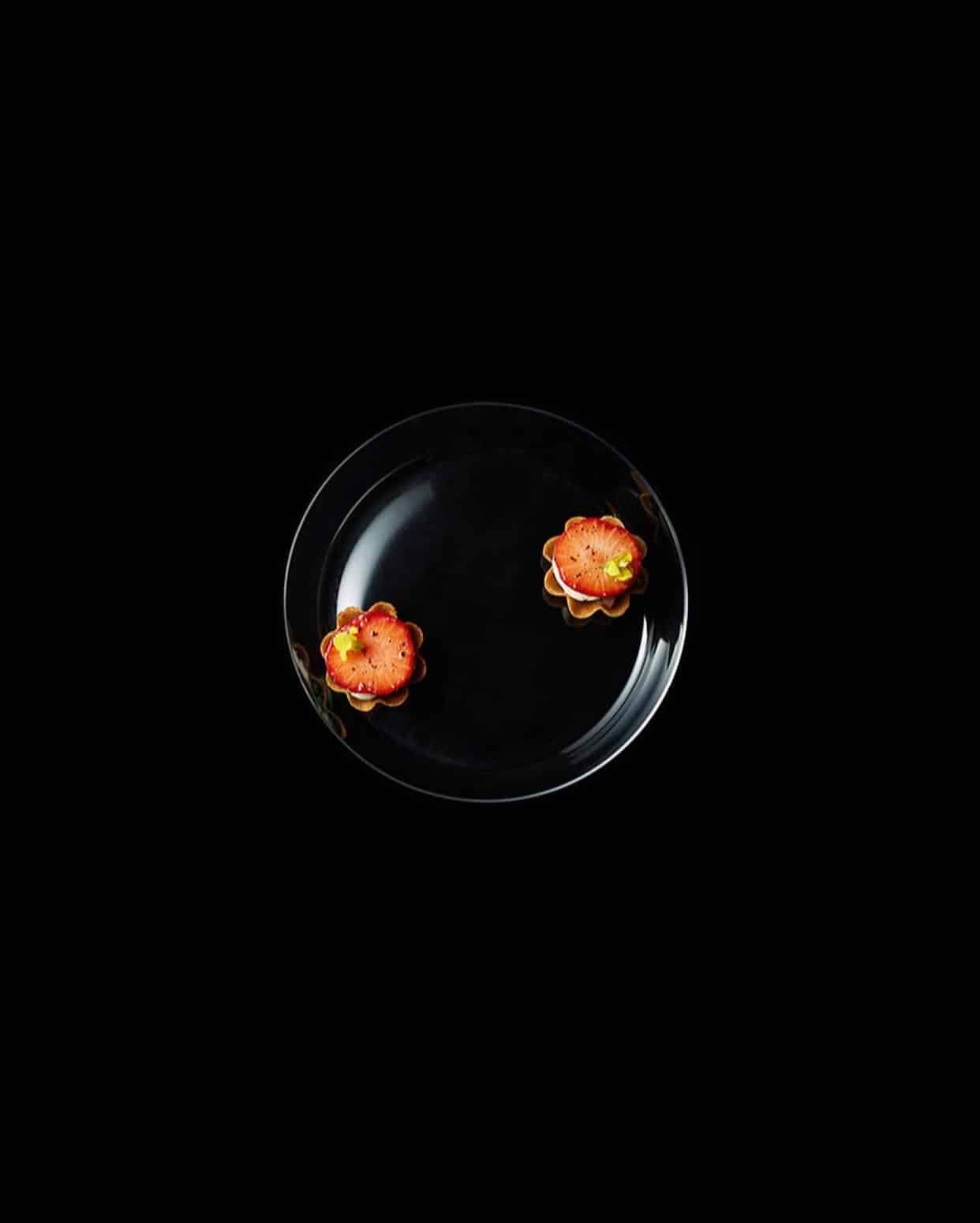
© Hommage
LE PRISTINE TOKYO
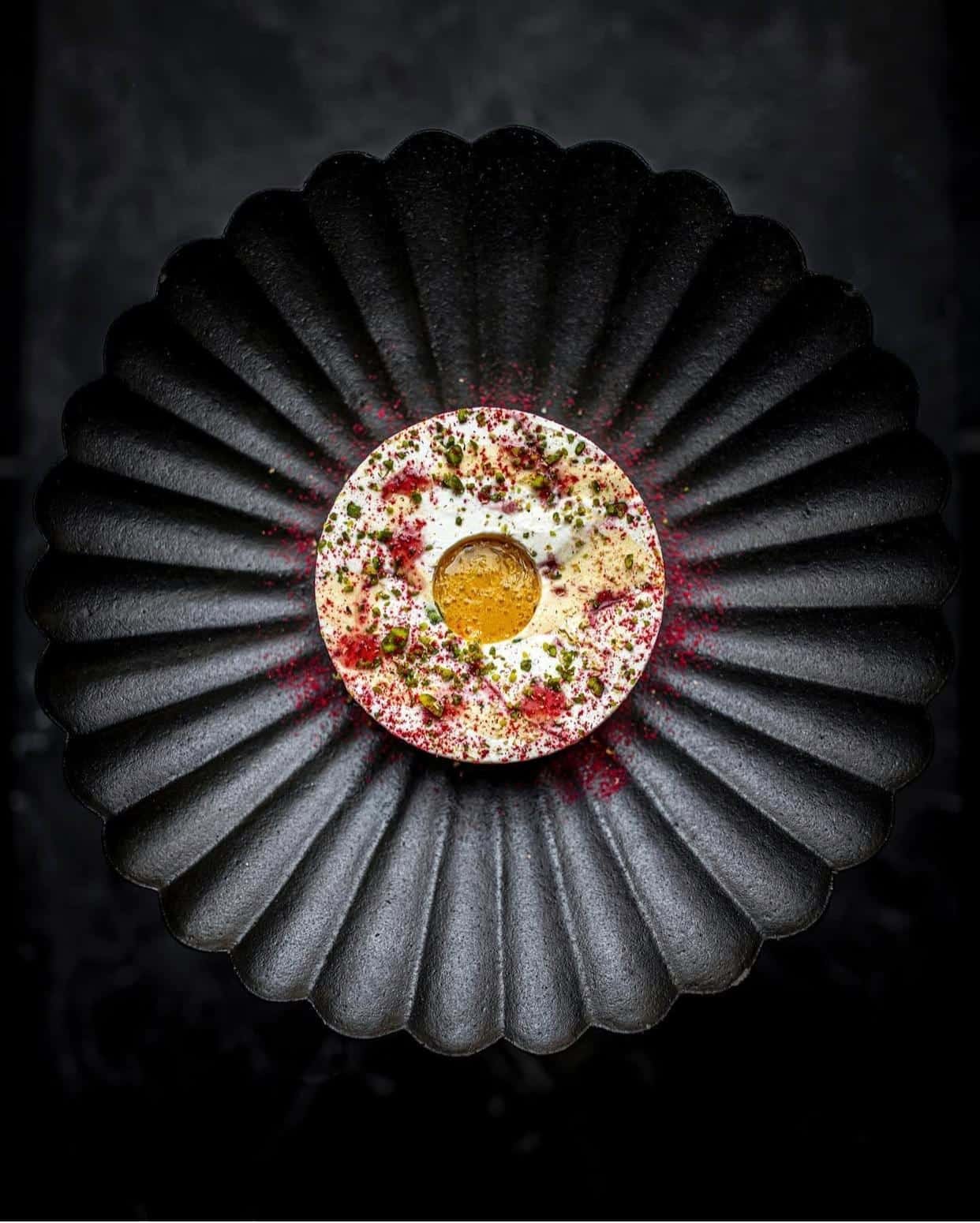
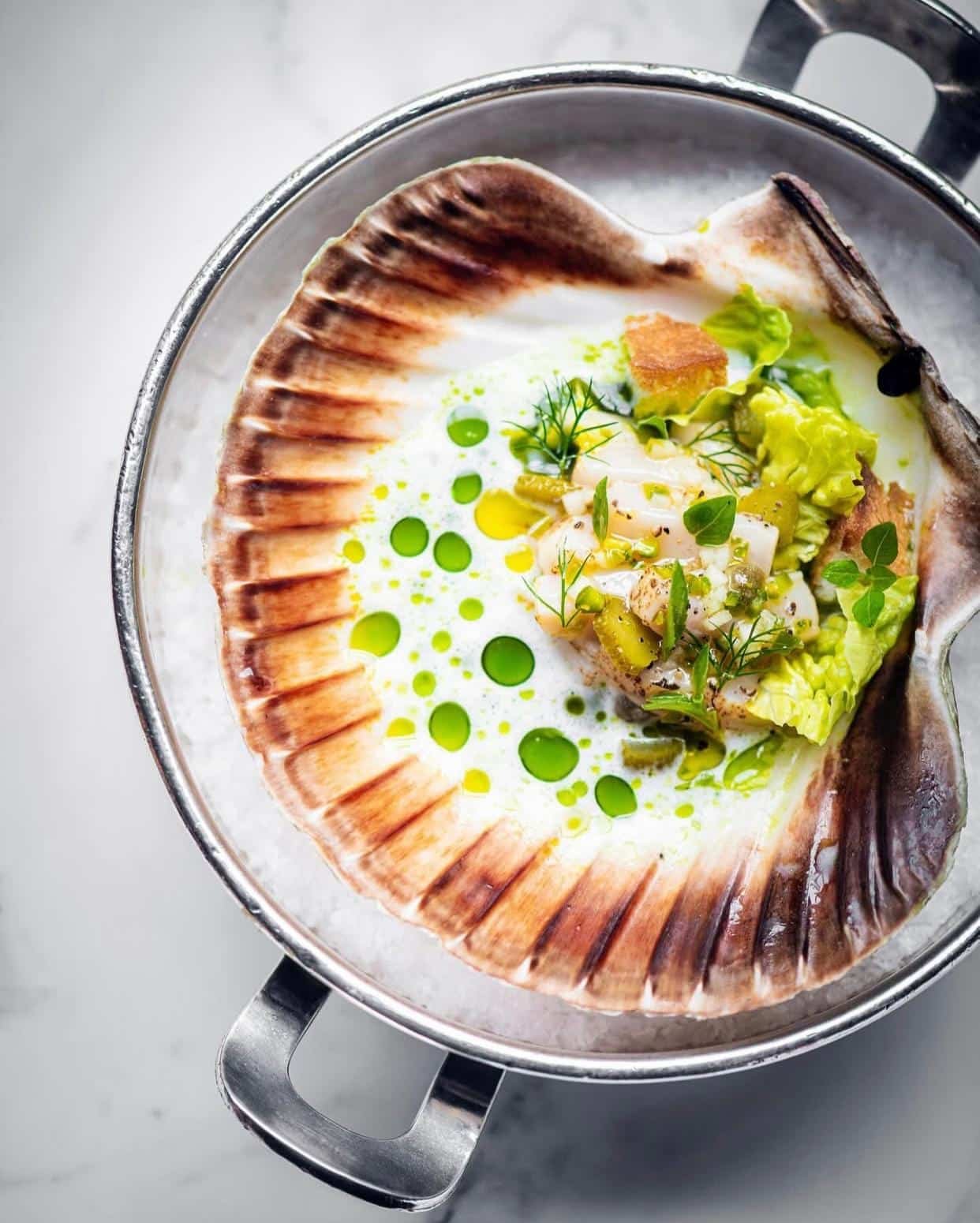
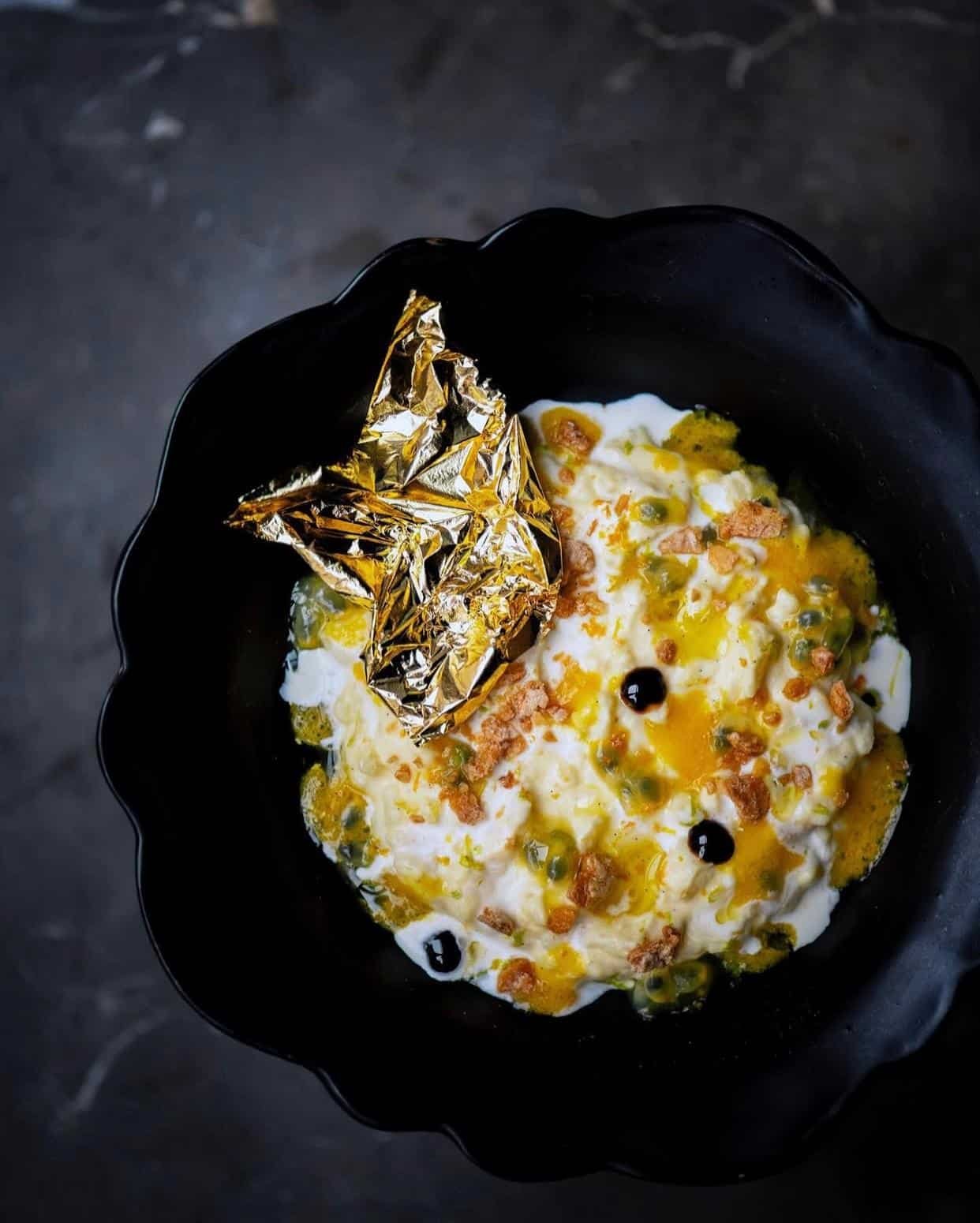
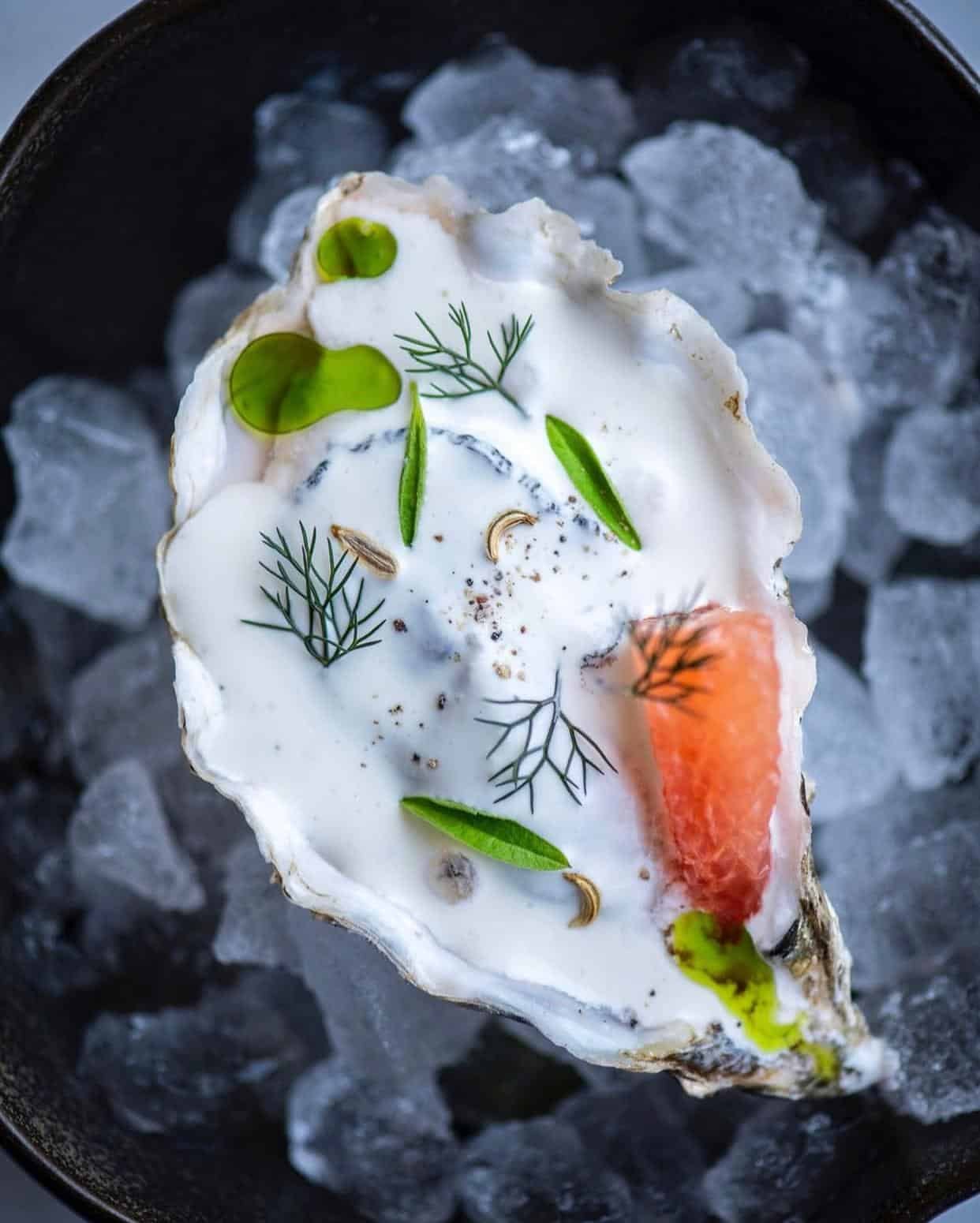
© Le Pristine Tokyo