
© Le Pristine Tokyo
© Le Pristine Tokyo
© Le Pristine Tokyo
Le Pristine Tokyo
In 1990, Sergio Herman returned to his father's seafood restaurant in Sluis, a small town on the southwest coast of the Netherlands facing Belgium, twenty years old and convinced he knew nothing. He was right. He spent the next twenty-three years learning what the sea could give, what the Zeeland soil produced, how citrus and herbs from the coastal lowlands could structure a menu. Oud Sluis received three Michelin stars in 2006. It appeared in The World's 50 Best Restaurants for eight consecutive years. On 22 December 2013, at the height of its success, Herman closed it. He said: when you get older, less is more. Eleven years later, in December 2023, he opened his first Asian restaurant in a hotel in Toranomon and named it Le Pristine — the same name as his Antwerp address, the same five pillars, the same orecchiette. Different sea. Different ingredients. Same conviction.
The Philosophy · Five Pillars · The Restaurant As Total Experience
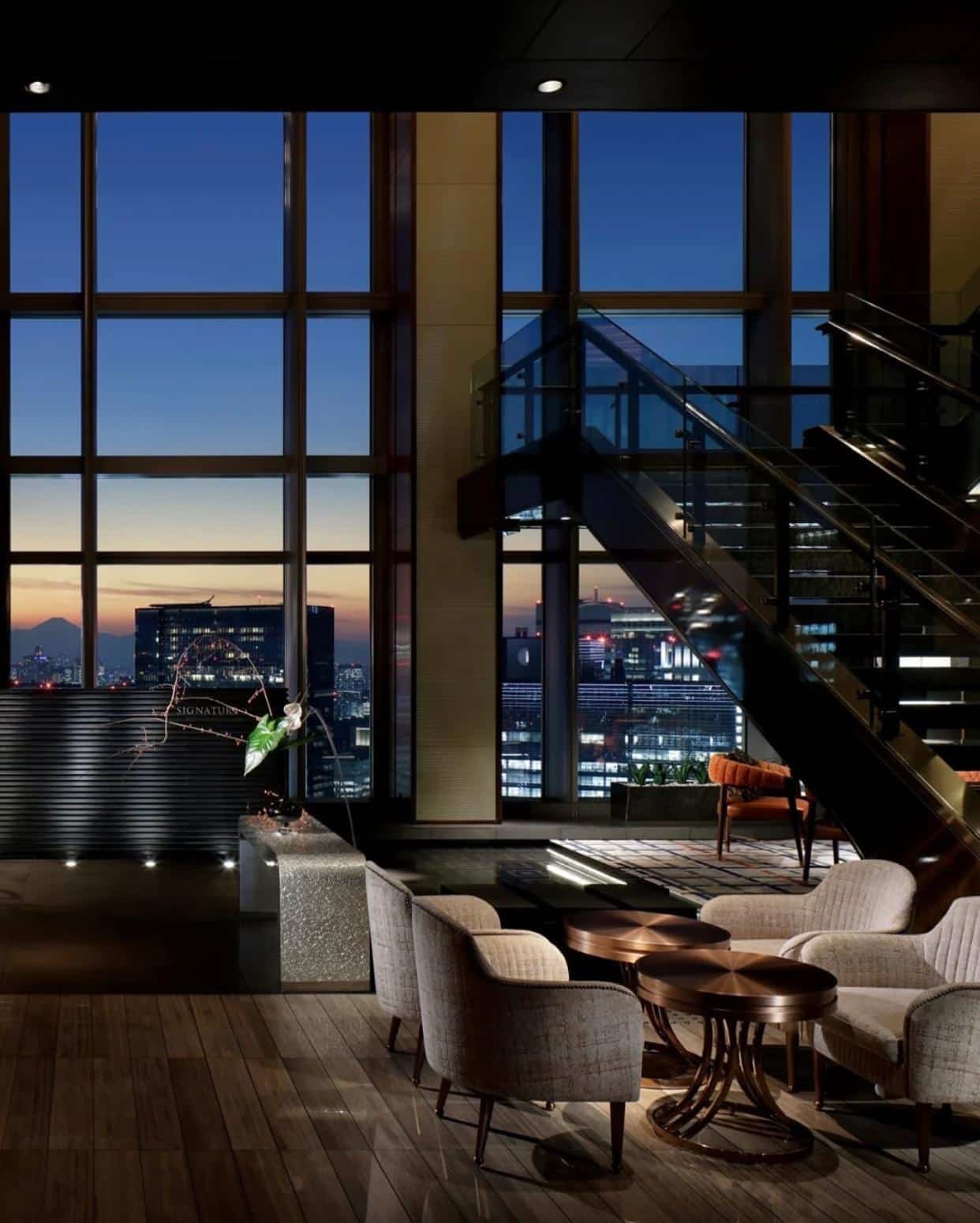
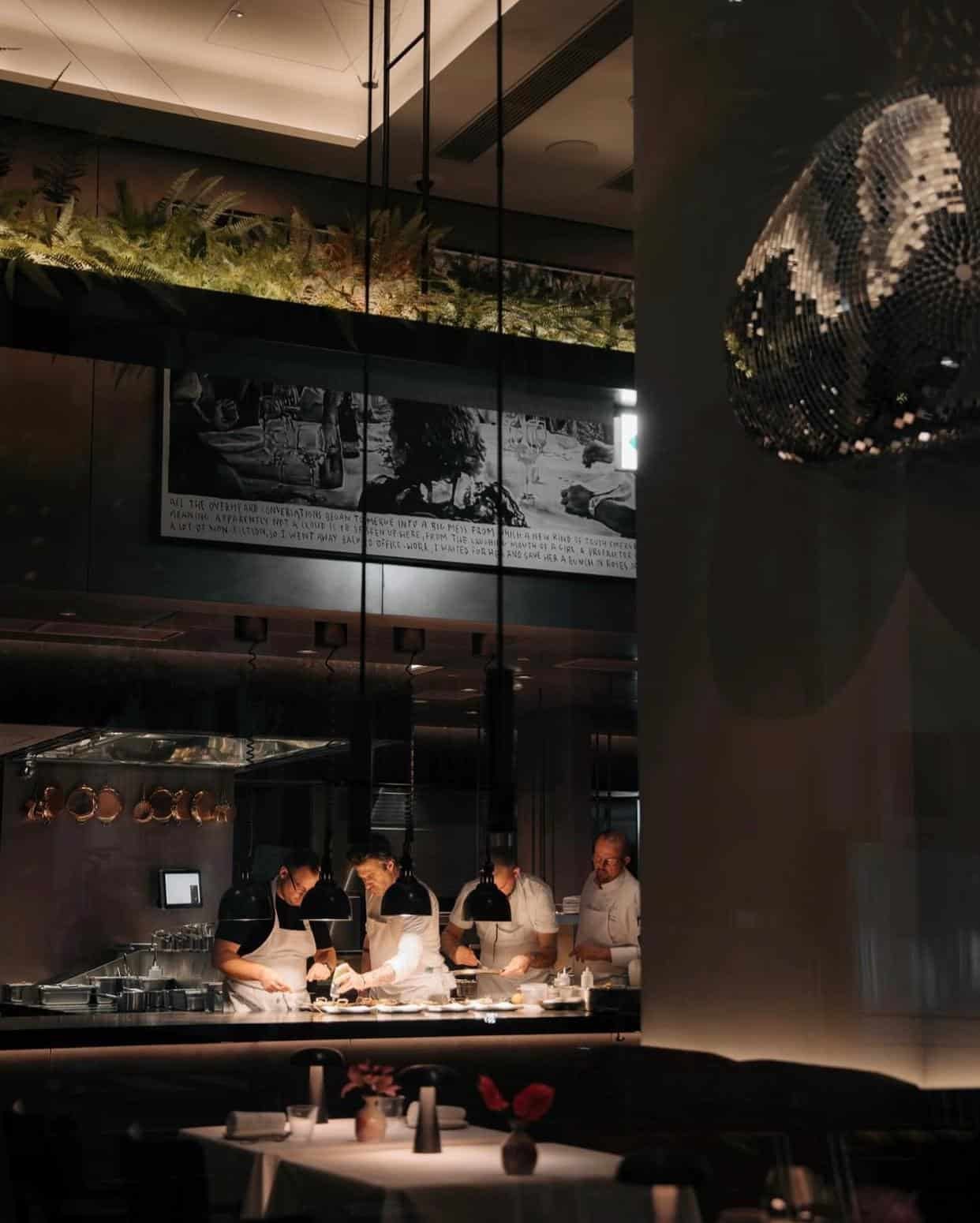
Sergio Herman does not think of a restaurant as a dining room with a kitchen attached. He structures every property he opens around five pillars — Food, Fashion, Design, Art, Music — and holds that none of them is subordinate to any other. The playlist at Le Pristine is not background ambient sound. It is composed with the same deliberation as the menu, calibrated by course, and Herman has described music as the highest form of art — the element he literally dreams about alongside food. At Le Pristine Tokyo, the open kitchen occupies an entire side of the room; the service is bilingual and trilingually staffed; the tableware is his own design — the INKU collection for Serax, wabi-sabi inspired stoneware conceived in Belgium, produced for a Tokyo room. The interiors were designed by Space Copenhagen — the Danish studio that also designed the Antwerp original, whose partners were drawn to the proportions and brutality of raw space before any surface was applied. The result in Tokyo is a room that reads simultaneously as European and as precisely placed in the hotel district of one of the world's most designed cities.
The Hook · Three Stars Closed At Their Peak · The Deliberate Subtraction
The founding fact of Le Pristine — in Antwerp, in Tokyo, in Singapore — is not an opening. It is a closure. In June 2013, Herman announced that Oud Sluis would shut by the end of the year. The restaurant had three Michelin stars. It had been ranked seventeenth in the world. It was fully booked. There was no crisis, no controversy, no technical reason. There was only a chef who had decided that the form had given everything it could give, and that continuing it would be, in some precise sense, dishonest. He closed Oud Sluis on 22 December 2013. The last service was complete. Then it was done. What followed — Pure C, The Jane, Frites Atelier, Le Pristine — was not a pivot or a repositioning. It was the consequence of a decision about what less is more actually means when applied to a career rather than a recipe. Le Pristine Tokyo is the most distant geographical expression of that decision: a Dutch chef who closed his three-starred family restaurant to do better with fewer things, opening in Asia with a concept built on Italian form, Zeeland terroir, and Japanese ingredients he describes as the holy grail of perfection.
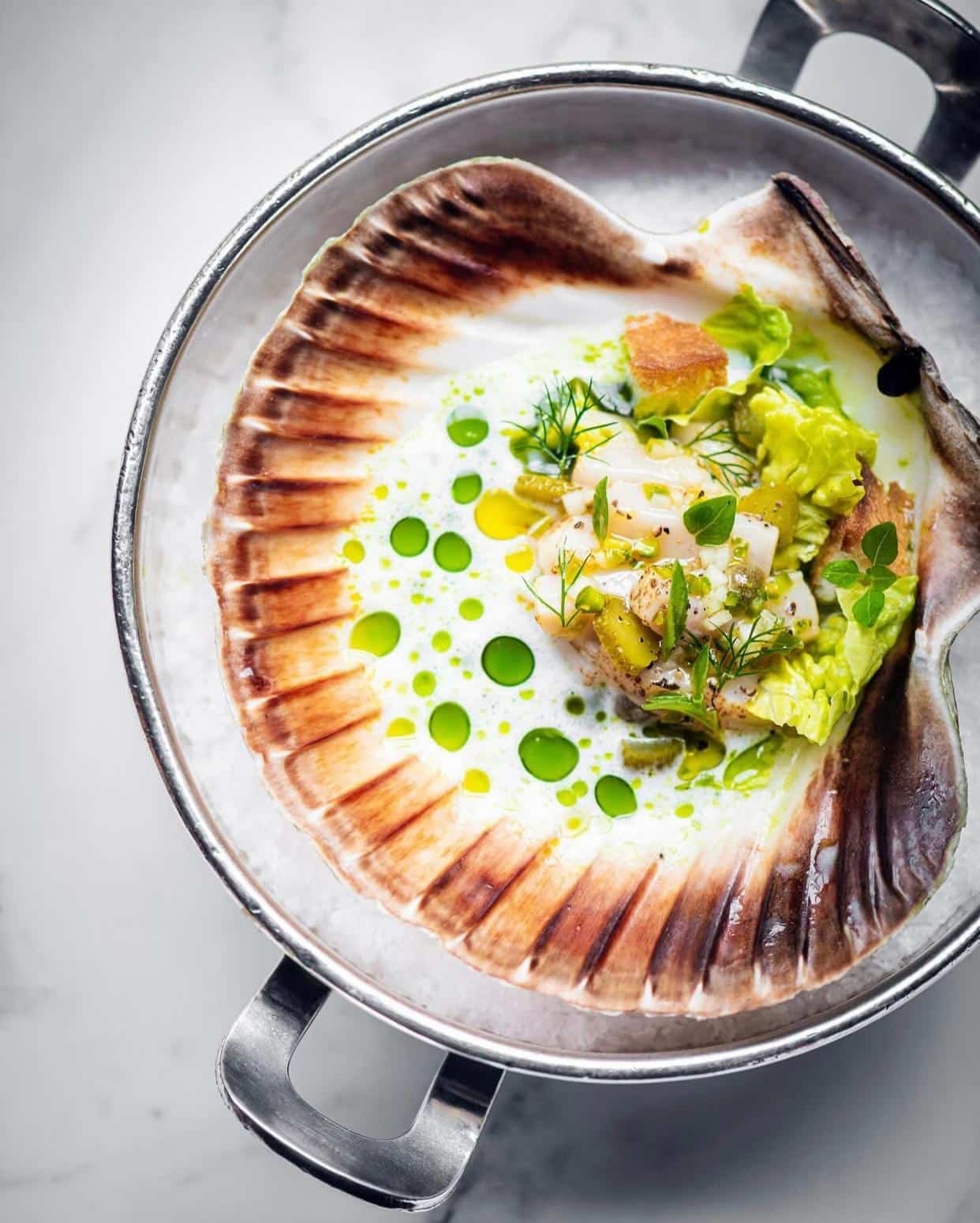
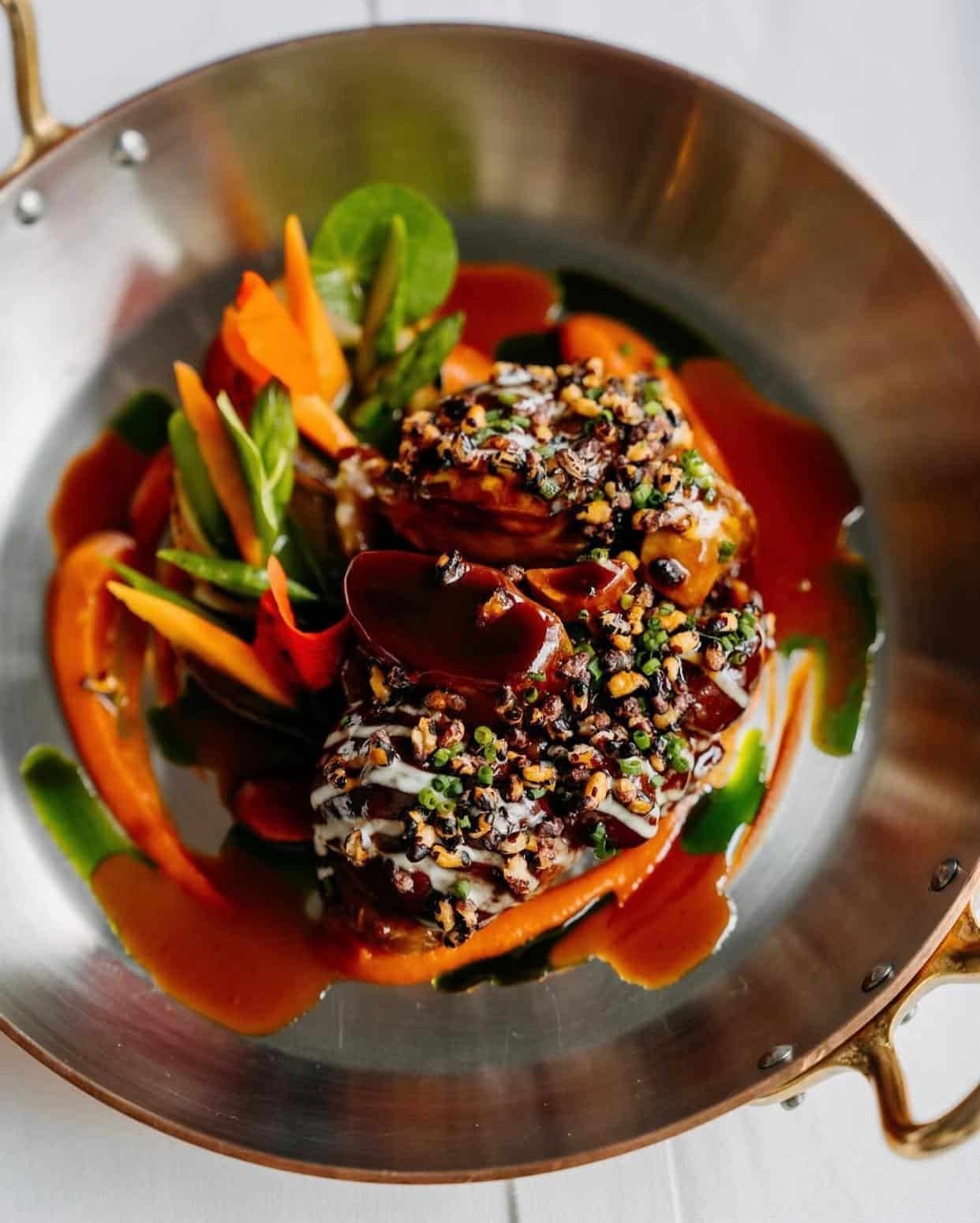
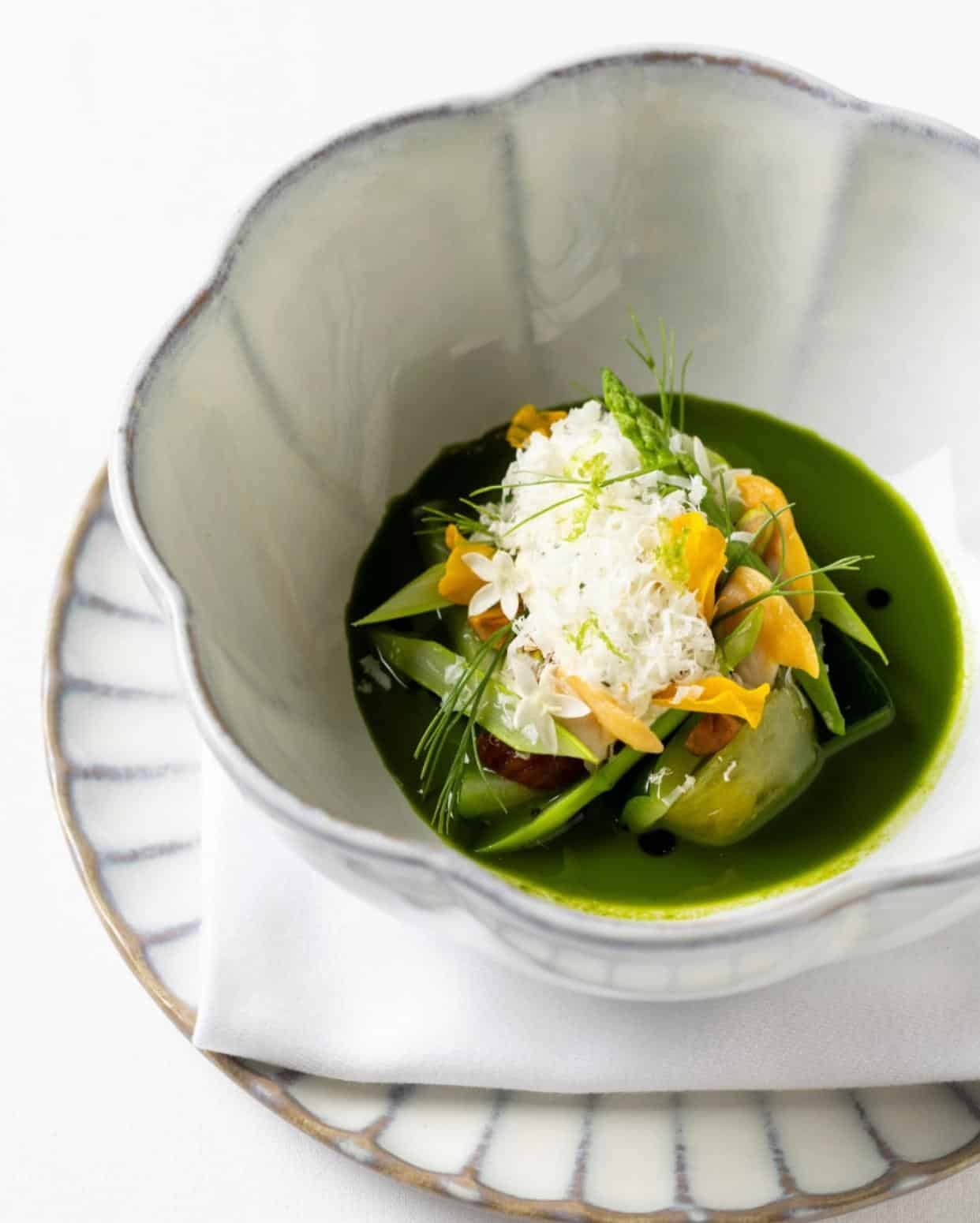
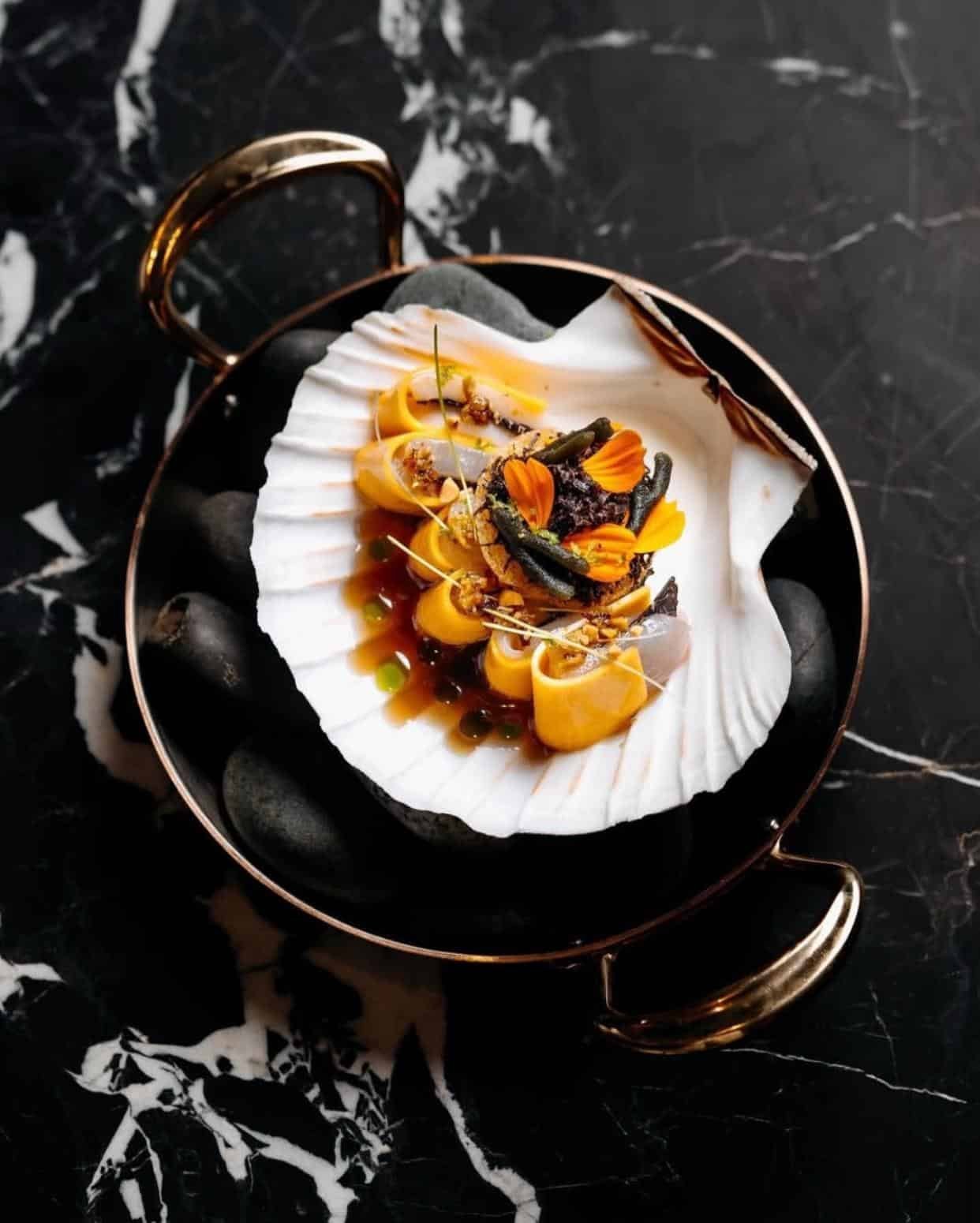
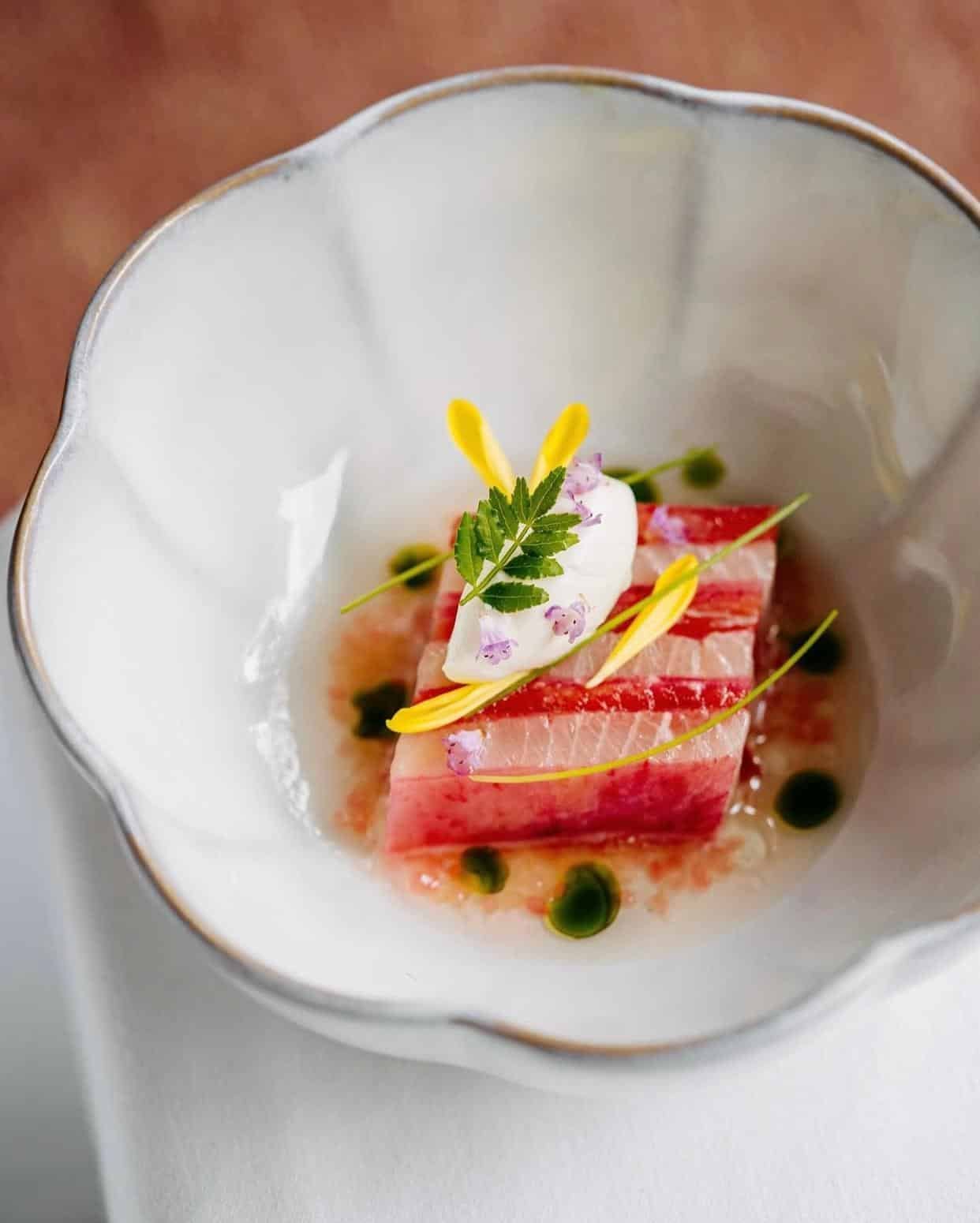
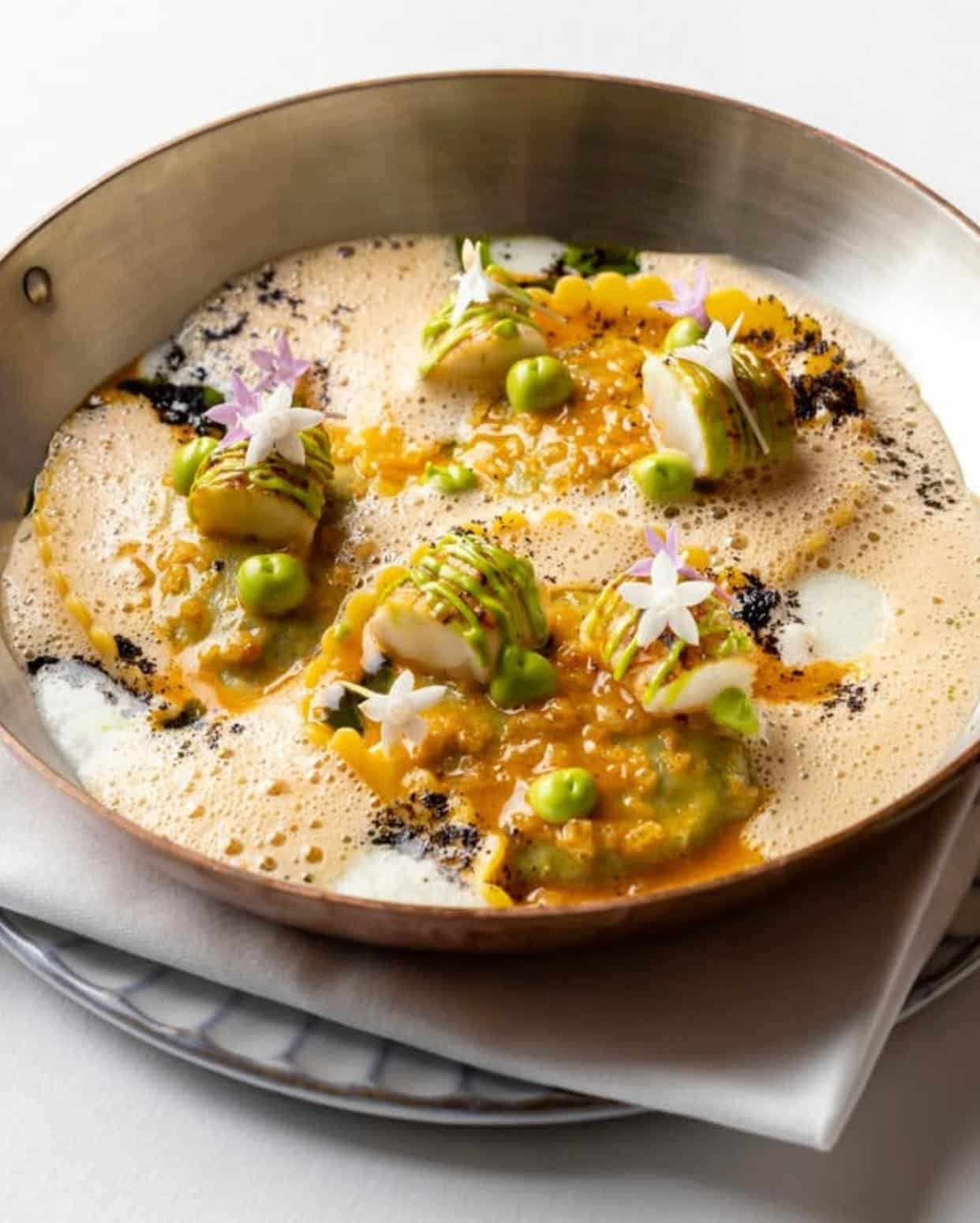
Herman's culinary designation for what Le Pristine serves is New Italian — not Italian, not Japanese-Italian, not fusion, but a category he has defined around the encounter of two specific terroirs with Italian form as the mediating register. Zeeland — the coastal southwest province of the Netherlands whose North Sea crustaceans, seaweed, and wild herbs formed the palette of Oud Sluis for two decades — meets the Japanese seasonal market whose Hokkaido scallops, Akaushi beef, and endemic produce Herman describes with the reverence of a chef discovering a new ingredient vocabulary. The orecchiette is the signature that travels across every Le Pristine address: roasted langoustine, clams, squid, 'nduja, fennel flower, parsley — a Mediterranean dish built on North Sea thinking, served in a Toranomon dining room. Since 2025, the kitchen has run an Italian Regions series, rotating every two months through a different Italian territory: Lazio and Abruzzo first, with Roman-style artichokes, a carbonara structured around Sergio Herman's original champagne, and slow-braised lamb neck paired by sommelier Satoru Mori to a Montepulciano d'Abruzzo Riserva.
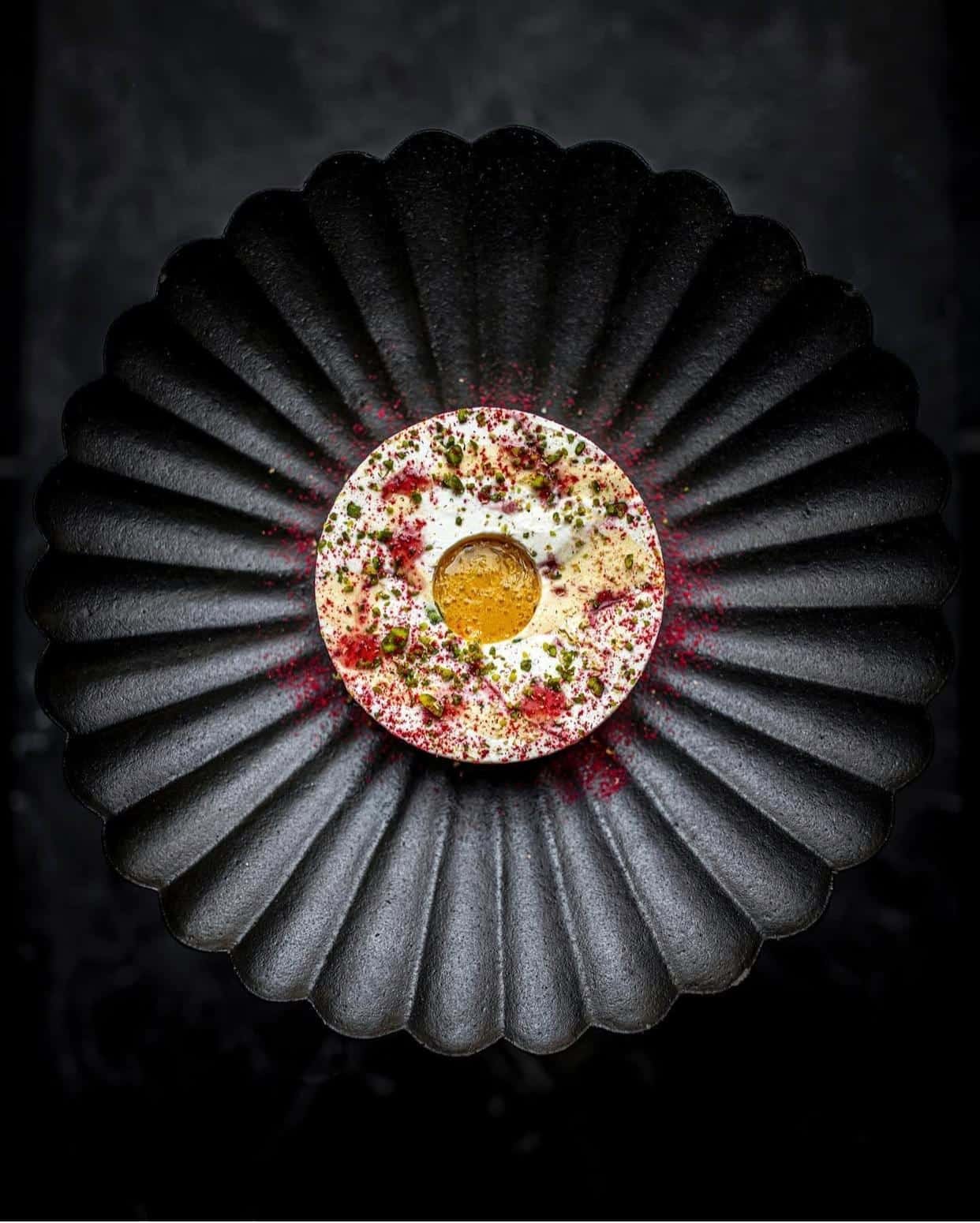
The INKU tableware collection was designed by Herman for Serax, a Belgian design and distribution house, specifically for the Le Pristine concept. The name references the Japanese aesthetic of wabi-sabi — imperfection and transience as qualities rather than deficiencies — applied to porcelain whose surfaces carry the deliberate irregularity of handwork. Every dish at Le Pristine Tokyo arrives on a piece that Herman designed, which means that the food and its vessel are the work of the same sensibility. Space Copenhagen carried the Antwerp interior language to Tokyo without reproducing it: the proportions and materials of Hotel Toranomon Hills required a different resolution of the same principles — open kitchen visible from all seats, warm light, the sense of a room in which something is being made rather than merely served. Dutch artists Maarten Baas and Rinus van de Velde contribute works whose presence registers as cultural positioning: this is a European room that knows it is in Tokyo, and has not pretended otherwise.
Zeeland is a province built on water — its name means sea land, and its geography of estuaries, islands, and tidal flats produces a combination of marine and agricultural ingredients that Herman has described as the most natural way of creating menus: you use what the sea and the soil give you, and there is always something to work with. He grew up above Oud Sluis, surrounded by kitchen aromas and the North Sea produce his father cooked. He left for culinary school in Belgium, trained at De Swaen in Holland, came back at twenty. He has lived half in Antwerp and half on the Zeeland coast — five minutes from the Belgian border — ever since. Zeeland crustaceans travel to Toranomon. The Japanese seasonal market sends back scallops and beef and vegetables whose quality Herman calls the holy grail. The exchange is not between equal traditions. It is between a chef who knows one terroir absolutely and a market whose ingredients exceed what he has previously worked with. The cooking is the record of that encounter.
The format Herman has imposed on Le Pristine is deliberately anti-hierarchical for a room with his pedigree behind it. Eighty-six seats — large by Tokyo fine dining standards. A dress code that explicitly welcomes T-shirts and designer jeans alongside cocktail dresses. An R&B playlist that shifts register by course, assembled by Herman who has described music as a mystical experience that captures the guest in a way no other element of the room can. The adjacent Le Pristine Café operates on a different register — pizzette with tuna sashimi, pork katsu sando, pasta, walk-in tables — making the building's offer accessible at both ends of the commitment spectrum. Herman has described wanting Le Pristine to be like a party. The Tokyo room, with its open kitchen and curated sound, is the most literal expression of that ambition: not a room where excellence announces itself through silence and ceremony, but one where it arrives through pleasure, precision, and a playlist that knows exactly where it is in the meal.
Hotel Toranomon Hills is Tokyo's first property under The Unbound Collection by Hyatt — a boutique designation for hotels with a strong individual character rather than a standardised brand experience. The collaboration with Herman goes beyond the restaurant: he oversees all food and beverage for the hotel, including breakfast and in-room dining, which means that the culinary intelligence of Le Pristine is distributed across every meal the building produces. The Toranomon district, adjacent to the Azabudai Hills development and connected directly to the station tower, represents the most recent chapter in Tokyo's continuous westward and southward expansion of its business and luxury hospitality geography. A chef who closed his three-starred family restaurant to concentrate on doing fewer things better opened his first Asian address here — in a district that did not exist in its current form when Oud Sluis was still serving its last dinners in Sluis.
Gloss Tokyo covers Le Pristine Tokyo through the closure that made it possible. A chef who held three Michelin stars and a top-twenty world ranking for years, and chose to close the restaurant rather than continue it past the point of full expression: this is the founding biography of every Le Pristine address. The Tokyo room is the furthest point that biography has reached — a Dutch chef who grew up above a seafood restaurant on the North Sea coast, closed it voluntarily at its peak, and opened in Asia with a concept built on Italian form, Zeeland produce, and Japanese ingredients he had never worked with before. The orecchiette that travels from Antwerp to Toranomon is not a signature transplanted for brand consistency. It is the dish that Herman identifies as most completely his — citrus, sea, pasta, precision — and its presence in Tokyo says that the chef has arrived here entirely, not as a satellite of somewhere else.
In June 2013, Sergio Herman announced
the closure of Oud Sluis.
Three Michelin stars. Seventeenth in the world.
Fully booked. No crisis.
He closed it on 22 December 2013.
He said: when you get older, less is more.
I closed three restaurants
because I wanted to do better quality with less.
Stay close to yourself. Do it well. See what happens.
Ten years later, Tokyo.
The same orecchiette.
A different sea.
In the geography of Tokyo's international fine dining addresses, Le Pristine occupies an unusual position: it is the work of a chef whose most significant decision was not an opening but a closure, and whose presence in Tokyo is the consequence of a sustained argument about what a restaurant should be when it is no longer trying to prove anything. The five pillars — Food, Fashion, Design, Art, Music — are not a branding framework. They are the description of a chef who grew up with art books and kitchen aromas in the same house, who dreams about food and music simultaneously, who spent twenty-three years perfecting a specific coastal cuisine and then chose to start again with Italian form and Japanese ingredients. Le Pristine Tokyo is not the ambition of a chef building an empire. It is the curiosity of a chef who closed his empire to see what curiosity could produce. The Hokkaido scallops and the Zeeland langoustines arrive from opposite sides of the world. The orecchiette mediates between them. The playlist catches you at the main course. Less is more, in the most precise possible sense.
Sluis, Netherlands. 22 December 2013.
Last service. Three Michelin stars.
Seventeenth in the world. Closed.
He said nothing dramatic.
He said: when you get older, less is more.
Toranomon, December 2023.
A hotel. An open kitchen. A playlist.
Hokkaido scallops from the north.
Zeeland langoustines from the other sea.
Orecchiette between them.
Music at the main course
that catches you before you realise
it has begun.
© Le Pristine Tokyo
© Le Pristine Tokyo
© Le Pristine Tokyo
© Le Pristine Tokyo

© Le Pristine Tokyo
© Le Pristine Tokyo

© Le Pristine Tokyo
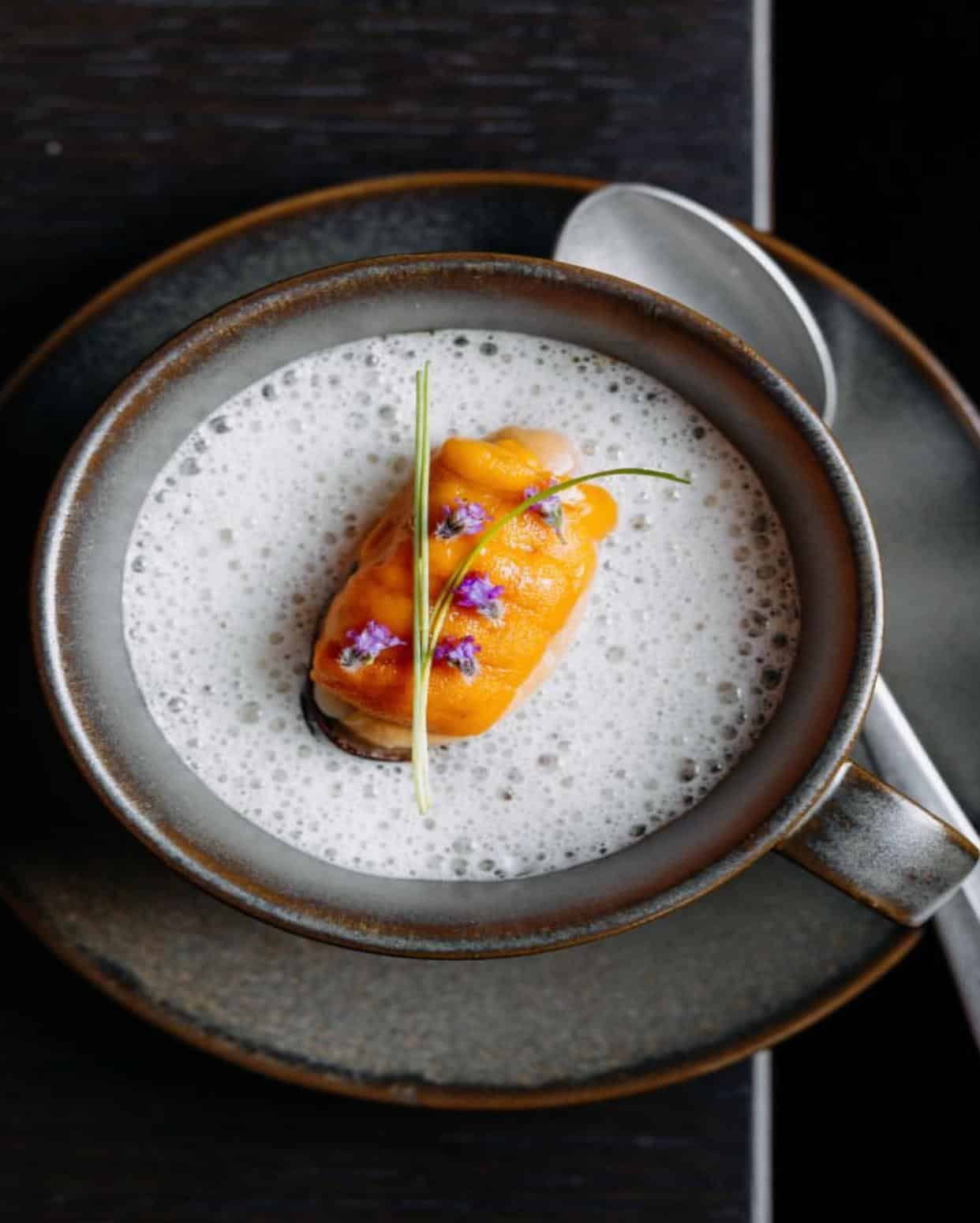
© Le Pristine Tokyo
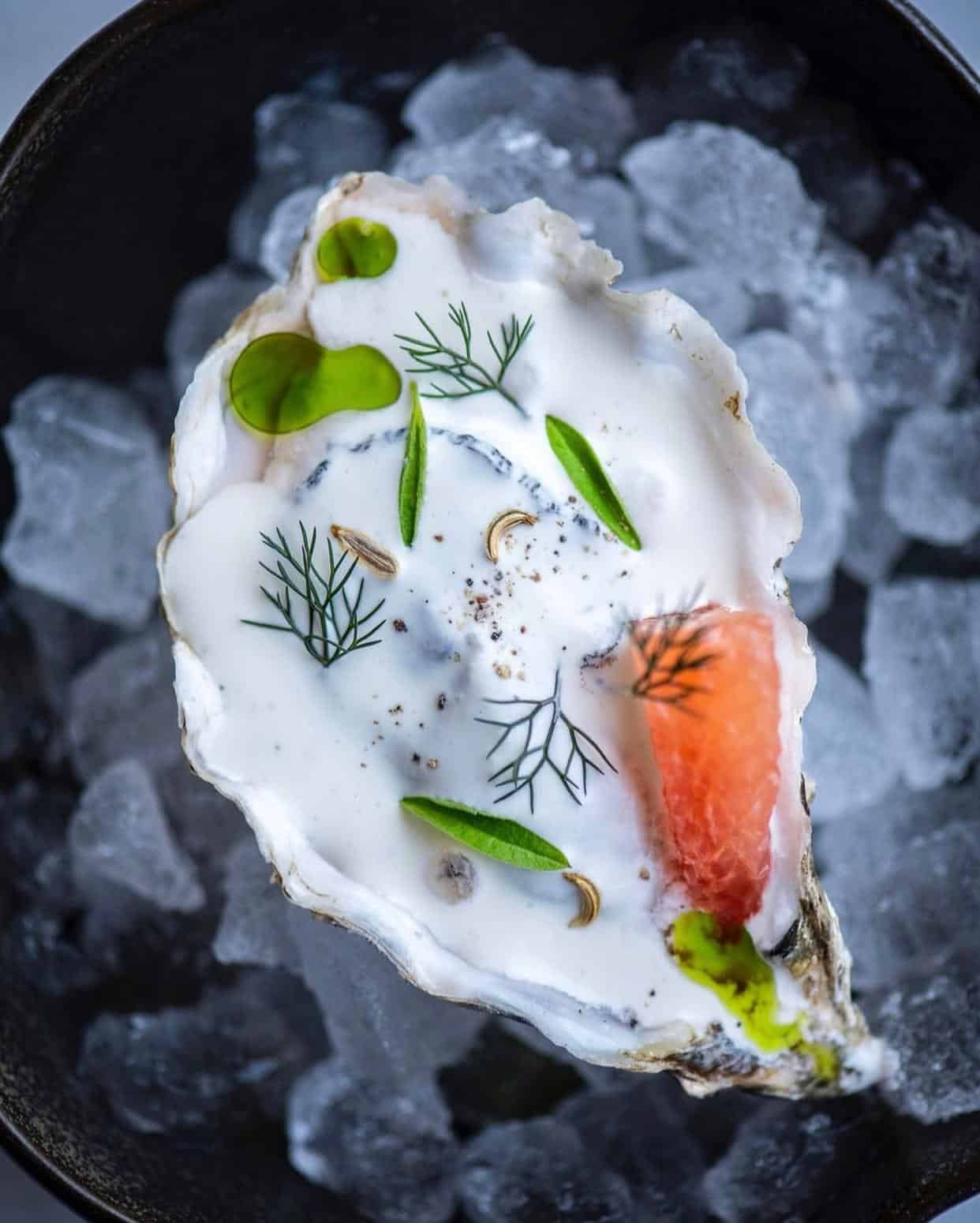
© Le Pristine Tokyo
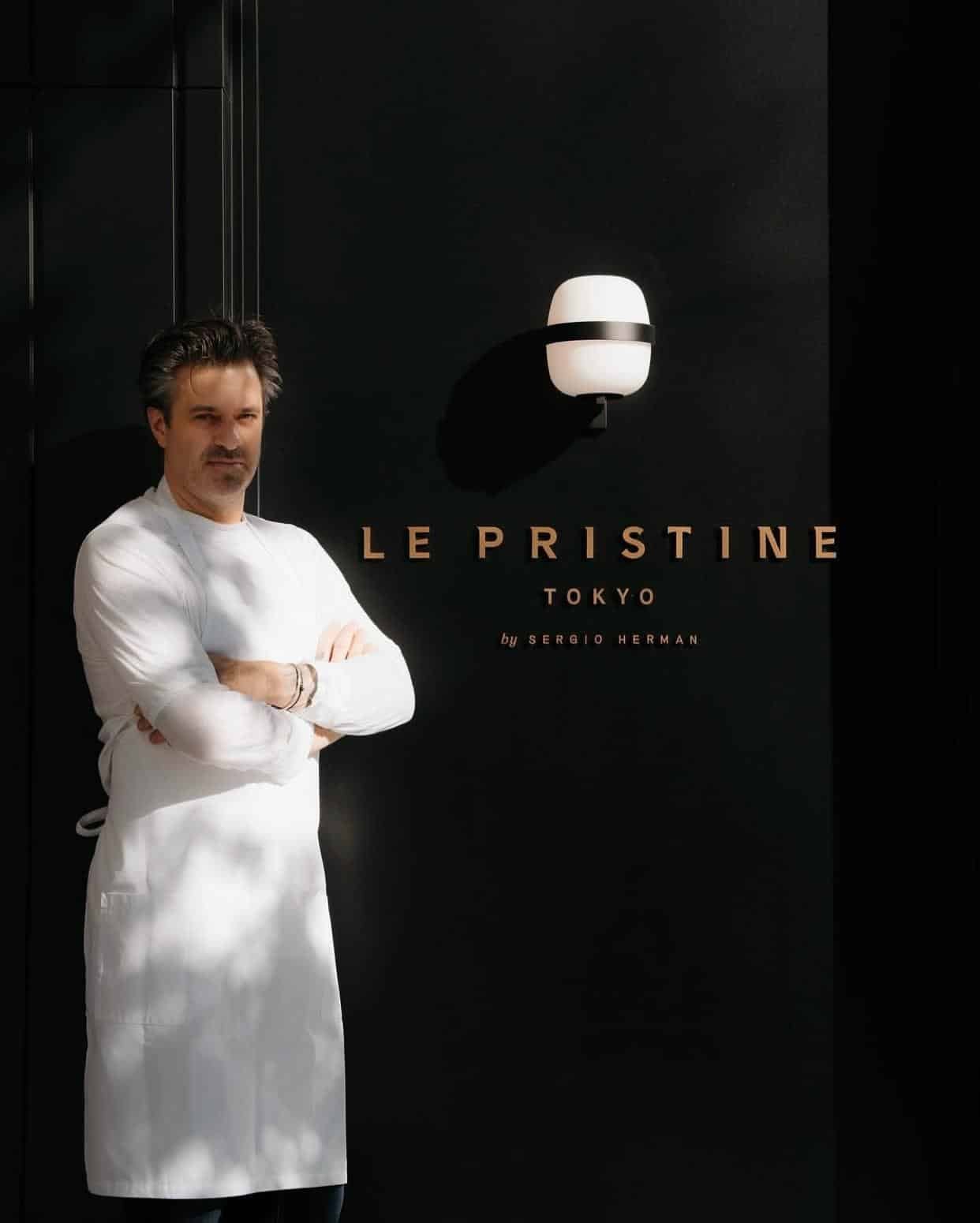
© Le Pristine Tokyo
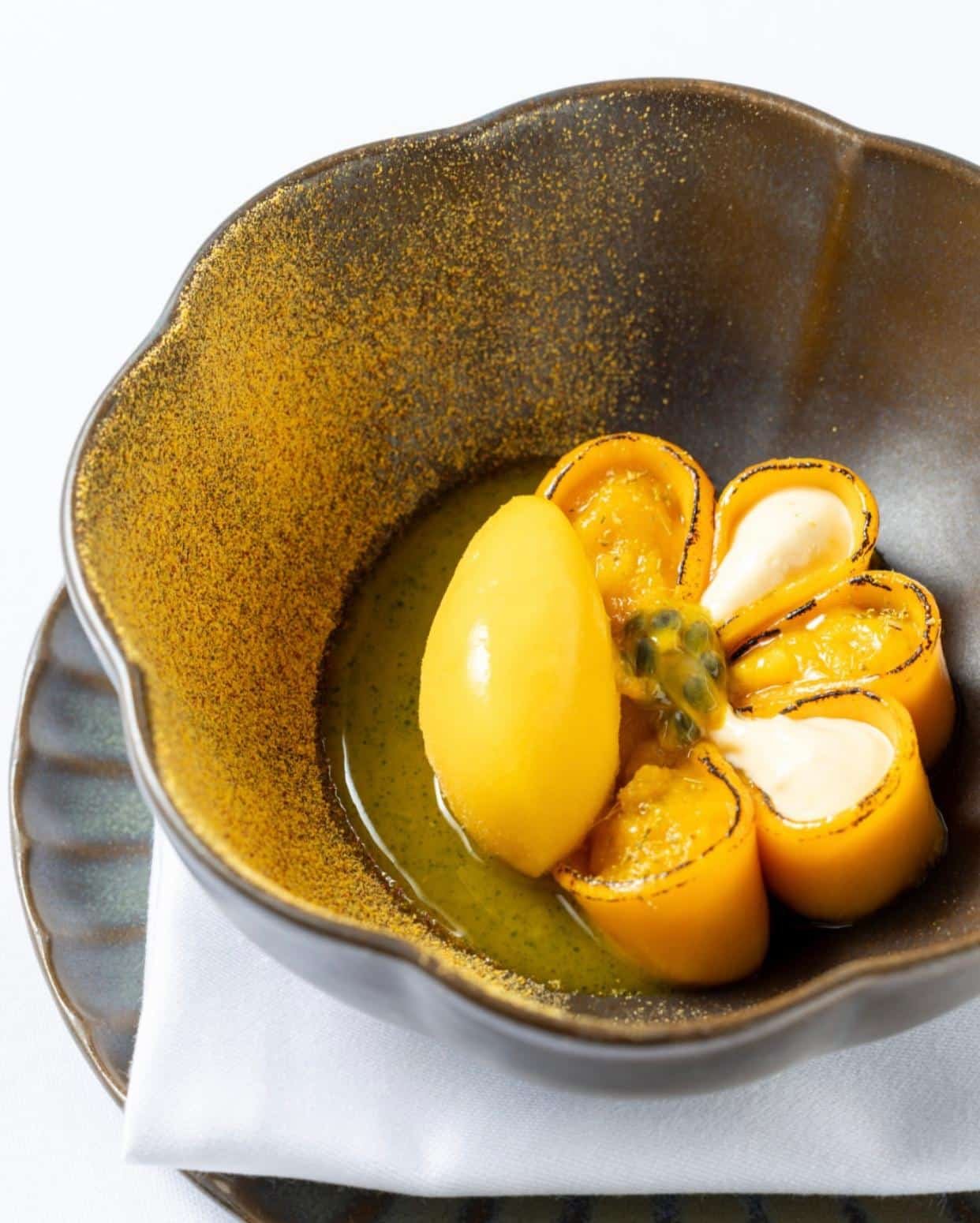
© Le Pristine Tokyo
© Le Pristine Tokyo
© Le Pristine Tokyo
© Le Pristine Tokyo
LE PRISTINE TOKYO
© Le Pristine Tokyo