

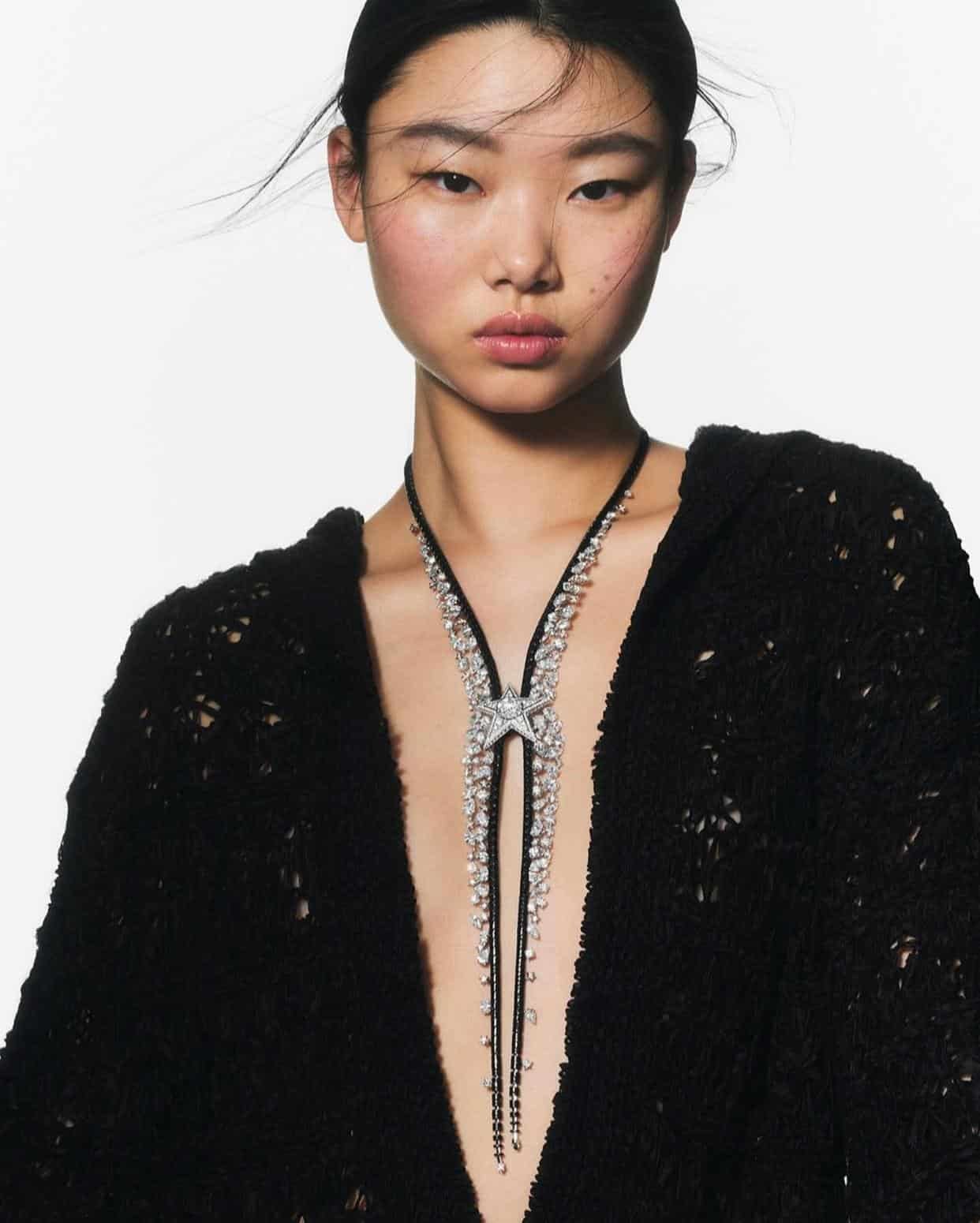
© Chanel

© Chanel

© Chanel
CHANEL
CHANEL High Jewelry Tokyo
Couture Lines Under Japan’s Analytical Light
Tokyo — The Silence That Examines Form
· • • ·
The Spirit of the Place — A City That Only Accepts Accuracy
Tokyo does not look at High Jewelry as adornment.
It reads it as form, structure, balance.
In this city of cool, directional, honest light, every piece reveals its truth:
volume, tension, line, coherence.
CHANEL High Jewelry, built on graphic purity and couture discipline, finds a rare resonance here.
Paris offers style.
Tokyo offers analysis.
Within Japanese architecture — active voids, clean planes, disciplined proportions — CHANEL pieces do not become more sober.
They become more exact.
Tokyo removes effect to keep only structure.
A natural environment for CHANEL’s High Jewelry aesthetic.
· • • ·
Signatures — Volumes, Stones, Codes
1. Couture Movement — A Line Becoming Structure
CHANEL High Jewelry comes from couture:
draping, the sweep of a ribbon, the trajectory of a comet, the softness of a feather.
In Tokyo, these gestures become geometry.
Cold light cuts the line, reveals tension, and exposes volumetric precision.
2. Stones — Silent Intensity
CHANEL stones are never chosen for size.
They are chosen for internal presence:
— deep diamonds,
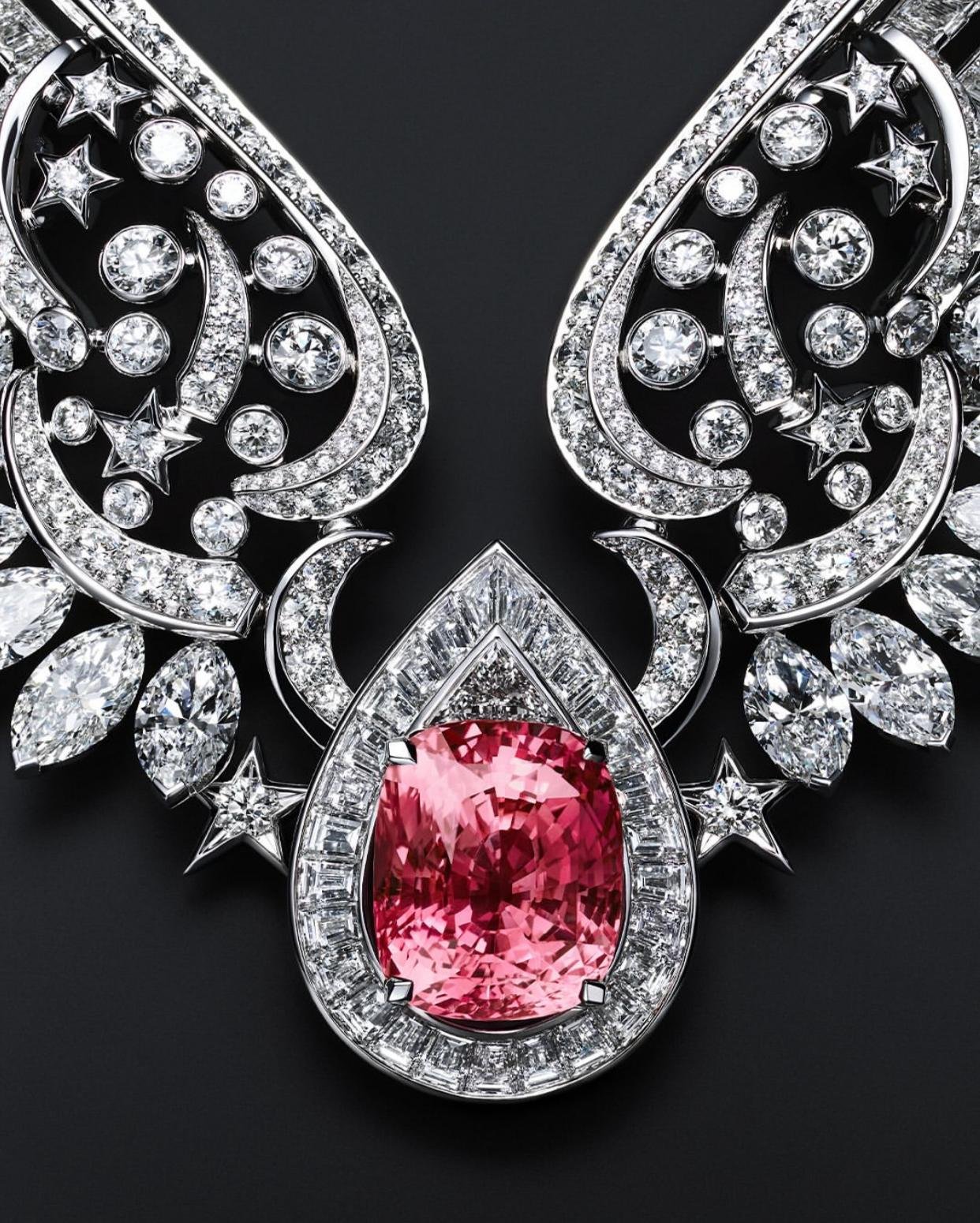
— dense spinels,
— sapphires with calm reflections,
— architected emeralds.
Under Japanese light, this intensity does not scatter —
it remains stable, readable, disciplined.
3. Codes — Ideas Brought to Their Purest State
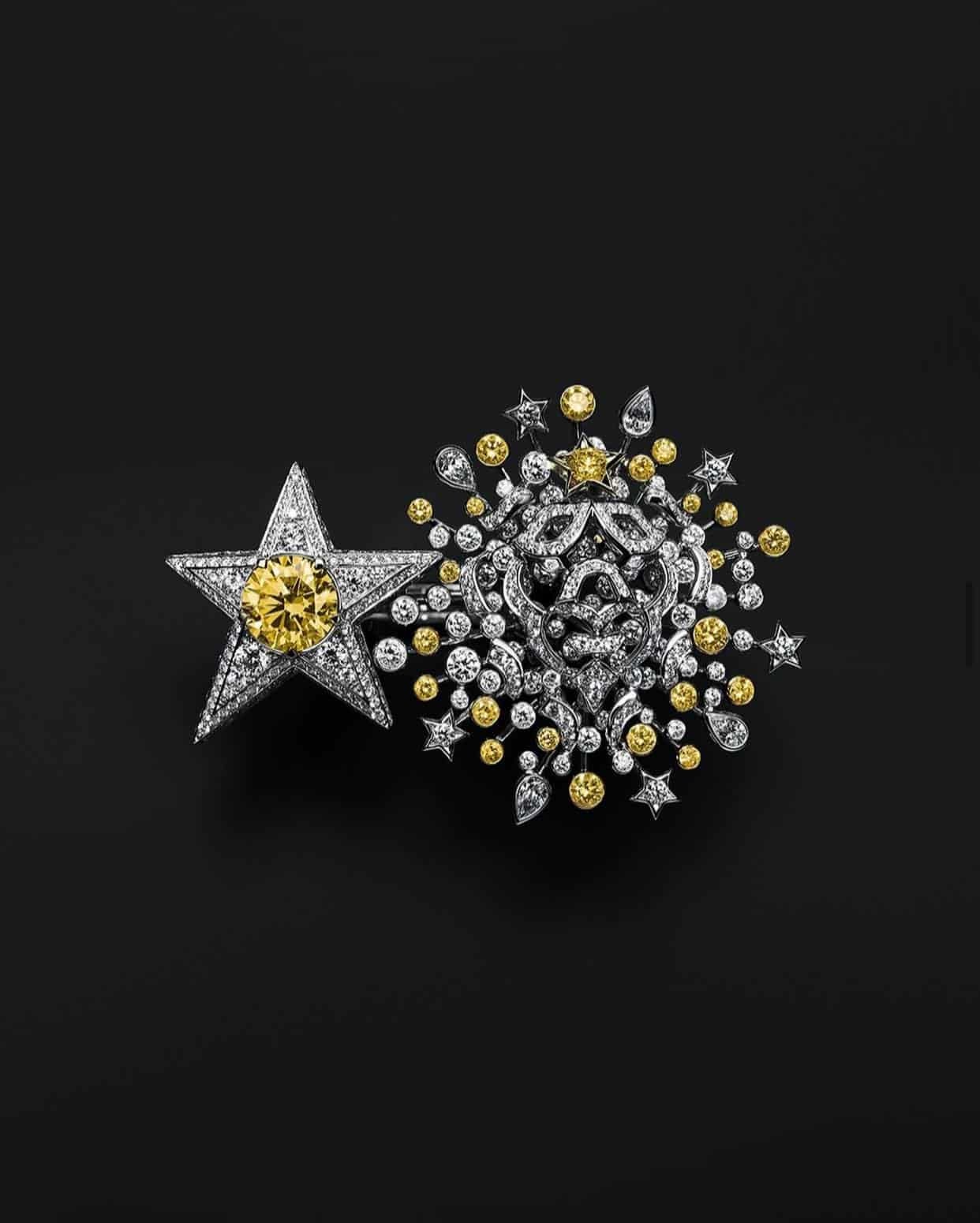
Camellia: abstract sculpture.
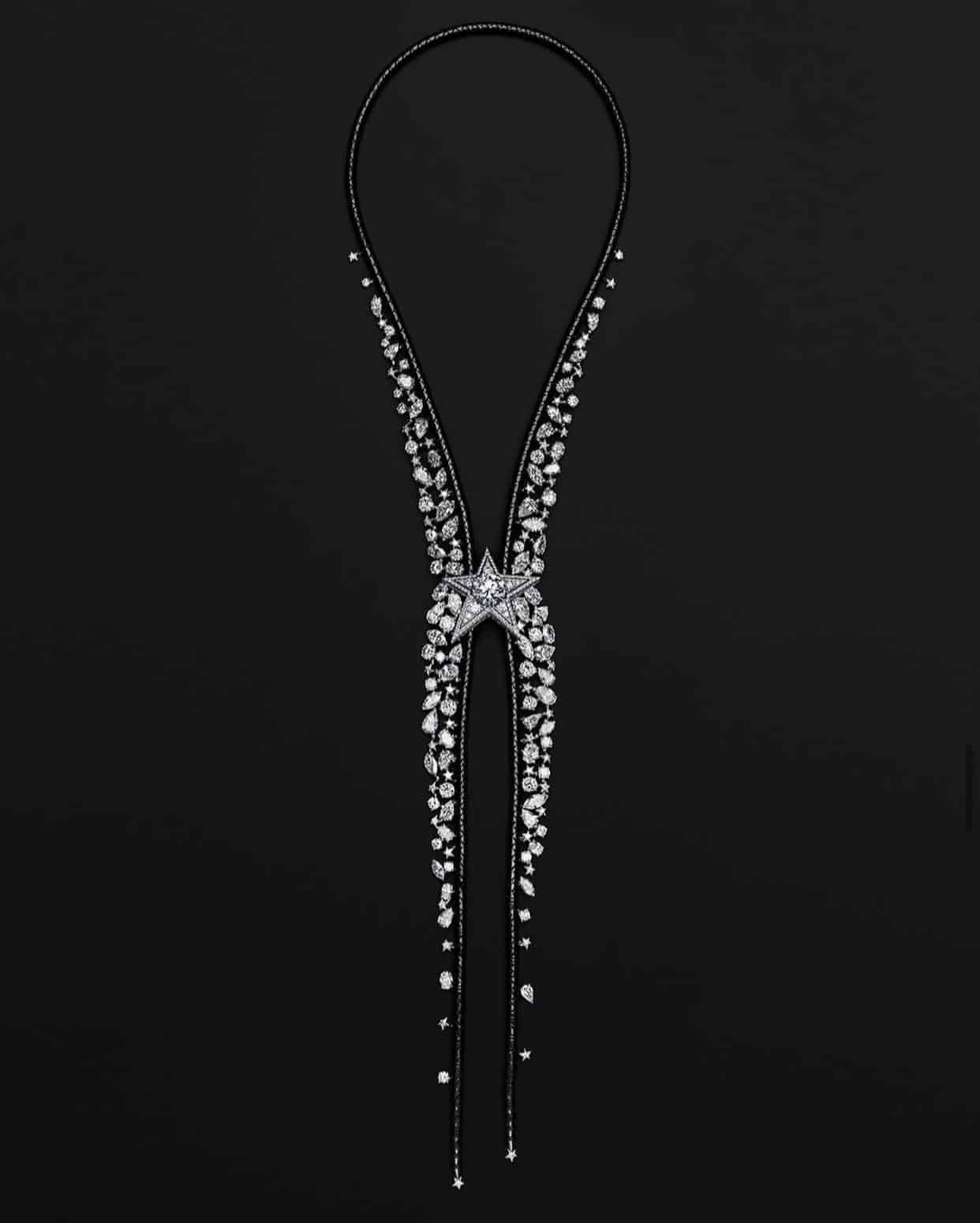
Comet: direction and movement.
Ribbon: graphic tension.
Feather: flexible architecture.
In Tokyo, these elements are not decorative.
They become structures.
· • • • ·
Experience — The Jewel as an Object of Analysis
In Tokyo, the High Jewelry experience is not theatrical.
It is contemplative, analytical.
White light, minimalist vitrines, silence, exact spacing.
The jewel is not displayed to seduce.
It is displayed to be read.
Japanese clients observe:
— setting coherence,
— volume tension,
— internal movement of the stone,
— equilibrium between metal and void.
This precise reading elevates CHANEL High Jewelry, built on line, discipline, and stylistic purity.
In Tokyo, a CHANEL piece is not an object of effect.
It is an object of understanding.
· • • • ·
Sustainability — Discipline as Foundation
CHANEL responsibility is not a statement.
It is a method.
— certified gold,
— stone traceability,
— optimized pavé work,
— reduced material waste,
— mastered gestures,
— highly specialized workshops,
— long transmission of savoir-faire.
In Tokyo, this quiet rigor resonates deeply:
sustainability is not decorative.
It is structural.
For CHANEL, a well-designed jewel is one that uses only what is necessary — no excess, no waste.
Responsibility becomes a question of exactness.
· • • • ·
Conclusion Gloss Signature™
CHANEL High Jewelry Tokyo expresses:
— couture transformed into geometry,
— stones chosen for controlled intensity,
— volumes revealed by Japanese light,
— craftsmanship of extreme precision,
— responsibility treated as method,
— an aesthetic fully aligned with Tokyo’s analytical gaze.
Here, luxury is not brilliance.
It is a disciplined line,
a silent expression,
an architecture of style.
Tokyo does not ask for effect.
It asks for accuracy.
CHANEL answers with complete mastery.
· • • • ·
© Chanel
© Chanel
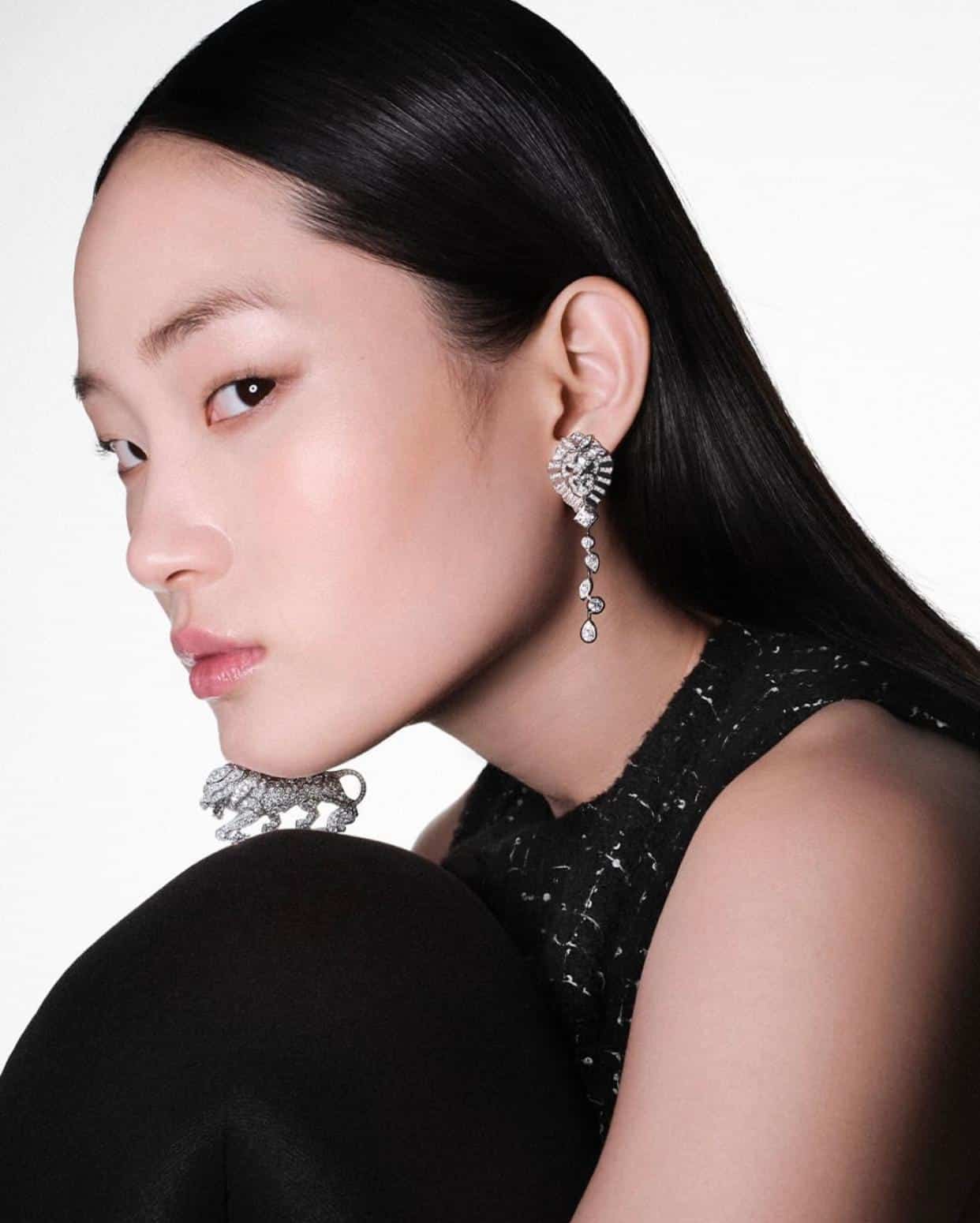
© Chanel
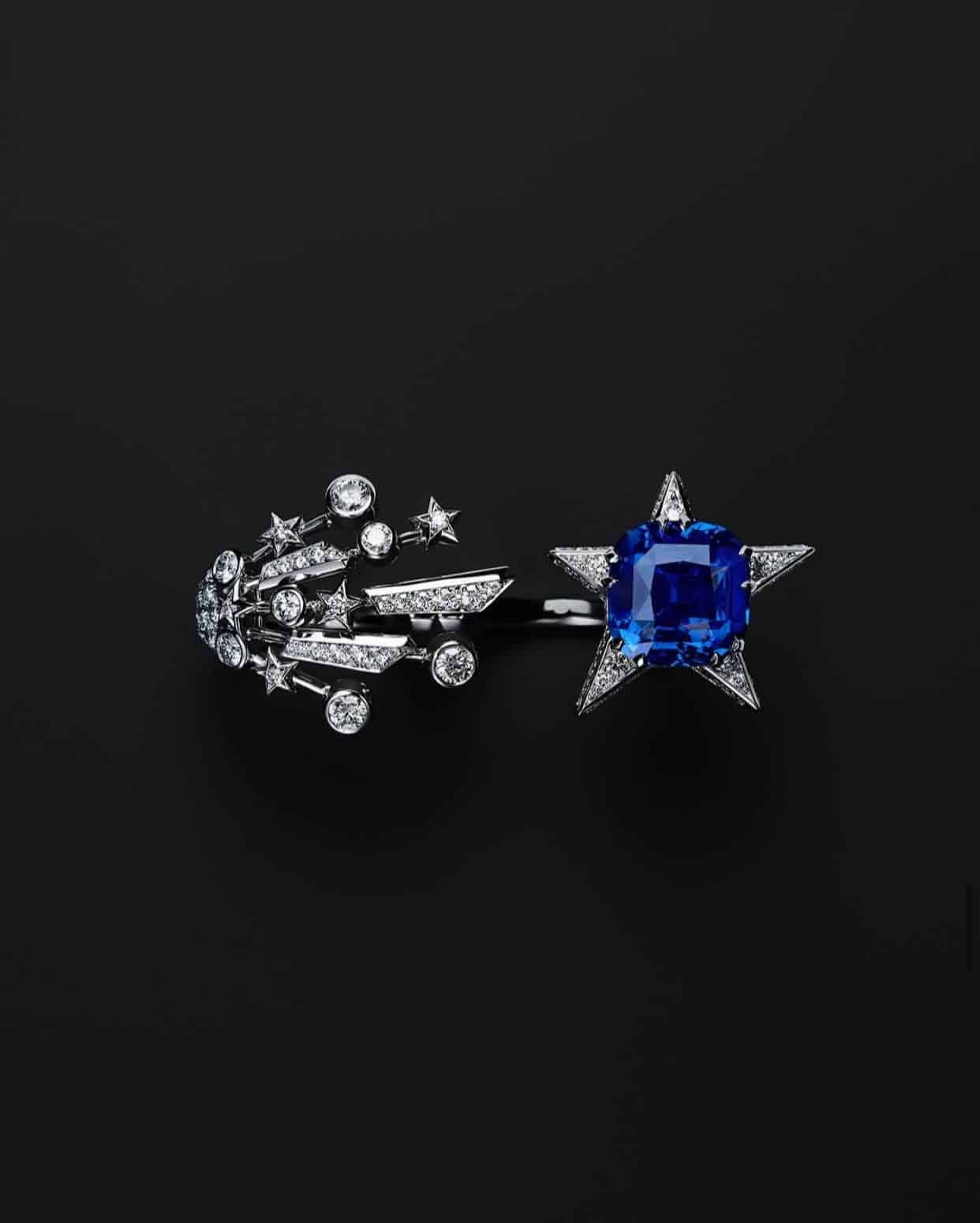
© Chanel
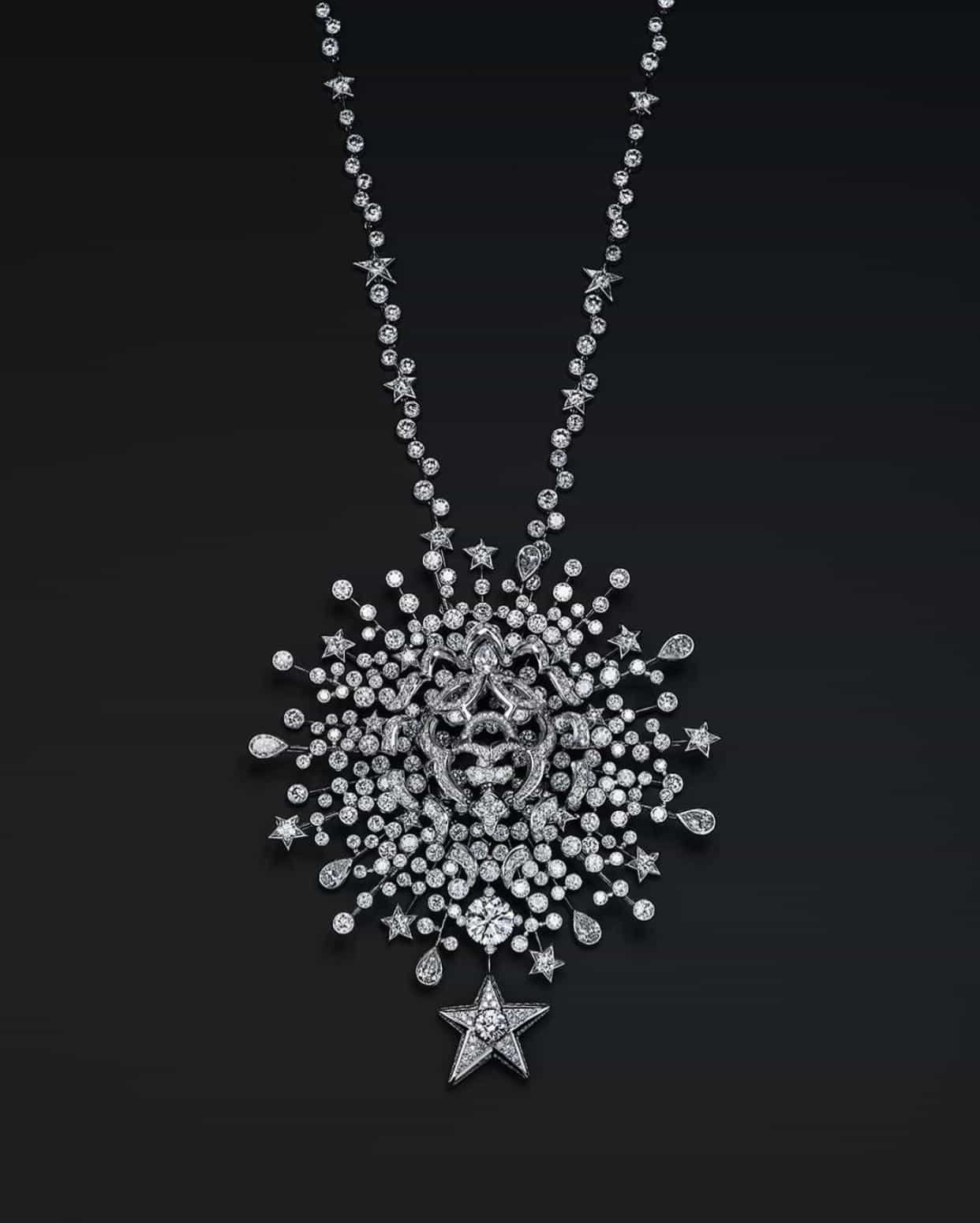
© Chanel

© Chanel
© Chanel
© Chanel
© Chanel

© Chanel
FAQ — CHANEL High Jewelry Tokyo
· • • ·
1. Why does Tokyo offer such a unique environment for CHANEL High Jewelry?
Tokyo has a singular type of light: cool, directional, almost clinical.
It does not aim to flatter a jewel — it tests it.
In this city:
— a volume that is too generous becomes disproportionate,
— an approximate setting becomes visible,
— an unstable stone loses intensity instantly.
Tokyo demands jewelry that withstands the truth of its light.
CHANEL High Jewelry, grounded in couture lines, graphic purity, and precise gestures, aligns naturally with this requirement.
Here, a piece is not judged for effect but for structure.
And that is CHANEL’s strength: exact volumes, symbols transformed into geometry, a clean reading of style.
· • • • ·
2. How does CHANEL High Jewelry differ in Tokyo compared to Paris?
In Paris, CHANEL High Jewelry resonates with couture emotion —
the movement of fabric, the poetry of draping, the seduction of style.
In Tokyo, the same piece becomes a visual structure.
The city reads:
— the tension of a curve,
— the discipline of a volume,
— the regularity of a pavé,
— the coherence of a symbol transformed into form.
Tokyo dissects.
It analyzes.
It observes.
CHANEL High Jewelry, built on rigor and graphic clarity, receives immediate recognition in this analytical environment.
Style becomes geometry.
Allure becomes structure.
Poetry becomes line.
· • • • ·
3. How does CHANEL select stones for High Jewelry presented in Japan?
Selection follows an extremely strict logic:
a stone must remain stable, intense, and calm under Japanese light.
CHANEL never seeks maximal size.
The Maison seeks:
— deep diamonds,
— disciplined sapphires,
— dense spinels,
— architected emeralds.
Each stone is examined from multiple angles:
its reaction to neutral light,
its behavior under raking light,
its intensity within minimalist vitrines,
its capacity to sustain a couture structure.
The stone is never adapted to the design.
The piece is structured around the stone.
This principle creates CHANEL’s silent, almost meditative elegance.
· • • • ·
4. Why do CHANEL symbols resonate so strongly in Tokyo?
Because CHANEL symbols are never decorative —
they are structured.
Camellia → a calm, almost mineral sculpture.
Comet → a luminous direction, an axis.
Feather → flexible architecture.
Ribbon → graphic tension.
Tokyo reads these symbols as forms, not motifs.
Japanese culture values what is refined:
pure lines,
controlled curves,
active emptiness,
silent geometry.
CHANEL symbols, when elevated to High Jewelry, do not seek effect —
they propose balance.
Tokyo understands this balance intuitively.
· • • • ·
5. How are CHANEL High Jewelry pieces crafted to achieve this level of precision?
CHANEL’s ateliers operate like silent laboratories.
Artisans work in:
— neutral light,
— complete calm,
— unmoving concentration.
Each piece follows an unchanging sequence:
— study of the stone,
— wax volumes,
— internal structures,
— micron-level adjustments,
— articulation of elements,
— invisible settings,
— successive polishings.
Nothing is rushed.
Nothing is automated.
CHANEL High Jewelry requires hundreds of hours — sometimes more.
Errors are impossible, because a unique stone never forgives.
The outcome:
pieces that do not shine through excess,
but through exactness.
· • • • ·
6. Why is silence considered essential to CHANEL High Jewelry?
Because silence allows a level of precision that would be impossible otherwise.
In these ateliers:
a stray noise can disrupt the hand,
a fast gesture can fracture a stone,
a misplaced breath can misalign a pavé.
Silence is not background —
it is a tool.
It allows artisans to hear:
— metal tension,
— the friction of a file,
— the stability of a setting,
— the way light “breathes” on a stone.
This calm produces High Jewelry that is not exuberant —
it is controlled, stable, almost meditative.
A perfect resonance with Japanese culture.
· • • • ·
7. Are CHANEL High Jewelry pieces modified specifically for Japan?
No.
They are curated, not modified.
Tokyo demands:
— pure lines,
— clean reading,
— luminous stability,
— no overload.
The pieces selected for Tokyo are those whose construction, balance, and material naturally meet this expectation.
It is not adaptation —
it is rigorous curation.
· • • • ·
8. How does CHANEL High Jewelry express itself in Tokyo spaces such as Ginza?
Ginza imposes extremely precise staging:
— minimalist vitrines,
— white light,
— studied distances,
— total silence.
The jewel is not enhanced —
it is revealed.
In this environment, CHANEL High Jewelry does not seduce with brilliance.
It seduces through structure, internal coherence, and volumetric discipline.
Each piece becomes a visual study.
Tokyo reads:
— curve tension,
— clarity of a setting,
— logic of a symbol reinterpreted as form.
An ideal setting for CHANEL.
· • • • ·
9. Are CHANEL High Jewelry pieces meant to be worn or displayed?
They are meant to be worn — but worn with intention.
A High Jewelry Camellia is not a flower.
It is a sculpture that aligns with a silhouette.
A Ribbon is not a motif.
It is a tension that accompanies movement.
A Feather is not decoration.
It is a soft articulation that follows breath.
CHANEL creates pieces that live.
They interact with gesture, poise, and presence.
Some pieces naturally enter exhibitions due to their artistry,
but their primary purpose is wear — not stillness.
· • • • ·
10. Does CHANEL High Jewelry Tokyo follow the Gloss City grid (50% luxury / 30% craftsmanship / 20% sustainability)?
Perfectly.
50% Luxury
Couture line, graphic discipline, symbol balance, precision of volume — a structural luxury, not a spectacular one.
30% Craftsmanship
Silent ateliers, millimetric gestures, invisible pavé, complex adjustments, mastery of movement.
20% Sustainability
Certified sourcing, high traceability, reduced material waste, optimized volumes, long-term transmission of savoir-faire.
CHANEL High Jewelry Tokyo is one of the purest expressions of the Gloss City model:
luxury as line,
craft as discipline,
responsibility as coherence.
· • • • ·
CHANEL
© Chanel