
© Mandarin Oriental-Tokyo
© Mandarin Oriental-Tokyo
© Mandarin Oriental-Tokyo
Mandarin Oriental Tokyo
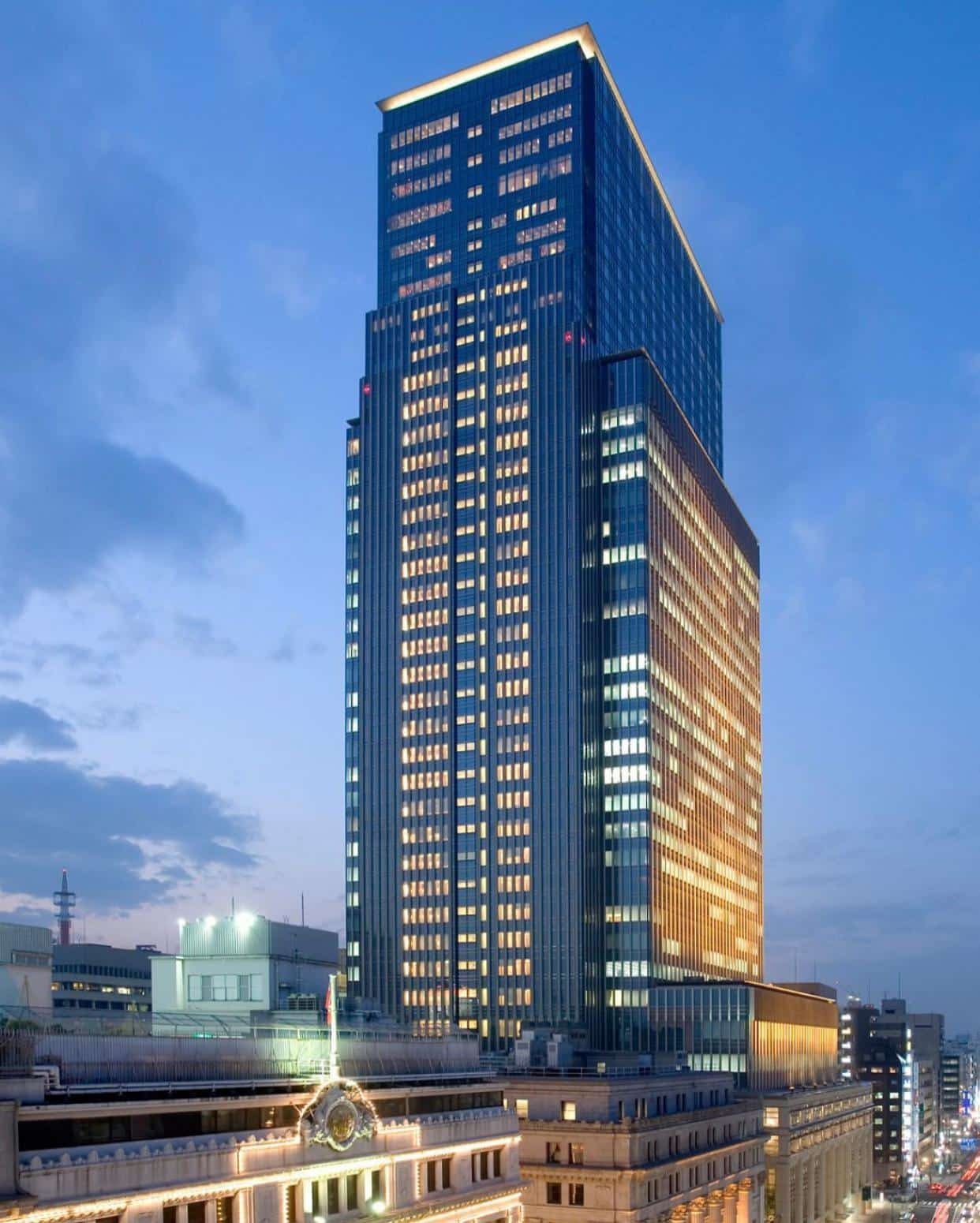
In 1603, Tokugawa Ieyasu built a bridge at the eastern edge of the city he was making into a capital. He named it Nihonbashi — Japan Bridge. From its centre, he measured the distances to every other city in the country. Four centuries later, highway signs across Japan still display the number of kilometres to Nihonbashi, not to Tokyo. That zero point is embedded in the stone of the bridge, two minutes' walk from the Mandarin Oriental. On 2 December 2005, the hotel opened on the top nine floors of the Nihonbashi Mitsui Tower — a César Pelli building attached to the 1929 Mitsui Honkan, classified national important cultural property. The address is not coincidental. It is a statement about where the centre of Japan has always been.
The Philosophy · Wood And Water · Japan As Design Concept
The design concept of the Mandarin Oriental Tokyo has a name the hotel gave it from the beginning: Wood and Water. Japan's geography — its mountains, its rivers, its forests — as the generating logic of every interior decision, from the architectural structure of the tower to the pattern on the wallpaper of each room. This is not a decorative theme. It is a method of coherence applied to a building that must simultaneously serve a financial district clientele of exceptional exigence and a luxury travel audience arriving from every time zone. The rooms carry isegata on their walls — sheets of patterned paper traditionally used for dyeing kimono fabric in the Edo period — a detail small enough to be missed entirely, and precise enough to reward the guest who pauses to look. That balance — the detail that does not announce itself — is the Mandarin Oriental Tokyo's consistent register. The building knows what it is. It does not explain.
1603 · Nihonbashi · The Bridge That Measured Japan
The bridge Tokugawa Ieyasu built in 1603 was so central to the daily movement of Edo that, according to contemporaries, snow could never accumulate on it in winter — the traffic was too constant. It was the starting point of the Gokaido, the five great highways that structured the country's transportation network under the shogunate, connecting the capital to Kyoto, to the northern provinces, to the sacred site of Nikko. From its centre, every distance in Japan was calculated. That function has never been transferred elsewhere. Today, the zero kilometre marker is still embedded in the middle of the Nihonbashi Bridge — a bronze disc, easy to miss, that carries four centuries of national geography on its surface. The 1929 Mitsui Honkan building adjacent to the tower where the Mandarin Oriental stands was designed during the early Showa era in Beaux-Arts style, designated a national important cultural property in 1998, and integrated into the Nihonbashi Mitsui Tower redevelopment. The hotel occupies the top nine floors of that tower. Between the zero kilometre marker and the suite on the thirty-sixth floor, there is a continuity of address that no other luxury hotel in Tokyo can claim.
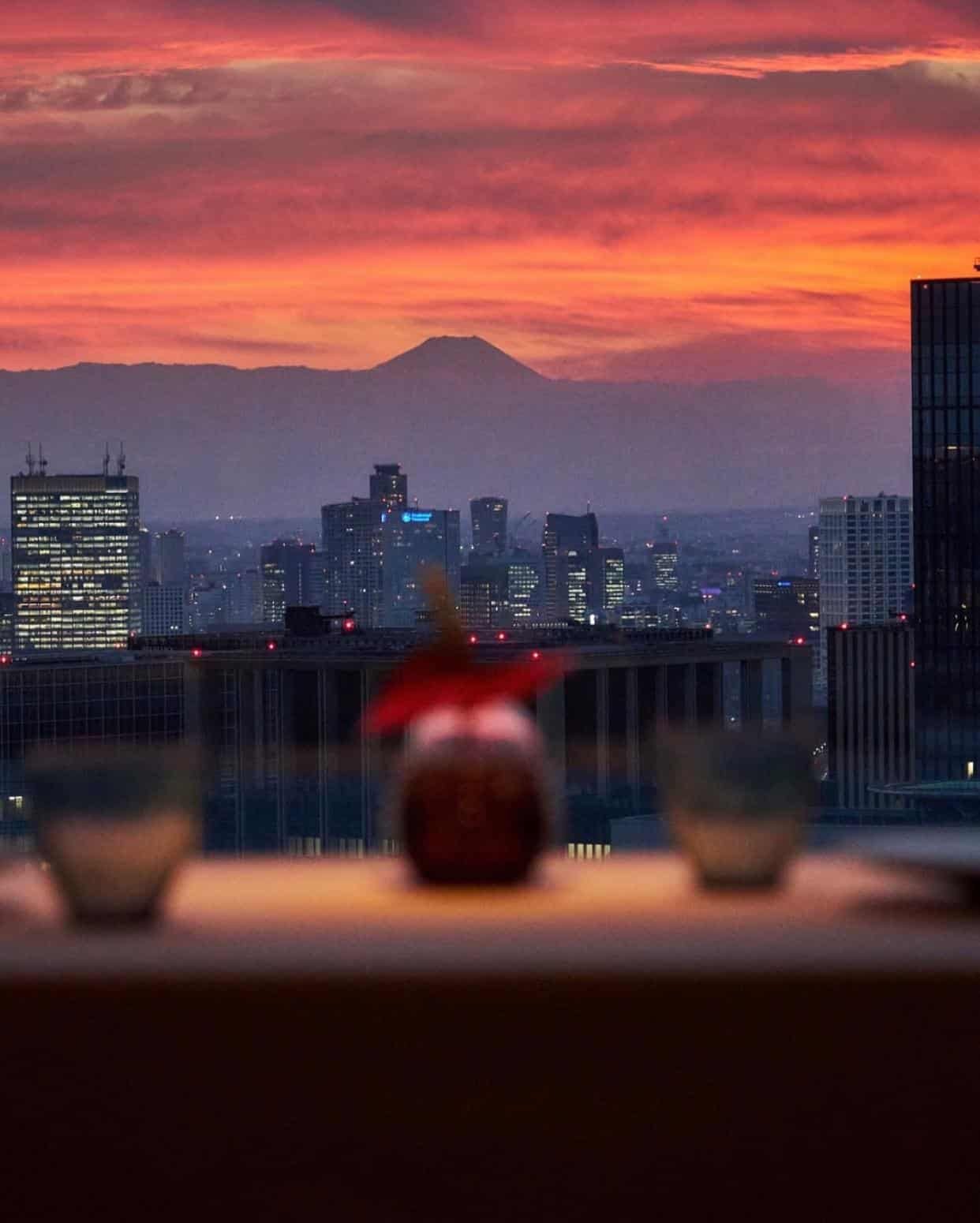
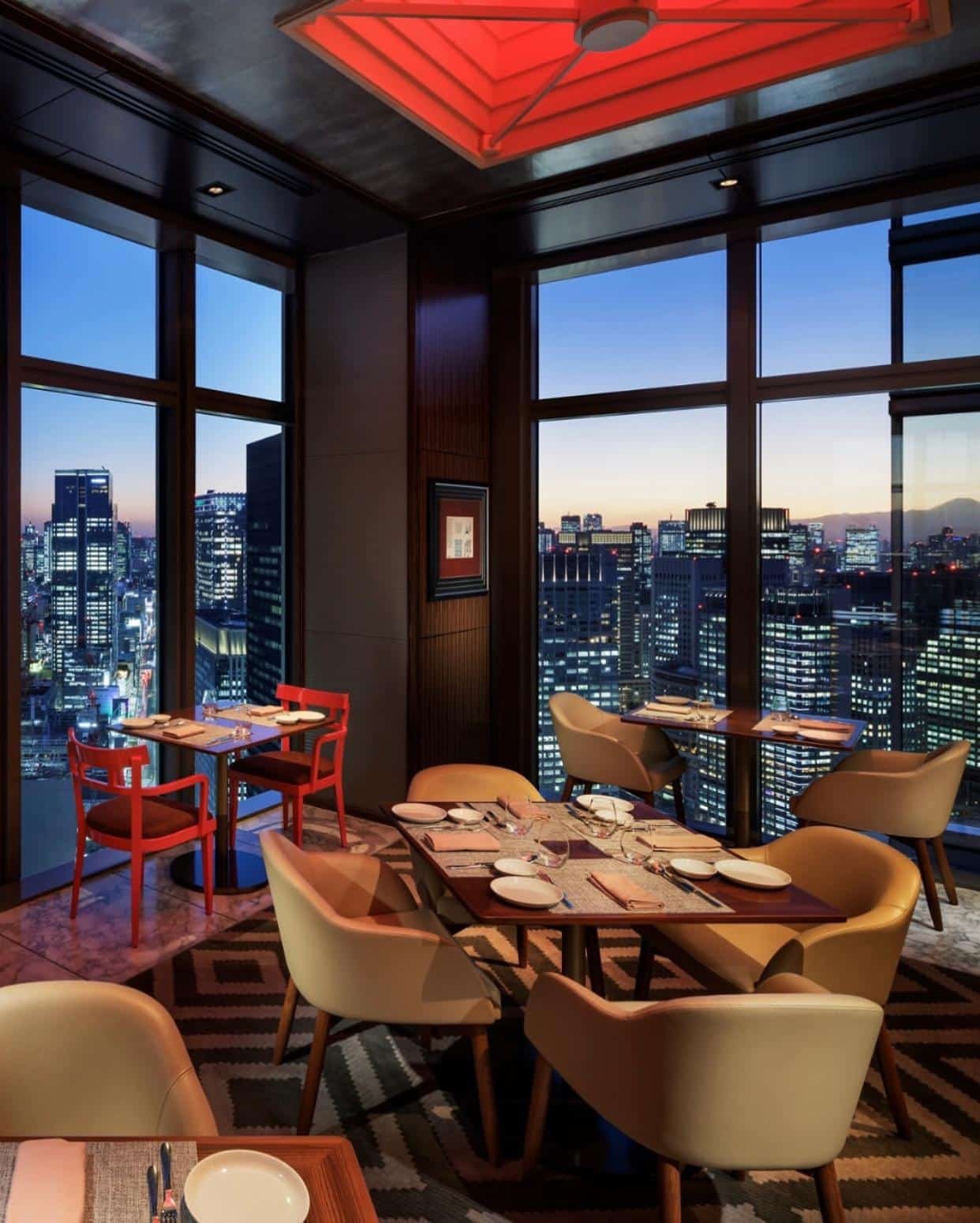
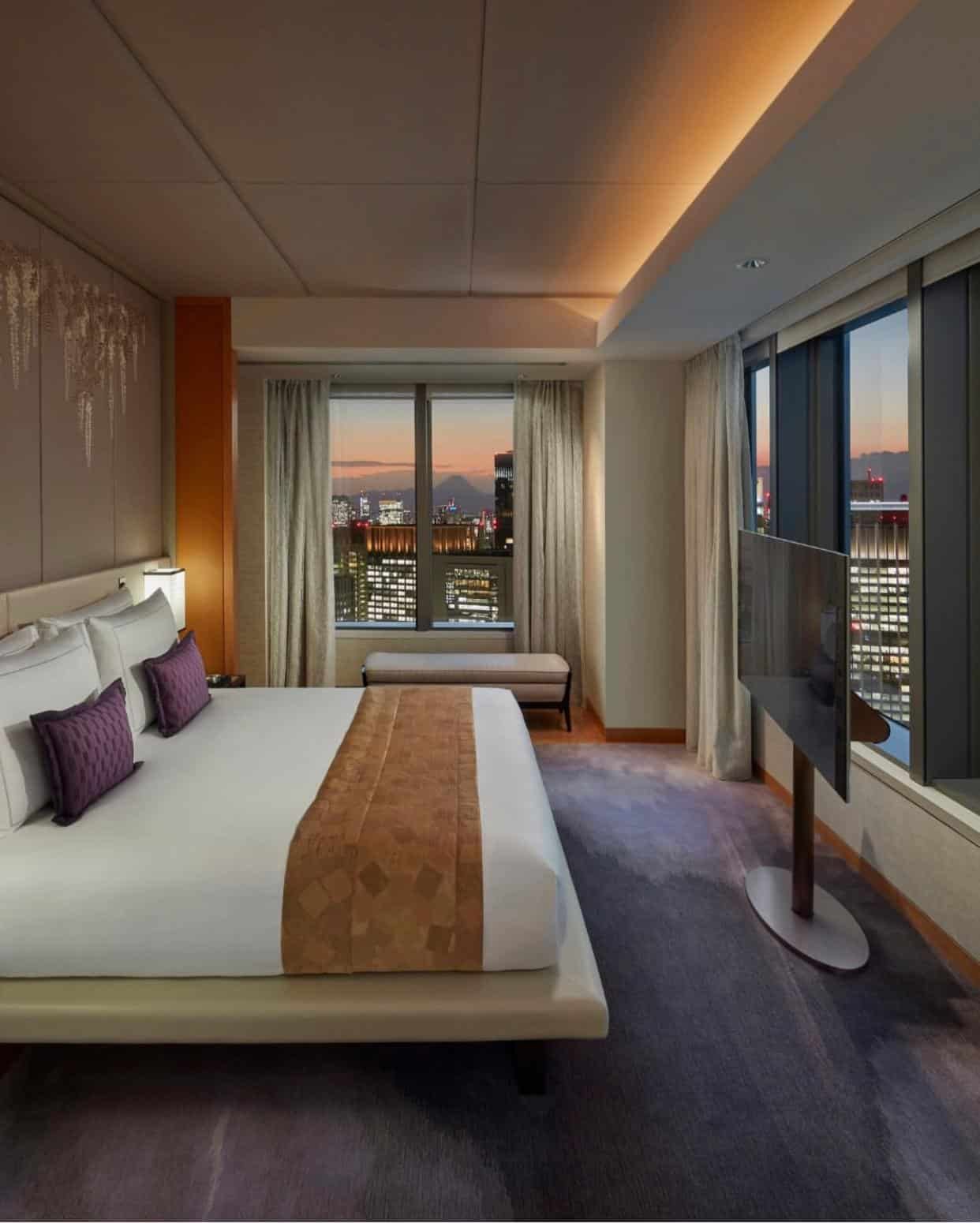
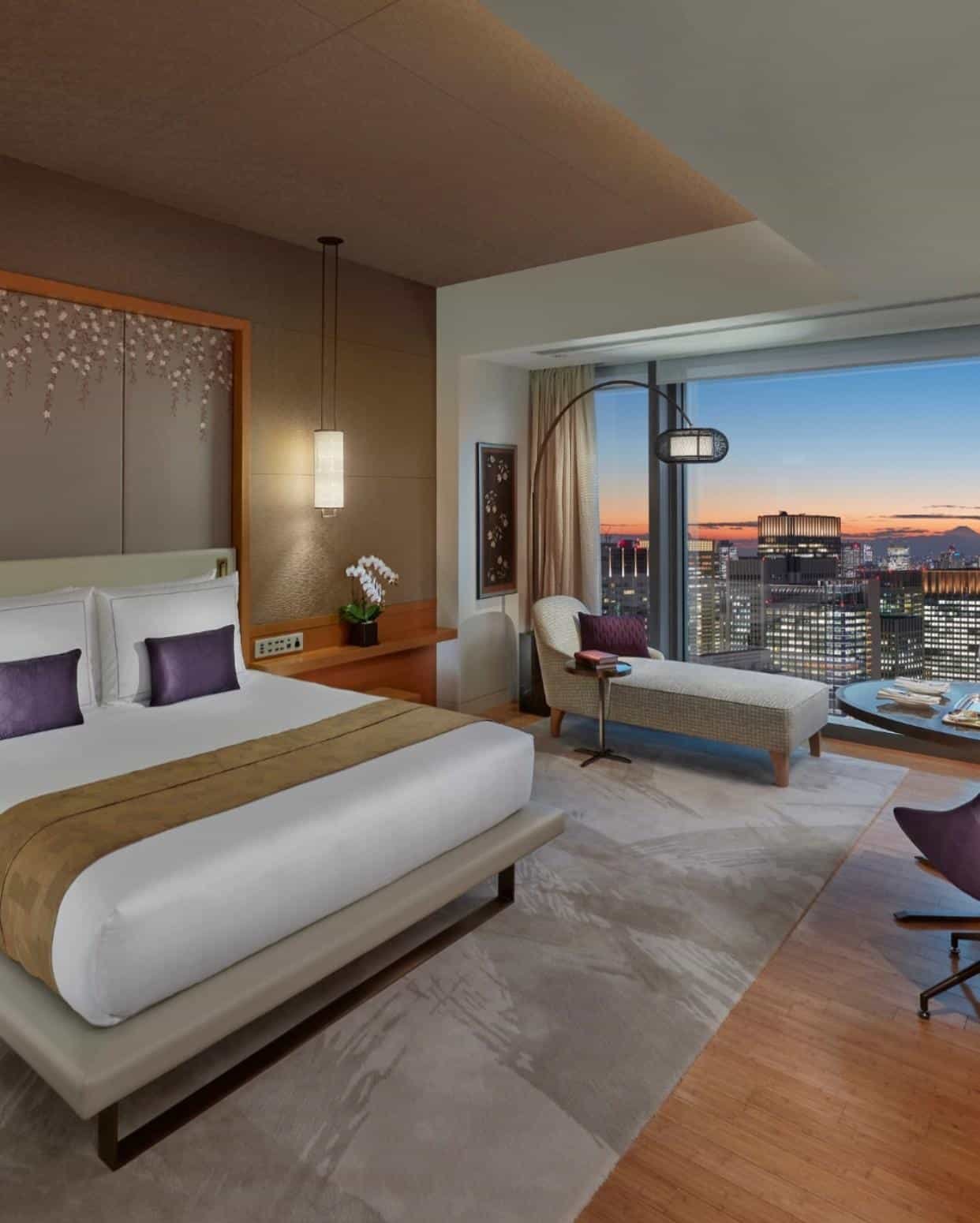
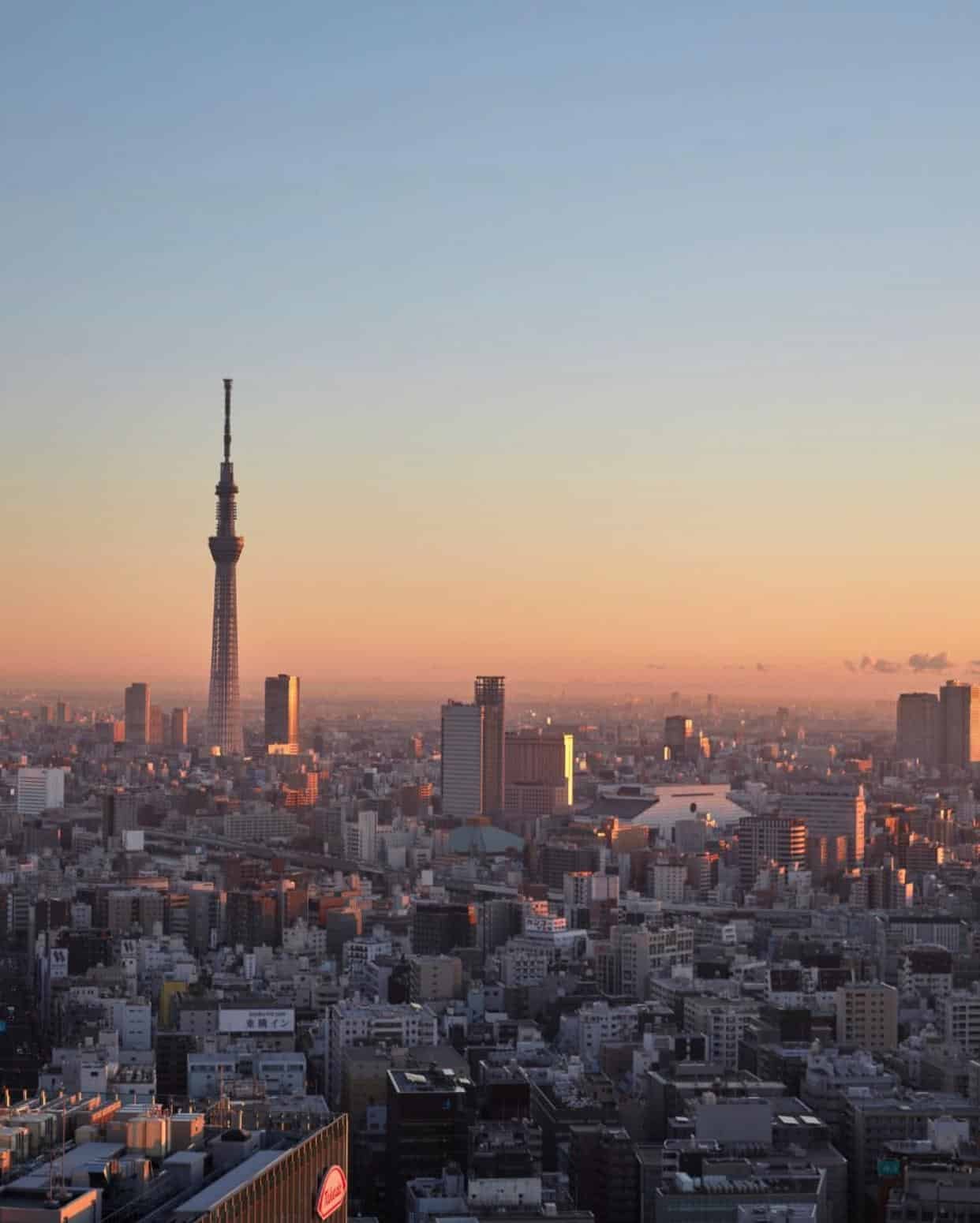
One hundred and seventy-eight rooms across seven floors, each oriented to capture the two geometries of Tokyo from altitude. Rooms facing east look over the Sumida River and, on clear days, the Tokyo Skytree — the city's density at its most legible. Rooms facing west open toward the Imperial Palace gardens and, beyond them, the Shinjuku tower cluster, and further still, on winter mornings of exceptional clarity, Mount Fuji. The view is not guaranteed. That is, precisely, what makes it matter. Inside each room, the isegata panels — sheets of patterned paper used for centuries in the dyeing of kimono fabric — are set into the walls at eye level. The pattern varies by room. A guest who returns will notice. A guest who does not return will not know what they missed. Both responses are accommodated by the same decision.
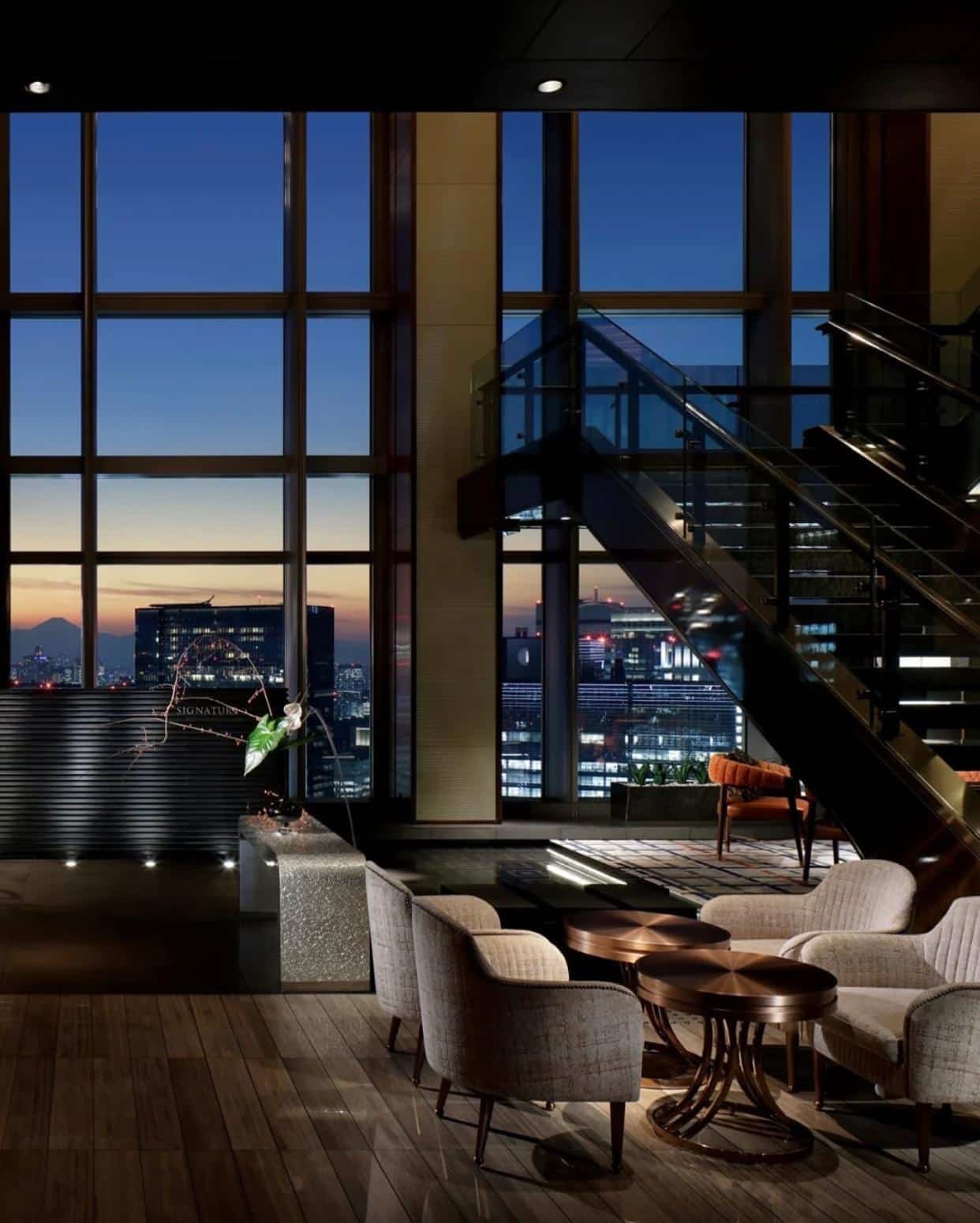
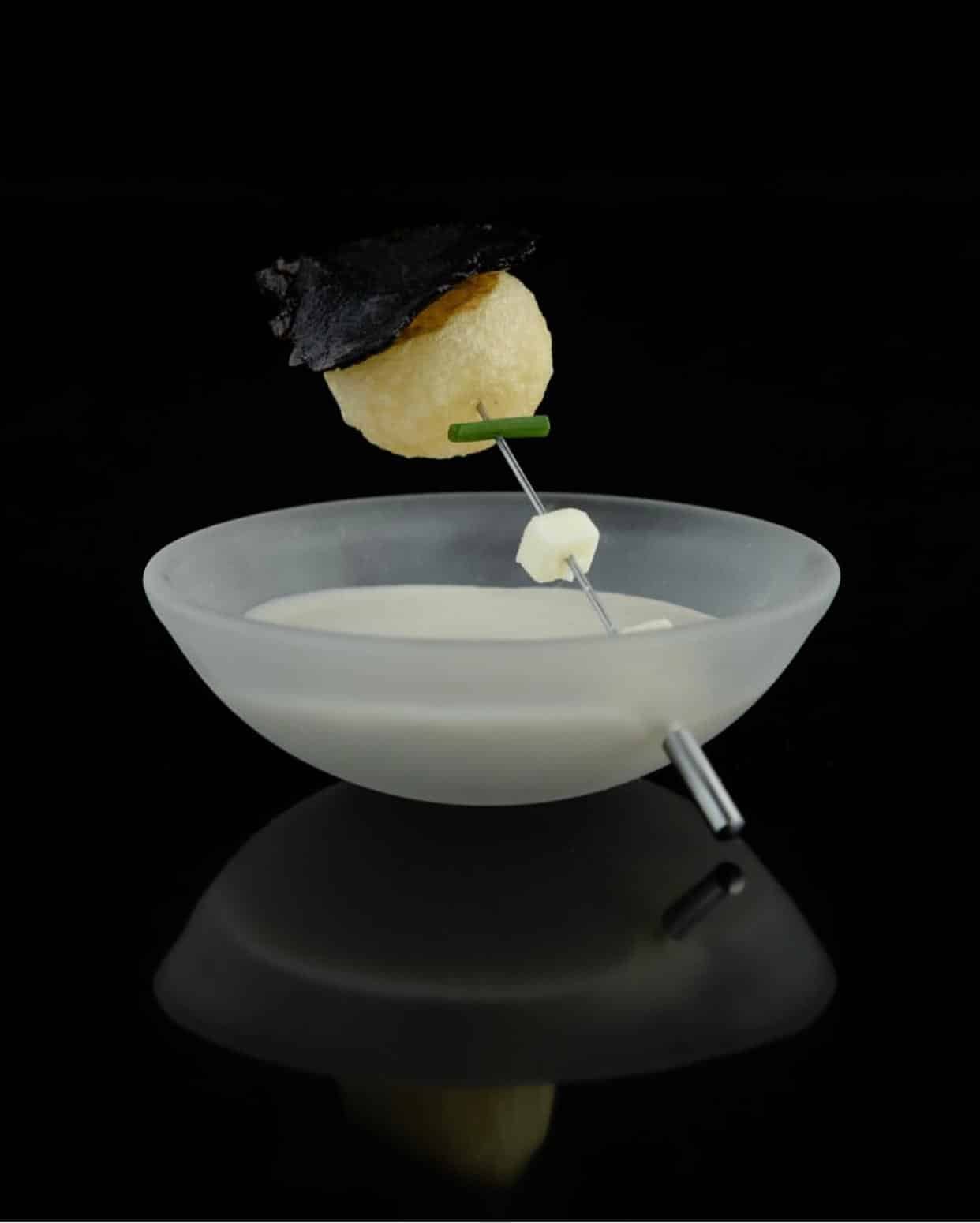
On the thirty-eighth floor, in the corner of the Oriental Lounge, the Tapas Molecular Bar has eight seats and one Michelin star. The service lasts two hours. The menu is a multi-course sequence in which food disguises itself as other things — roasted pork arrives as a smoking Cuban cigar; glass cloches filled with nitrogen open at the table to release a cloud that dissipates before the dish beneath it is visible; a cappuccino reveals, on tasting, a dense mushroom reduction. This is not novelty for its own sake. It is a rigorous inquiry into what a flavour becomes when its appearance is removed — a question that the kitchen takes seriously and that the counter's eight guests, seated in a line facing the chefs, are invited to take seriously with it. Reservations open months in advance. The counter fills. The city, through the floor-to-ceiling windows behind the chefs, performs its own theatre at the same time.
The spa occupies the thirty-seventh floor in its entirety — four treatment rooms and five VIP suites, a vitality pool and a water lounge with submerged beds, all oriented toward a glass facade through which the city is visible from water level. The dry sauna faces the skyline without interruption. Since 2009, the Mandarin Oriental Tokyo has held five Forbes Travel Guide stars for the hotel and for the spa simultaneously — one of the very few establishments in Asia to maintain this double classification without interruption for more than fifteen consecutive years. The signature treatment, Totally Tokyo, is structured around five Japanese materials: green tea, pine, bamboo, rice bran, plum — each one a plant that the Japanese pharmacopoeia and culinary tradition have used for centuries, applied here in sequence across a treatment whose logic is botanical before it is cosmetic.
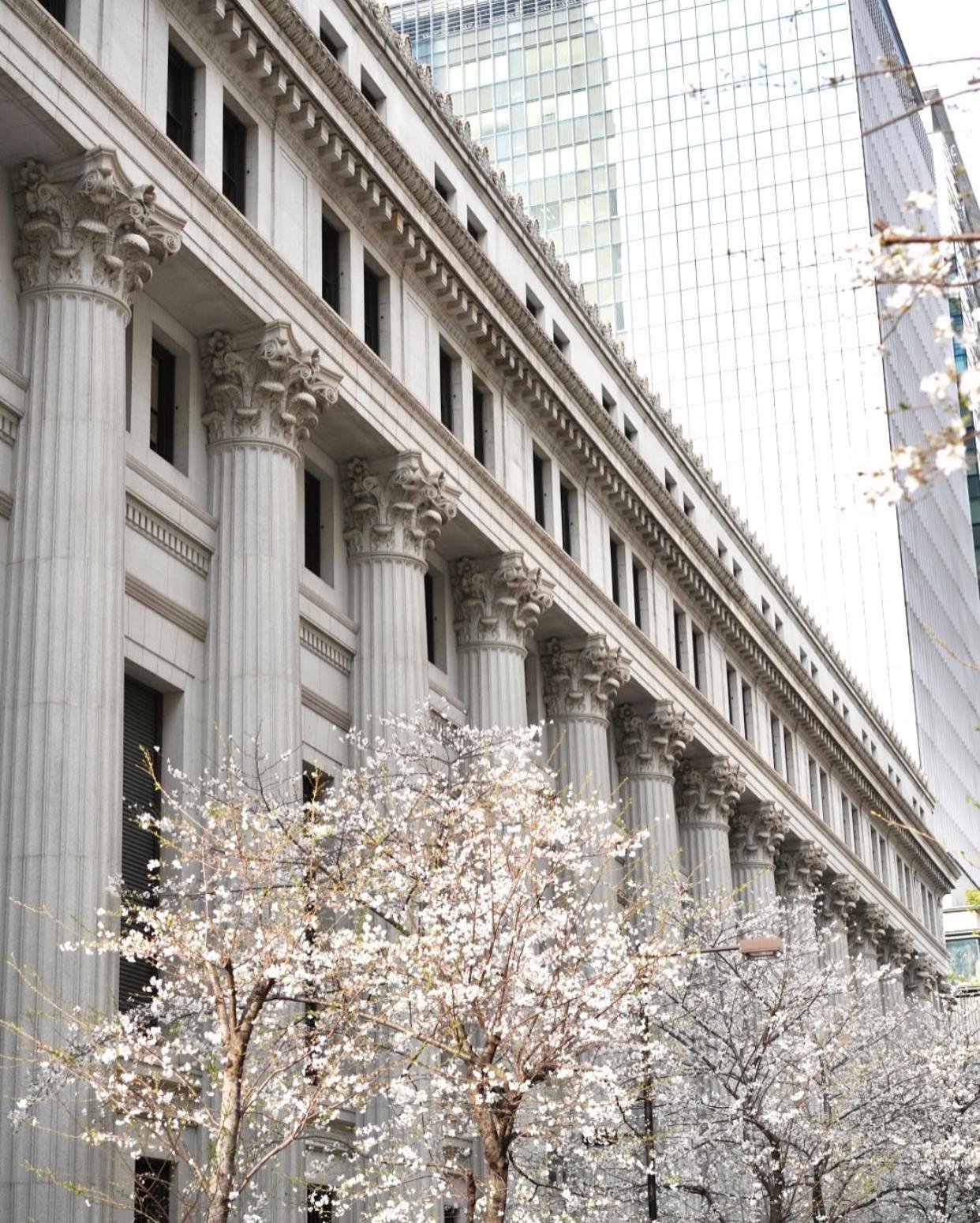
The Nihonbashi Mitsui Tower was designed by César Pelli — the architect of the Petronas Towers and the World Financial Center in New York — and completed in 2005 as a forty-one-storey mixed-use building that physically connects to the 1929 Mitsui Honkan. The connection is not merely architectural. The Mitsui family developed Nihonbashi commercially from the seventeenth century, founding what would become Japan's first department store from a kimono shop in this district. The Mitsui Honkan houses the Mitsui Memorial Museum on its seventh floor — three hundred years of the family's art collection, available to hotel guests without appointment. On the lower levels of the tower, the Sembikiya fruit retailer — established on this same block in 1867 — continues to operate in its new premises. The continuity of address across centuries is not heritage branding. It is simply what Nihonbashi is.
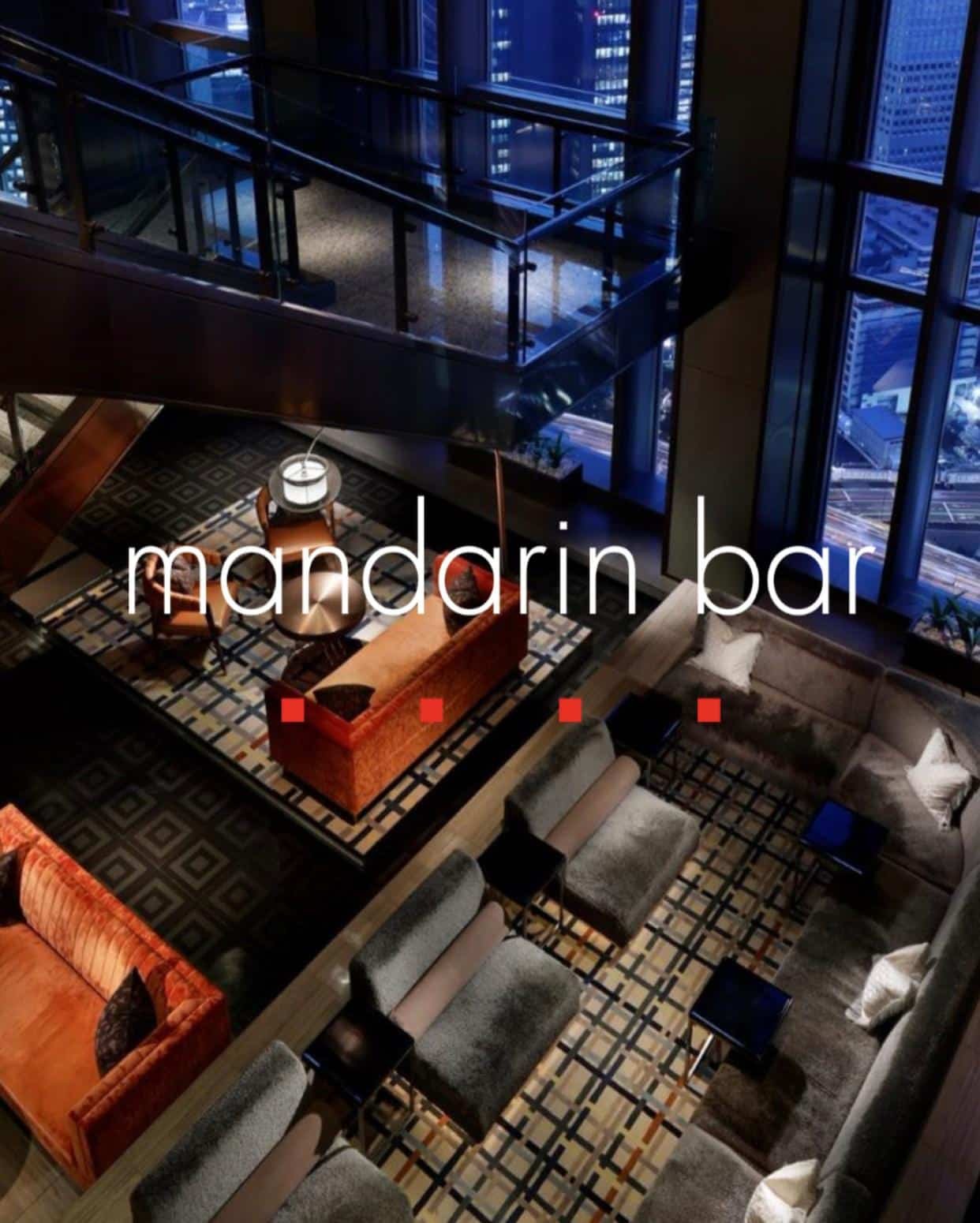
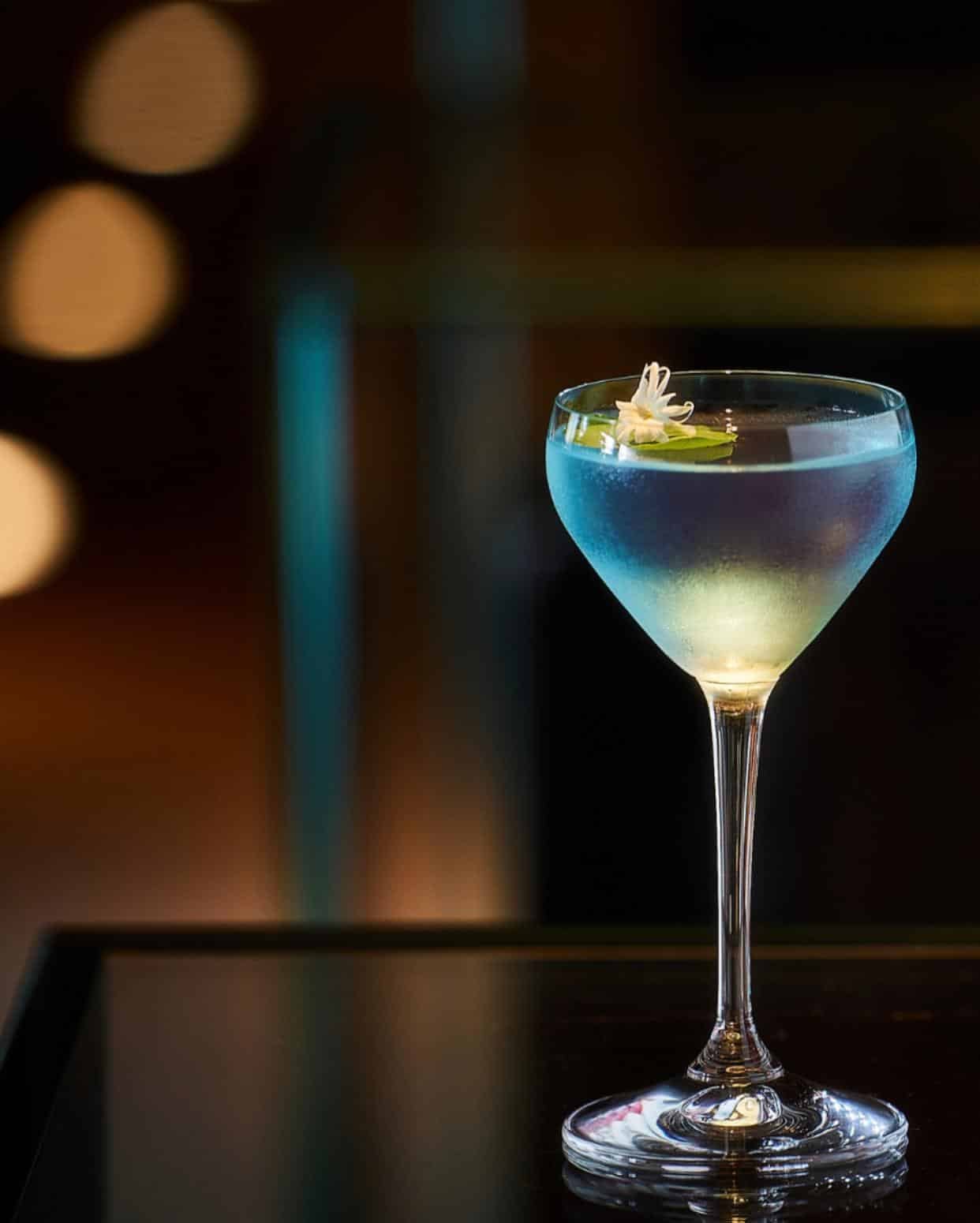
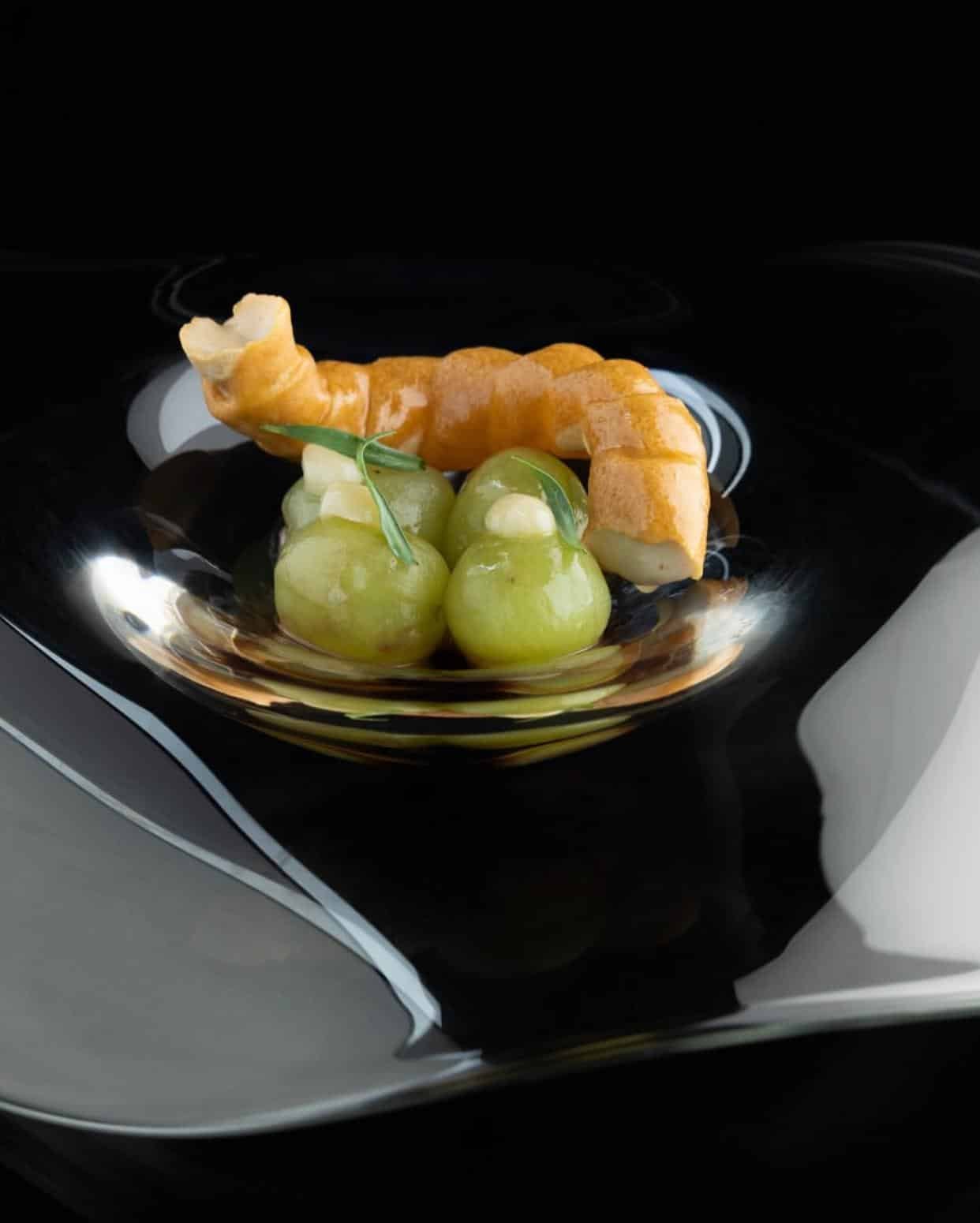
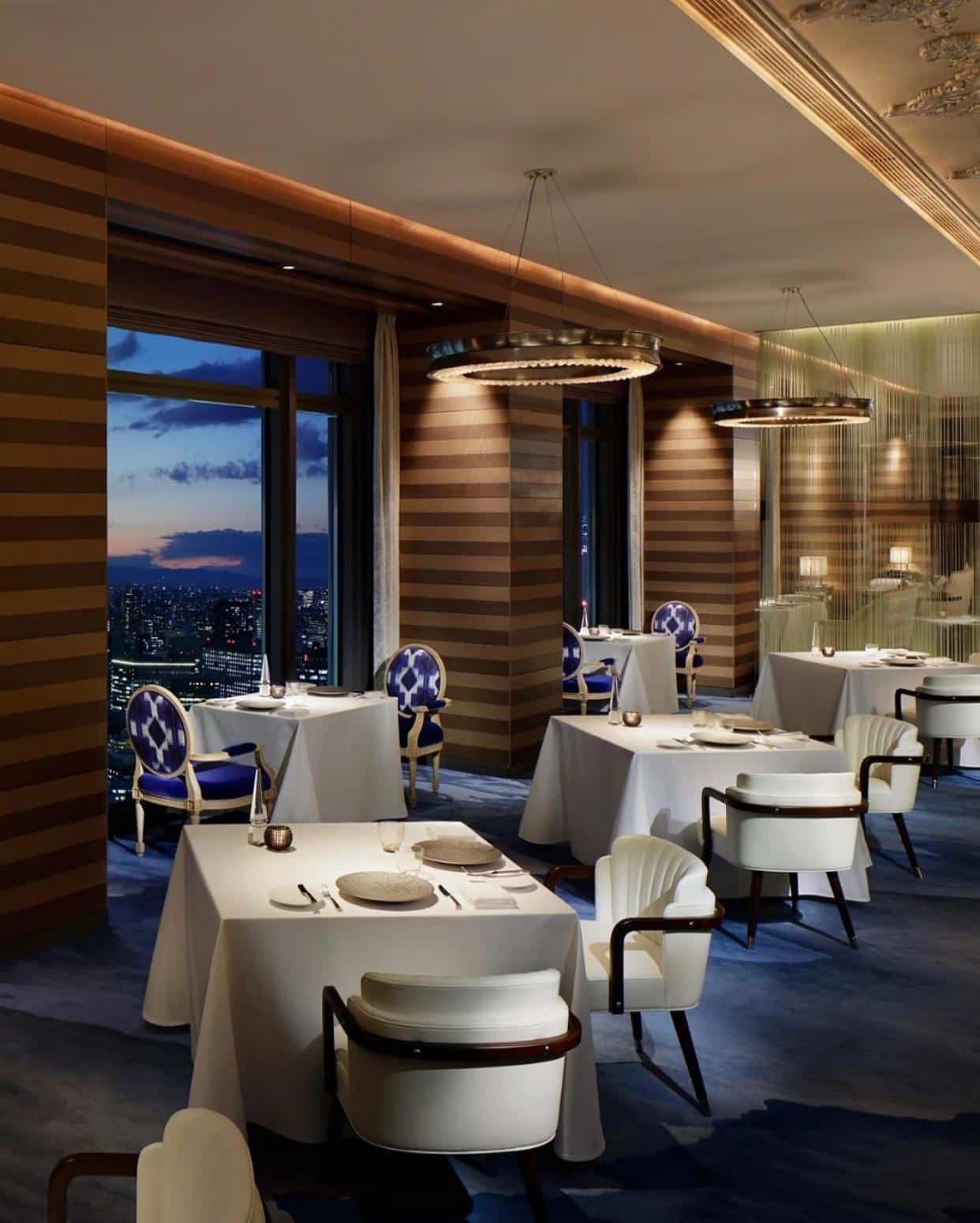
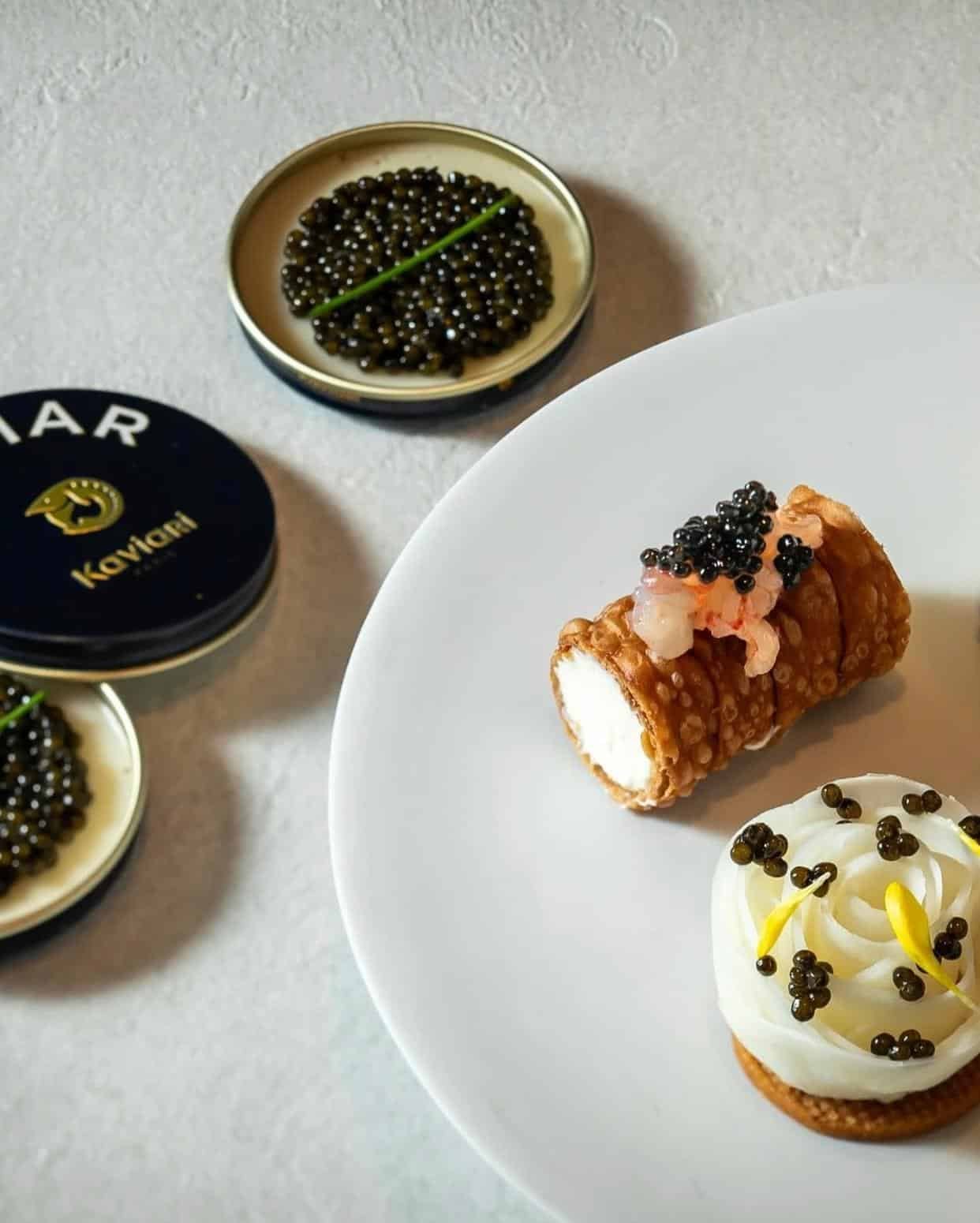
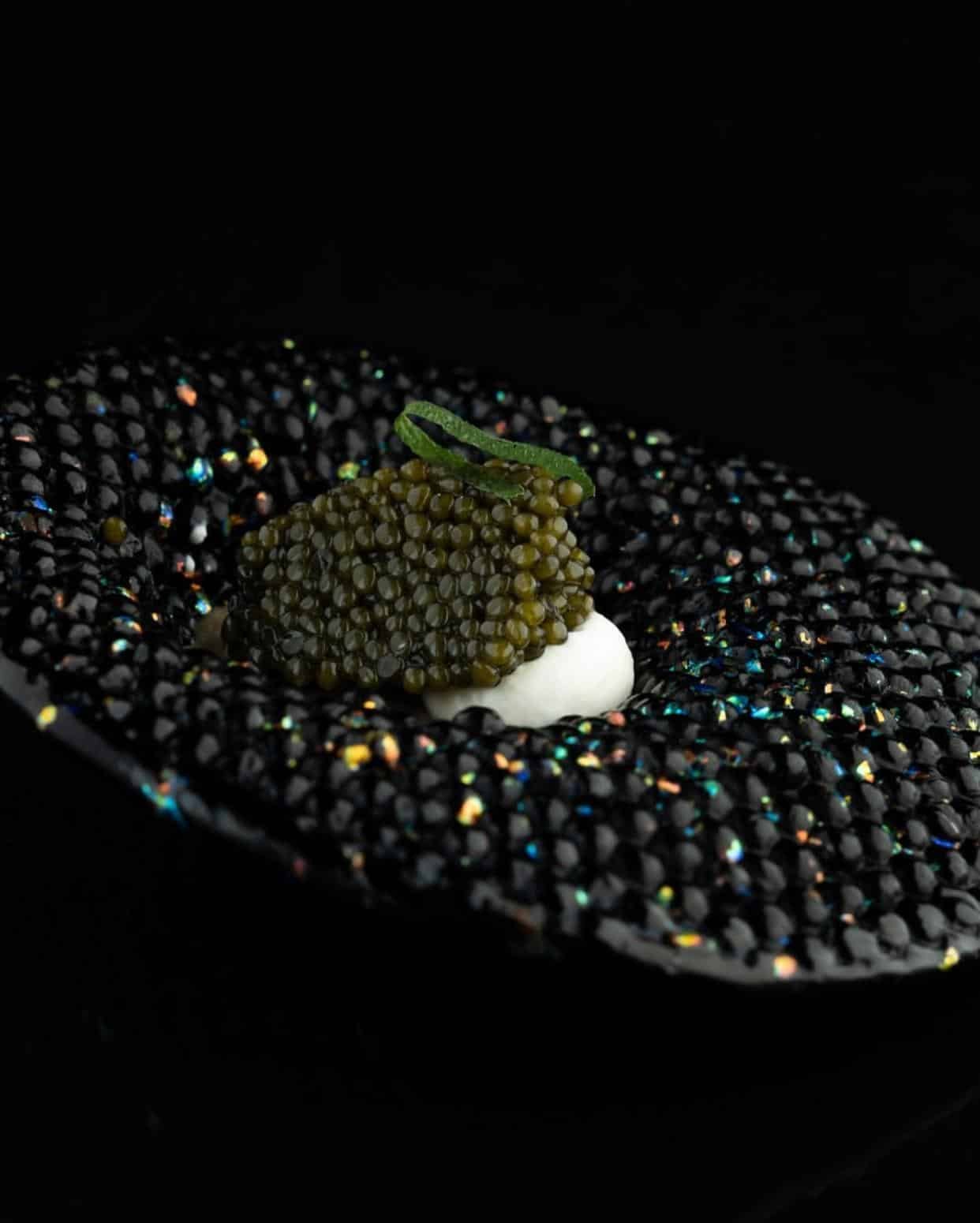
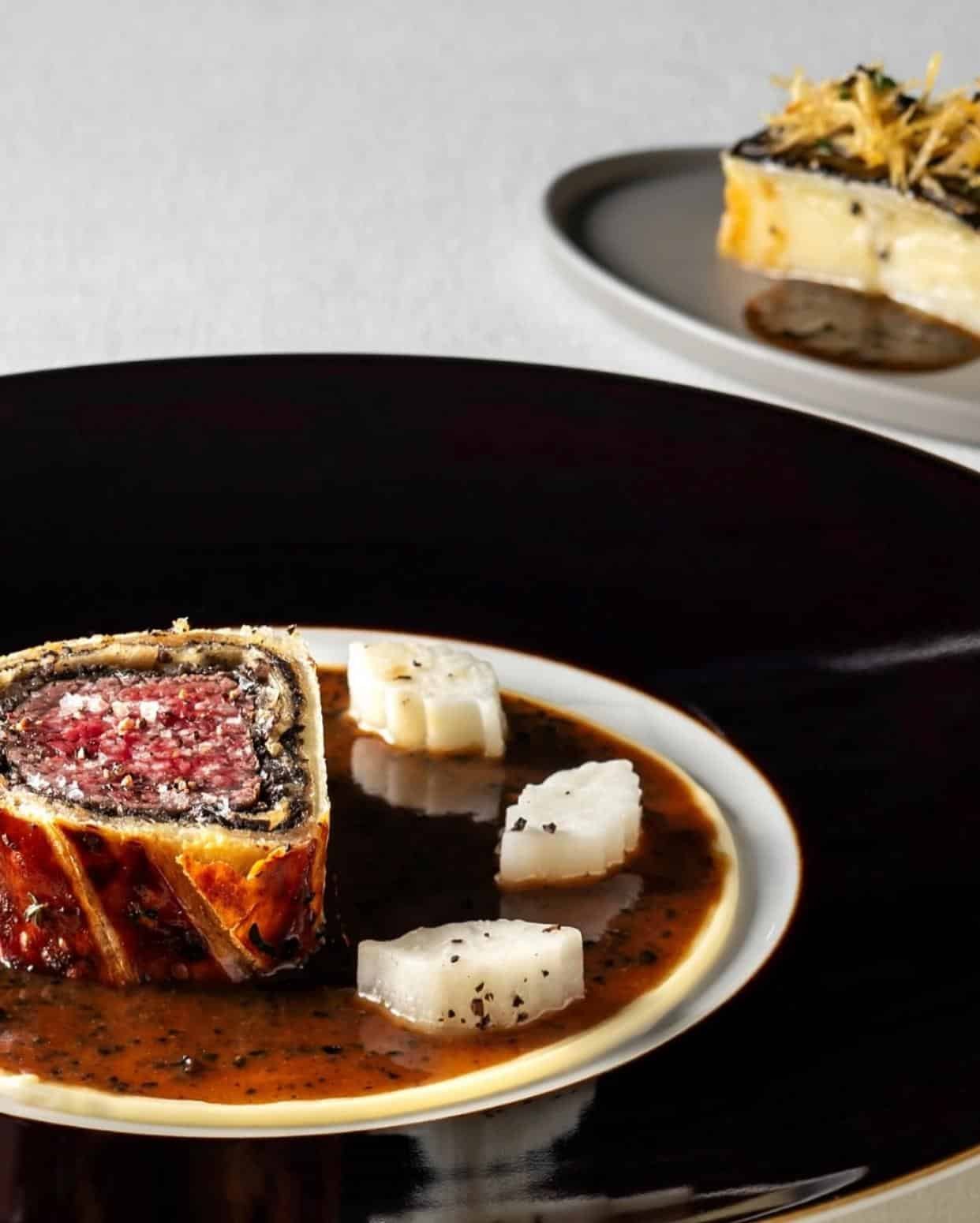
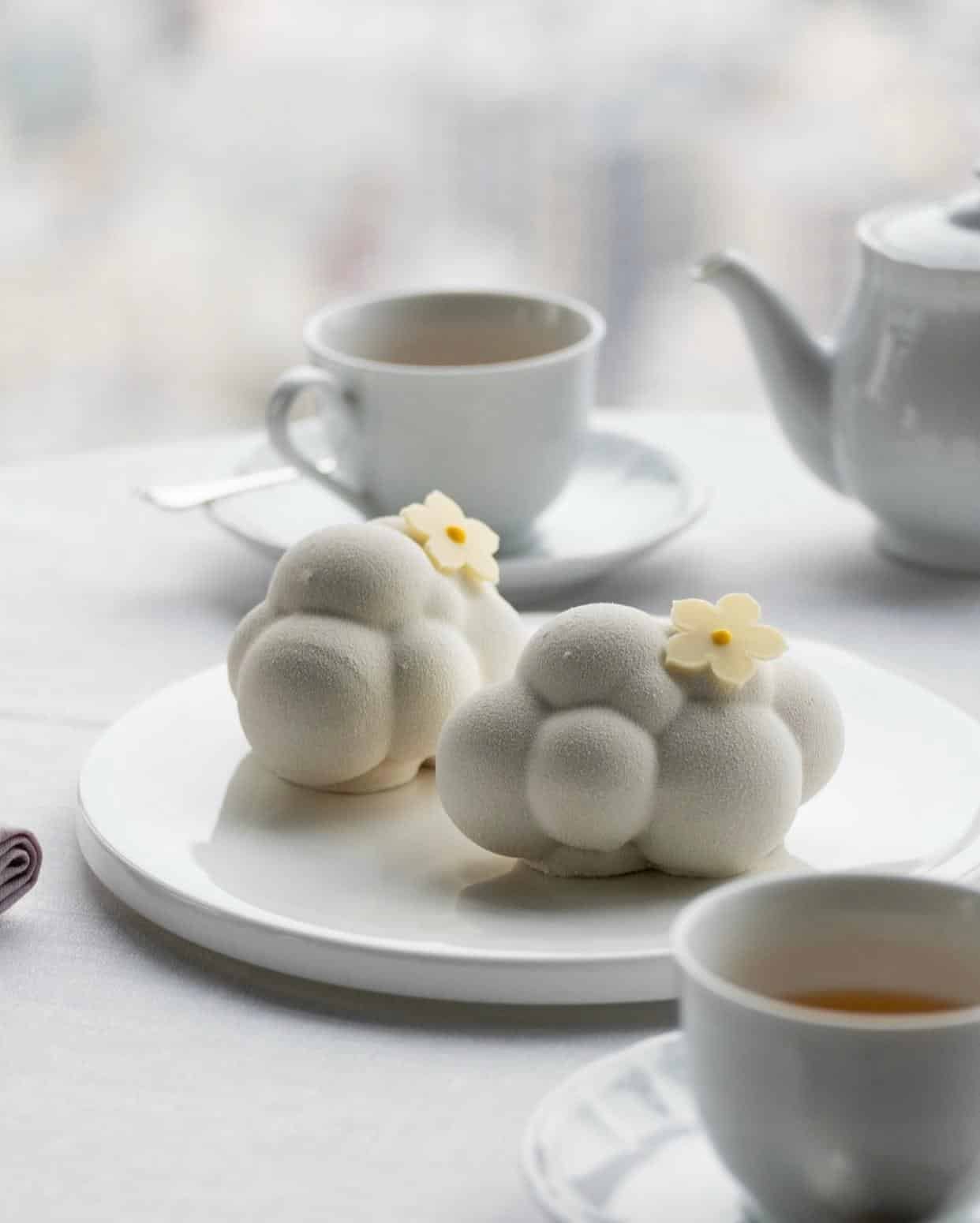
Ten restaurants and bars concentrated on the top two floors of the tower — a density of dining that makes the Mandarin Oriental Tokyo one of the most complete culinary addresses in the city above ground level. Three restaurants hold Michelin stars simultaneously: Sense, for Cantonese cuisine; Signature, for French; and the Tapas Molecular Bar. Sushi Shin by Miyakawa is the first Tokyo branch of the Hokkaido restaurant holding three Michelin stars in its home city. The Sense Tea Corner on the thirty-seventh floor specialises in the service of fine Japanese teas — a practice that the hotel positions not as a supplement to the dining programme but as a distinct discipline, with its own vocabulary of seasonal selections, water temperatures, and service rhythm. In a city where tea is not a beverage but a philosophy, that distinction matters.
Gloss Tokyo covers the Mandarin Oriental Tokyo through its address before its amenities — because the address is the argument. A hotel positioned directly above the zero kilometre marker of Japan, in a tower attached to a Beaux-Arts building that the government has classified as a national important cultural property, adjacent to the bridge from which all distances in Japan are still officially measured: this is not a location chosen for convenience. It is a location that places the hotel inside a four-century conversation about where the centre of Japan is. The rooms, the spa, the molecular bar, the Michelin constellation — all of these are expressions of the same intelligence applied at different scales. The Mandarin Oriental Tokyo does not have to explain why it is here. Nihonbashi explained that in 1603.
In 1603, Tokugawa Ieyasu built a bridge.
From its centre, he measured every distance in Japan.
Four centuries later, highway signs across the country
still display the number of kilometres to Nihonbashi —
not to Tokyo.
The zero point is a bronze disc
embedded in the stone of the bridge.
Two minutes' walk from the hotel.
A hotel does not need to invent its history
when the ground beneath it
has been the centre of the country
since the beginning.
In the geography of Tokyo luxury, the Mandarin Oriental Tokyo occupies a position that its competitors cannot replicate — not because of its Forbes stars or its Michelin constellation, but because of its address. Nihonbashi has been the commercial and navigational centre of Japan since 1603. The Mitsui family built their business here in the seventeenth century and never left. The zero kilometre marker has been in the same place for four hundred years. The hotel arrived in 2005 and inserted itself into that continuity with a clarity of purpose that its design programme — Wood and Water, isegata panels, the botanical spa treatments, the eight-seat molecular counter — consistently honours. A guest who arrives at the Mandarin Oriental Tokyo and goes no further than the lobby has already been placed, precisely, in the centre of Japan. Everything else the hotel offers is a deepening of that placement.
Nihonbashi, 1603.
A wooden bridge in a new capital.
Snow that never accumulated — too many feet.
Five highways beginning here,
spreading outward to every province.
The bronze disc, still there, in the stone.
Zero.
The hotel opened four centuries later,
thirty floors above the same point.
It did not choose this address.
The address chose it —
as it has chosen everything
that has ever stood here.
© Mandarin Oriental-Tokyo
© Mandarin Oriental-Tokyo
© Mandarin Oriental-Tokyo
© Mandarin Oriental-Tokyo
© Mandarin Oriental-Tokyo
© Mandarin Oriental-Tokyo
© Mandarin Oriental-Tokyo
© Mandarin Oriental-Tokyo
© Mandarin Oriental-Tokyo
© Mandarin Oriental-Tokyo
© Mandarin Oriental-Tokyo
© Mandarin Oriental-Tokyo
© Mandarin Oriental-Tokyo
© Mandarin Oriental-Tokyo
© Mandarin Oriental-Tokyo
© Mandarin Oriental-Tokyo
© Mandarin Oriental-Tokyo
© Mandarin Oriental-Tokyo
© Mandarin Oriental-Tokyo
© Mandarin Oriental-Tokyo
© Mandarin Oriental-Tokyo
© Mandarin Oriental-Tokyo
Mandarin Oriental -Tokyo
© Mandarin Oriental-Tokyo