
© The Peninsula Tokyo

© The Peninsula Tokyo
© The Peninsula Tokyo
The Peninsula Tokyo
On 11 December 1928, two brothers from Baghdad — Ellis and Elly Kadoorie — opened a hotel on the southern tip of the Kowloon peninsula. They called it the finest hotel east of Suez. They were not wrong. The Peninsula Hong Kong became the defining institution of Asian luxury hospitality in the twentieth century — the place where the Governor of Hong Kong surrendered to Japanese forces in 1941, and where his ballroom later housed Jewish refugees from Shanghai. Seventy-nine years later, on 1 September 2007, the group opened its eighth property at the junction of Marunouchi and Ginza — a twenty-four-storey tower designed as a Japanese lantern, built in amber Namibian granite, the only freestanding luxury hotel constructed in Tokyo in more than a decade. The lantern had taken a century to arrive. It was worth the wait.
The Philosophy · International In Design, Japanese By Inspiration · The Lantern As Method
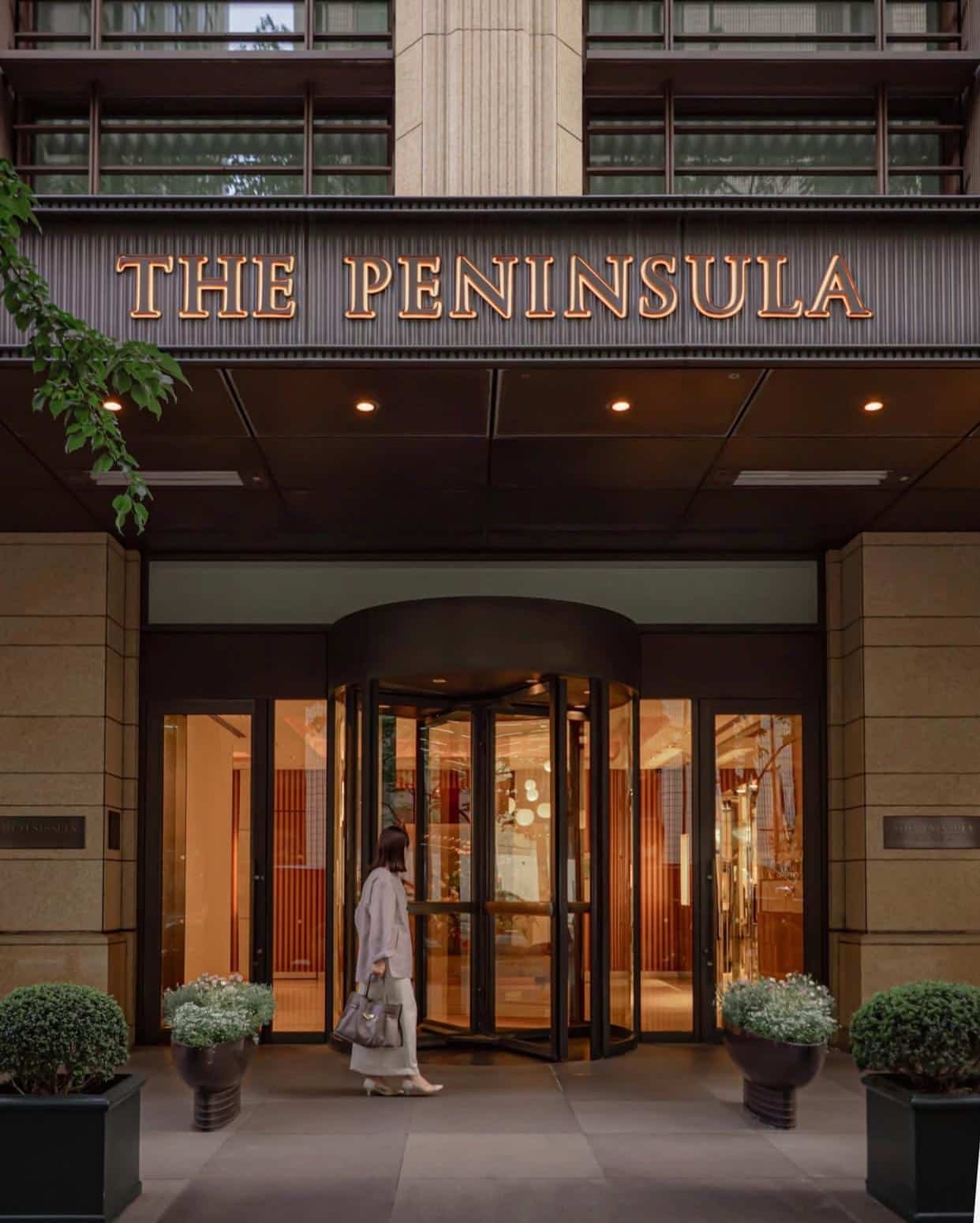
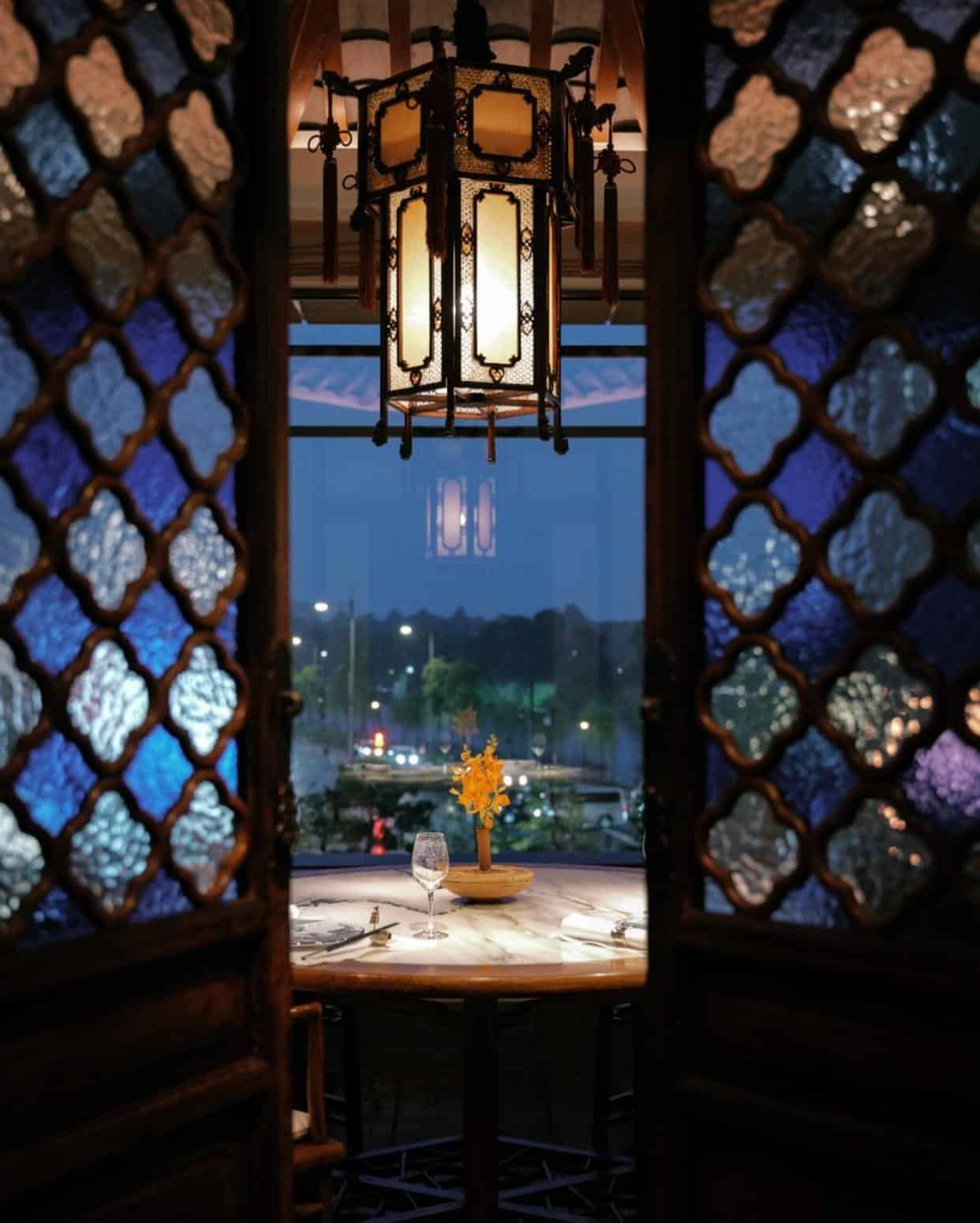
The brief given to architect Kazukiyo Sato and interior designer Yukio Hashimoto at the outset of the Peninsula Tokyo project was stated in eight words: international in design, but Japanese by inspiration. The resolution of that brief is visible in the building's skin — amber Namibian granite, chosen for a warmth of tone that reads, at night, as a building lit from within. The lantern is not a metaphor added to a press release. It is the structuring concept of the architecture: a building that glows, that draws people toward it, that illuminates the corner it occupies between two of Tokyo's most consequential districts. Inside, Hashimoto wove cherry wood, horse chestnut, lacquer, marble, and rice paper shoji screens through interiors whose palette references the earth tones of old Kyoto. The carpets are woven in a kimono thread pattern. The bedside tables carry an antique-finish black lacquer. The corridors are designed to evoke the streets of a traditional Japanese city — not literally, but in the quality of enclosure and sequence they produce. Ninety percent of the hotel's one thousand artworks were created by Japanese artists using traditional techniques.
1928 · Baghdad To Kowloon · The Kadoorie Brothers And The Finest Hotel East Of Suez
Ellis and Elly Kadoorie arrived in Shanghai from Baghdad in 1880, as part of a wave of Sephardic Jewish merchants who built commercial empires across the treaty ports of the Far East. Elly acquired his first shares in The Hongkong Hotel Company in 1890 — the company incorporated in 1866 that would eventually become The Hongkong and Shanghai Hotels, Limited, the parent entity of every Peninsula property. The decision to build the Peninsula Hong Kong was announced in 1922, delayed repeatedly, and finally realized on 11 December 1928 — at a cost that left observers uncertain whether the ambition was genius or folly. Within years, the question was settled. The hotel's lobby became the arena of Hong Kong society — the place where shipping magnates and colonial administrators, society ladies and international travellers converged on afternoon tea in a room of Romanesque arches, hand-wrought bronze grillwork, and heavy velvet drapes. In 1941, it became the site of the colony's formal surrender; the Japanese renamed it the Toa Hotel and used it as their military headquarters. In 1945, Britain recovered Hong Kong, and the ballroom was used to shelter refugees. The building that had witnessed the full arc of the colony's wartime history reopened, resumed its tea service, and continued. That continuity — undisrupted by occupation, by war, by the decades that followed — is what the Peninsula brand carries into every new city it enters.
Three hundred and fourteen rooms, the smallest of which begins at fifty-four square metres — a floor area that places the Peninsula Tokyo's entry-level room among the most generous in the city. Every room includes a dressing room, a sitting area, and an en suite whose proportions were designed to read, in the Peninsula's own description, as a spa rather than a bathroom. The materials programme is consistent across all categories: cherry wood, horse chestnut, Ajiro woven-bamboo ceiling panels, rice paper shoji screens, lacquer surfaces. The amenities — soap, bath oil, fragrance — were developed by Satori Osawa, a Tokyo-based fragrance curator, specifically for the Peninsula Tokyo, from materials chosen to render the hotel's olfactory environment as precisely calibrated as its visual one. The carpets are woven in a pattern derived from kimono textile traditions. The corridors, in their sequence of enclosure and opening, reproduce the spatial grammar of a Kyoto machiya — a narrow townhouse whose interior unfolds in a series of compressed and released volumes.
The Peninsula Hotels acquired its first Rolls-Royces in 1970 — seven Silver Shadows, ordered by the Peninsula Hong Kong in a single purchase that at the time constituted the largest single order for Rolls-Royce vehicles in the company's history. The relationship has held for more than fifty years. The Peninsula Tokyo fleet is painted in the group's signature Brewster Green and includes two extended-wheelbase Phantoms and, as its crown piece, a 1934 Rolls-Royce Phantom II — one of four surviving examples in the world. The car is available for airport transfers and city tours. It is not an exhibit. It is a vehicle in active service — one whose age, precision, and condition say something about the standard the hotel holds itself to that no press communication could express as efficiently. Guests who arrive in the 1934 Phantom have not merely been collected from an airport. They have been received — in the fullest sense of the word, before they have crossed a single threshold.
The Peninsula Tokyo holds more than one thousand artworks, assembled from sixty artists of whom ninety percent are Japanese working in traditional techniques — lacquer, textile, ceramics, bamboo. The work that anchors the collection — and the lobby — is Lying Dragon Gate by Keisen Hama: a large-scale bamboo sculpture installed at the hotel's main entrance, whose scale and material place it in direct conversation with the architectural vocabulary of the building around it. Bamboo is among the most demanding sculptural materials in the Japanese tradition — its structure, its behaviour under tension, its relationship to light — and Hama's piece uses all of these properties at a size that transforms the entrance hall into something closer to a garden than a lobby. The lobby staff, trained not to interrupt a guest's contemplation of the space before they are ready to approach, do not move toward arriving guests immediately. They wait. That pause — the pause that allows the building to be perceived before the service begins — is the most precise expression of the hotel's intelligence.
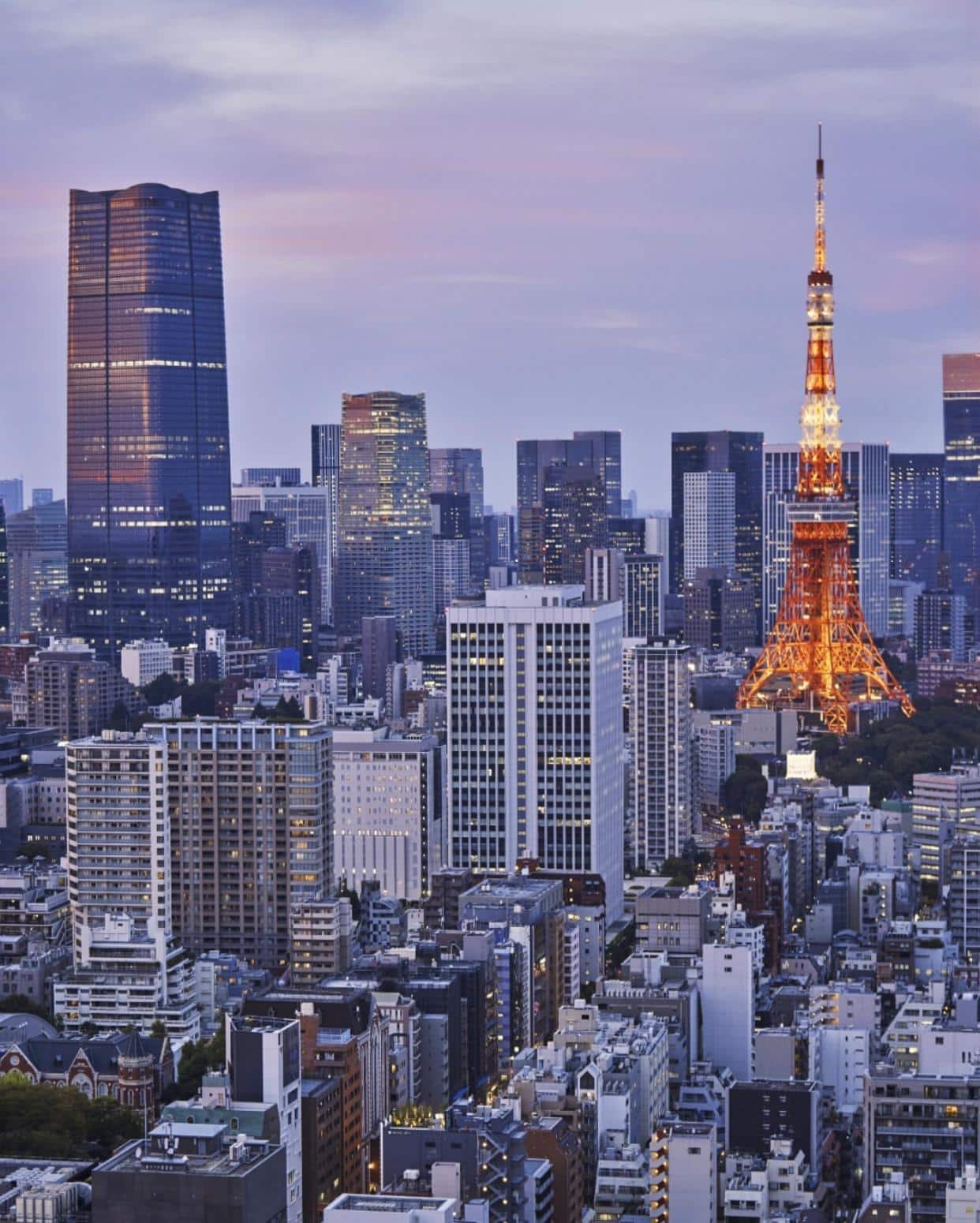
The rooftop restaurant on the twenty-fourth floor carries an unusual name for a luxury establishment: Peter — after Peter Borer, the Peninsula Hotels' Chief Operating Officer at the time of the Tokyo opening. The gesture is characteristically Peninsula: the brand that named its flagship property after a geographical feature — a peninsula — and that has maintained a relationship with the same car manufacturer since 1970, has no difficulty naming a restaurant after a person whose name appears nowhere in the branding hierarchy but whose role was central to the building's realisation. The restaurant occupies the full top floor, with floor-to-ceiling windows on all sides: the Imperial Palace gardens to the north, Hibiya Park to the west, Tokyo Bay along the eastern axis, and the Ginza density directly below. At night, the view includes the city's illuminated grid at a height that makes the density legible rather than overwhelming — the same quality that a Japanese lantern produces at ground level, held here at twenty-four storeys.
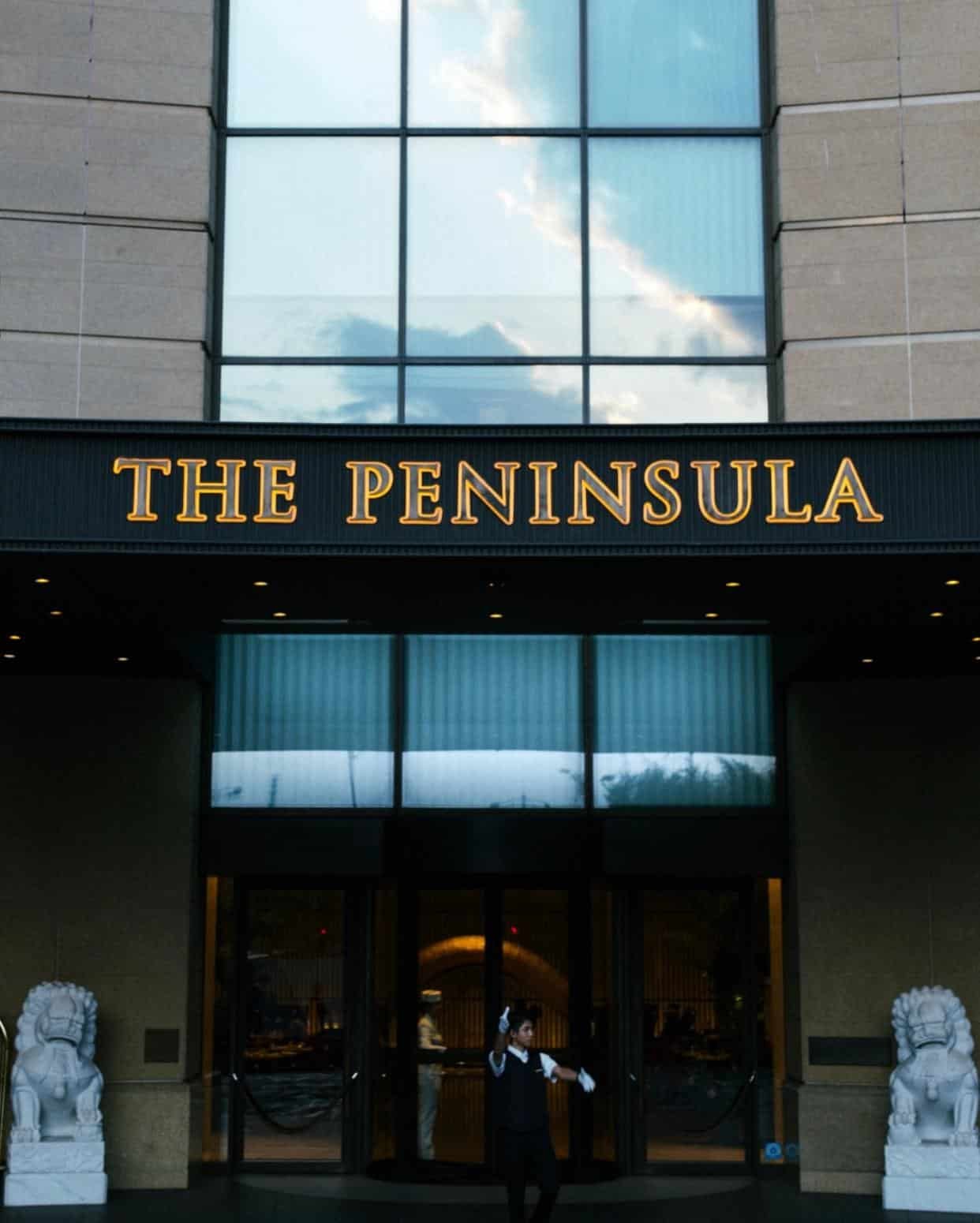
When the Peninsula Tokyo opened on 1 September 2007, it was the only freestanding luxury hotel built in Tokyo in more than a decade — at a moment when every other new luxury property in the city was occupying the upper floors of a mixed-use tower. The decision to build freestanding, on a full city block opposite the Imperial Palace and Hibiya Park, was a deliberate statement about what kind of hotel this would be: not a tenant in another building's upper floors, but a building whose ground floor lobby is on the ground, whose entrance is directly from the street, whose physical presence in the city is not mediated by a shared tower. The amber Namibian granite facade — a material quarried on the other side of the world and chosen for its tonality at dusk — makes the building visible from Hibiya intersection as a single warm surface. Architect Kazukiyo Sato's lantern does not glow because it is illuminated from outside. It glows because it was designed, from the inside out, to hold and emit light as its primary architectural act.
Gloss Tokyo covers the Peninsula Tokyo through the century of institutional intelligence it carries before the first guest checks in. Two brothers from Baghdad who built, in 1928, the finest hotel east of Suez. A lobby that survived military occupation and housed refugees. A car purchased in 1970 in the largest single Rolls-Royce order in history. A 1934 Phantom II — one of four left on earth — available for airport transfers in active daily service. An architect given eight words and a block of amber Namibian granite. A bamboo sculptor whose work stops arriving guests before the service begins. A rooftop named after the man who built it. These are not disparate details. They are the grammar of a hotel that has been, for nearly a century, in the business of knowing what receiving a guest actually means — and arriving in Tokyo, in 2007, with the full weight of that knowledge already accumulated.
Baghdad, 1880. Two brothers arrive in Shanghai.
Hong Kong, 1928. The finest hotel east of Suez.
1941: the Governor surrenders in the lobby.
1945: the ballroom shelters refugees.
The tea service resumes.
Tokyo, 2007. A lantern built in Namibian granite.
A 1934 Rolls-Royce — one of four left in the world —
waiting at the arrivals gate.
A bamboo dragon at the entrance
that stops you before the service begins.
The Peninsula does not arrive in a city.
It takes up residence —
with a century of luggage,
carried very quietly.
In the luxury hotel landscape of Tokyo, the Peninsula occupies a position that no amount of investment in new construction can replicate: it carries the institutional memory of the oldest continuously operating luxury hotel in Asia, founded by a family whose involvement in Hong Kong's history predates the colony's most dramatic decades. That memory is not displayed — it is not narrated in the lobby, not listed on the menu, not embossed on the amenities. It is present in the decision to name a rooftop restaurant after a COO, in the choice to keep a 1934 automobile in active service, in the training that teaches lobby staff to wait before approaching an arriving guest. The lantern that Kazukiyo Sato built in Namibian granite at the junction of Marunouchi and Ginza glows at dusk with the same quality of light that the Peninsula Hong Kong's lobby produced in 1928 — warm, contained, inviting without urgency. A century of getting this right, delivered to Tokyo in a single building.
Kowloon, 11 December 1928.
The finest hotel east of Suez.
Two brothers from Baghdad,
a lobby of Romanesque arches,
a tea service that survived an occupation.
Tokyo, 1 September 2007.
A lantern in Namibian granite.
A 1934 Phantom II at the arrivals gate.
A bamboo dragon in the entrance hall.
The Peninsula does not explain
what it is.
It simply glows —
as it has glowed,
at the edge of every harbour it has entered,
since the beginning.
© The Peninsula Tokyo
© The Peninsula Tokyo
© The Peninsula Tokyo

© The Peninsula Tokyo
© The Peninsula Tokyo
© The Peninsula Tokyo

© The Peninsula Tokyo

© The Peninsula Tokyo
© The Peninsula Tokyo

© The Peninsula Tokyo

© The Peninsula Tokyo
© The Peninsula Tokyo
© The Peninsula Tokyo
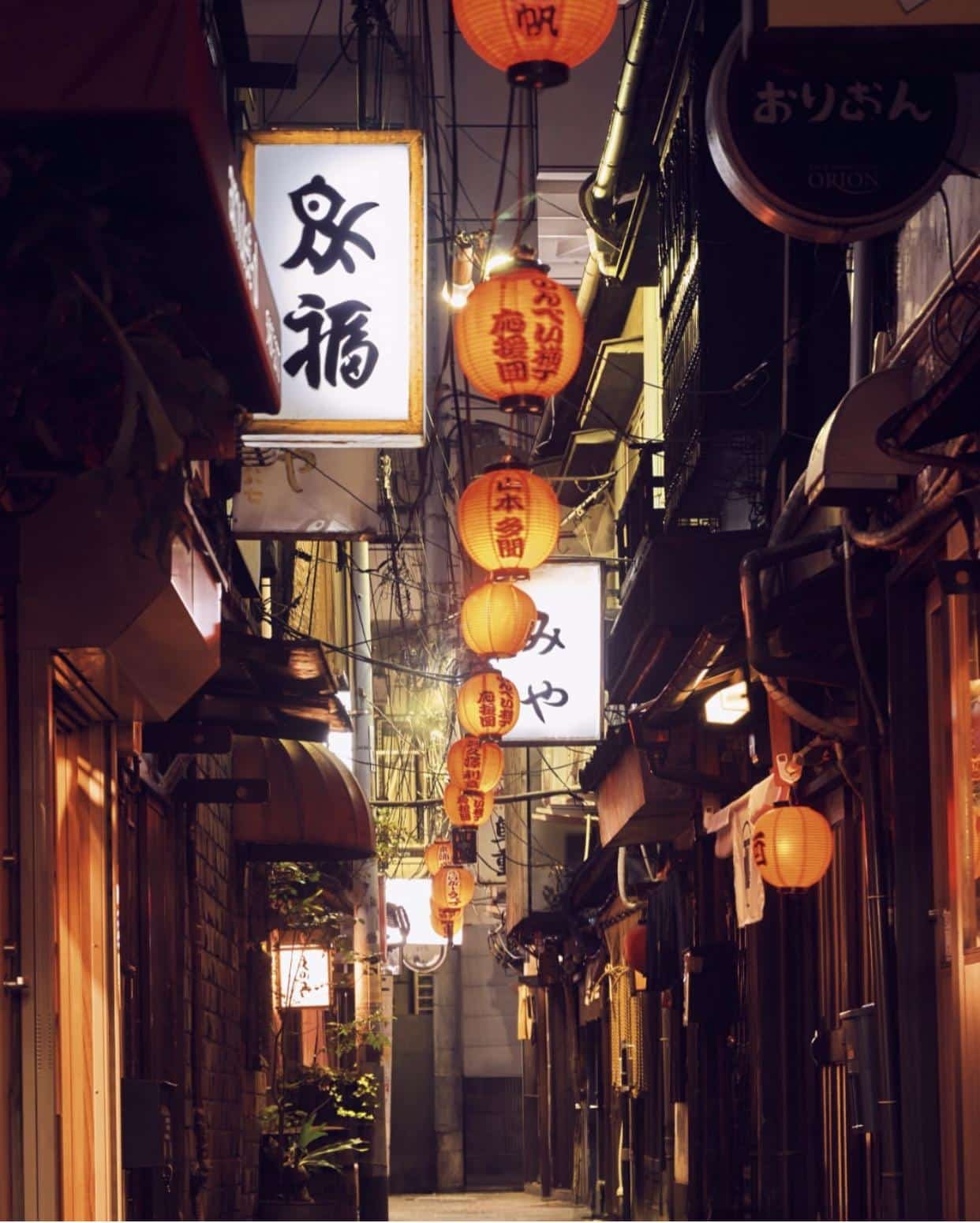
© The Peninsula Tokyo
FAQ — The Peninsula Tokyo
· • • • ·
1. Where exactly is The Peninsula Tokyo located, and why is this location strategic?
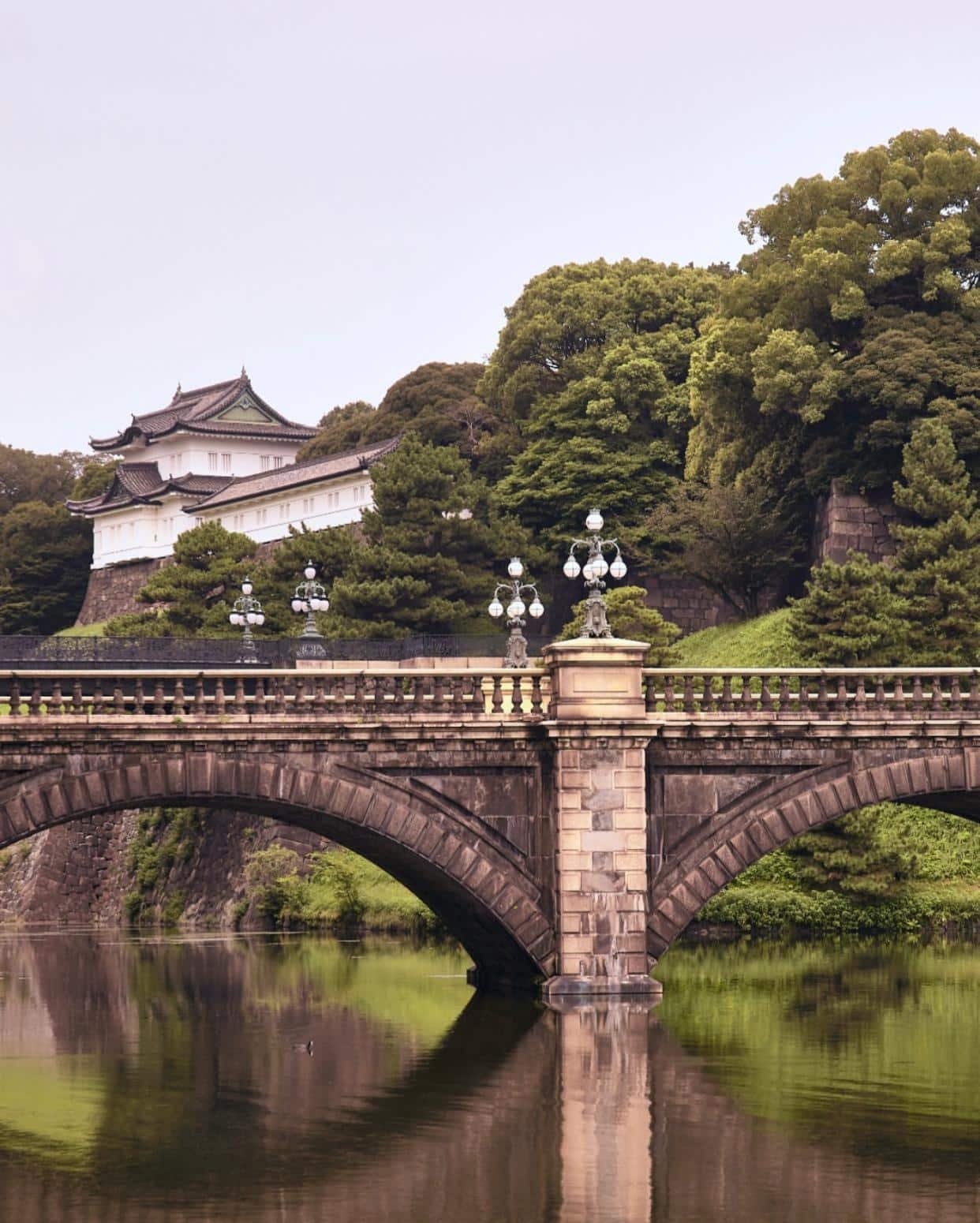
The Peninsula Tokyo occupies a rare position: overlooking Hibiya, facing the Imperial Palace Gardens, and standing at the entrance of Marunouchi.
A triangle where three forces meet:
— protected nature,
— financial power,
— modern culture.
From the hotel, the view opens onto:
— the perfectly shaped pines of the palace grounds,
— the city’s vertical lines,
— the luminous openness of Hibiya.
This location has a quiet authority —
central, prestigious, and perfectly readable.
· • • • ·
2. What is the overall atmosphere of The Peninsula Tokyo?
An imperial atmosphere, controlled and refined.
The Peninsula Tokyo rejects excess; it delivers a calm, steady, impeccably held luxury.
Everything is built on:
— precise lighting,
— generous volumes,
— clear vertical lines,
— calibrated Japanese warmth.
It feels welcoming but regulated, as if every space were tuned to offer stable, consistent comfort.
· • • • ·
3. How would you describe the interior design and architecture?
The Peninsula Tokyo presents a monolithic exterior, softened by a warm, nuanced interior.
Its visual language blends:
— golden woodwork,
— dense materials,
— light stone,
— enveloping illumination.
Volumes are wide but never excessive.
Details are refined but never ornamental.
Everything feels adjusted, polished, balanced.
— An architecture expressing Japanese rigor through an international lens.
· • • • ·
4. What types of rooms and suites are offered?
Rooms at The Peninsula Tokyo are renowned for their technical comfort —
ergonomics calculated with precision.
Deluxe & Premier Rooms
Calm volumes, golden palette, spacious bathrooms, full control of lighting atmospheres.
Suites
Higher ceilings, views of the Imperial Palace or the city, richer materials, sharper textures.
Signature Suites
Monumental spaces, imperial panoramas, advanced technology, atmospheres fine-tuned with remarkable accuracy.
Every room follows the same principle:
comfort as applied science.
· • • • ·
5. Is gastronomy a strong point at The Peninsula Tokyo?
Yes.
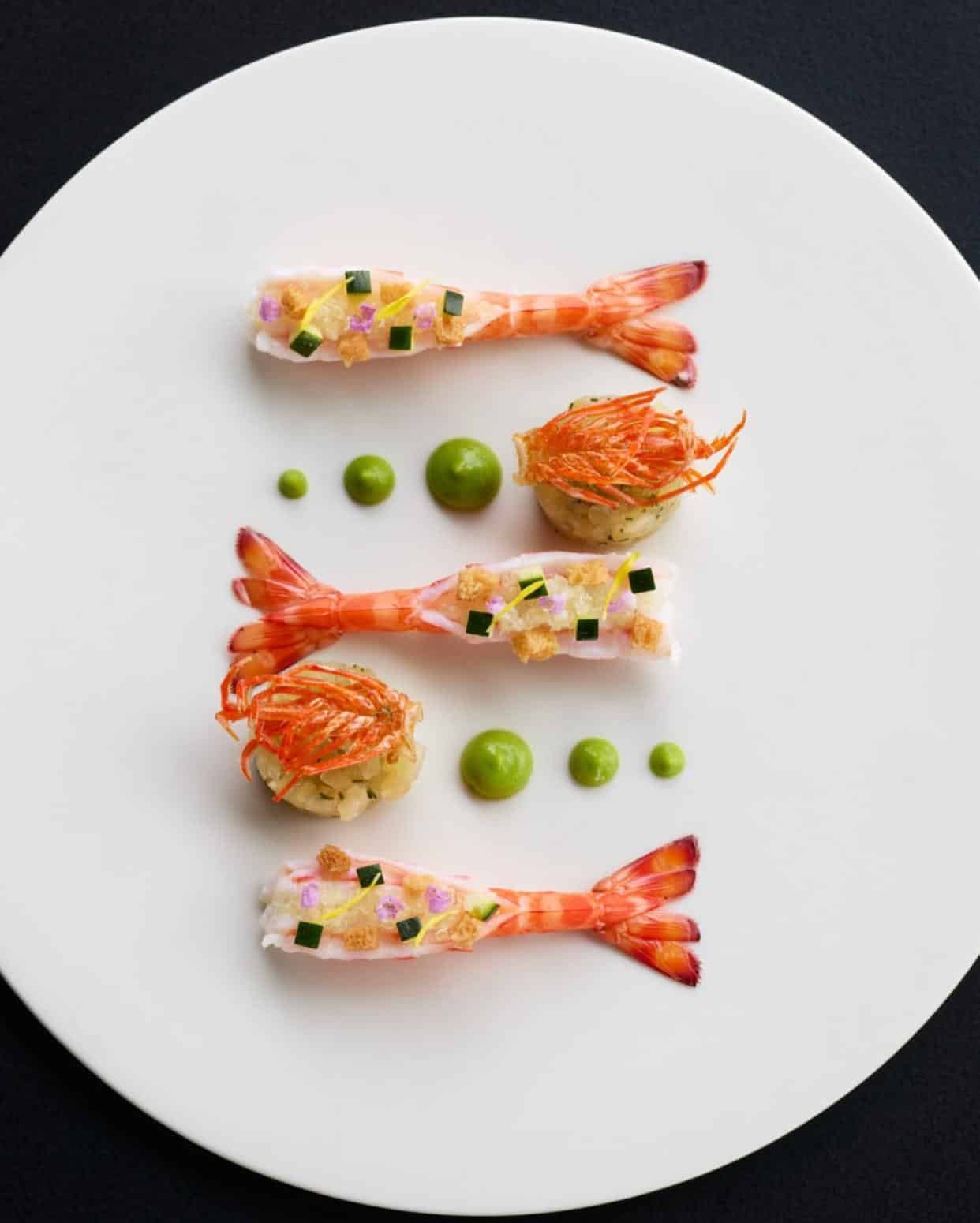
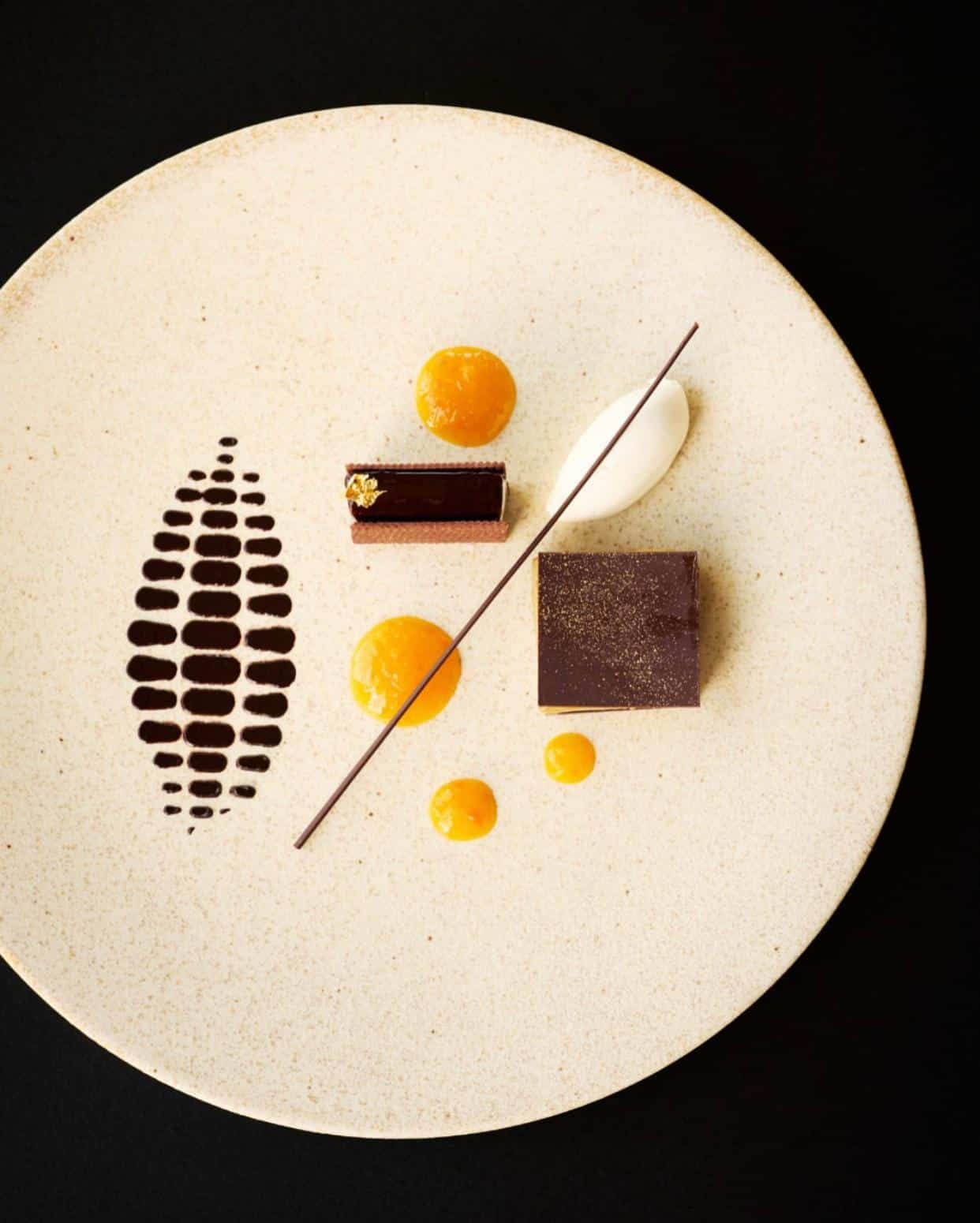
Dining at The Peninsula Tokyo reflects a Japanese reading of culinary luxury:
clarity of flavor, precision of texture, structured plates.
The restaurants emphasize:
— seasonality,
— readable tastes,
— clean aromatic lines,
— refined technique.
The cuisine never seeks spectacle.
It follows a strict, contemporary precision.
· • • • ·
6. Does the bar have a particular identity?
Yes.
The bar is a hushed space balanced between verticality and soft shadows.
Mixology is executed with rare discipline:
— house infusions,
— clean aromatic balances,
— structured cocktails,
— impeccable presentation.
A place for connoisseurs, where precision outweighs visual drama.
· • • • ·
7. How does service at The Peninsula Tokyo stand out?
Peninsula service is globally recognized for its measured warmth.
In Tokyo, it is enhanced by Japanese rigor, sharpening the precision of every gesture.
Expect:
— clear anticipation,
— controlled warmth,
— discreet presence,
— tension-free efficiency.
Never intrusive.
Never mechanical.
A service that synchronizes naturally with the guest.
· • • • ·
8. Does the hotel feature a remarkable spa?
Yes.
The Peninsula Spa is one of the most elaborately designed in Japan.
You’ll find:
— enveloping volumes,
— exceptionally quiet treatment suites,
— soft lighting,
— an almost ritual atmosphere.
The philosophy is Japanese:
order, slow down, stabilize.
· • • • ·
9. Is the hotel suitable for families?
Yes.
The Peninsula offers a warm yet precise approach to family hospitality:
— connecting rooms,
— tailored activities,
— dedicated menus,
— sincere, discreet attention.
An approach that respects both the child and the overall calm of the palace.
· • • • ·
10. Are pets allowed?
Yes.
With elegance and measure:
— dedicated accessories,
— small attentions,
— calm, organized reception.
· • • • ·
11. Does the hotel offer event spaces?
Yes — with a highly selective philosophy.
Event rooms are designed as architectural spaces:
— impeccable acoustics,
— integrated technology,
— controlled lighting.
Ideal for:
— high-level meetings,
— discreet receptions,
— private dinners.
An environment where every detail reinforces the quality of the event.
· • • • ·
12. What are the main sustainability initiatives at The Peninsula Tokyo?
Sustainability follows the Peninsula philosophy:
exemplary, but without showmanship.
Key initiatives include:
— reduction of plastics,
— intelligent energy management,
— responsible materials,
— local partnerships,
— strict waste control.
A responsibility integrated into daily operations, never staged.
· • • • ·
13. Why does Gloss Tokyo highlight The Peninsula Tokyo?
Because The Peninsula Tokyo represents a rare equilibrium:
Japanese precision + perfectly controlled warmth.
— clean architecture,
— imperial suites,
— clear gastronomy,
— exemplary service,
— real, continuous sustainability.
The Peninsula Tokyo is not just a palace.
It is an imperial standard —
a modern interpretation of Tokyo luxury.
· • • • ·
The Peninsula Tokyo
© The Peninsula Tokyo