

© Shangri-La Tokyo

© Shangri-La Tokyo
© Shangri-La Tokyo
Shangri-La Tokyo
In 1933, the English novelist James Hilton published Lost Horizon — a novel in which four survivors of a plane crash over the Himalayas find shelter in a lamasery hidden in the mountains of Tibet. He named it Shangri-La. The book became one of the best-selling novels of the twentieth century, and Shangri-La entered the English language as a synonym for utopia. In 1971, the Malaysian entrepreneur Robert Kuok built his first hotel in Singapore and gave it the same name — not as a marketing gesture, but as a declaration of intent: that a hotel could be a place of the same quality of calm, of the same suspension of the world outside, that Hilton had invented in fiction. On 2 March 2009, Shangri-La opened its first Japanese property on the top eleven floors of the Marunouchi Trust Tower, adjacent to Tokyo Station. It took thirty-eight years from Singapore to arrive here. The wait is legible in every detail.
The Philosophy · Asian Hospitality As Counter-Model · Comfort Over Ceremony
Robert Kuok's founding intuition, in 1971, was that Asian hospitality had something structurally different to offer from the European palace tradition — and that the difference was not decorative but philosophical. Where European luxury announced itself through ceremony, protocol, and the visible display of hierarchy, the Shangri-La model was built on a different set of values: humility, quiet attentiveness, the capacity to read what a guest needs before it is expressed, and a service ethic rooted in sincerity rather than performance. Kuok named his five official brand roots: humility, respect, courtesy, selflessness, and heartfelt sincerity. These are not hospitality buzzwords. They are Confucian virtues applied to the act of receiving a guest — a tradition that predates the luxury hotel industry by several millennia. In Tokyo, a city where omotenashi is not a brand value but a cultural inheritance, the Shangri-La model does not need to explain itself. It simply operates — quietly, steadily, without the ceremony that would undercut the sincerity it is trying to deliver.
1933 · Lost Horizon · The Novel That Named A Hotel Chain
James Hilton wrote Lost Horizon in 1933, during a period of acute disillusionment with the West — a decade after the First World War, a year after Japan invaded Manchuria, two years before Italy invaded Ethiopia. He set his novel in Tibet because Tibet, in the Western imagination of the 1930s, was the most completely unmapped space available — a territory of projected wisdom and inaccessible calm. His Shangri-La was not merely a beautiful place. It was a place where aging slowed, where the world's cultural treasures were preserved against the catastrophe he sensed approaching, and where the governing principle was moderation in all things — including ethics. The novel was published in 1933 and initially overlooked. It was only after Hilton published Goodbye, Mr. Chips in 1934 that readers returned to Lost Horizon, which then became the first mass-market paperback in American publishing history — Pocket Book Number One, in 1939. Franklin D. Roosevelt named his presidential retreat Shangri-La in 1942, inspired by the novel; Eisenhower renamed it Camp David in 1953. The word had passed entirely into the language. When Robert Kuok chose it for his hotel in 1971, he was not borrowing a brand. He was inheriting a myth.
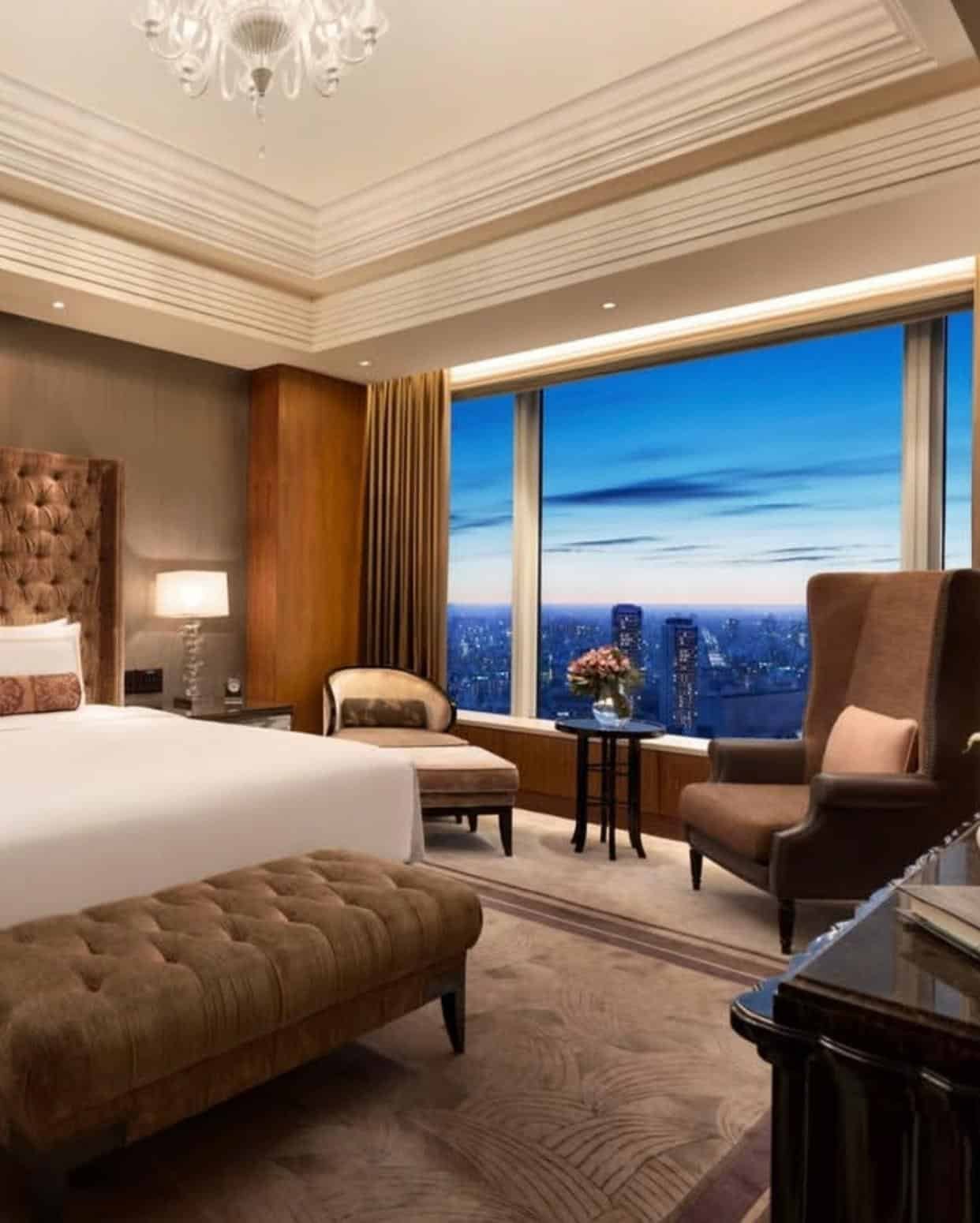
Two hundred rooms across eleven floors, with the lobby installed on the twenty-eighth floor — a decision that places the point of arrival, rather than the point of departure, at altitude. Guests enter from street level in dedicated hotel lifts and are delivered into a reception volume whose floor-to-ceiling windows, twenty-six feet high, open directly onto the Marunouchi skyline. The rooms face in two directions: east, toward Tokyo Bay, whose water is visible on clear days through the density of the city's eastern districts; west, toward the Imperial Palace gardens and, beyond them, the Shinjuku tower cluster. Tokyo Station is directly below — its grid of tracks visible from the south-facing rooms, its constant movement providing a counterpoint to the hotel's studied stillness. The interiors of select rooms and the club lounge were designed by André Fu of AFSO in Hong Kong — whose work, restrained and precise, operates in the same register as the brand's founding philosophy.
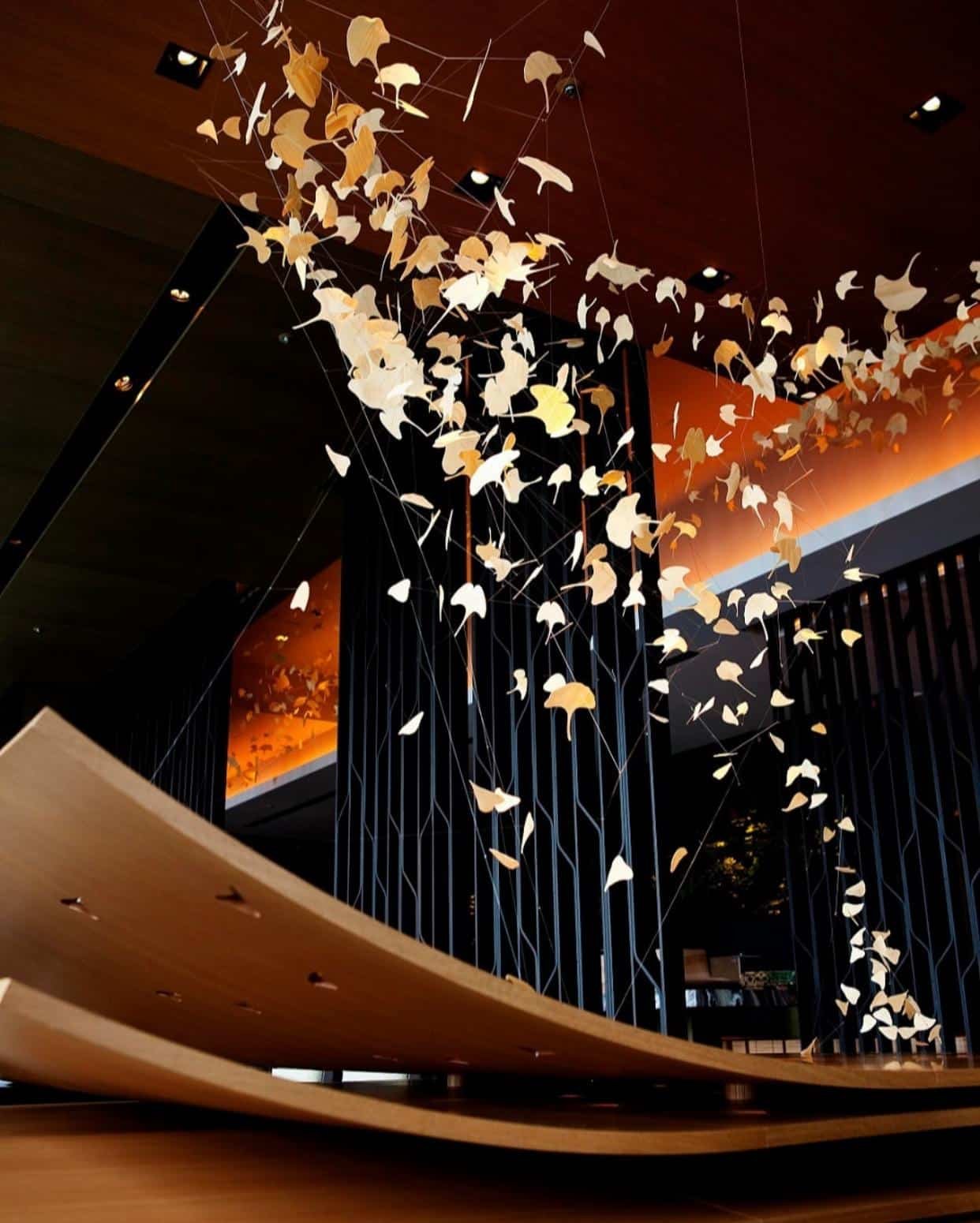
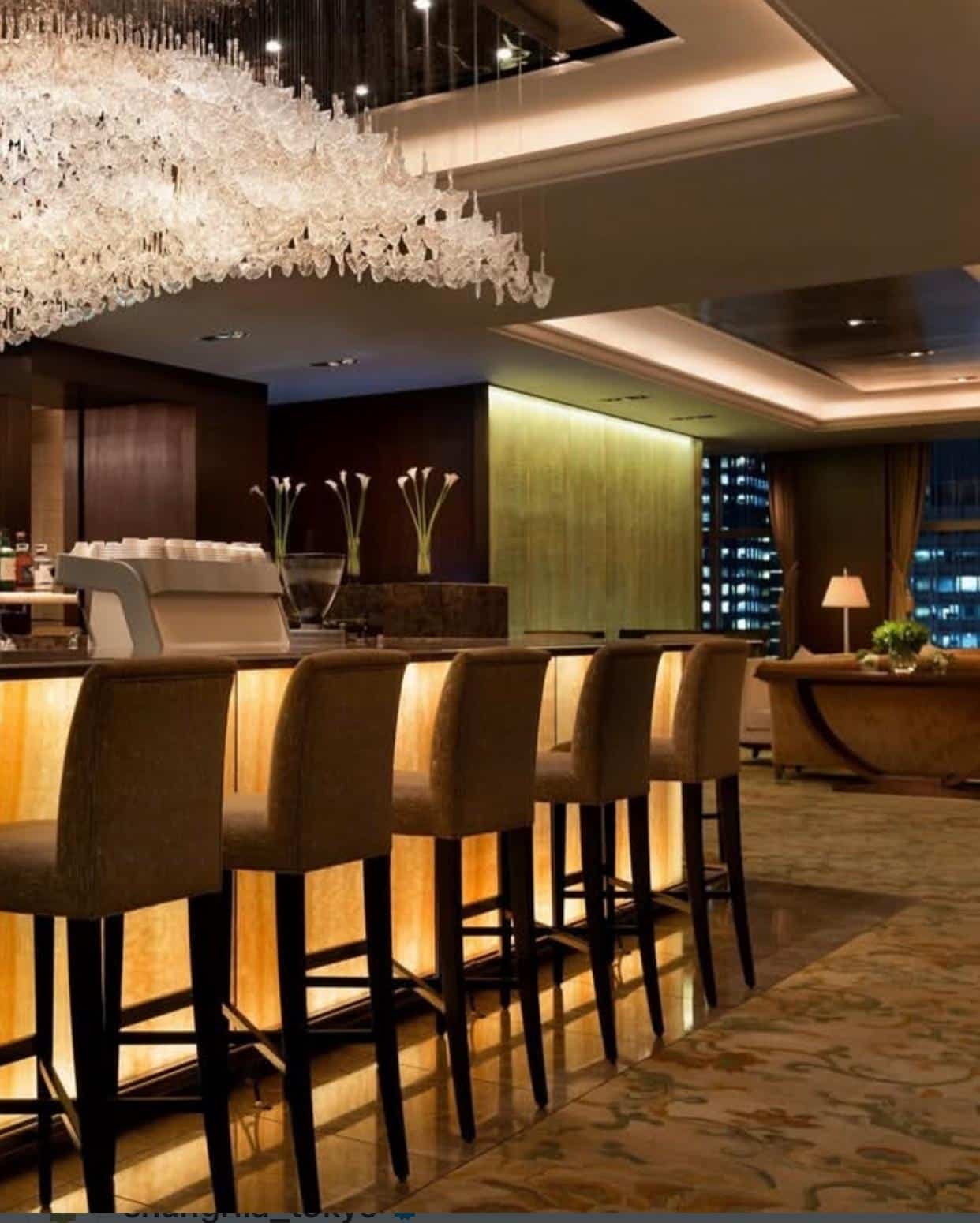
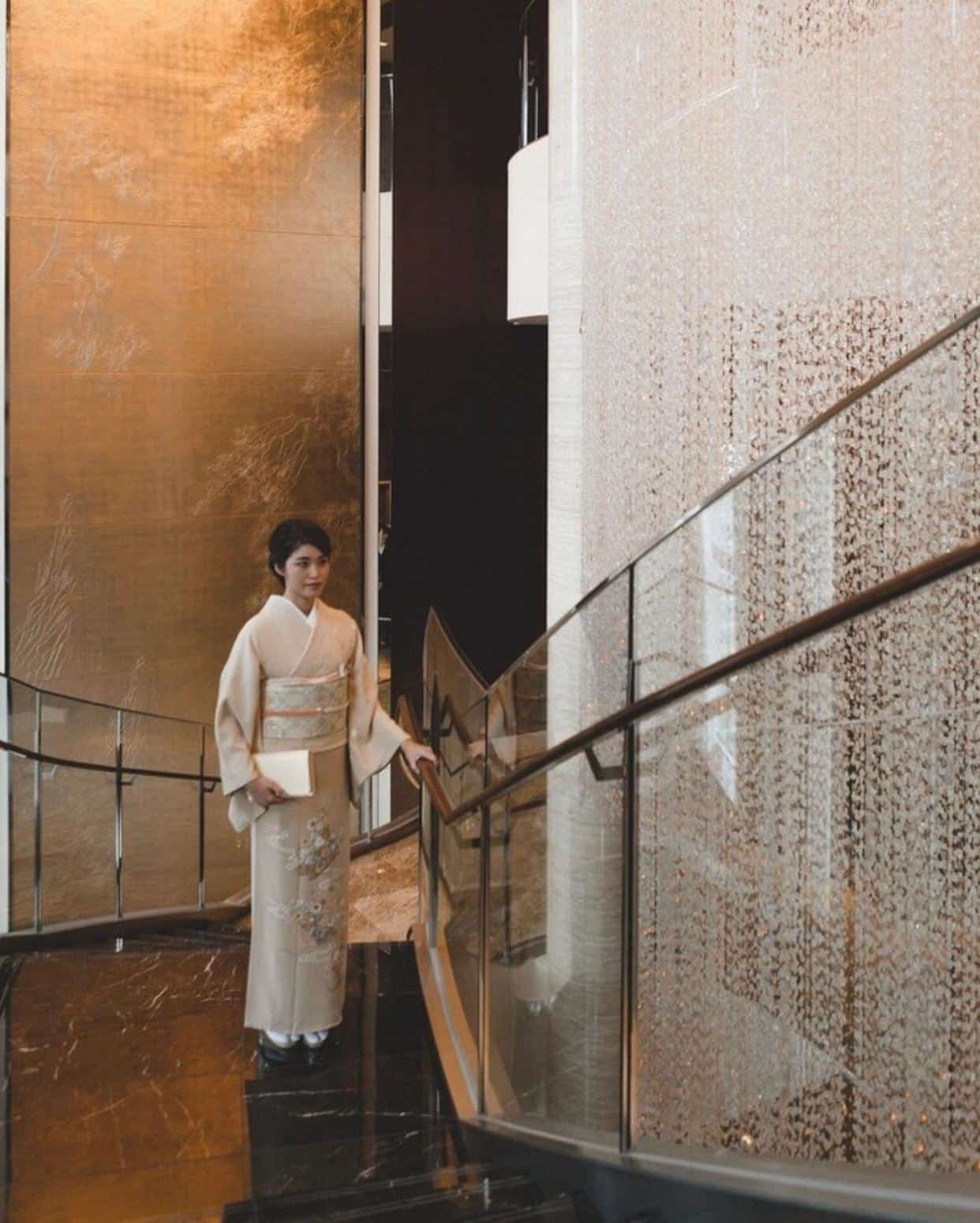
The Shangri-La Tokyo holds more than fifty chandeliers, each handmade by Lasvit — a Czech manufacturer of glass light sculpture based in Nový Bor, a city whose glassblowing tradition dates to the seventeenth century. The glass in each chandelier is carved into the form of ginkgo leaves — the official symbol of Tokyo, chosen by the city government in 1989, whose fan-shaped silhouette lines the streets of Marunouchi. The waterfall chandelier in the lobby lounge is assembled from nearly half a million individual crystal beads. This detail — a Czech glassmaker producing half a million crystal beads in the shape of Tokyo's municipal leaf — is the kind of decision that the Shangri-La Tokyo neither explains nor underlines. It is simply there, in the light above the bar, for the guest who looks up. The hotel's total art collection exceeds two thousand pieces, assembled around the theme of Asian contemporary practice. Each water bottle in the rooms carries calligraphy executed by hand by a member of the hotel's own staff.
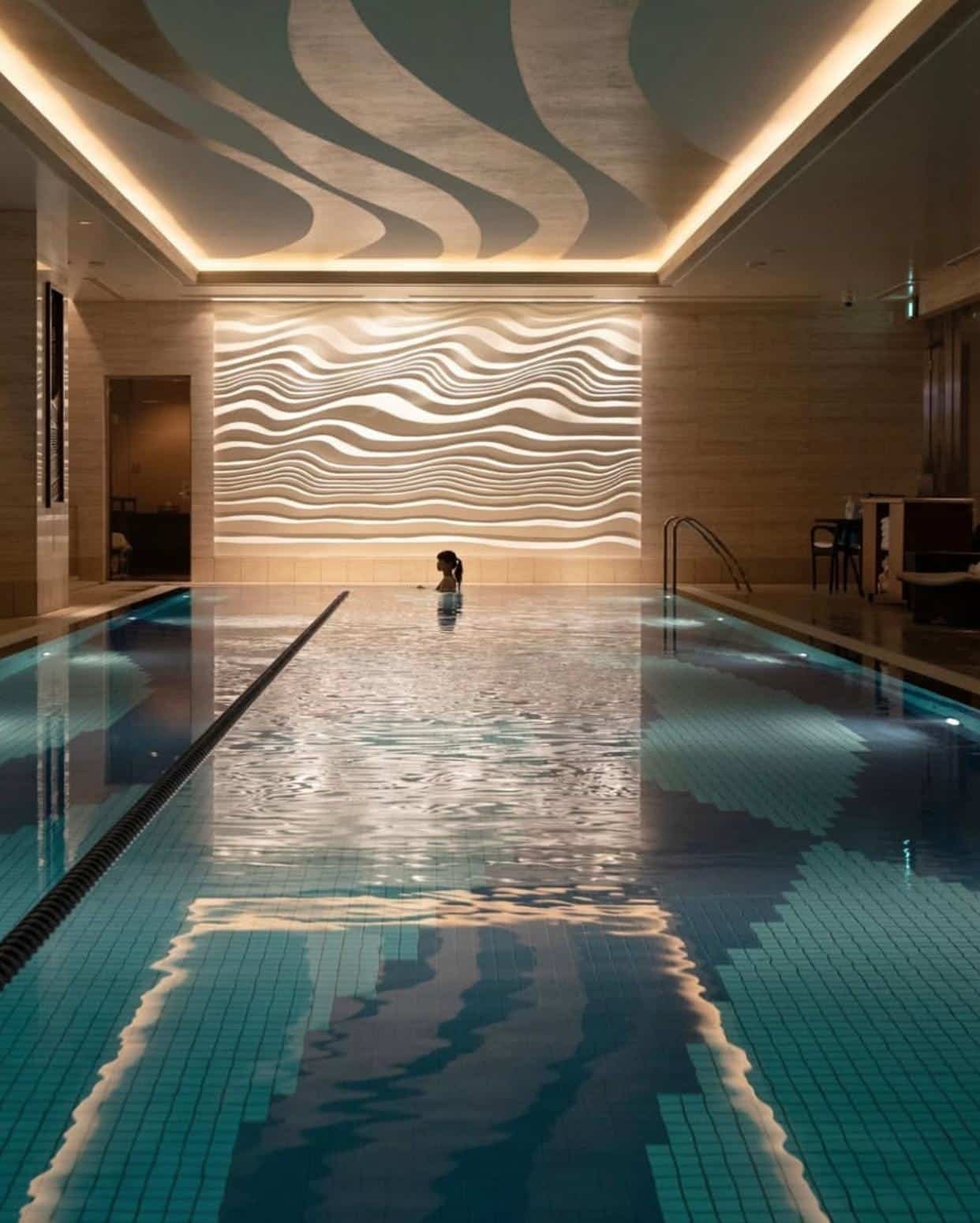
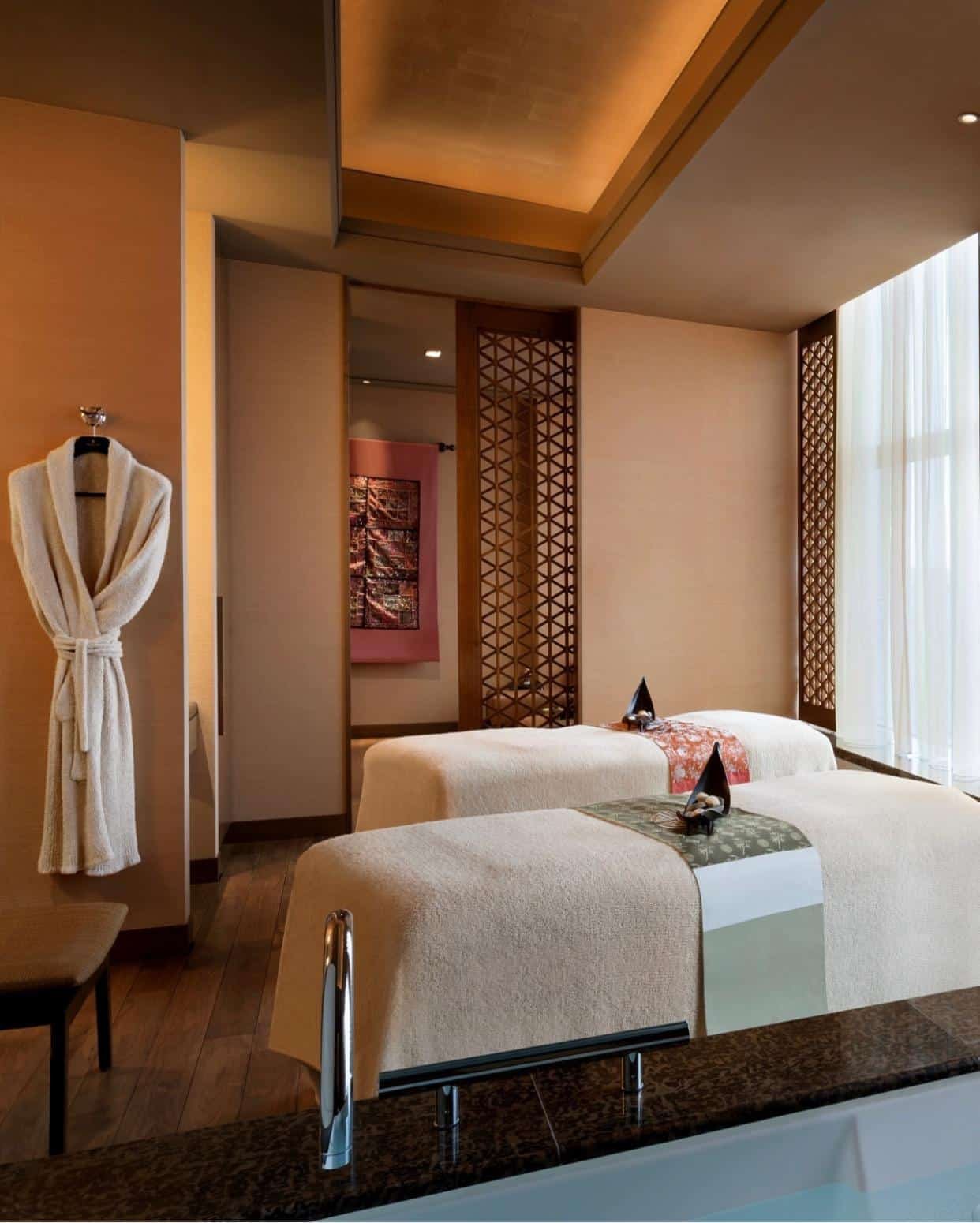
CHI, The Spa at Shangri-La, made its Japanese debut at the Tokyo property in 2009 — the same year the hotel opened. The CHI concept was launched by the Shangri-La group in 2005, four years before Tokyo, as the brand's signature wellness offering: a spa philosophy rooted in Tibetan and broader Asian healing traditions, expressed through natural materials, spatial restraint, and treatments developed around the concept of balance rather than correction. The design language is deliberately Himalayan in reference — stone, warm textiles, low light — a counterpoint to the glass-and-steel tower that contains it. The heated indoor pool faces the city through a full glass facade. The sauna and steam bath maintain the same city orientation. There is a deliberate irony in this geometry: the most inward-facing experience the hotel offers is surrounded, on all sides, by one of the densest urban environments on earth. The spa does not resolve this tension. It holds it.
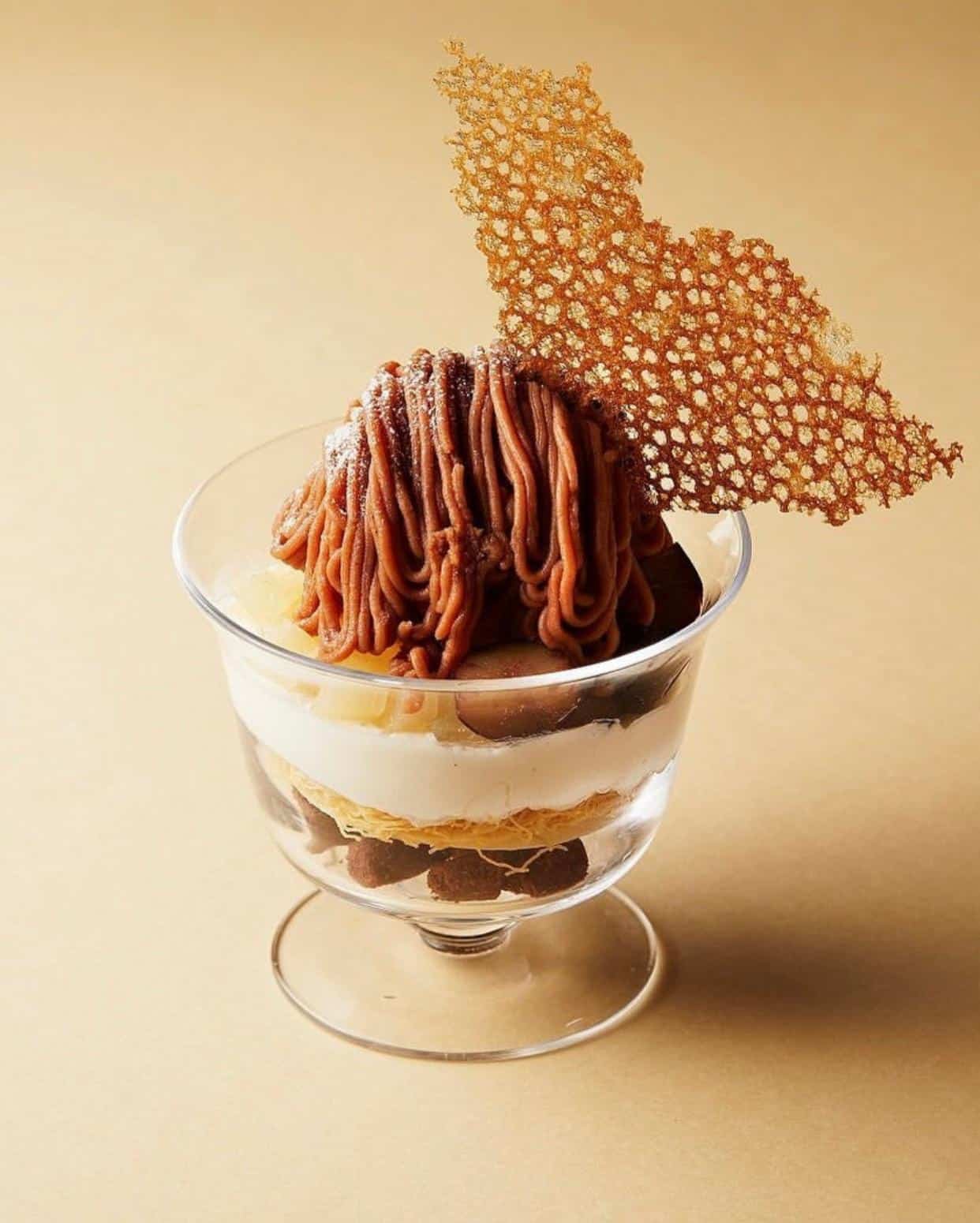
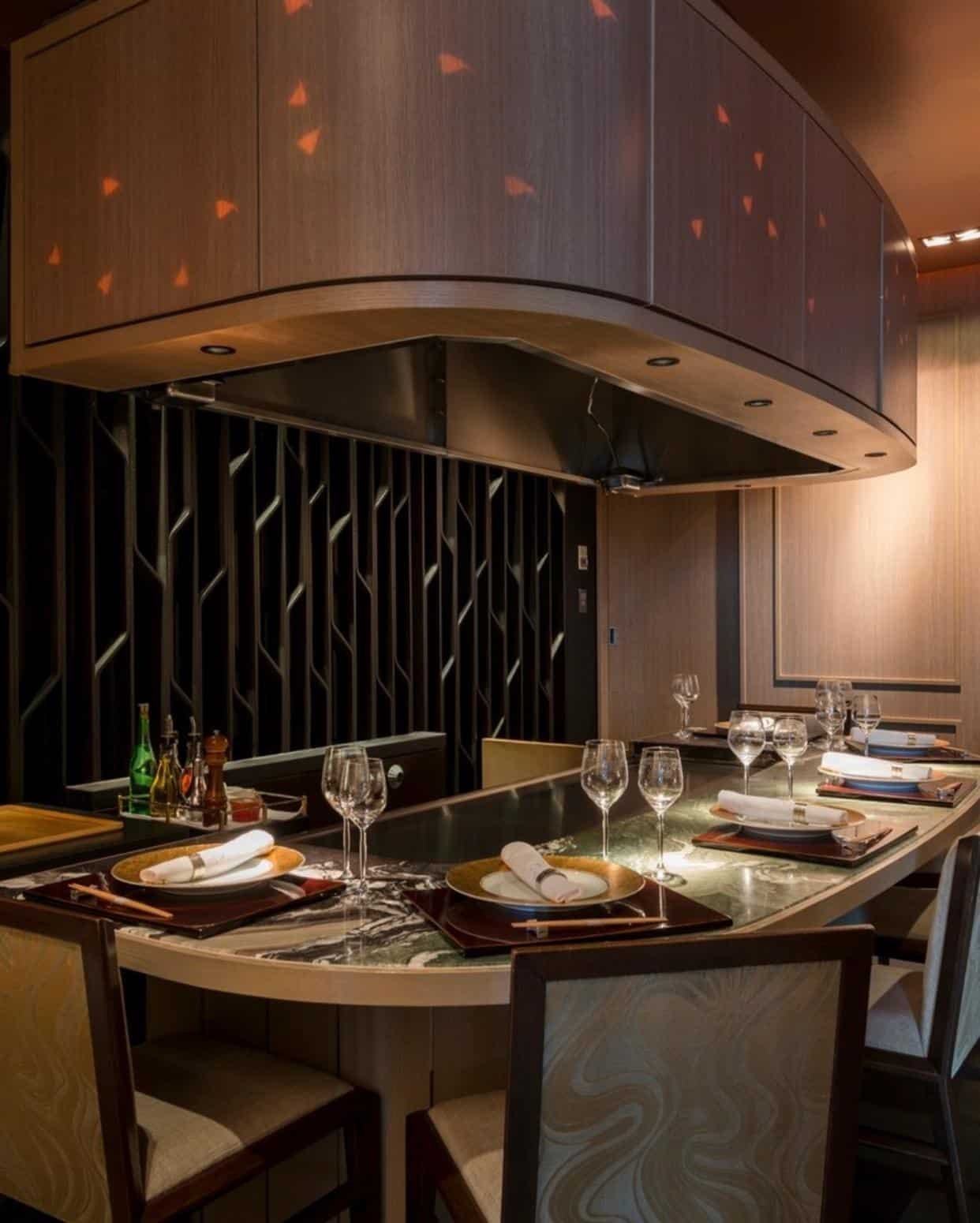
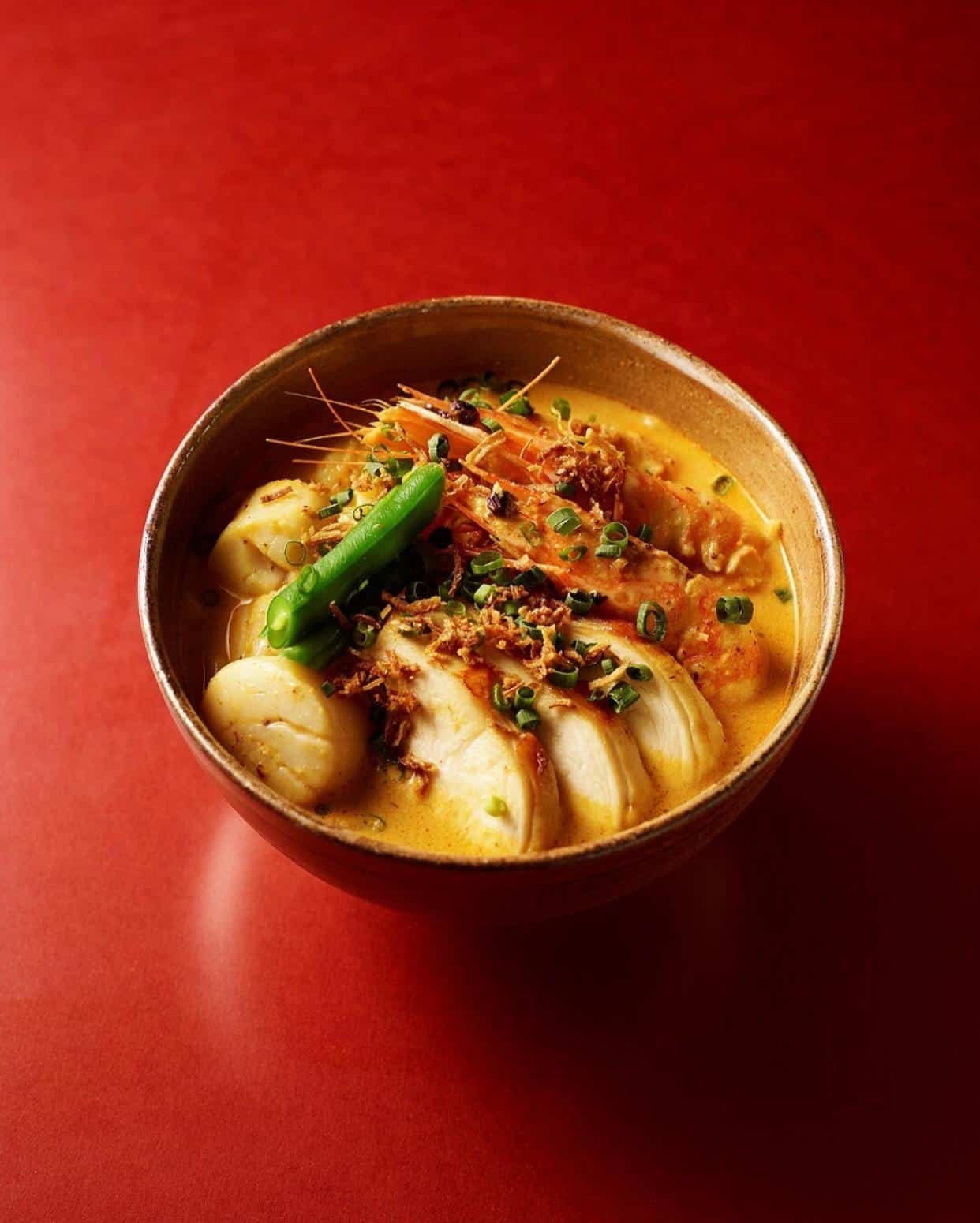
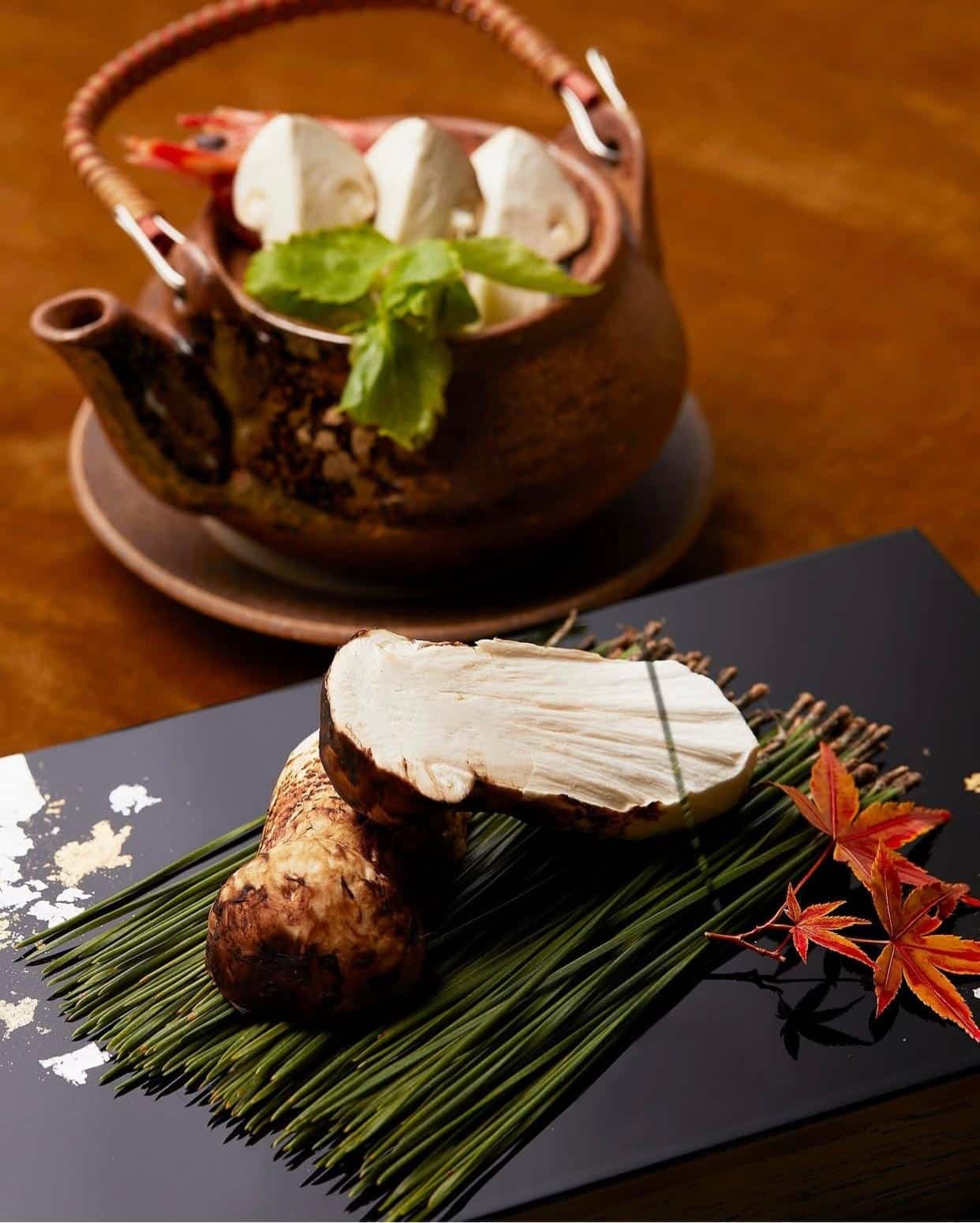
Two signature restaurants across two floors — Nadaman on the twenty-ninth, Piacere on the twenty-eighth — address a question that every Tokyo luxury hotel must answer: how to hold Japanese and international dining in the same building without one diminishing the other. Nadaman, one of the oldest Japanese restaurant houses in operation, was founded in Osaka in 1830 and has maintained its kaiseki tradition through nearly two centuries of culinary change. Its presence in the Shangri-La Tokyo is not a hotel restaurant arrangement. It is a collaboration between two institutions that share, across very different histories, the same conviction about what precision in hospitality means. Piacere received the Wine Spectator Award of Excellence for six consecutive years between 2011 and 2016 and was awarded a toque by Gault&Millau Tokyo. The Lobby Lounge serves an afternoon tea programme that the hotel positions as one of its primary daytime experiences — a category the Japanese luxury market takes as seriously as any other.
Tokyo Station is the terminus of the Shinkansen network — the point at which the bullet train system, which operates across the entire length of Honshu, reaches the capital. It handles approximately five hundred thousand passengers per day across thirty lines, with a punctuality record that the Japanese railway industry measures in seconds rather than minutes. The Shangri-La Tokyo is not merely adjacent to this infrastructure — it offers a platform meet-and-greet service in which a staff member, in the hotel's livery, meets arriving guests on the Shinkansen platform and escorts them directly to the hotel. This service is a precise inversion of the Shangri-La founding myth: instead of arriving at a hidden paradise after a crash landing in the mountains, the guest is met, by name, on the most punctual railway platform in the world, and delivered to eleven floors of studied calm thirty stories above the city's loudest intersection. Hilton could not have written it better.
Gloss Tokyo covers the Shangri-La Tokyo through its name before its floors — because the name is the founding argument. James Hilton invented a word for a place where calm is structural rather than decorative, where time passes differently, where the world outside is held at a distance not by walls but by a quality of attention. Robert Kuok named his first hotel after that word in 1971 because he believed Asian hospitality could deliver the experience that the word promised. The Tokyo property, thirty-eight years later and the brand's first in Japan, is the most demanding test of that belief: a city whose own hospitality tradition is among the most refined on earth, a clientele that knows the difference between sincerity and its performance, and an address directly above the world's most precisely operated railway station. The Shangri-La Tokyo does not retreat from any of these pressures. It meets them — quietly, steadily, with half a million crystal beads above the bar and a staff member waiting on the platform below.
In 1933, James Hilton invented a word
for a place where the world could not reach you.
He called it Shangri-La.
In 1971, Robert Kuok named his first hotel after it —
not as a metaphor, but as a promise.
In 2009, that promise arrived in Tokyo:
on the twenty-eighth floor of a tower
above the most punctual railway station on earth,
with a staff member waiting on the platform
to meet you by name
and bring you to the calm
Hilton had placed, sixty years earlier,
in the mountains of Tibet.
In the geography of Tokyo luxury hotels, the Shangri-La occupies an unusual position — it is the only major property whose brand name is a literary invention, chosen deliberately to carry a specific philosophical weight. That weight — the idea that a hotel can be a place of genuine suspension from the world, not through isolation but through the quality of its attention — is the most demanding promise a hospitality brand can make. In Tokyo, where the guest who arrives at the Shinkansen platform already lives inside one of the world's most efficient service cultures, the promise must be kept at a precision that few hotels could sustain. The Shangri-La Tokyo sustains it through the accumulated intelligence of its details: the Czech glass cut into Tokyo's municipal leaf, the Osaka kaiseki house founded in 1830, the water bottle inscribed by hand by a staff member whose name the guest will never know. None of these details are explained. Together, they compose the experience that Hilton named in 1933, and that Robert Kuok spent thirty-eight years building toward this city.
Singapore, 1971.
A hotel named after a novel.
A novel named after a place that does not exist.
A place invented because the world,
in 1933, needed somewhere to go
that was not the world.
Tokyo, 2009.
The platform. The staff member in livery.
Your name, spoken before you have said anything.
Twenty-eight floors later:
half a million crystal beads,
cut in the shape of ginkgo leaves,
catching the light
above the city that could not wait.
© Cheval Blanc-Paris
© Cheval Blanc-Paris

© Shangri-La Tokyo
© Shangri-La Tokyo
© Shangri-La Tokyo
© Shangri-La Tokyo
© Shangri-La Tokyo

© Shangri-La Tokyo
© Shangri-La Tokyo

© Shangri-La Tokyo

© Shangri-La Tokyo
© Shangri-La Tokyo
© Shangri-La Tokyo
© Shangri-La Tokyo
© Shangri-La Tokyo
© Shangri-La Tokyo
© Shangri-La Tokyo
© Shangri-La Tokyo
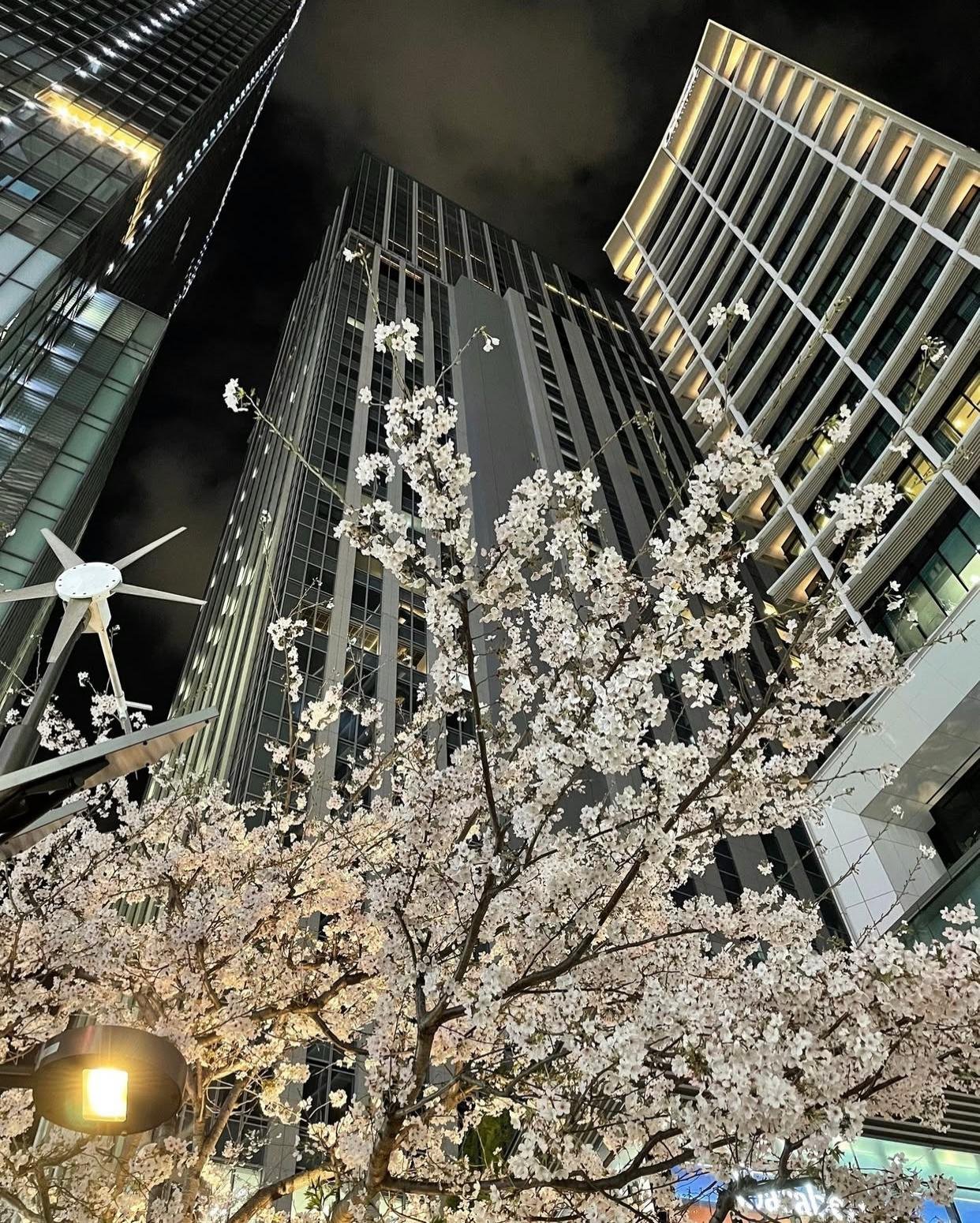
© Shangri-La Tokyo

© Shangri-La Tokyo
Shangri-La Tokyo
© Shangri-La Tokyo