


© Bvlgari
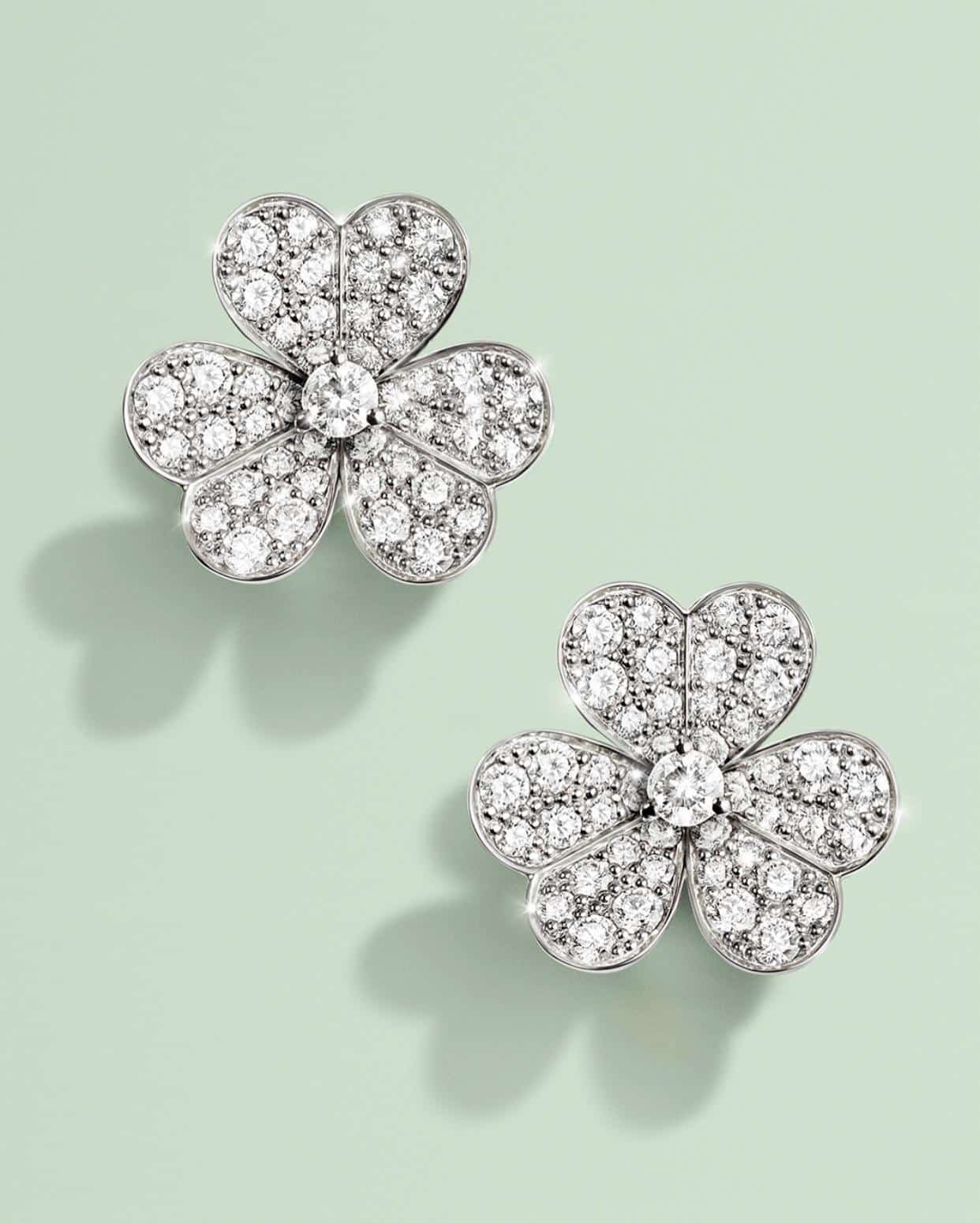
© Van Cleef & Arpels
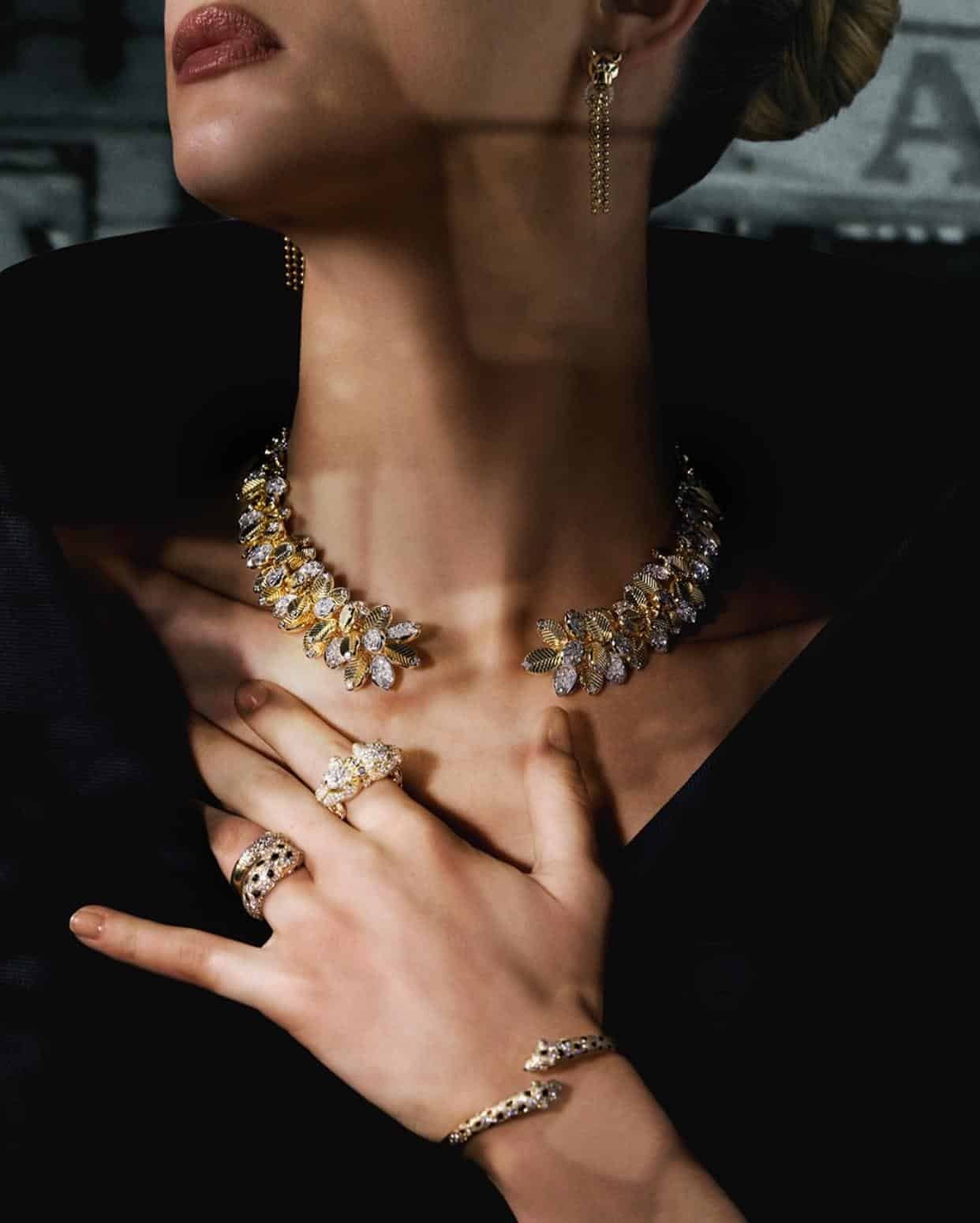
© Cartier
HIGH JEWELRY
BVLGARI

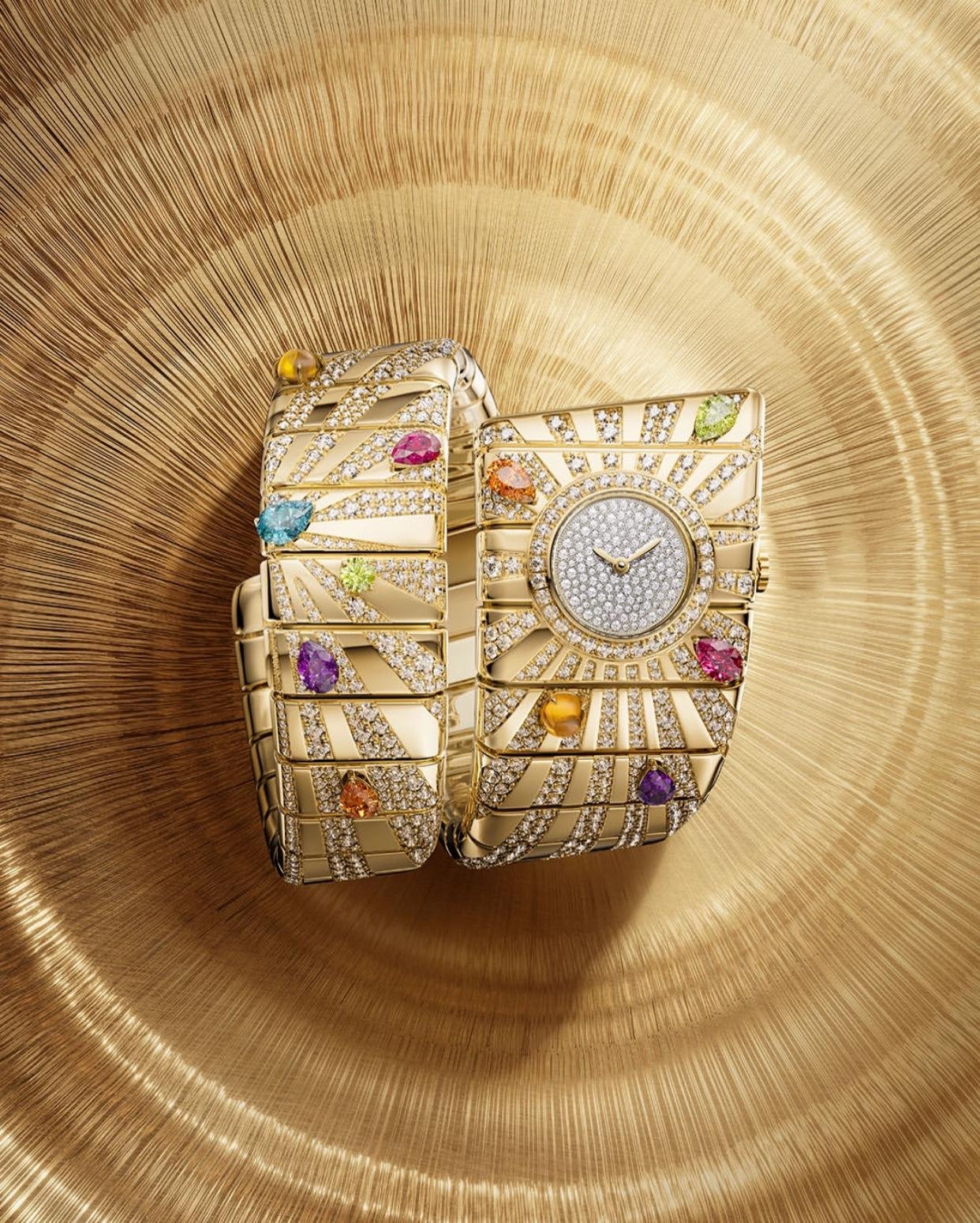
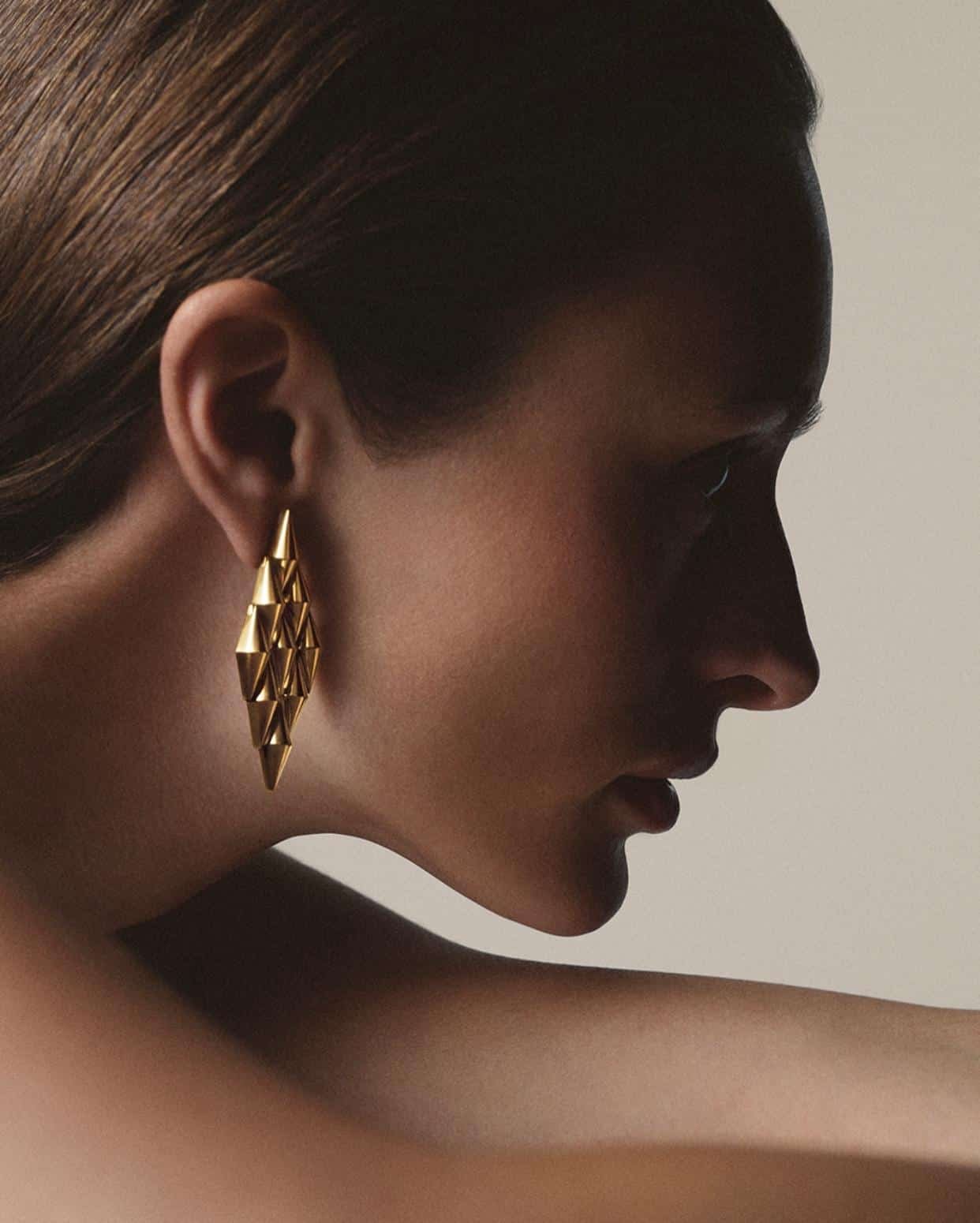
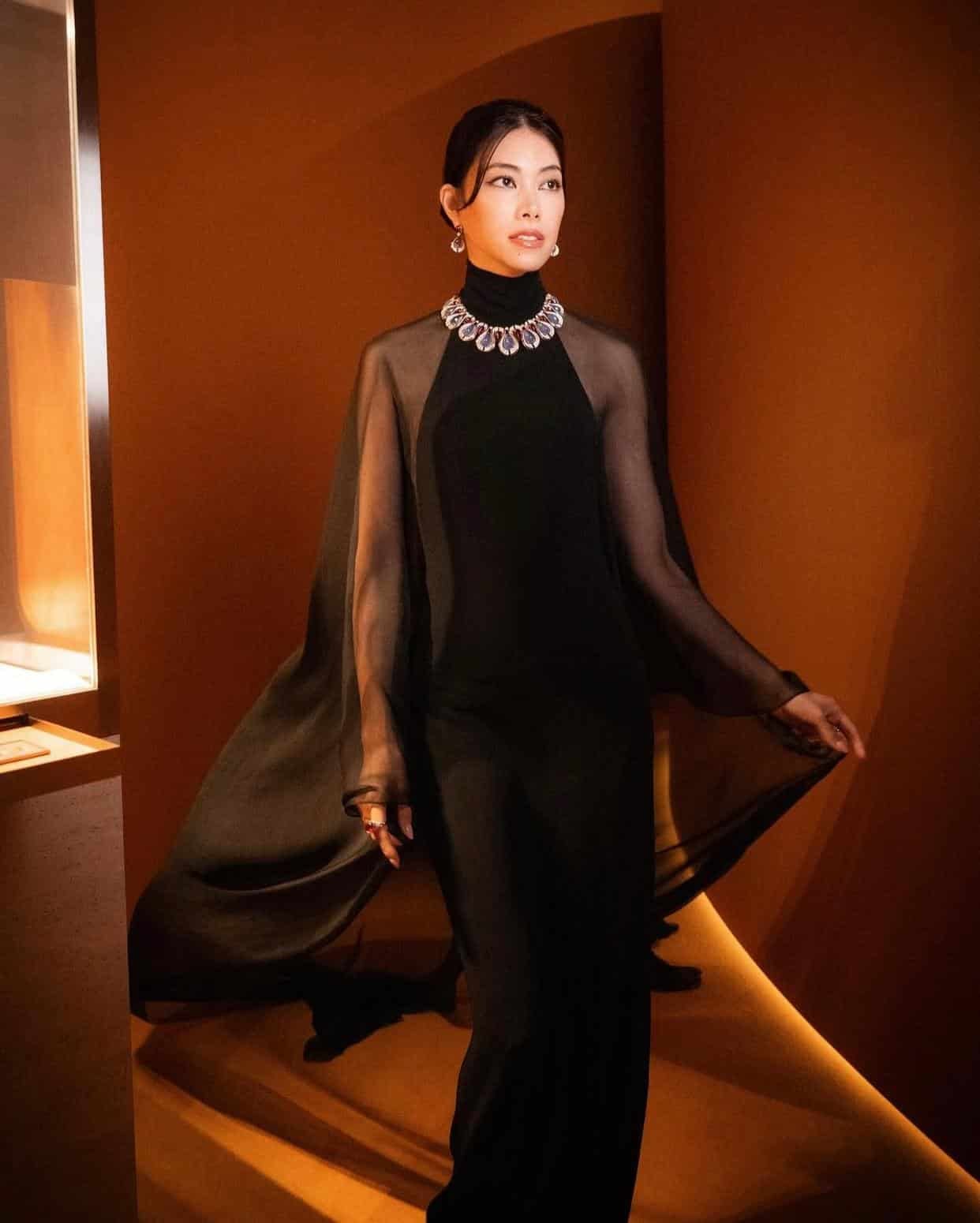
© Bvlgari
CARTIER
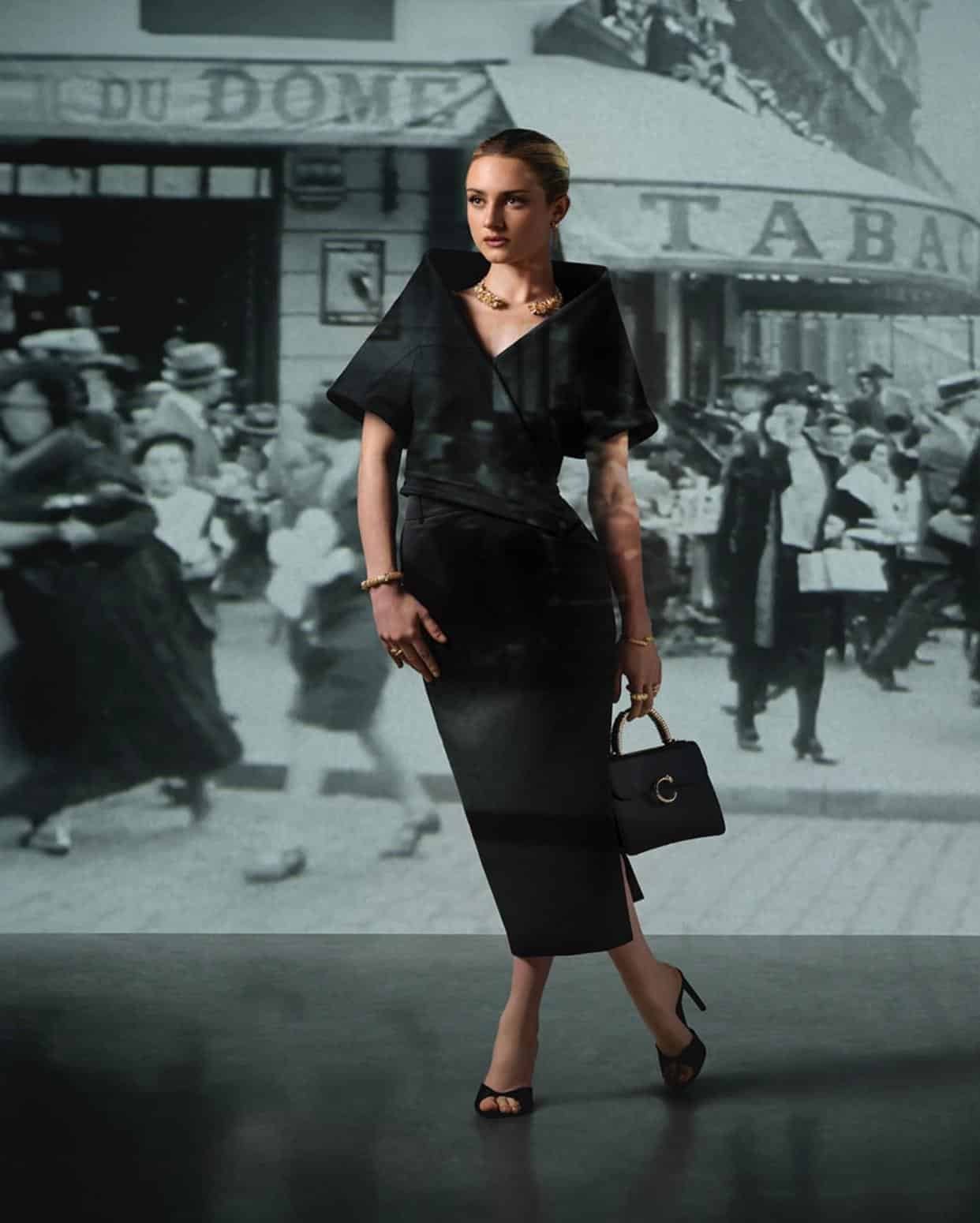
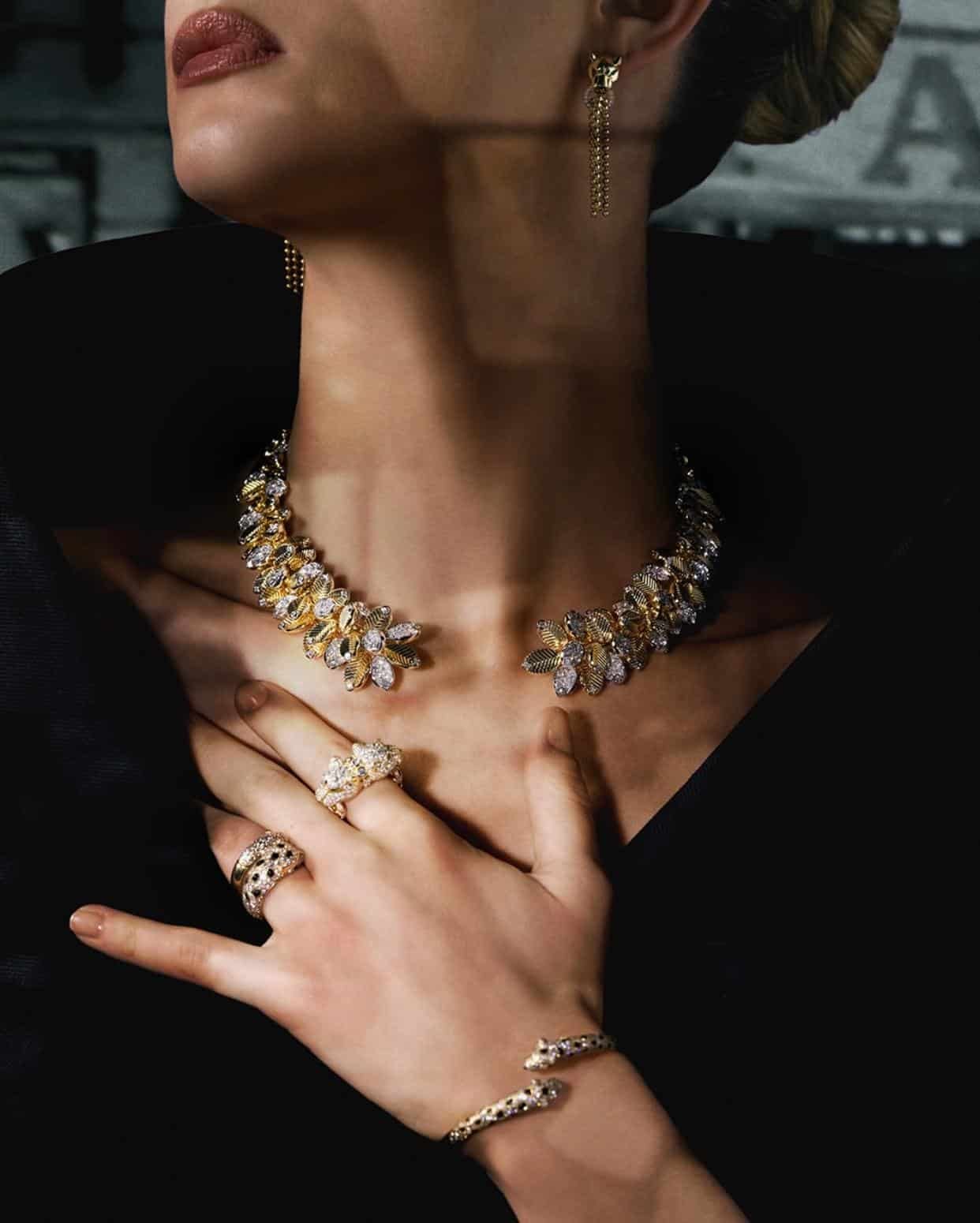
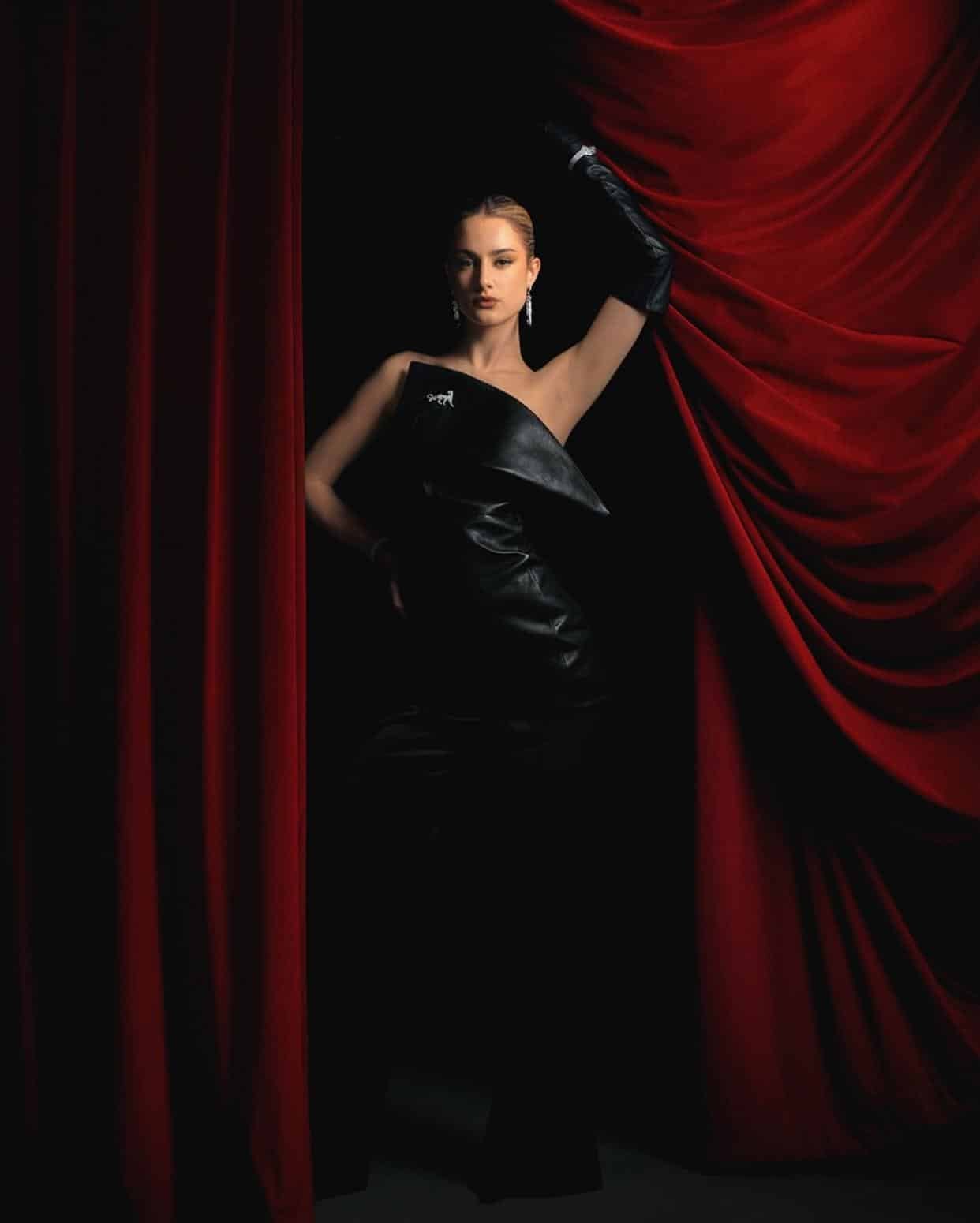
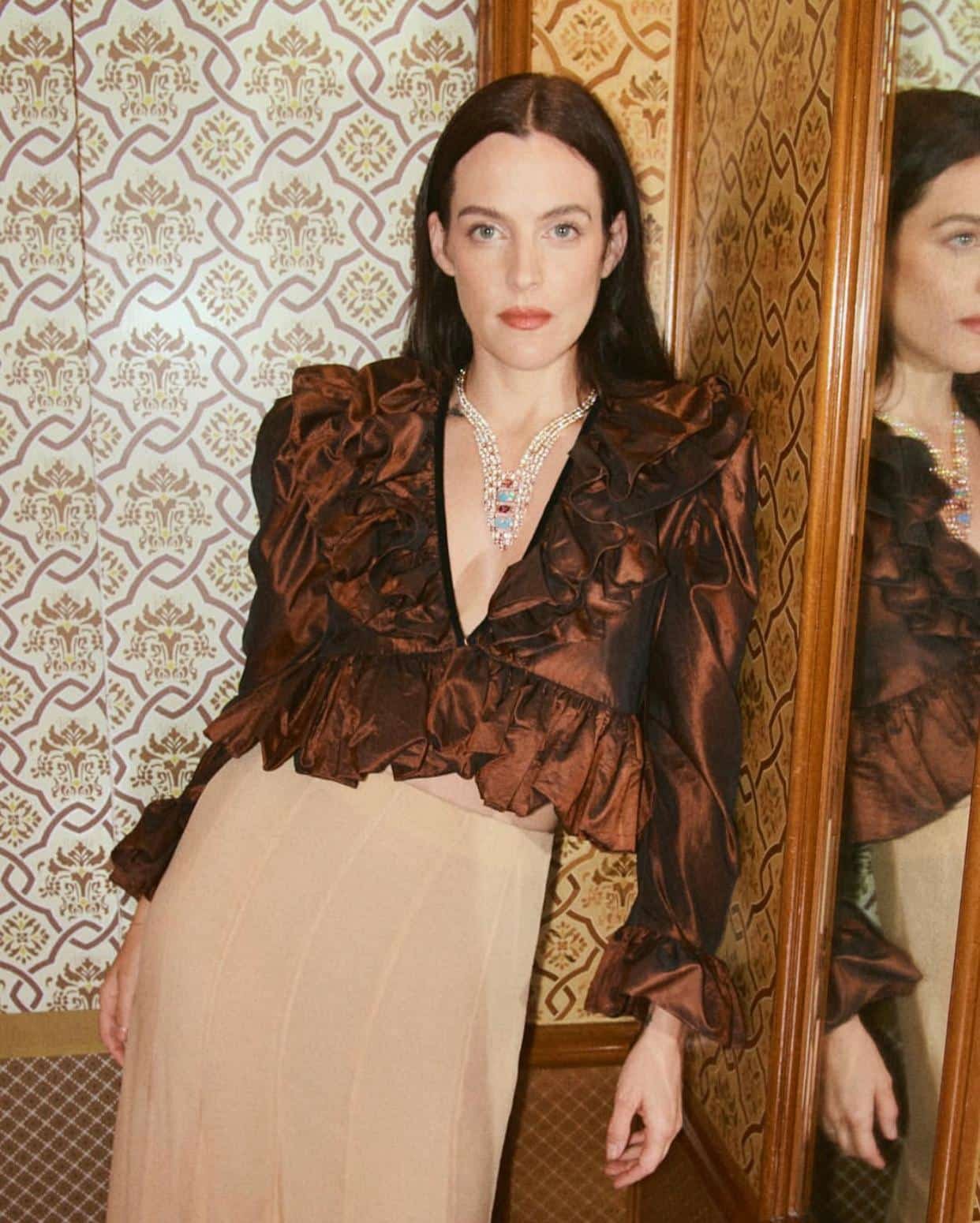
© Cartier
CHANEL

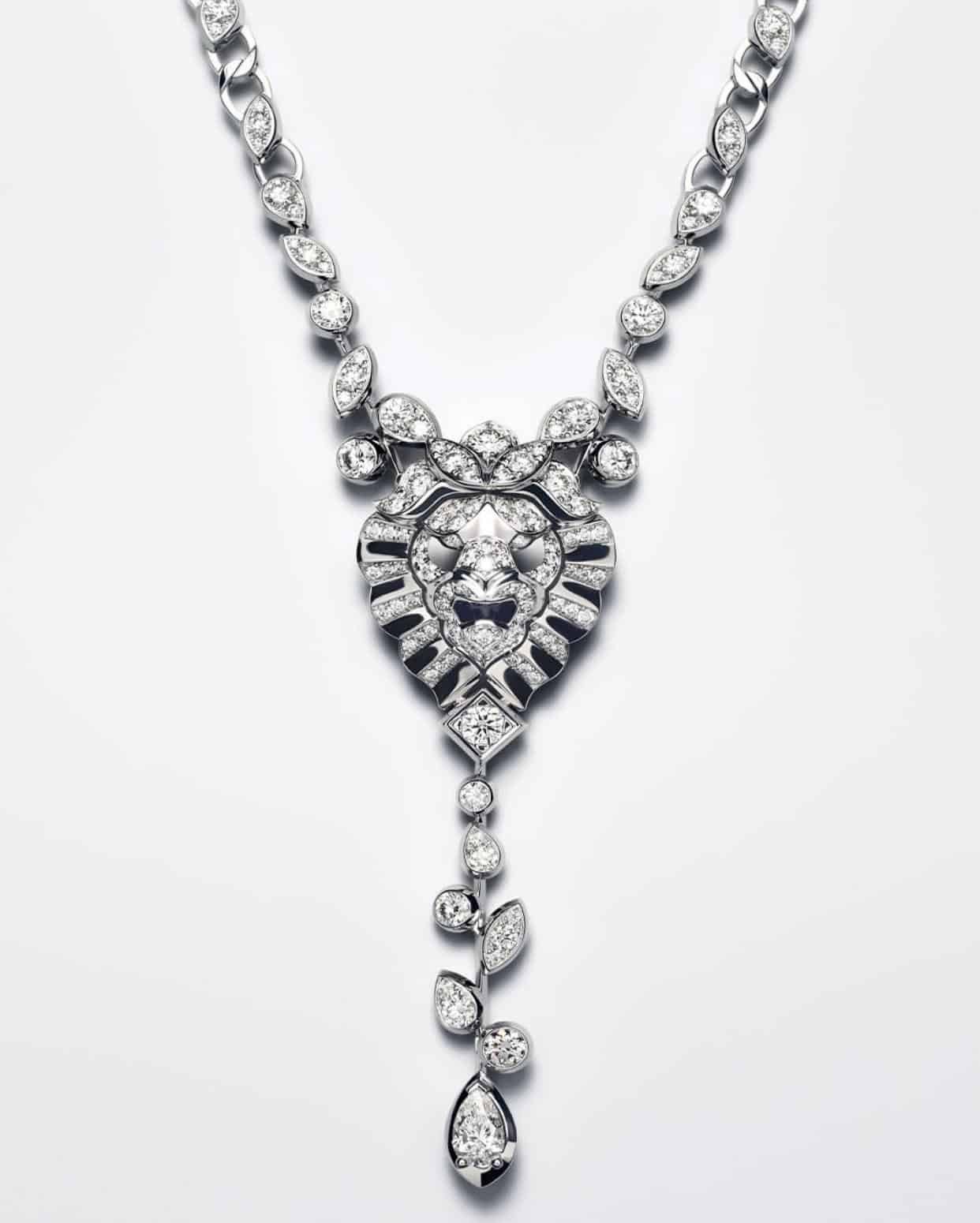

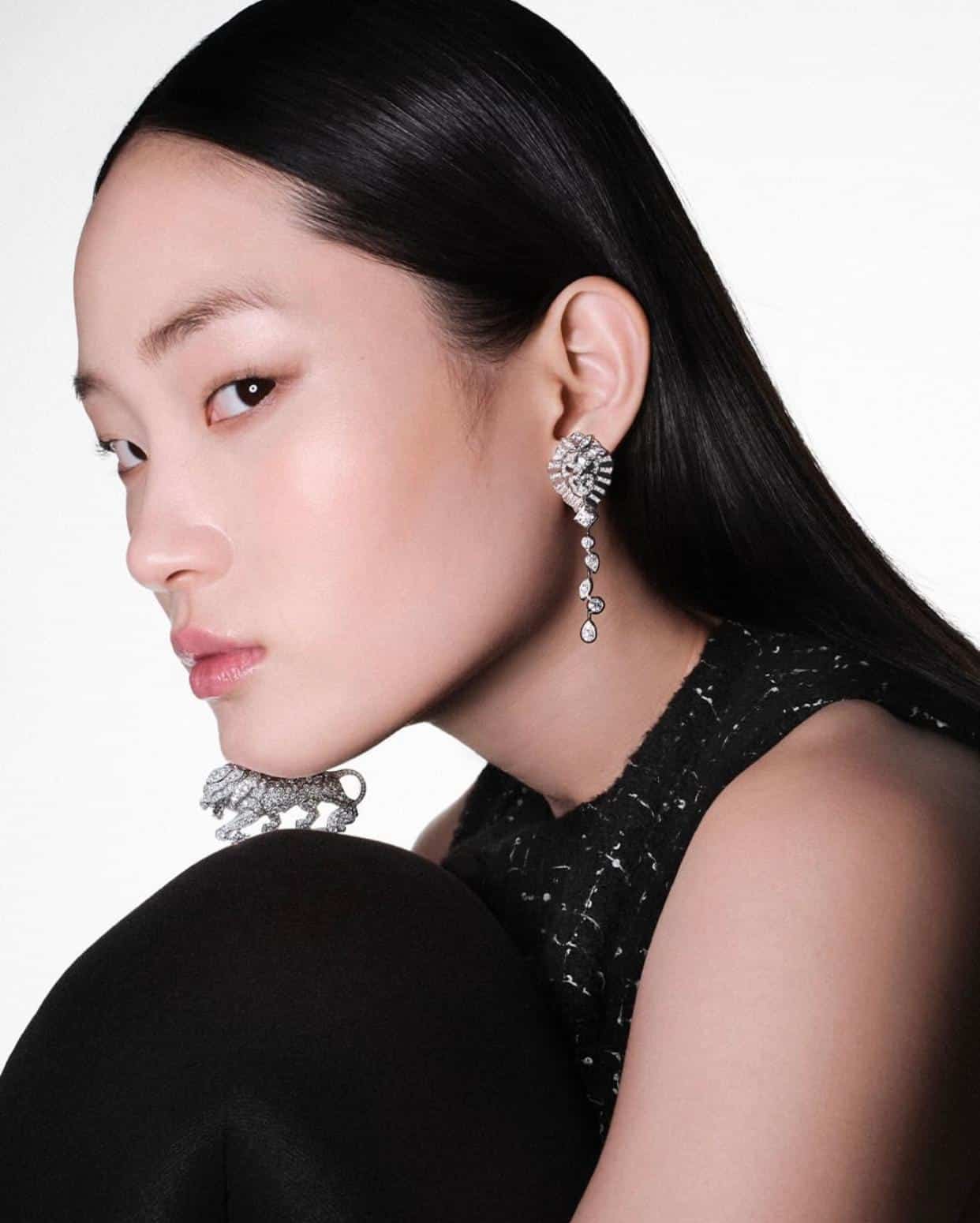
© Chanel
DIOR
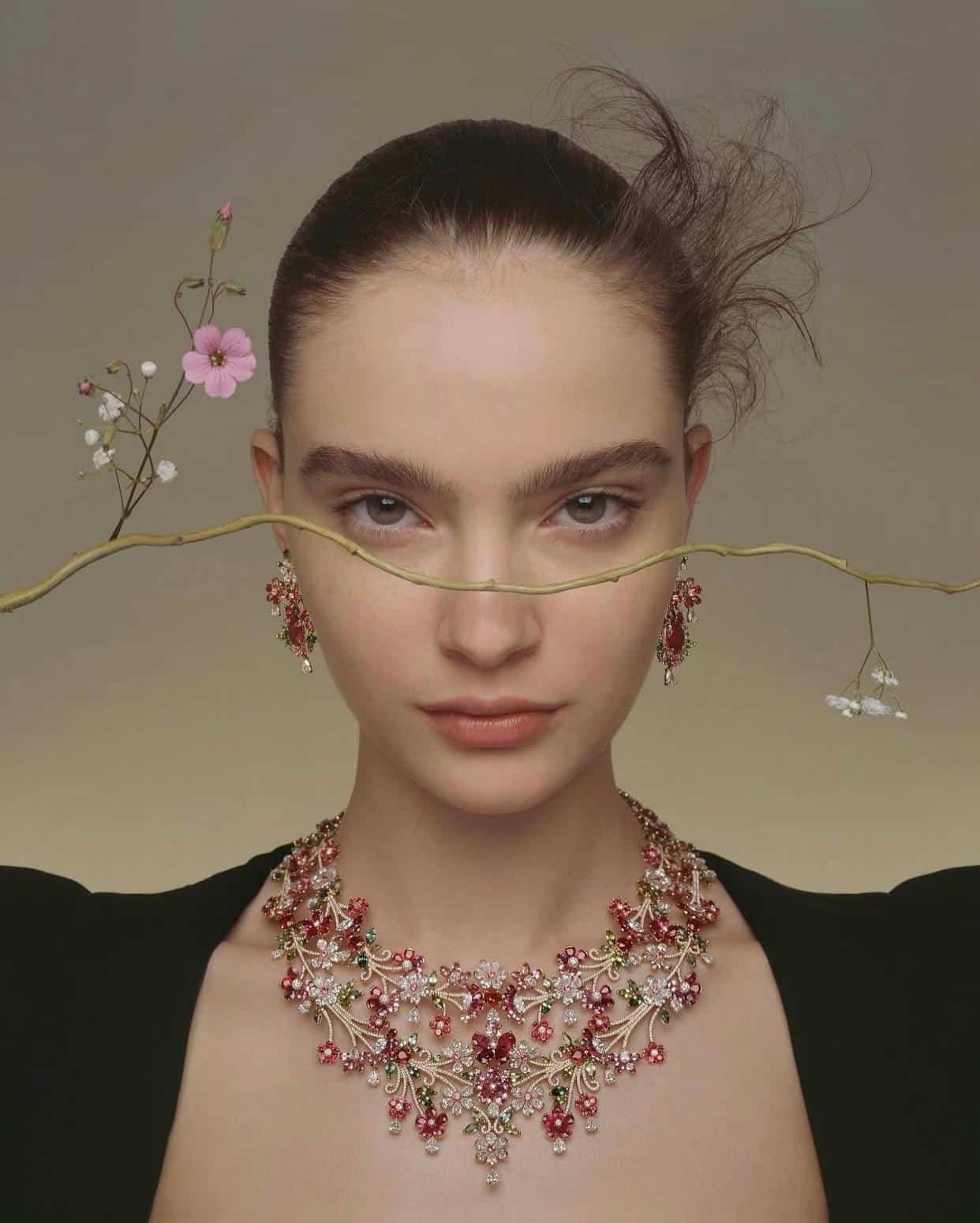
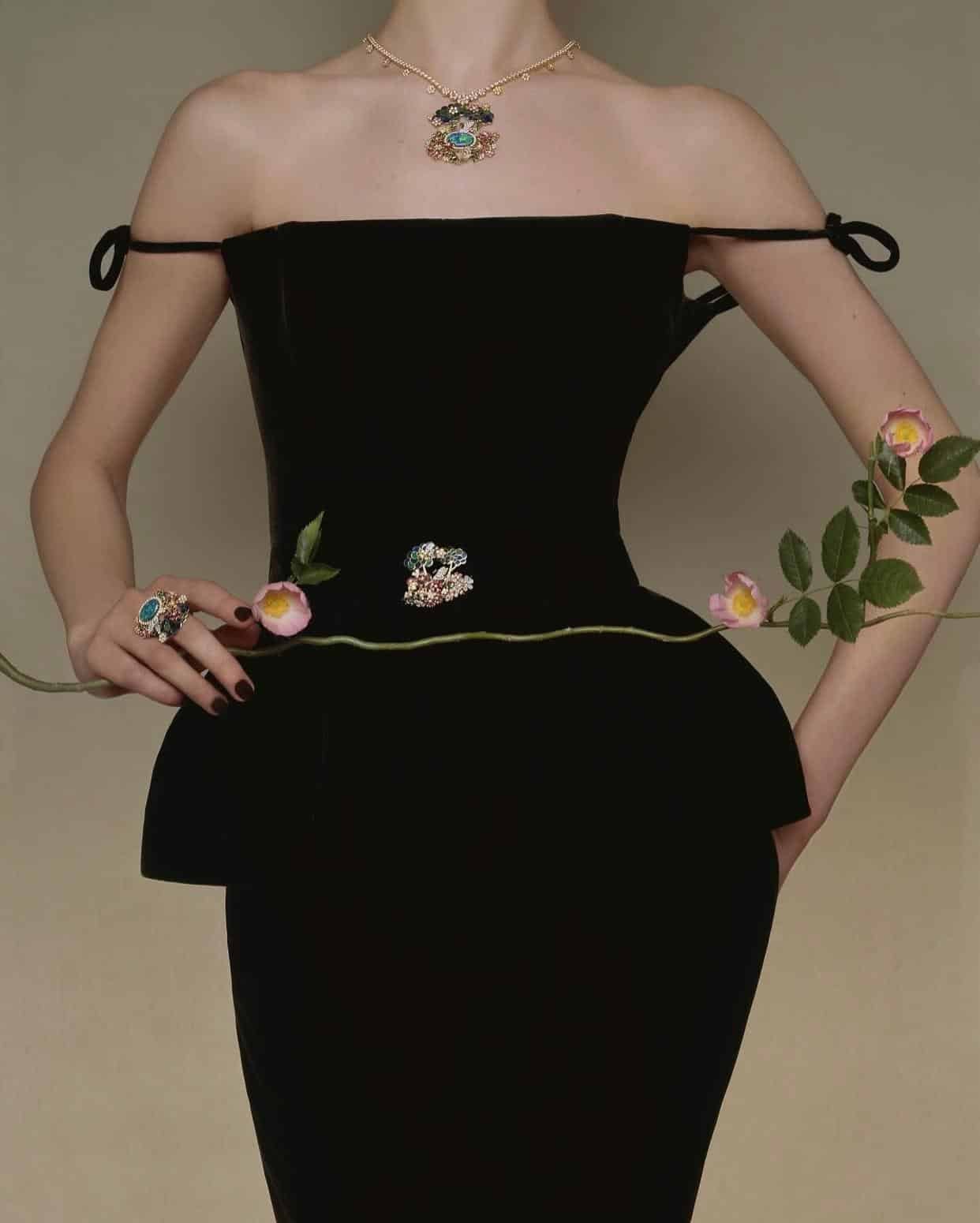
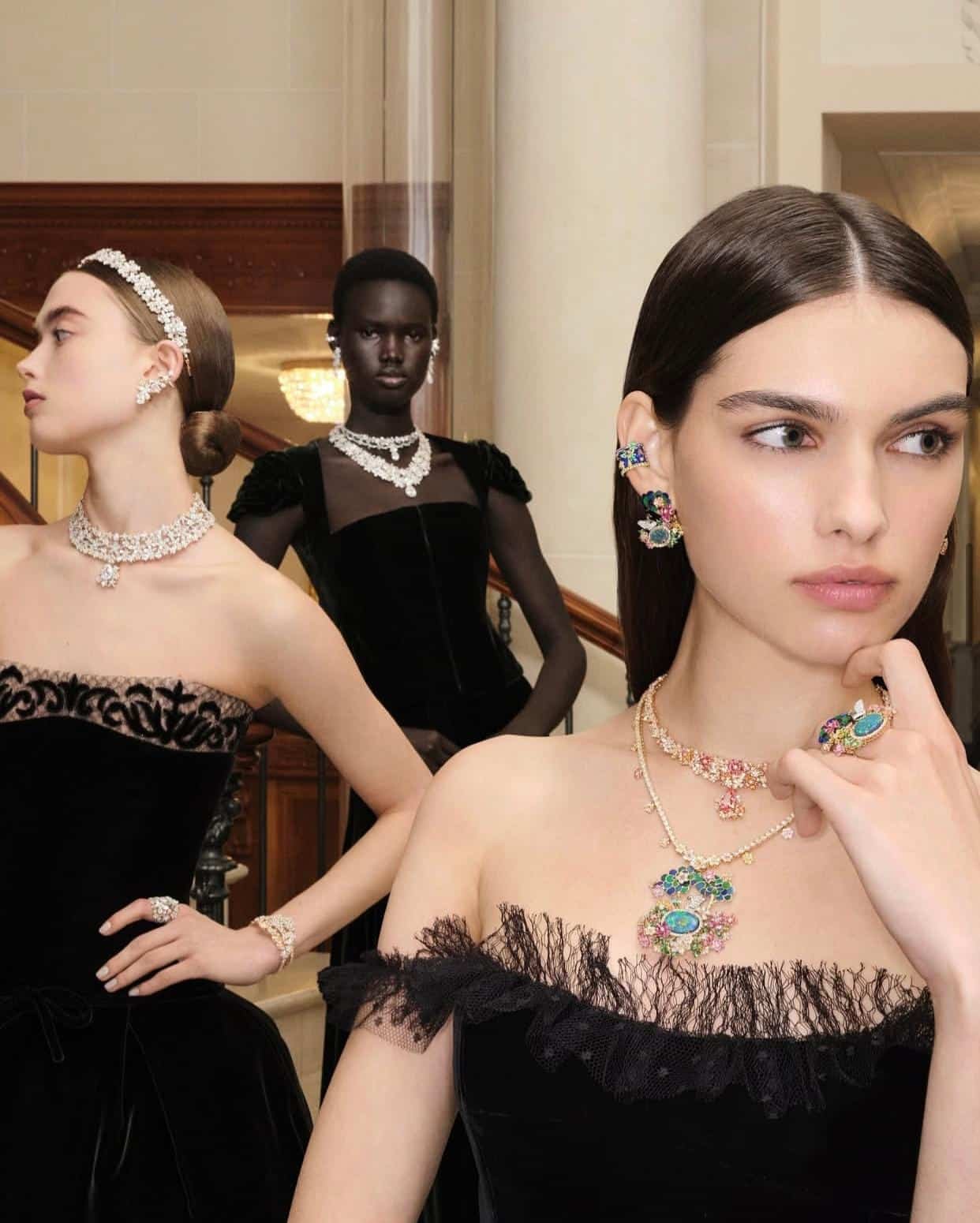

© Dior
VAN CLEEF & ARPELS
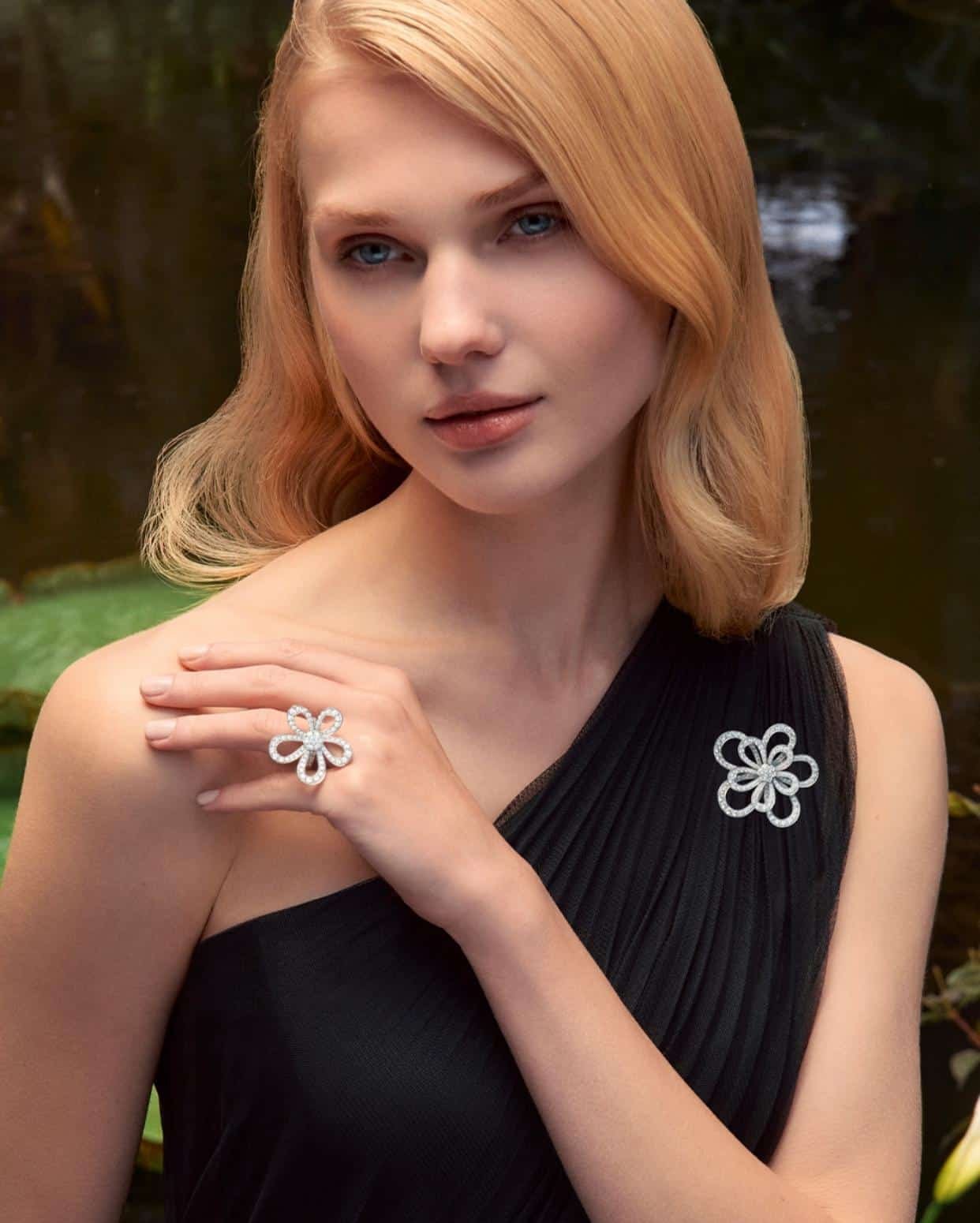
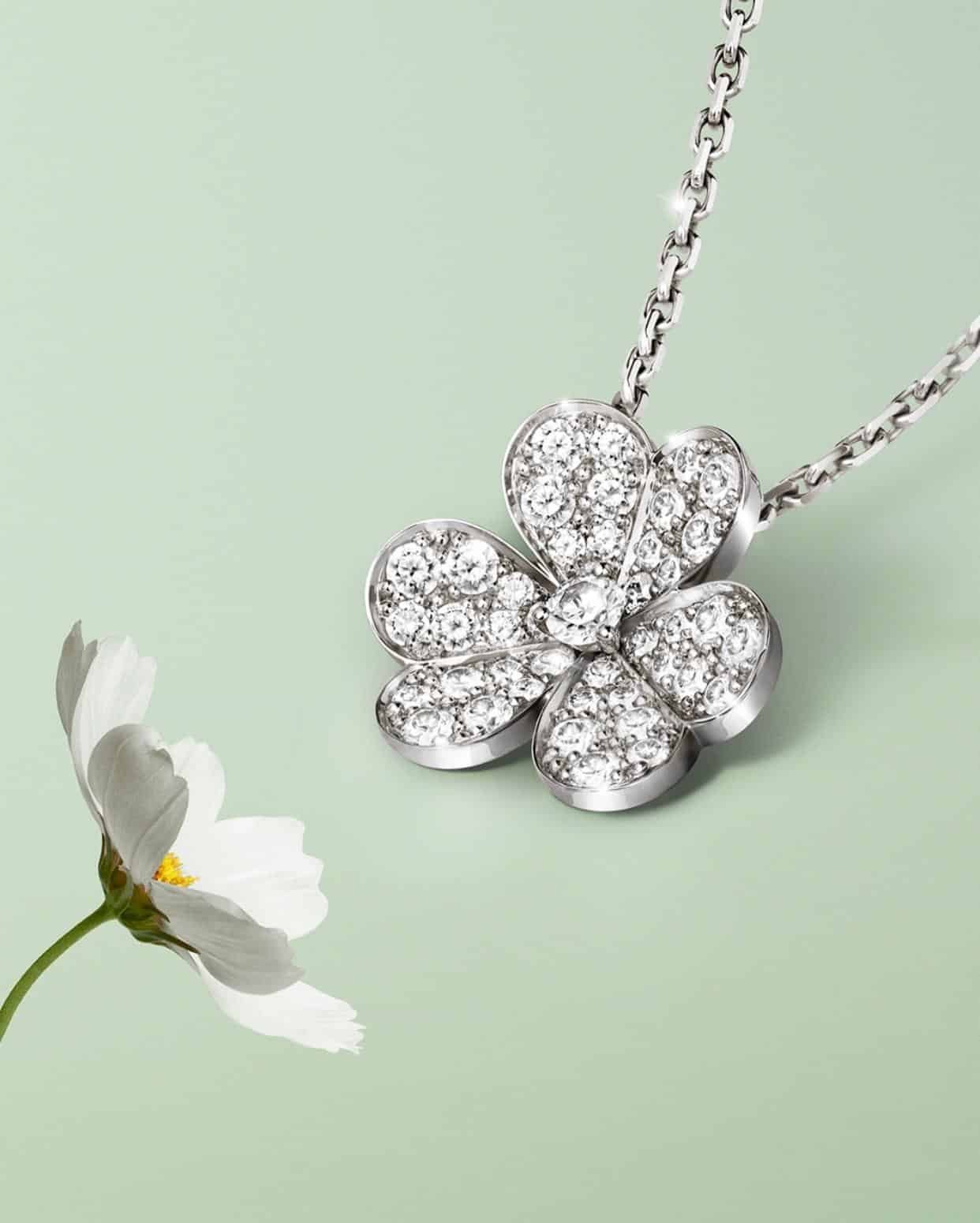

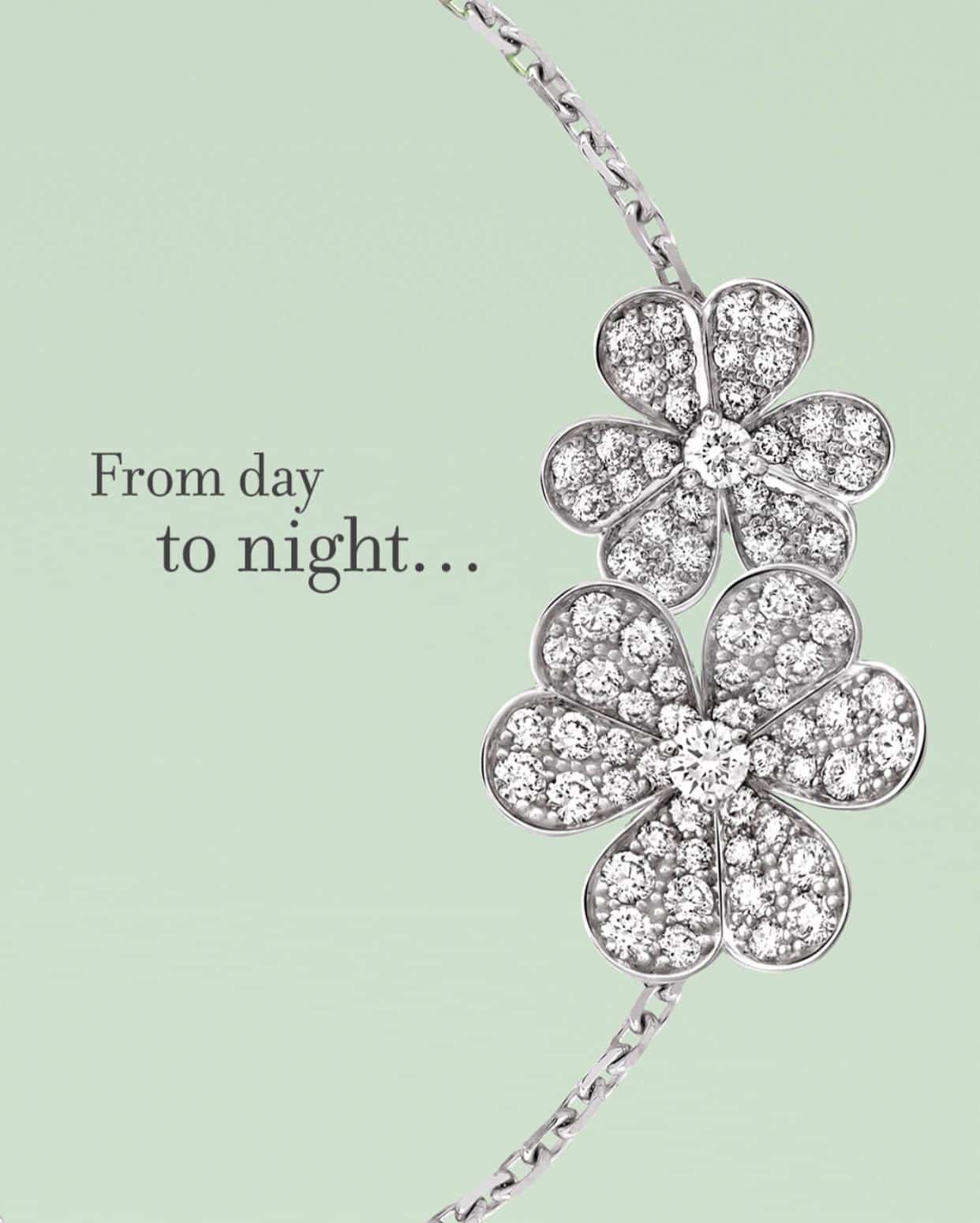
© Van Cleef & Arpels
FAQ — High Jewelry in Tokyo
· • • ·
1. Why has Tokyo become a major stage for High Jewelry?
Because Tokyo has a quality few capitals command:
the ability to turn complexity into clarity.
The city imposes a visual discipline:
— vertical lines,
— white light,
— matte materials,
— controlled geometry.
In this environment, High Jewelry finds ideal conditions.
Pieces are examined under honest, direct light — no golden glow.
Every volume, every setting, every potential flaw appears immediately.
This transparency pushes Maisons to:
— refine lines,
— control volumes,
— select stones with exceptional clarity,
— work metal with extreme precision.
Tokyo is not a décor.
It is a test — a revealer.
Here, High Jewelry is not staged.
It is measured, analyzed, clarified.
· • • ·
2. Does Tokyo High Jewelry follow a local aesthetic?
Yes — and it is highly specific.
It rests on three pillars:
Purity: reducing until the essence is reached.
Geometry: lines must be readable, clean, controlled.
Silence: no excess, no insistence.
Where Paris magnifies narrative,
Tokyo magnifies structure.
Volumes become:
— more controlled,
— more frontal,
— more minimal,
— more architectural.
Tokyo High Jewelry is not “cold.”
It is concentrated — like a Japanese brushstroke executed in one precise movement.
· • • ·
3. Do international Maisons modify their creations for Tokyo?
They never abandon their identity.
But they adjust.
Cartier remains Cartier.
Van Cleef remains Van Cleef.
Bulgari remains Bulgari.
Yet in their Tokyo collections, one notices:
— purer stones,
— cleaner lines,
— more controlled color palettes,
— less demonstrative volumes,
— exclusive pieces designed for local light.
Tokyo does not impose a style.
It imposes a standard of clarity.
Maisons adapt to meet this expectation.
· • • ·
4. How is a stone selected for Tokyo High Jewelry?
The stone must pass a crucial test:
white light.
Under this light, everything appears:
— true clarity,
— crystal depth,
— internal reflections,
— color consistency,
— the stone’s “life.”
A Tokyo-quality stone must offer:
— stable internal intensity,
— perfectly controlled luminous reaction,
— readable purity,
— contained yet deep presence.
Selection is not about rarity alone.
It is about precision.
A stone must withstand Tokyo’s honesty —
or it is not chosen.
· • • ·
5. What distinguishes Tokyo High Jewelry from Paris High Jewelry?
Paris:
— golden light,
— narrative,
— architectural romanticism,
— volume dramaturgy.
Tokyo:
— white light,
— geometry,
— controlled silence,
— disciplined refinement.
Paris magnifies.
Tokyo clarifies.
Both approaches are legitimate and distinct.
But Tokyo is unique in one way:
its light forgives nothing —
pieces must be perfectly balanced.
· • • ·
6. Which artisans work on Tokyo High Jewelry?
They are specialists of formidable precision:
— masters of micro-adjusted setting,
— experts in extreme mirror polishing,
— artisans who treat stone as a living material,
— creators who shape metal like architecture.
Their philosophy rests on:
— silent gesture,
— full concentration,
— no unnecessary movement,
— pursuit of the exact volume.
There is no ostentation in their work.
There is a science of detail.
· • • ·
7. Why does Tokyo High Jewelry feel so “silent”?
Because silence is a technique.
It allows:
— better control of gesture,
— precise reading of the stone,
— fine adjustment of metal,
— exact tension of a setting.
In specialized ateliers, one often hears only:
— the slide of a file,
— a held breath,
— metal yielding by a millimeter,
— polishing revealing the surface.
This silence is not poetic.
It is functional — it enables precision.
· • • ·
8. How does sustainability express itself in Tokyo High Jewelry?
In Tokyo, sustainability is never a slogan.
It is a form of respect.
Respect for the stone:
— controlled orientation,
— managed risk,
— precise setting.
Respect for the metal:
— reduced waste,
— clean work,
— discreet optimization.
Respect for the gesture:
— long training,
— transmission,
— focus.
Respect for origin:
— certified supply chains,
— transparent sourcing,
— rigorous partners.
Responsibility follows a natural sequence:
clean → precise → durable.
· • • ·
9. Is Tokyo High Jewelry meant to be worn or mostly displayed?
It is designed to be worn —
but worn with a certain rhythm.
In Tokyo, wearing is not a show.
It is an attitude:
— calm movement,
— controlled light,
— clean gestures.
The piece follows the body like a natural extension,
never a proclamation.
Some creations are destined for exhibitions.
But even these were conceived to live one day.
Tokyo does not produce immobile sculptures.
It produces wearable architectures.
· • • ·
10. Does Tokyo High Jewelry fit the Gloss City 50/30/20 model?
Absolutely.
50% Luxury
Japanese discipline applied to extreme precision.
White light as absolute criterion.
The piece as architecture.
30% Craftsmanship
Micro-setting, mirror polishing, perfect balance, silent gesture.
20% Sustainability
Respect for materials, clean technique, controlled supply chains, rigorous transmission.
Tokyo High Jewelry aligns perfectly with the Gloss City vision:
luxury that does not seek to seduce —
luxury that demonstrates mastery.
· • • • ·