


© Bvlgari
© Bvlgari
© Bvlgari
BVLGARI
BVLGARI High Jewelry Tokyo
Roman Sculpture Shaped by Light — Tokyo as a Silent Theater of Forms
Tokyo — The City Where Precision Replaces Emotion
· • • ·
The Spirit of the Place — A Dialogue Between Two Visual Disciplines
Tokyo does not respond to High Jewelry with emotion.
Tokyo responds with precision.
Japanese light is straight, cool, almost surgical.
It doesn’t dramatize anything — it tests construction, stone purity, and the tension of a silhouette.
In this city, BVLGARI encounters a paradoxical terrain:
flamboyant Roman heritage meeting Japanese rationality.
And yet, they understand each other.
Rome brings:
— sculpture,
— monumentality,
— dense chromatic power,
— generous lines.
Tokyo brings:
— order,
— clarity,
— discipline,
— analytical light.
Here, BVLGARI High Jewelry doesn’t become more discreet.
It becomes more legible, more architected, more exact.
· • • ·
Signatures — Color, Line, Volume
1. Stones — Intensity Comes First
BVLGARI is recognized worldwide for its mastery of color.
But in Tokyo, color is not a spectacle — it becomes a light plan.
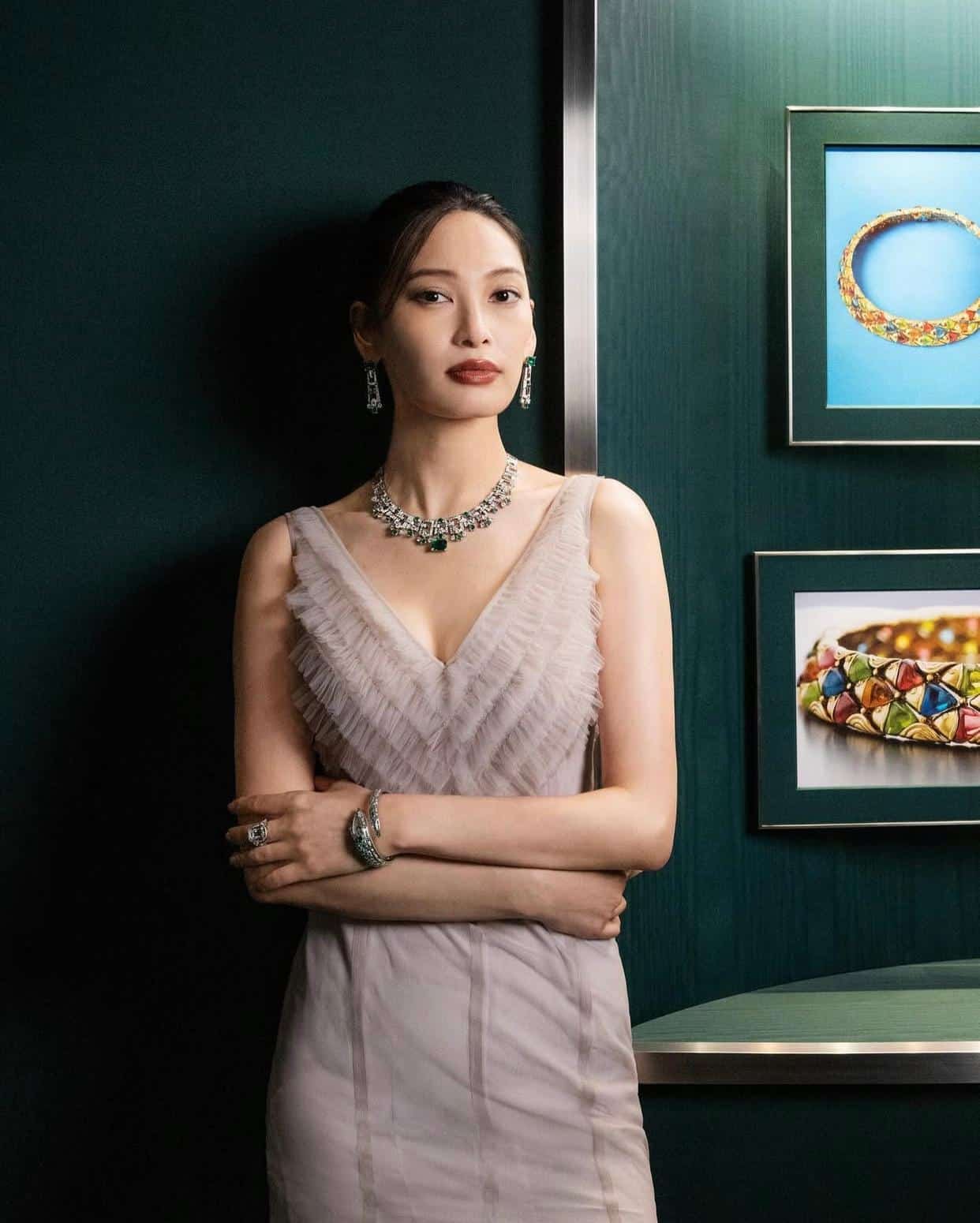
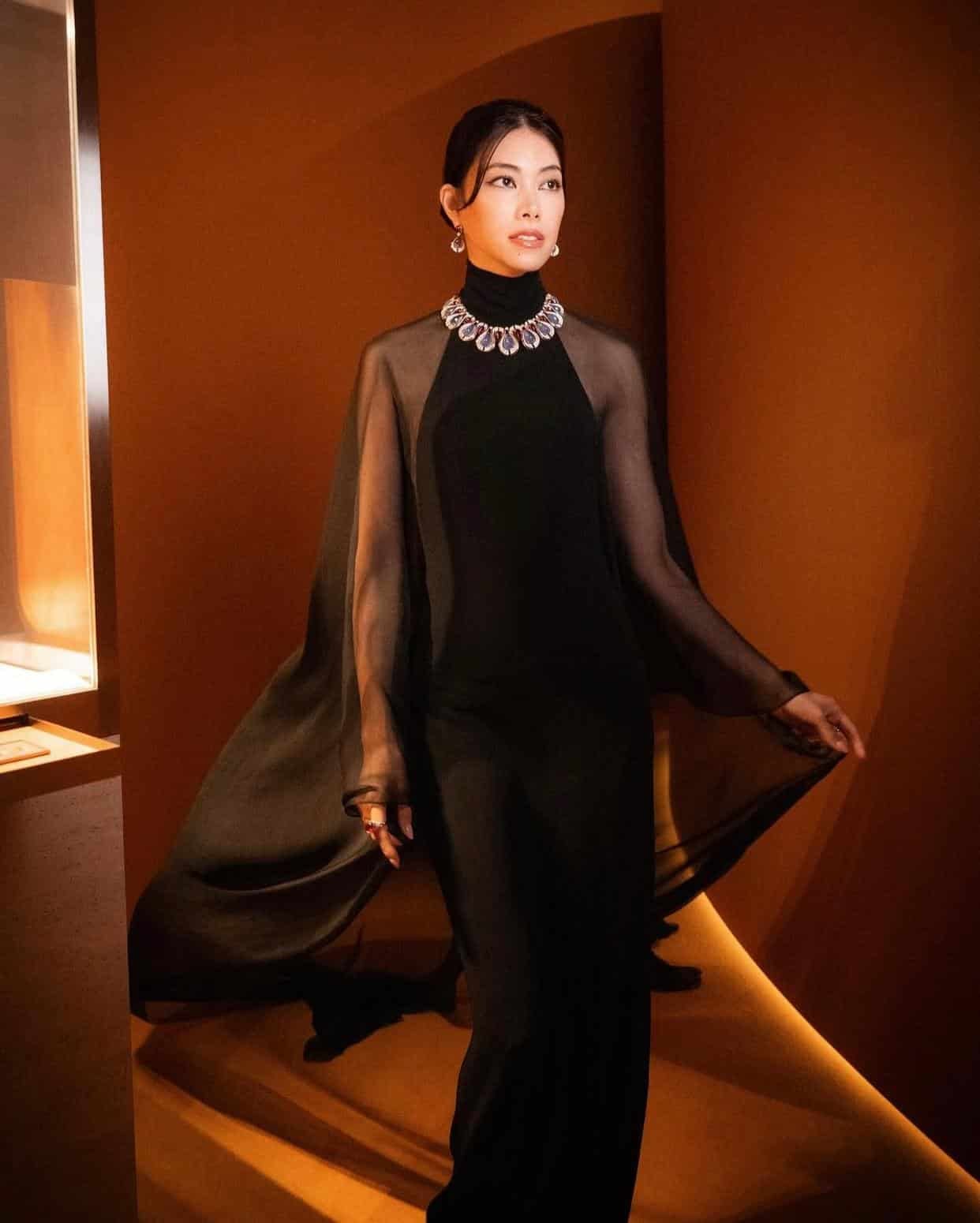
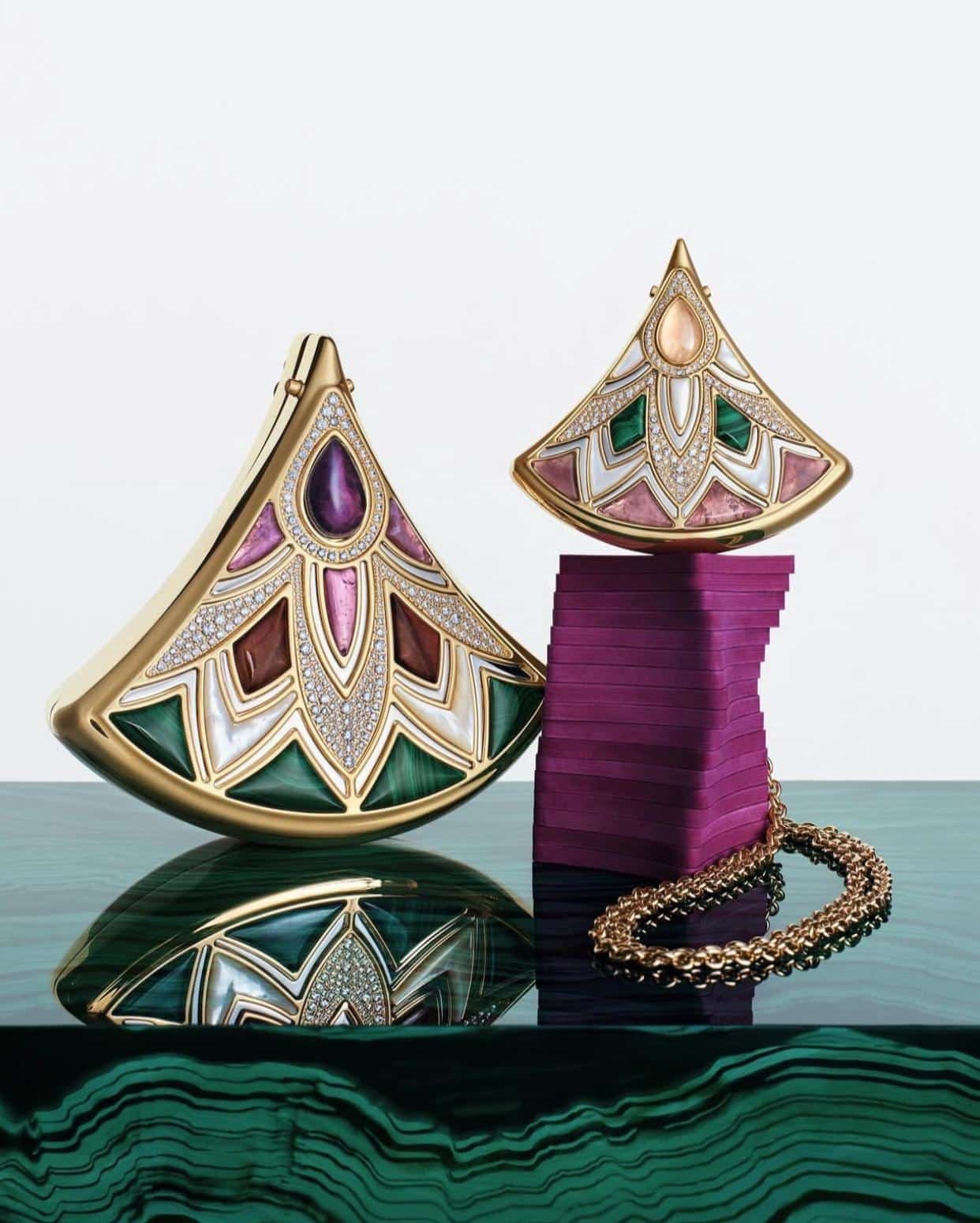
Saturated sapphires, deep emeralds, structured rubellites, profound tourmalines:
each stone must hold its presence under Japanese light without dispersion.
BVLGARI color becomes a controlled chromatic discipline.
2. Volume — The Roman Architectural Heritage
BVLGARI creations never shy away from fullness.
They rely on:
— sculpted curves,
— generous yet precise architecture,
— controlled masses.
Tokyo reads volume differently:
the city does not judge grandeur,
it judges coherence.
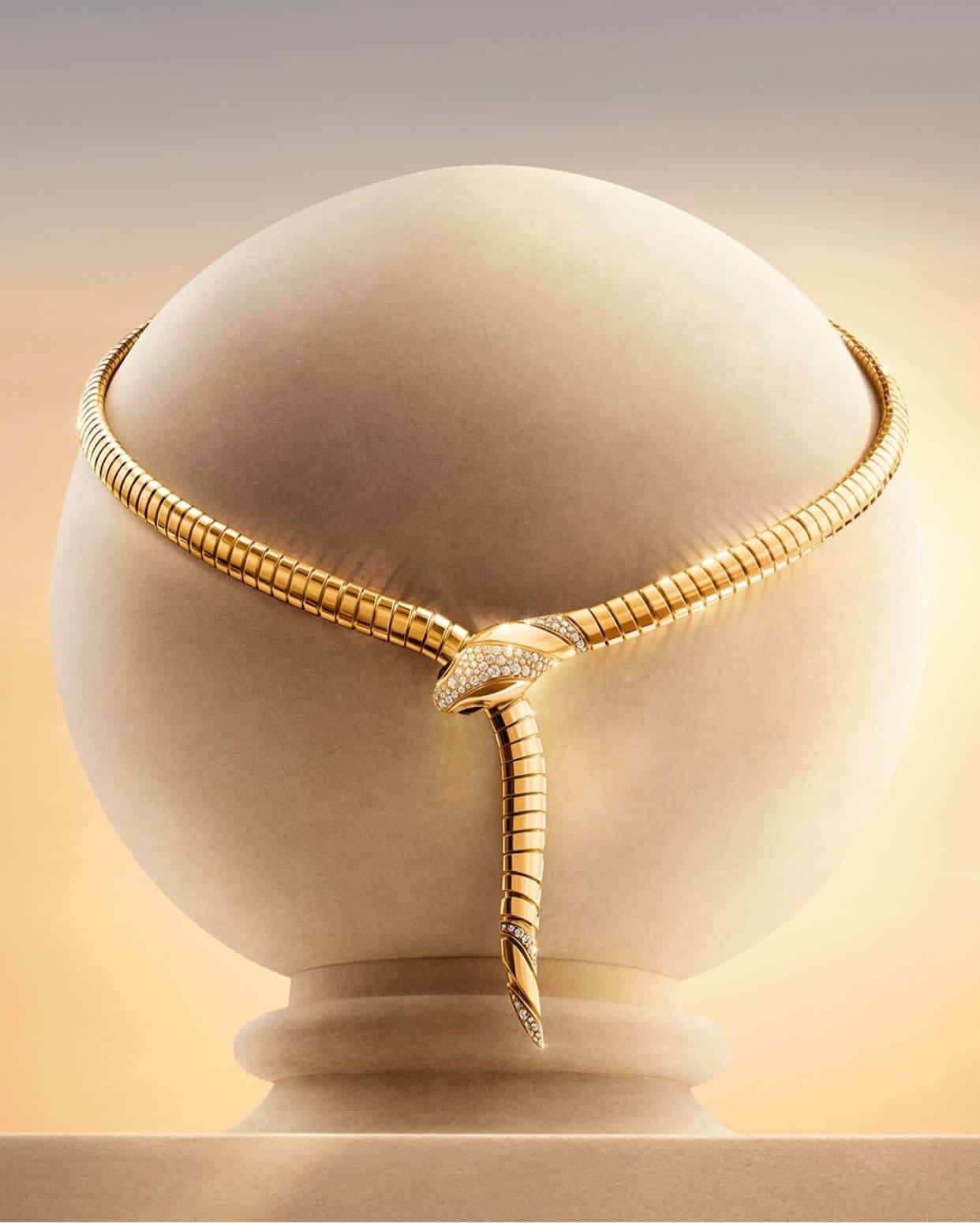
3. Serpenti — Line, Tension, Direction
Serpenti is not merely a motif.
It is a geometry.
A spiral, a mastered curve, a controlled flexibility.
Under Tokyo’s cool light, Serpenti shifts from sensual to structural — almost graphic.
· • • • ·
Experience — Jewelry as an Analytical Object
Inside the BVLGARI Ginza Tower, High Jewelry is not presented as treasure.
It is presented as color architecture, challenged by:
— minimalist vitrines,
— precisely directed lighting,
— calibrated distances,
— an intentionally silent atmosphere.
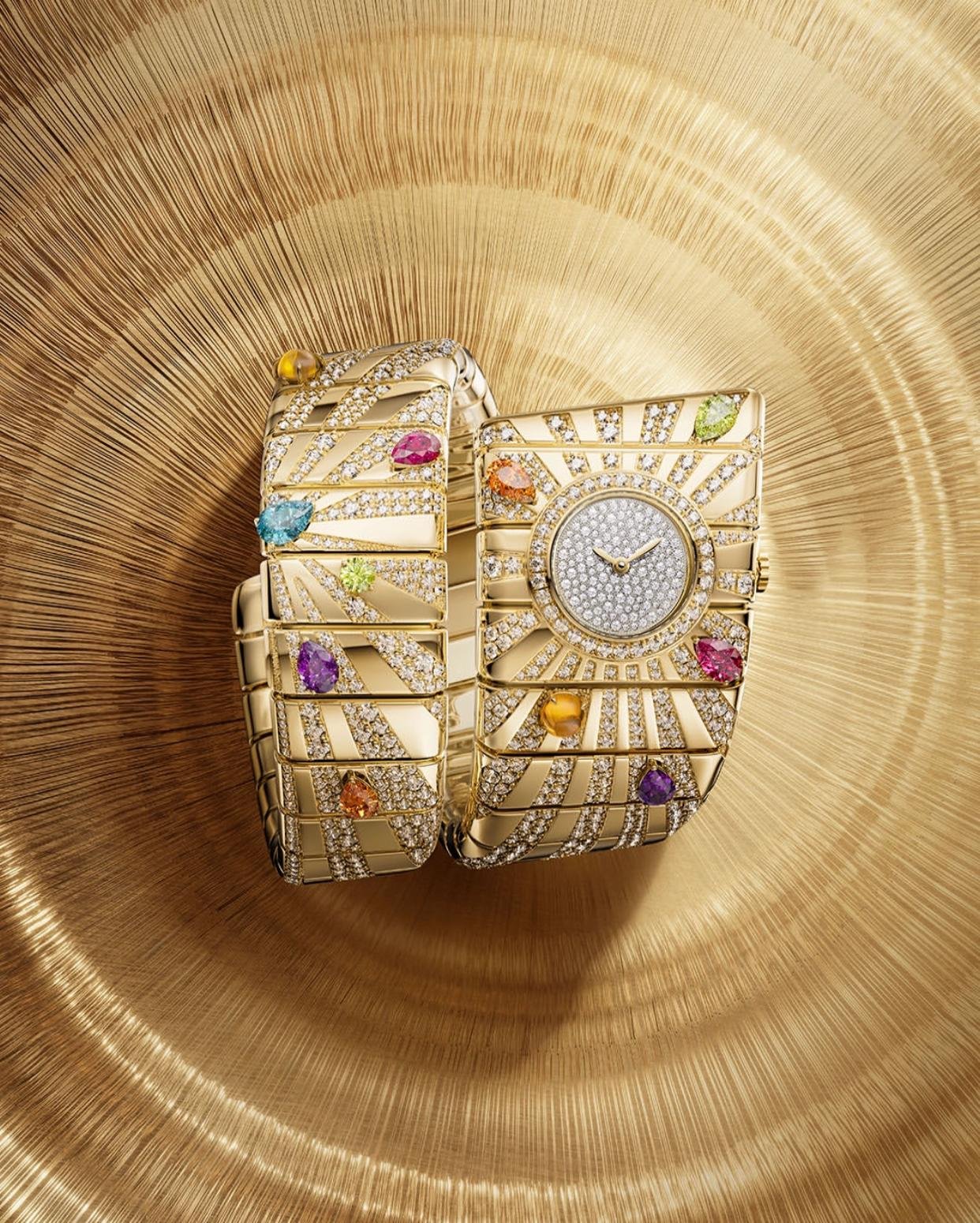
In Tokyo, a Serpenti necklace, a Monete piece, a Color Treasures creation doesn’t aim for immediate emotion.
Japanese clients read:
— metal curvature,
— tension within a setting,
— continuity of a line,
— exact depth of a stone.
The BVLGARI jewel becomes an object of study, form, and mastery.
Rome sculpts.
Tokyo validates.
· • • • ·
Sustainability — The Hidden Structure
BVLGARI doesn’t present sustainability as a marketing promise.
The Maison treats it as a technical foundation:
— certified gold supply chains,
— traceability of colored stones,
— reduced material waste,
— improved workshop efficiency,
— strong international commitments,
— support for craftsmanship.
In High Jewelry, sustainability equals structure:
less waste,
greater precision,
better volume stability.
Tokyo values this quiet rigor.
· • • • ·
Conclusion Gloss Signature™
BVLGARI High Jewelry Tokyo represents:
— Roman monumentality reinterpreted through Japanese light,
— controlled, intense, disciplined color,
— sculpted volumes with architectural logic,
— dense, measured craftsmanship,
— responsibility treated as a structural requirement.
This is not demonstrative luxury.
It is structured, vibrant, exact.
In Tokyo, BVLGARI does not seek to impress.
BVLGARI reveals itself differently:
with stones that breathe,
lines that hold tension,
volumes that stand with intention.
High Jewelry read as architectural color.
· • • • ·
© Bvlgari
© Bvlgari
© Bvlgari
© Bvlgari
© Bvlgari
© Bvlgari
© Bvlgari
© Bvlgari

© Bvlgari

© Bvlgari
FAQ — BVLGARI High Jewelry Tokyo
· • • ·
1. Why is Tokyo such a major location for BVLGARI High Jewelry?
Tokyo offers a rare aesthetic:
a cool, directional, razor-sharp light that flatters nothing and exposes everything.
In this environment, BVLGARI High Jewelry reveals a completely different dimension:
color becomes architecture,
the stone becomes a luminous surface,
volume becomes measured geometry.
The city imposes an analytical reading.
Each piece is evaluated not for brilliance, but for structural coherence.
The BVLGARI Ginza Tower is not just a showcase —
it is a space of observation where Roman monumentality meets Japanese discipline.
In Tokyo, BVLGARI is not flamboyant.
It is architected, exact, intensely readable.
· • • • ·
2. What distinguishes BVLGARI High Jewelry from its classic jewelry?
The difference lies in scale, density, and structural ambition.
Classic BVLGARI jewelry explores:
— controlled color,
— iconic volumes,
— strong, confident lines.
High Jewelry shifts the entire logic:
each piece is unique,
each stone dictates its own luminous plan,
each volume is built like a Roman sculpture,
each technique is pushed to its apex.
High Jewelry does not interpret BVLGARI’s style —
it defines its most advanced expression.
In Tokyo, this distinction is immediately visible:
mastery, density, and controlled presence.
· • • • ·
3. How does BVLGARI select stones for High Jewelry, especially for Tokyo?
BVLGARI is known for its chromatic precision.
In Tokyo, color must withstand an exceptional light.
Stones are selected for:
— stable saturation,
— exact depth,
— resistance to pure white light,
— intensity under raking light,
— compatibility with architectural volume.
Deep emeralds, structured rubellites, calibrated tourmalines, saturated sapphires:
each stone must behave as a controlled luminous surface, never an excess.
Once chosen, the stone is not adapted to the jewel.
The entire piece is orchestrated around it.
· • • • ·
4. Why are BVLGARI volumes said to possess a unique architectural strength?
Because BVLGARI is one of the few Maisons whose aesthetic comes not from motif,
but from sculpted mass.
Rome shaped the Maison with:
— monumentality,
— full geometry,
— powerful curves,
— the logic of architectural stone.
In High Jewelry, these values become even clearer:
a necklace is not a jewel —
it is a façade, an arch,
a sculpture of gold and color.
In Tokyo, this force never shocks.
It is read as structure, equilibrium, and volume mastery.
· • • • ·
5. How are BVLGARI High Jewelry pieces crafted?
They are created in ateliers where sculpture comes before jewelry.
The process follows a precise sequence:
— selection of the master stone,
— volume construction in wax,
— development of internal structures,
— micron-level adjustments,
— progressive segment assembly,
— complex settings,
— mirror or satin polishing depending on tension.
Every detail matters:
a volume too wide breaks Roman logic,
a setting too tight risks a rare stone,
an angle too sharp disrupts harmony.
High Jewelry BVLGARI often requires hundreds of hours —
a sculptor’s and a master jeweler’s work combined.
· • • • ·
6. How do BVLGARI symbols evolve in High Jewelry?
BVLGARI symbols become systems.
Serpenti
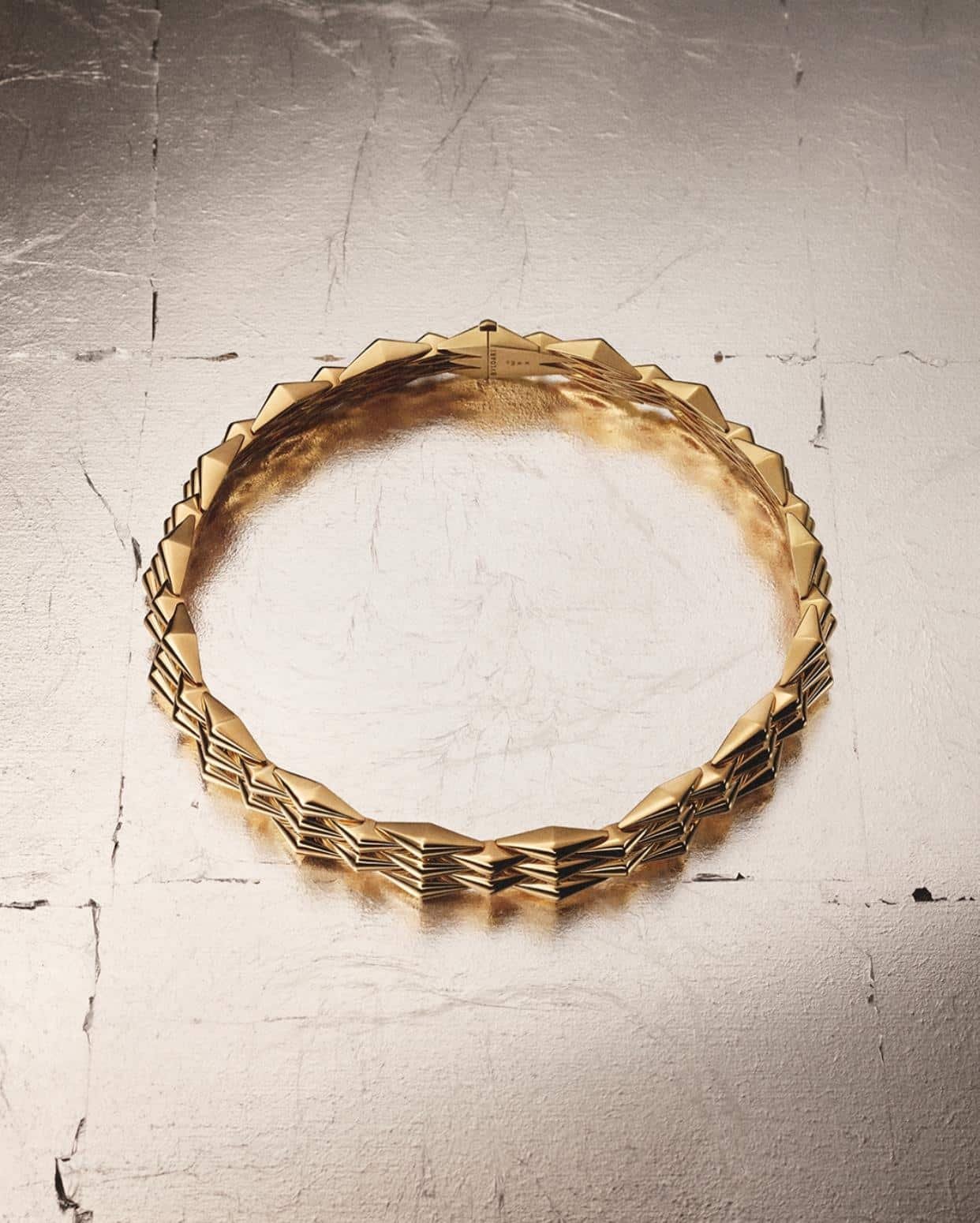
A flexible line, repeated curve, continuous tension.
At this level, it is not a serpent — it is geometry.
Monete
The ancient coin becomes an axis of history,
a fixed point around which the entire structure aligns.
Color Treasures
Color becomes an architectural discipline.
High Jewelry does not use a code.
It transforms it into conceptual structure.
· • • • ·
7. Why do BVLGARI High Jewelry ateliers function like sculpture studios?
Because everything begins with mass, form, and tension.
Artisans work:
— in silence,
— in neutral light,
— with absolute focus.
Each section of a necklace starts as an autonomous form,
then becomes a segment,
then an articulated architecture.
Gestures are slow, precise, repeated.
A single misplaced millimeter can destabilize the entire piece.
Silence becomes a tool.
Light becomes the judge.
· • • • ·
8. How does BVLGARI integrate sustainability into the High Jewelry presented in Tokyo?
Sustainability is not a marketing element for BVLGARI.
It is an atelier logic.
It includes:
— certified gold supply chains,
— strict colored stone selection,
— reinforced traceability protocols,
— reduced material loss,
— transmission of long-term skills,
— deep metal control to avoid waste.
Sustainability = technical coherence.
Tokyo, highly sensitive to discreet rigor, values this approach rooted in precision, not communication.
· • • • ·
9. Are BVLGARI High Jewelry pieces made to be worn or displayed?
They are made to be worn with intention.
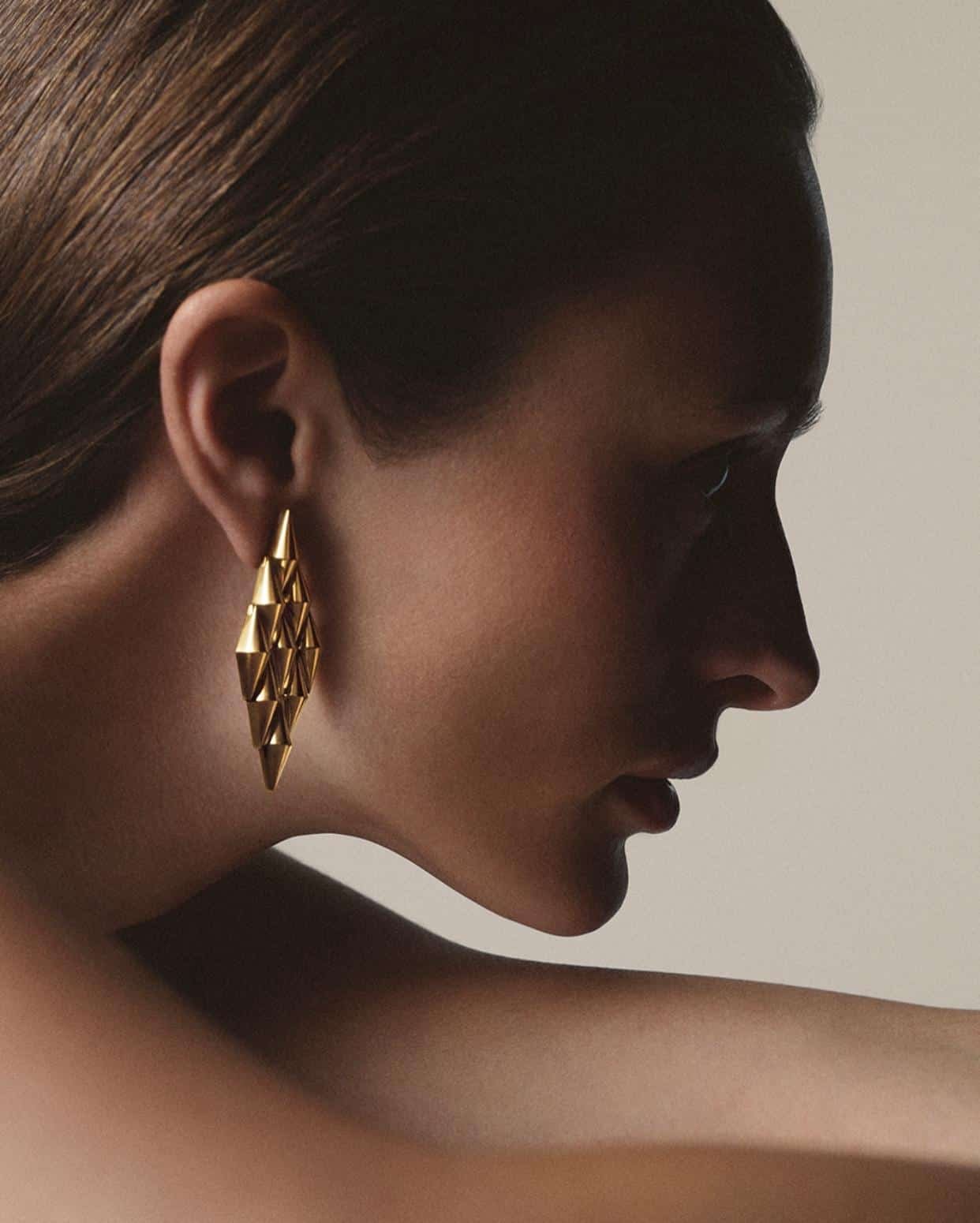
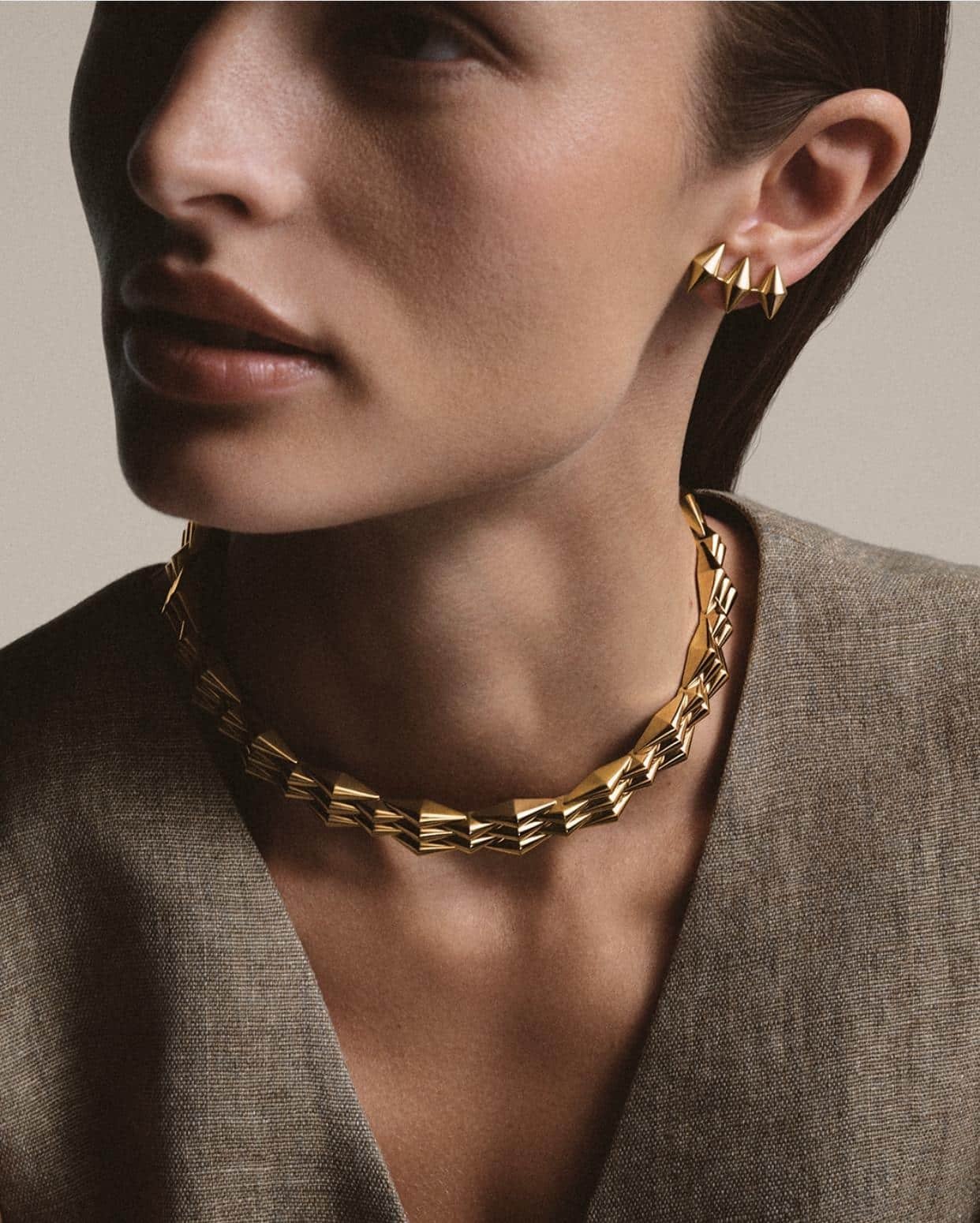
A Serpenti necklace aligns perfectly with the collarbone.
A Color Treasures piece follows natural movement.
A bold ring stabilizes through internal angles.
BVLGARI does not create static sculptures.
A piece must move, breathe, and express itself through motion.
Some creations naturally carry a museum-level dimension,
but their first purpose is always wearability with strong presence.
· • • • ·
10. Does BVLGARI High Jewelry Tokyo follow the Gloss City grid (50% luxury, 30% craftsmanship, 20% sustainability)?
Exactly.
50% Luxury
Roman power, controlled color, sculpted geometry, readable monumentality.
30% Craftsmanship
Wax volumes, complex settings, sculptural gestures, internal articulation.
20% Sustainability
Certified sourcing, stone control, waste reduction, disciplined ateliers.
BVLGARI High Jewelry Tokyo expresses a structured, chromatic, architectural luxury supported by dense craftsmanship and integrated responsibility.
· • • • ·
BVLGARI
© Bvlgari