

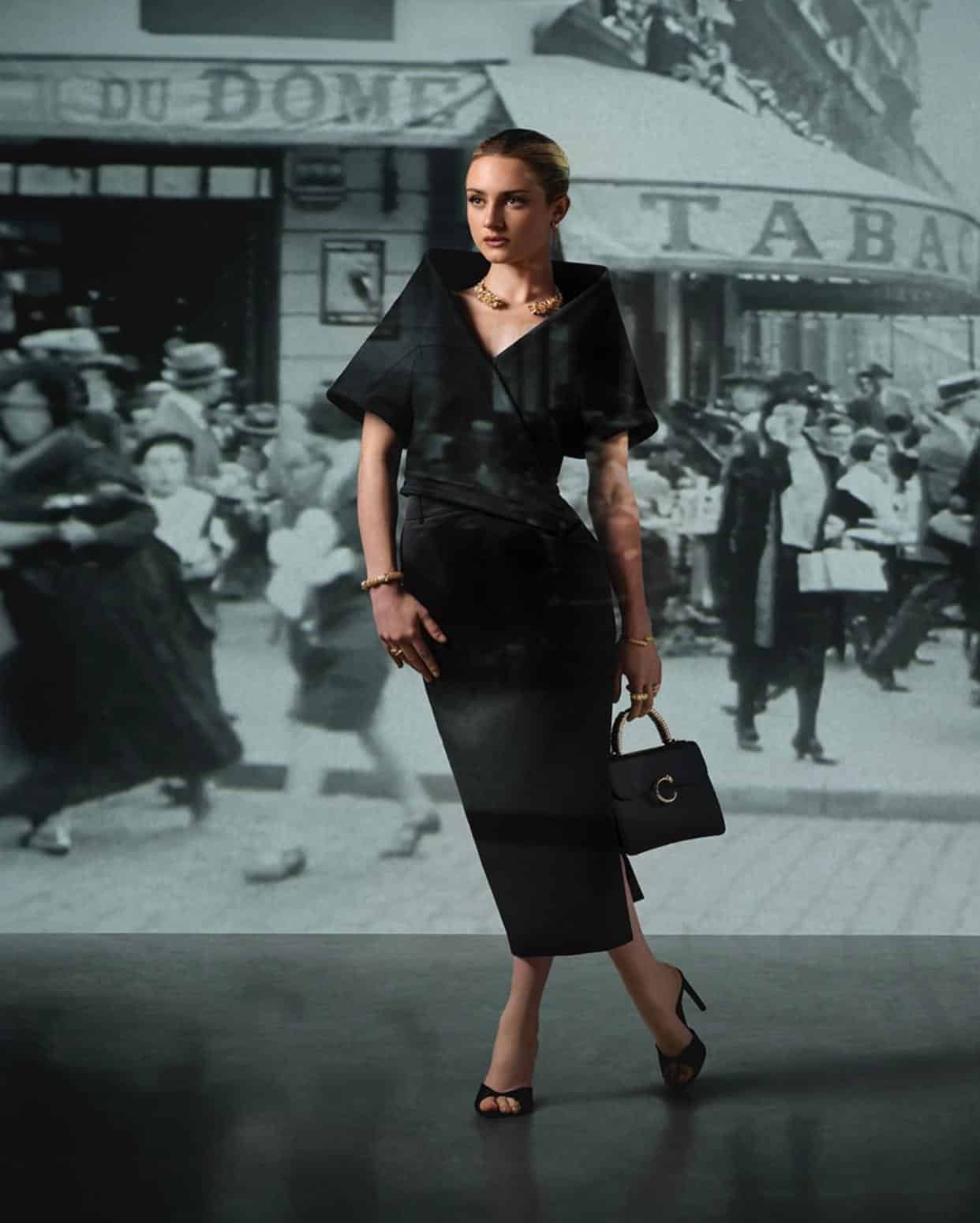
© Cartier
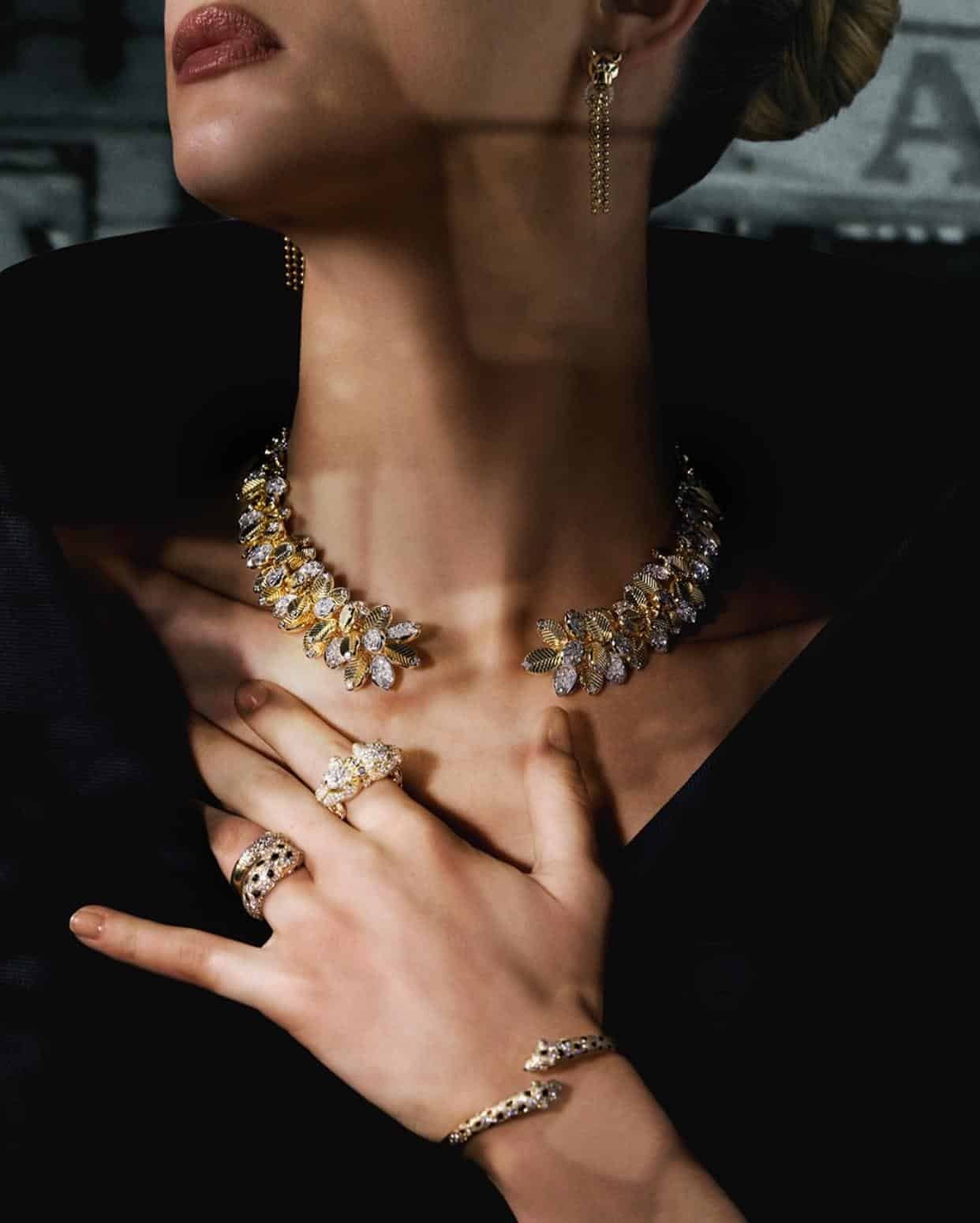
© Cartier

© Cartier
CARTIER
CARTIER High Jewelry Tokyo
Controlled Tension, Light as Structure
Tokyo — The City That Analyzes Form
· • • ·
The Spirit of the Place — Silence as Measure
Tokyo is not a city of effects.
It is a city of analysis.
Here, light is cool, directional, razor-sharp.
It does not flatter — it reveals.
Every façade, every shadow, every surface demands a rigorous reading of volume.
In this environment, Cartier High Jewelry finds a natural home:
a city that does not ask for brilliance, but for accuracy.
A city that responds not to ornament, but to structure.
Cartier High Jewelry in Tokyo does not exist to seduce.
It exists to be understood,
to hold itself,
to remain stable in the eye.
This calm, architectural discipline aligns perfectly with Cartier’s vision.
· • • ·
Signatures — Materials Under Tension
Stones — Luminous Stability
Cartier does not choose the most imposing stone.
Cartier chooses the one that maintains intensity under analytical light.
Deep diamonds, disciplined sapphires, dense rubies, architected emeralds:
in Tokyo, stones must remain calm, readable, consistent.
They do not seek sparkle —
they seek presence.
Metals — The Framework
White gold, rose gold, platinum:
here, metal is not a support.
It is a plane, a structure, a geometry.
Cartier metals create volume coherence,
the breathing space between stone and void.
Codes — The Logic of Forms
Cartier does not multiply symbols.
It controls them.
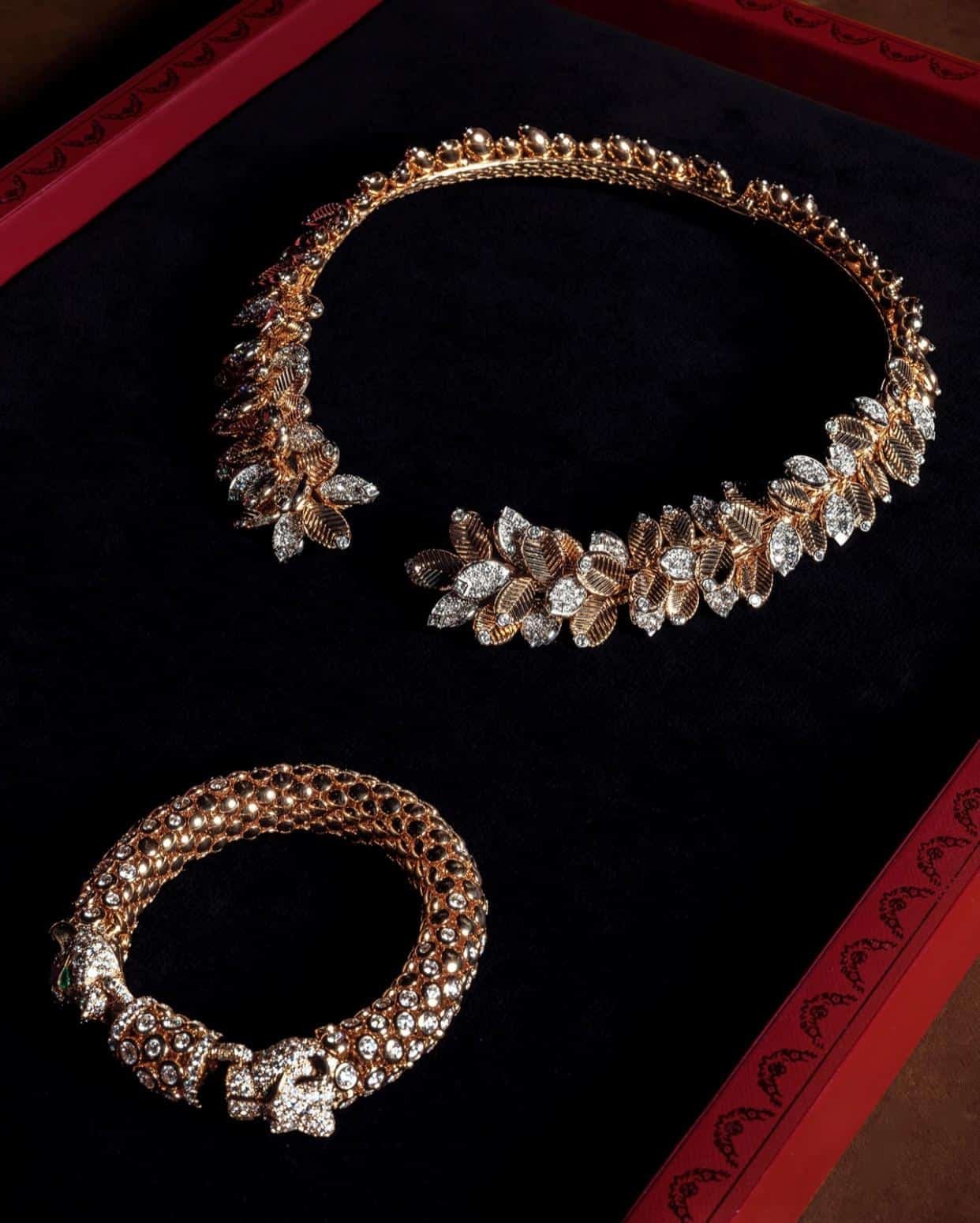
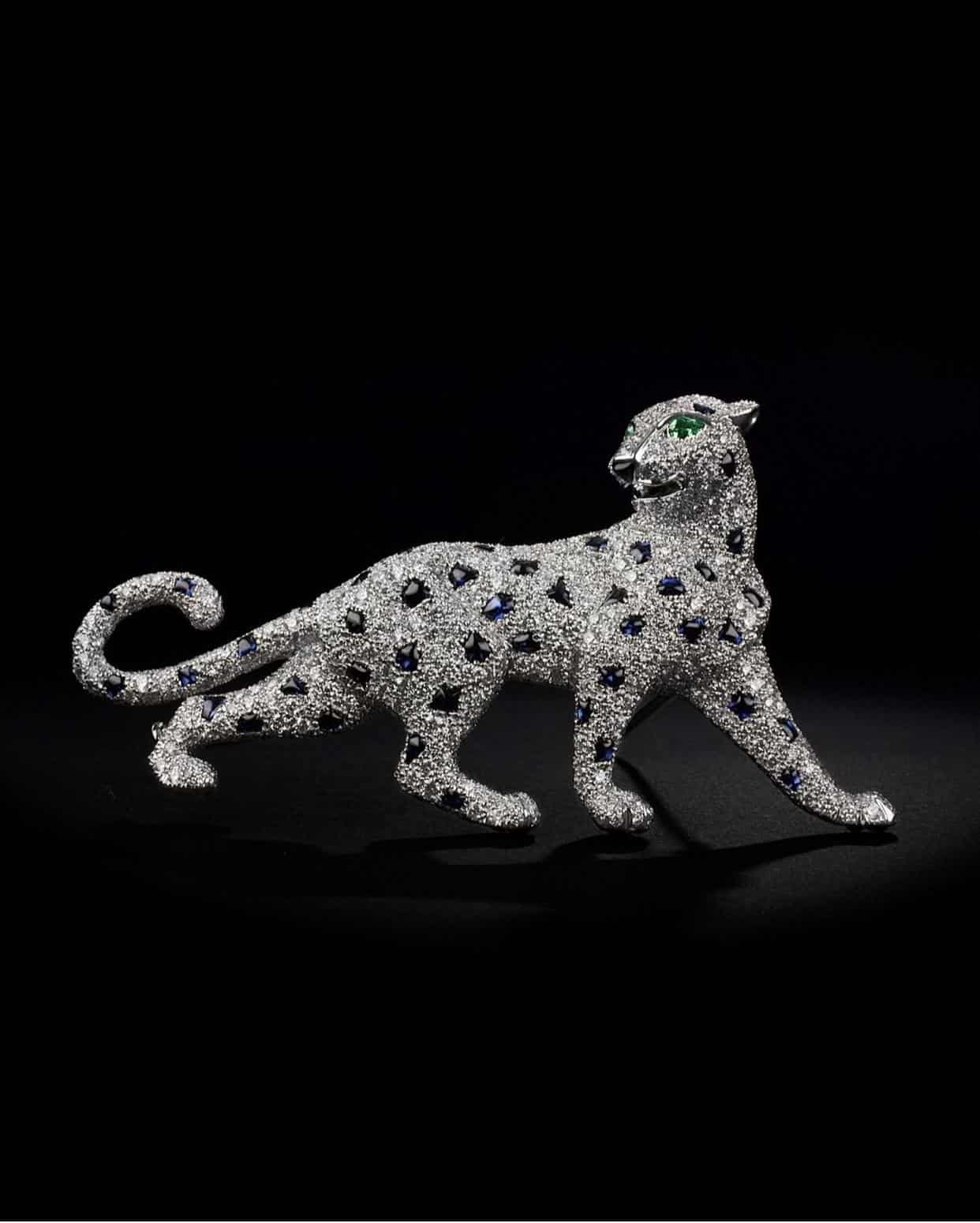
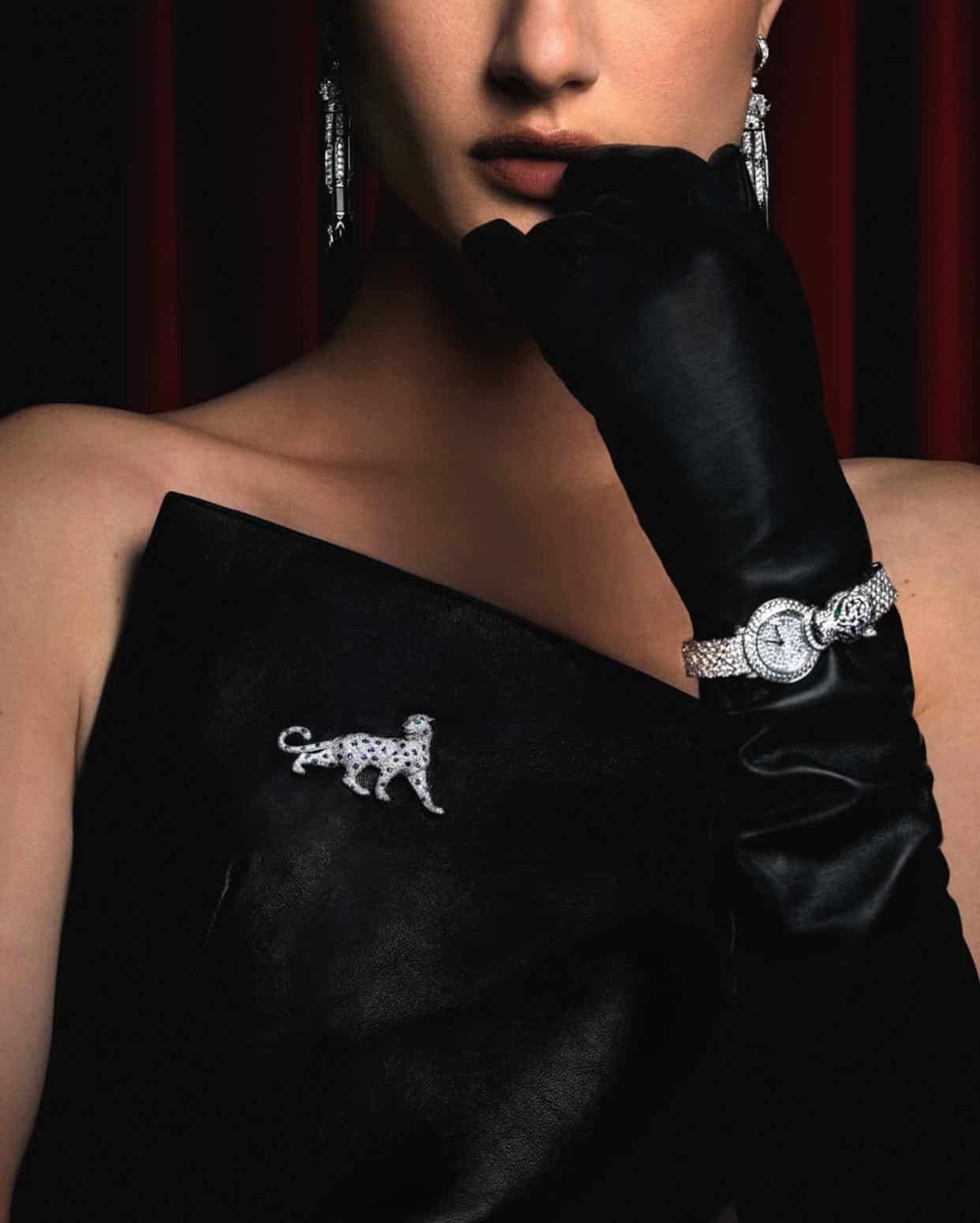
— the Panther: contained strength, internal tension
— the circle: continuity and balance
— the arch: direction and cadence
— volumes: studied mass, calm precision
Tokyo reads these intentions instantly:
pure lines, no noise, exact equilibrium.
· • • • ·
Experience — The Jewel as an Object of Reading
In Tokyo, the Cartier experience is not theatrical.
It is clinical, almost museal.
Spaces in Ginza and Omotesando offer:
— precise raking light,
— minimalist vitrines,
— calculated distances between pieces,
— visual silence.
Here, jewelry is not displayed to provoke emotion.
It is displayed to be evaluated.
Japanese clients read:
— volume tension,
— setting coherence,
— transitions between stone and metal,
— stability of the luminous plane.
Each piece becomes a technical object built to withstand an extremely high level of scrutiny.
In this city, Cartier High Jewelry does not shine.
It holds.
· • • • ·
Sustainability — Coherence as Foundation
For Cartier, sustainability is not a message.
It is a method of construction.
The Maison relies on:
— certified gold supply chains,
— extended stone traceability,
— strict reduction of metal waste,
— preservation of rare métiers,
— structured international commitments.
In Tokyo, this rigor is not an additional value.
It is a cultural requirement.
Responsibility becomes a line:
clear, verifiable, coherent.
· • • • ·
Conclusion Gloss Signature™
Cartier High Jewelry Tokyo reflects:
— silent geometry,
— stones stabilized under the city’s cool light,
— extreme artisanal precision,
— an experience that favors reading over emotion,
— responsibility treated as structural logic.
Here, luxury is not sparkle.
It is a controlled line.
Cartier does not seek to impose.
Cartier reveals itself with exactness —
in a city that understands the discipline of form and the truth of materials.
· • • • ·
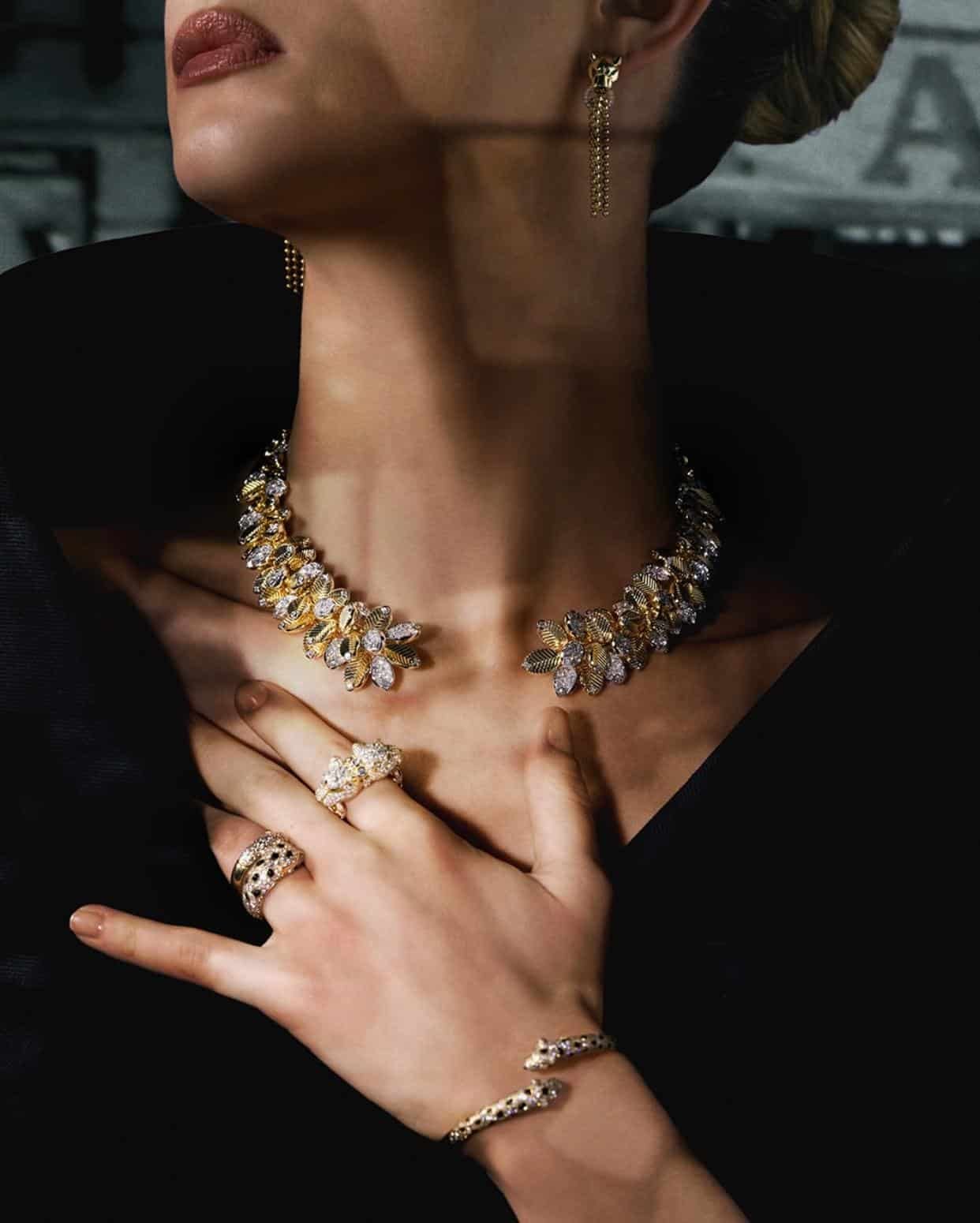
© Cartier
© Cartier

© Cartier
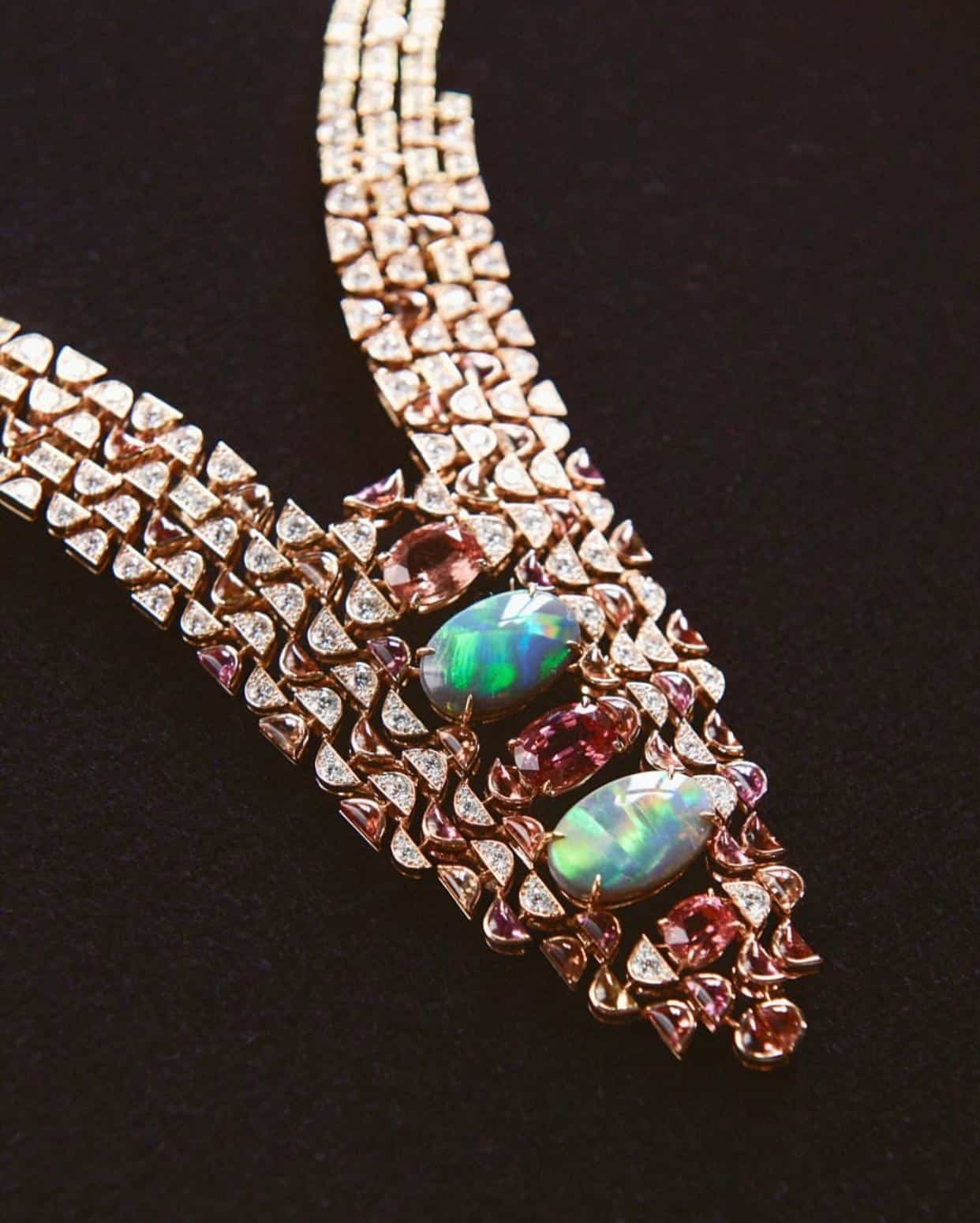
© Cartier
© Cartier

© Cartier

© Cartier

© Cartier
© Cartier
© Cartier
FAQ — Cartier High Jewelry Tokyo
· • • ·
1. Why is Tokyo such a unique setting for Cartier High Jewelry?
Tokyo imposes a distinct visual discipline:
cool light, vertical lines, silent spaces, strict geometries.
In this city, a jewel is not judged for brilliance, but for the coherence of its planes, the stability of its light, and the accuracy of its volume.
Cartier finds a natural affinity here through:
— aesthetics driven by line,
— analytical reading of form,
— extreme attention to detail.
In Ginza or Omotesando, light does not flatter — it tests.
It verifies the precision of the setting, the tension of a curve, the depth of a diamond.
This is why Tokyo is one of the most demanding — and most fitting — environments for Cartier High Jewelry.
· • • • ·
2. How does Cartier High Jewelry differ from classic Cartier jewelry when presented in Japan?
The difference is not stylistic; it’s structural.
Classic jewelry focuses on clarity: exact proportions, disciplined lines, pure gestures.
High Jewelry pushes the logic further:
— unique pieces,
— more complex volumes,
— stones of rare intensity,
— invisible internal structures,
— advanced techniques.
In Tokyo, this distinction is immediately understood.
The audience does not expect spectacle; they expect total control.
Here, High Jewelry is not the expression of extreme luxury.
It is the expression of absolute mastery.
· • • • ·
3. How does Cartier select stones for High Jewelry intended for a market like Tokyo?
Stones are not chosen for maximum brilliance but for luminous stability.
Tokyo has a specific light:
— white,
— sharp,
— analytical,
— directional.
A stone must remain readable within this demanding luminosity.
Gemologists examine:
— the true depth of a diamond,
— the density of a ruby,
— the disciplined blue of a sapphire,
— the internal structure of an emerald.
The stone must hold its presence from every angle — even under raking light.
This is not an aesthetic criterion.
It is a technical one.
· • • • ·
4. Which Cartier codes are most recognizable in High Jewelry, and how do they resonate in Tokyo?
Three essential codes gain special intensity in Japan:
Panther
Not an animal motif, but internal tension — contained force, precise structure.
Circles and Arches
These shapes echo Japanese architecture: continuity, coherence, balance.
Volume Management
Every Cartier volume is held, planned, calibrated.
Tokyo immediately recognizes this discipline.
In a culture where excess is rarely valued, these codes resonate deeply.
· • • • ·
5. How are Cartier High Jewelry pieces crafted when they are intended for Tokyo?
In ateliers where the gesture is treated as analysis, never mere execution.
The process follows an unbreakable logic:
— precise study of the line,
— wax modeling,
— construction of internal structures,
— micron-level adjustments,
— invisible settings,
— controlled polishing,
— validation under neutral light.
Every detail must survive Tokyo’s light.
A flaw invisible elsewhere becomes visible here.
Artisans work in silence, with absolute control.
Each piece is a demonstration of rigor, not brilliance.
· • • • ·
6. Why is it often said that Japanese culture and Cartier High Jewelry share a similar vision of form?
Because both are built on:
— measure,
— clarity,
— stability,
— discretion,
— coherence.
Japanese aesthetics value controlled forms, exact lines, structured emptiness, and disciplined light.
Cartier High Jewelry follows this same logic:
it does not seek effect — it seeks presence.
This is not demonstrative luxury.
It is balanced luxury.
· • • • ·
7. Does Cartier actually adapt its High Jewelry pieces for Tokyo?
The pieces themselves are not modified.
The selection, however, is extremely deliberate.
Tokyo requires:
— readable lines,
— stabilized stones,
— coherent volumes,
— total absence of overload.
The Maison chooses pieces whose construction naturally meets these criteria.
It is not adaptation.
It is curation.
· • • • ·
8. How does Cartier’s presentation in Tokyo influence the perception of High Jewelry?
Cartier Ginza and Omotesando do not operate as boutiques.
They are observation environments.
— neutral light,
— minimalist vitrines,
— generous spacing between pieces,
— complete visual silence.
Jewels are not enhanced.
They are revealed.
In this setting, each stone, each setting, each volume must withstand the test of uncompromising light.
What Tokyo reveals, Cartier must sustain.
· • • • ·
9. How does Cartier integrate sustainability into High Jewelry for the Japanese market?
Sustainability is not an argument — it is alignment.
Cartier applies:
— certified sourcing,
— full traceability,
— stringent stone control,
— material optimization,
— workshop waste reduction,
— long-term transmission of rare skills.
The Japanese market deeply values coherence, craft, and rigor.
Cartier’s sustainability is not perceived as messaging,
but as a moral and technical expectation.
· • • • ·
10. Does Cartier High Jewelry Tokyo follow the Gloss City grid (50% luxury / 30% craftsmanship / 20% sustainability)?
Yes — perfectly.
50% Luxury
Line, proportion, silence, stability, volume mastery.
30% Craftsmanship
Advanced techniques, controlled gestures, complex settings, micron-level execution.
20% Sustainability
Certified supply chains, full traceability, reduced waste, preservation of rare métiers.
Tokyo is one of the environments where this framework resonates most naturally:
intellectual luxury, precision craftsmanship, unobtrusive responsibility.
· • • • ·
CARTIER
© Cartier