

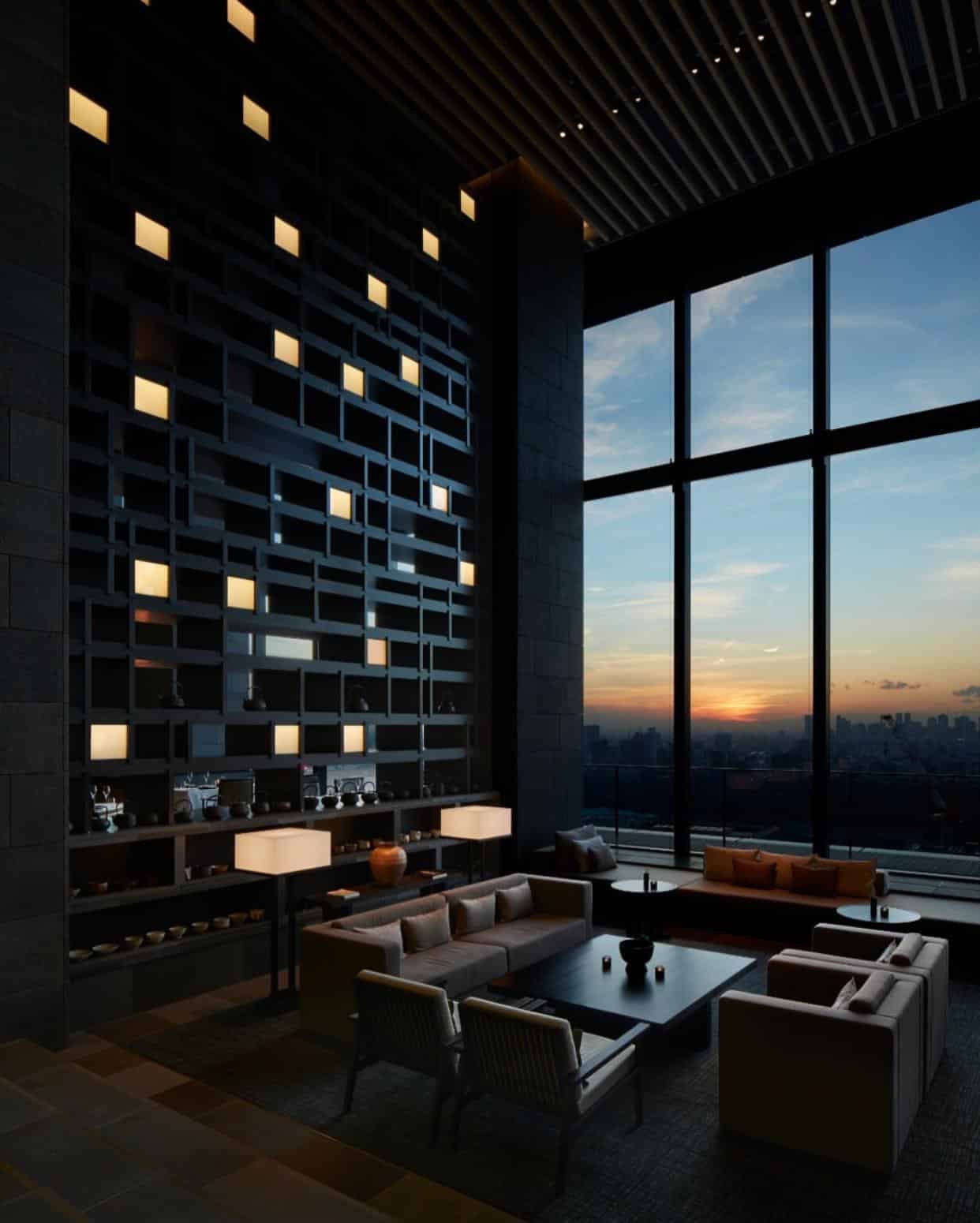
© Aman Tokyo
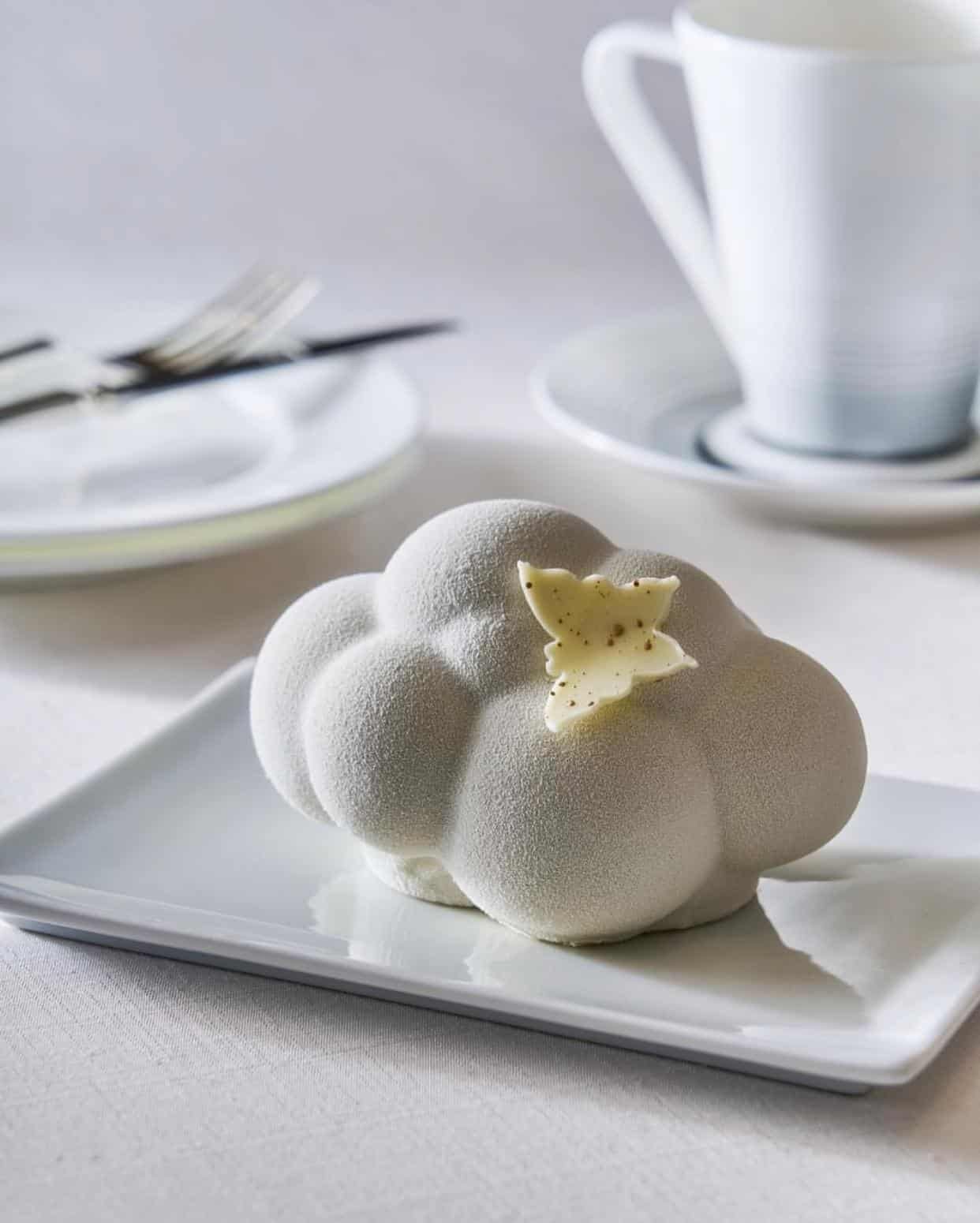
© Mandarin Oriental Tokyo
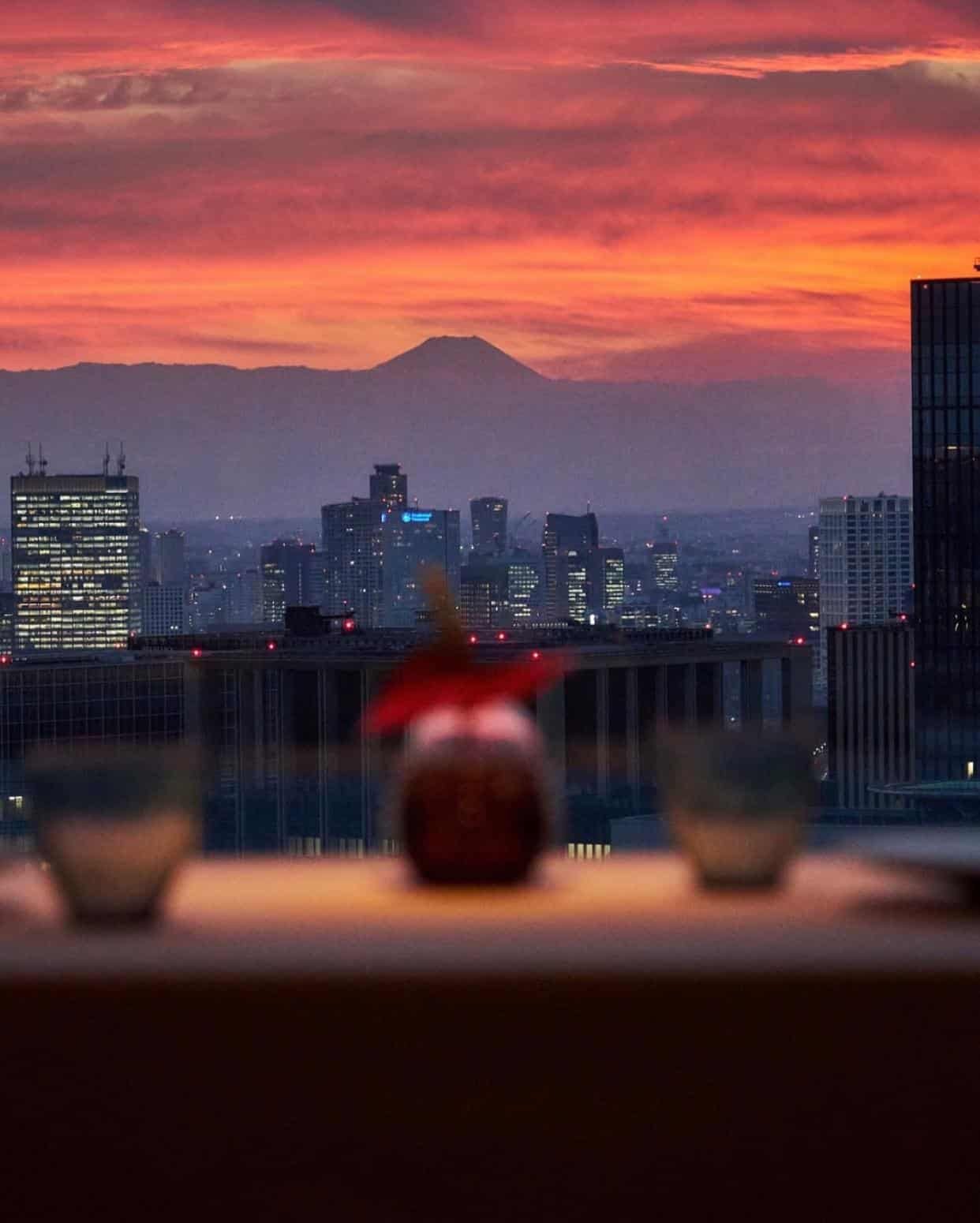
© Mandarin Oriental Tokyo
HOTELS & PALACES
AMAN TOKYO
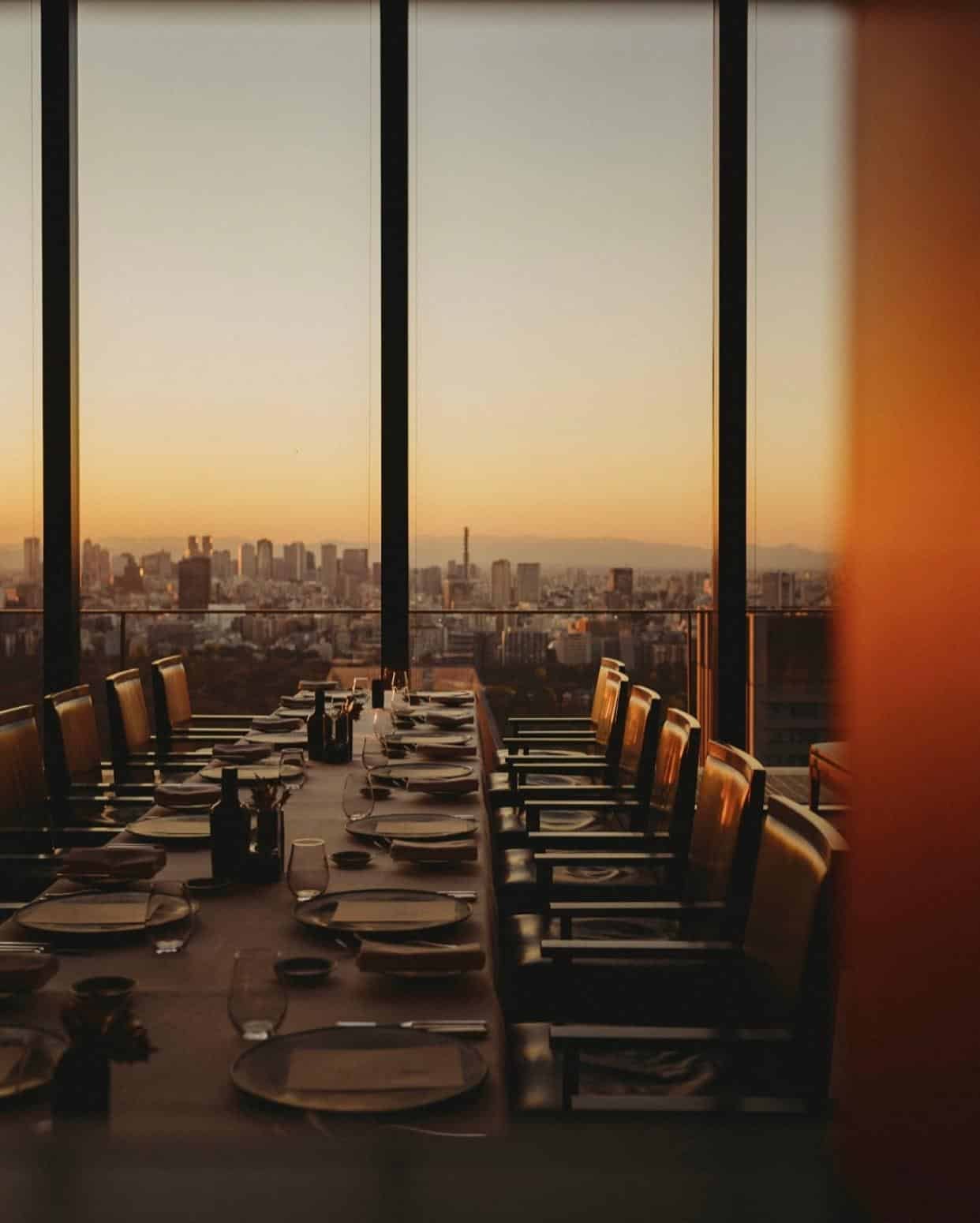
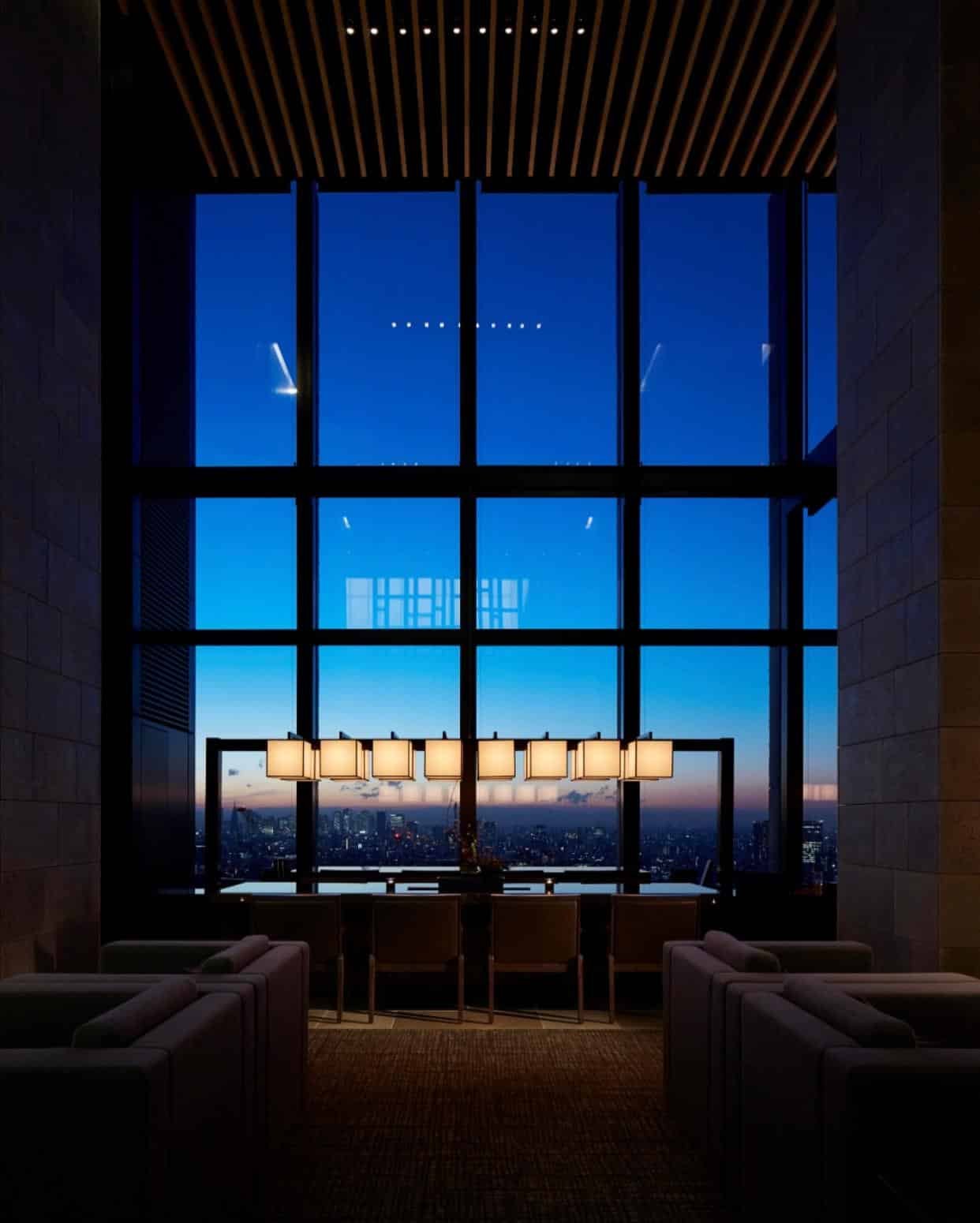
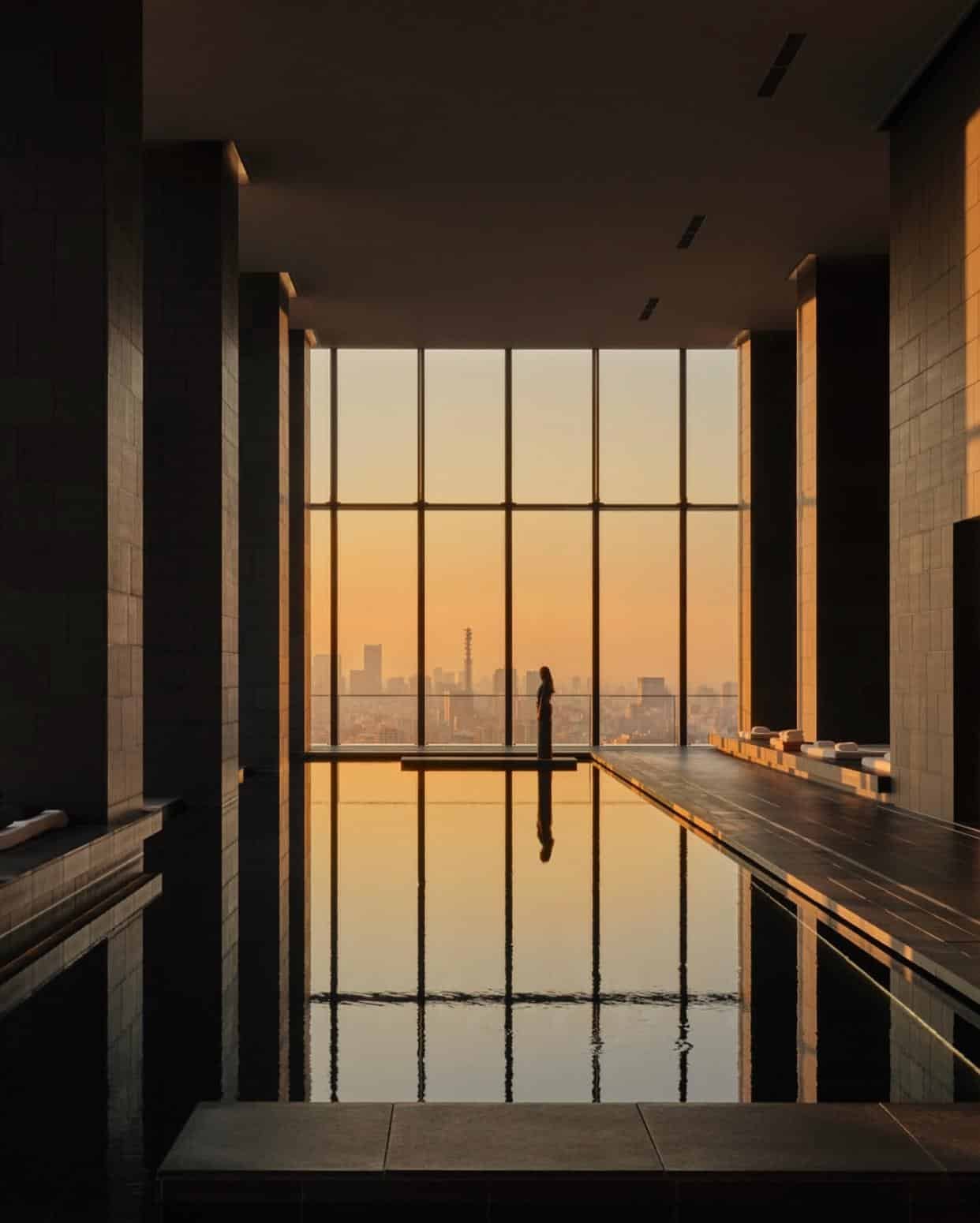
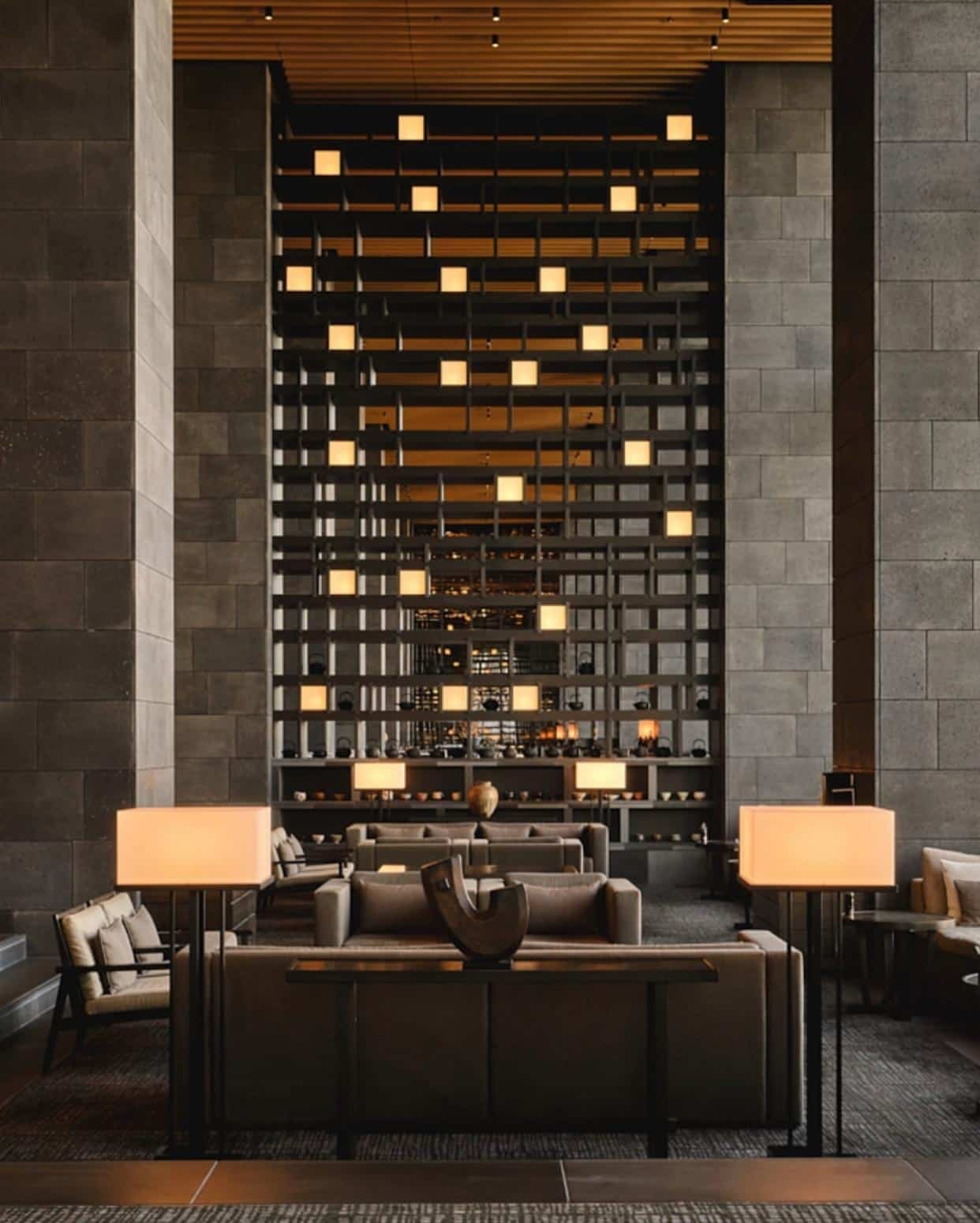
© Aman Tokyo
MANDARIN ORIENTAL TOKYO
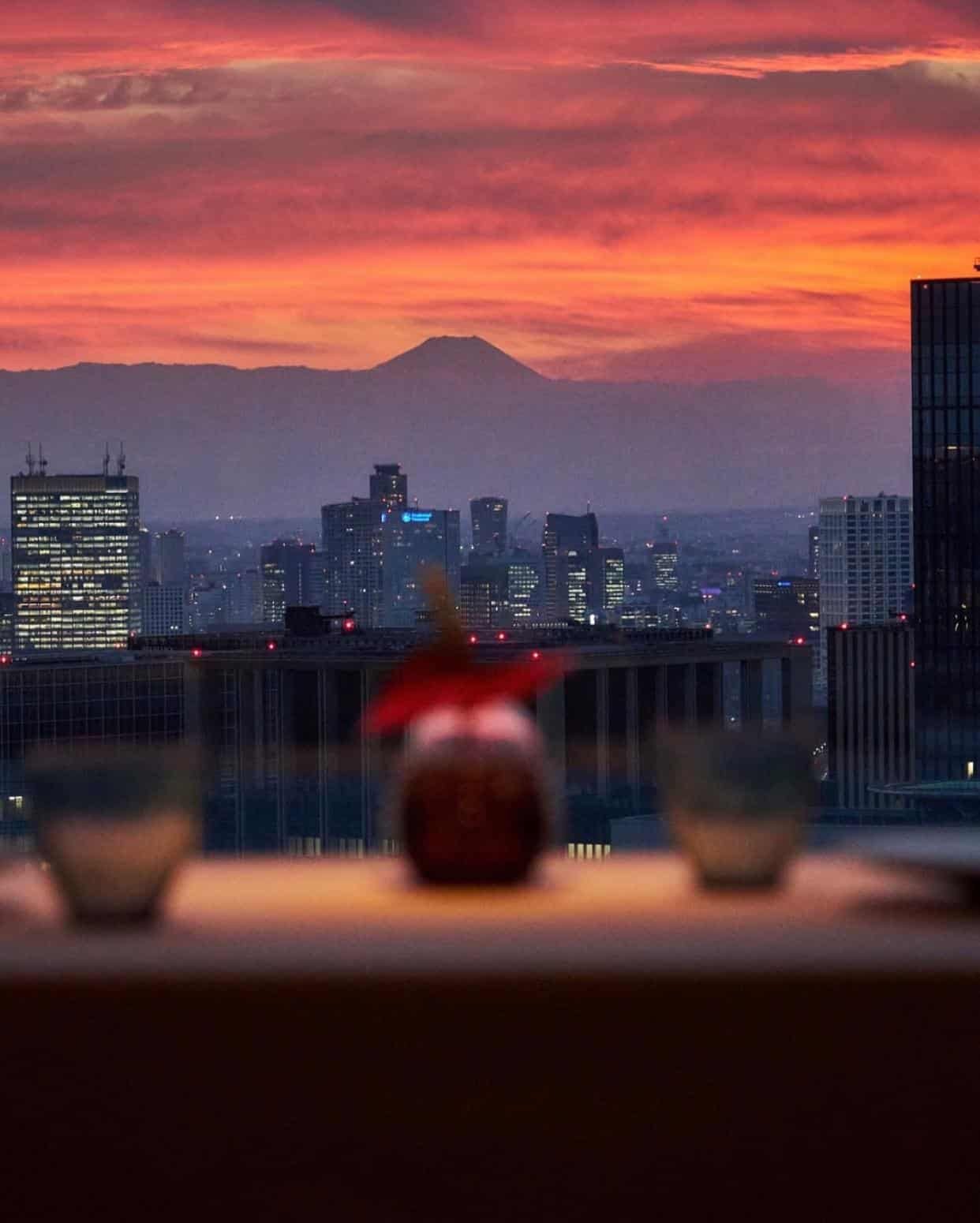
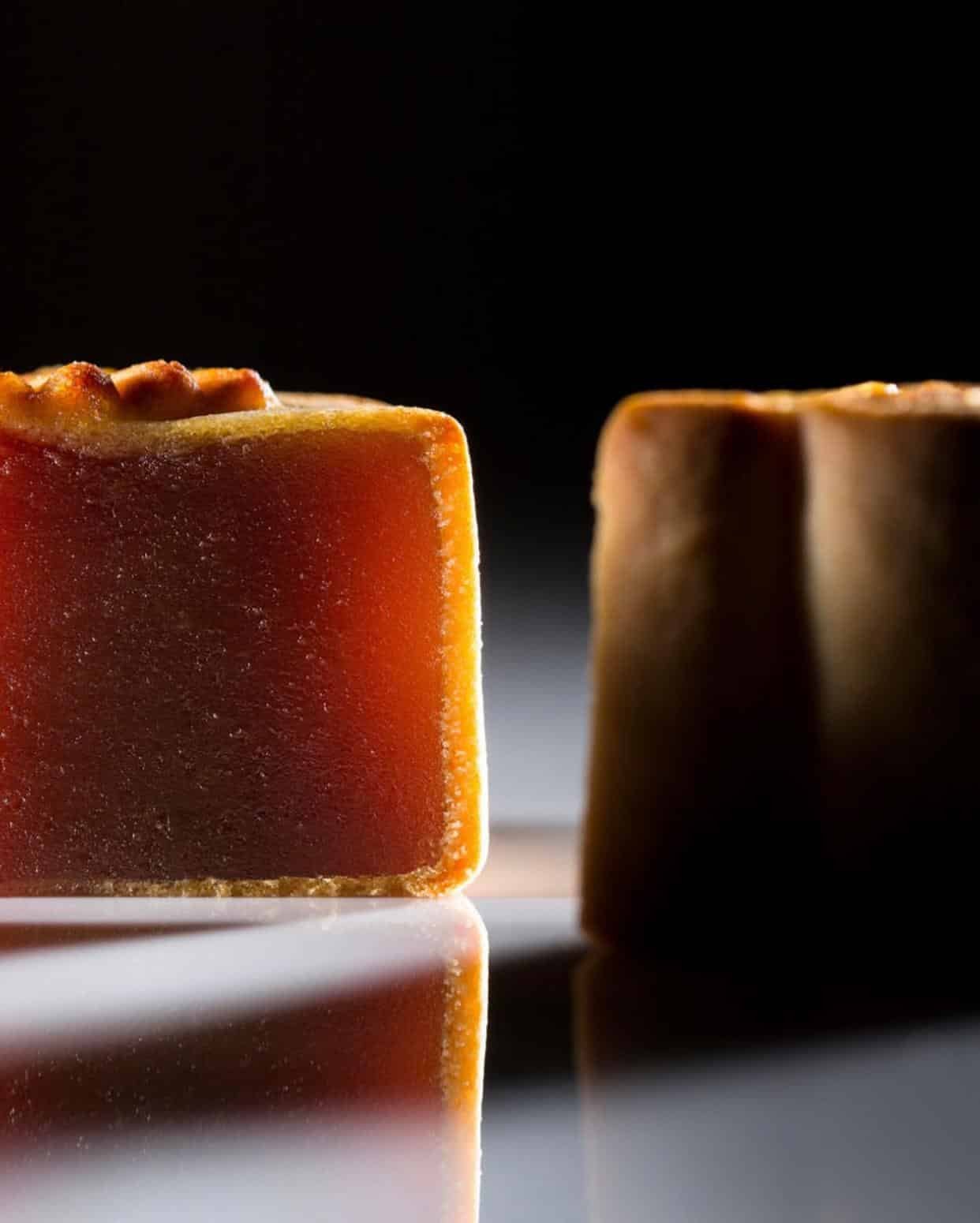
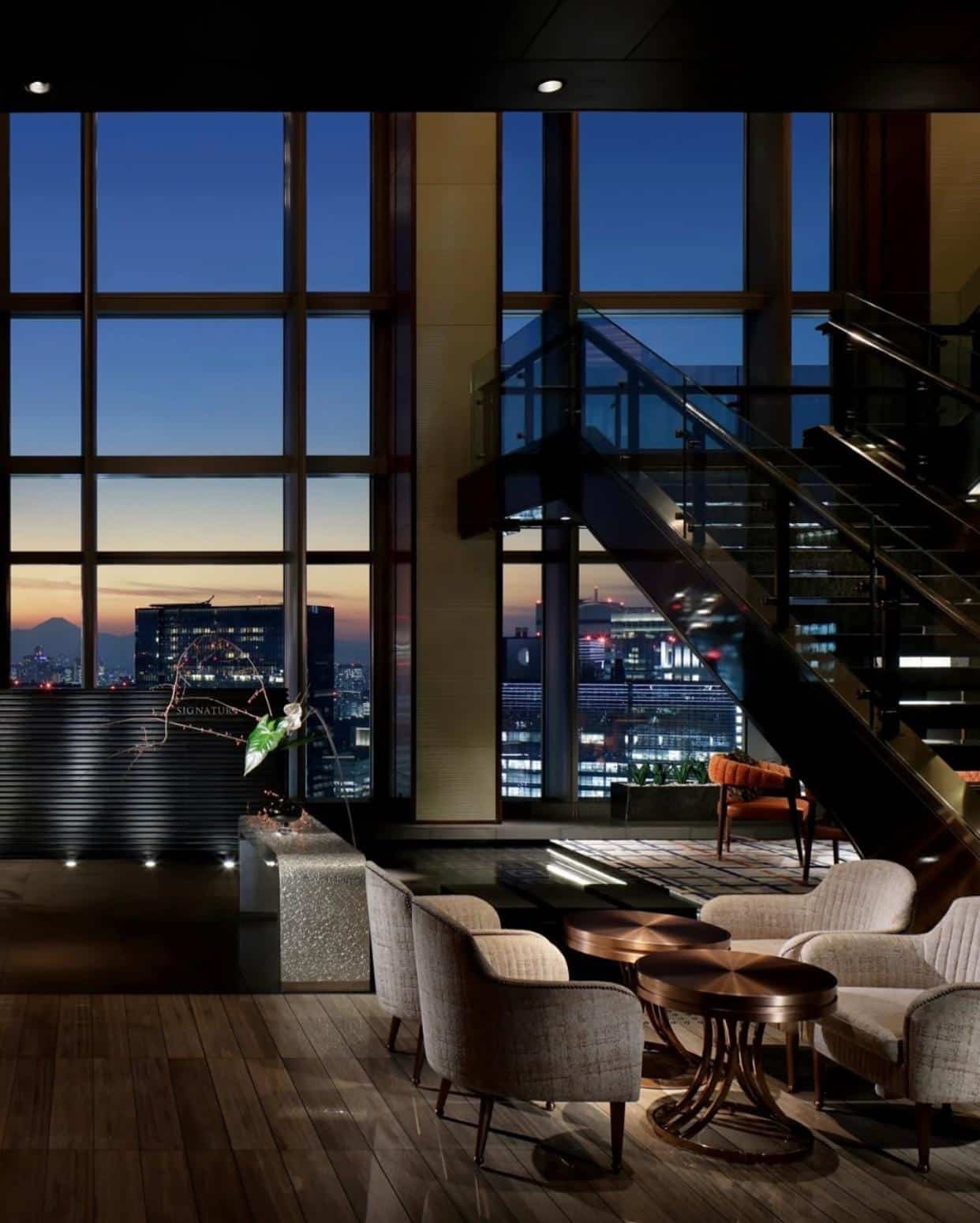
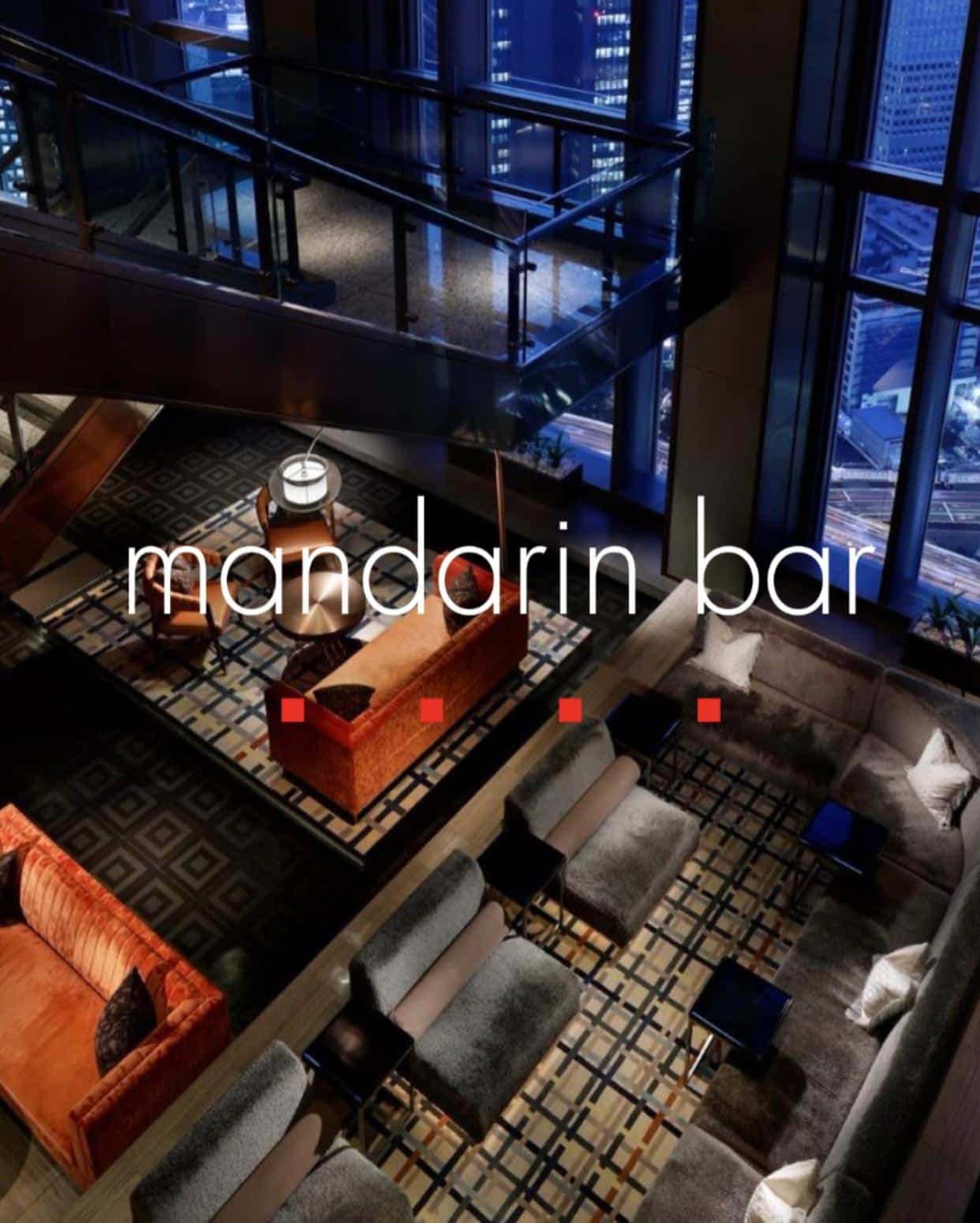
© Mandarin Oriental Tokyo
PALACE HOTEL TOKYO
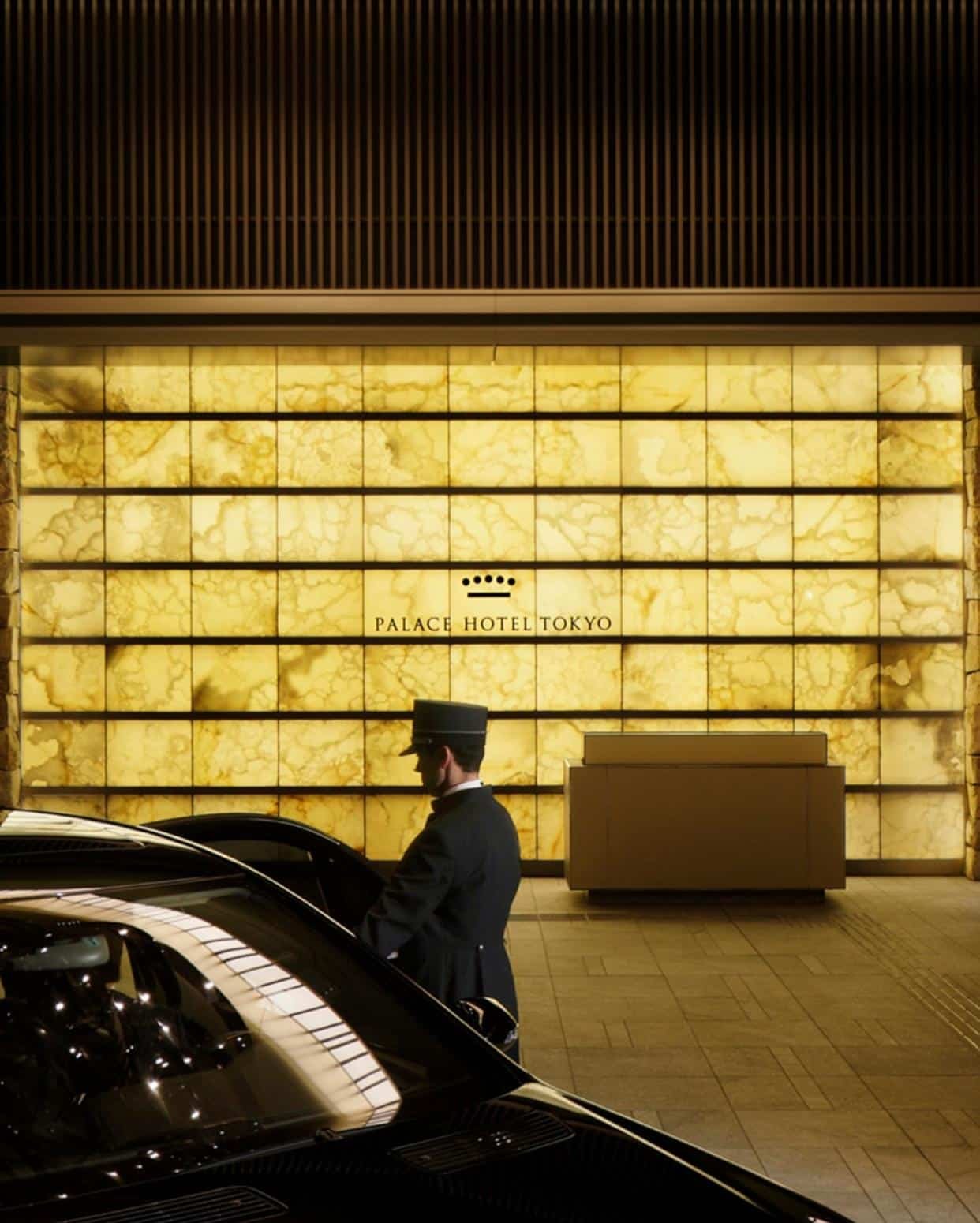
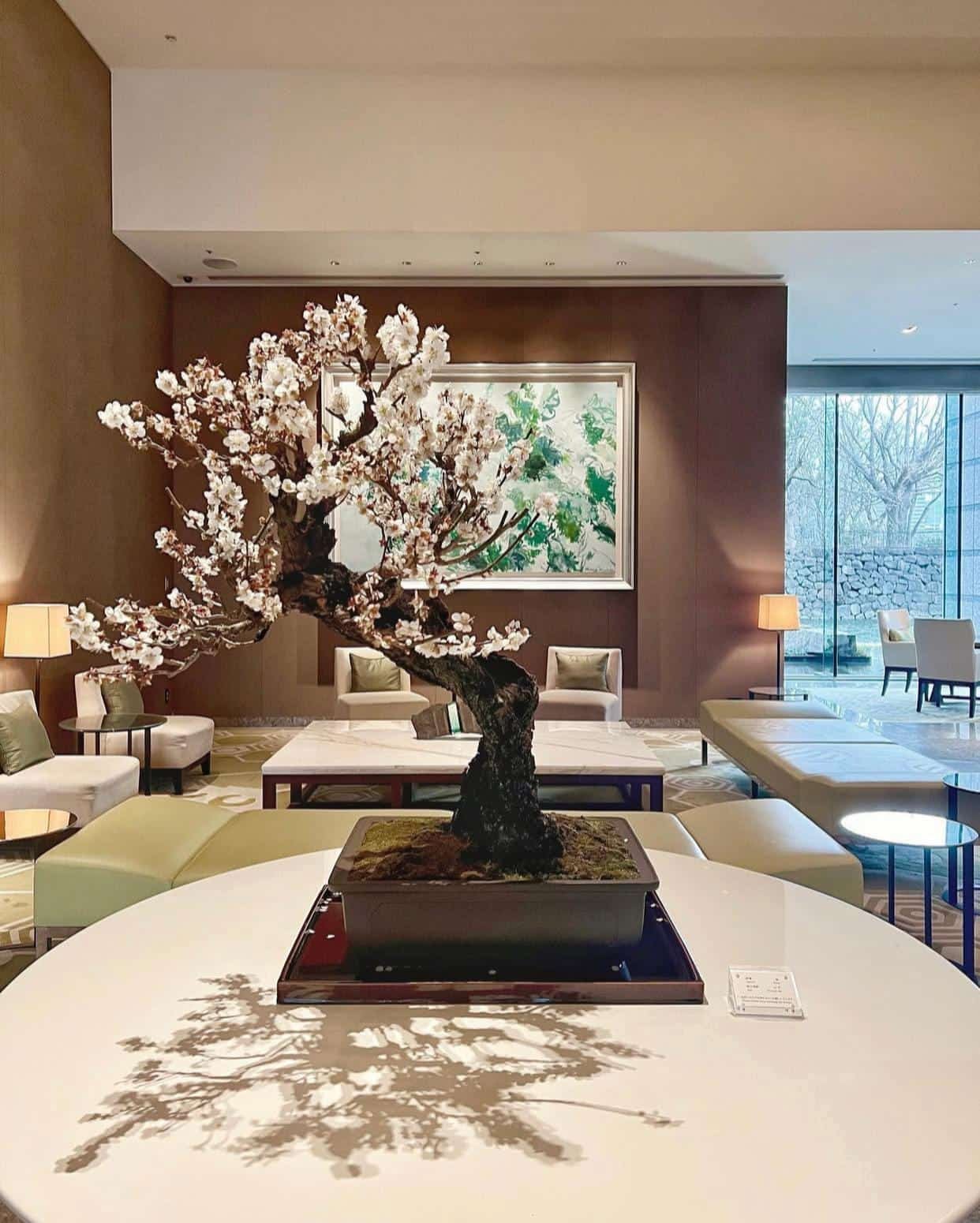
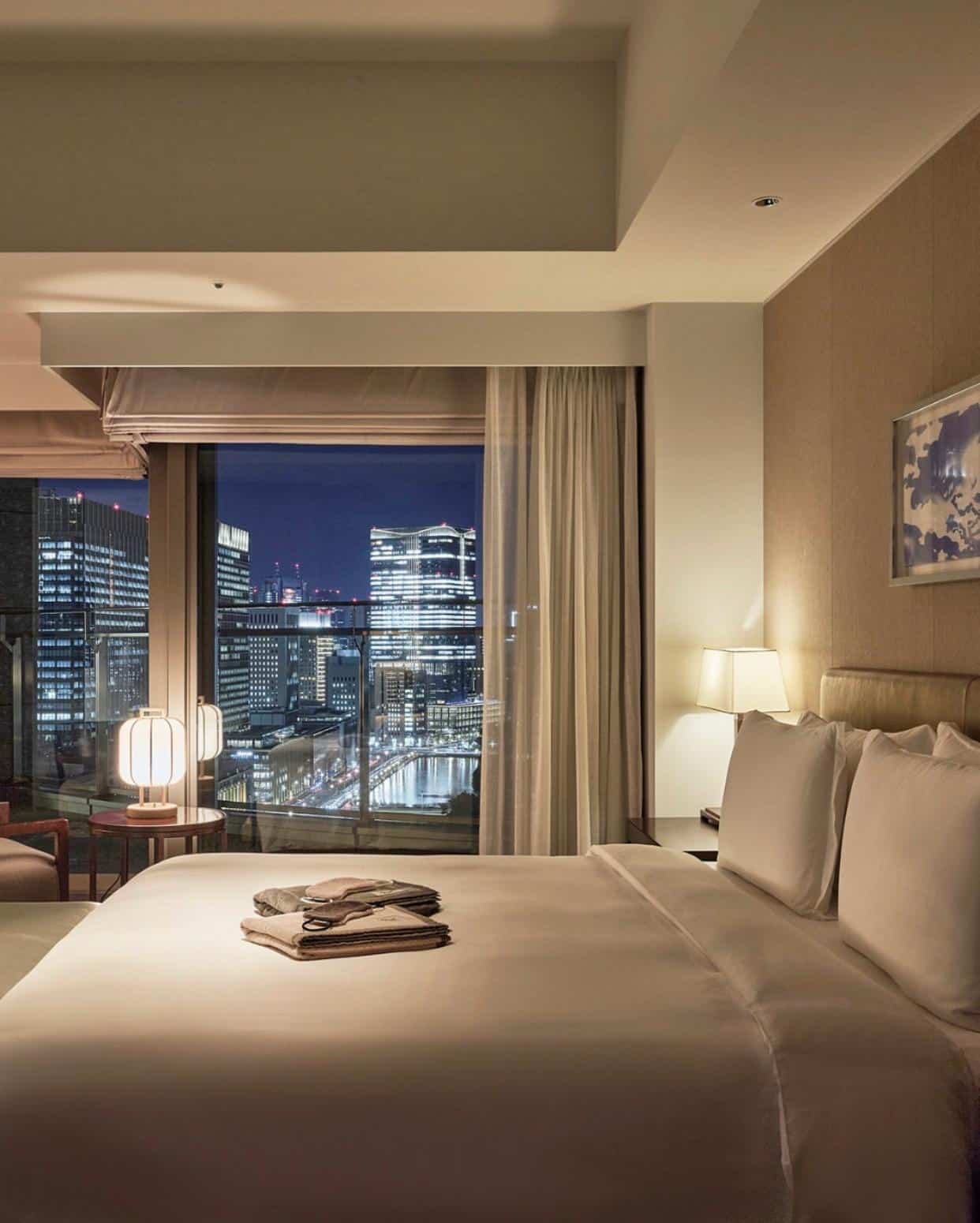
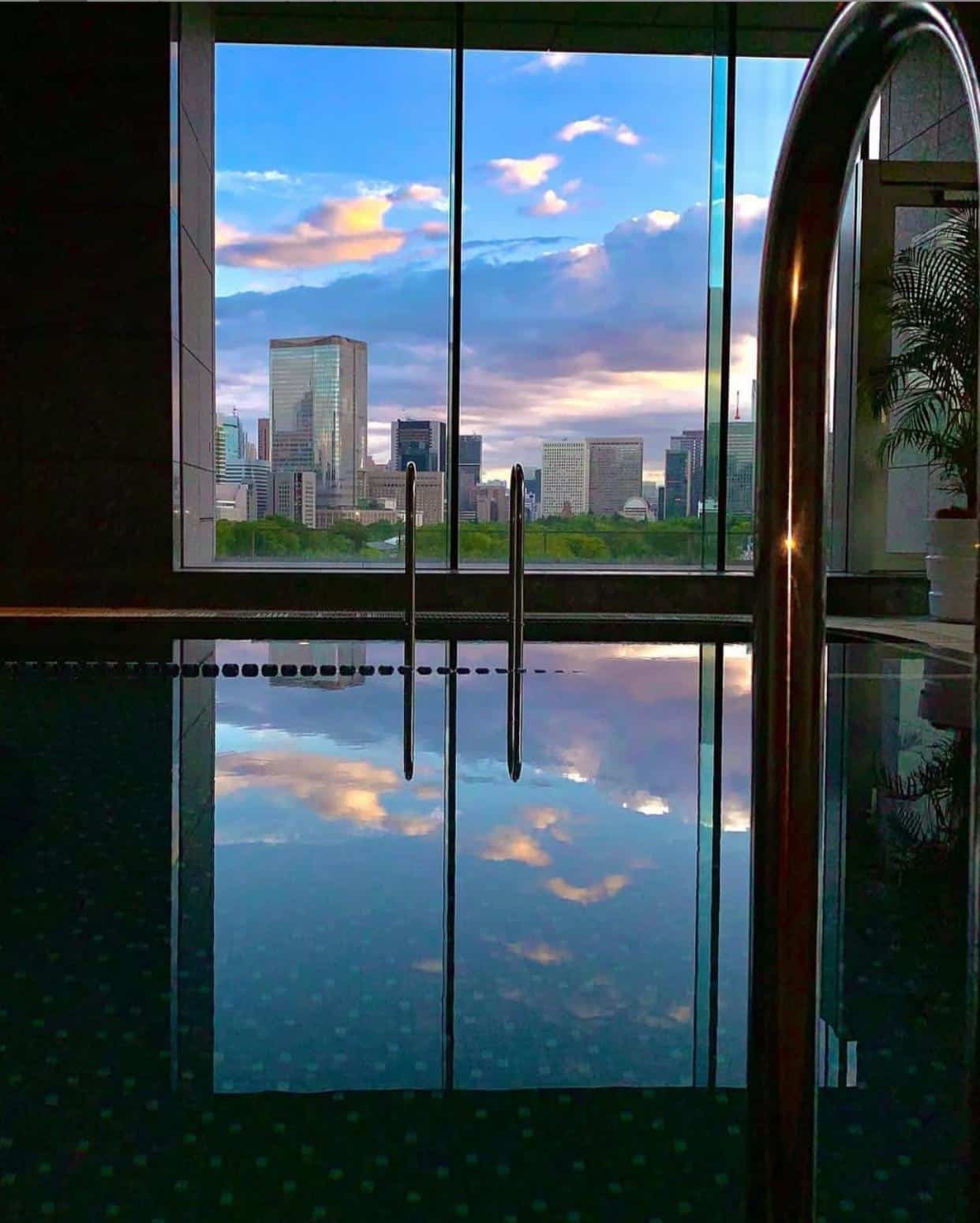
© Palace Hotel Tokyo
SHANGRI-LA TOKYO
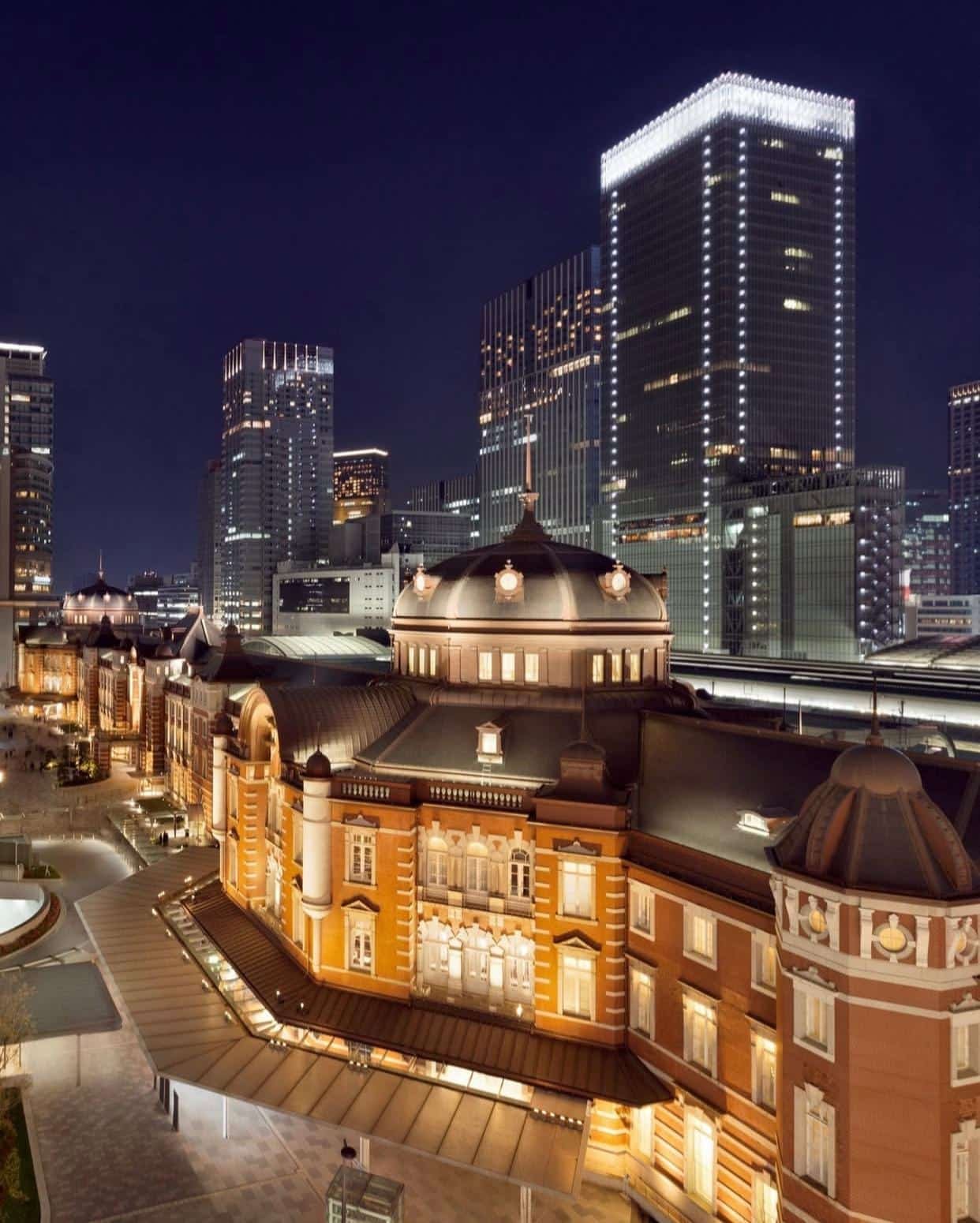
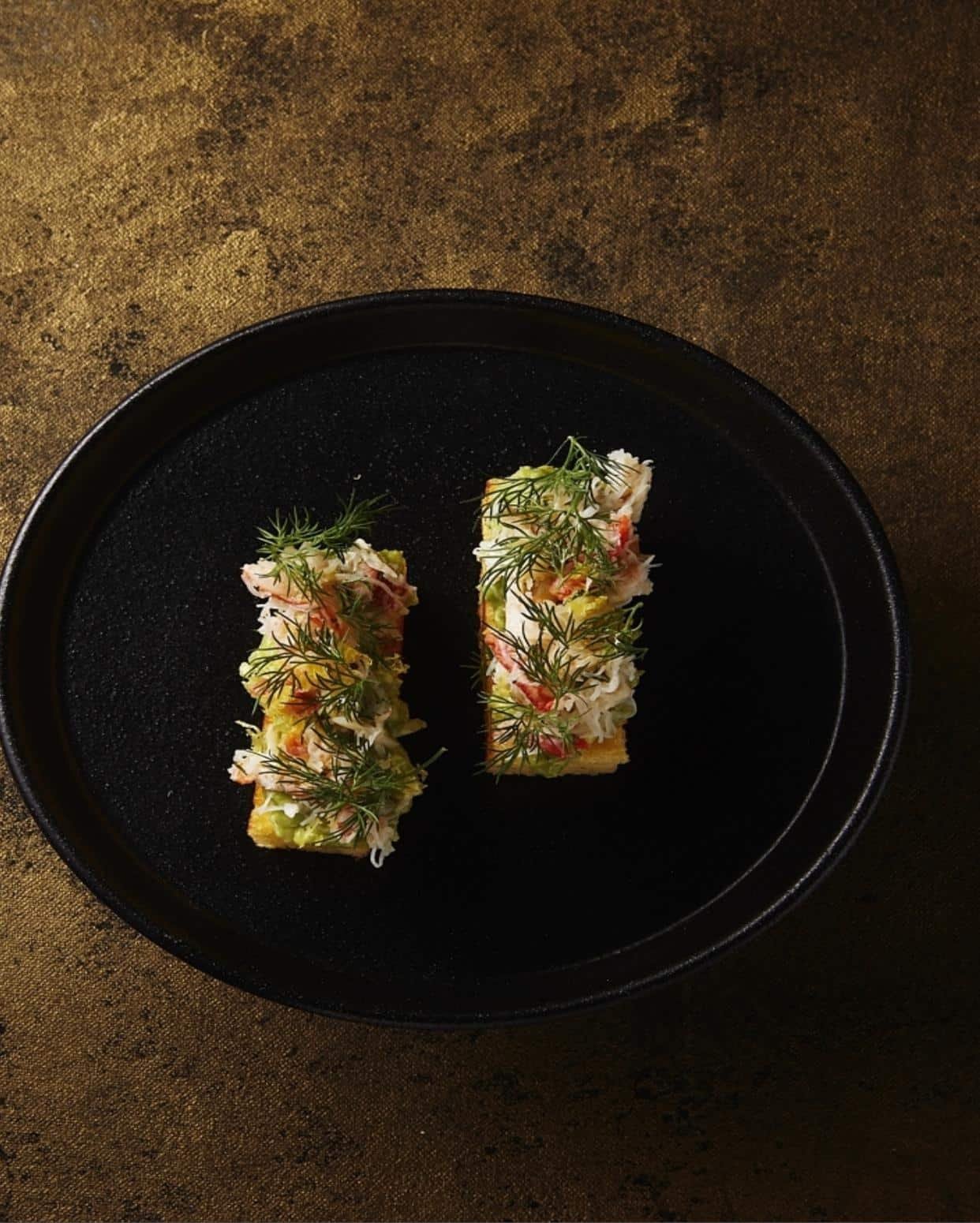
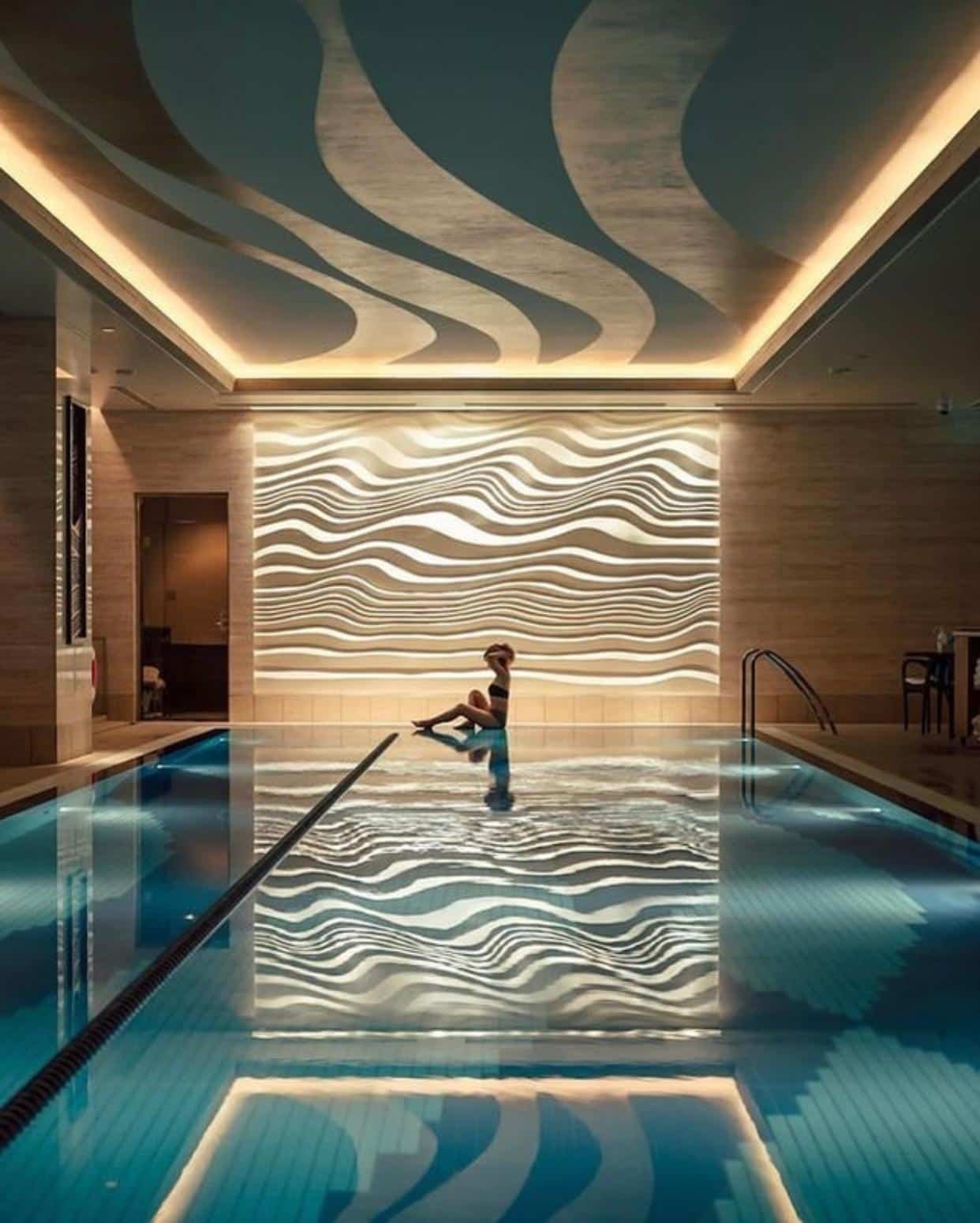
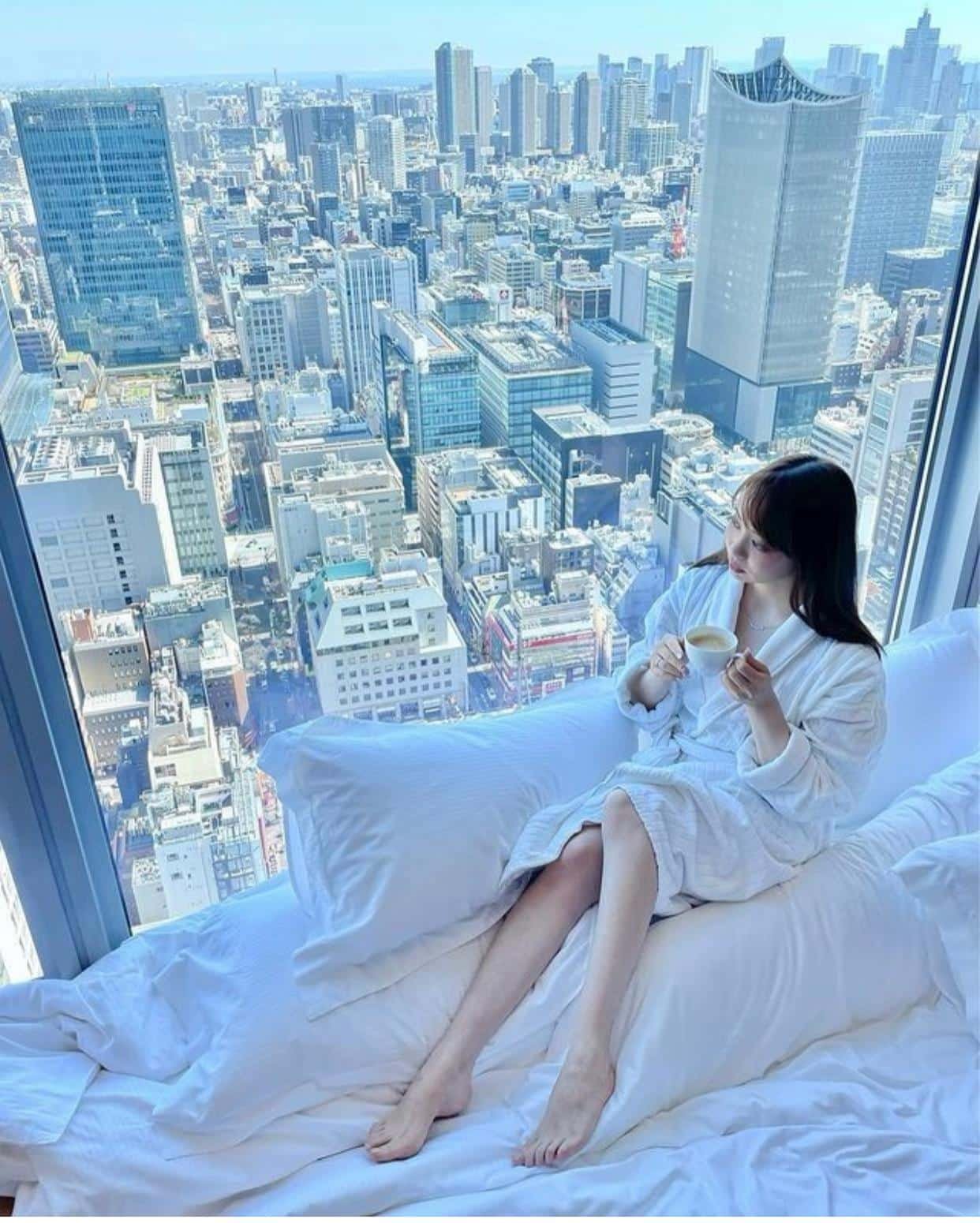
© Shangri-La Tokyo
THE PENINSULA TOKYO
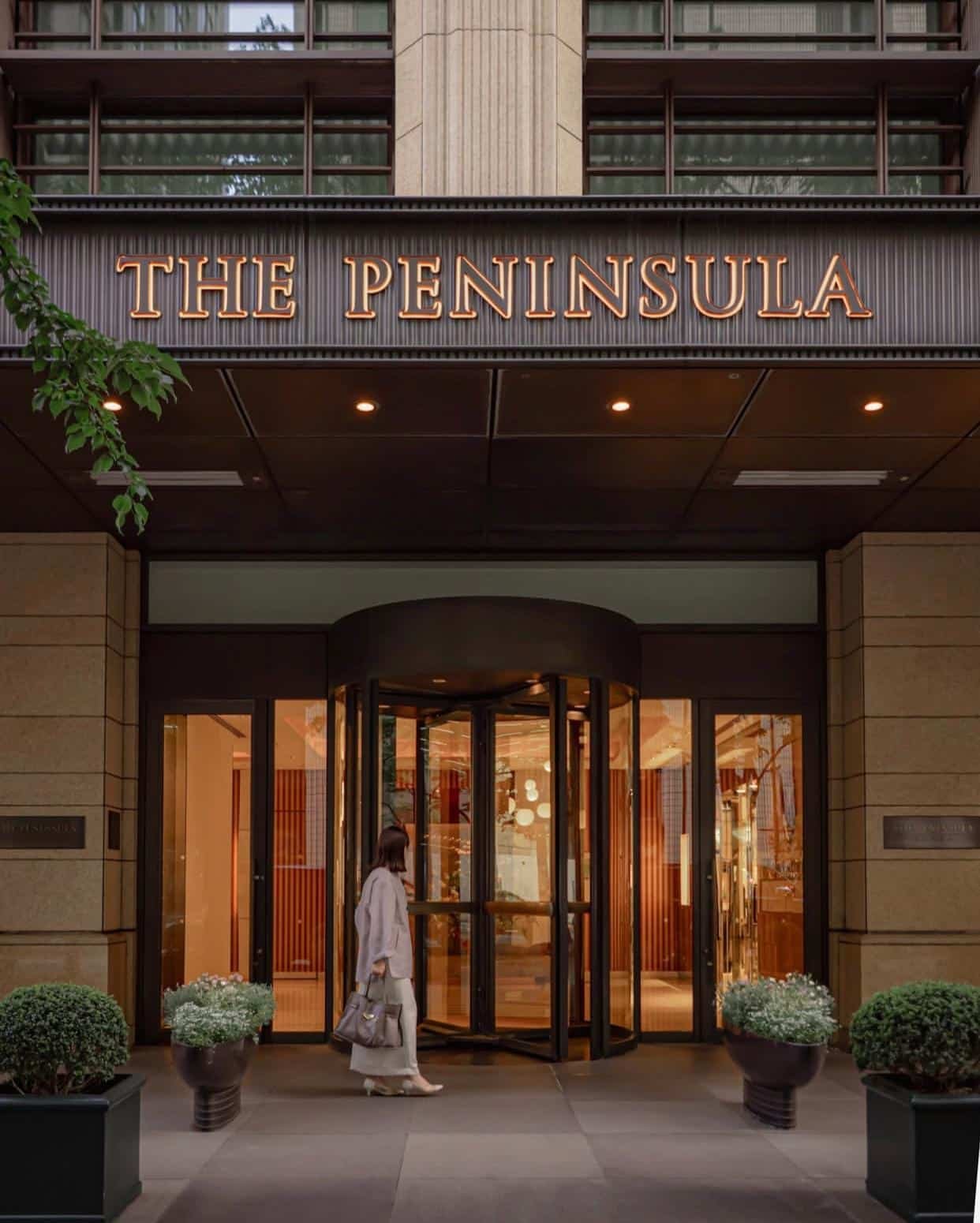
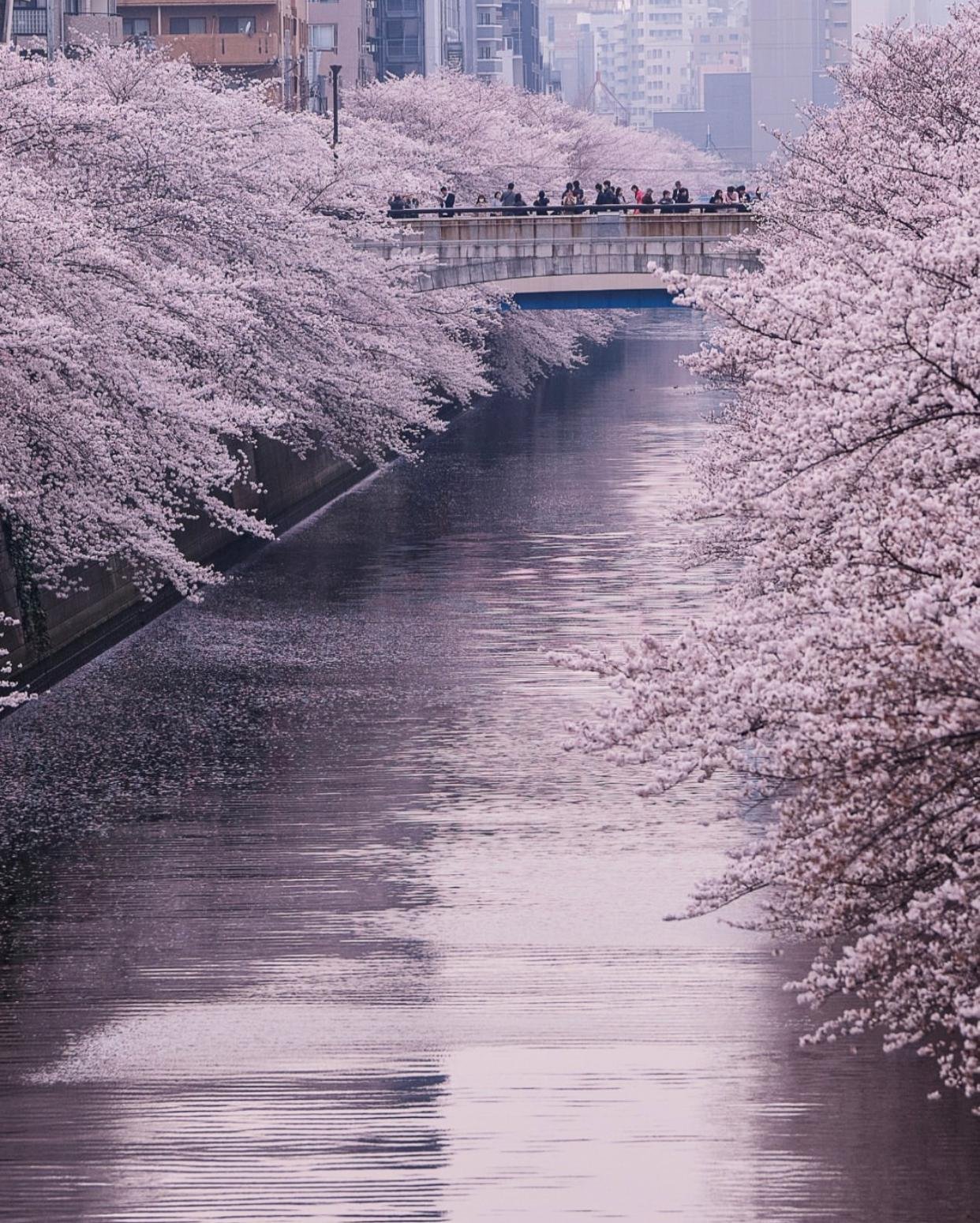
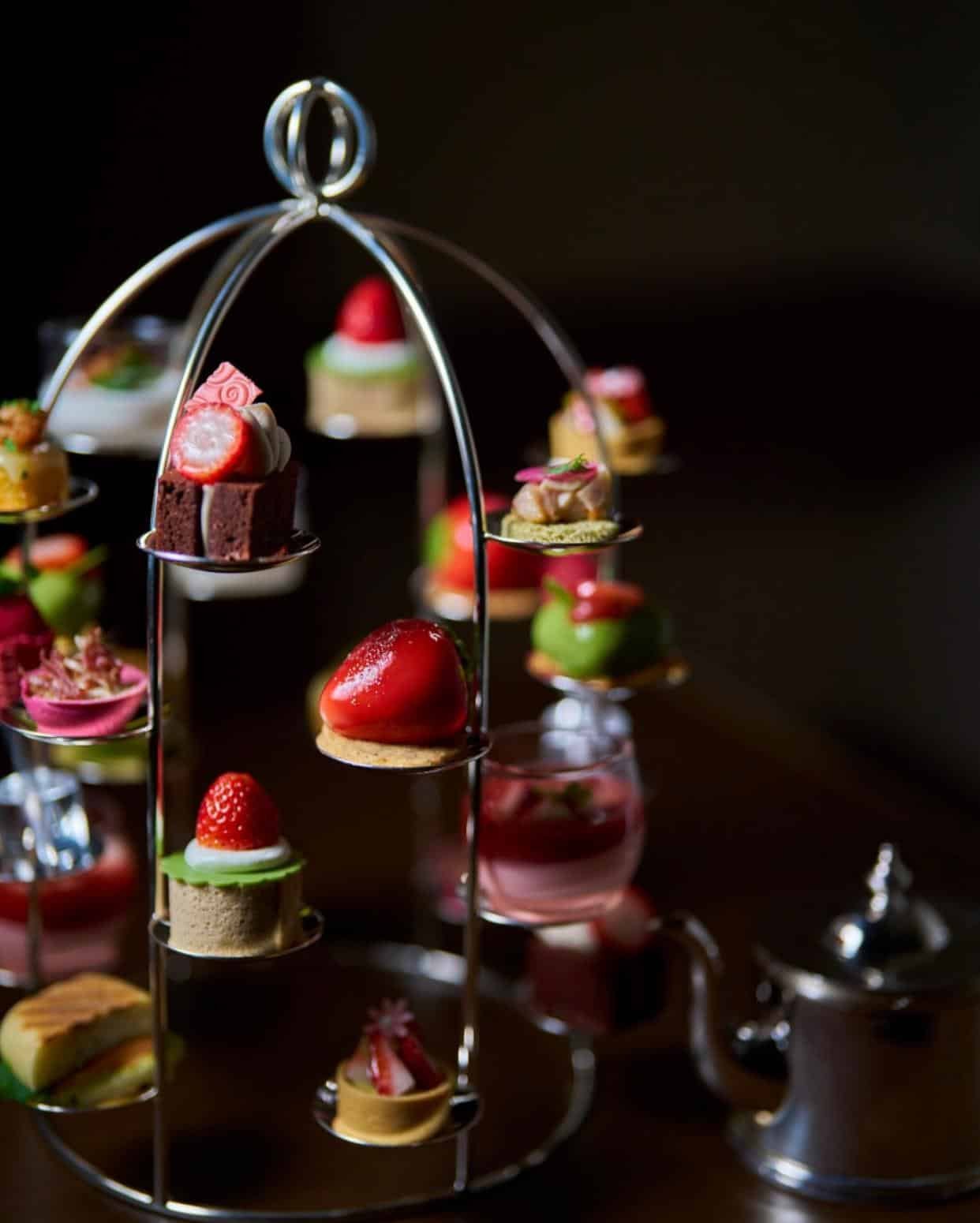
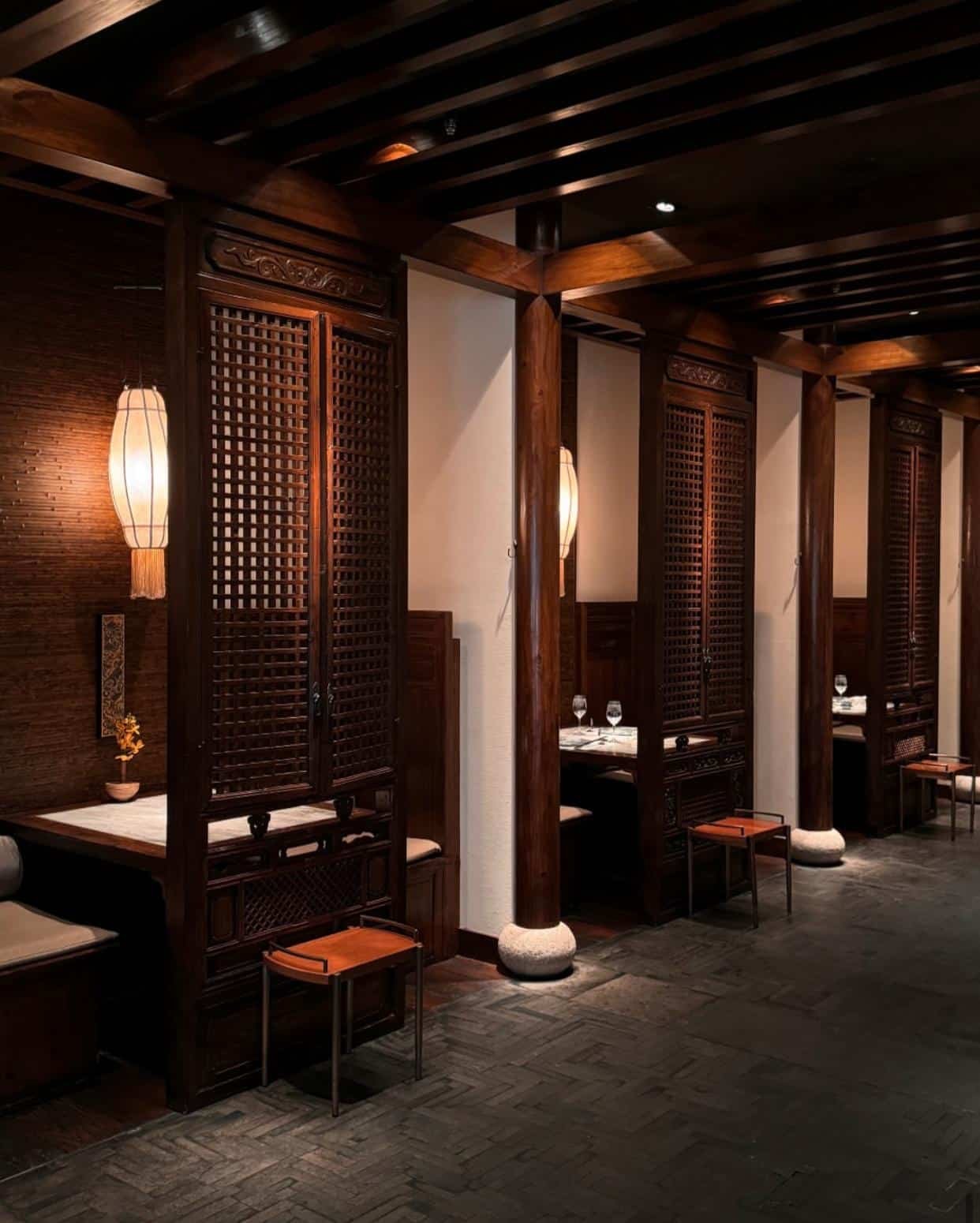
© The Peninsula Tokyo
FAQ — Hotels & Palaces Tokyo
· • • ·
1. Why is Tokyo’s luxury hospitality considered unique in the world?
Because Tokyo does not build luxury the way other cities do.
New York seeks energy.
Paris seeks allure.
Dubai seeks effect.
Tokyo seeks order.
In a city where:
— every gesture is measured,
— light is controlled,
— silence has value,
— service is a behavioral art,
luxury is not expressed through demonstration,
but through total control.
Tokyo palaces do not aim to impress.
They aim to stabilize,
to calm,
to organize.
This aesthetic discipline is what makes Tokyo
one of the most advanced capitals of luxury hospitality.
· • • ·
2. What defines a palace in Tokyo?
Three structural markers:
Geometry
Clean volumes, affirmed verticality, pure lines.
A Tokyo palace reads like an architectural plan.
Silence
Not empty silence —
controlled silence:
— softened doors,
— calibrated corridors,
— service that is almost imperceptible.
Light
White, clean, diffused.
It reveals surfaces and sets an extremely high standard
for materials and volumes.
In Tokyo, a palace is not décor.
It is a functional system.
· • • ·
3. How does Japanese service stand out in Tokyo palaces?
Through exactness.
Tokyo service is neither warm nor cold.
It is correct.
Staff members:
— observe before acting,
— anticipate without imposing,
— step back the second a gesture is complete,
— respect the guest’s space as a protected territory.
A Tokyo palace does not talk about service.
It shows it through its ability to disappear.
It is an art form —
a craftsmanship of behavior.
· • • ·
4. Why is light so central in Tokyo hotels?
Because it dictates the aesthetic.
Tokyo’s light is:
— cool,
— frontal,
— disciplined,
— completely honest.
It forces hotels to:
— choose flawless materials,
— refine surfaces,
— control reflections,
— calibrate textures.
Nothing is hidden.
Everything must withstand the light.
Hence the obsession with visual purity.
· • • ·
5. Which hotels are emblematic in Tokyo, and why?
Aman Tokyo
The temple of black verticality — absolute calm, sacred lines.
Mandarin Oriental Tokyo
Aerial purity — infinite view, suspended light.
Four Seasons Otemachi
Luminous minimalism — calm as architecture.
Park Hyatt Tokyo
The introspective palace — cinematic depth.
The Peninsula Tokyo
Sculpted luxury — precise gesture, stable elegance.
HOSHINOYA Tokyo
The reinvented ryokan — tradition + future in one breath.
Each hotel is different,
but all share the same idea:
luxury is a state, not a spectacle.
· • • ·
6. Why do Tokyo hotel rooms feel so completely calm?
Because they are designed as frictionless spaces.
— Few objects
— Natural materials
— Breathing volumes
— Neutral colors
— Continuous lines
— Stable surfaces
A Tokyo palace room offers nothing superfluous.
It offers the possibility to think.
It is not decorative.
It is functional in its calm.
· • • ·
7. How does sustainability express itself in Tokyo palaces?
Through structural coherence,
never through messaging.
— meticulously managed water
— reduced waste
— organized recycling
— durable materials
— invisible maintenance
— deep acoustic insulation
— optimized energy systems
Tokyo does not “communicate” sustainability.
It practices it.
Responsibility is a continuation
of calm and precision.
· • • ·
8. How does Japanese craftsmanship influence Tokyo hospitality?
Through every gesture.
Japanese service is a form of craftsmanship:
— posture,
— rhythm,
— precision,
— listening,
— control.
The Japanese hand is discreet yet absolute.
It works like a silent mechanism
that maintains the order of the place.
The palace becomes a living atelier
where calm is crafted.
· • • ·
9. Why is Tokyo so aligned with contemporary luxury travelers?
Because it matches perfectly
with modern luxury expectations:
— calm,
— cleanliness,
— precision,
— protection,
— clarity,
— detail obsession,
— absence of overload.
Tokyo offers an experience
where luxury is not consumed,
but breathed.
· • • ·
10. Do Tokyo Hotels & Palaces align with the Gloss City 50/30/20 model?
Absolutely — and almost perfectly.
50% Luxury
An aesthetic of pure calm, true light, controlled architecture.
30% Craftsmanship
Service as behavioral art, precise gestures, silent rituals.
20% Sustainability
Complete coherence, invisible optimization, disciplined resource management.
Tokyo is almost the ideal expression
of what Gloss City represents.
· • • • ·