

© Mandarin Oriental-Tokyo
© Mandarin Oriental-Tokyo
© Mandarin Oriental-Tokyo
MANDARIN ORIENTAL TOKYO
Mandarin Oriental Tokyo — Pure Verticality, the Architecture of Absolute Calm
A light observatory, a laboratory of silence, one of Japan’s most technical luxury hotels.
· • • ·
The Soul of the Place — Luxury as Mental Architecture
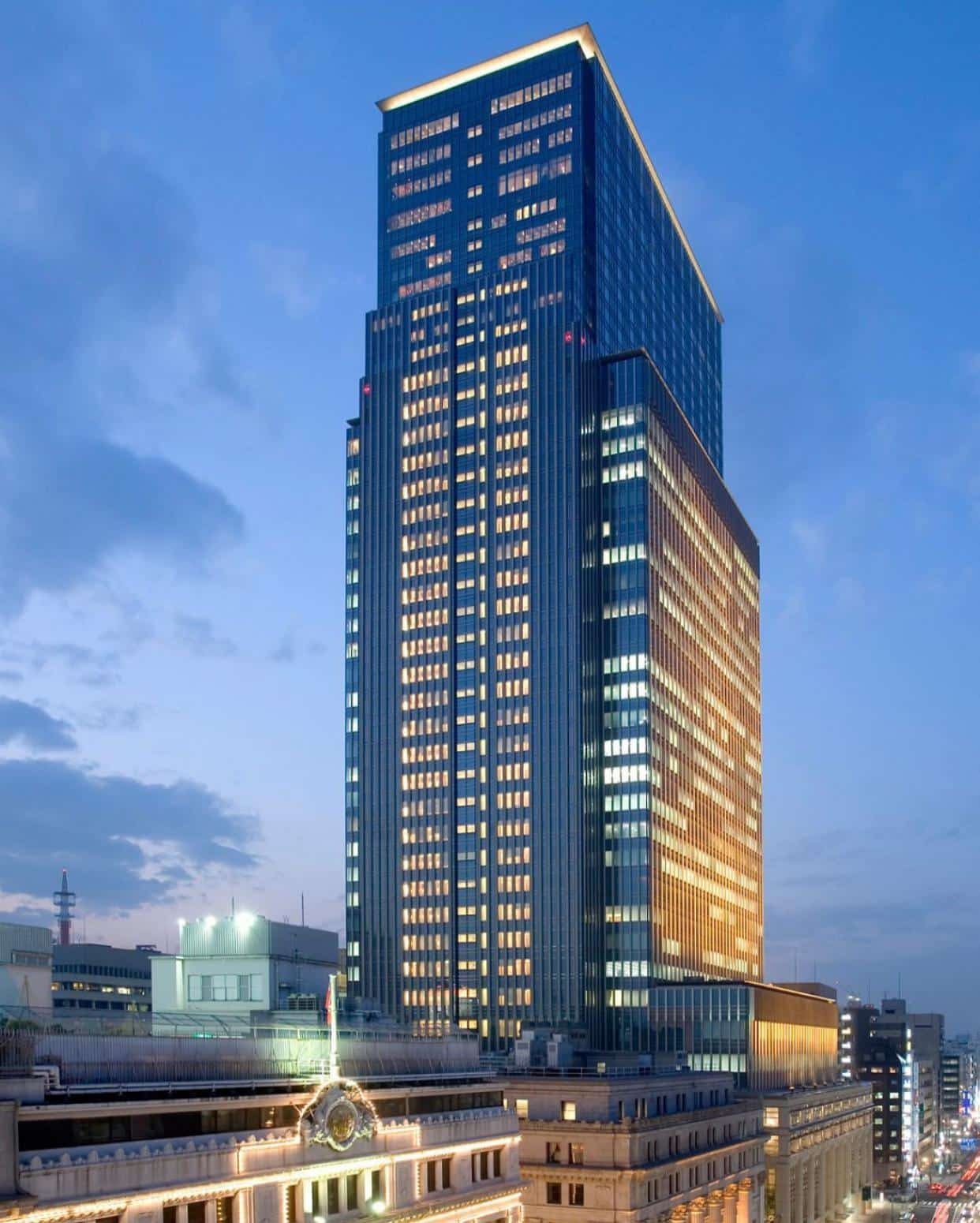
Mandarin Oriental Tokyo occupies the upper floors of Nihonbashi Tower, rising above the historic district where the city was founded.
This is not a horizontal palace.
It is a vantage point.
A line drawn in the sky.
The hotel is built on a simple idea:
elevate calm to the altitude where the city becomes abstract.
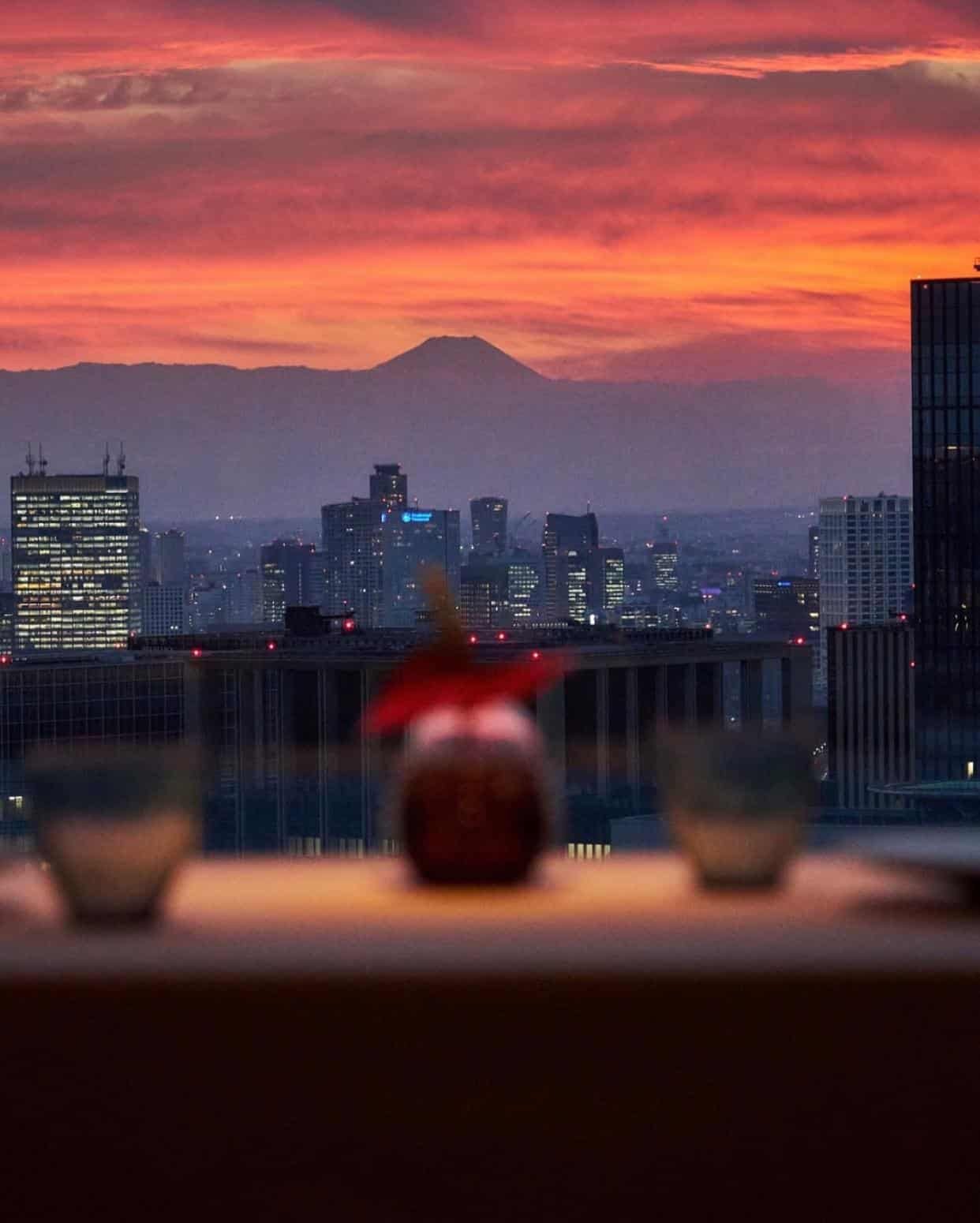
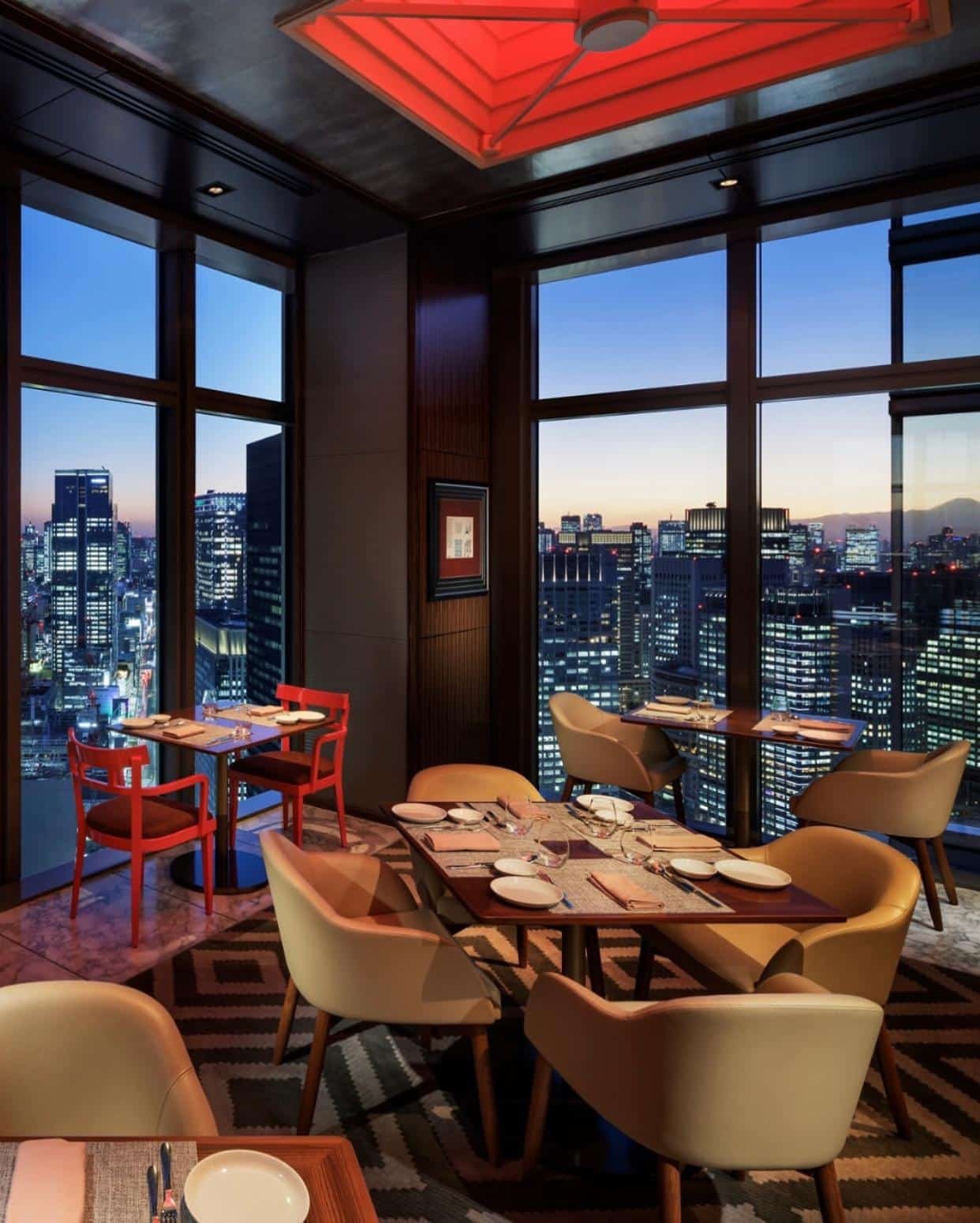
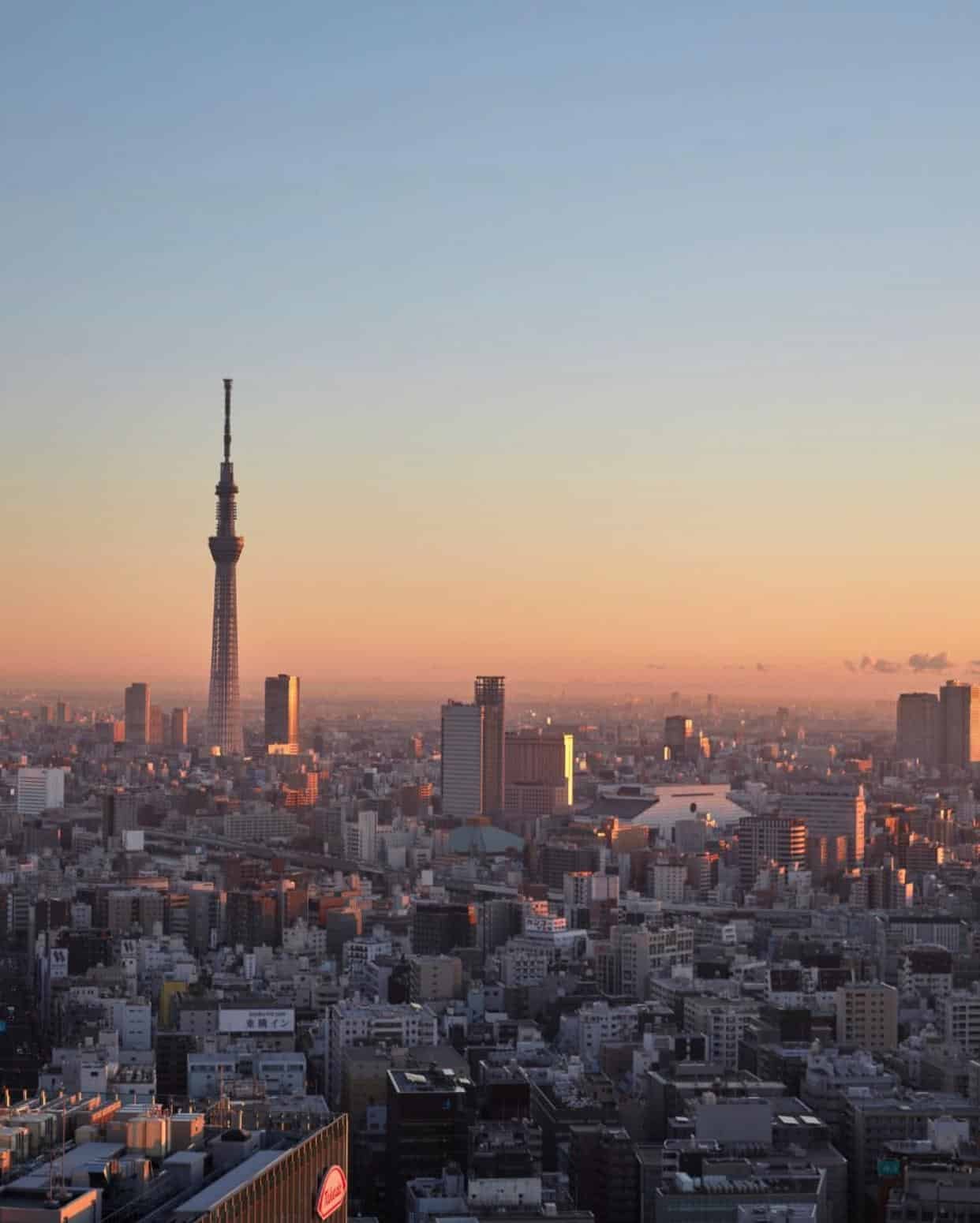
Through the panoramic windows, Tokyo transforms:
— axes overlap,
— lines shift into geometry,
— the metropolis reads like a mental map.
Here, luxury is not tactile.
It is cognitive — it organizes, clarifies, and frames.
A philosophy unique in Japan.
· • • • ·
Atmosphere & Architecture — Verticality as a Material
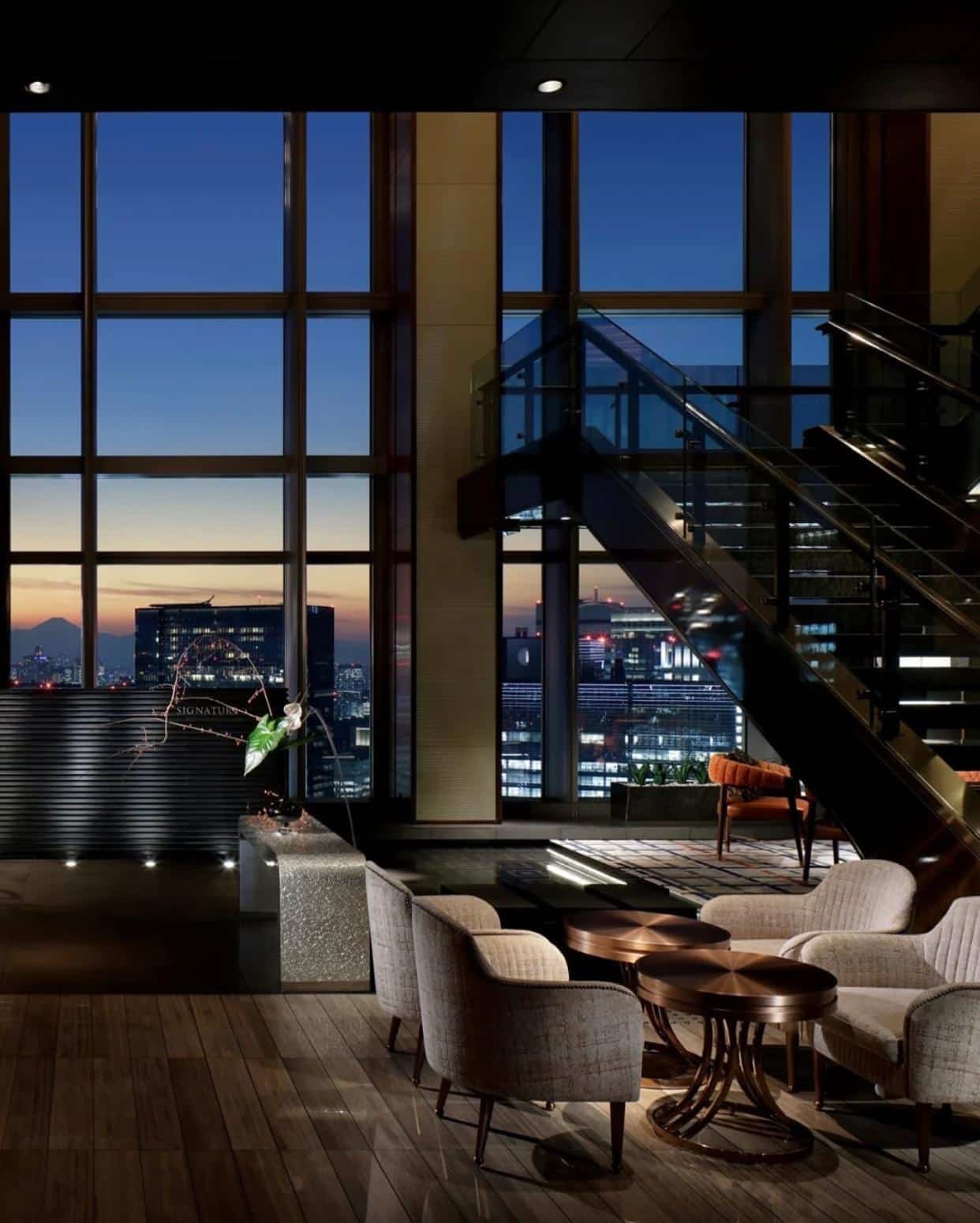
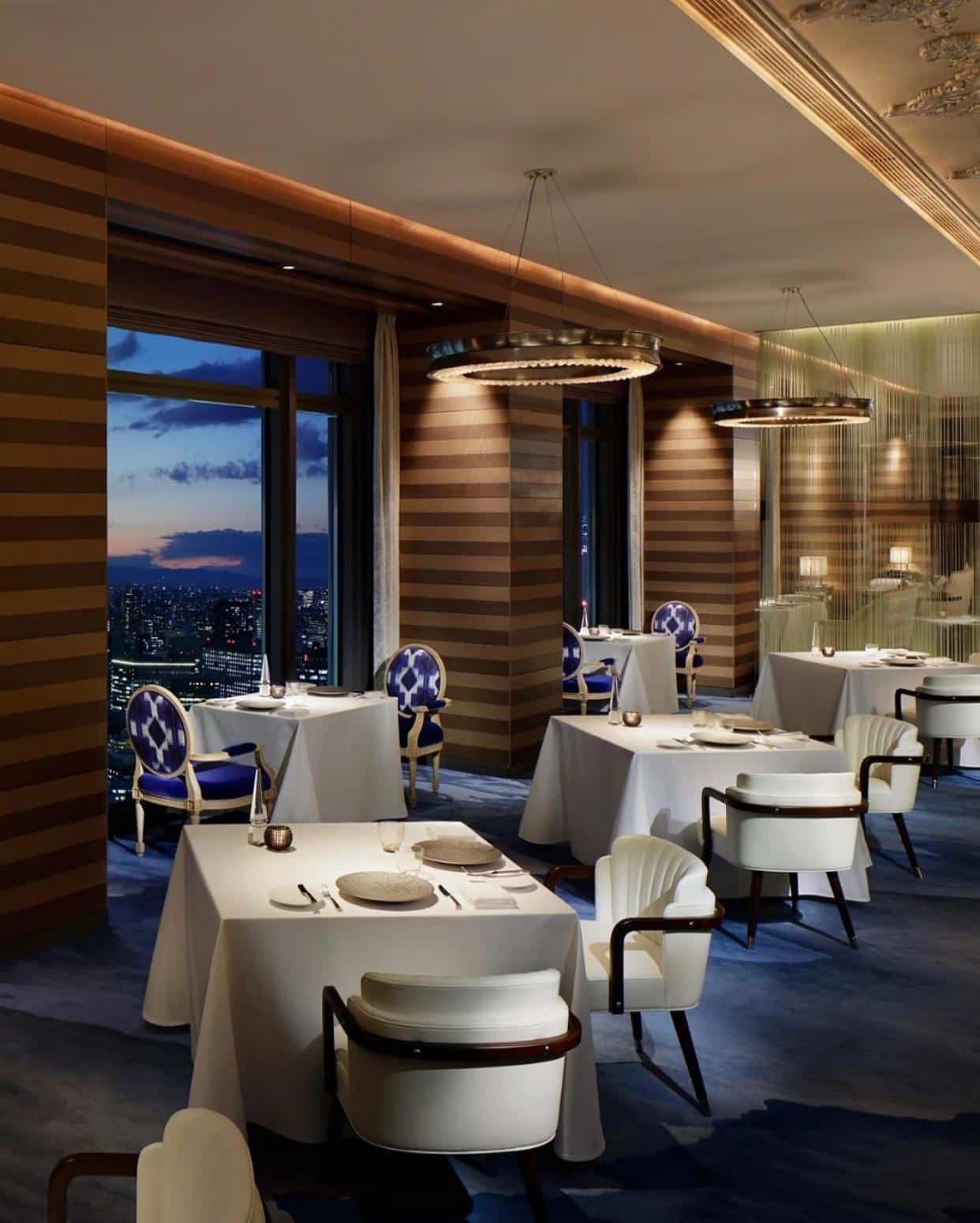
The first sensation is disciplined height.
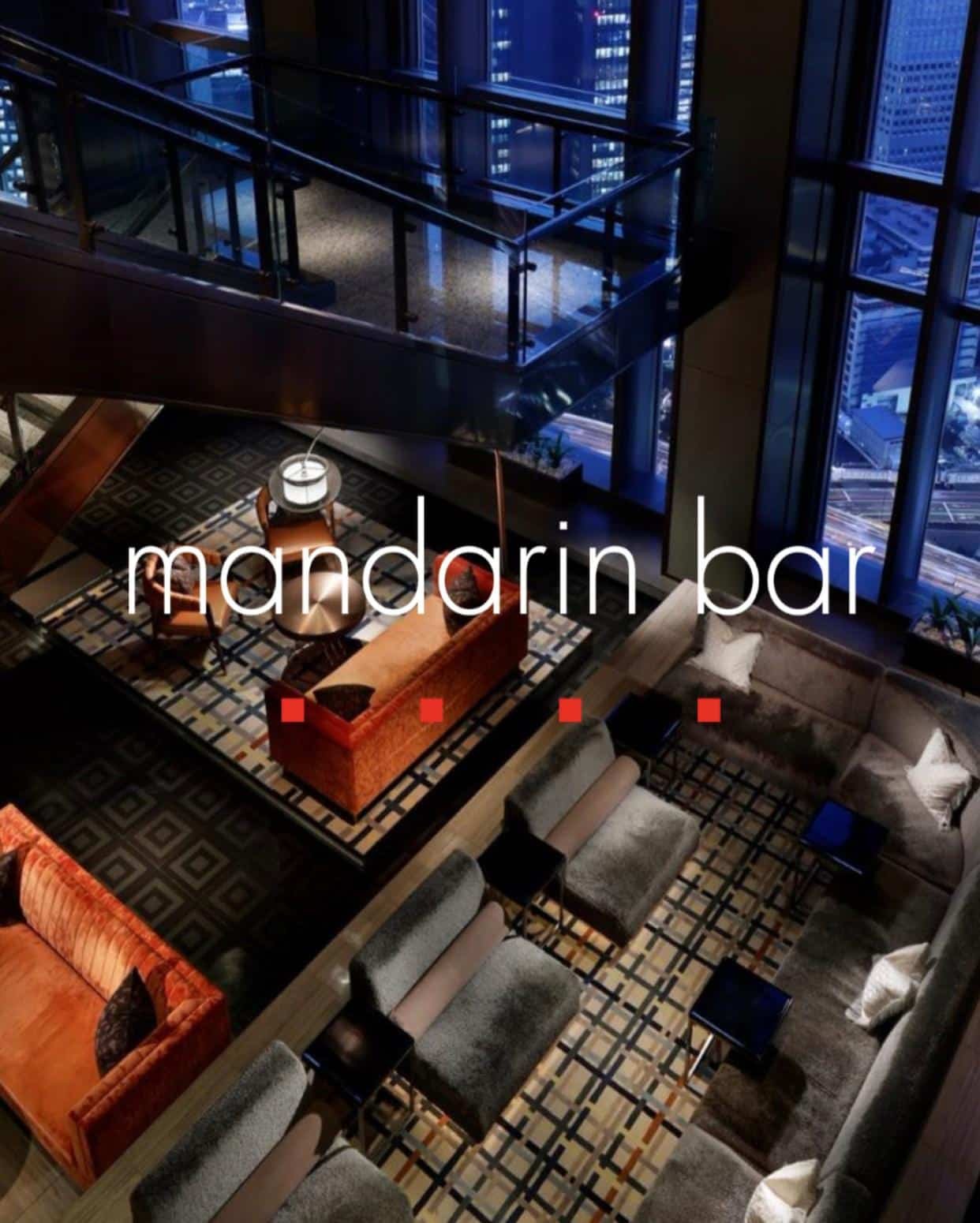
Spaces act as observatories:
— sharp volumes,
— open horizons,
— directional light,
— mineral materials.
The architecture follows a strict rule:
remove visual noise so that height becomes a tool.
Materials feel precise, cool, chosen to absorb distraction and sharpen perception.
A palace where every room becomes an instrument for reading the outside world.
· • • • ·
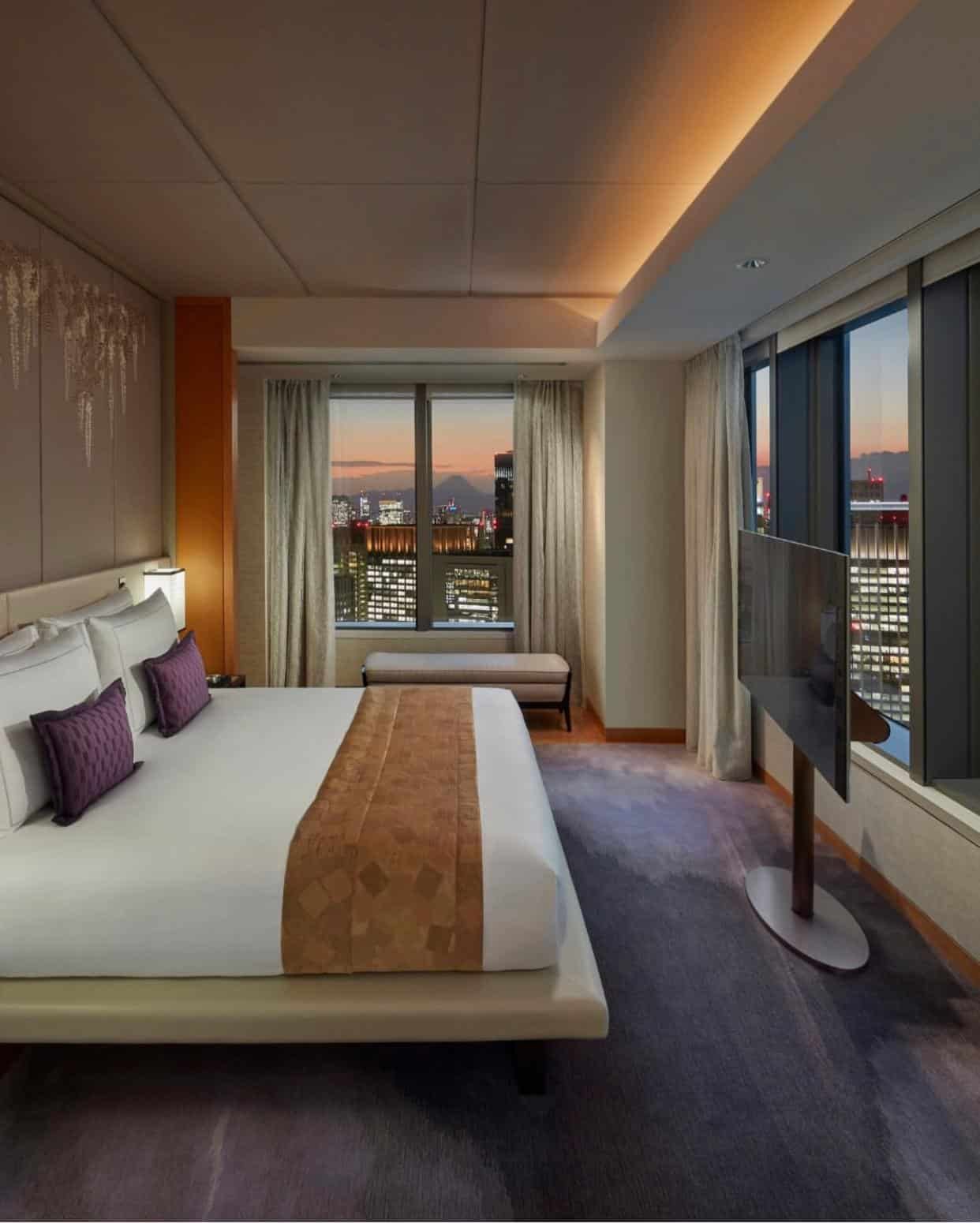
Suites & Interiors — Aerial Calm Sculpted by Light
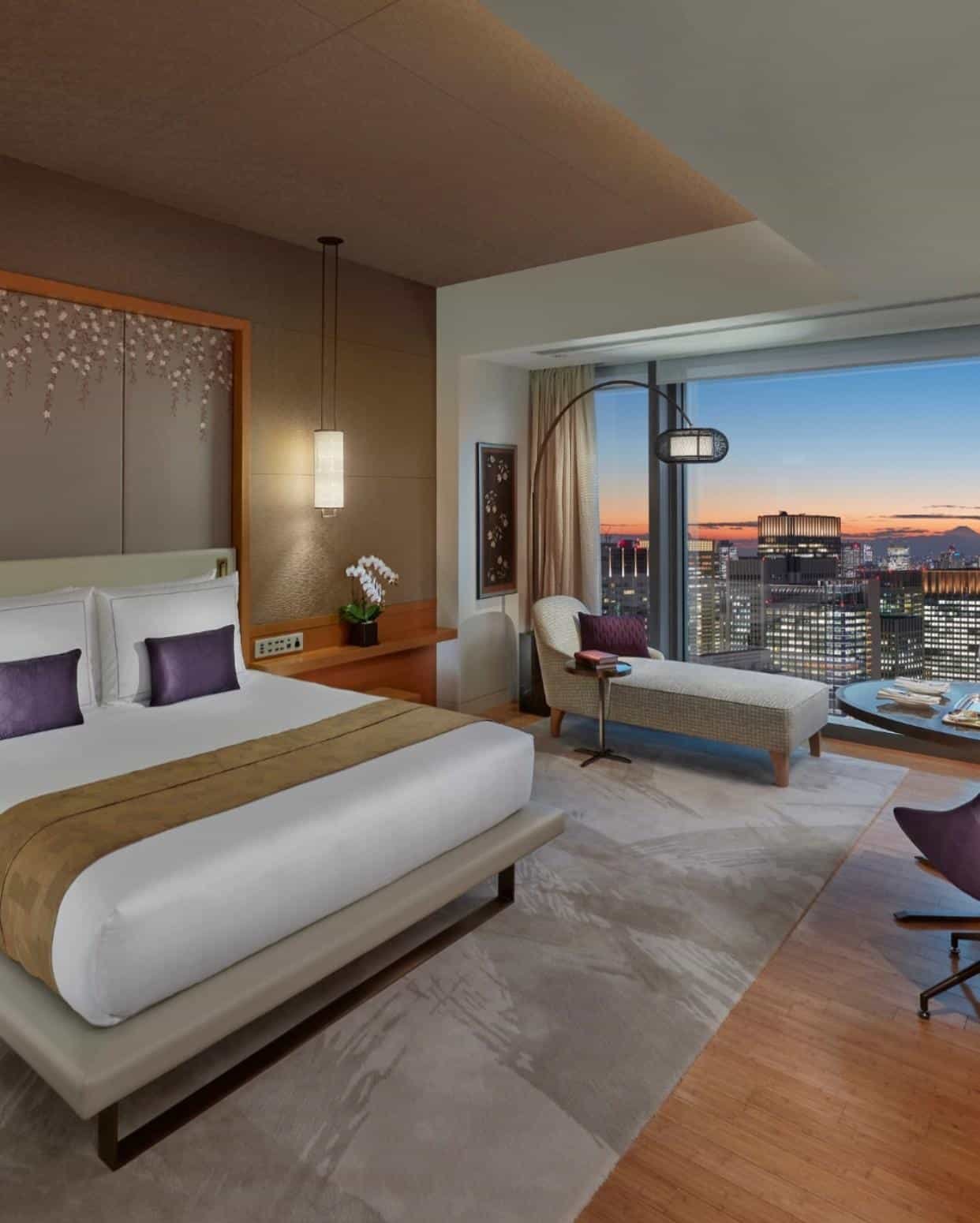
The suites at Mandarin Oriental Tokyo are among the most technical in Asia.
Inside, you’ll find:
— horizontal lines that stabilize altitude,
— mineral palettes,
— soft framing light,
— acoustics of rare purity.
Views are arranged like compositions:
the Imperial Palace, Tokyo Bay, the skyline.
Nothing is accidental.
Comfort follows a mental-engineering logic:
reduce saturation to increase depth.
Sleeping here feels like floating inside controlled calm.
· • • • ·
Service — The Invisible Technique
The service is one of the most calibrated in the world.
Expect:
— analytical anticipation,
— clean, exact gestures,
— extremely discreet presence,
— total mastery of interactions.
This service doesn’t seek emotion.
It seeks zero friction.
A protocol tuned like scientific instrumentation.
A reference model studied in many hospitality schools.
· • • • ·
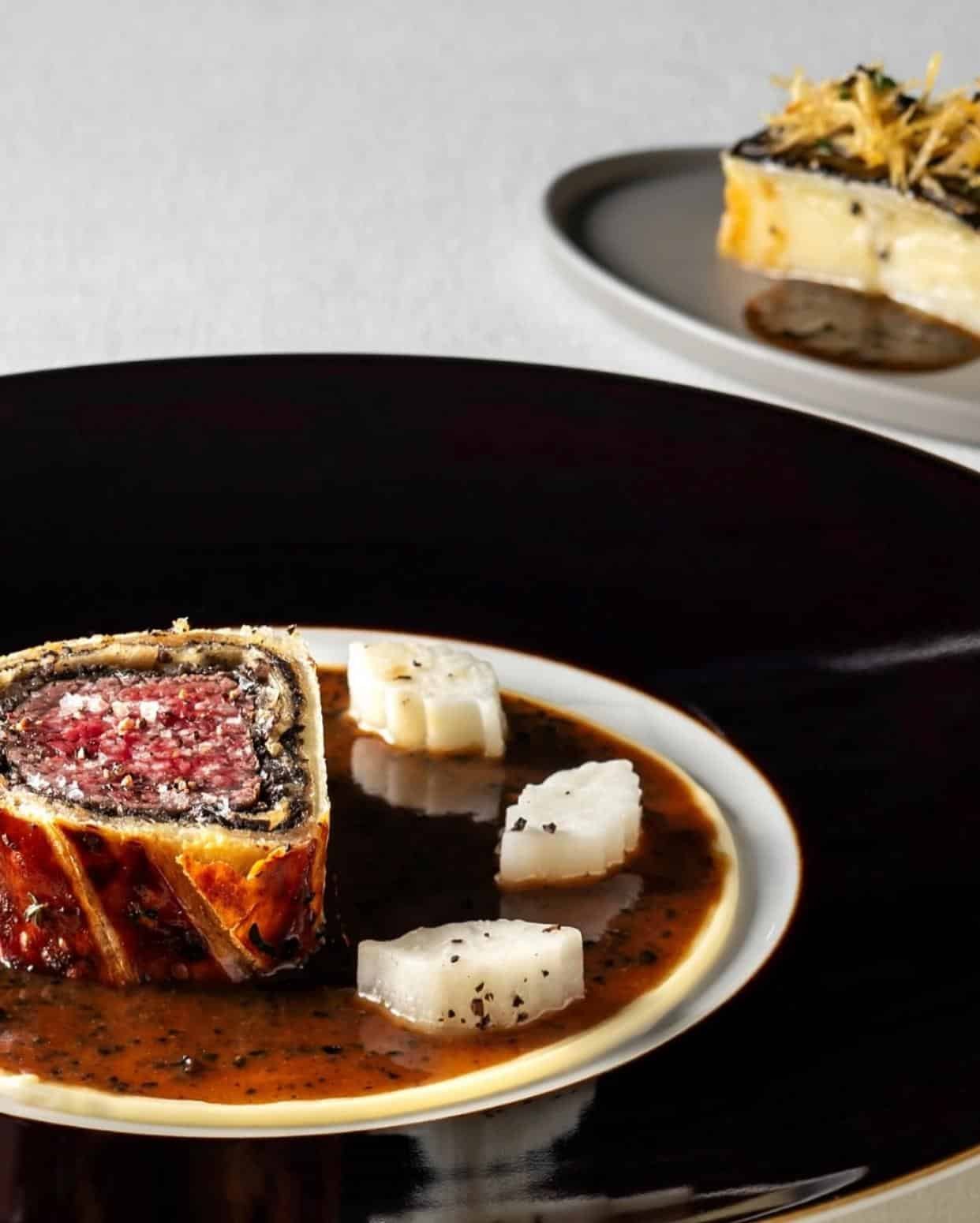
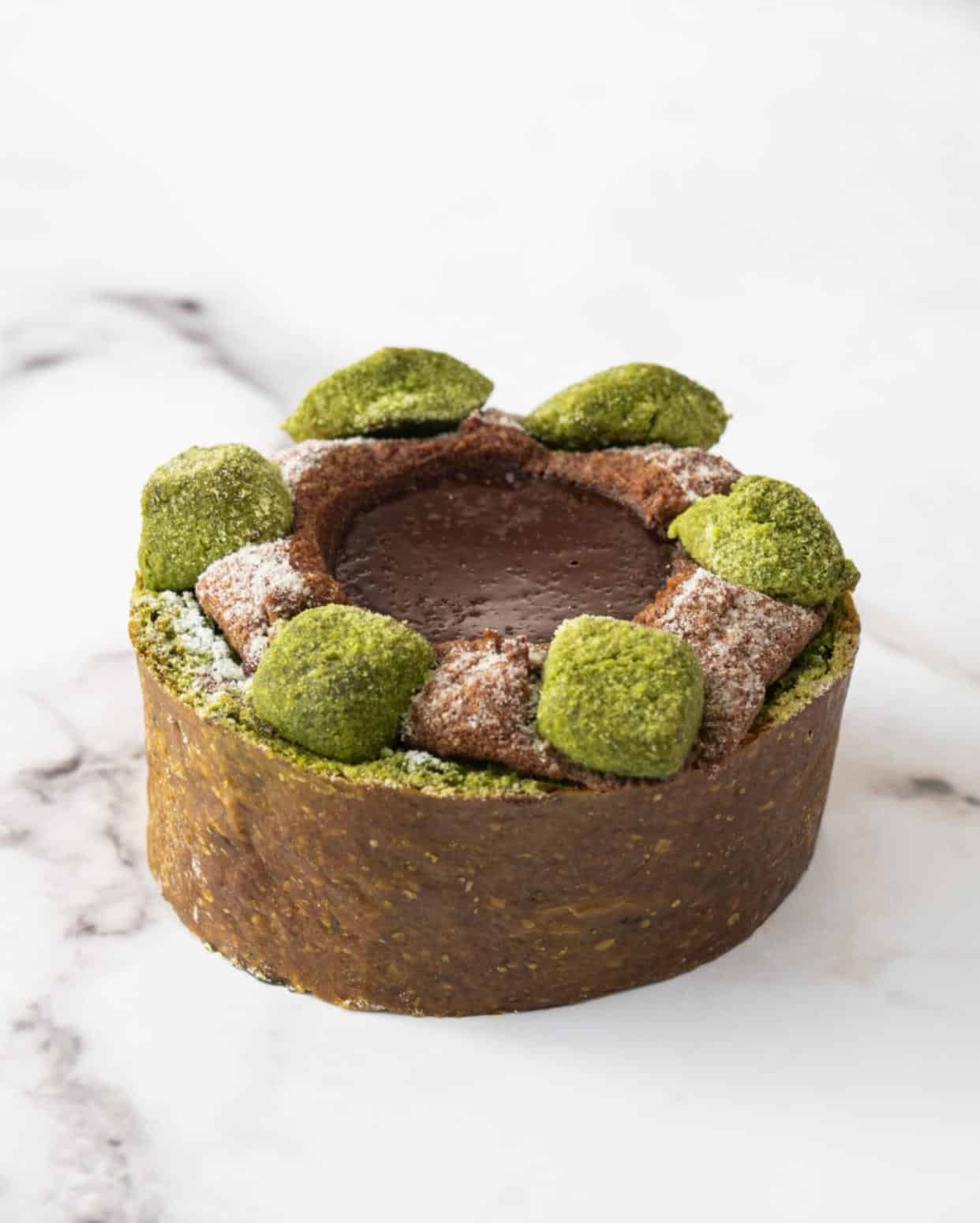
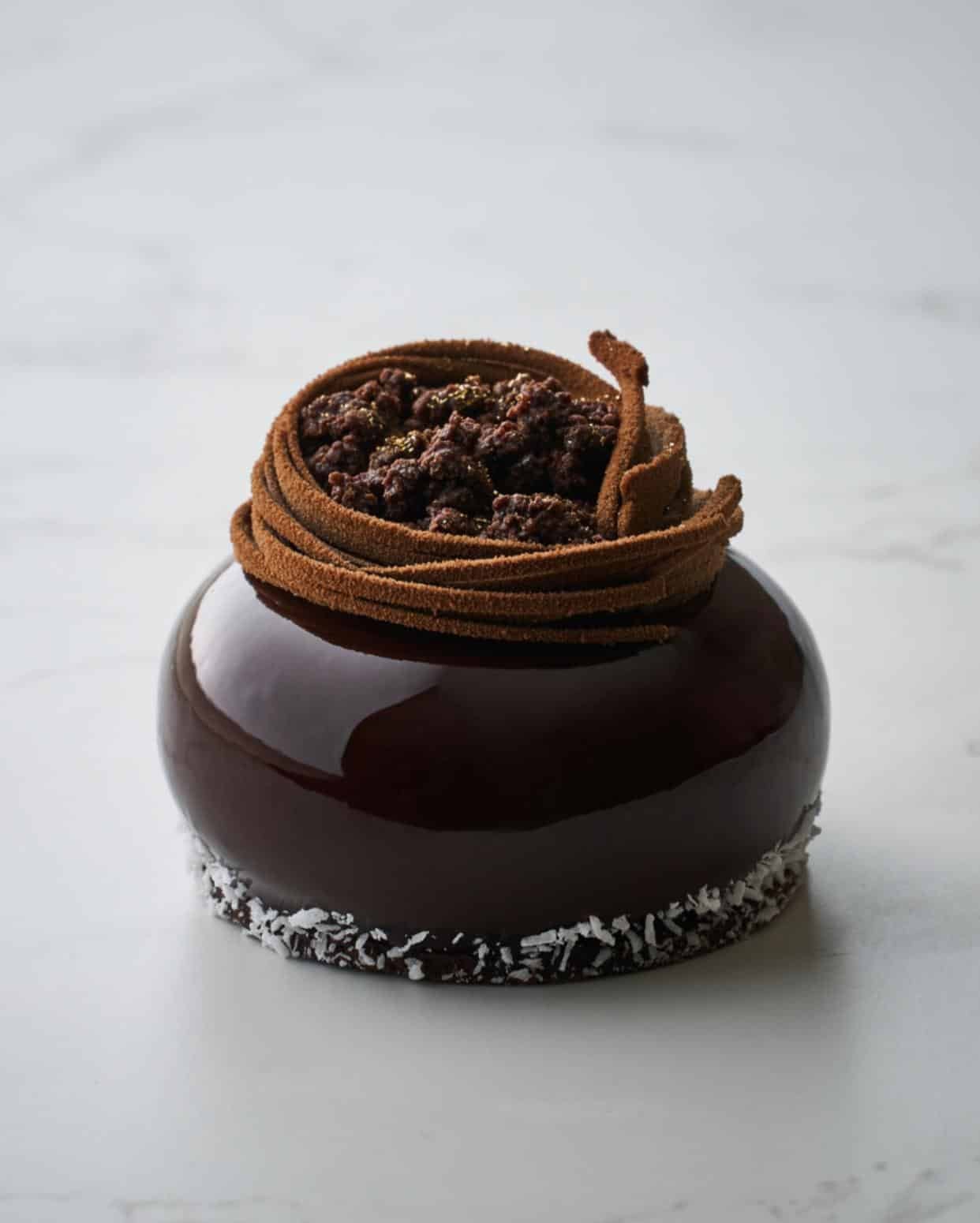
Gastronomy — Precision as a Language
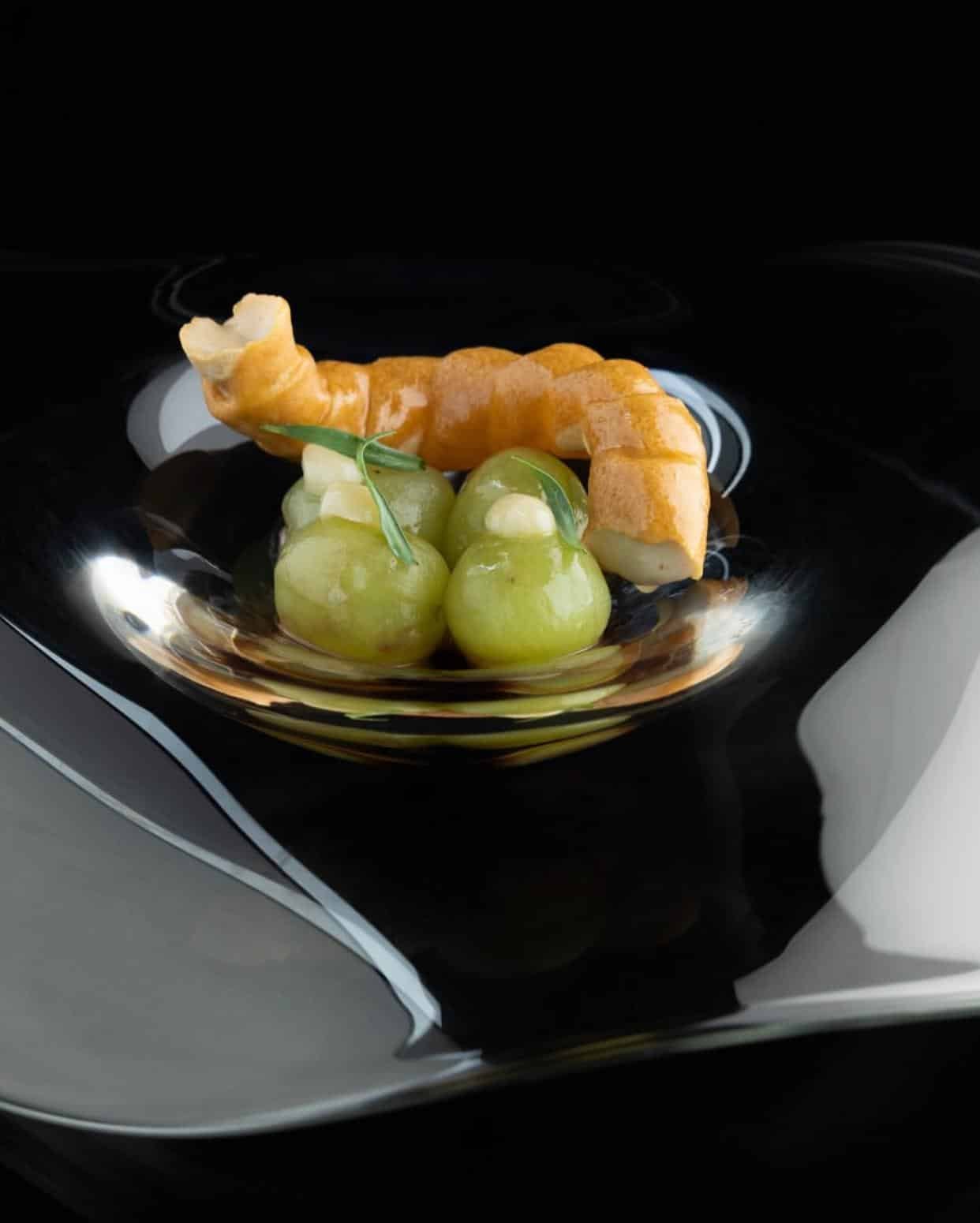
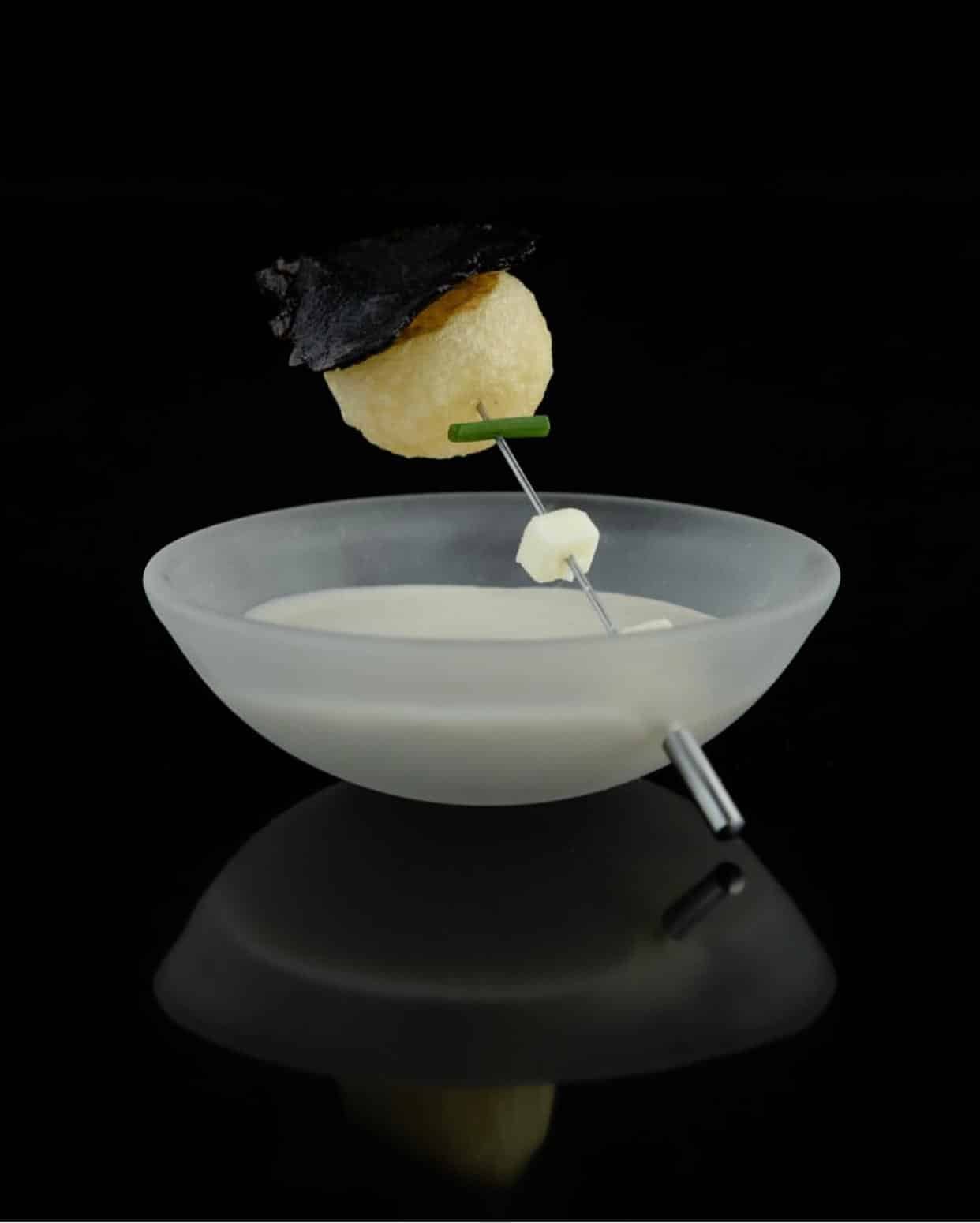
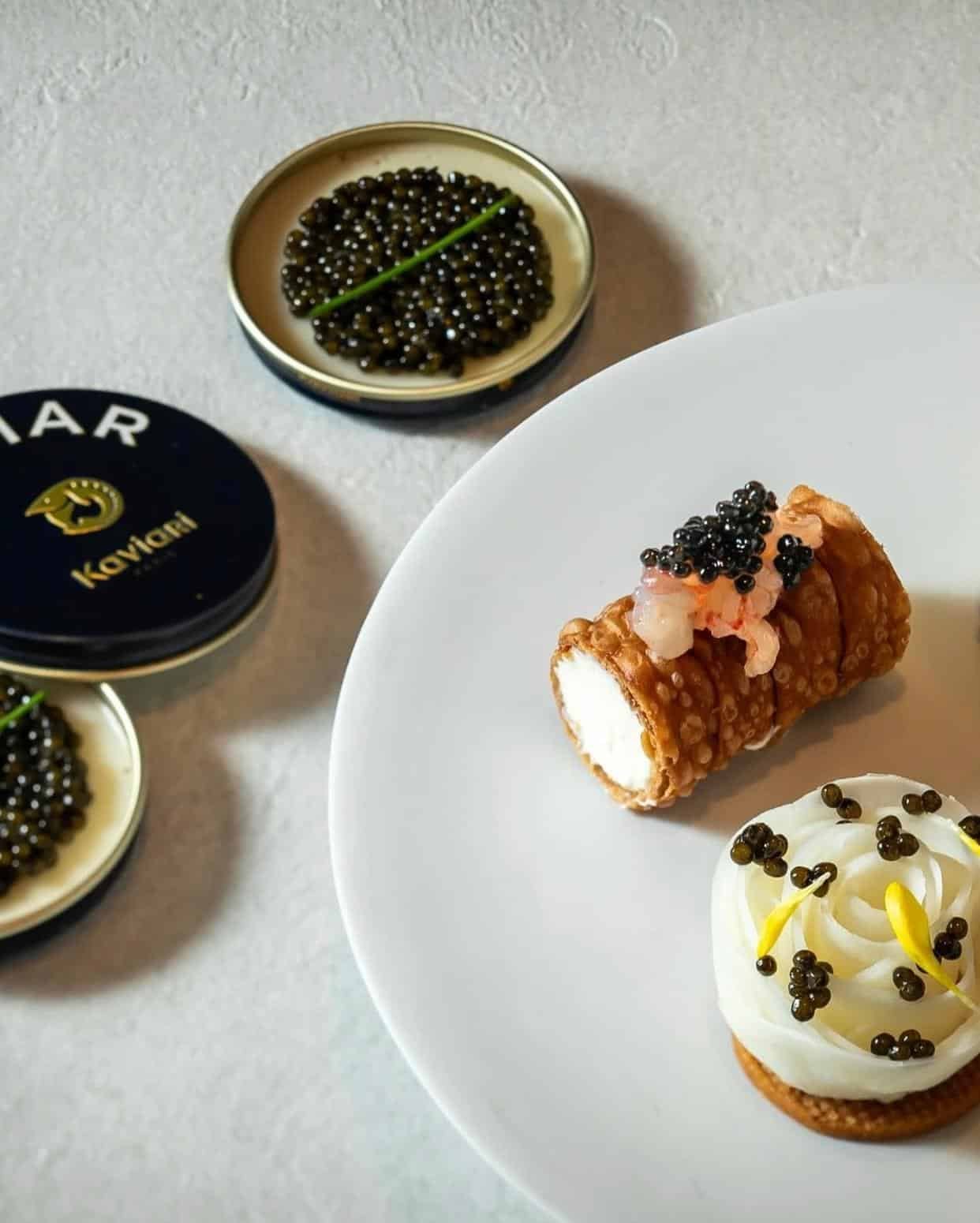
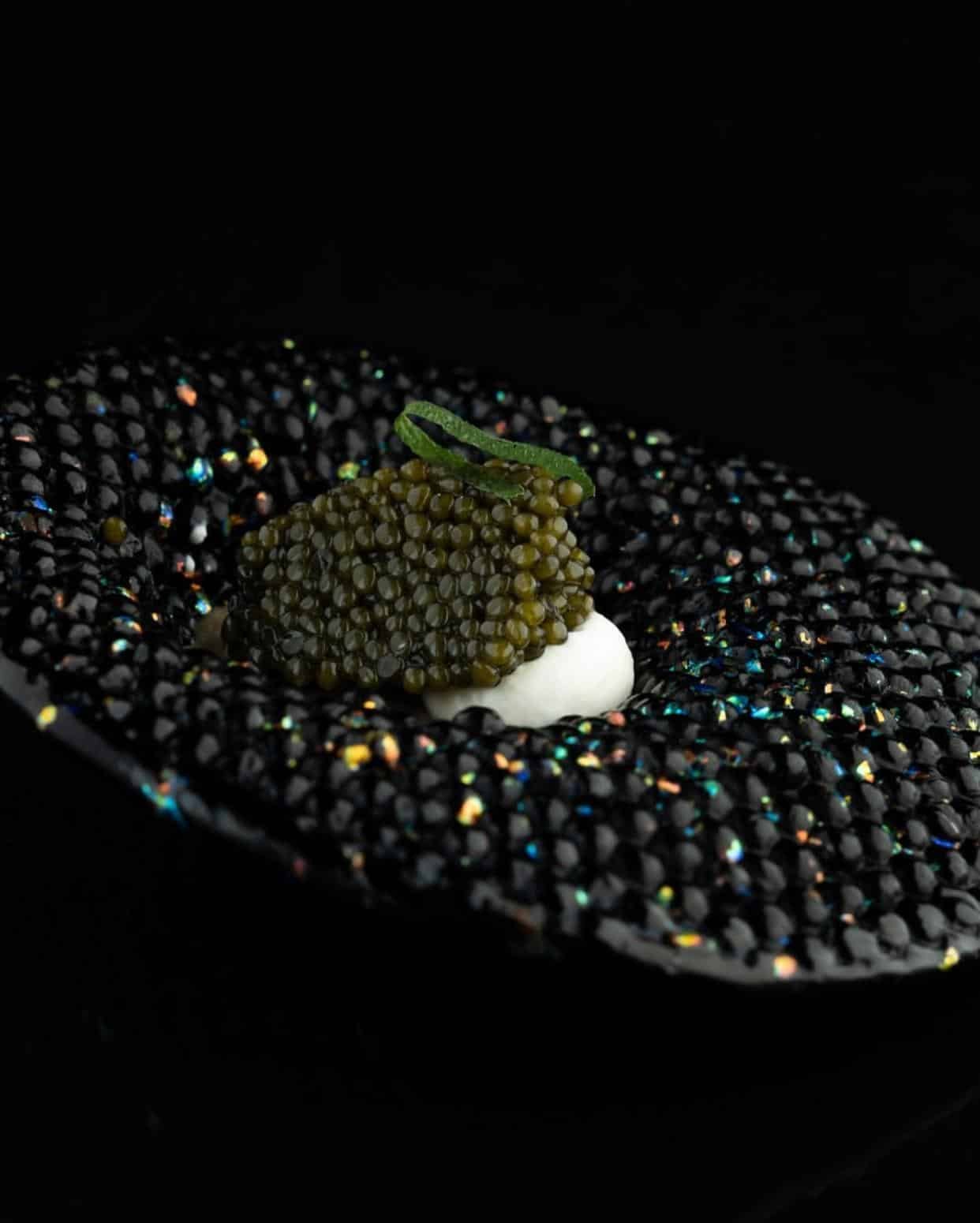
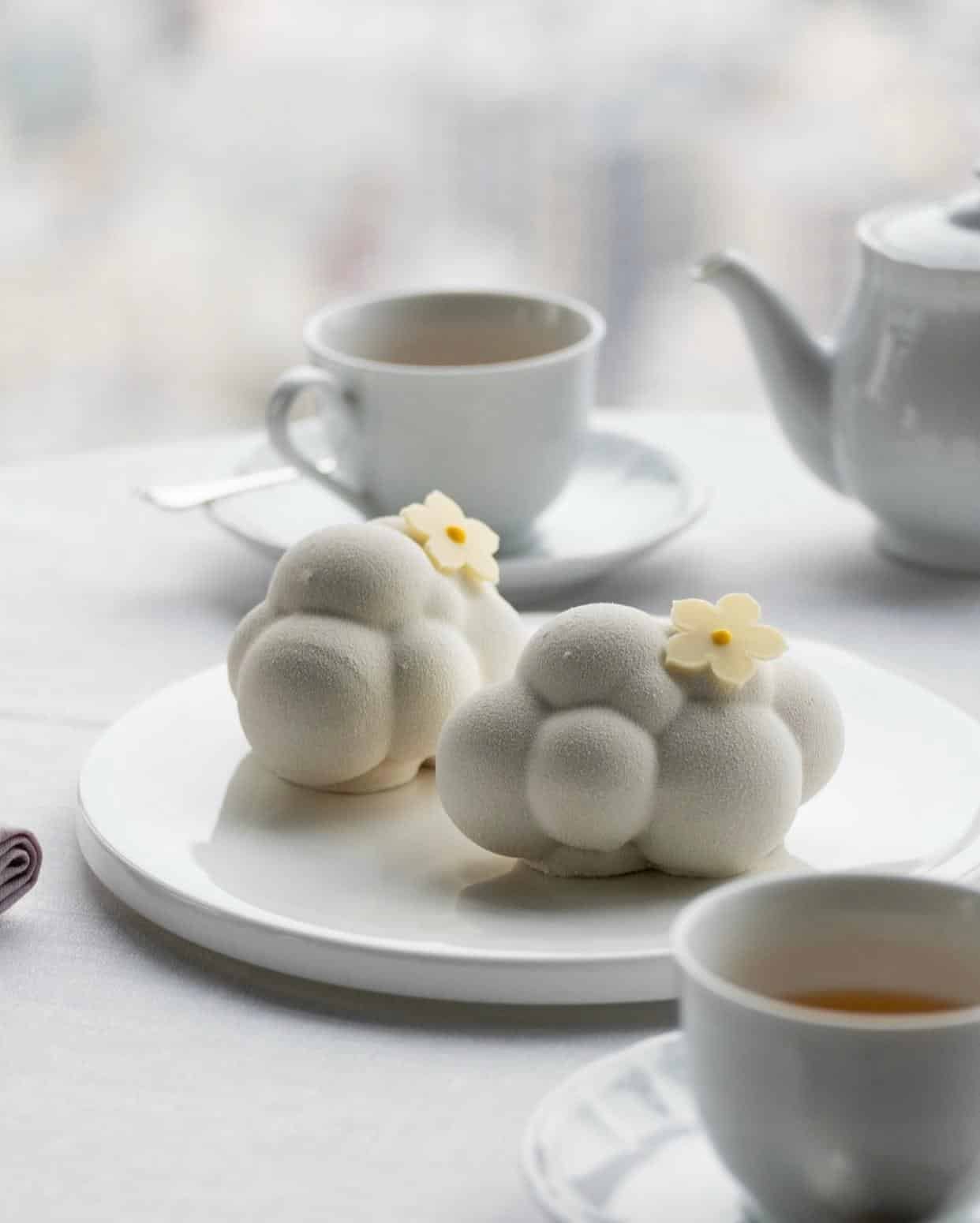
The hotel’s restaurants operate like culinary laboratories.
The philosophy:
every flavor must be readable.
Chefs follow an architectural logic:
— layering intensities,
— vertical interpretation of textures,
— absolute precision in cooking,
— plates that are clear, structured, controlled.
The cuisine is never emotional.
It is measured, technical, almost mathematical.
· • • • ·
Wellness — Technical Zen
The spa is not decorative.
It serves as a center of gravity.
Inside:
— ultra-low lighting,
— mineral materials,
— technical protocols,
— progressive organization of rest.
Treatments follow a specific rhythm:
slow, align, recenter.
Here, calm is not a sensation.
It is a structure.
· • • • ·
Sustainability — Method, Not Messaging
Mandarin Oriental Tokyo applies a silent, engineering-led sustainability approach:
— energy recovery systems,
— responsible materials,
— strict waste limitation,
— clear sourcing,
— continuous operational management.
A responsibility aligned with the vertical logic of the building.
· • • • ·
Conclusion Gloss Signature™
50% Luxury
Imperial height, infinite light, aerial suites, architectural gastronomy, technical wellness.
A mental form of luxury, rare and sharply defined.
30% Craftsmanship
Dark woods, calm stone, mineral textiles, calibrated lighting, discreet Japanese craft pieces.
20% Sustainability
Energy optimization, disciplined vertical operations, selected materials, continuous management.
A clear, non-performative responsibility.
— At Mandarin Oriental Tokyo, luxury is not simply felt:
— it is designed.
· • • • ·
© Mandarin Oriental-Tokyo
© Mandarin Oriental-Tokyo
© Mandarin Oriental-Tokyo
© Mandarin Oriental-Tokyo
© Mandarin Oriental-Tokyo
© Mandarin Oriental-Tokyo
© Mandarin Oriental-Tokyo
© Mandarin Oriental-Tokyo
© Mandarin Oriental-Tokyo
© Mandarin Oriental-Tokyo
© Mandarin Oriental-Tokyo
© Mandarin Oriental-Tokyo
© Mandarin Oriental-Tokyo
© Mandarin Oriental-Tokyo
© Mandarin Oriental-Tokyo
© Mandarin Oriental-Tokyo
© Mandarin Oriental-Tokyo
© Mandarin Oriental-Tokyo
© Mandarin Oriental-Tokyo
© Mandarin Oriental-Tokyo
© Mandarin Oriental-Tokyo
© Mandarin Oriental-Tokyo
FAQ — Mandarin Oriental Tokyo
· • • •
1. Why is Mandarin Oriental Tokyo considered one of the most unique hotels in Japan?
Because it is not designed as a traditional horizontal palace.
It is a vertical observatory — suspended above Nihonbashi, where Tokyo was historically founded.
From this altitude, the city shifts from density to geometry.
Lines become readable.
Light becomes structure.
Tokyo becomes a mental map.
Mandarin Oriental Tokyo is one of the few hotels where luxury is not sensory —
it is cognitive.
· • • •
2. What is the real atmosphere inside the hotel?
Calm, vertical, and highly controlled.
The experience is defined by:
— height-induced clarity
— minimal noise
— directional light
— mineral materials that reduce distraction
It is not an emotional atmosphere.
It is a structured mental state, engineered for clarity and focus.
· • • •
3. How would you describe the architecture and design language?
Pure vertical geometry.
Signature elements:
— sharp volumes
— wide horizons
— large glass planes
— stone and wood used as stabilizing materials
— light designed to behave like an architectural tool
The objective of the design is simple:
remove visual noise to increase perception.
· • • •
4. What makes the rooms and suites so distinctive?
They are among the most technically designed suites in Asia.
Key characteristics:
— horizontal lines that stabilize the altitude
— soft mineral palettes
— controlled natural light
— extremely pure acoustics
— layouts organized around the view
The view is never accidental.
It is curated:
Imperial Palace, Tokyo Bay, skyline trajectories.
Sleeping here feels like floating inside a controlled, quiet altitude.
· • • •
5. What defines the service style of Mandarin Oriental Tokyo?
Invisible technique.
Service principles:
— analytical anticipation
— silent movement
— minimal presence
— interactions calibrated with scientific precision
The goal is not warmth or emotion.
The goal is zero friction.
This is one of the most technically exact hospitality teams in Tokyo.
· • • •
6. What is the culinary philosophy of the hotel?
Culinary architecture.
Restaurants operate like laboratories of structured flavor:
— layered intensities
— vertical readings of texture
— exact cooking techniques
— clean, readable plates
Cuisine here is never theatrical.
It is precise, architectural, disciplined.
· • • •
7. What is the spa experience like?
A technical form of zen.
Elements include:
— ultra-low lighting
— mineral materials
— slow, exact protocols
— progressive calming phases
The spa does not aim for indulgence.
It aims for re-centering.
Calm is treated as a structure — not a sensation.
· • • •
8. Is the hotel suitable for business travelers?
Extremely.
Mandarin Oriental Tokyo neutralizes mental saturation and enhances:
— focus
— clarity
— decision-making efficiency
It is a vertical platform of cognitive stability, ideal for strategic work.
· • • •
9. Are the views of Mount Fuji real or marketing?
They are real — under favorable atmospheric conditions.
Depending on weather and orientation, guests may observe:
— Mount Fuji
— the Imperial Palace
— Tokyo Bay
— linear city grids
These views are not decorative.
They expand perception and contribute to the hotel’s mental clarity.
· • • •
10. What is the sustainability approach of Mandarin Oriental Tokyo?
Methodical, silent, integrated.
Key pillars:
— energy optimization within the tower
— responsible material selection
— strict waste control
— transparent sourcing
— continuous operational monitoring
Sustainability is not communicated as a narrative.
It is embedded into the building’s engineering.
· • • •
11. Is the hotel family-friendly?
Yes — with a quiet, structured approach:
— fluid organization
— connecting rooms
— simplified rituals
— precise, discreet service
The priority remains calm and clarity.
· • • •
12. Why does Gloss Tokyo consider Mandarin Oriental Tokyo an essential reference?
Because it expresses a rare form of luxury:
a vertical, cognitive, architectural luxury.
— disciplined height
— silence as structure
— suites designed as aerial observatories
— invisible technical service
— architectural cuisine
— a spa treated like a gravitational center
— responsibility implemented through engineering
Mandarin Oriental Tokyo is not a hotel.
It is a vertical instrument of clarity.
· • • •
Mandarin Oriental -Tokyo
© Mandarin Oriental-Tokyo