

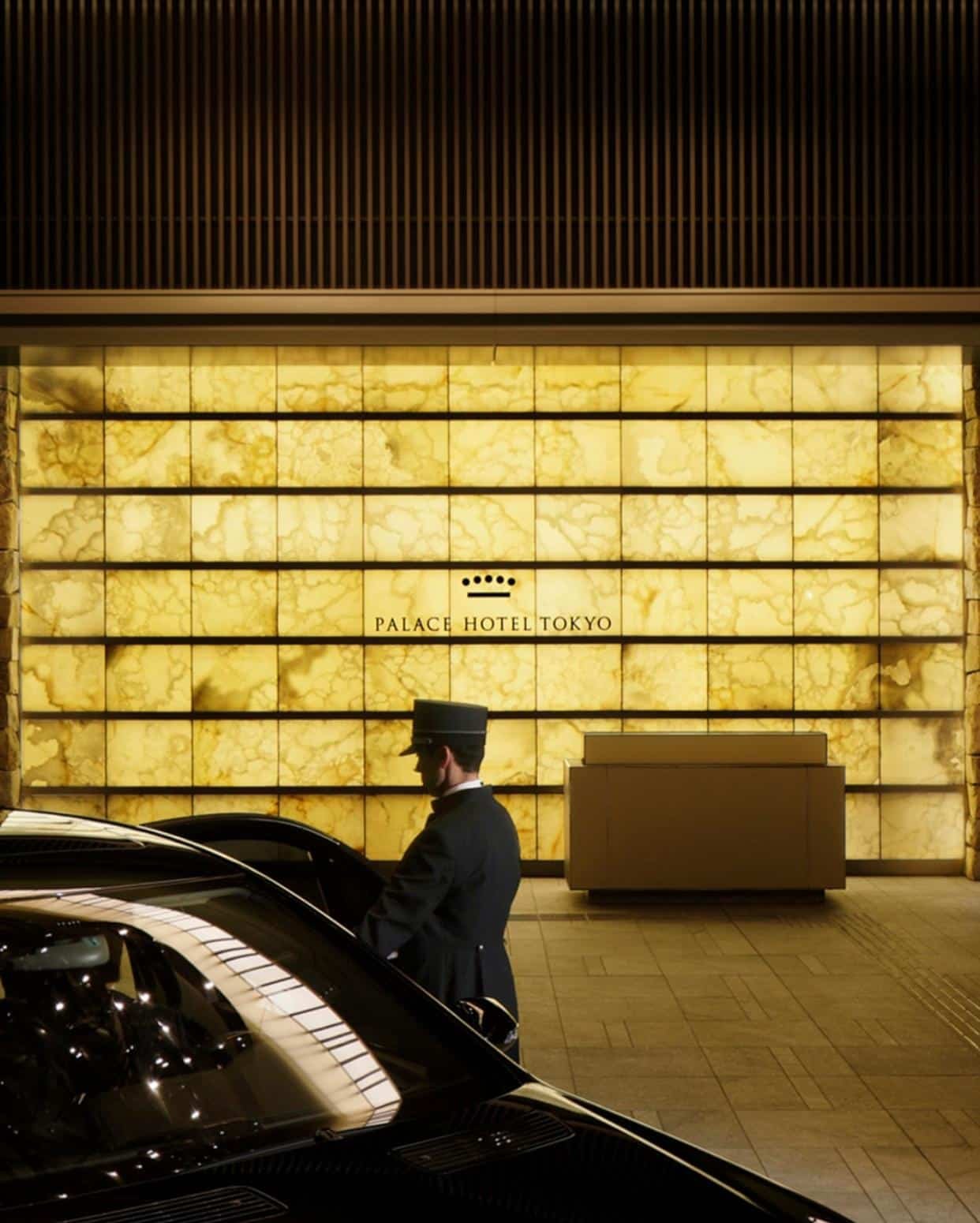
© Palace Hotel Tokyo
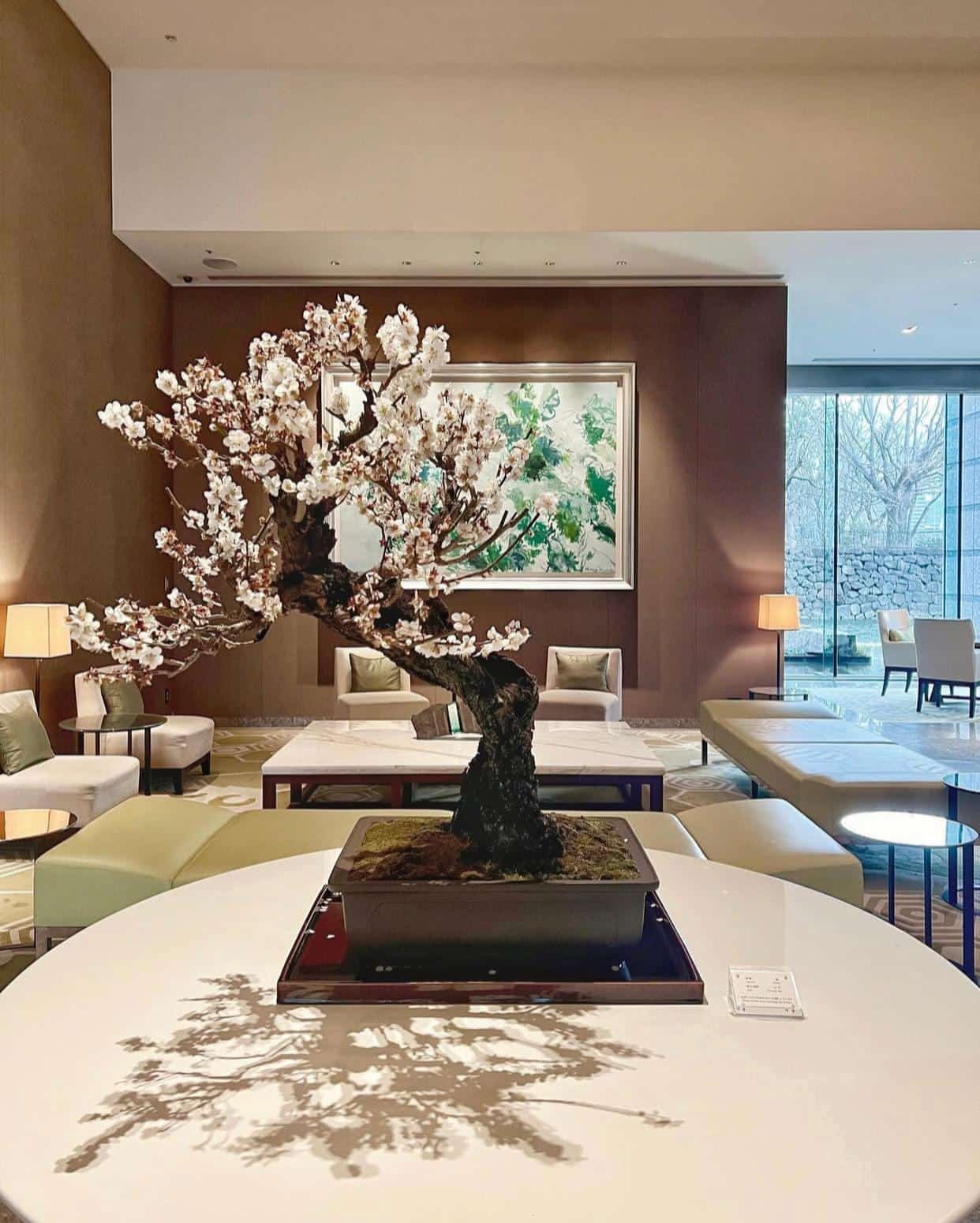
© Palace Hotel Tokyo
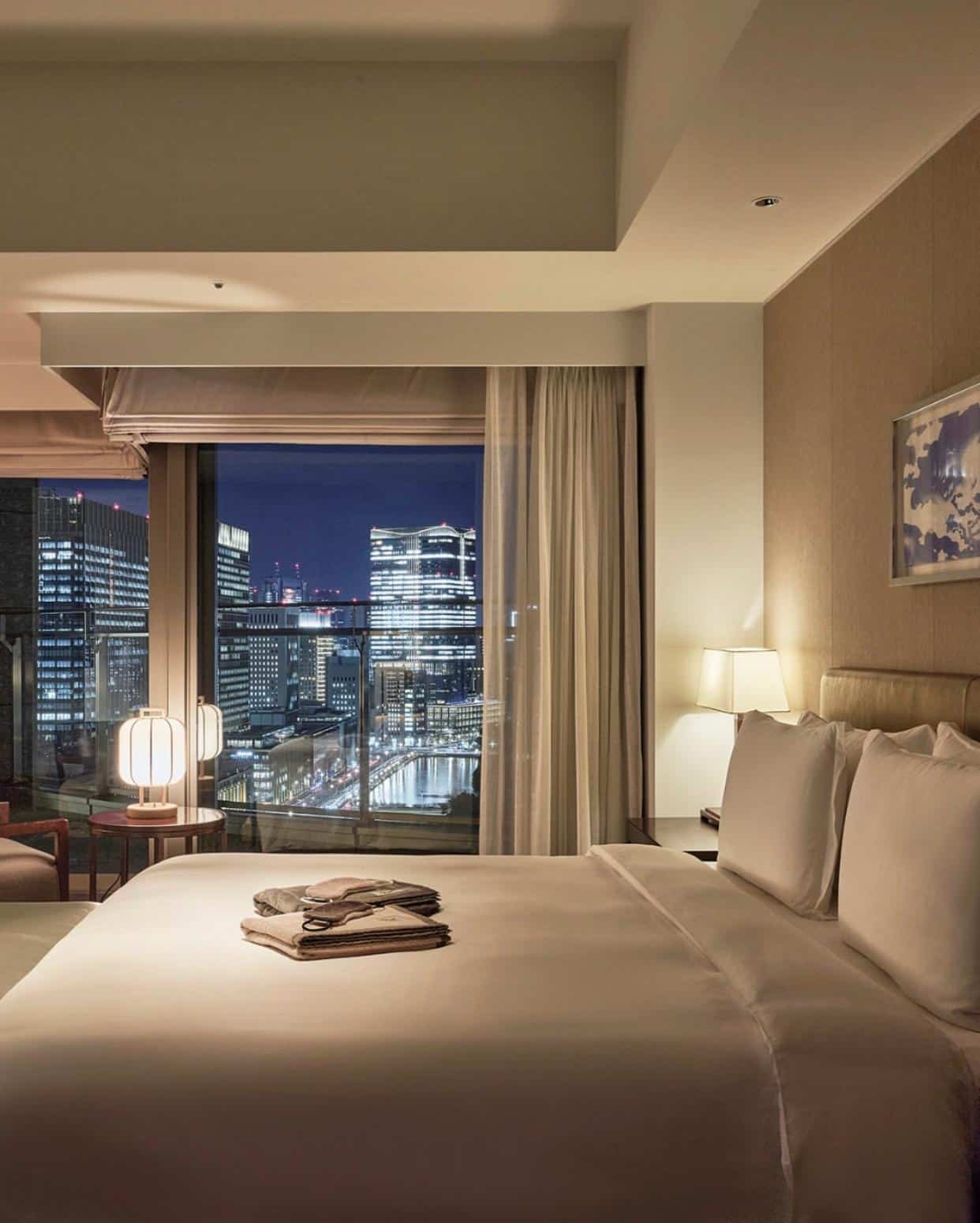
© Palace Hotel Tokyo
PALACE HOTEL TOKYO
Palace Hotel Tokyo — Luxury Held by a Line of Steel
Japanese hospitality in its sharpest, cleanest form.
· • • ·
The Soul of the Place — Silence as a Guiding Line
Facing the Imperial Gardens, Palace Hotel Tokyo applies a simple rule: remove to clarify.
Light doesn’t decorate; it measures.
Volumes don’t seduce; they organize.
Every space behaves like a precise instrument.
Nothing here is decorative.
Nothing is added just to fill.
Every detail answers a Japanese equation:
— utility,
— stability,
— exactness.
The result feels like a polished steel blade:
everything is clean, everything is correct.
· • • • ·
Atmosphere & Architecture — Harmony Under Tension
Glass walls frame the gardens rather than display them.
Perspectives stay straight.
Materials remain calm and natural.
The architecture follows a core Tokyo discipline:
if an element serves no purpose, it disappears.
No visual breaks.
No excess.
A space designed like silent engineering.
· • • • ·
Suites & Interiors — Calm Sculpted to the Millimeter
Suites don’t tell a story.
They structure an environment.
Light woods, cool stone, tightly woven textiles.
No harsh shadows.
No aggressive brightness.
Every element is selected to prevent visual dispersion.
Comfort isn’t a feeling —
it is engineered.
· • • • ·
Service — The Presence That Steps Back
In Tokyo, service never imposes itself.
It observes,
adjusts,
withdraws.
No long sentences.
No large gestures.
No unnecessary attitudes.
The staff synchronizes with the guest.
A dotted-line service: invisible, yet continuous.
· • • • ·
Gastronomy — Technique Without Interpretation
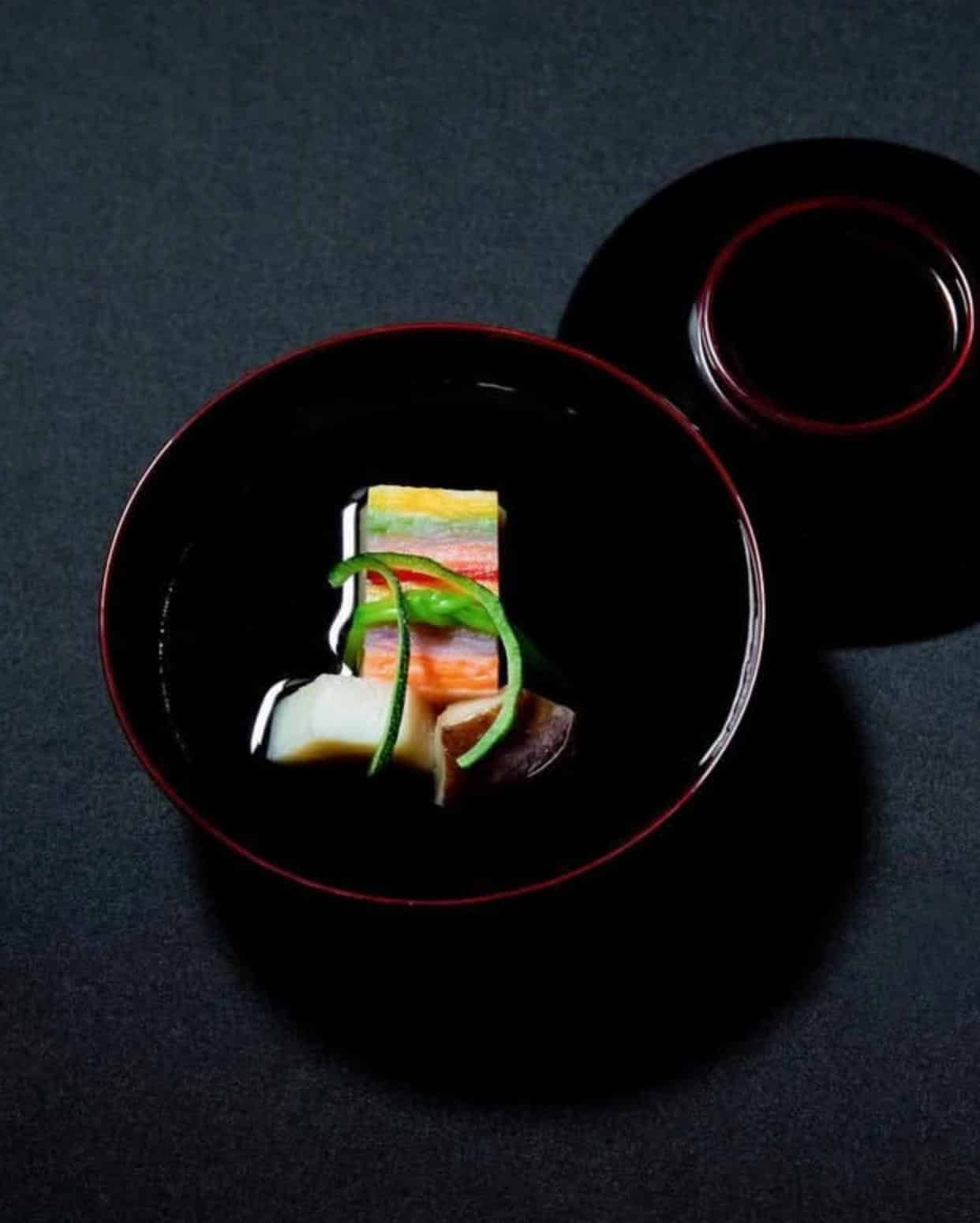
The cuisine follows the rhythm of the hotel:
structure, precision, coherence.
No theatricality.
No emphasis.
Every dish applies the same rule as the property:
— exact,
— readable,
— purposeful.
A composed gastronomy where technique replaces effect.
· • • • ·
Wellness — Rest as Architecture
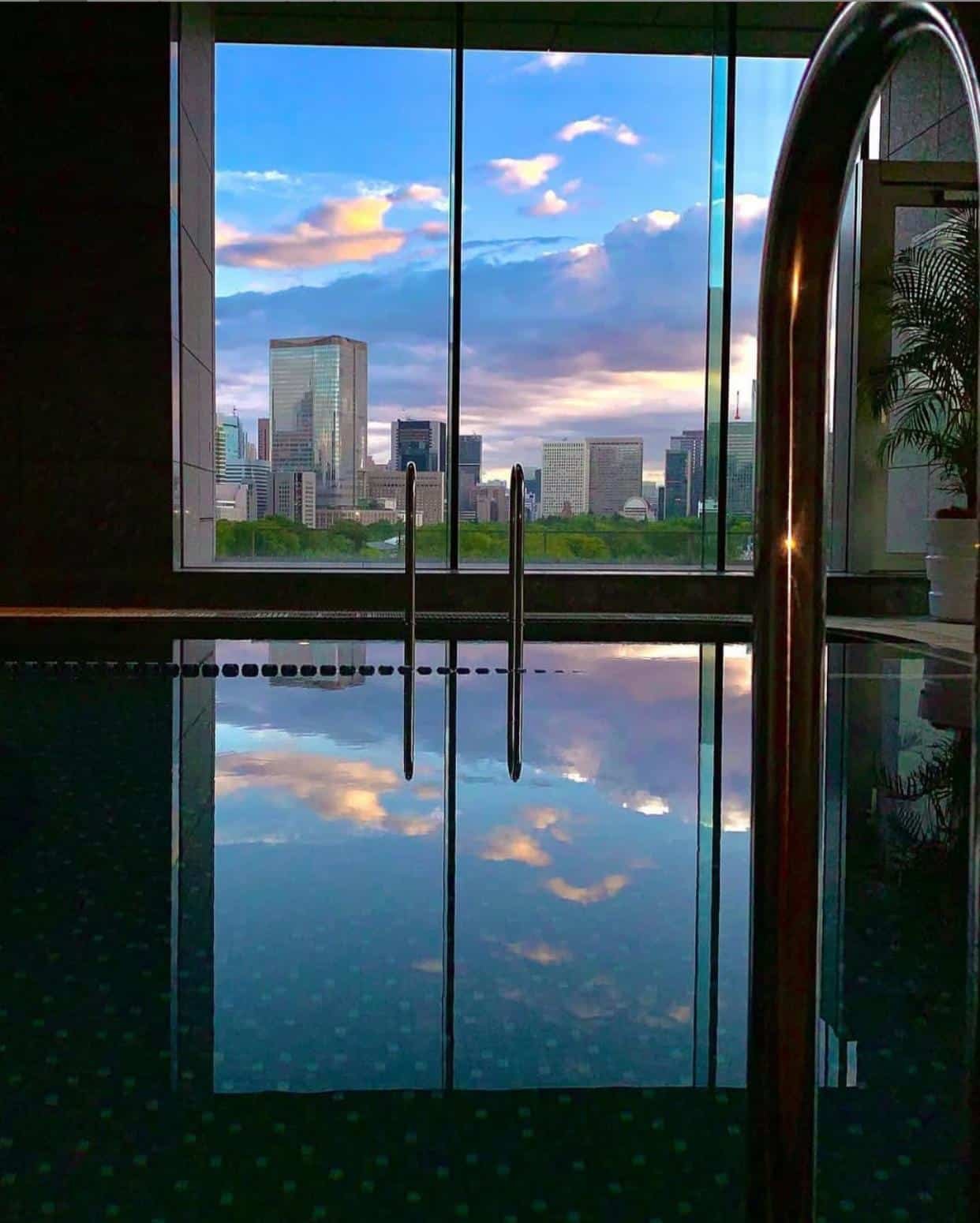
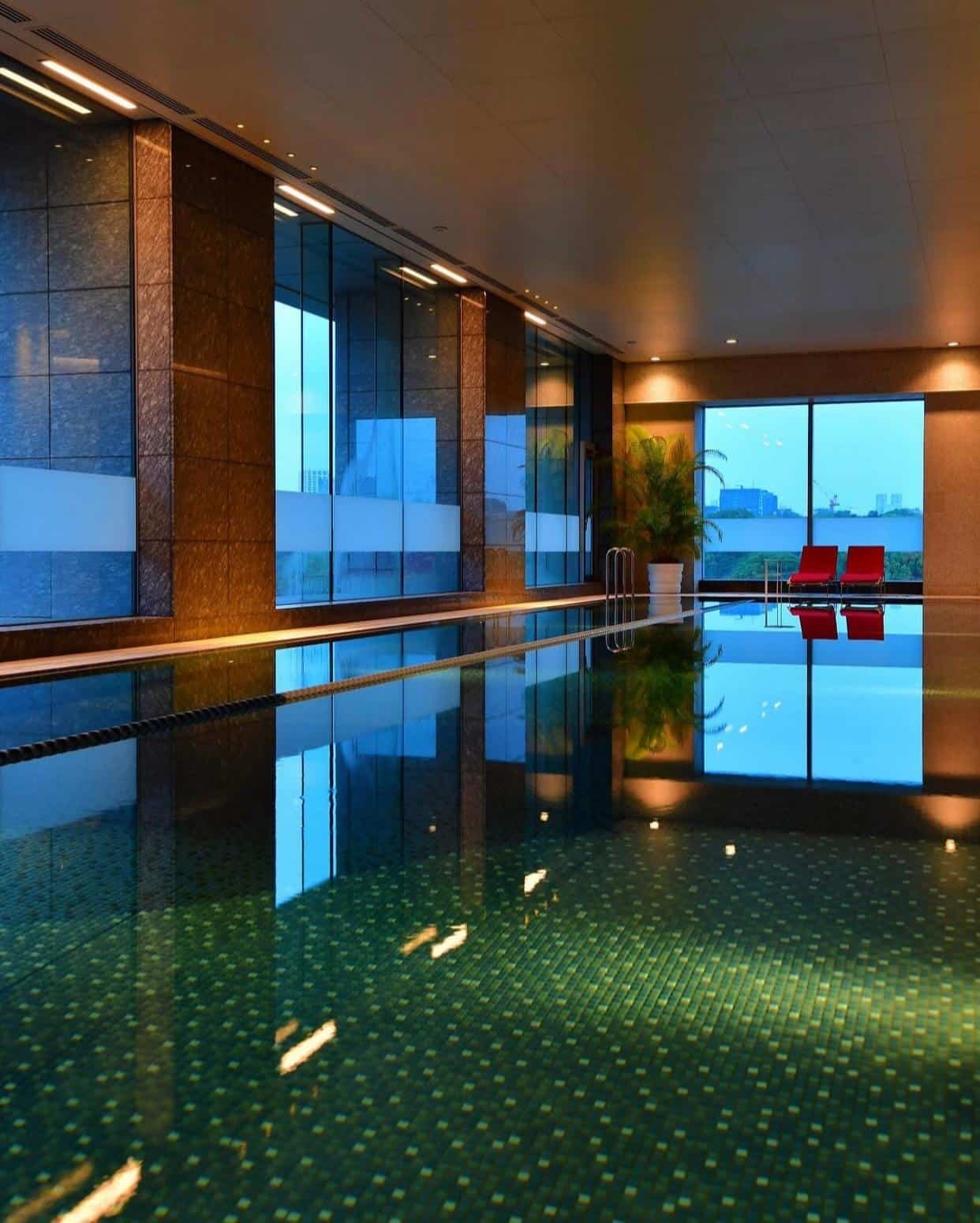
The evian spa is not decorative.
It is a geometry of calm.
Water, stone, low light.
No overpowering scents.
No heavy music.
A sensation of inner order more than atmospheric relaxation.
Well-being is not an ambiance;
it is a stable line.
· • • • ·
Sustainability — Rigor as Method
Responsibility is integrated, never showcased.
Strict reduction of plastics.
Food-waste valorization.
Short-range sourcing.
Controlled energy management.
No speeches.
No staging.
Just clean, disciplined, continuous operation.
· • • • ·
Conclusion Gloss Signature™
50% Luxury
Clean lines, controlled light, stable volumes, exact comfort, atmospheres with no excess.
A form of luxury maintained through precision.
30% Craftsmanship
Natural woods, calm stone, dense textiles, sharp finishes, discreet but impeccable Japanese materials.
20% Sustainability
Strict resource management, responsible materials, waste reduction, real and silent practices.
— In Tokyo, luxury is not displayed:
— it is mastered.
· • • • ·
© Cheval Blanc-Paris
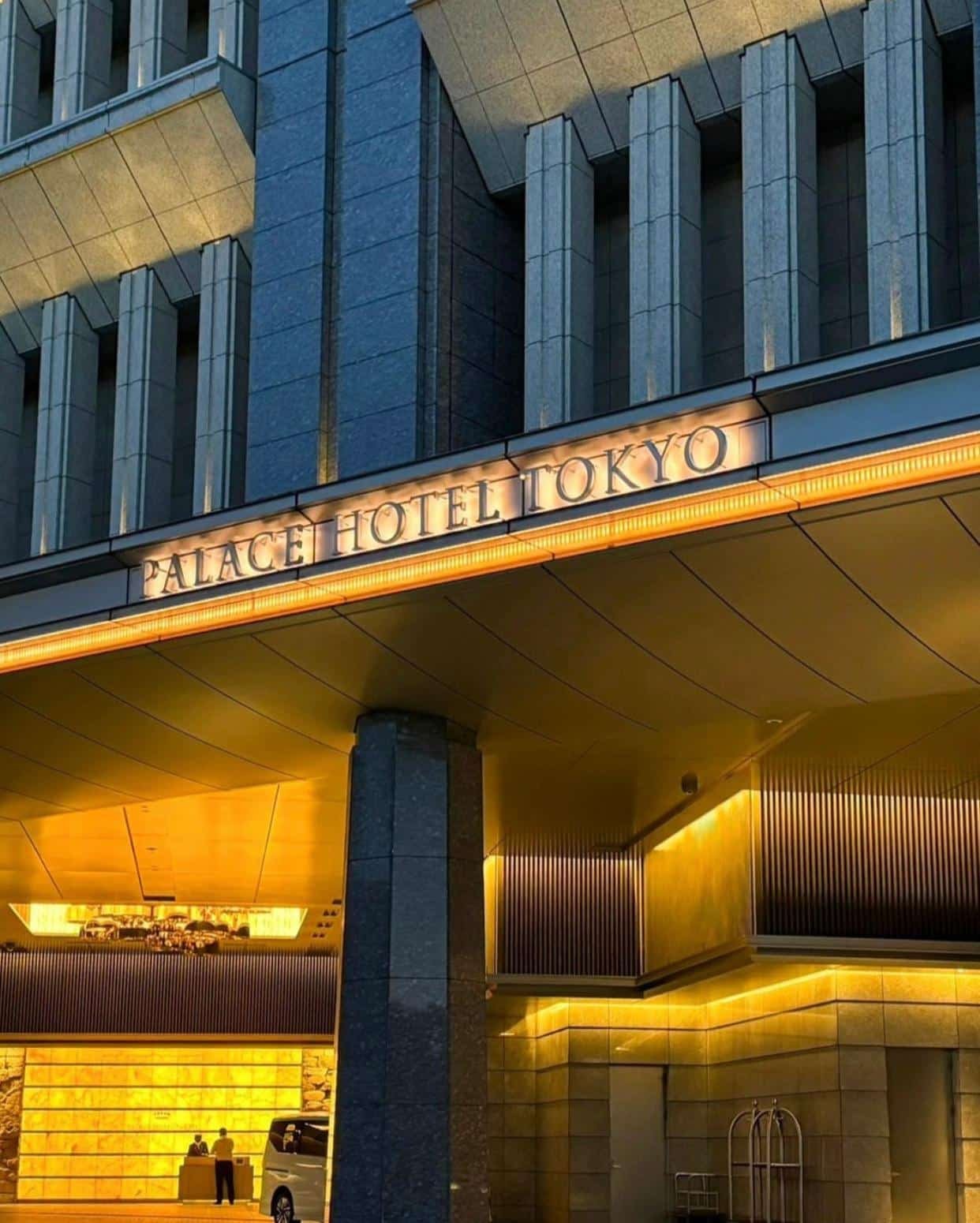
© Cheval Blanc-Paris
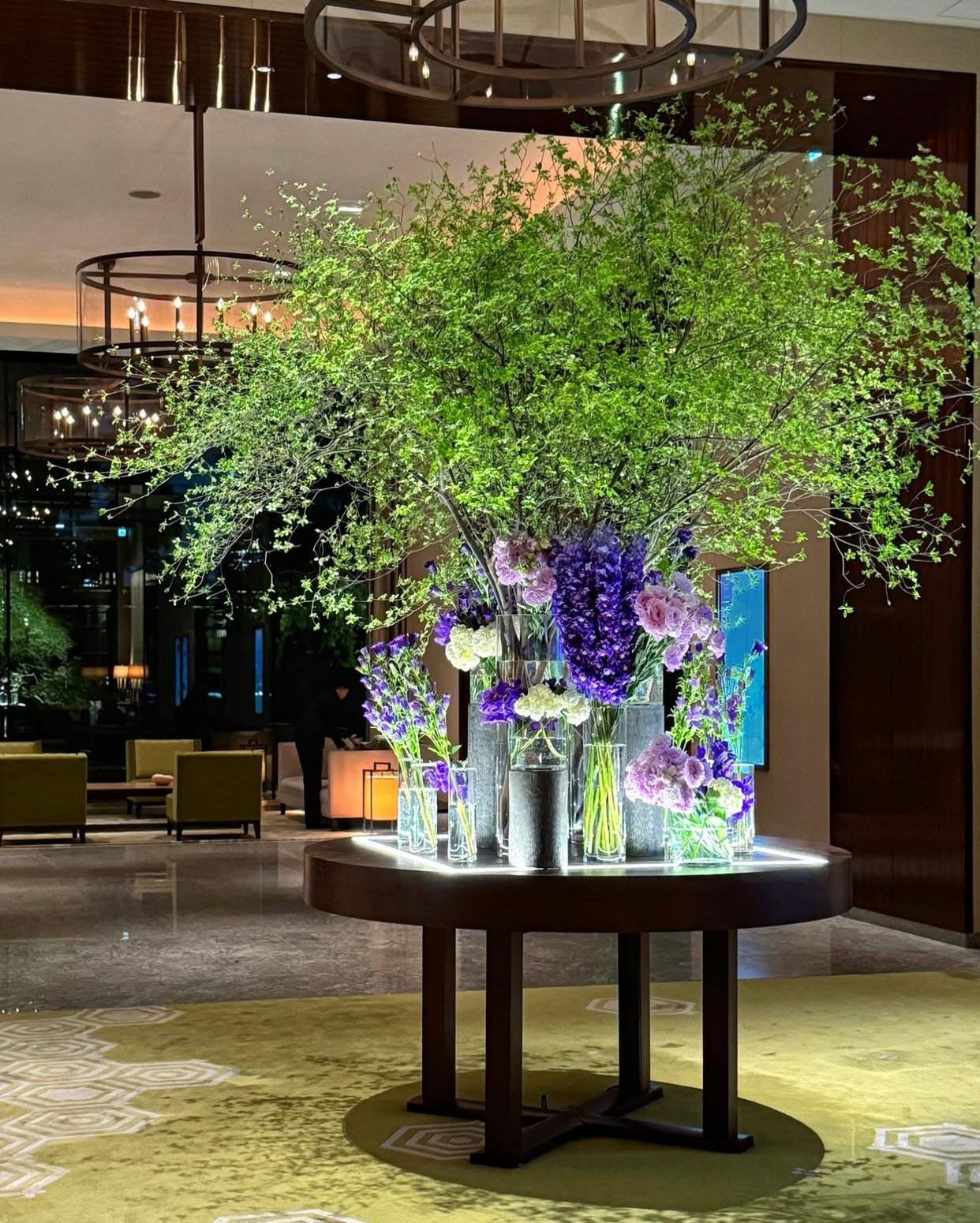
© Palace Hotel Tokyo
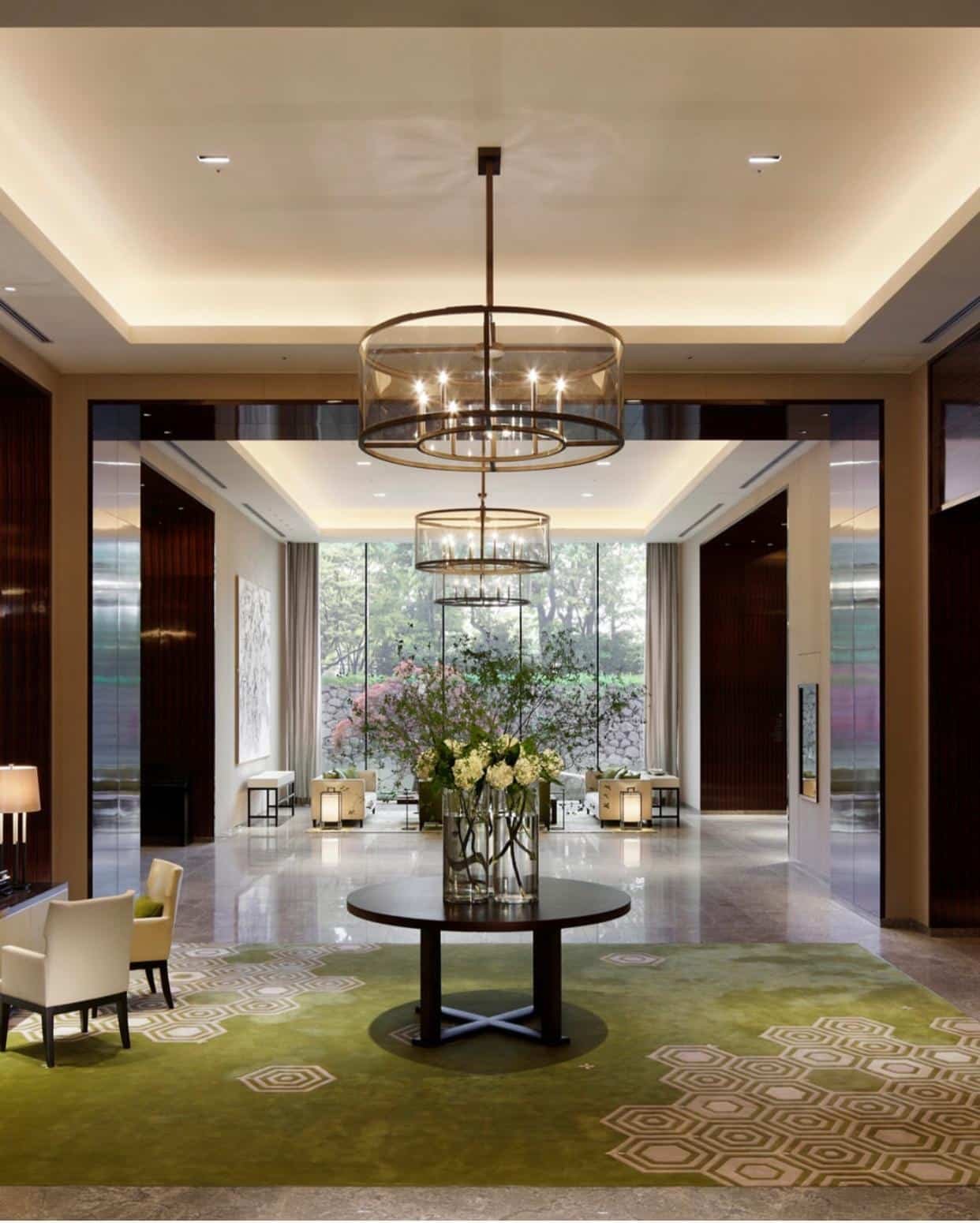
© Palace Hotel Tokyo
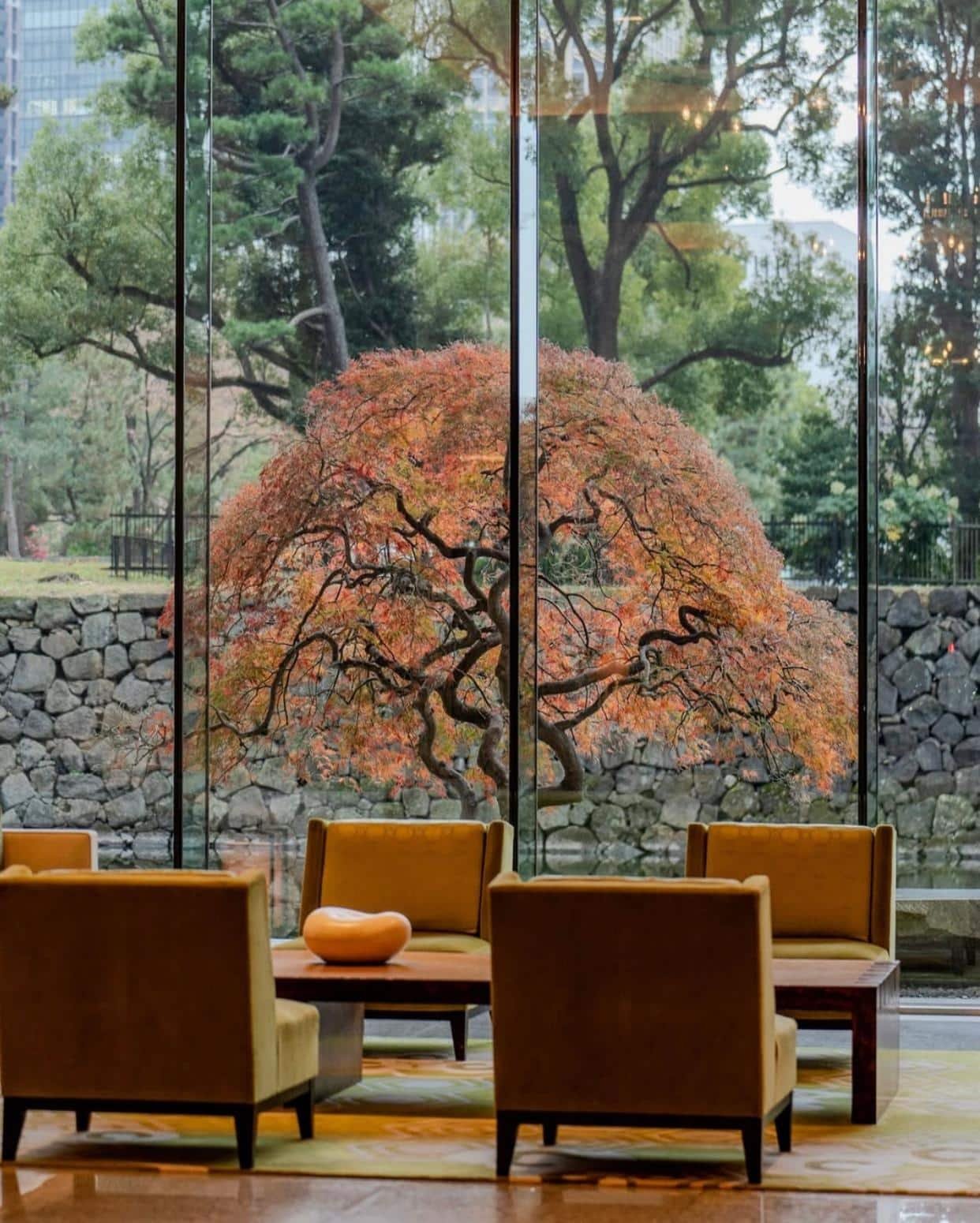
© Palace Hotel Tokyo
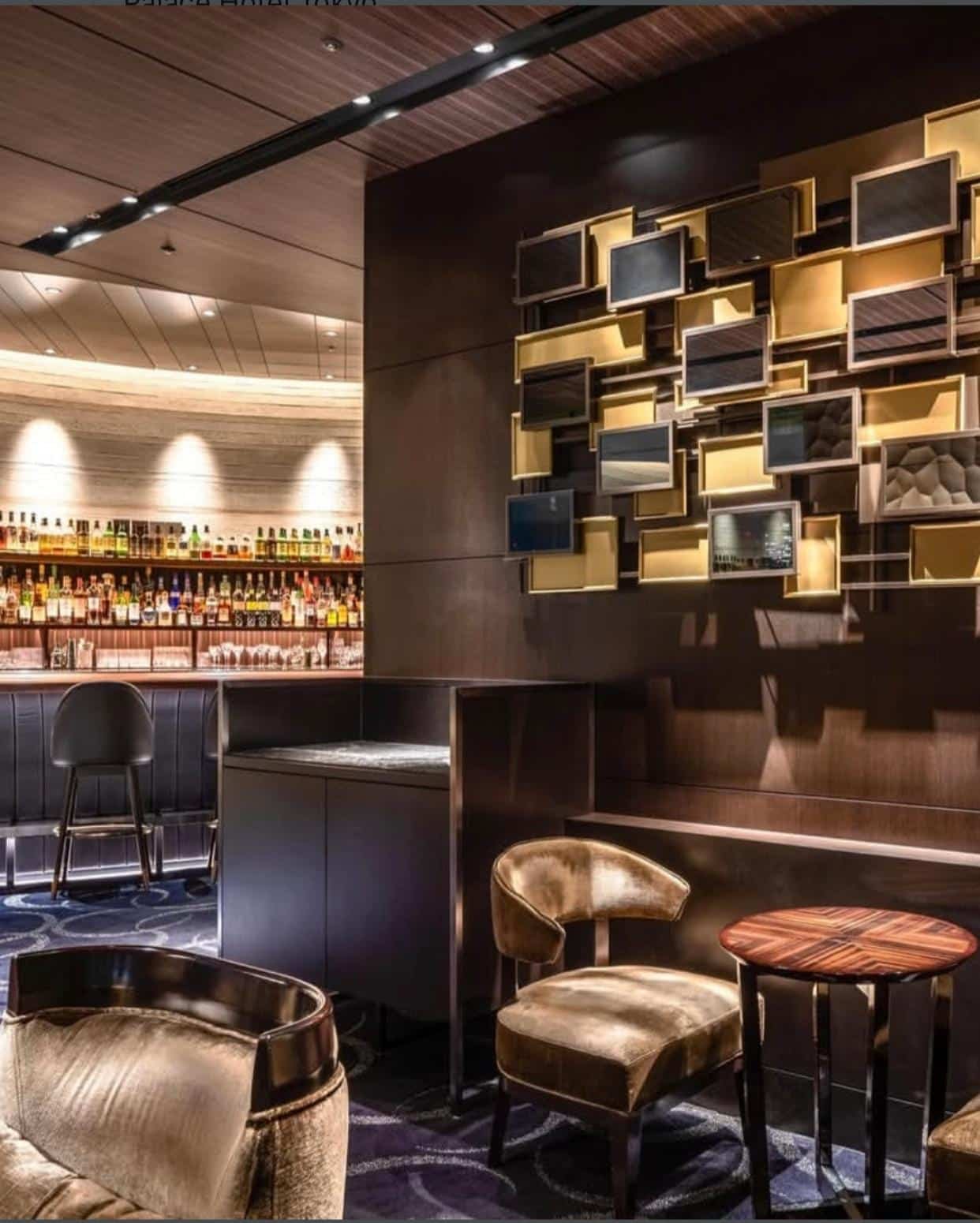
© Palace Hotel Tokyo

© Palace Hotel Tokyo
© Palace Hotel Tokyo
© Palace Hotel Tokyo
© Palace Hotel Tokyo
© Palace Hotel Tokyo
© Palace Hotel Tokyo
© Palace Hotel Tokyo
© Palace Hotel Tokyo
FAQ — Palace Hotel Tokyo
· • • • ·
1. Where exactly is Palace Hotel Tokyo located, and why is this location unique?
Palace Hotel Tokyo stands in Marunouchi, directly facing the moats and gardens of the Imperial Palace — one of Tokyo’s most iconic and protected landscapes.
From the hotel’s upper floors, the view opens onto:
— perfectly shaped pine trees,
— calm reflective water,
— a contrast between imperial nature and urban verticality.
It is a rare position:
— in the heart of Tokyo,
— at the edge of the financial district,
— in direct contact with historic greenery.
A point of balance between urban precision and the quiet breath of the Imperial Gardens.
· • • • ·
2. What is the general atmosphere of the hotel?
Palace Hotel Tokyo maintains a controlled Japanese atmosphere:
calm, clean, orderly.
Everything relies on:
— controlled light,
— natural materials,
— precise volumes,
— a complete absence of excess.
The hotel immediately conveys stability —
as if every space had been tuned to remove visual noise and install silent comfort.
— A form of luxury based on accuracy, not effect.
· • • • ·
3. How would you describe the interior design and architecture?
The interior follows a strict Japanese line:
structure, precision, continuity.
You’ll find:
— glass walls that frame the gardens rather than display them,
— sober materials: light woods, soft stone, tight textures,
— a neutral palette designed to stabilize the gaze,
— regular rhythms with no breaks.
Every space feels cut, adjusted, refined.
No superfluous décor.
No aesthetic gesture that overreaches.
— Palace Hotel Tokyo expresses architecture as discipline.
· • • • ·
4. What types of rooms and suites are offered?
Rooms are designed with functional calm in mind.
Deluxe & Premier Rooms
Clean volumes, soft colors, mineral bathrooms, views over the gardens or city.
Suites
Larger spaces, denser lines, adjusted furniture, deeper natural palettes.
Signature Suites
Panoramic openings onto the Imperial Gardens, perfectly readable geometry, comfort treated like a science: controlled acoustics, calibrated lighting, pure ergonomics.
The guiding thread:
the room as a volume of precision.
· • • • ·
5. Is gastronomy a strong point at Palace Hotel Tokyo?
Yes, but through a Japanese lens:
technique before interpretation.
Restaurants follow a strict approach:
— impeccable ingredients,
— clean gestures,
— readable flavors,
— total coherence of textures.
The cuisine avoids theatricality.
It favors calm exactness — a measured, methodical work aligned with the hotel’s architecture.
— A gastronomy that speaks the language of precision.
· • • • ·
6. Does the bar have a particular character?
Yes.
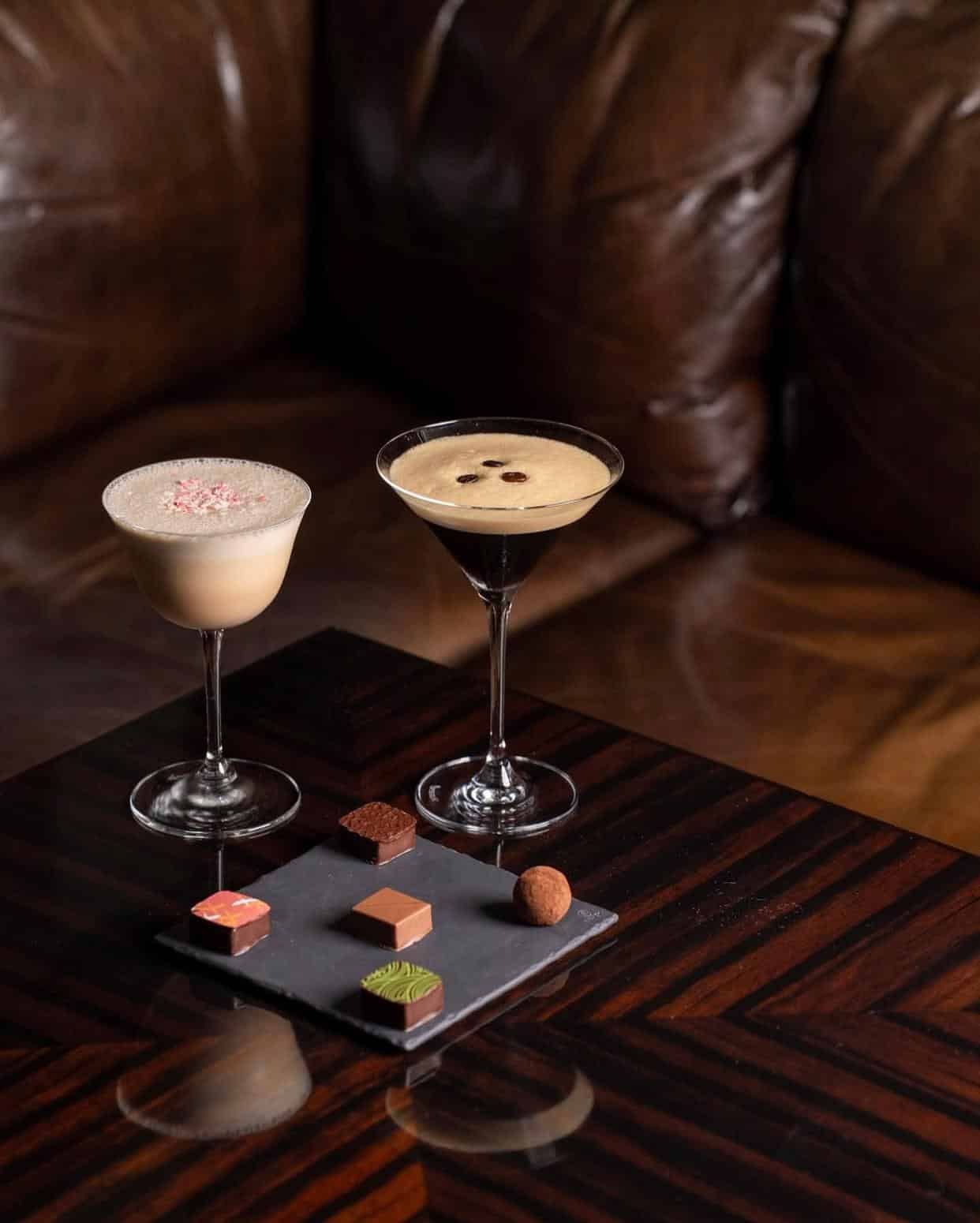
The bar is a hushed, structured space shaped by dark materials and low lighting.
Mixology follows an engineering logic:
— measured ingredients,
— mastered bases,
— clean cocktails,
— controlled compositions.
A bar for those who value aromatic clarity over visual spectacle.
· • • • ·
7. How does the service at Palace Hotel Tokyo stand out?
Service follows the modern omotenashi rule:
anticipate without imposing.
Teams operate through small, precise gestures:
— discreet observation,
— short movements,
— immediate responses,
— presence adjusted to the guest’s rhythm.
Never emphatic.
Never insistent.
A service designed as silent accompaniment.
— A rare human precision, distinctly Tokyo in spirit.
· • • • ·
8. Does the hotel feature a remarkable spa?
Yes.
The evian spa is built as an environment of balance, dedicated to one idea:
rest as architecture.
You’ll find:
— a calm indoor pool,
— technical treatments,
— low light,
— natural materials,
— a stable atmosphere.
No agitation.
No disruption.
Just serene continuity.
· • • • ·
9. Is the hotel suitable for families?
Yes — in a very Japanese way:
discreet, calm, efficient.
Connecting suites, children’s menus, clean organization, genuine attention.
Everything is designed to welcome without noise or disorder, while preserving tranquility.
— A controlled family hospitality aligned with the hotel’s spirit.
· • • • ·
10. Are pets allowed?
Yes.
With discreet, thoughtful amenities:
— cushions,
— small attentions,
— measured service.
· • • • ·
11. Does the hotel offer event spaces?
Yes, with a clear philosophy:
precise, calibrated, controlled events.
Bright rooms, full soundproofing, integrated technology.
Spaces designed for:
— private dinners,
— high-level meetings,
— discreet presentations.
— A Japanese approach: little noise, maximum efficiency.
· • • • ·
12. What are the main sustainability initiatives at Palace Hotel Tokyo?
Sustainability is methodical, never performative.
Key actions include:
— strict reduction of single-use plastics,
— food waste valorization,
— short and local sourcing,
— optimized energy management,
— responsible materials.
A simple philosophy:
operate cleanly, without staging.
· • • • ·
13. Why does Gloss Tokyo highlight Palace Hotel Tokyo?
Because this property expresses the most precise Japanese reading of contemporary luxury:
— clean lines,
— controlled calm,
— silent service,
— technical gastronomy,
— integrated sustainability.
Palace Hotel Tokyo is not an “international palace.”
It is an architecture of precision.
A place where every detail holds through discipline.
— Palace Hotel Tokyo represents disciplined luxury — the structure behind Tokyo’s elegance.
· • • • ·
Palace Hotel Tokyo
© Palace Hotel Tokyo