

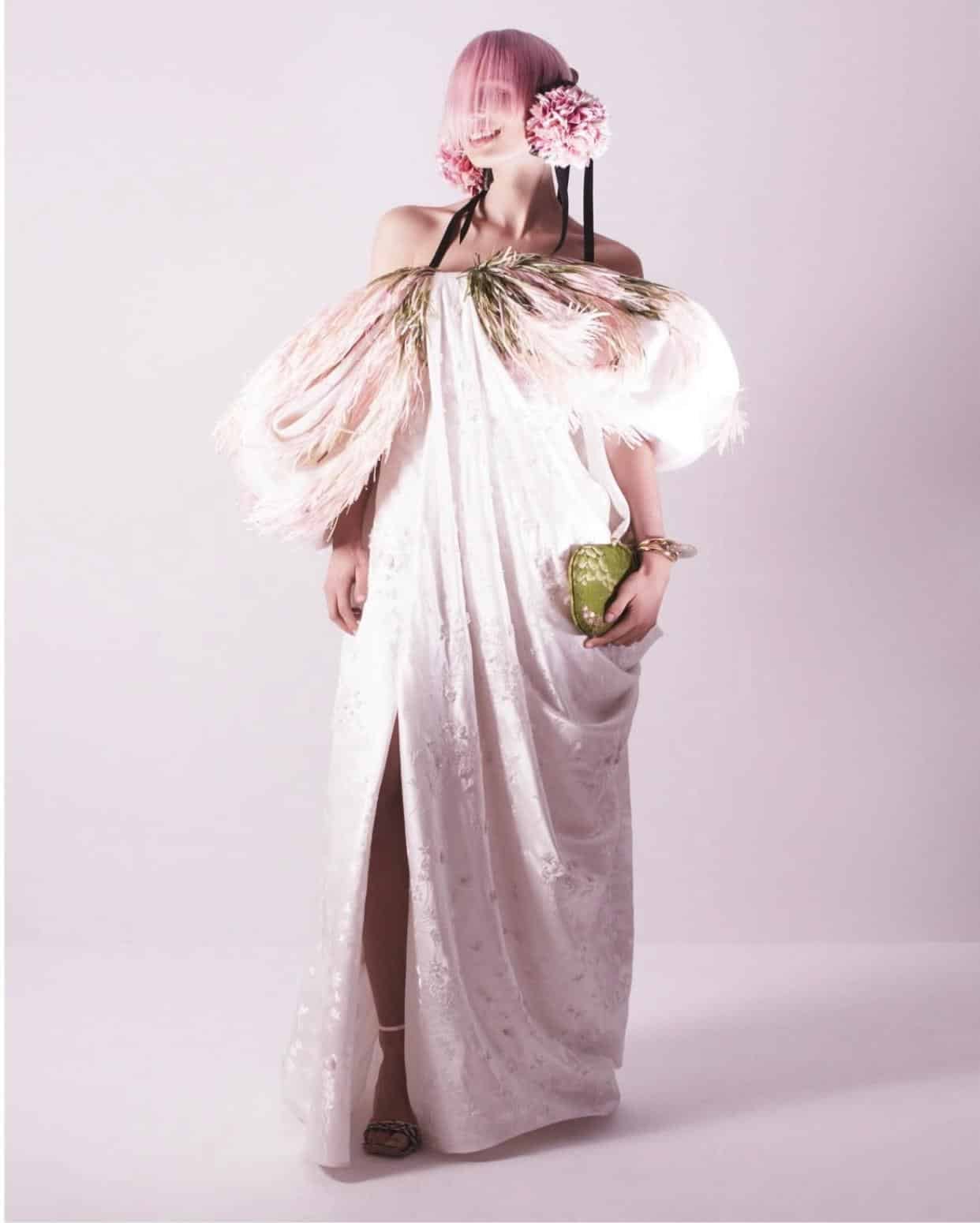
© Dior
© Dior

© Chanel
READY TO WEAR
CHANEL




© Chanel
DIOR
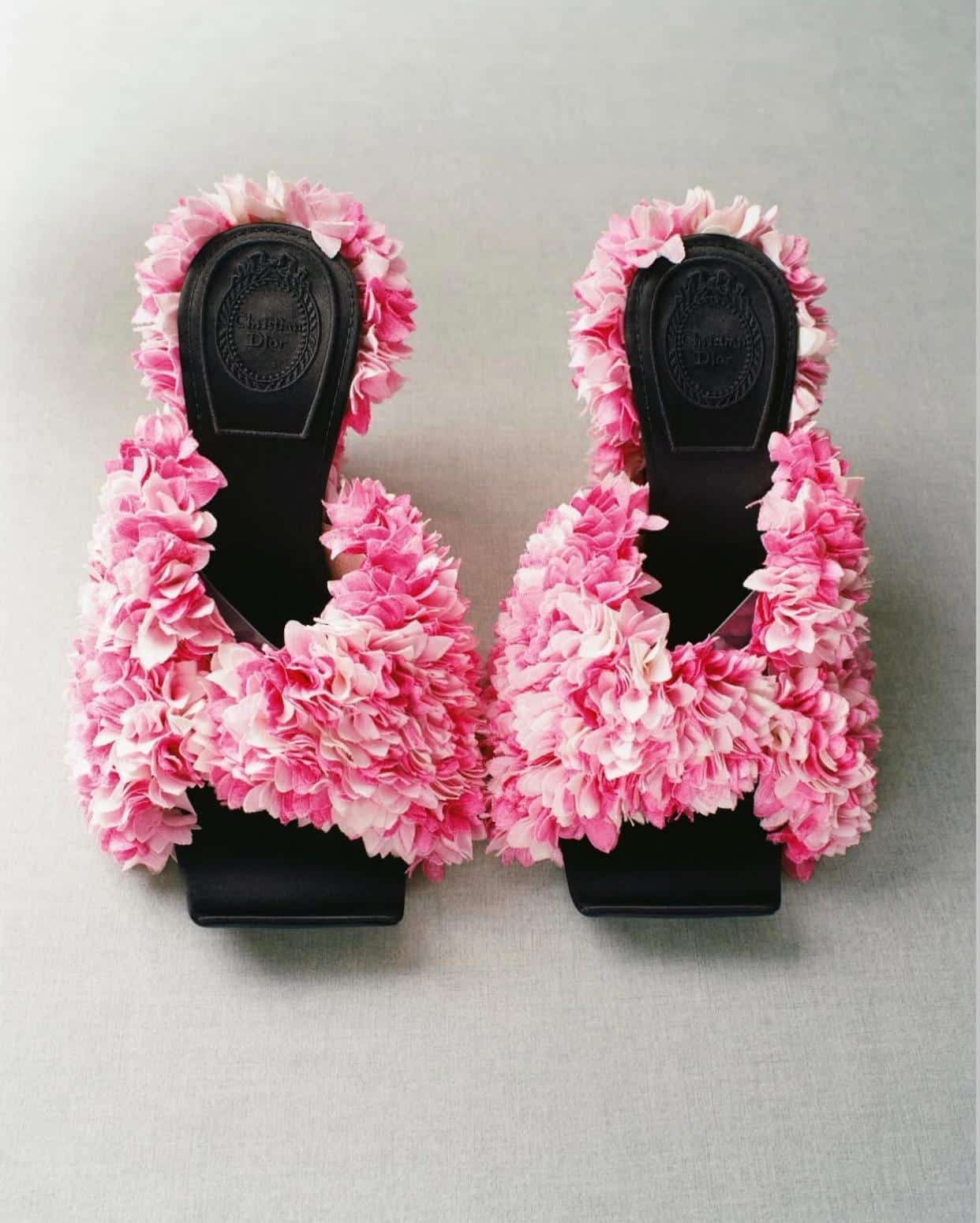
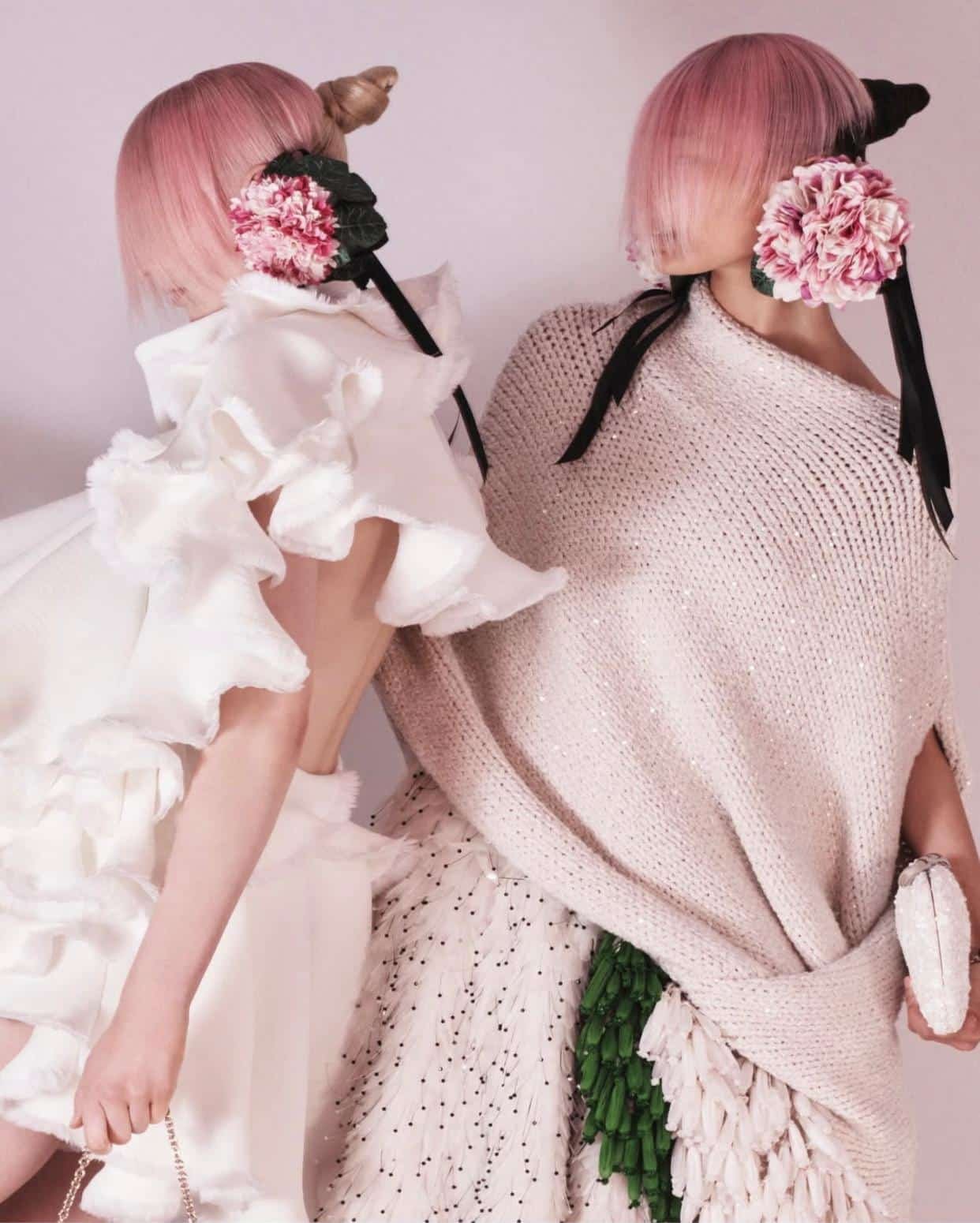

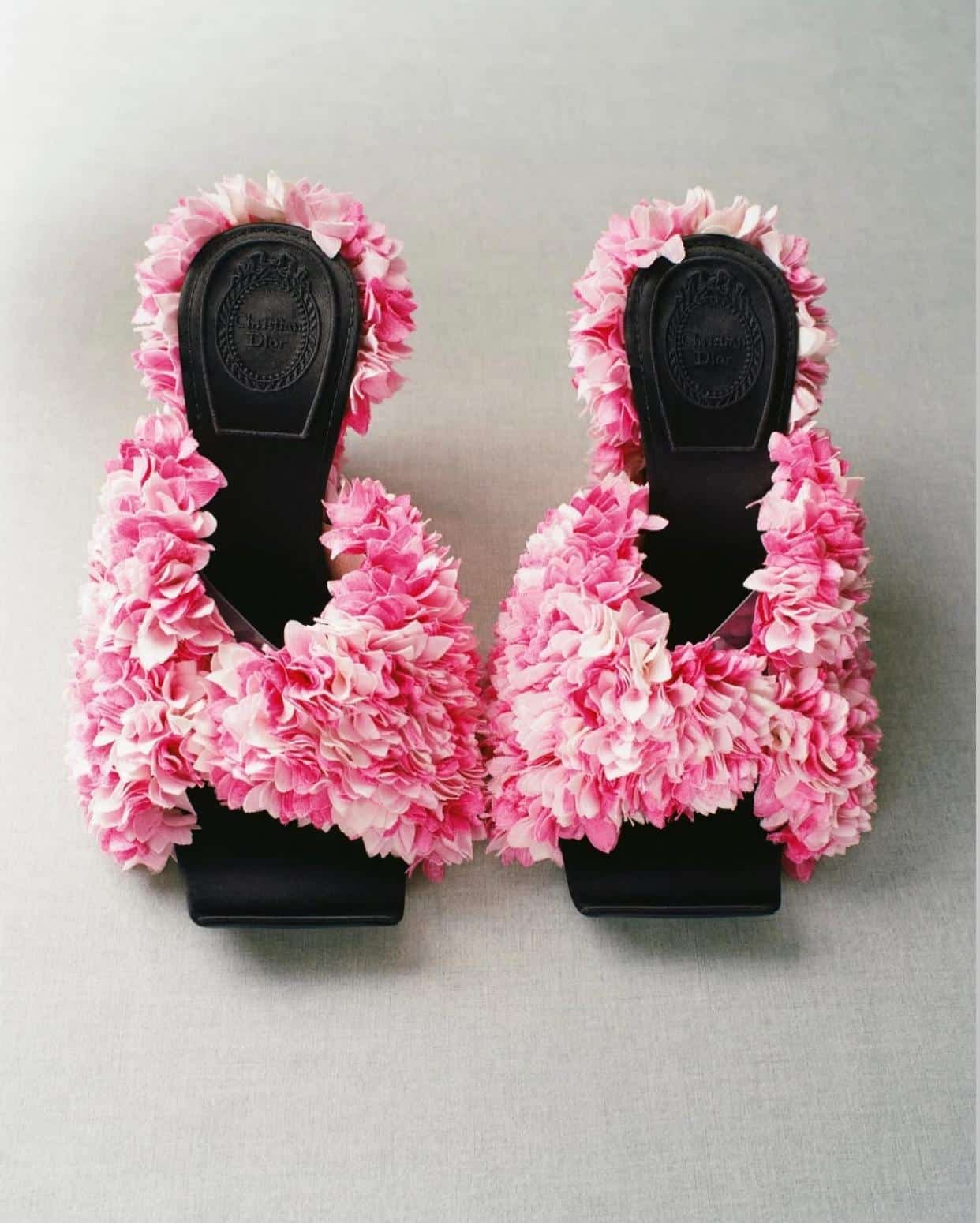
© Dior
HERMÈS
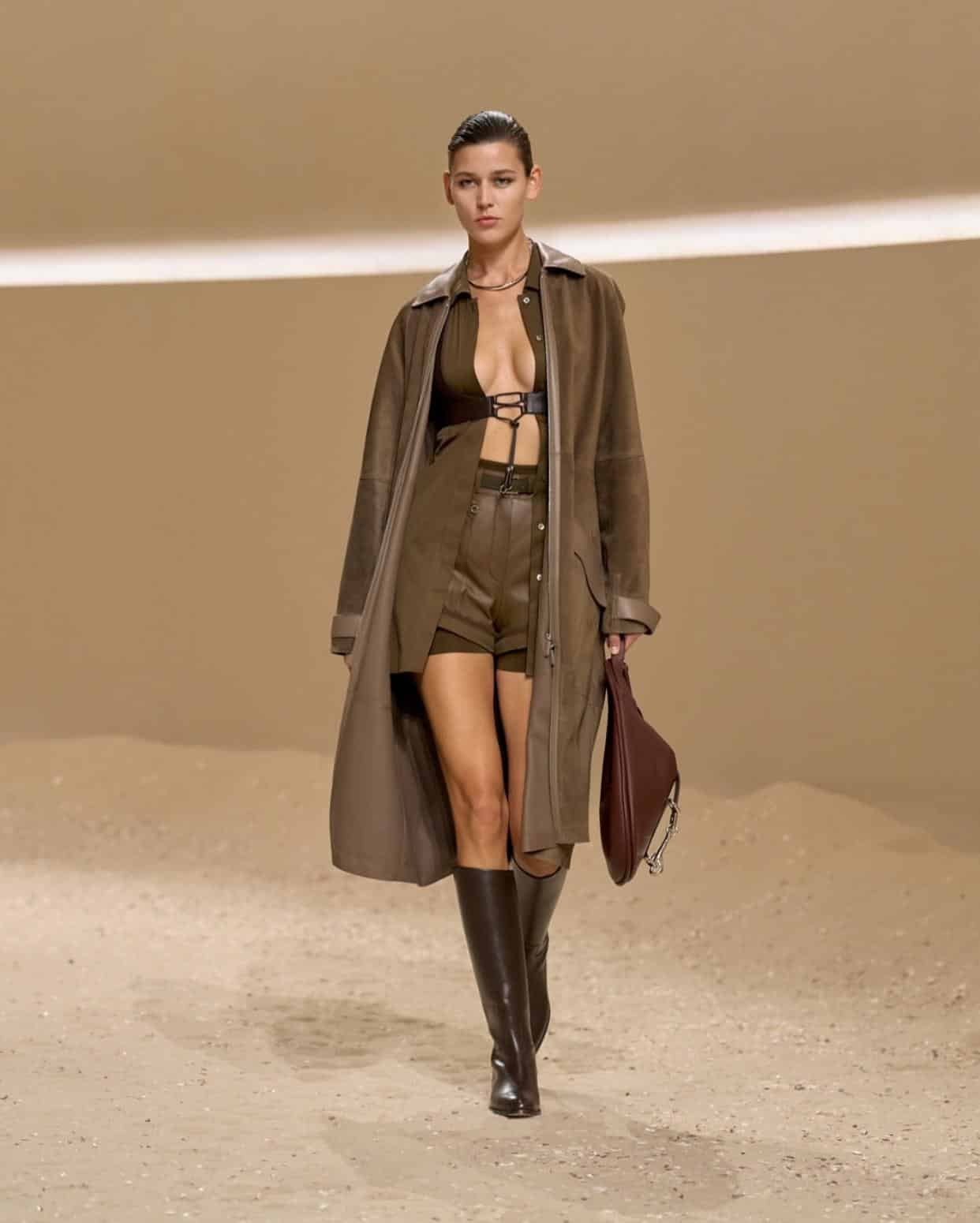
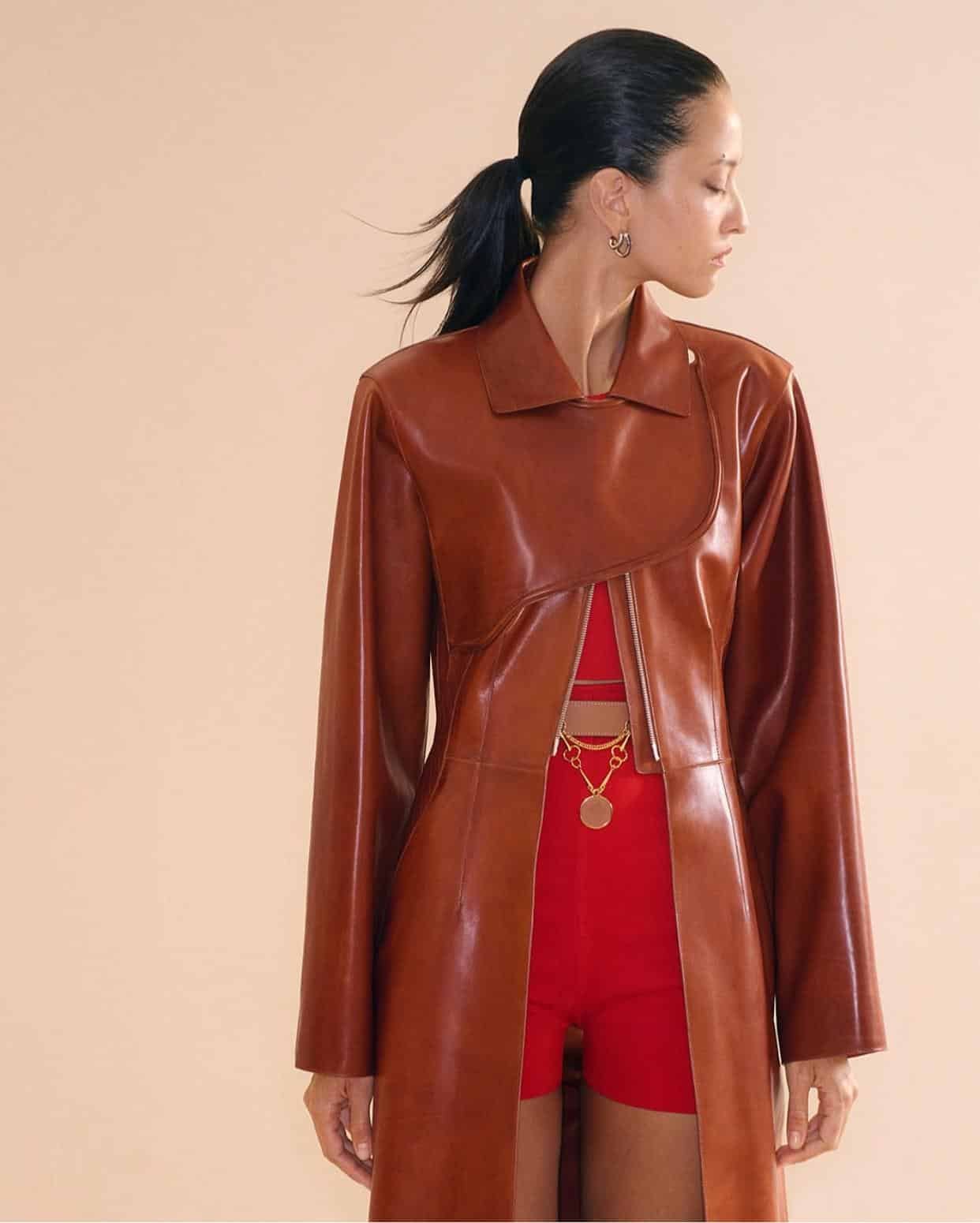
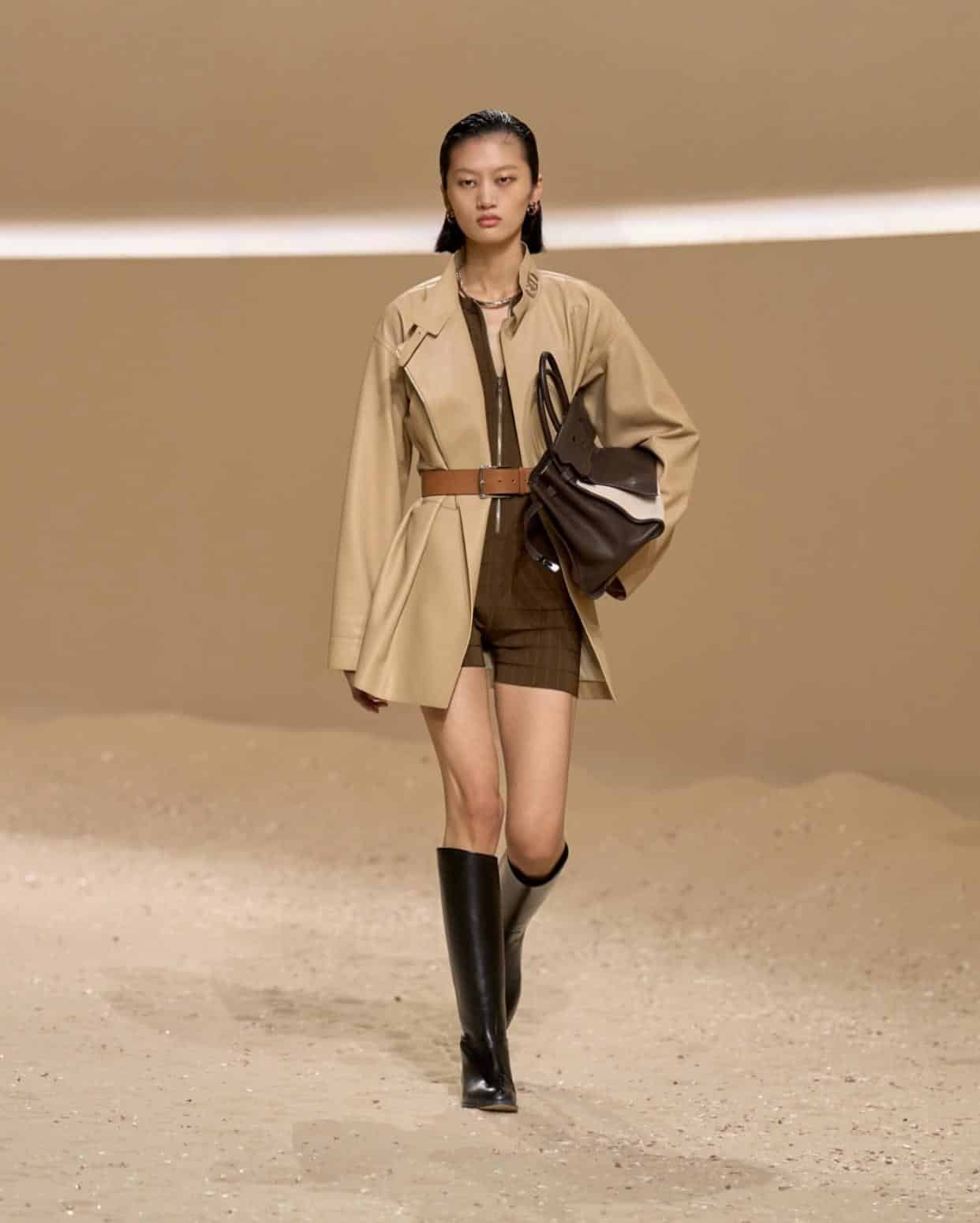
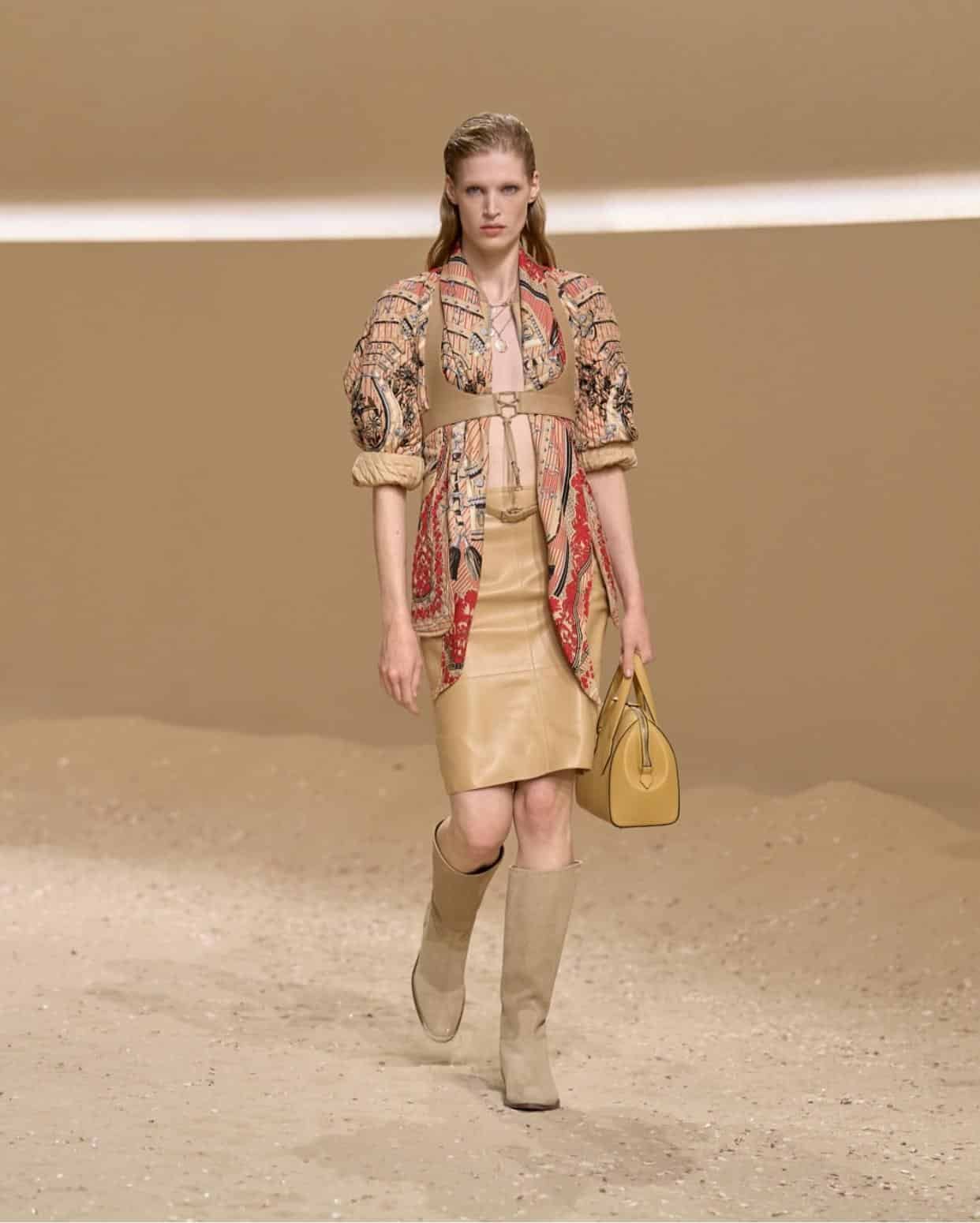
© Hermès
LOUIS VUITTON

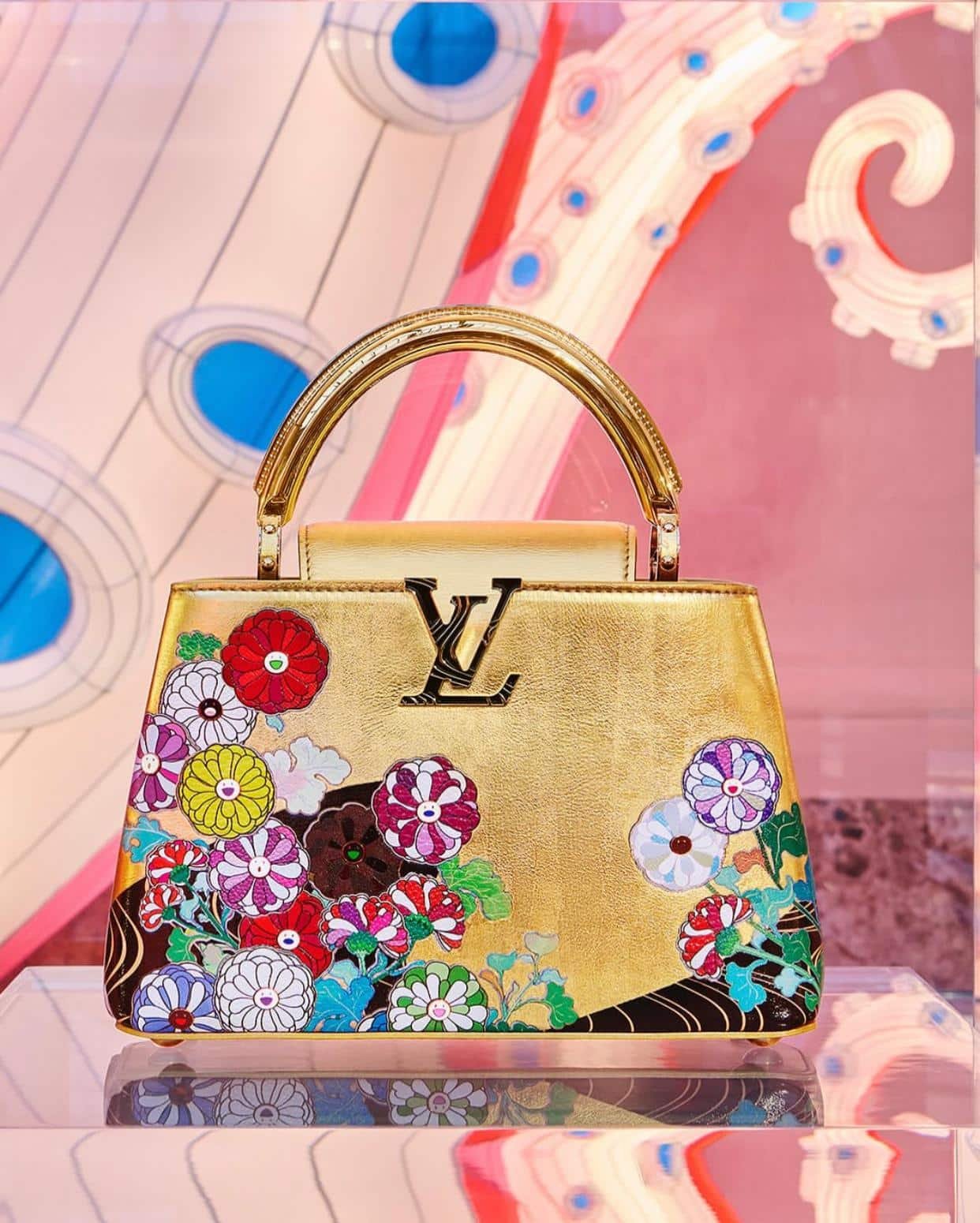


© Louis Vuitton
FAQ — Ready-to-Wear in Tokyo
· • • ·
1 — What atmosphere defines Tokyo ready-to-wear spaces?
In Tokyo, fashion spaces are not decorative.
They are structuring.
Volumes are straight, the light is white, surfaces remain calm.
Each element gives the eye a precise order.
Nothing distracts, nothing overflows.
The space functions like a silent architecture:
it stabilizes posture, regulates gestures, clarifies the silhouette.
— In Tokyo, fashion does not occupy the space.
It organizes it.
· • • ·
2 — What truly distinguishes Tokyo style?
Priority is given to accuracy.
Tokyo style relies on:
— clean verticals,
— rational volumes,
— deep tones,
— expression reduced to the essential.
Garments seek neither effect nor contrast.
They seek coherence of form, precision of movement, continuity between the person and the city.
— Tokyo favors structure over seduction.
· • • ·
3 — What is the role of the silhouette in Tokyo ready-to-wear?
The silhouette is an axis.
Everything is built around it.
It must remain readable in the urban flow:
in crowds, under direct light, in motion.
Lines are vertical yet soft,
layering creates clean transitions,
volumes stay mobile without losing their hold.
— The Tokyo silhouette does not explain.
It sets a frame.
· • • ·
4 — What are the essential pieces of the Tokyo wardrobe?
Pieces designed to function in a dense city:
— architectural coats,
— wide but controlled trousers,
— minimal shirts,
— technical jackets,
— disciplined monochromes,
— precise layering.
Each piece establishes a line,
absorbs light without shining,
creates continuity between indoors and outdoors.
— The Tokyo wardrobe seeks clarity, not impact.
· • • ·
5 — Why are materials so important in Tokyo?
Because materials must withstand speed, light and repetition.
Tokyo requires:
• dense or technical textiles,
• impeccable structure,
• constant visual cleanliness,
• balanced response to white light,
• movement absorption without deformation.
The right material is the one that steps back,
the one that lets the line do the work.
— In Tokyo, material is a support, not a demonstration.
· • • ·
6 — What role do Japanese ateliers play?
Ateliers operate like laboratories.
Each gesture is calibrated:
internal seam smoothing,
directional pressing,
millimetric volume adjustments,
successive corrections until complete stability.
A garment is never improvised:
it is calibrated, controlled, stabilized.
— In Tokyo, gesture is a method.
· • • ·
7 — How does the city influence style?
Tokyo imposes a geometric rhythm.
Straight avenues,
human density,
front-facing light,
continuous movement.
Garments must resist, follow, adapt.
They must remain clean, readable, stable — even at high speed.
— In Tokyo, style is a response to the city’s geometry.
· • • ·
8 — How does Tokyo approach durability?
Through logic, never through messaging.
Durability means:
• resistant materials,
• reinforced seams,
• precise construction,
• repairability,
• timeless volumes,
• optimized atelier processes.
Garments are designed to last,
not to be replaced.
— In Tokyo, lasting is a rule, not an argument.
· • • ·
9 — How should one choose a Tokyo piece?
You choose according to the line, not the effect.
A Tokyo piece must:
• stabilize the silhouette,
• accompany walking,
• absorb light without excess,
• maintain a calm presence,
• perform in the city.
The right piece is the one that clarifies the form,
not the one that attracts the eye.
— In Tokyo, the right garment is the one that holds.
· • • ·
10 — Why does Tokyo ready-to-wear naturally align with the Gloss model (50/30/20)?
Because Tokyo operates according to this balance:
50% Luxury
Clean lines, stable atmosphere, visual control.
30% Craftsmanship
Disciplined ateliers, regulated gestures, controlled volumes.
20% Sustainability
Resistant materials, optimized processes, structural longevity.
Tokyo does not chase trends.
It seeks precision, structure and continuity.
— Tokyo style is a silent discipline.
· • • • ·