


© Chanel

© Chanel

© Chanel
CHANEL
CHANEL Ready-to-Wear Tokyo
The Couture Line in Japan’s Visual Discipline
Tokyo — The City That Reveals the Structure of Style
· • • ·
The Spirit of the Place — Style Confronted With Light That Never Lies
Tokyo doesn’t look at CHANEL fashion as an effect.
It reads it as a construction.
Under this cold, directional light —
where every urban surface reflects an almost clinical precision —
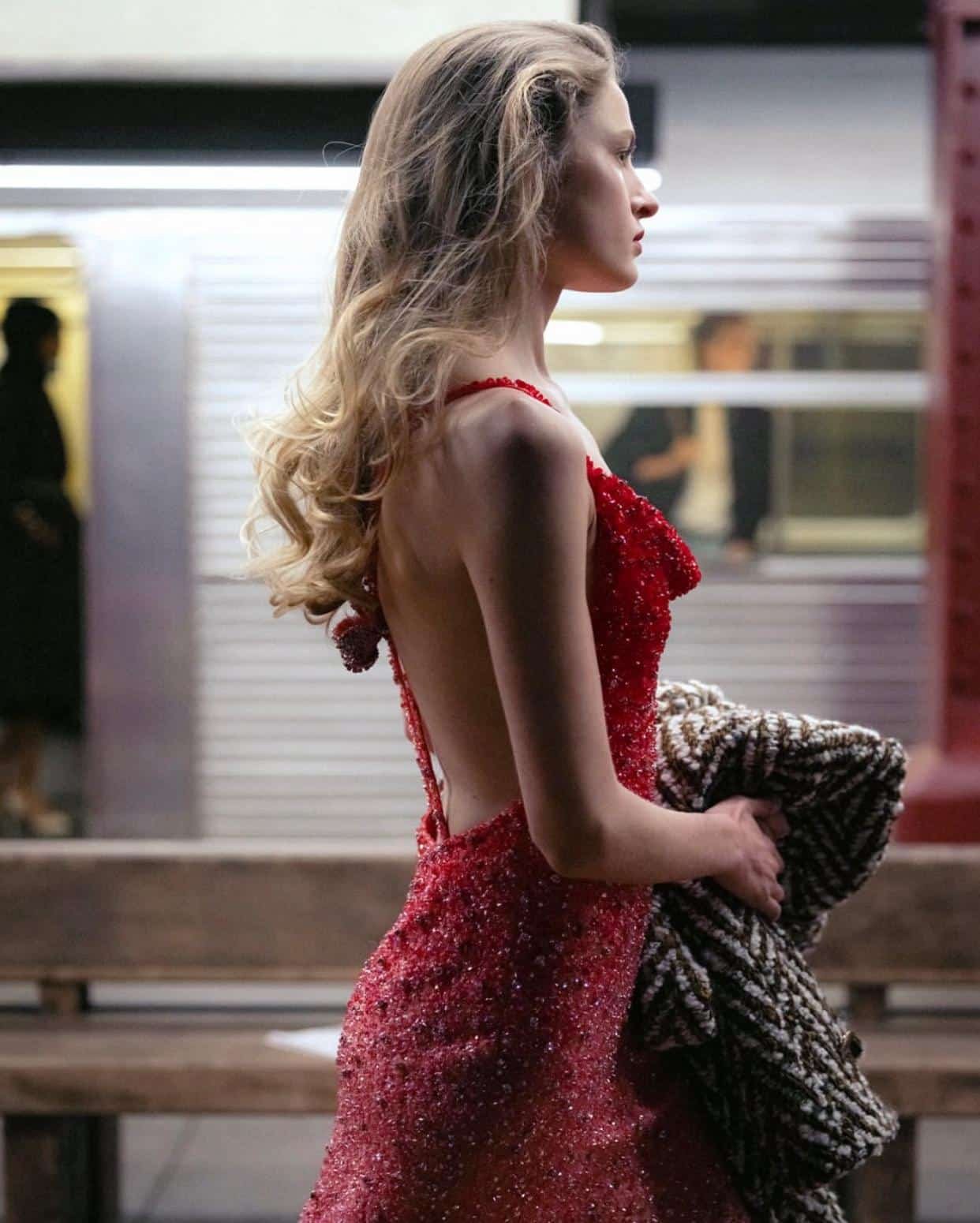
the CHANEL silhouette reveals its internal geometry:
line, proportion, tension, coherence.
Paris suggests an allure.
Tokyo offers a reading.
In a city where visual discipline is everywhere —
in architecture, in movement, in its composed silence —
CHANEL clothing doesn’t lose strength.
It gains accuracy.
Tokyo filters out anything decorative.
It keeps only what is right.
An ideal environment for a style grounded in structure.
· • • ·
Signatures — Silhouettes, Materials, Codes
1. Line — An Allure That Becomes Architecture
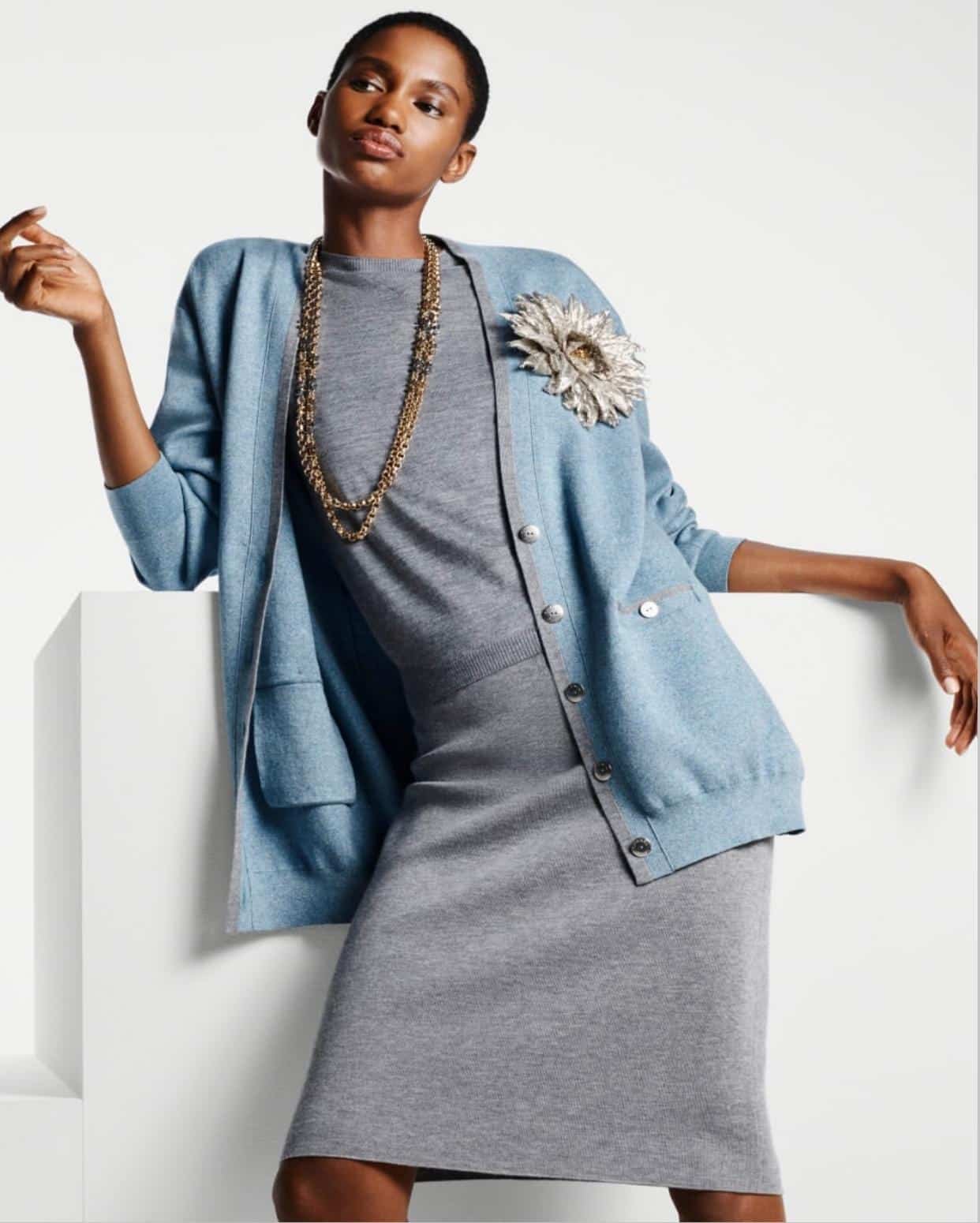
The CHANEL line, designed to accompany movement, finds perfect clarity in Tokyo.
The light outlines:
— the tension of a shoulder,
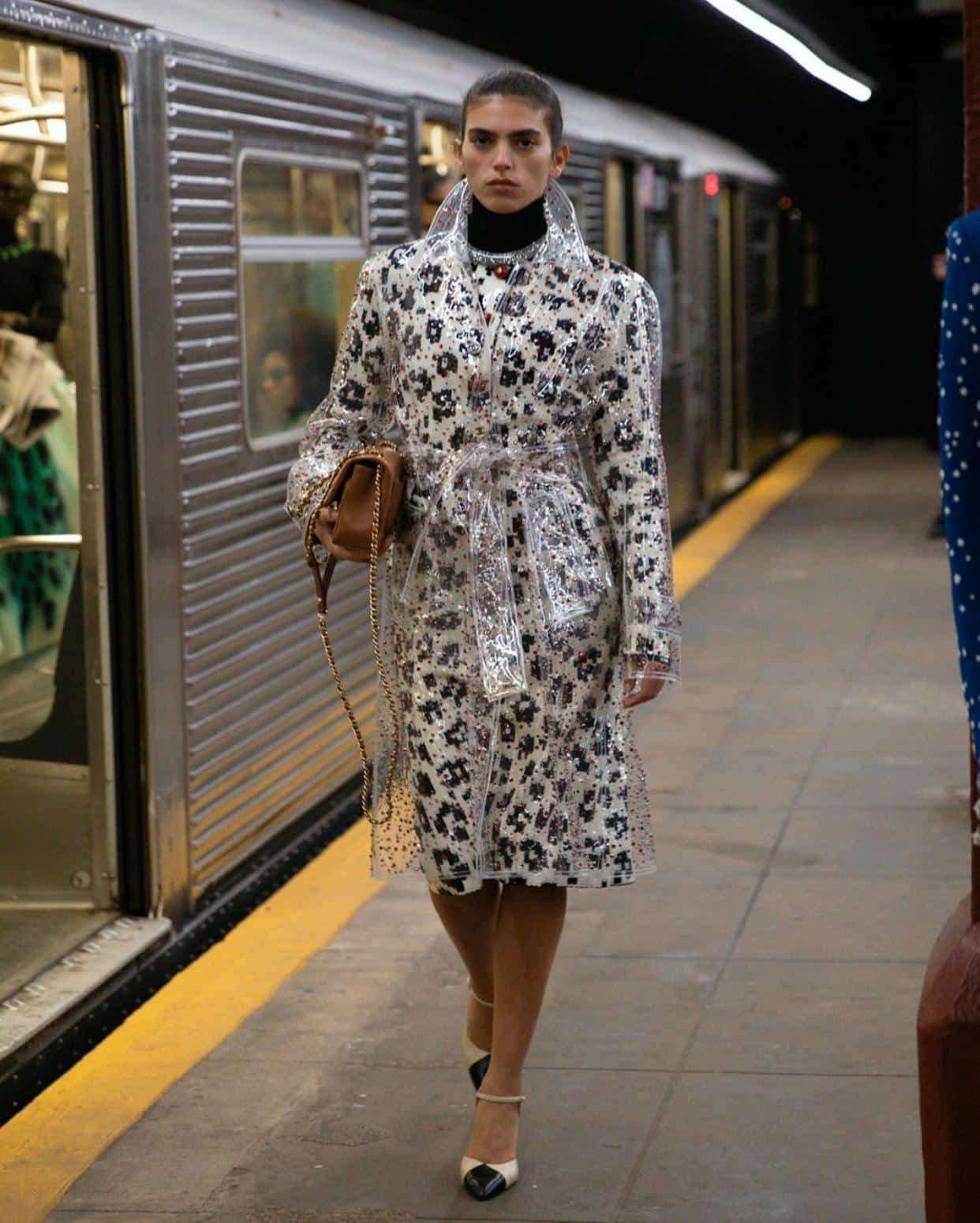
— the verticality of a coat,
— the stability of a straight cut,
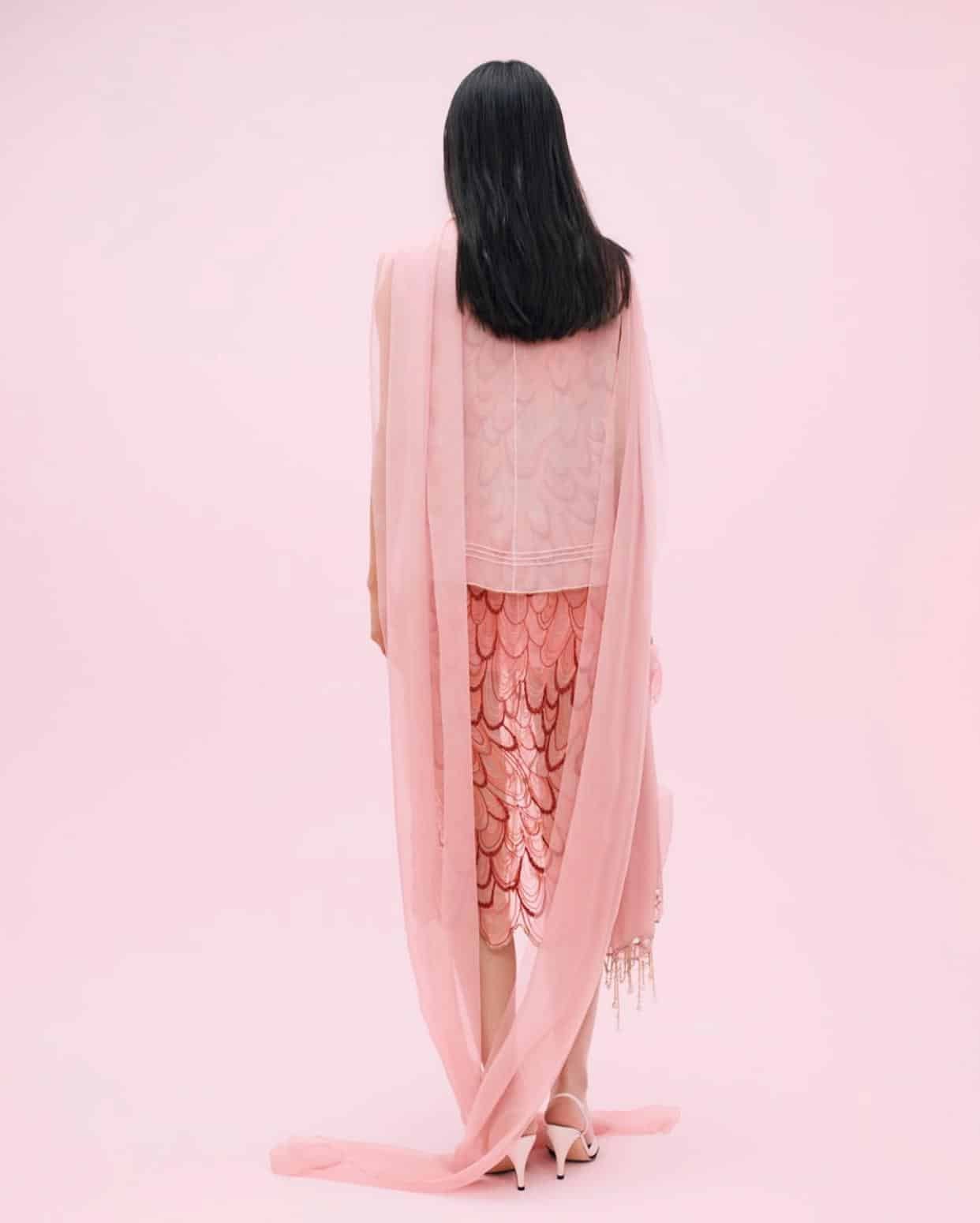
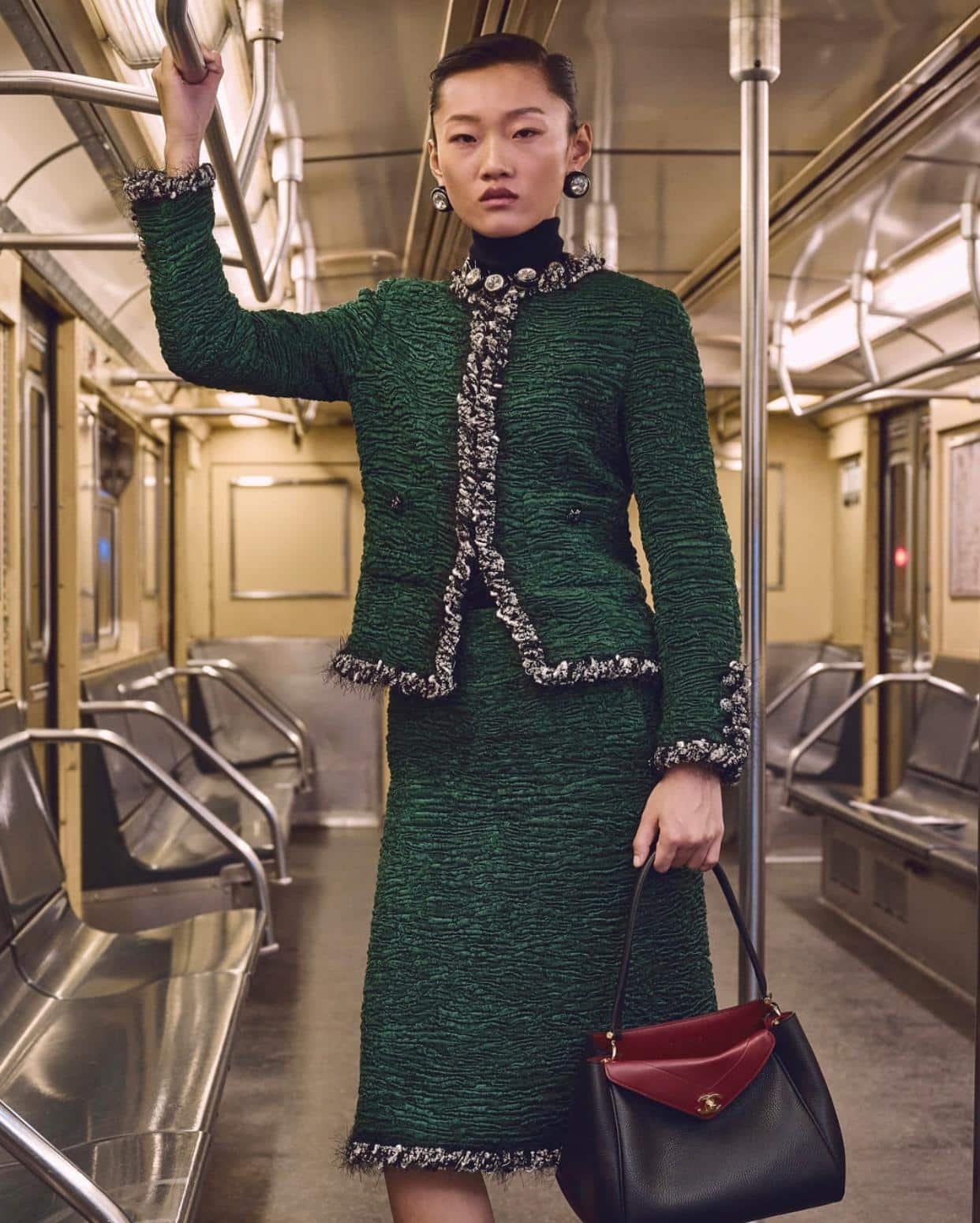
— the precision of tweed.
The style doesn’t float.
It holds.
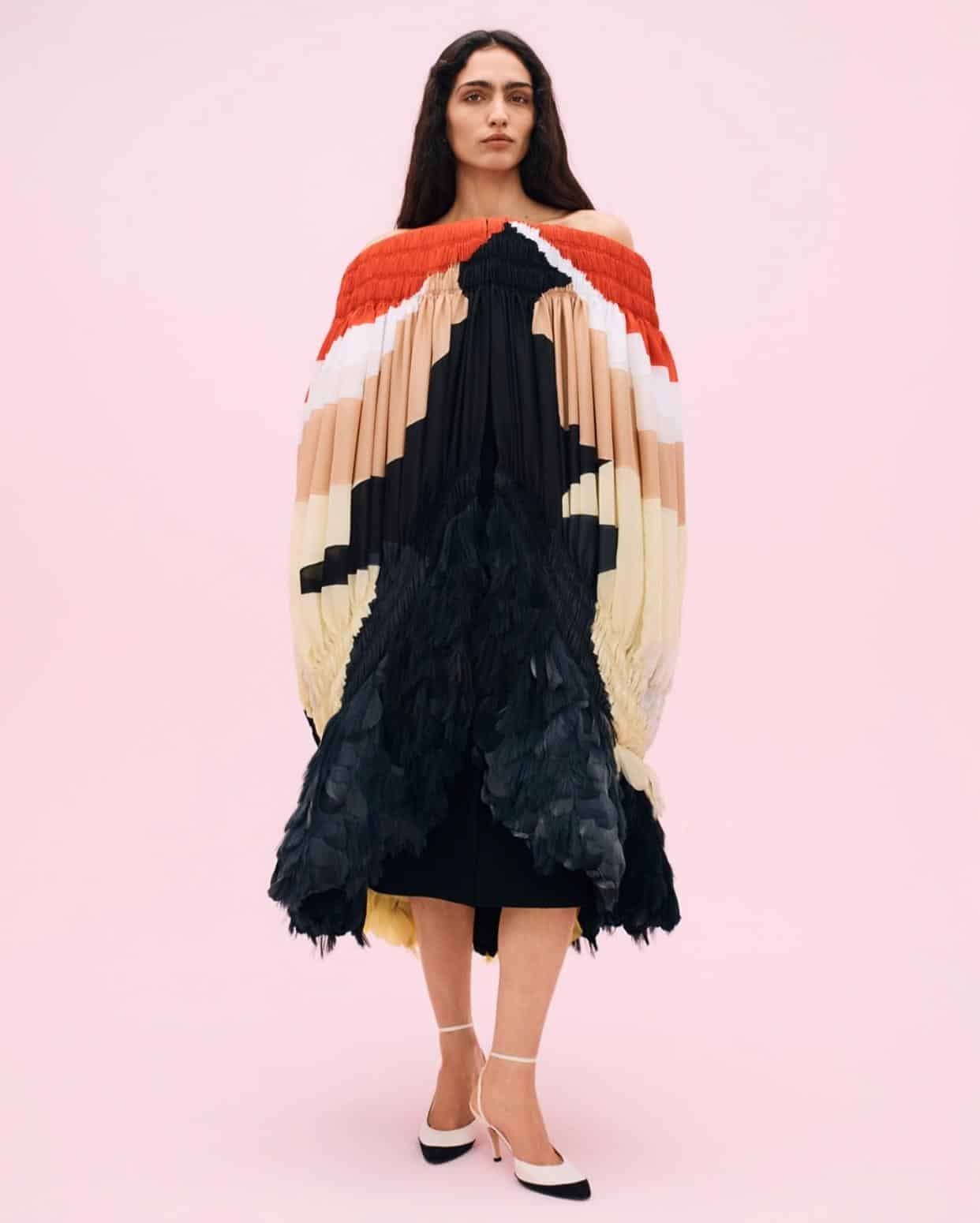
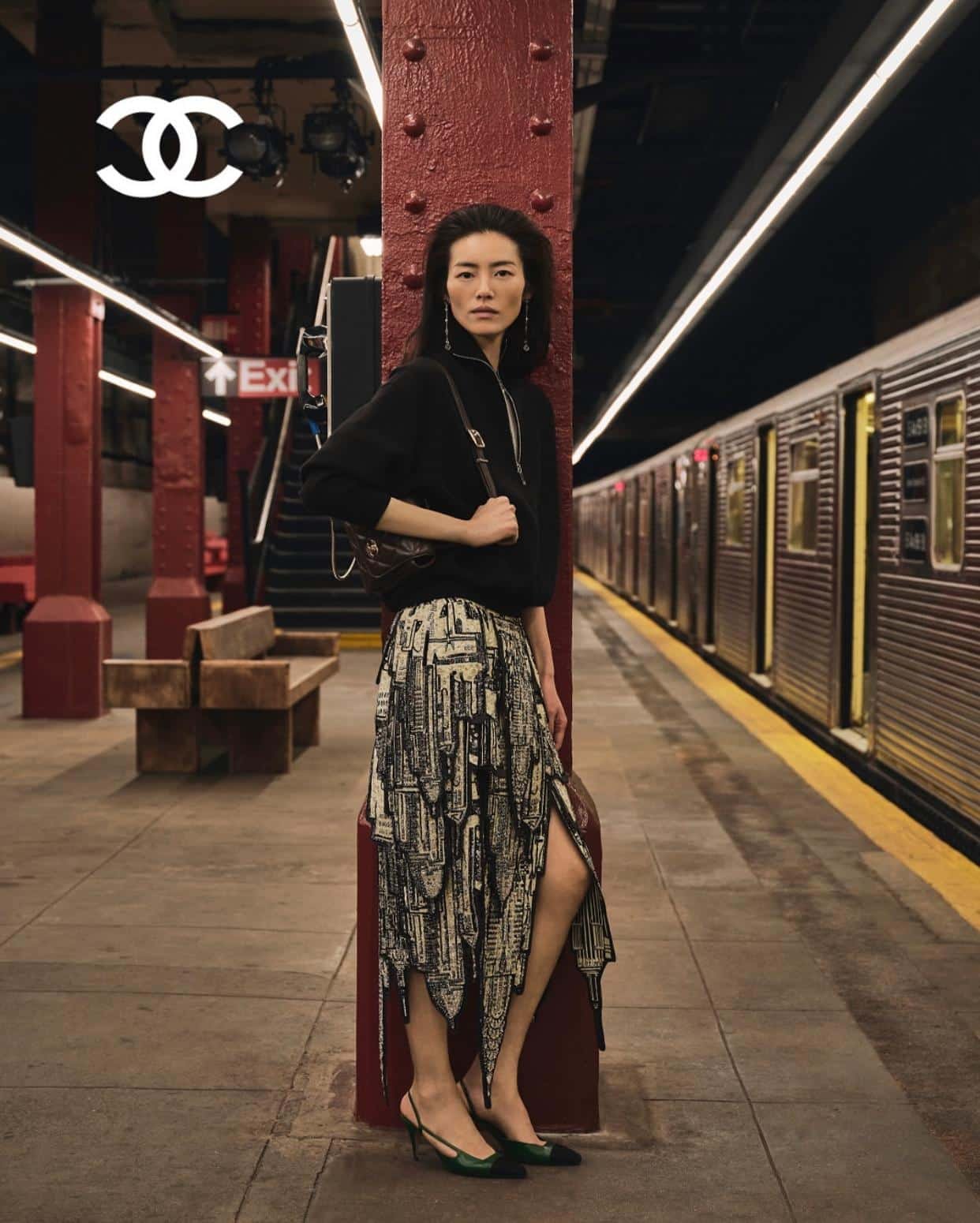
2. Volume — A Composed Presence
CHANEL volumes naturally refine within Tokyo’s geometry.
The city imposes a discipline that highlights proportional coherence.
Silhouettes become:
clean,
calm,
balanced.
Here, a successful jacket isn’t spectacular.
It is stable.
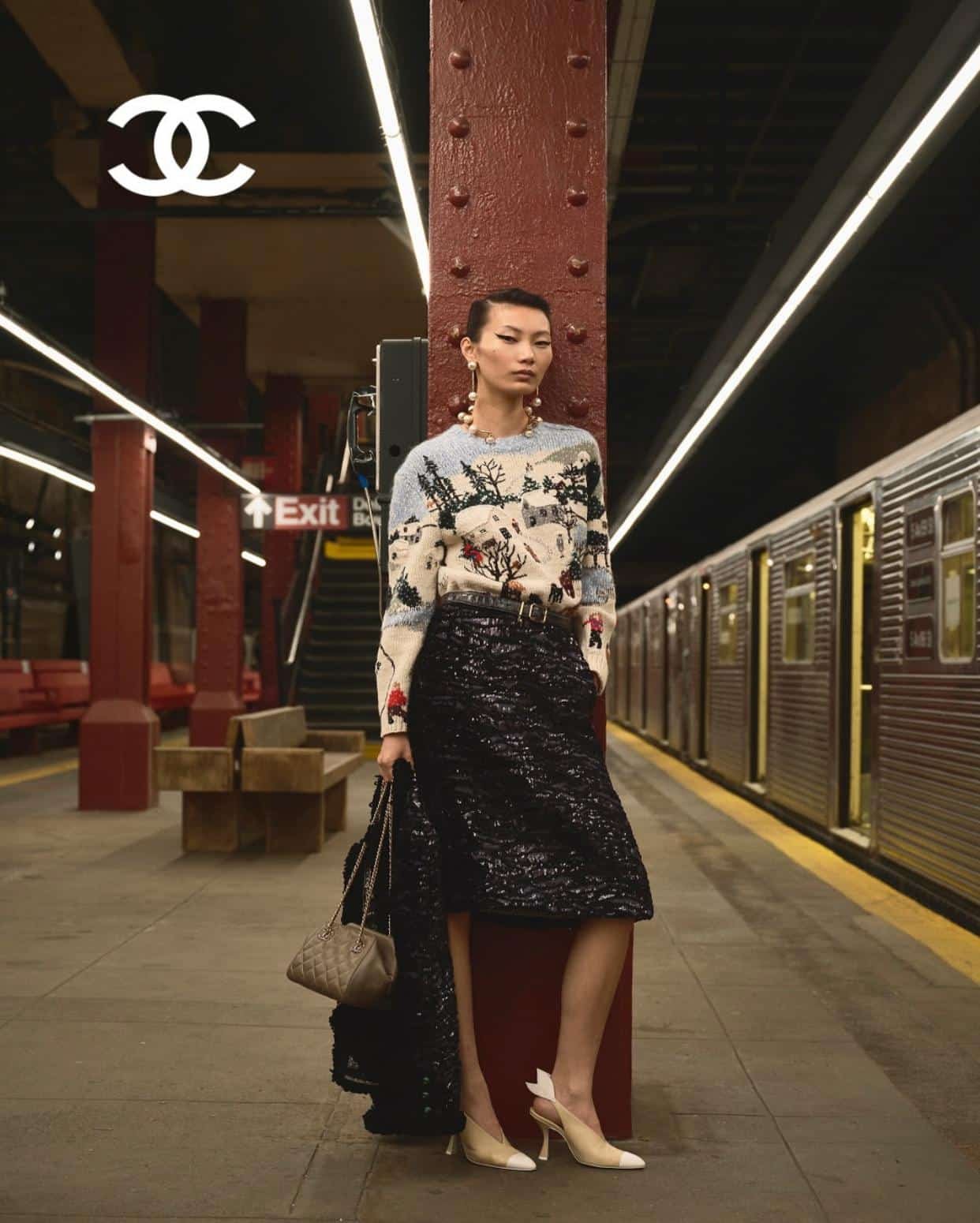
3. Material — A New Reading of Tweed and Textures
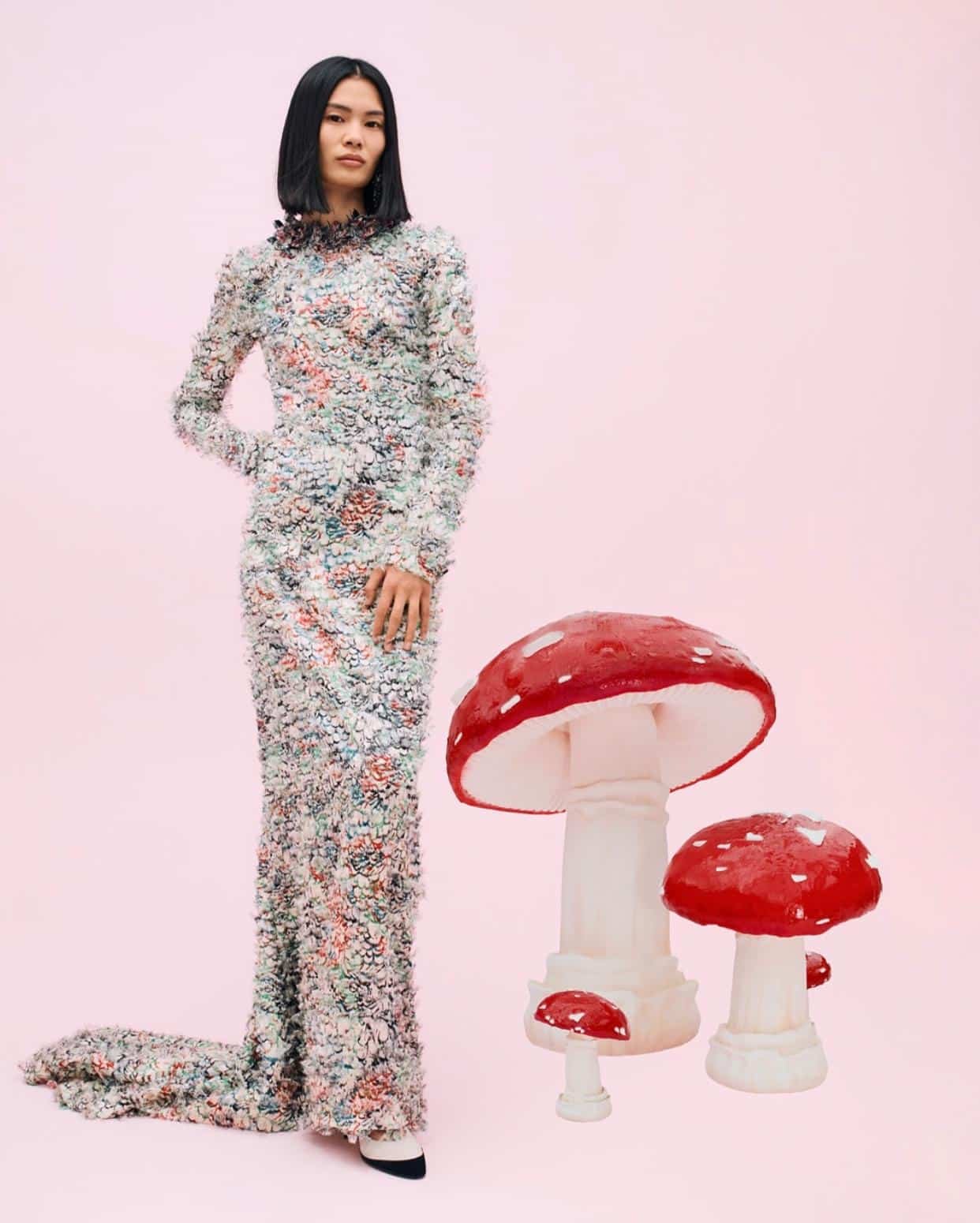
CHANEL tweed gains unexpected depth in Tokyo.
Japanese light reveals:
the density of the weave,
the regularity of the structure,
the fineness of the yarns.
Silks become brighter.
Knits become more graphic.
Tokyo transforms CHANEL materials into analytical surfaces —
and this is where their perfection reads the clearest.
4. Codes — From Motif to Structure
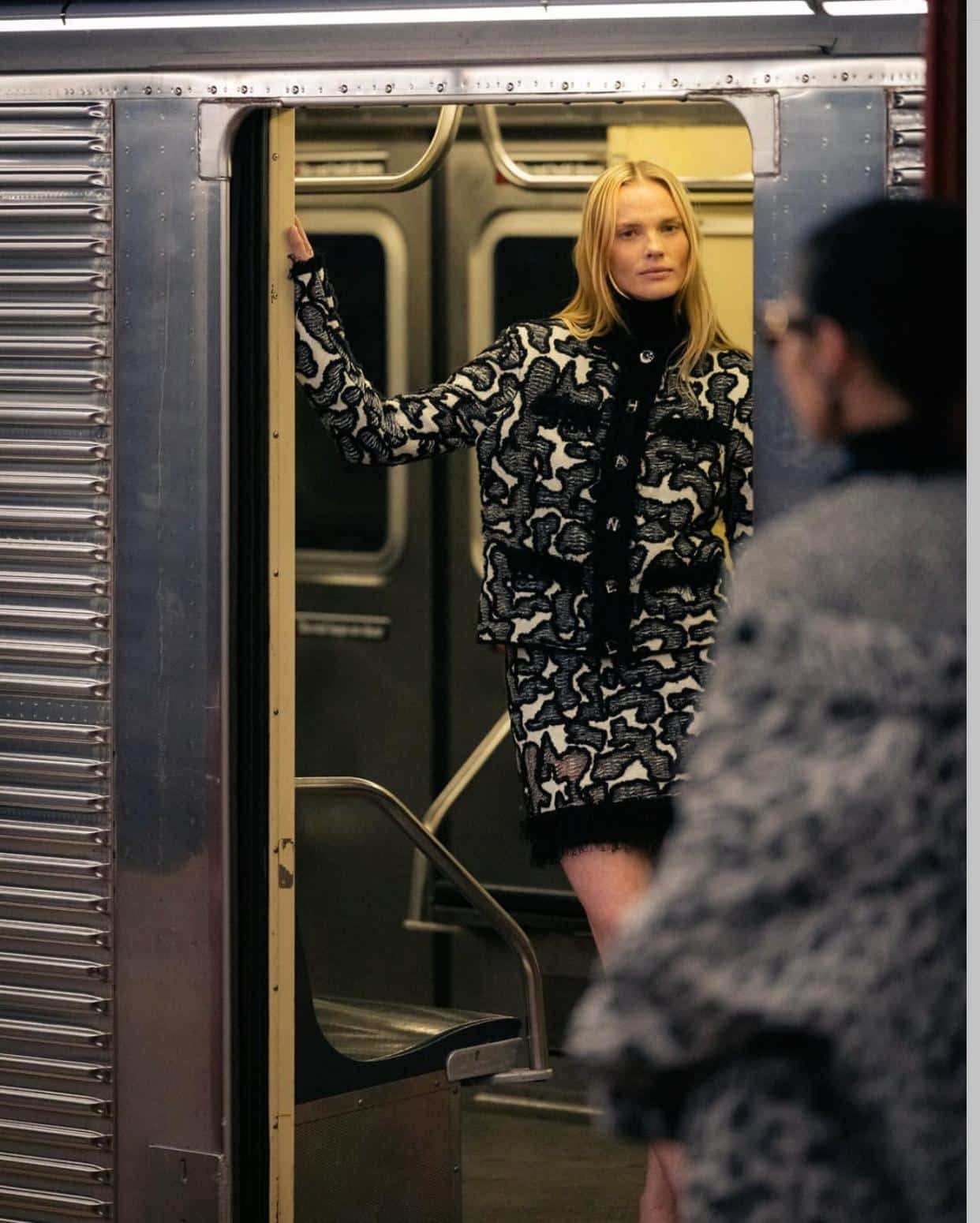
The Little Jacket
→ From Parisian emblem to textile sculpture.
The equilibrium of the line appears immediately.
Matelassage
→ Not a motif, but a system of rhythm and stability.
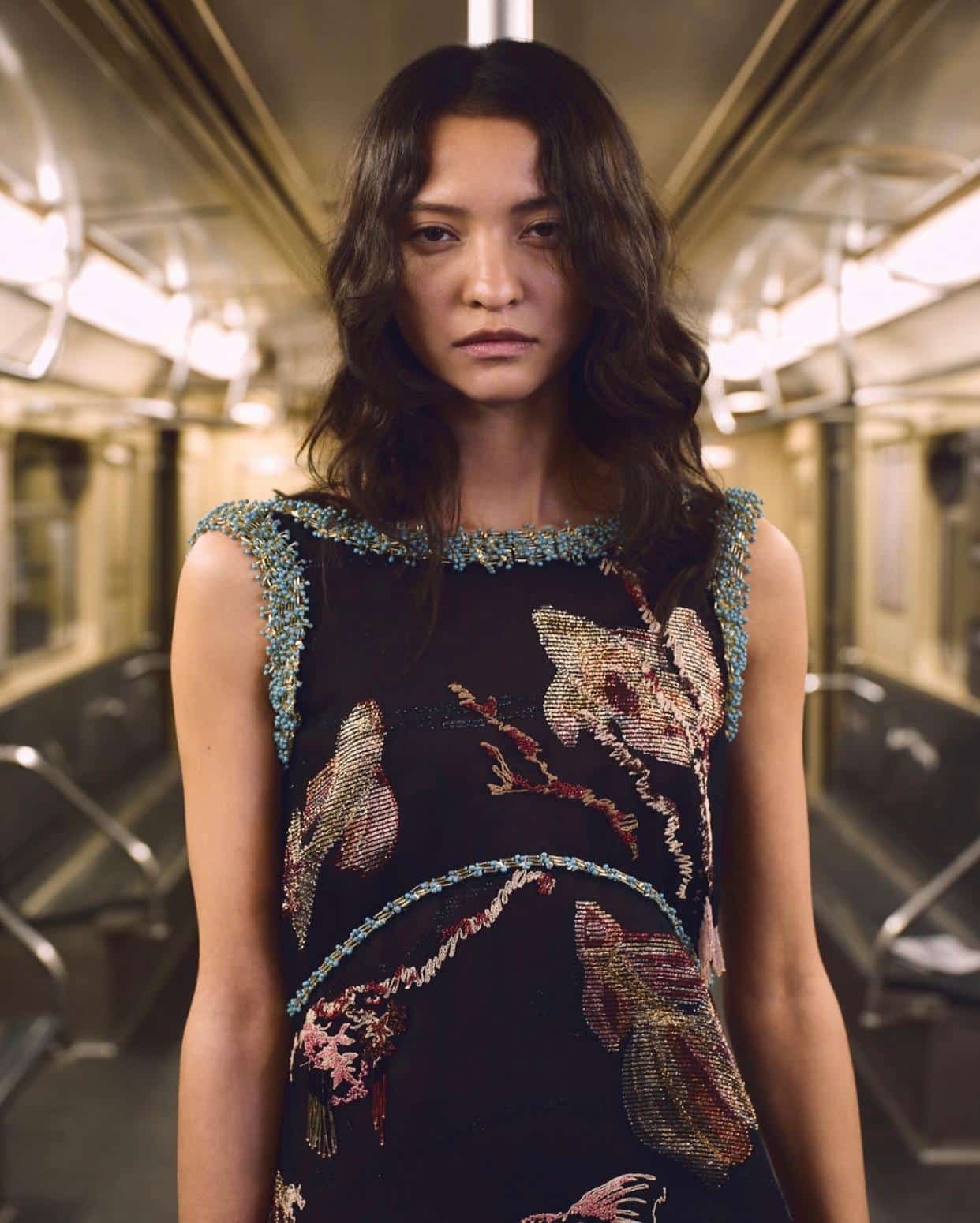
The Black Dress
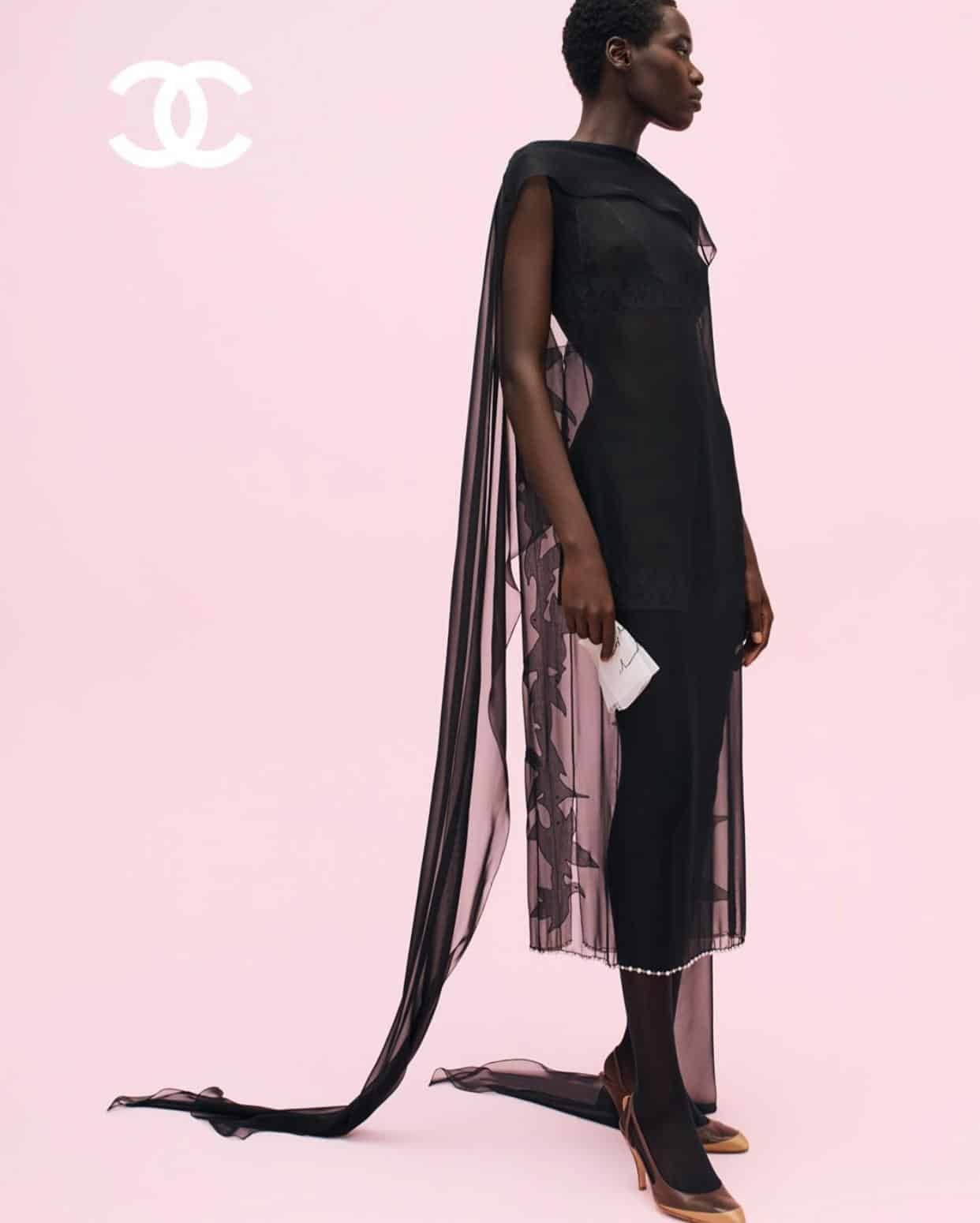
→ A quiet verticality perfectly aligned with the Japanese appreciation for powerful minimalism.
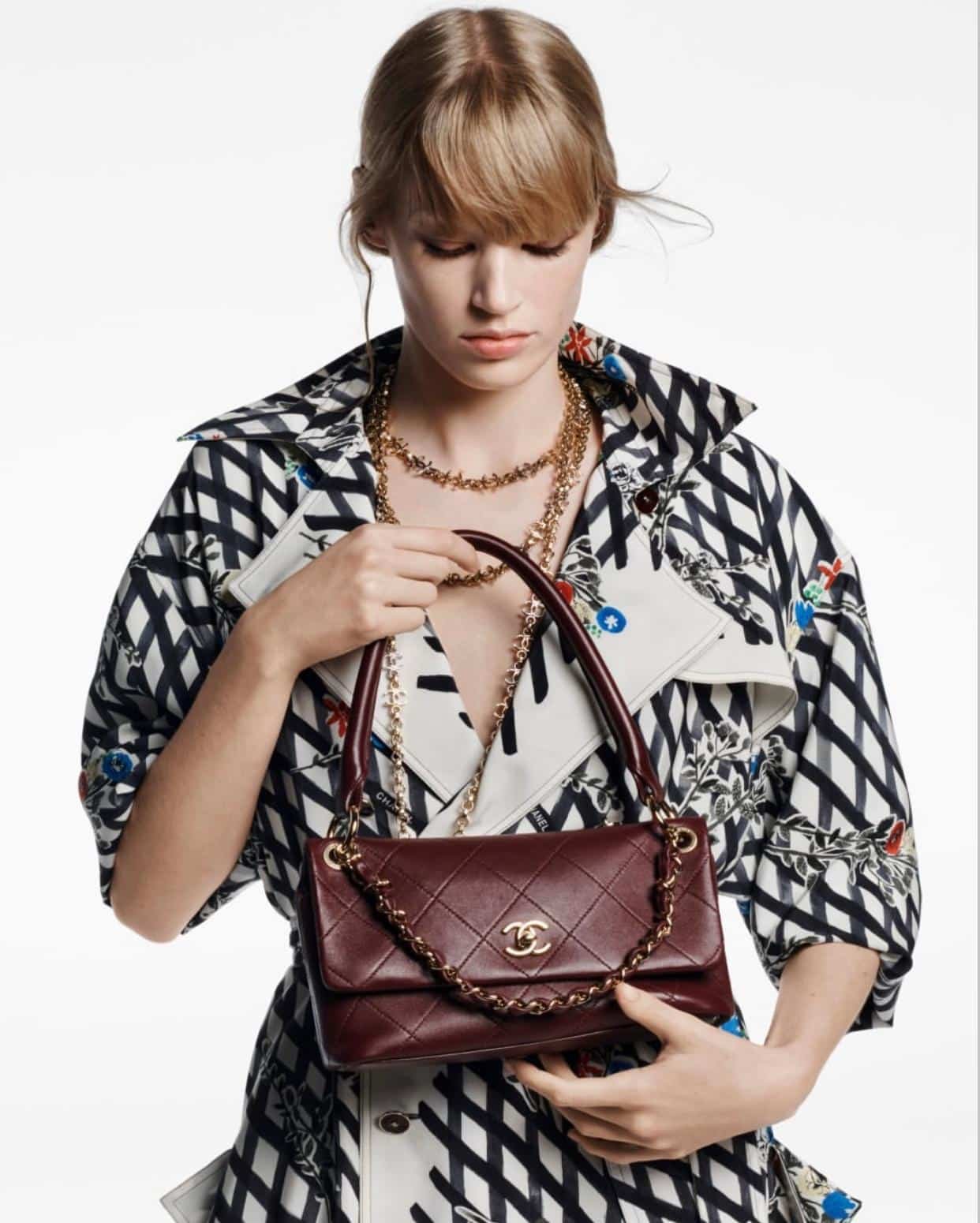
The Chain
→ A detail that acts as a visual marker.
In Tokyo, each code is interpreted through its structural essence.
Nothing is decorative.
Everything must hold.
· • • • ·
Experience — The Garment as an Object of Observation
In CHANEL Tokyo boutiques, the experience is never excessive.
It is exact.
Controlled light,
open volumes,
proper distance,
a silence that feels alive.
Garments aren’t staged to impress.
They are presented to be examined.
Japanese clients look at:
— fabric stability,
— the coherence of a detail,
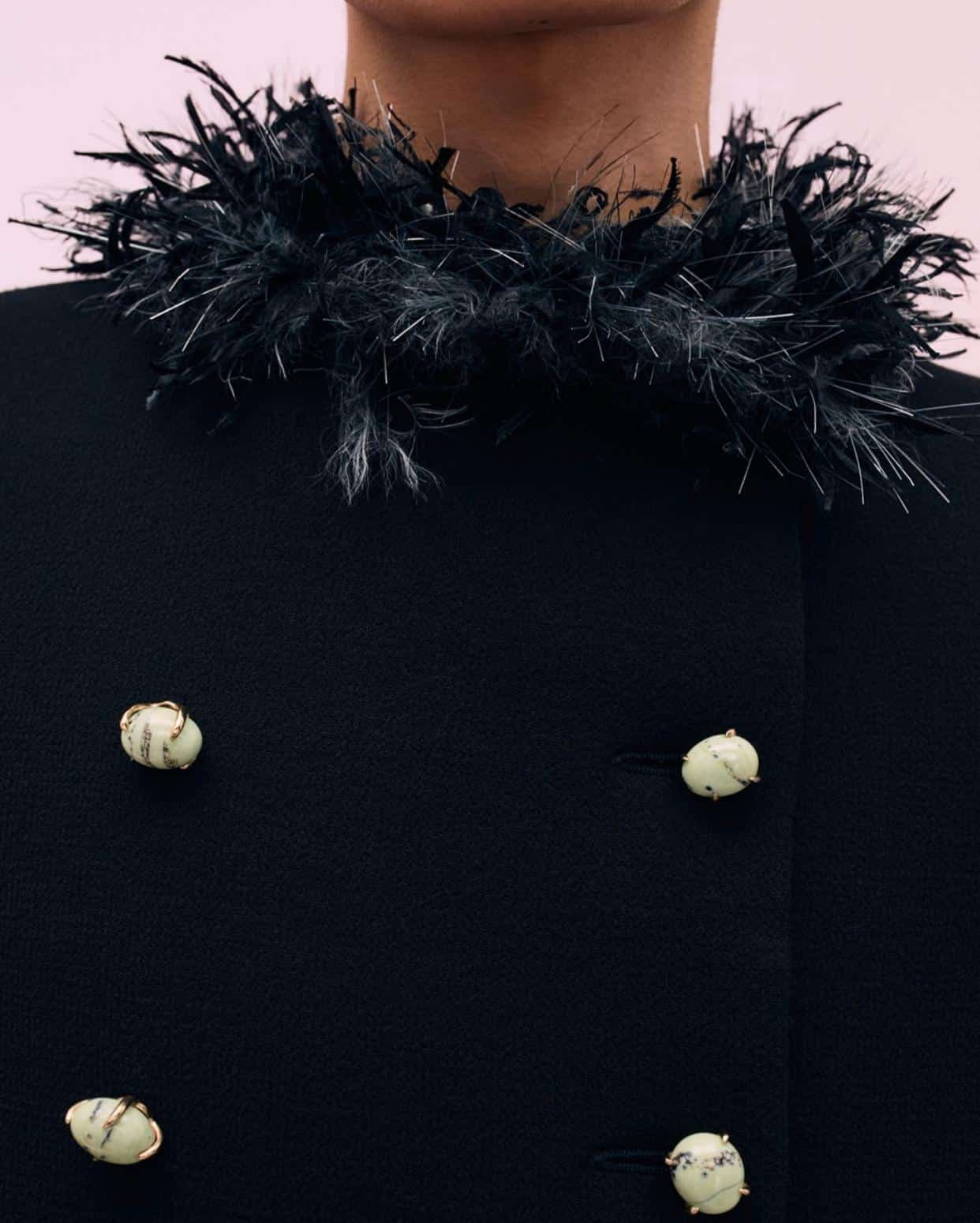
— button quality,
— the sharpness of an inner finish,
— the steadiness of a silhouette in movement.
Tokyo reads CHANEL to the millimeter —
and this precision amplifies the Maison’s beauty.
· • • • ·
Durability — A Discipline That Resonates With Tokyo
CHANEL Ready-to-Wear carries a sustainable approach that aligns naturally with Japanese values:
doing what is right, without excess.
— optimized cutting techniques,
— certified materials,
— long-lasting tweeds,
— repairability of pieces,
— preservation of Parisian ateliers,
— rigorous transmission of craftsmanship.
In Tokyo, durability is viewed as a form of elegance.
A piece must withstand the years,
remain stable,
preserve its line.
CHANEL speaks exactly that language.
· • • • ·
Conclusion Gloss Signature™
CHANEL Ready-to-Wear Tokyo is:
— a style that becomes construction,
— lines revealed by an unusually honest light,
— materials gaining intensity,
— codes read with clarity,
— Parisian craftsmanship meeting Japanese exactitude,
— responsibility expressed as discipline.
In Tokyo, CHANEL isn’t an effect.
It is an architecture of allure.
A stable elegance.
A quiet presence.
The city tolerates only what is exact.
CHANEL finds in it a perfectly aligned environment.
· • • • ·
© Chanel

© Chanel

© Chanel
© Chanel

© Chanel

© Chanel
© Chanel
© Chanel

© Chanel

© Chanel
© Chanel
© Chanel
© Chanel

© Chanel
© Chanel

© Chanel
© Chanel
© Chanel

© Chanel
© Chanel
© Chanel
© Chanel
© Chanel

© Chanel
© Chanel

© Chanel

© Chanel

© Chanel

© Chanel
© Chanel
FAQ — CHANEL Ready-to-Wear Tokyo
· • • • ·
1. Why does CHANEL resonate so strongly in Tokyo?
Because Tokyo doesn’t view a garment as decoration.
It reads it as structure.
Under Japanese light — cold, precise, and unforgiving —
the CHANEL silhouette reveals:
— its line,
— its proportion,
— its coherence,
— its stability in movement.
Tokyo filters out effect.
It keeps only what holds.
CHANEL, rooted in tailored architecture and stylistic purity,
aligns naturally with this visual discipline.
· • • • ·
2. How does Tokyo’s perception of CHANEL differ from Paris?
In Paris, CHANEL’s allure converses with couture emotion:
the movement of a fabric, the softness of a line, the poetry of a gesture.
In Tokyo, emotion becomes analysis.
The city observes:
— the tension of a shoulder,
— the verticality of a coat,
— the sharpness of a seam,
— the way tweed holds under light.
Where Paris celebrates allure,
Tokyo evaluates structure.
This shift in perspective highlights CHANEL’s precision.
· • • • ·
3. Why does Japanese light reveal CHANEL materials so intensely?
Because it is one of the most analytical in the world.
Tokyo’s light gives materials:
— more relief,
— more regularity,
— more depth.
CHANEL tweed, designed as an architectural textile,
shows its internal structure:
the weave, the thread tension, the density of the construction.
Silks become sharper.
Knits become more graphic.
What CHANEL builds in the atelier, Tokyo reveals.
· • • • ·
4. How do CHANEL codes evolve when expressed in Tokyo?
They become more direct.
Clearer.
More readable.
The Little Jacket
→ A textile sculpture, perfectly aligned with Japanese precision.
The Black Dress
→ Strong restraint, focused elegance, quiet verticality.
Matelassage
→ Not a motif, but a system of visual rhythm.
The Chain
→ A marker, a punctuation, a measure.
Tokyo rejects unnecessary ornament.
It values clarity.
CHANEL codes, under this light, gain essence.
· • • • ·
5. Why is CHANEL particularly appreciated by Japanese clients?
Because CHANEL doesn’t need explanation.
It reads itself.
Japanese clients value:
— cuts that remain coherent in movement,
— materials that stay stable over the years,
— the sharpness of detail,
— the steadiness of silhouettes,
— visual discipline.
They look for garments that endure.
CHANEL offers exactly that.
· • • • ·
6. How do CHANEL’s ateliers influence how pieces are perceived in Tokyo?
Parisian ateliers work with extreme precision:
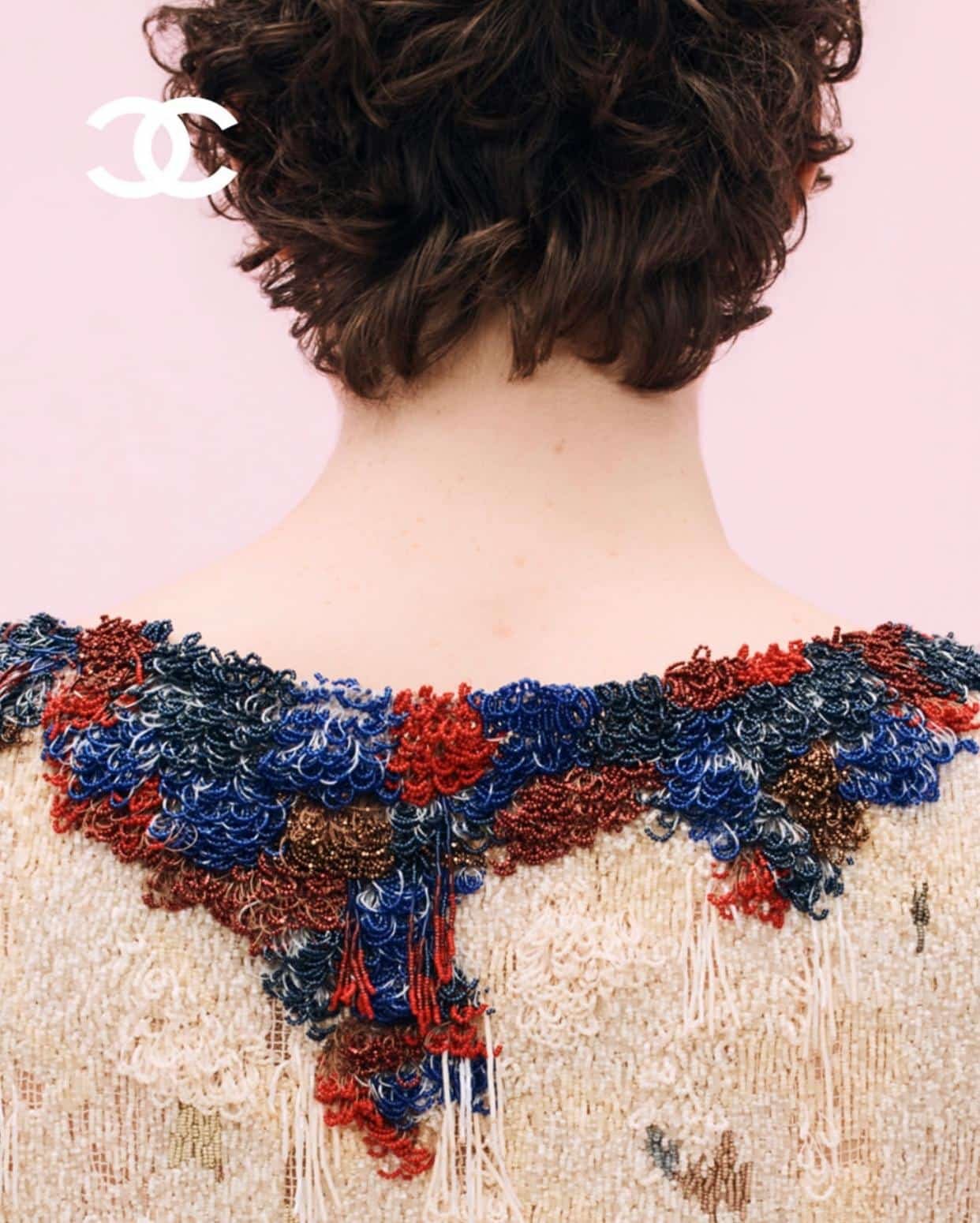
Lesage embroidery, Lemarié pleating, tweeds woven like structures.
Tokyo detects this precision instantly.
In a city where the eye is trained,
where detail is a form of language,
CHANEL craftsmanship appears in its most elevated form:
calm, measured, millimetric.
Tokyo doesn’t merely see couture.
It sees coherence.
· • • • ·
7. Are CHANEL pieces specifically adapted for the Japanese market?
They are not modified.
They are curated.
Tokyo demands:
— controlled line,
— stable material,
— readable silhouette,
— zero excess.
Pieces shown in Tokyo are those whose construction naturally meets Japanese expectations.
It’s not adaptation.
It’s curation.
· • • • ·
8. What is the CHANEL boutique experience like in Tokyo?
Precise, quiet, disciplined.
Spaces use:
— neutral light,
— open volumes,
— calm presentations,
— a measured visual rhythm.
Garments are not staged to impress.
They are presented to be observed.
Clients look at structure, not effect.
CHANEL finds in this staging a perfectly aligned setting.
· • • • ·
9. Is CHANEL Ready-to-Wear in Tokyo designed for everyday wear or exceptional moments?
For both — but always with intention.
A CHANEL jacket never simply dresses.
It structures.
It stabilizes.
It defines a line on the body.
A CHANEL black dress doesn’t seek effect.
It offers presence.
CHANEL pieces live with the wearer.
The garment supports; it does not distract.
This stylistic maturity is what appeals to Tokyo.
· • • • ·
10. How does CHANEL Ready-to-Wear Tokyo align with the Gloss City matrix (50% / 30% / 20%)?
Perfectly.
50% Luxury
— structured style,
— held lines,
— strong restraint,
— visual balance,
— historical codes clearly readable.
30% Craftsmanship
— architectural tweeds,
— exceptional embroidery,
— millimetric finishing,
— high-level tailoring construction.
20% Sustainability
— material longevity,
— repairability,
— optimized cutting,
— traceability,
— respect for long-term design cycles.
CHANEL Ready-to-Wear Tokyo represents one of the most balanced expressions of the Gloss City model:
luxury built on structure,
craftsmanship speaking without embellishment,
durability understood as elegance.
· • • • ·
CHANEL
© Chanel