

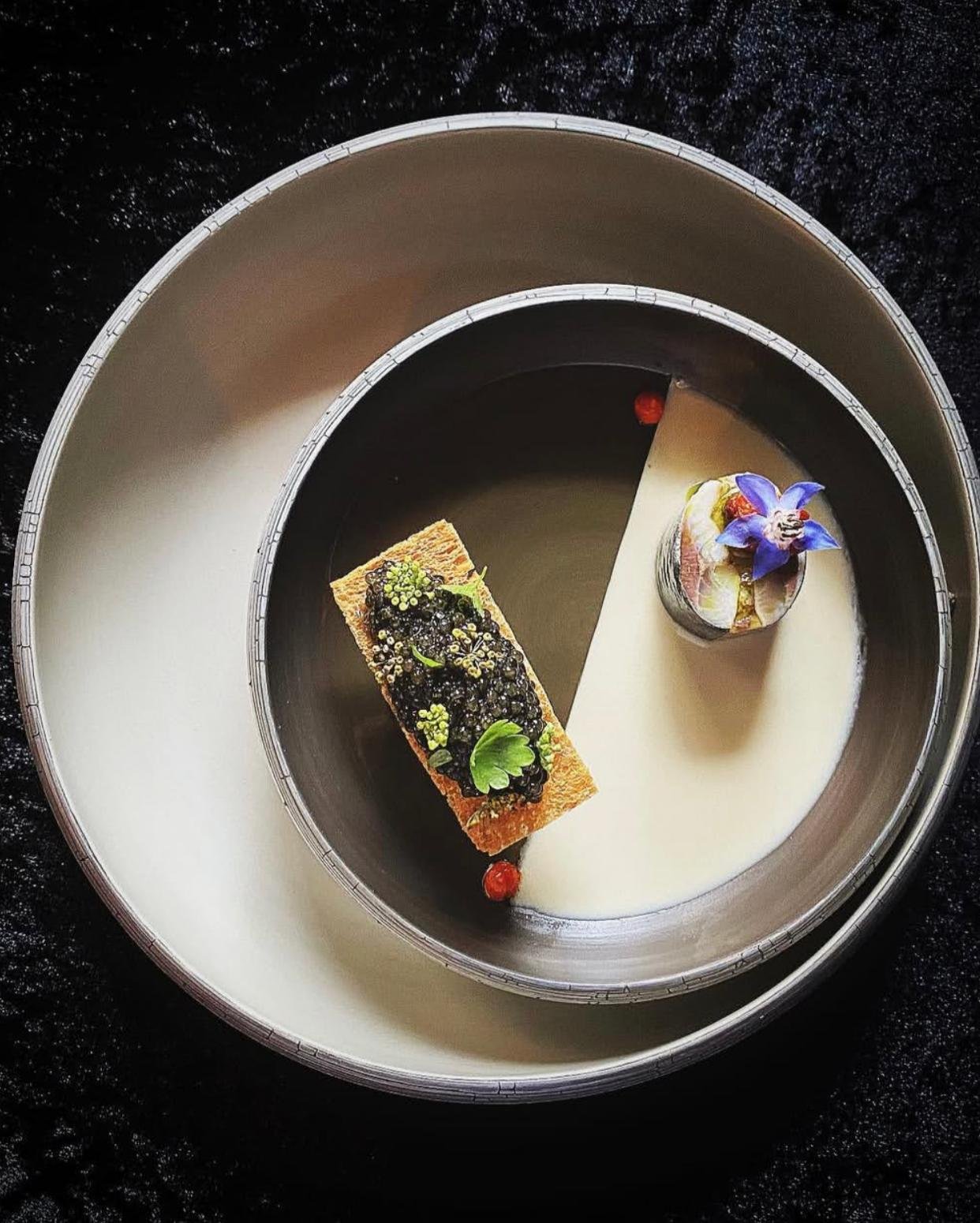
© Hommage
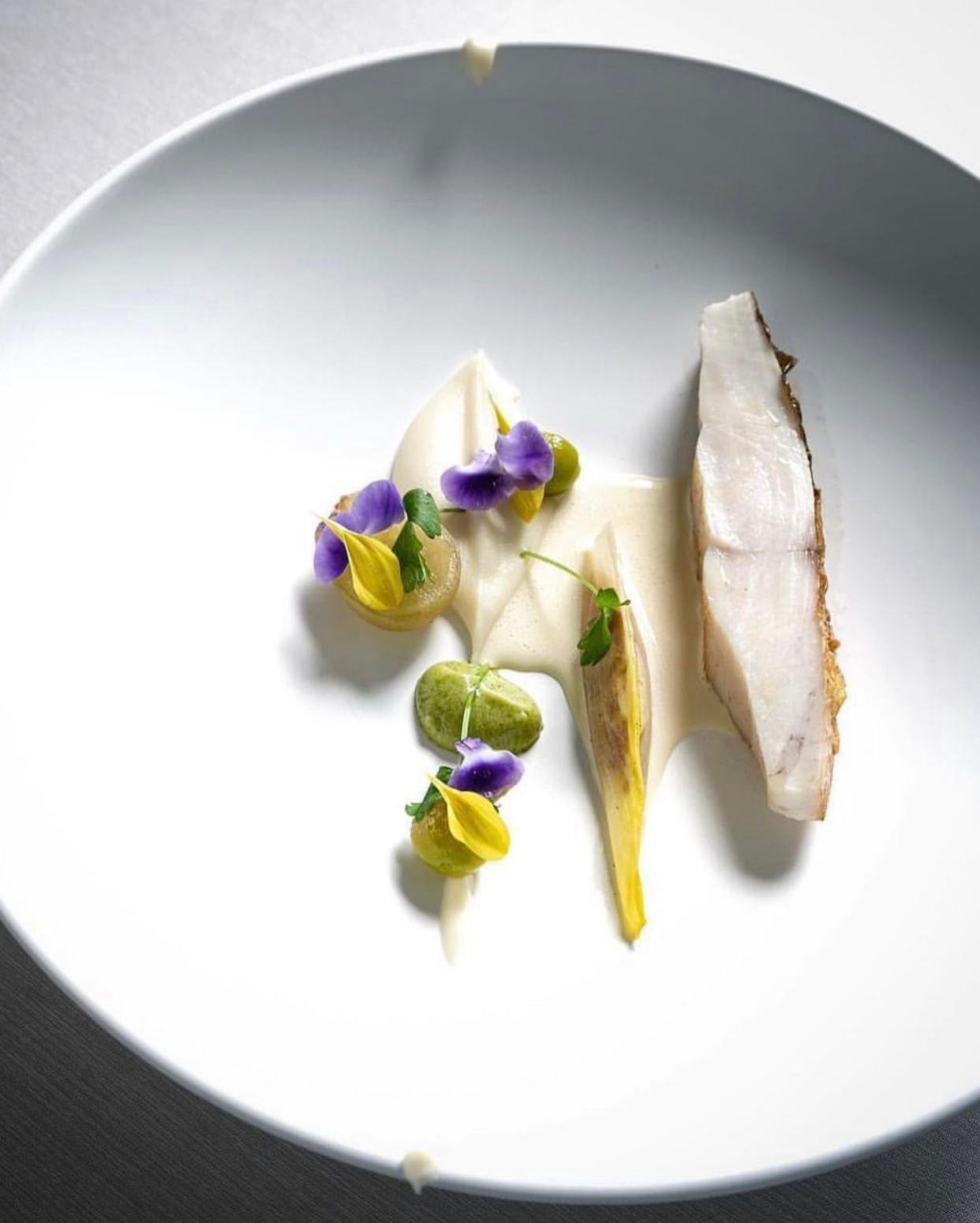
© Esquisse Tokyo
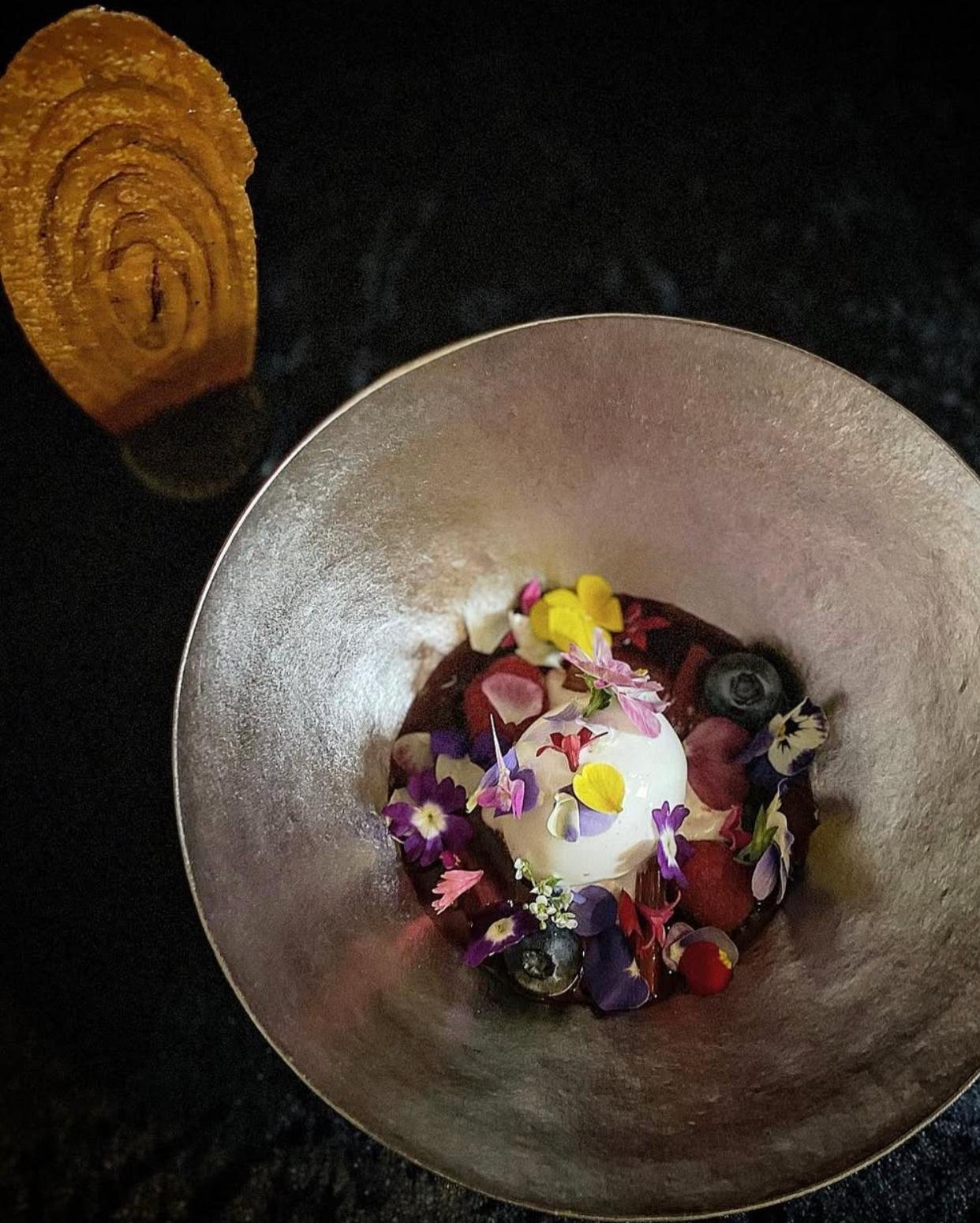
© Hommage
RESTAURANTS
ESQUISSE TOKYO
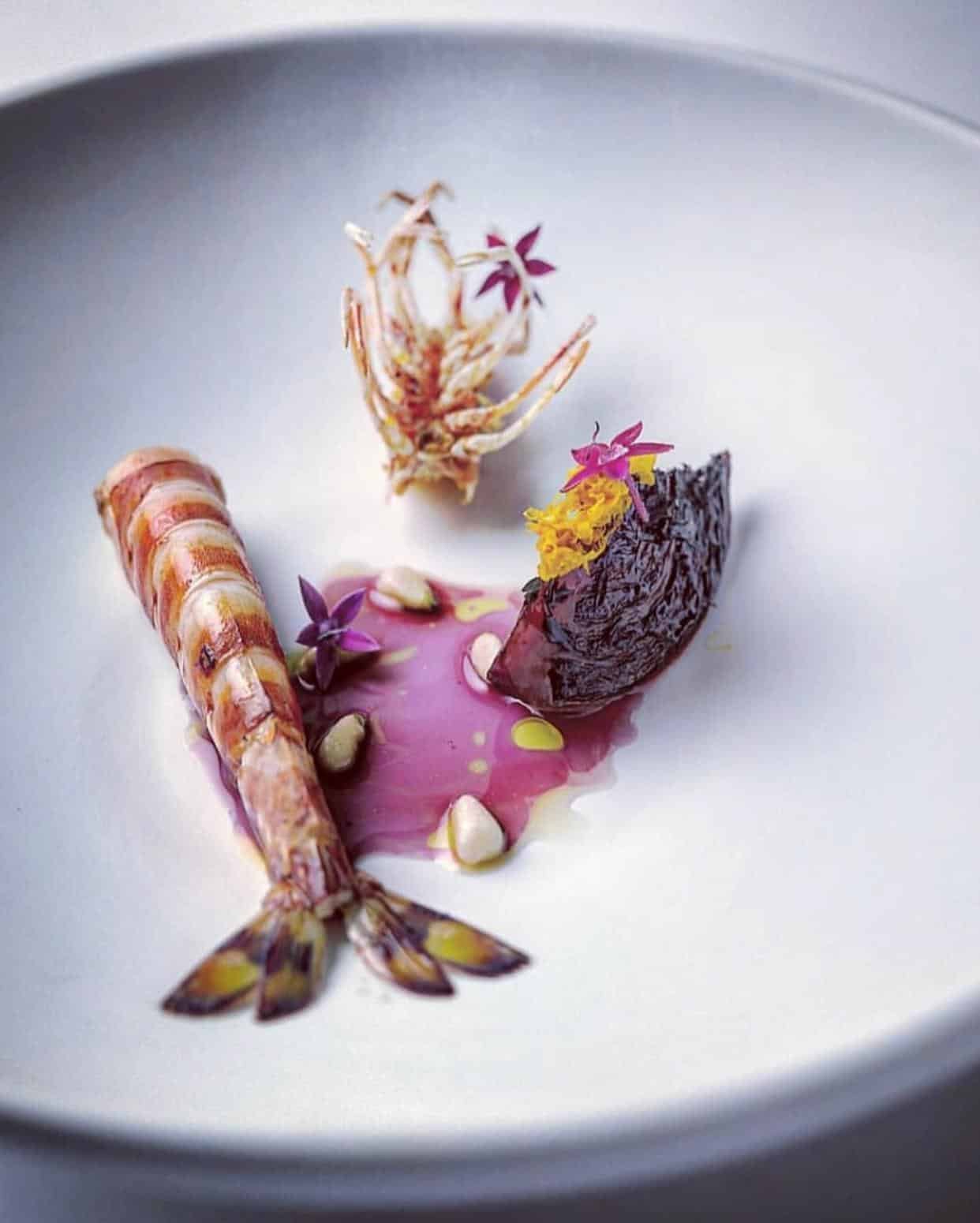
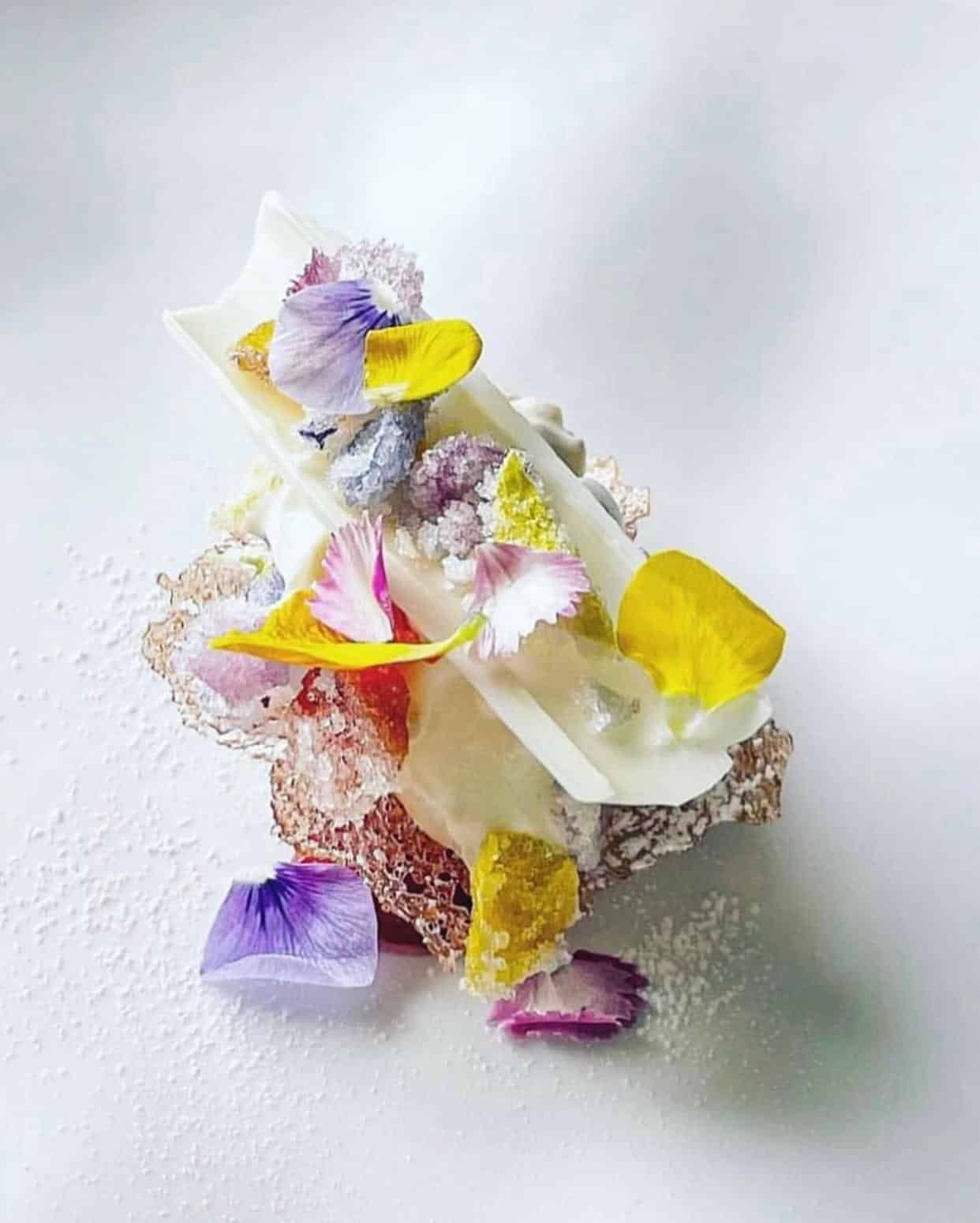
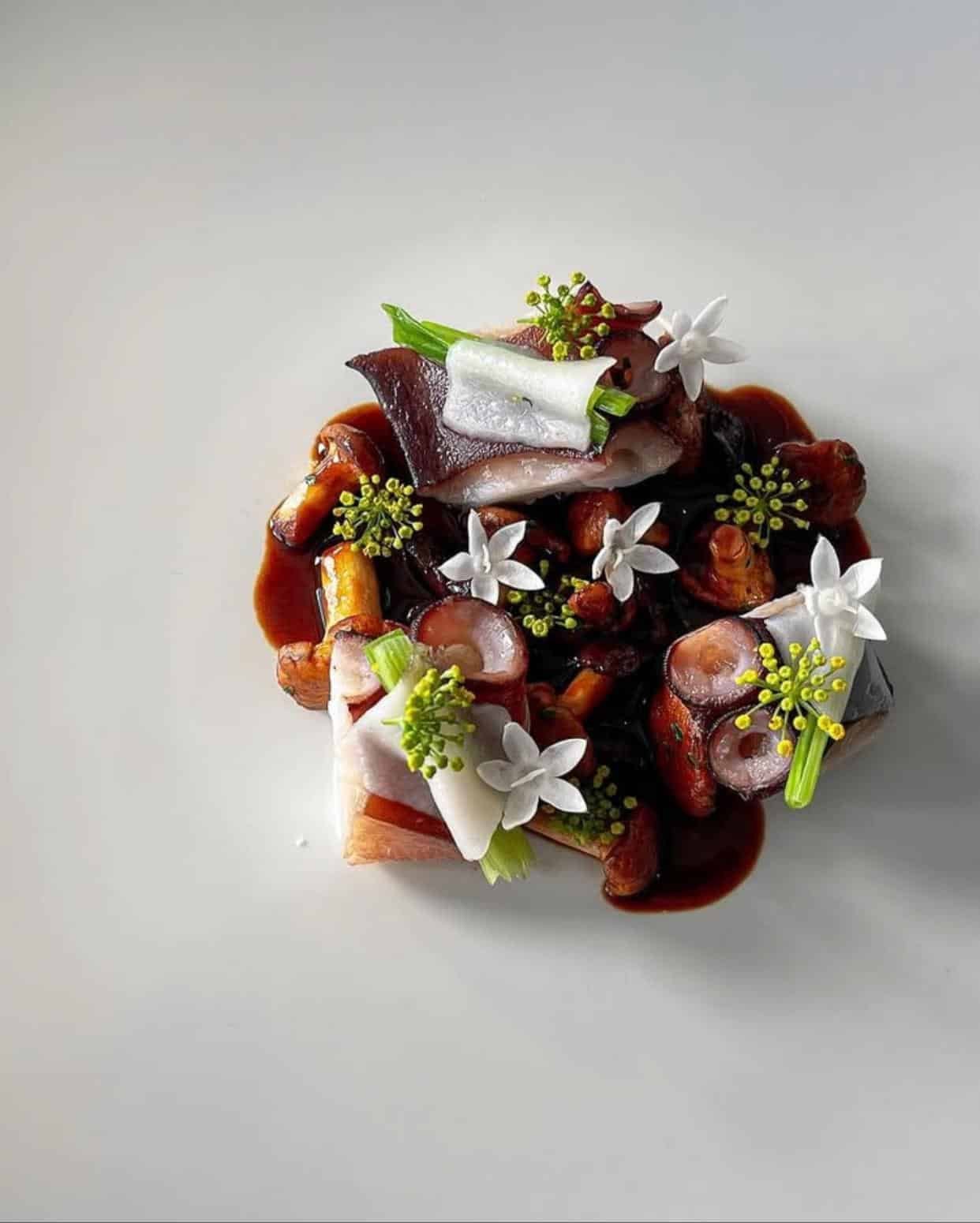
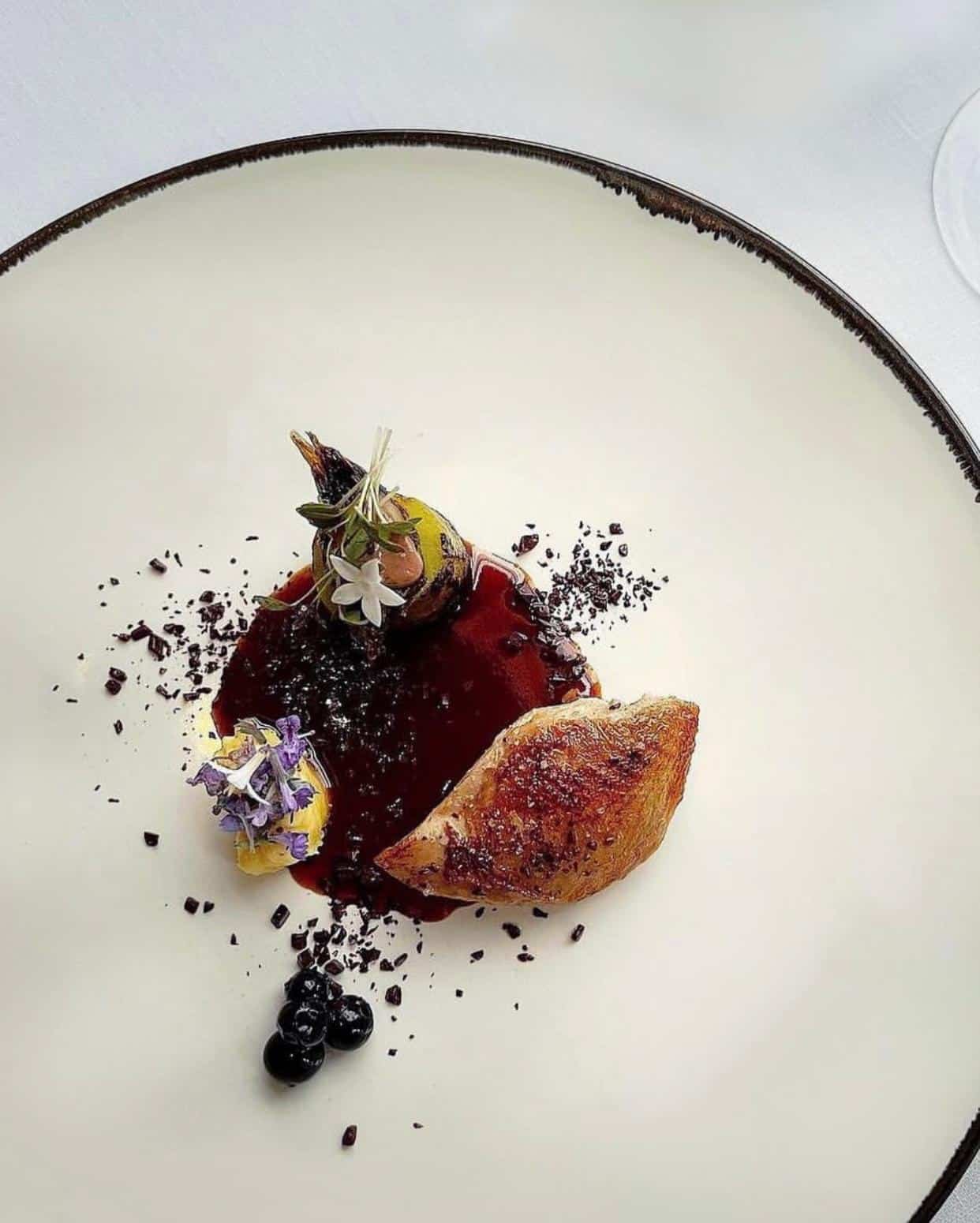
© Esquisse Tokyo
HOMMAGE
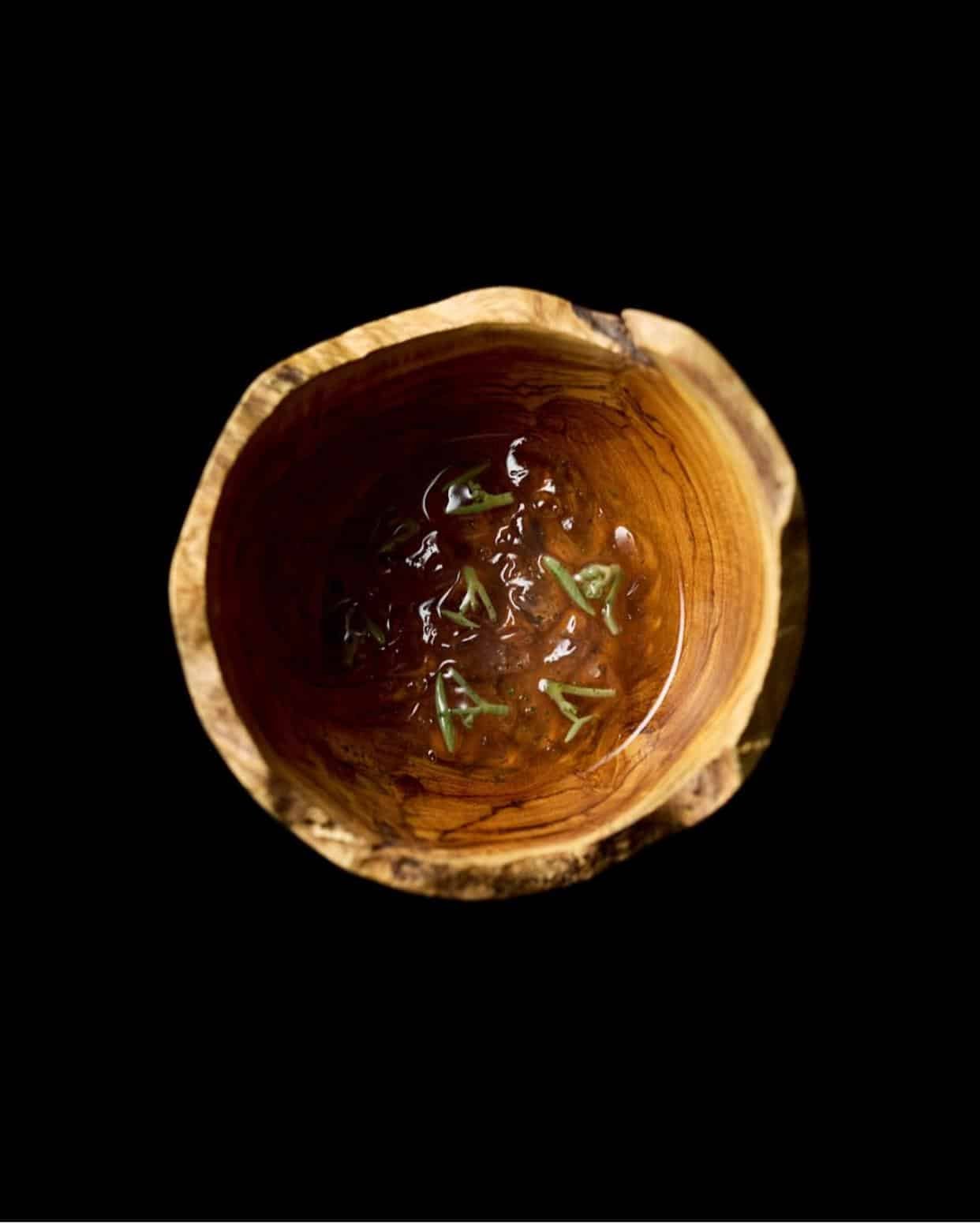

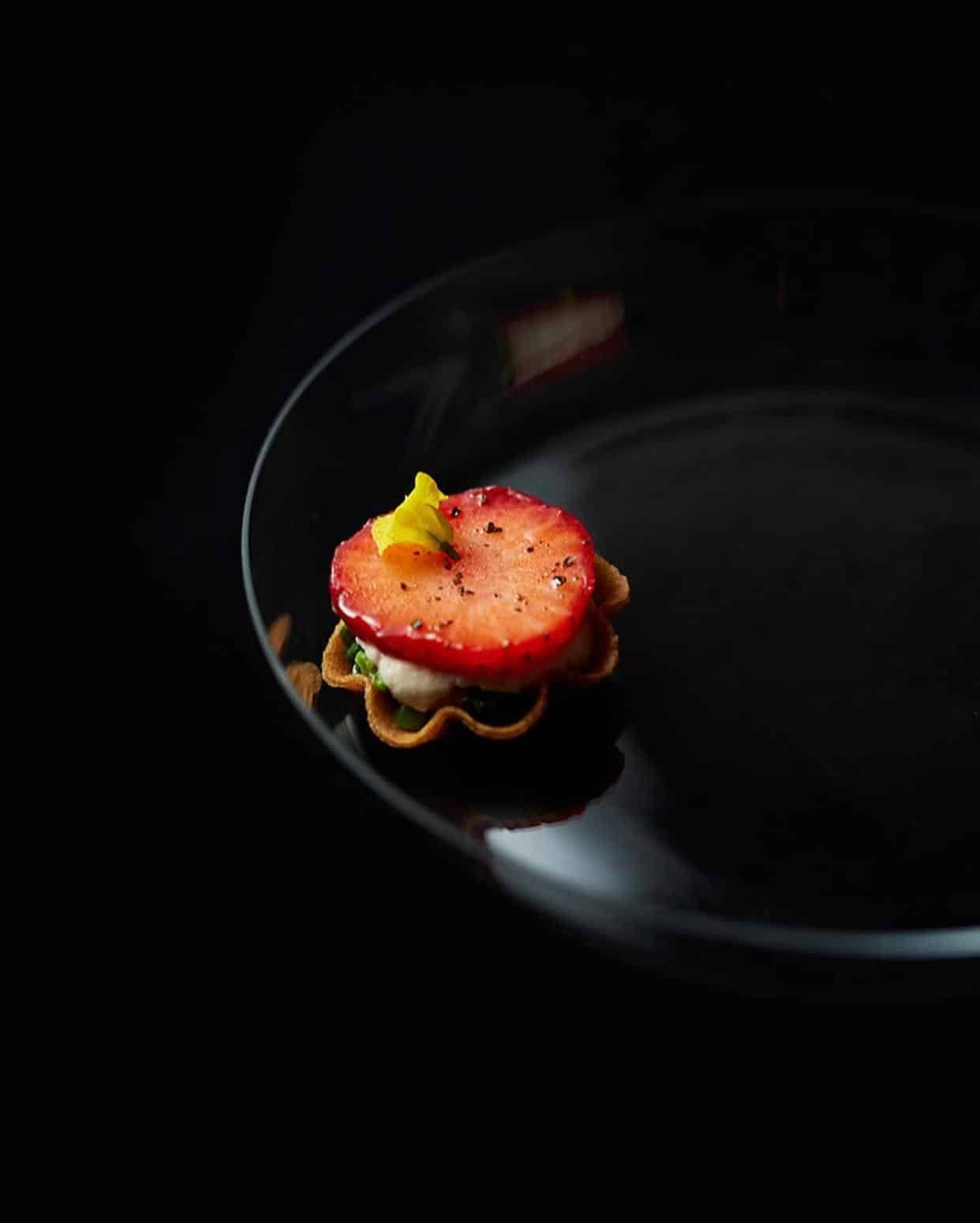

© Hommage
LE PRISTINE TOKYO
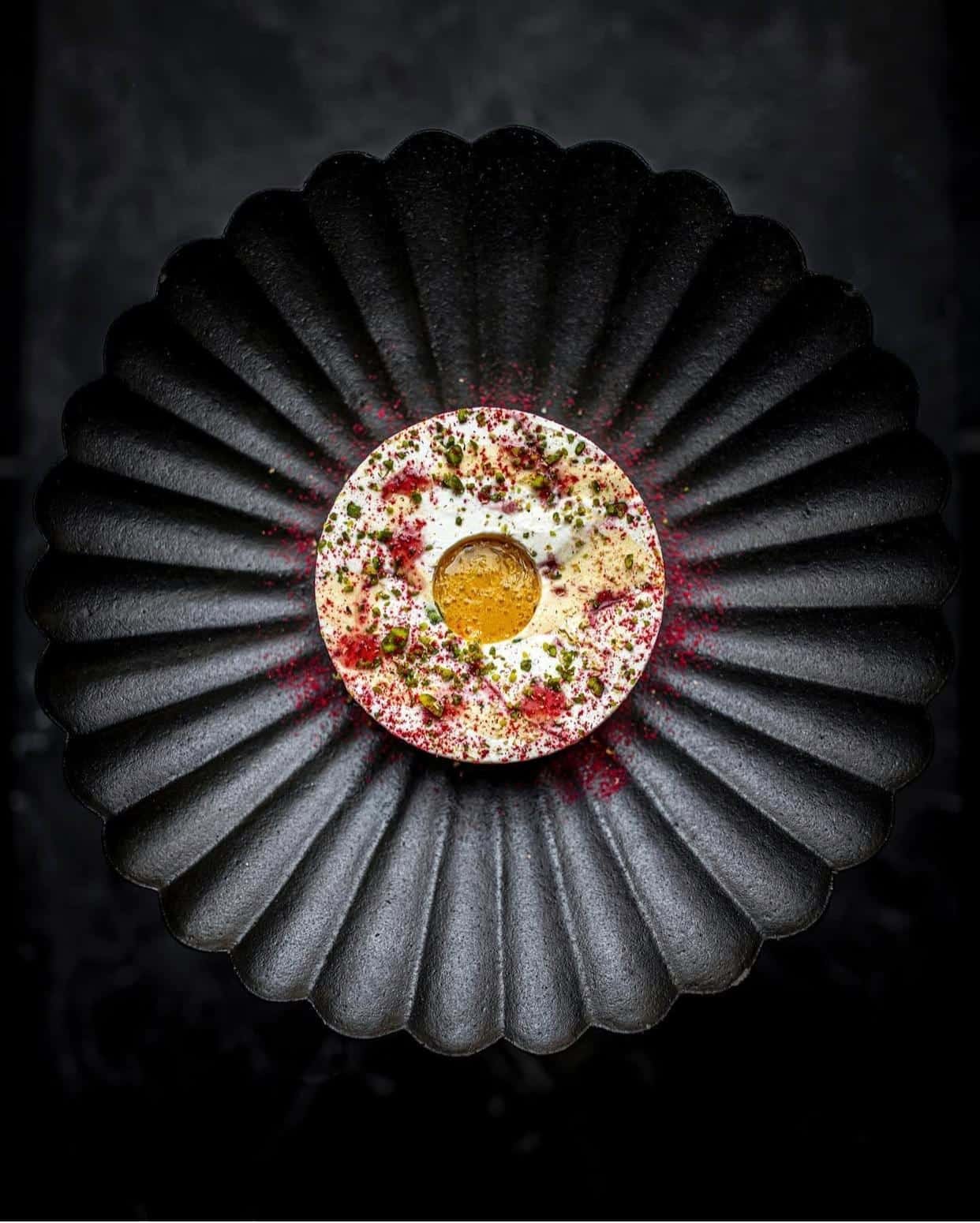
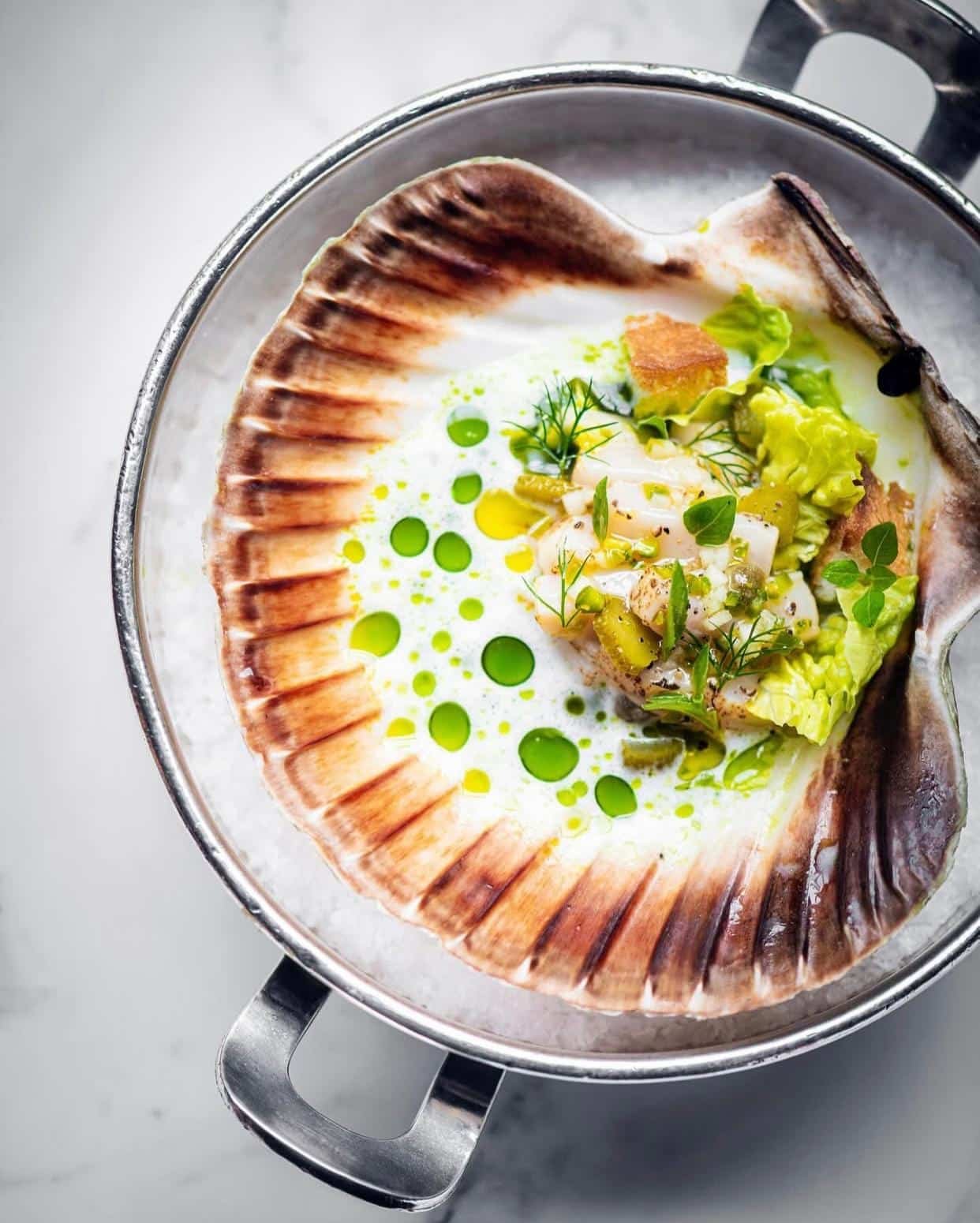
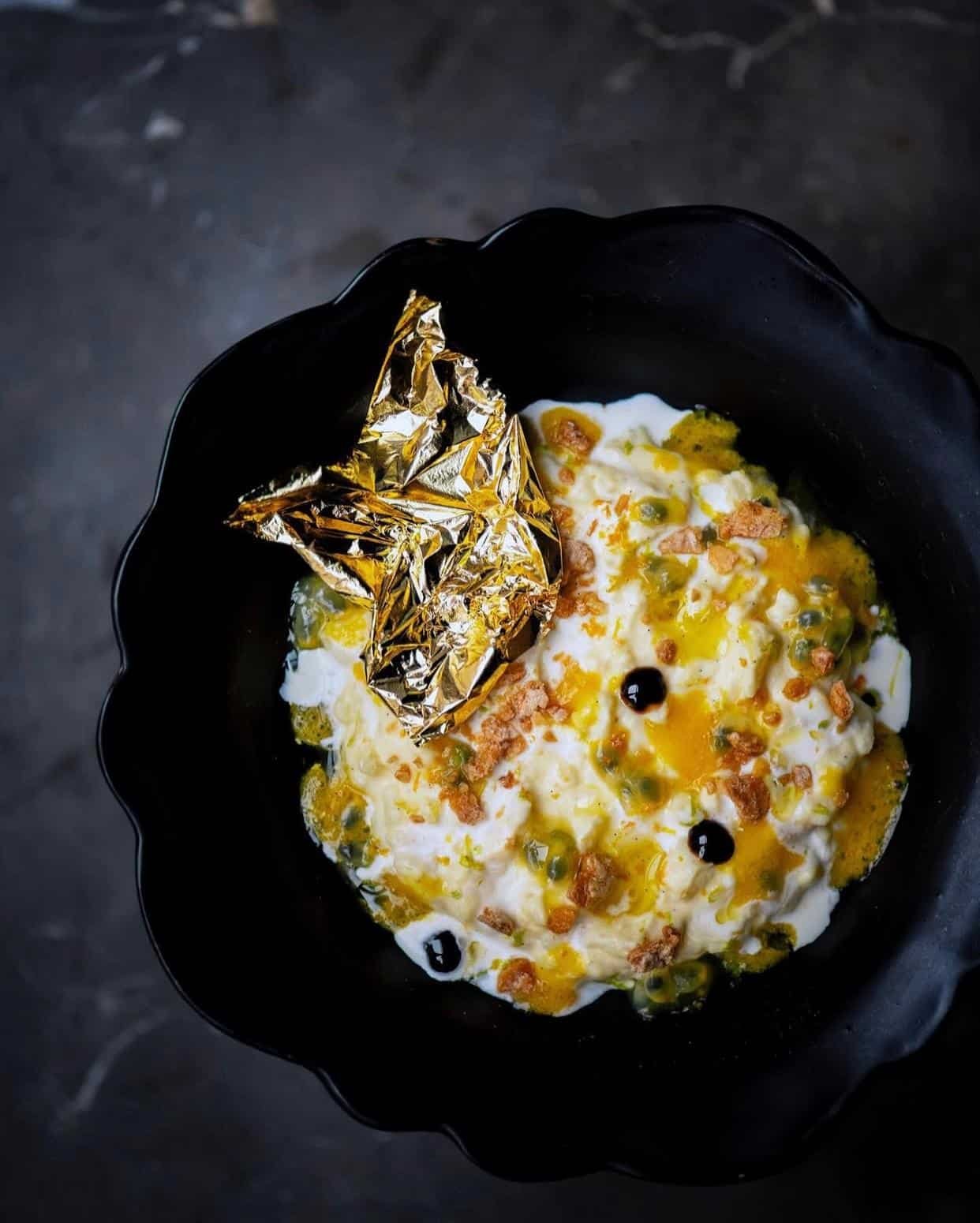
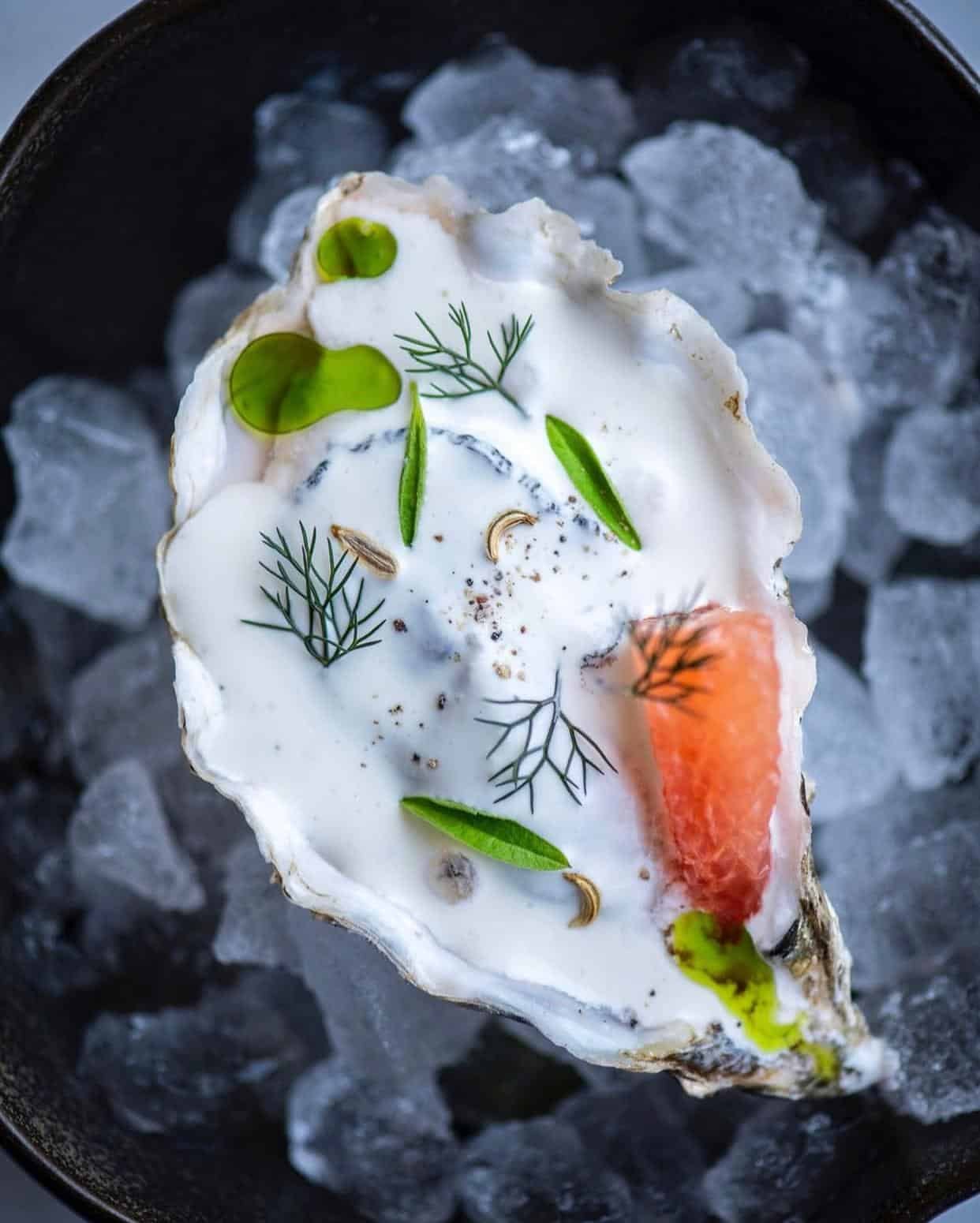
© Le Pristine Tokyo
FAQ — Tokyo Fine Dining
· • • ·
1. Why is Tokyo’s gastronomy considered one of the most precise in the world?
Because it is built on one principle:
the search for the exact point.
In Tokyo, every element matters:
— product freshness,
— millimetric cuts,
— exact cooking,
— the way light falls on the plate.
Nothing is left to chance.
Cuisine here does not aim to impress.
It aims for clarity.
This extreme precision creates an experience where taste becomes a line, a geometry, a rhythm.
— Tokyo cuisine does not seek effect.
It seeks accuracy.
· • • ·
2. Why is seasonality fundamental in Tokyo’s fine-dining scene?
Because seasonality is the founding rule.
An ingredient is used only when it reaches its perfect moment.
It is an ethic, but also a technique: texture, aroma and color all depend on timing.
Seasonality is not an ecological gesture.
It is a gustatory architecture.
A Tokyo chef does not ask “What do I want to cook?”
They ask:
“What does the season allow today?”
· • • ·
3. Why do Tokyo’s fine-dining rooms feel so minimalist?
Minimalism is not a style.
It is a method.
The dining room must:
— stabilize the experience,
— absorb noise,
— control light,
— clarify the reading of the dish.
Natural woods, matte tones, calm horizontals:
nothing must compete with the plate.
— In Tokyo, the dining room exists only to support the clarity of taste.
· • • ·
4. How is service characterized in Tokyo’s high gastronomy?
Through precision.
• short gestures
• silent movements
• discreet observation
• rhythm perfectly aligned with the guest
• constant discretion
Service does not seek visibility.
It seeks continuity.
It adjusts the breathing of the meal without ever interrupting its flow.
— Tokyo service does not “present.”
It accompanies.
· • • ·
5. Why is cutting technique so important to Tokyo chefs?
Because cutting is a language of its own.
It changes:
— texture,
— surface,
— how flavor unfolds,
— the dialogue between ingredients.
A poorly cut sashimi alters perception.
A miscut vegetable changes its cooking.
Cutting is not a detail.
It is a foundational technique of Japanese cuisine.
— In Tokyo, knife precision is as important as the ingredient itself.
· • • ·
6. Why do Tokyo plates often appear minimal?
Because every element must be readable.
Minimalism here is not aesthetic.
It is a method to clarify taste.
The chef removes:
— unnecessary textures,
— superfluous colors,
— volumes that disturb the reading.
What remains is not “little.”
It is what is necessary.
— A Tokyo plate is never empty: it is exact.
· • • ·
7. What role do artisans (ceramists, knife makers, lacquer artists) play in Tokyo gastronomy?
A fundamental one.
Artisans create the instruments of the meal:
ceramics, knives, lacquerware, glassware, serving trays.
Each piece stabilizes the material, supports the season, clarifies the plate.
A high-end restaurant often works with:
• a dedicated ceramist
• a specialized bladesmith
• a precise lacquer artist
• a local glassmaker
Craftsmanship is part of the dish.
It shapes how it is understood.
— In Tokyo, the plate begins in the workshop.
· • • ·
8. How is sustainability integrated into Tokyo gastronomy?
Through method — never through messaging.
• full use of the product
• fine waste reduction
• strict seasonality
• measured energy use
• preference for short supply chains
• support for local artisans
Sustainability is not an additional goal.
It is a logic of exactness.
— In Tokyo, responsibility is silent.
· • • ·
9. Why is “silence” often associated with Tokyo restaurants?
Because silence allows precision.
In a Japanese restaurant, noise is absorbed to make room for:
— the reading of the dish,
— the rhythm of the meal,
— the chef’s gestures,
— the guest’s concentration.
Silence is not an effect.
It is a condition.
— In Tokyo, silence is a form of respect for taste.
· • • ·
10. How does Tokyo gastronomy align with the Gloss 50/30/20 framework?
50% Luxury
Clarity of taste, silent rooms, architectural plating.
30% Craftsmanship
Ceramists, bladesmiths, chefs, chosen materials, studied gestures.
20% Sustainability
Strict seasonality, thoughtful management, short supply chains, reduced excess.
Tokyo gastronomy follows the Gloss logic precisely:
measured elegance, artisanal precision, integrated responsibility.
· • • • ·