


© Esquisse
© Esquisse
© Esquisse
ESQUISSE
Esquisse Tokyo — Gastronomy as Architecture of the Mind
A contemporary cuisine where every dish becomes a form, an idea, a deliberate line.
· • • ·
The Soul of the Place
Esquisse is not a restaurant that tells a story.
It is a place that analyzes.
Located in the heart of Ginza, Esquisse operates like a culinary architecture studio:
— sharp gestures,
— calm light,
— intentional silence,
— mental density.
The experience is never emotional.
It is cognitive.
Esquisse seeks to create a specific state:
a stabilized perception where flavors become shapes, where every detail imposes a precise rhythm.
The cuisine is not decorative.
It is conceptual — without ever losing the materiality of taste.
· • • ·
Signatures
Esquisse’s signatures emerge from the meeting of:
— Japanese products of absolute purity,
— French techniques executed with surgical discipline,
— contemporary sensitivity,
— artistic research that stays firmly controlled.
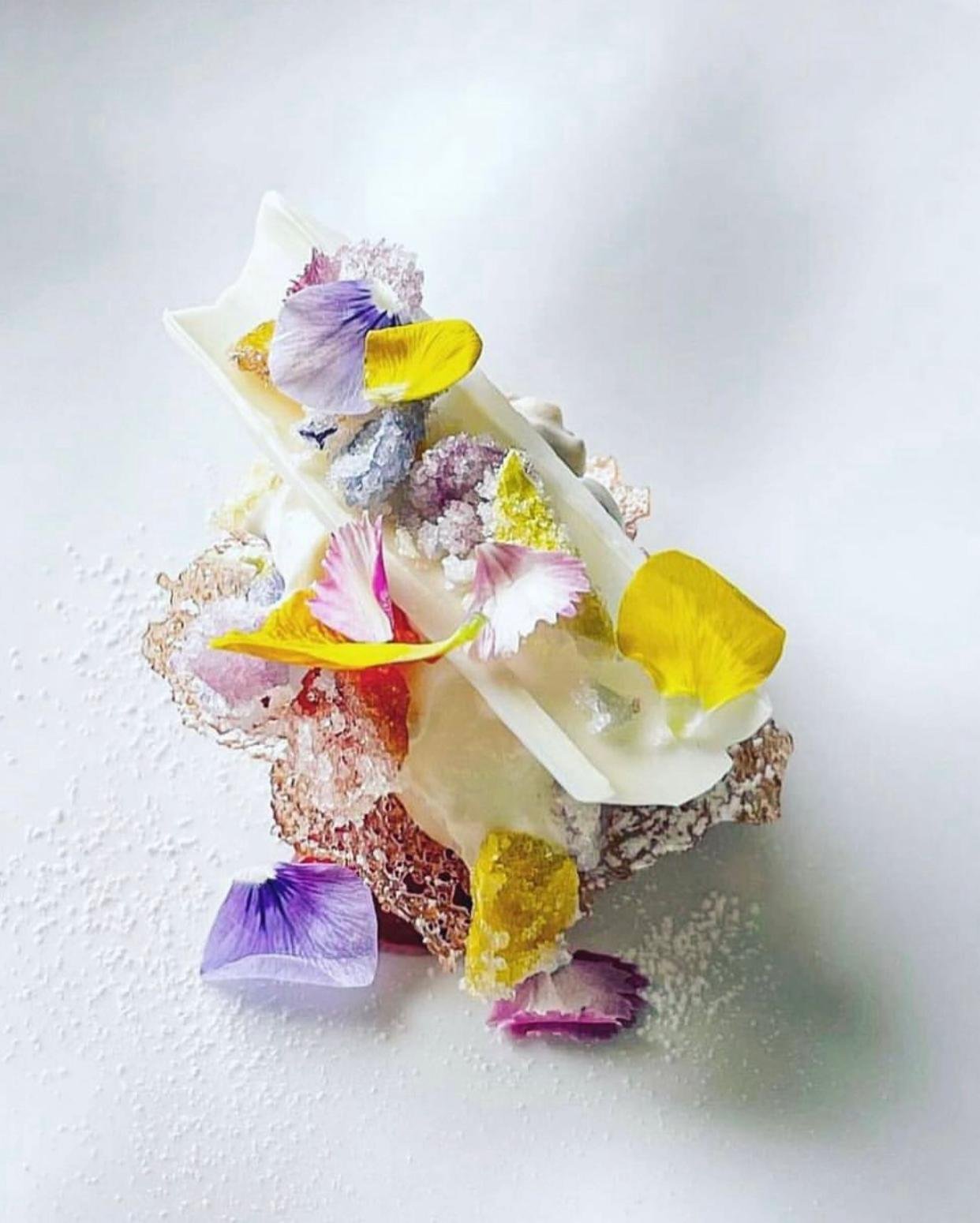
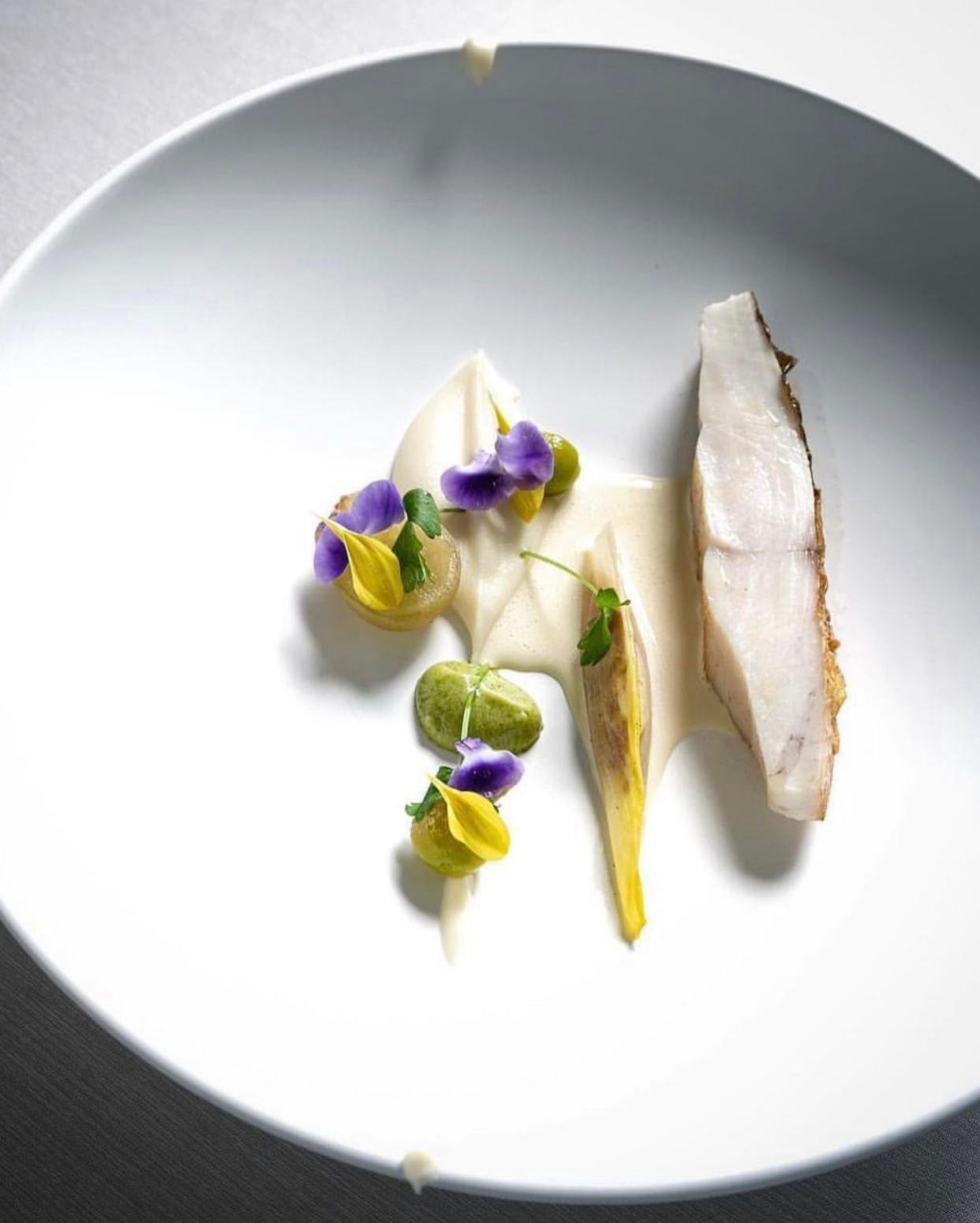
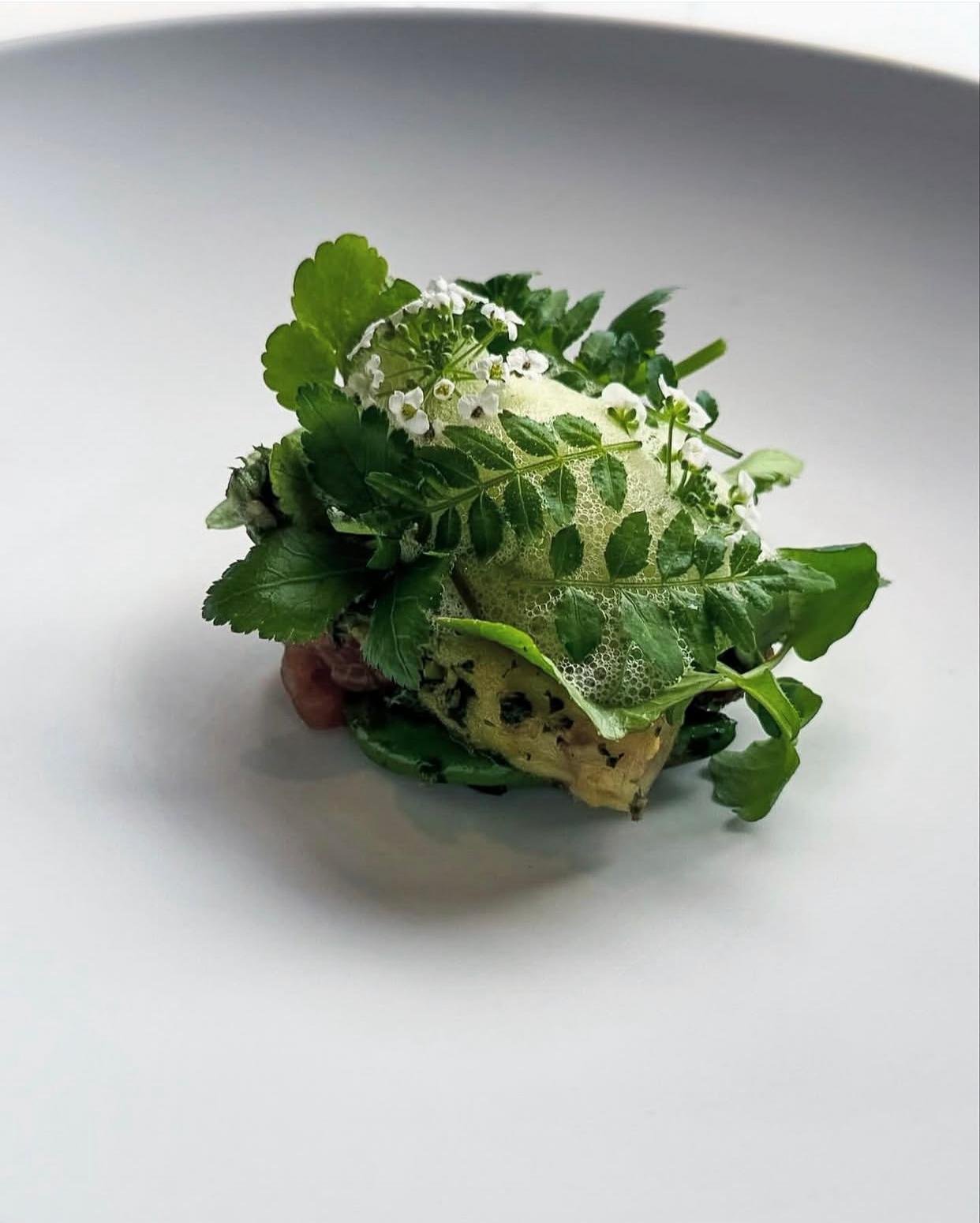
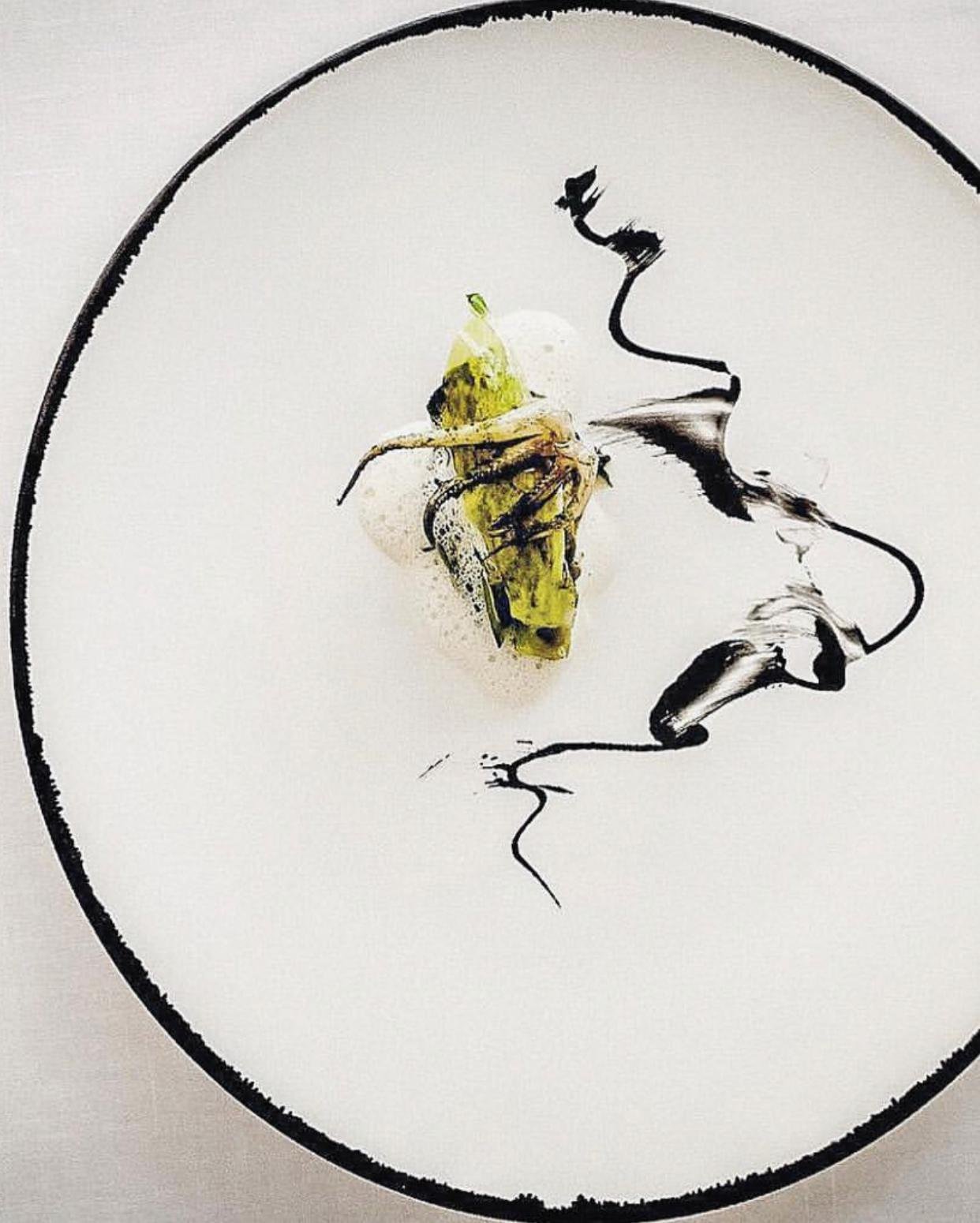
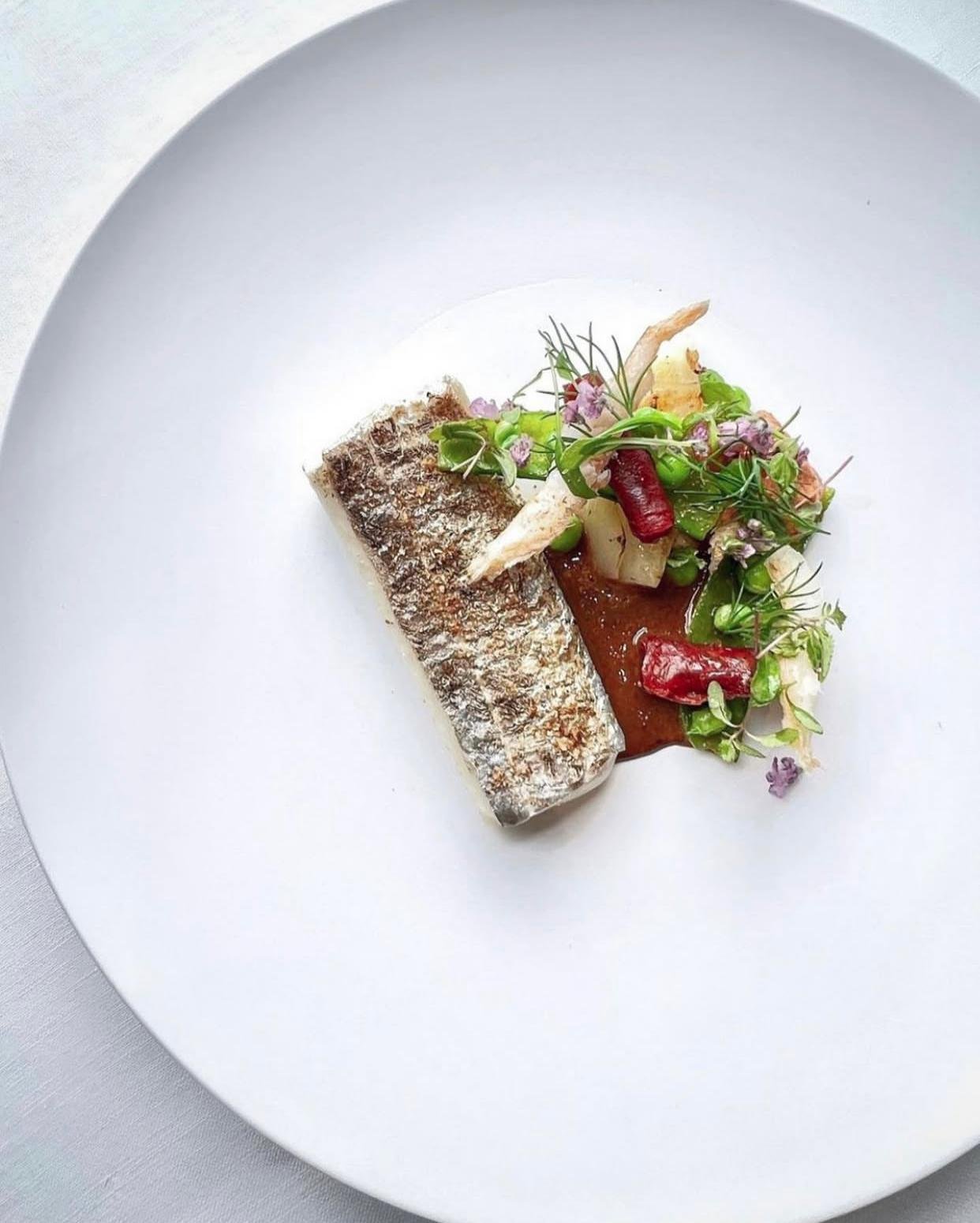
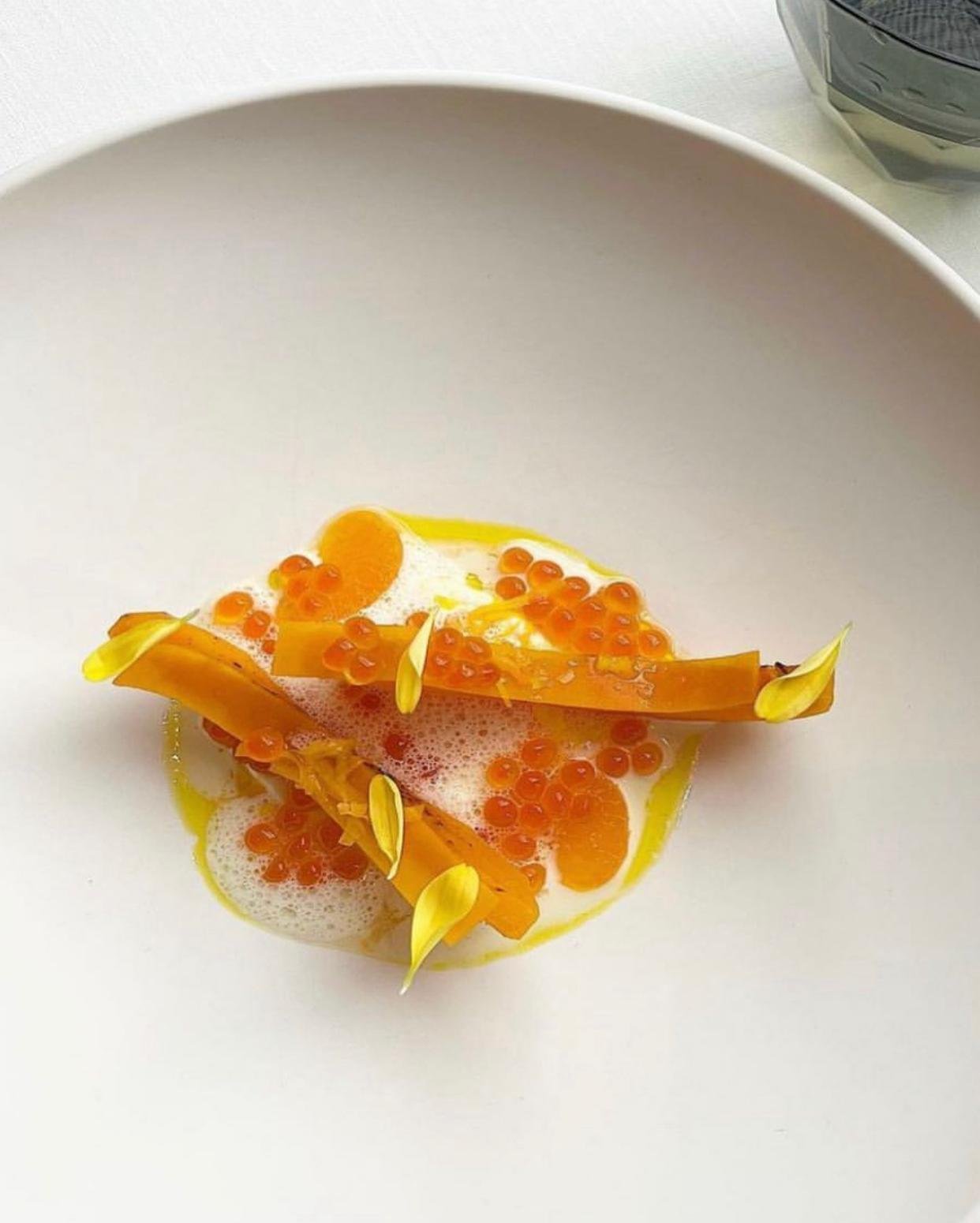
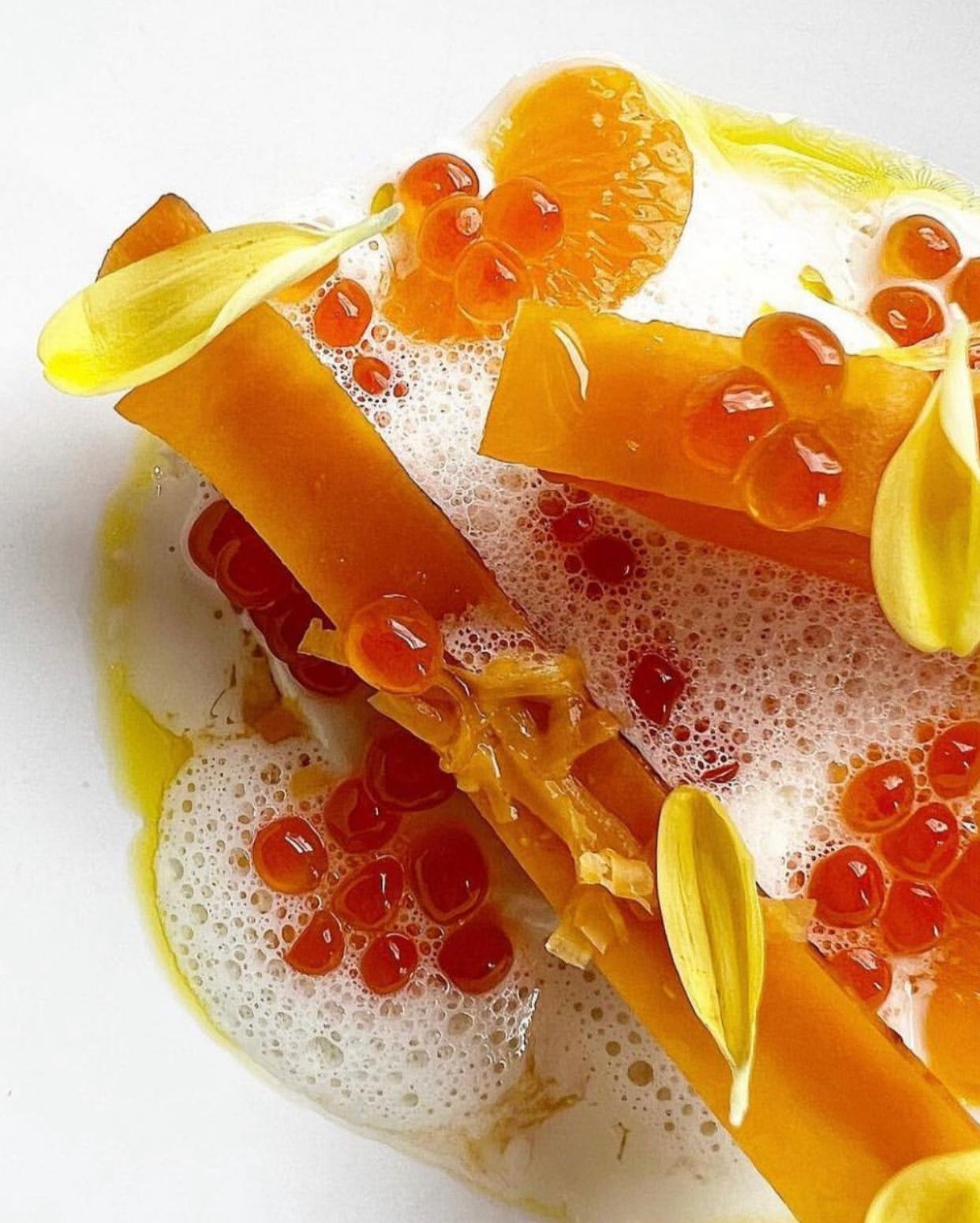
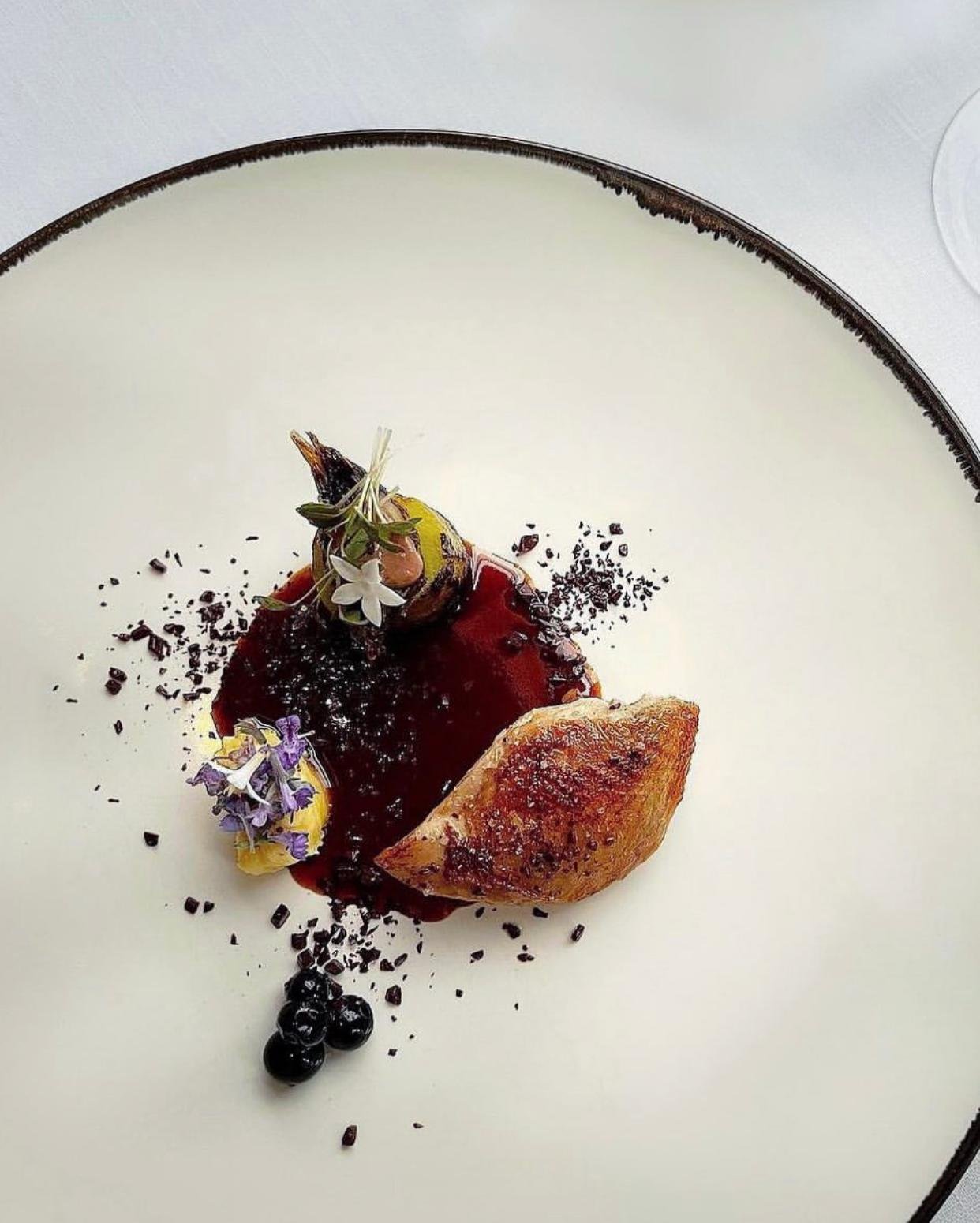
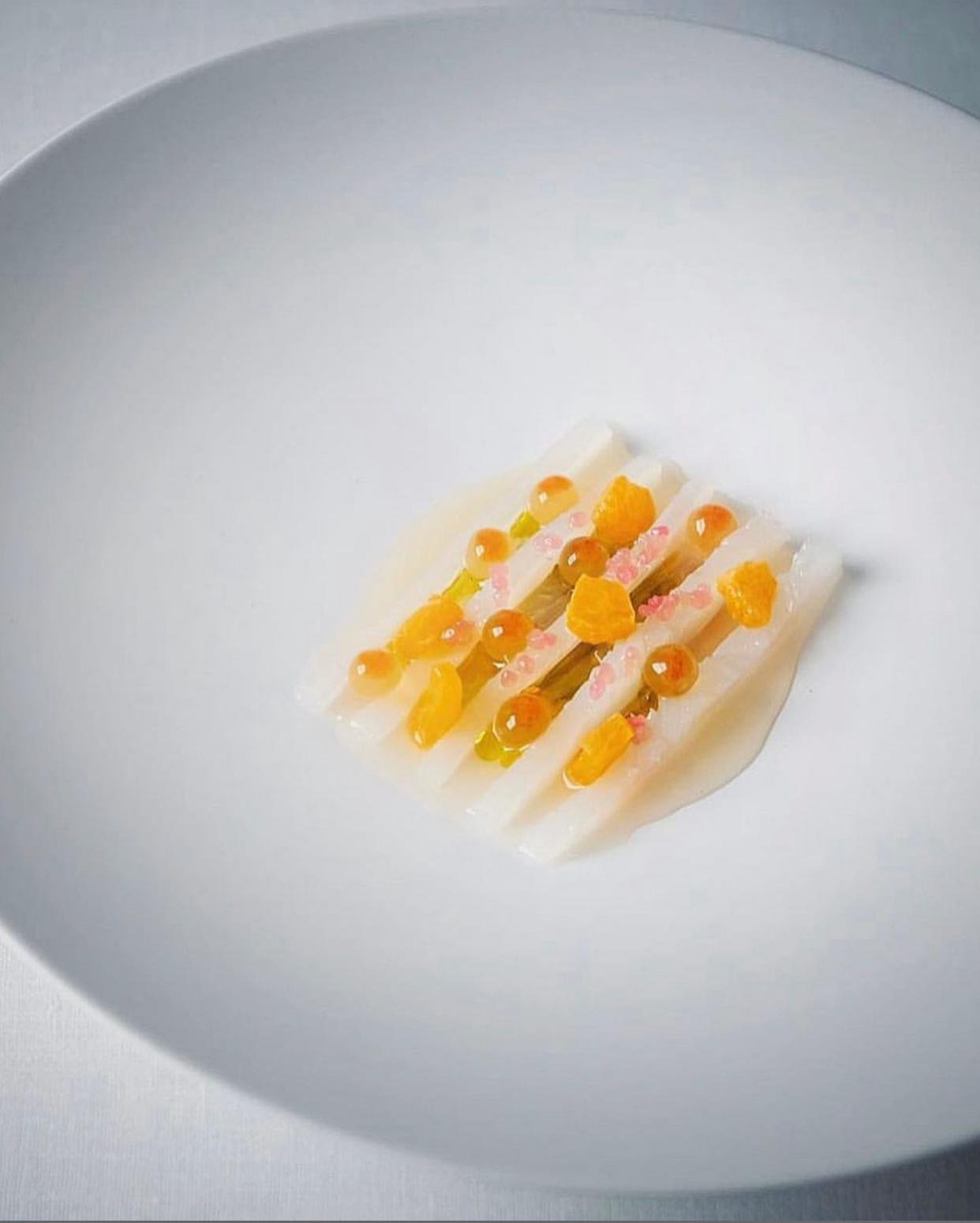
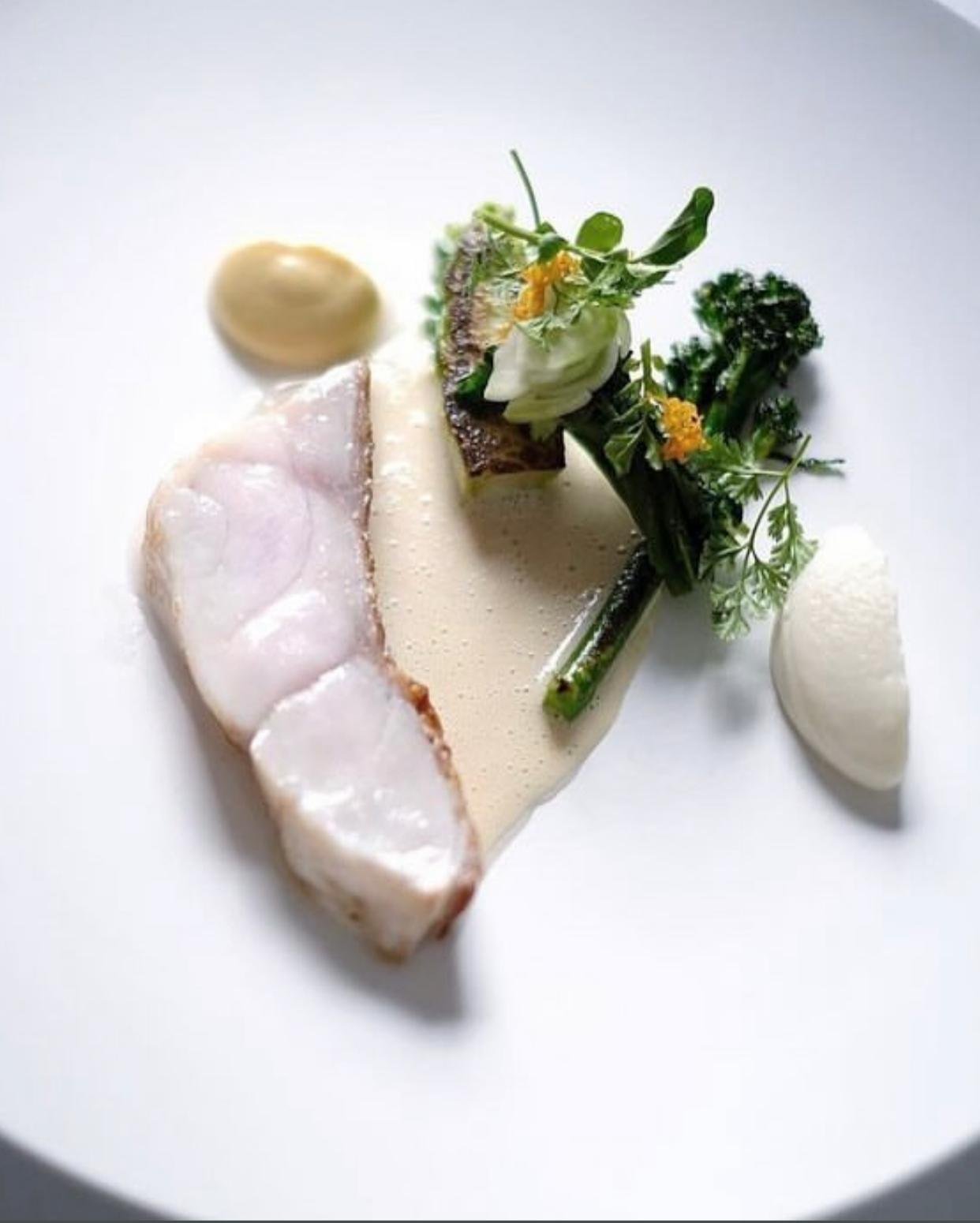
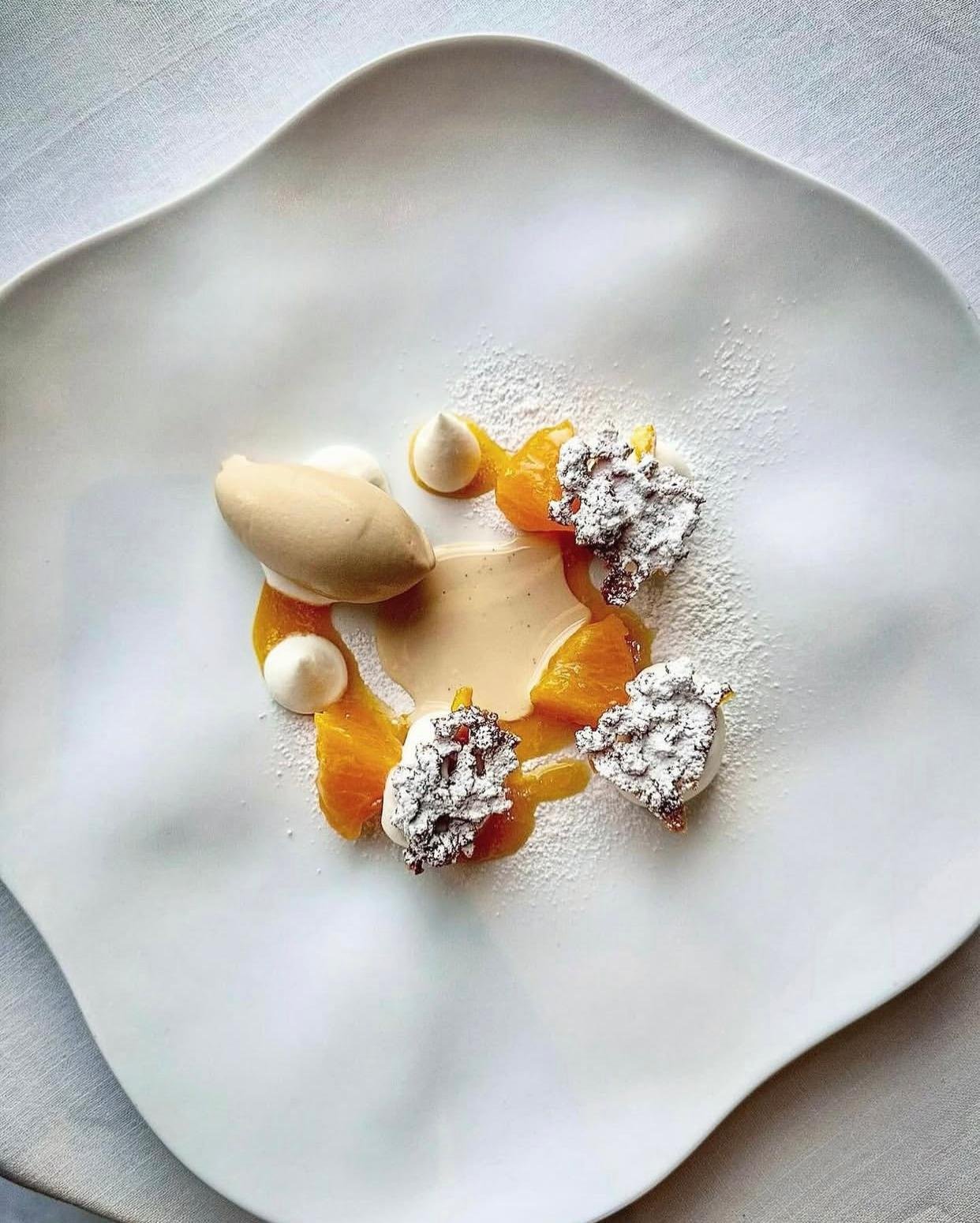
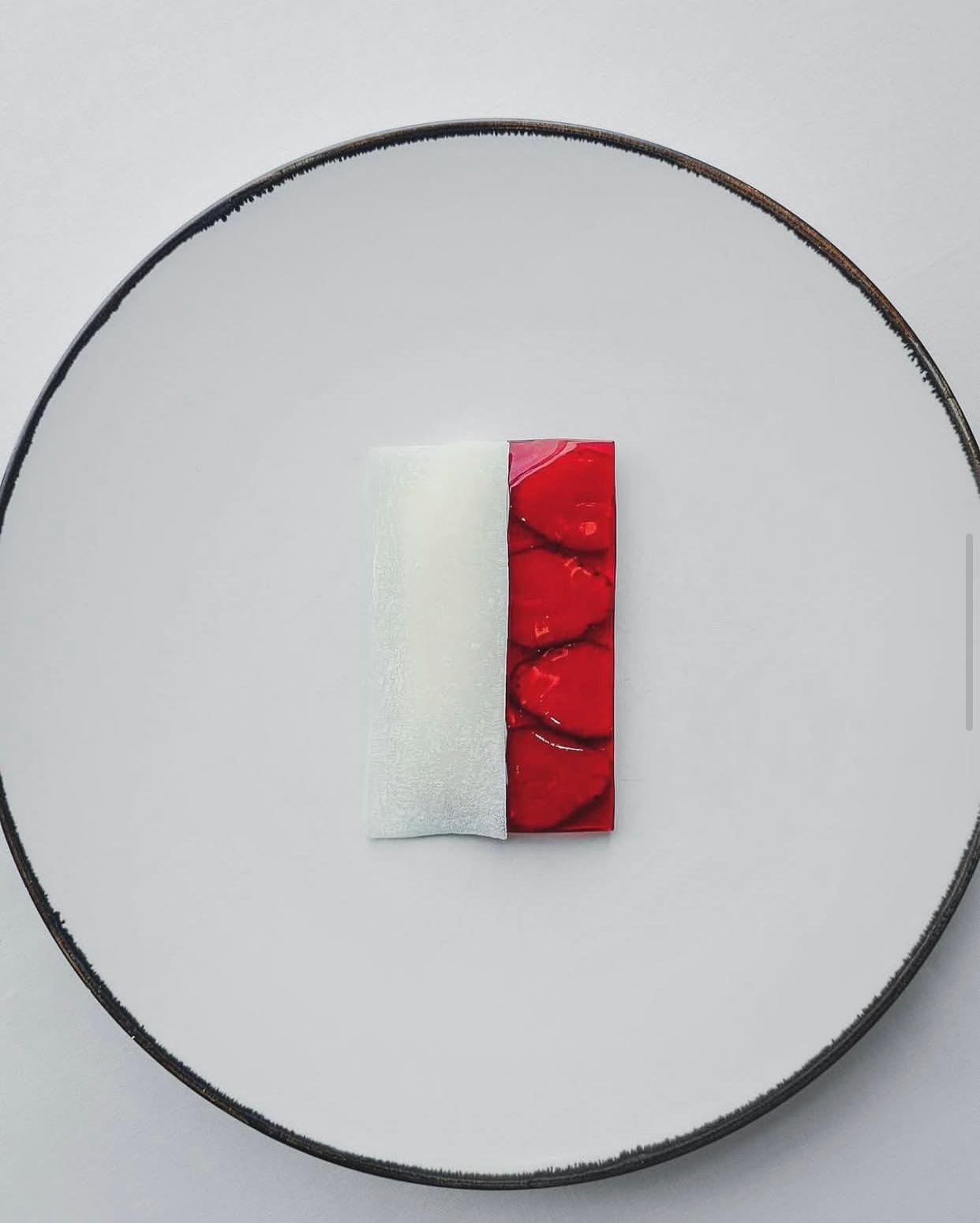
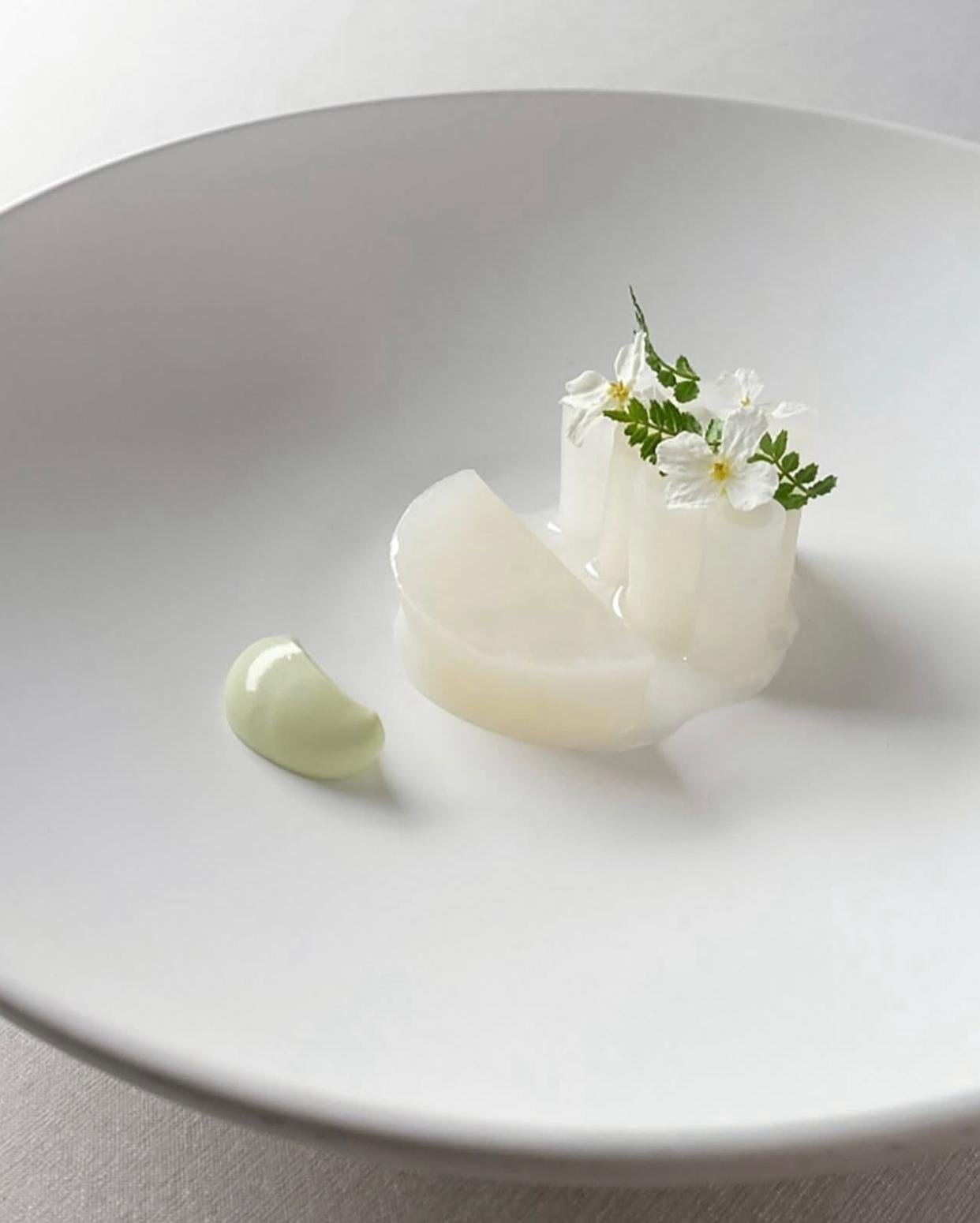
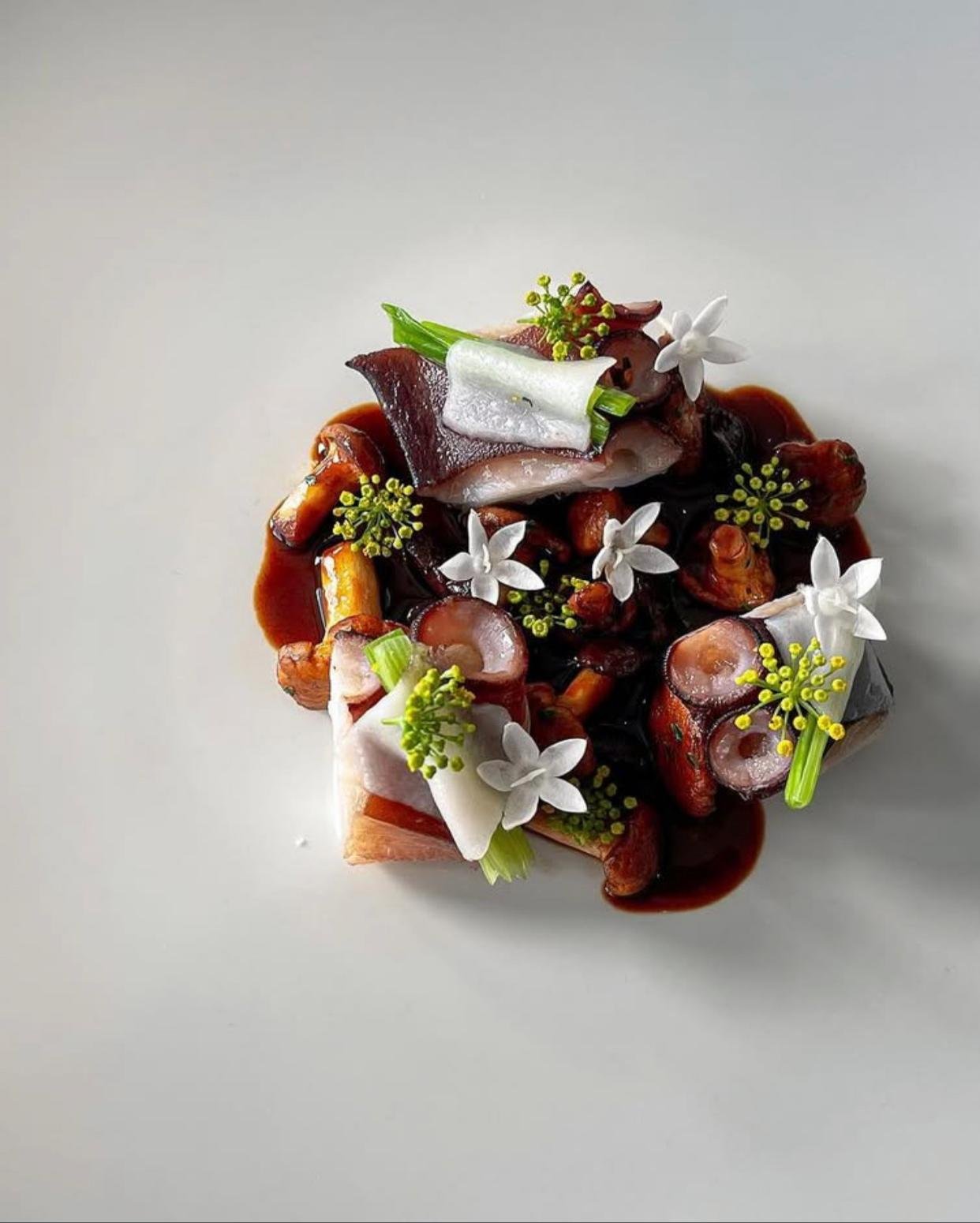
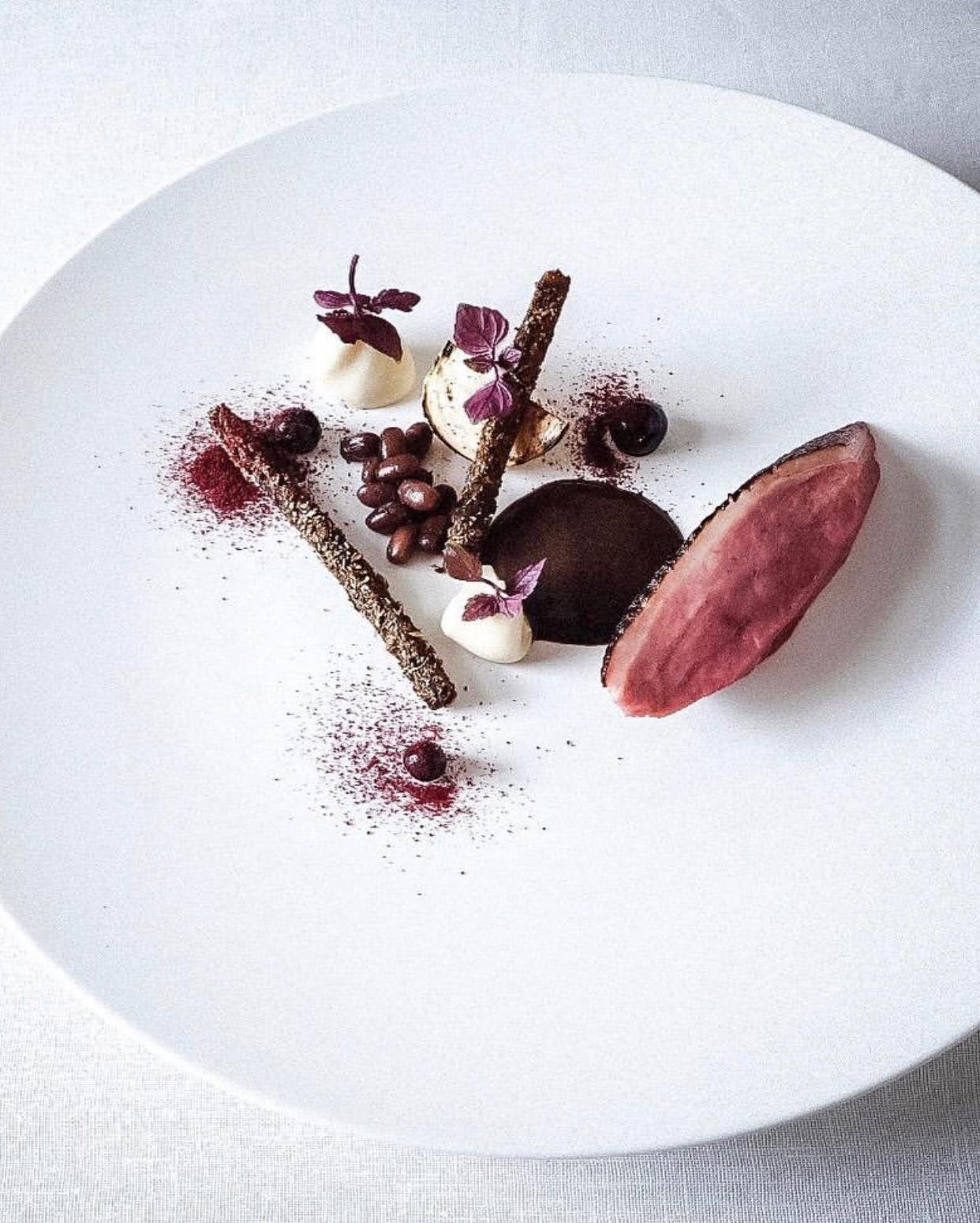
Each plate follows a construction logic:
— millimetric volumes,
— rigorously layered textures,
— contained colors,
— graphic lines,
— materials shown in their purest state.
Every creation reads like a structure:
a point, a direction, a balance, a silence.
Here, cuisine does not seek seduction.
It seeks the correct form.
· • • ·
Experience
The Esquisse experience is a mental progression — never just a meal.
The ritual in the dining room
Subtle welcome, attentive gaze, precise movement.
Nothing overflows.
Everything is measured.
The reading of the dishes
Each creation carries:
— an axis,
— a density,
— an intention,
— a line of escape.
Dishes do not exist to impress.
They exist to organize perception.
The rhythm
Service unfolds as a controlled sequence:
fluidity, silence, accuracy.
A discreet choreography where every gesture has purpose.
The tasting
Esquisse works with the verticality of flavor:
the deep, the light, the structural.
The palate receives an architecture, not a décor.
· • • ·
Sustainability
Esquisse applies a sober, genuine responsibility:
— local products selected for exact seasonality,
— rational use of materials,
— precise quantity management,
— trusted producers,
— no waste by design.
Sustainability is not a speech.
It is the rhythm of the place:
an economy of gesture, material, and energy.
· • • ·
Conclusion Gloss Signature™
Esquisse Tokyo expresses:
50% Luxury — gastronomy conceived as mental architecture.
30% Craftsmanship — precise gestures functioning as structural elements.
20% Sustainability — technical responsibility integrated into every phase.
A restaurant where taste becomes form,
where each plate is a line,
where the meal becomes a method of clarity.
Esquisse does not seek emotion.
It seeks definition.
· • • • ·
© Esquisse
© Esquisse
© Esquisse
© Esquisse
© Esquisse
© Esquisse
© Esquisse
© Esquisse
© Esquisse
© Esquisse
© Esquisse

© Esquisse
© Esquisse
© Esquisse
© Esquisse
© Esquisse
© Esquisse
© Esquisse
FAQ — Esquisse Tokyo
· • • • ·
1. Where is Esquisse located, and why is this address decisive?
Esquisse sits in the heart of Ginza — Tokyo’s most disciplined and geometric district.
In this ultra-structured environment, cuisine gains clarity:
— calm streets,
— vertical light,
— a steady rhythm.
Ginza imposes a silent rigor.
Esquisse fits naturally within it.
· • • • ·
2. What is the restaurant’s overall atmosphere?
The atmosphere is minimalist, stable, and absorbing.
No showcase, no excess.
— precise lighting,
— controlled silence,
— slow movements,
— intentional neutrality.
Everything serves one purpose:
to create a mental space where every detail reads clearly.
· • • • ·
3. What is Esquisse’s culinary philosophy?
Esquisse develops a conceptual yet disciplined cuisine built on three principles:
— pure Japanese products,
— sharp French technique,
— sober contemporary composition.
The cuisine does not seek surprise.
It seeks to organize taste.
· • • • ·
4. How can Esquisse’s dishes be described?
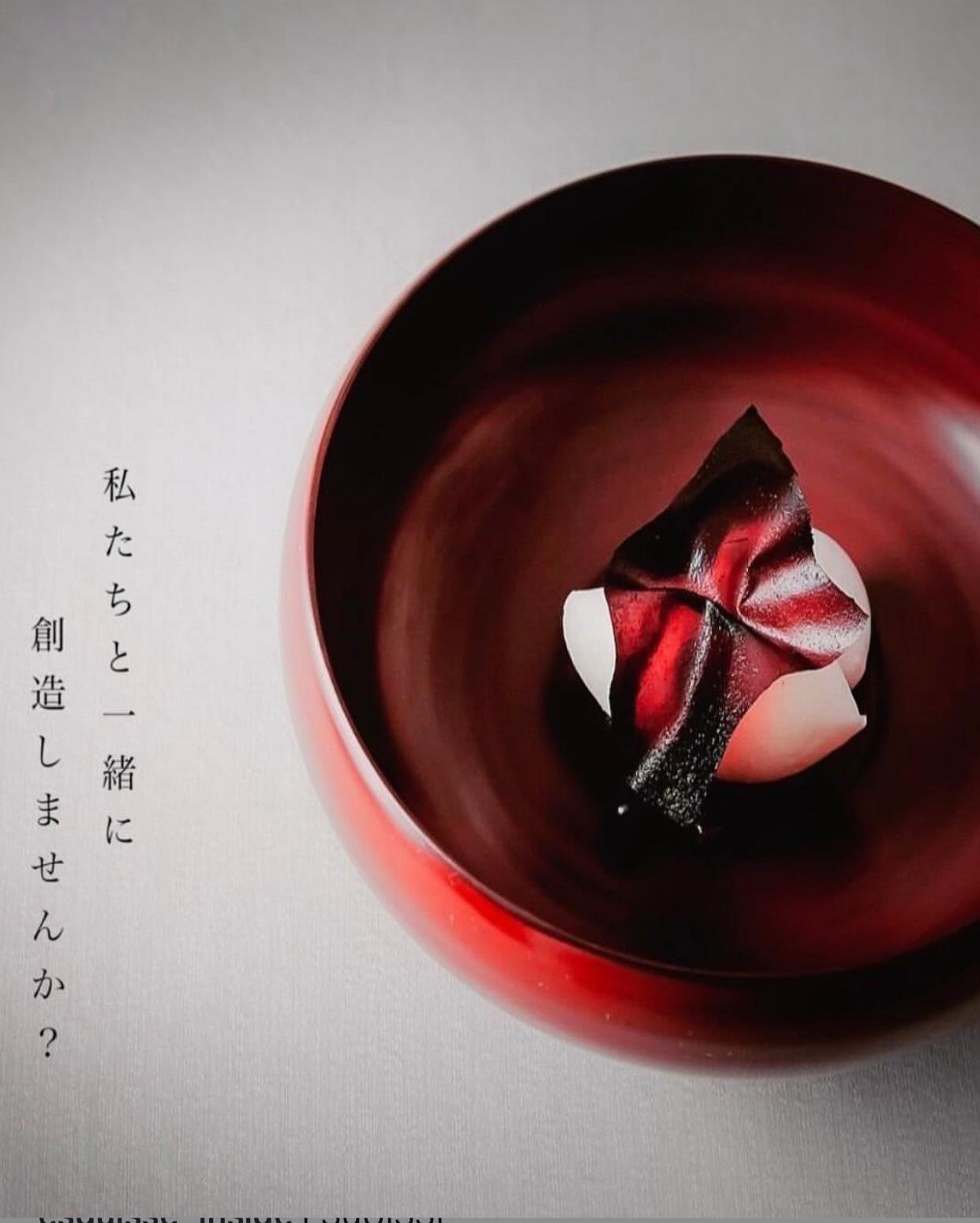
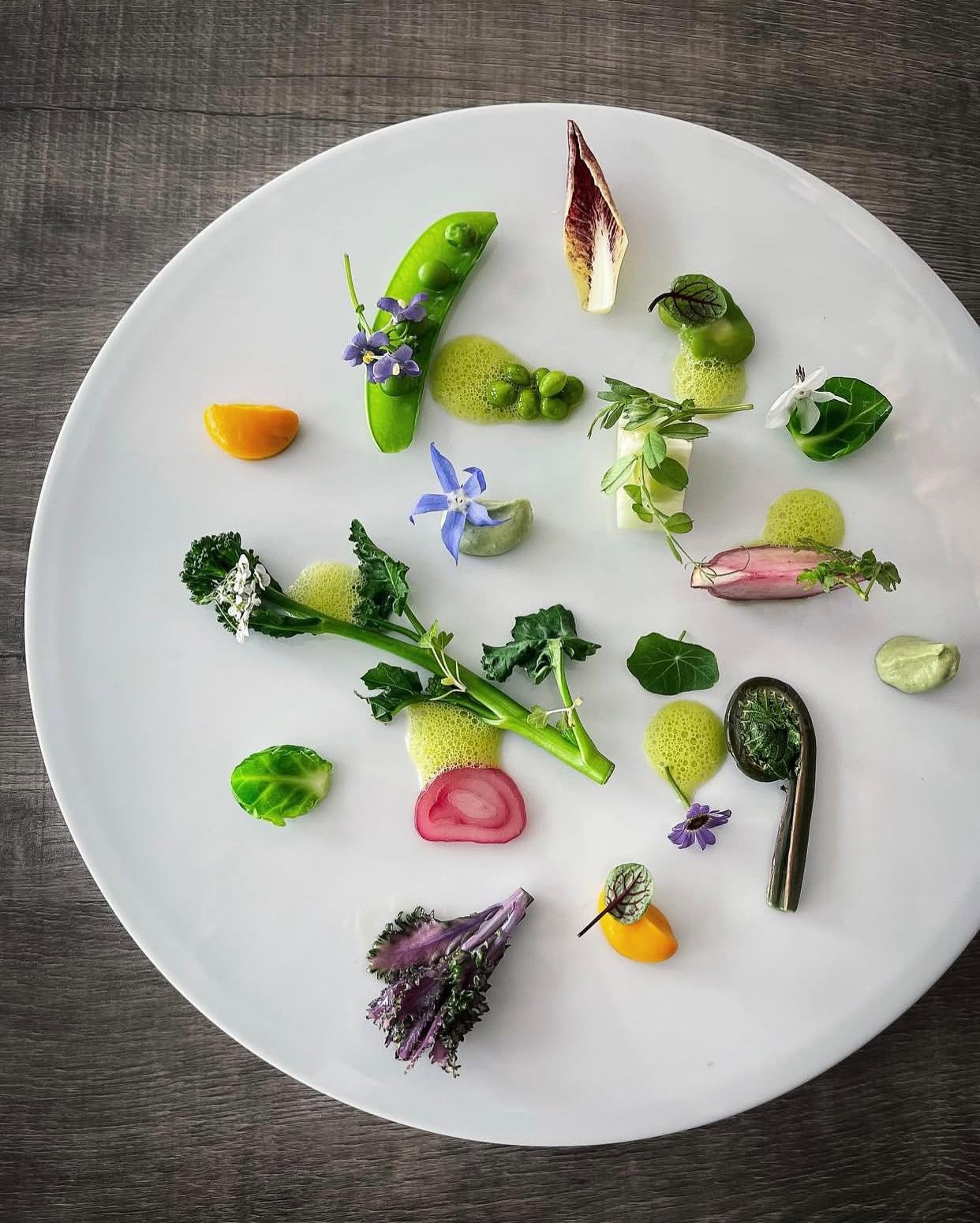
Each dish is a construction:
— few elements,
— graphic lines,
— layered textures,
— millimetric volumes,
— controlled colors.
Every plate follows its own internal logic.
Nothing is added without function.
· • • • ·
5. Is the cuisine emotional?
No.
It is analytical.
The chef offers a reading of taste:
what is deep, what is light, what brings tension.
The meal functions as a method of understanding,
not a narrative.
· • • • ·
6. How does the service operate?
Service follows Tokyo’s codes:
— precision,
— discretion,
— no emphasis,
— clean gestures.
It does not seek to communicate.
Its goal is to stabilize the experience.
· • • • ·
7. Are portions small?
Yes — by principle.
Esquisse values exact density, not quantity.
Portions are designed to support:
— flavor concentration,
— controlled variation,
— rhythmic consistency.
· • • • ·
8. What does the progression of a menu look like?
It is a mental sequence:
— ascent,
— cut,
— breath,
— final balance.
The progression is never decorative.
It is designed for clarity.
· • • • ·
9. Is the restaurant suitable for business meals?
Yes.
It is one of Ginza’s best environments for serious conversations:
— spaced tables,
— perfect acoustics,
— stable rhythm,
— silent service.
Esquisse allows full concentration.
· • • • ·
10. What is Esquisse’s sustainability approach?
A technical, sober responsibility:
— strict selection of Japanese ingredients,
— rigorous seasonality,
— millimetric material usage,
— real waste limitation,
— deep understanding of local cycles.
Responsibility is integrated into every step —
never displayed.
· • • • ·
11. Why does Esquisse attract so much attention from international gastronomes?
Because it offers a rare form of cuisine:
conceptual, precise, contemporary, and perfectly aligned with Tokyo’s sensibility.
Each dish has a form, a line, a trajectory.
Its coherence is immediately recognizable.
· • • • ·
12. Why does Gloss Tokyo highlight Esquisse?
Because the restaurant aligns perfectly with the core framework:
— 50% gastronomic luxury conceived as structure,
— 30% exact craftsmanship in every gesture,
— 20% integrated technical sustainability.
Esquisse represents a clear, disciplined, fully modern cuisine.
A model of precision within Tokyo’s dining scene.
· • • • ·
ESQUISSE
© Esquisse