

© Hommage
© Hommage
© Hommage
HOMMAGE
Hommage — French Gastronomy Reduced to Its Essence in Tokyo
Where French precision meets Japanese purity in the historic district of Asakusa.
· • • ·
The Soul of the Place
Hommage is not a restaurant that seeks to impress.
It seeks to clarify.
In the traditional neighborhood of Asakusa, Chef Noboru Arai has built a rare space:
a place where French cuisine is translated through extreme Japanese sobriety.
The setting remains silent, gestures are clean, and the progression is controlled.
Hommage functions like a chamber of gustatory concentration:
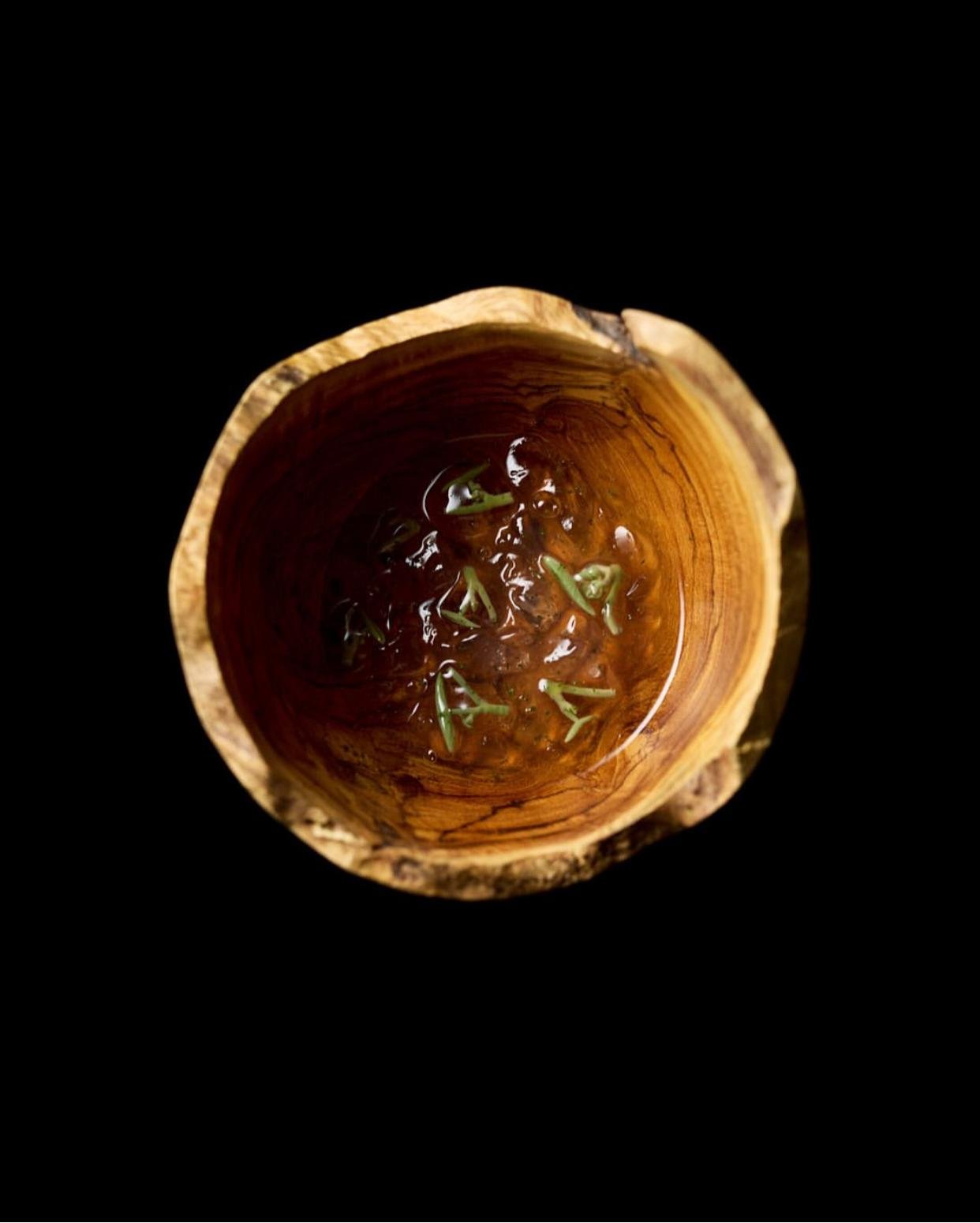
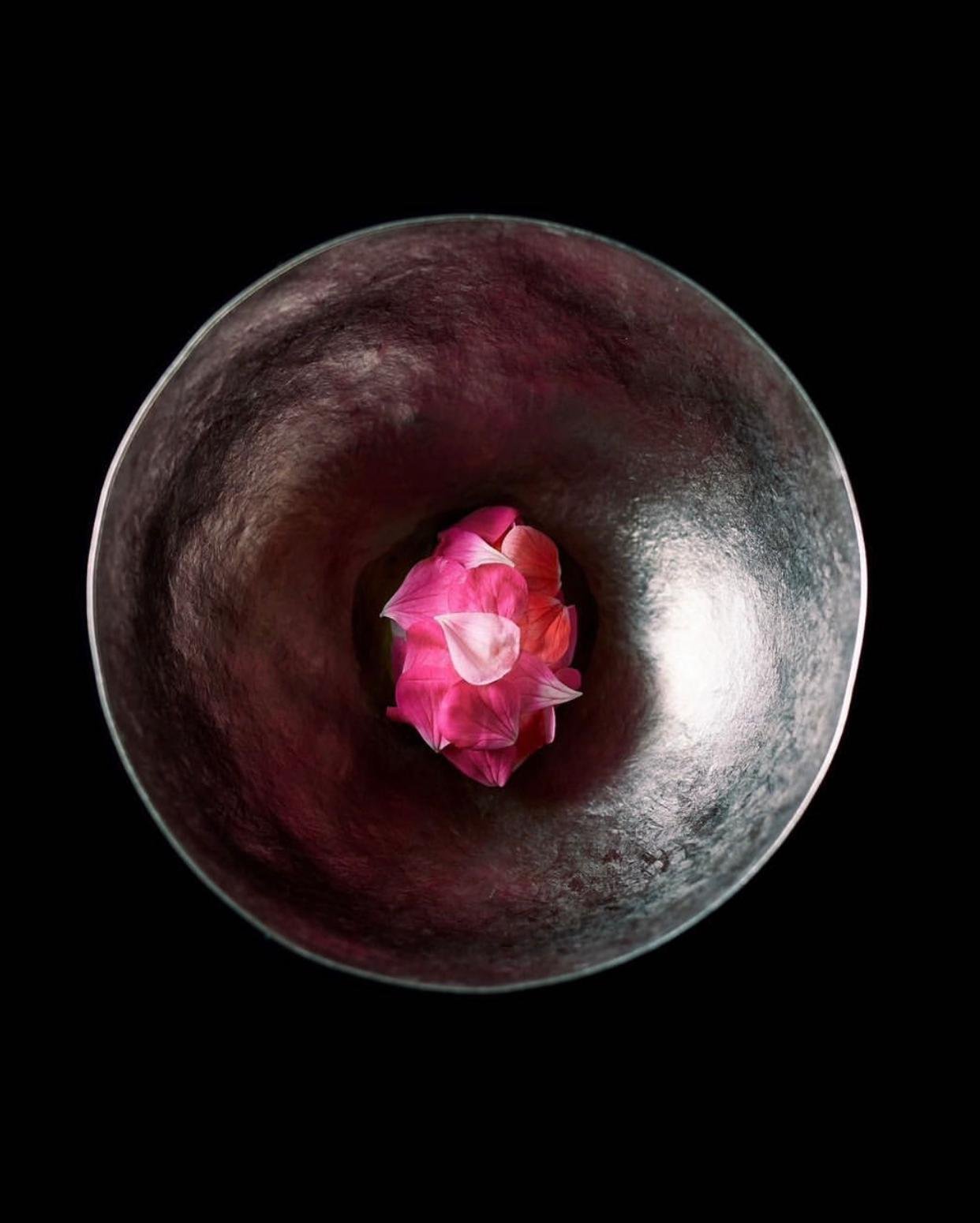
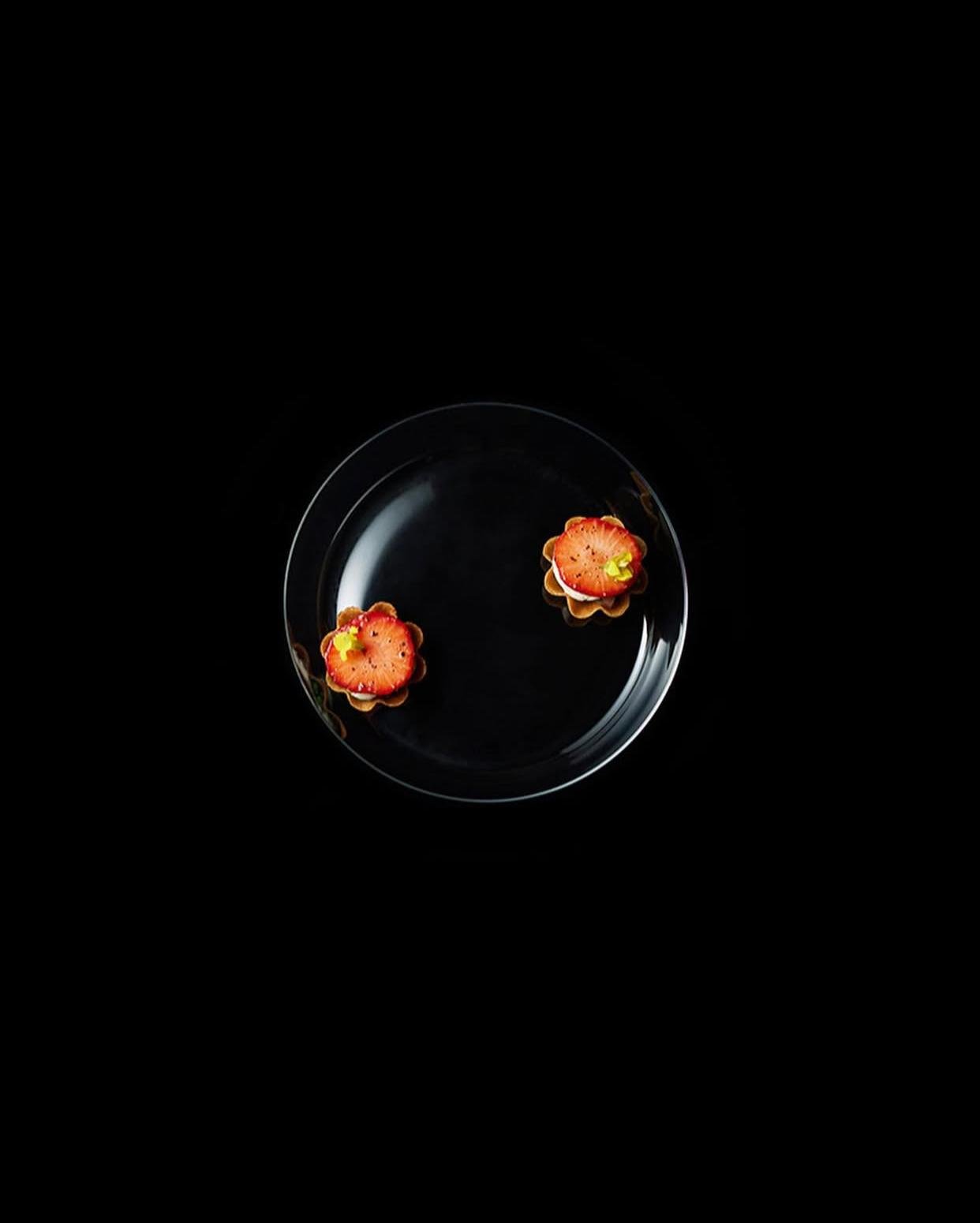
each plate is a fixed point,
each preparation a measured gesture,
each flavor a clear line.
The restaurant does not tell a story.
It distills, reduces, stabilizes.
· • • ·
Signatures
Hommage’s identity is built on a rigorous reading of taste:
— Japanese products with rare intensity,
— French techniques refined to their essential form,
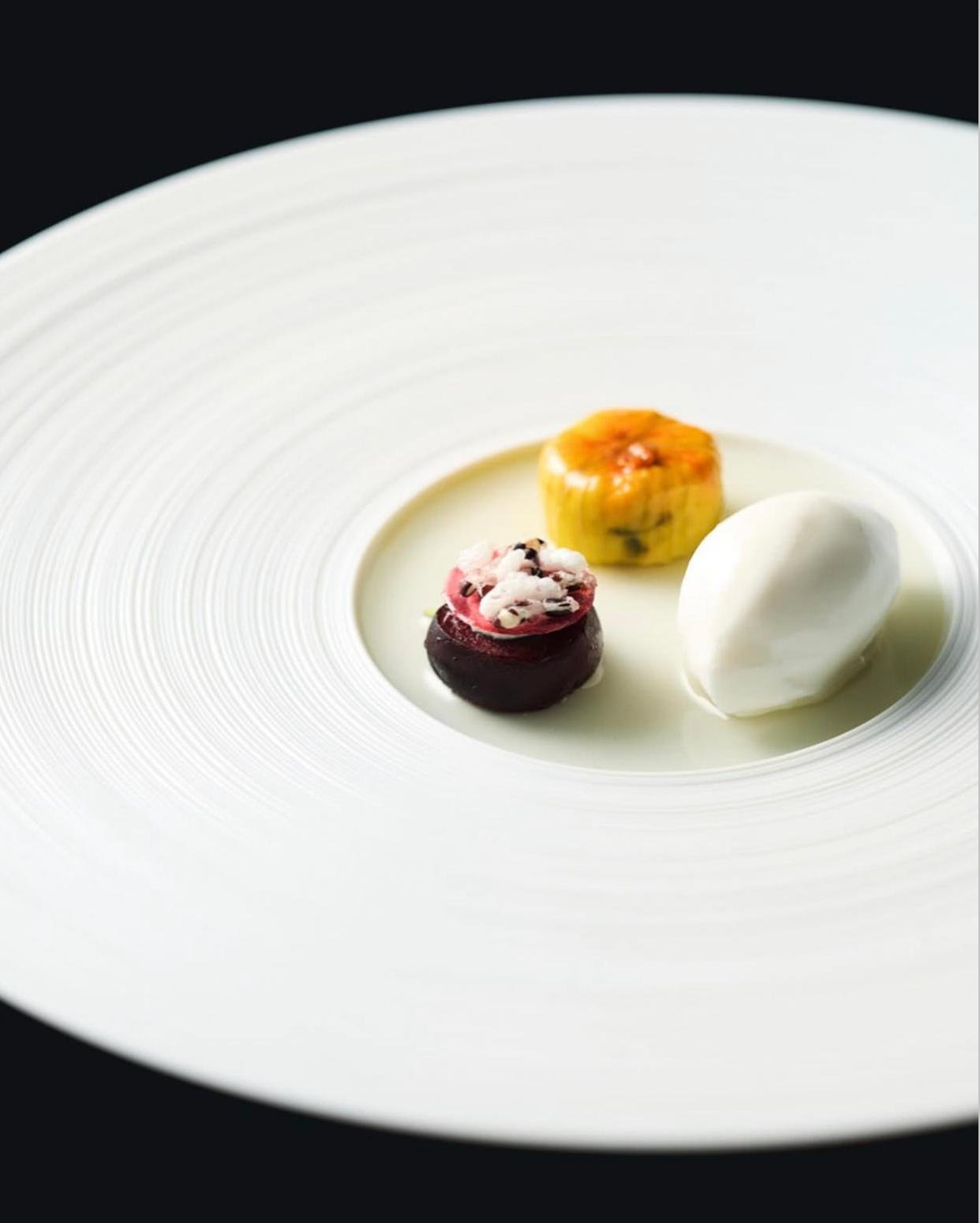
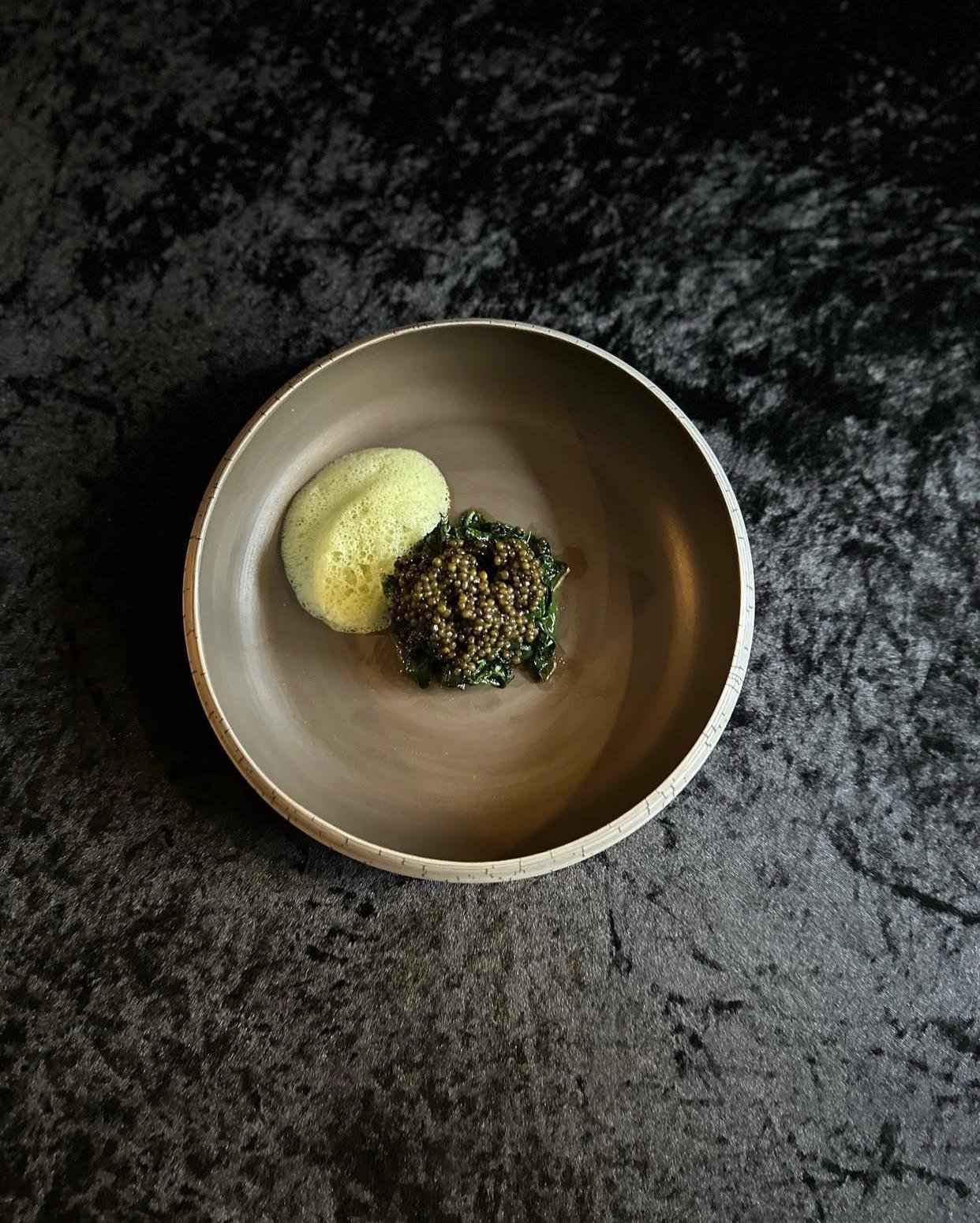
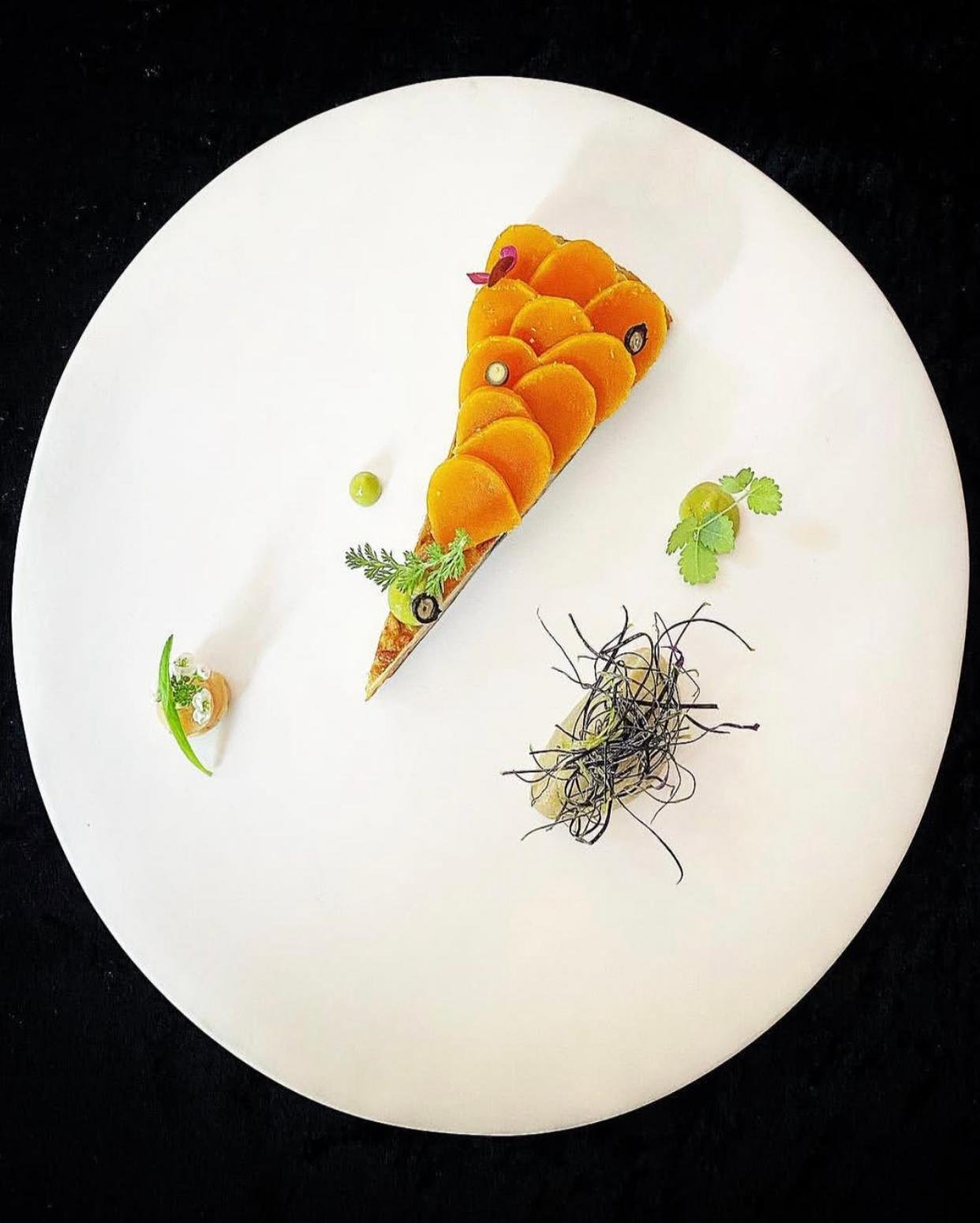
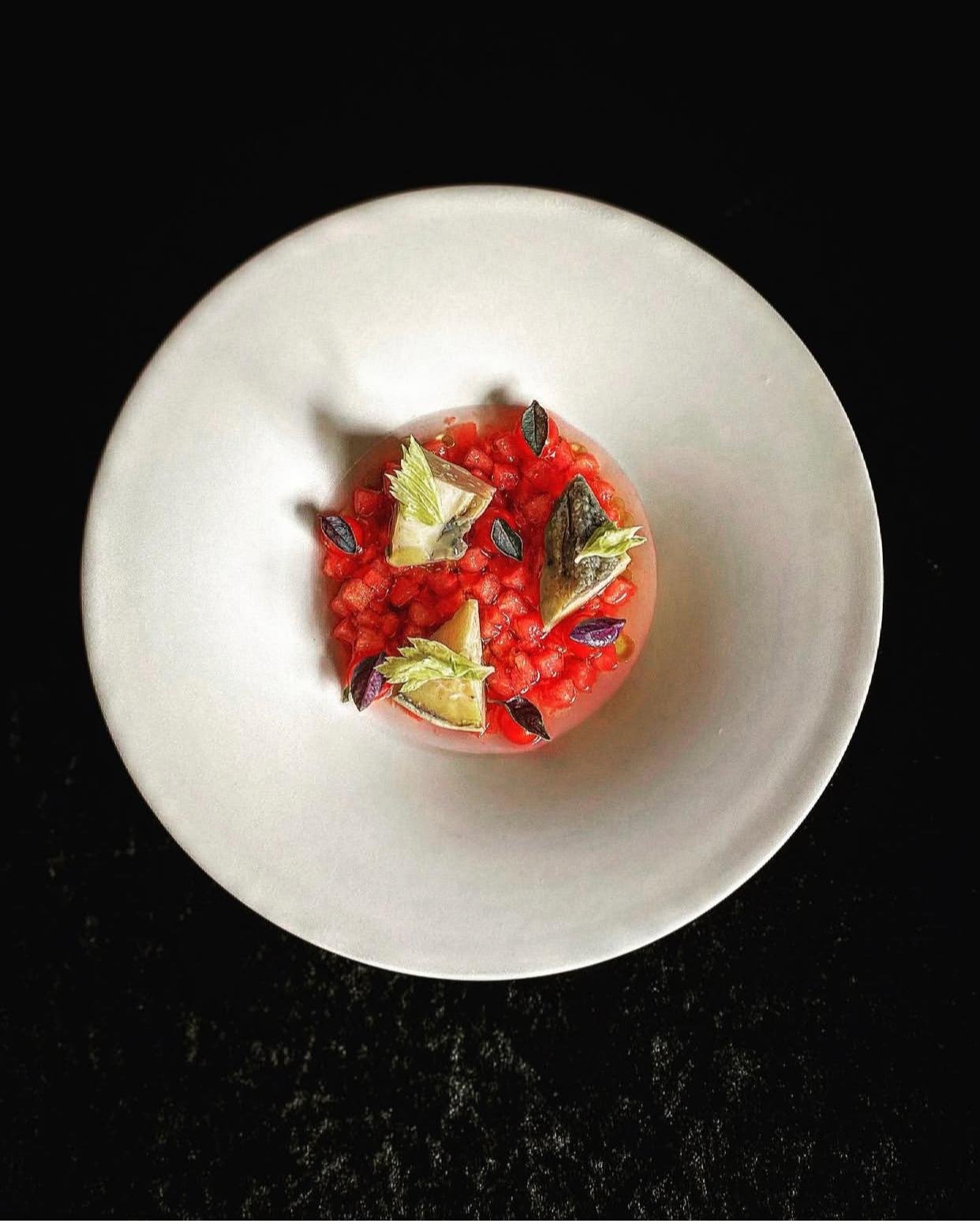
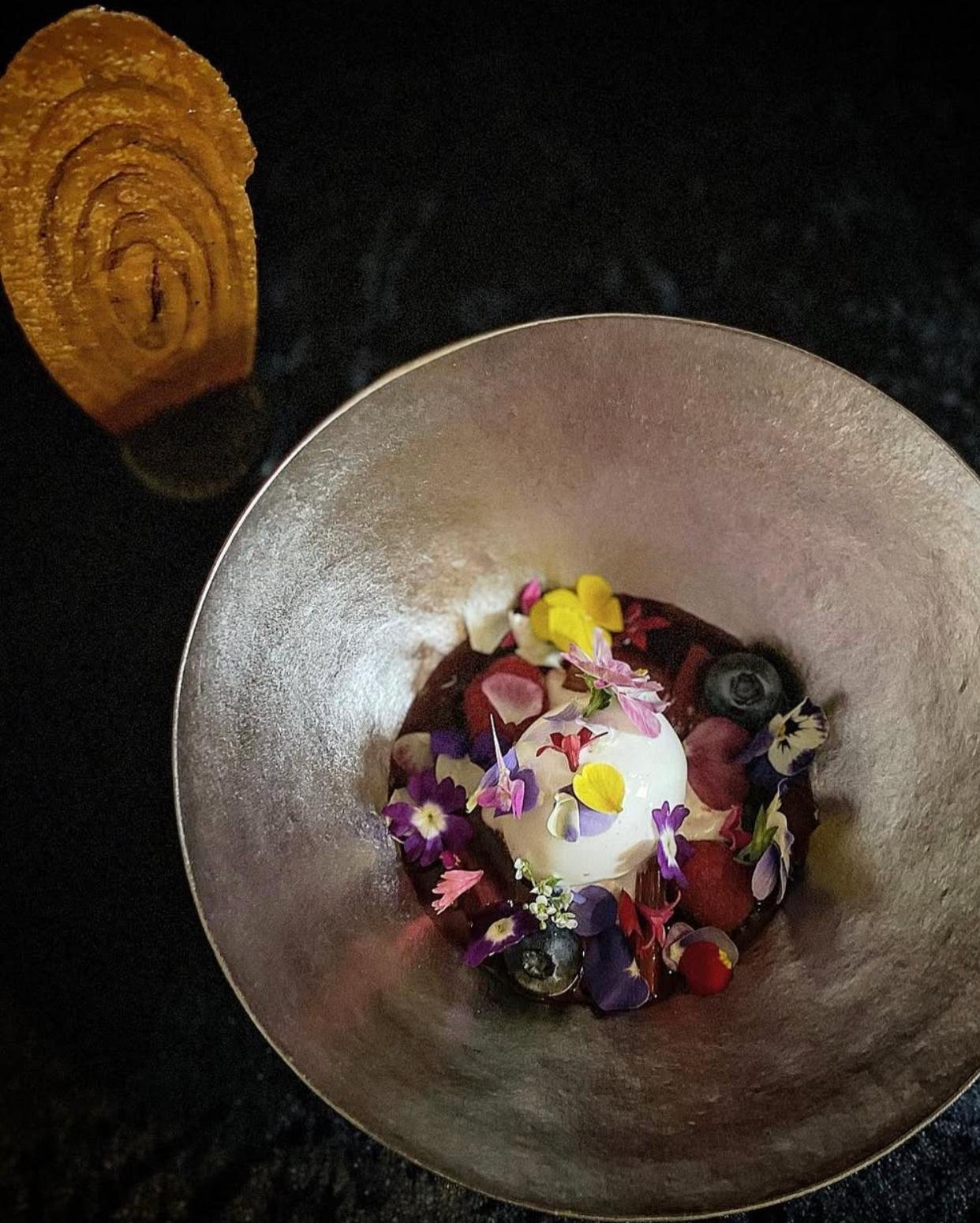
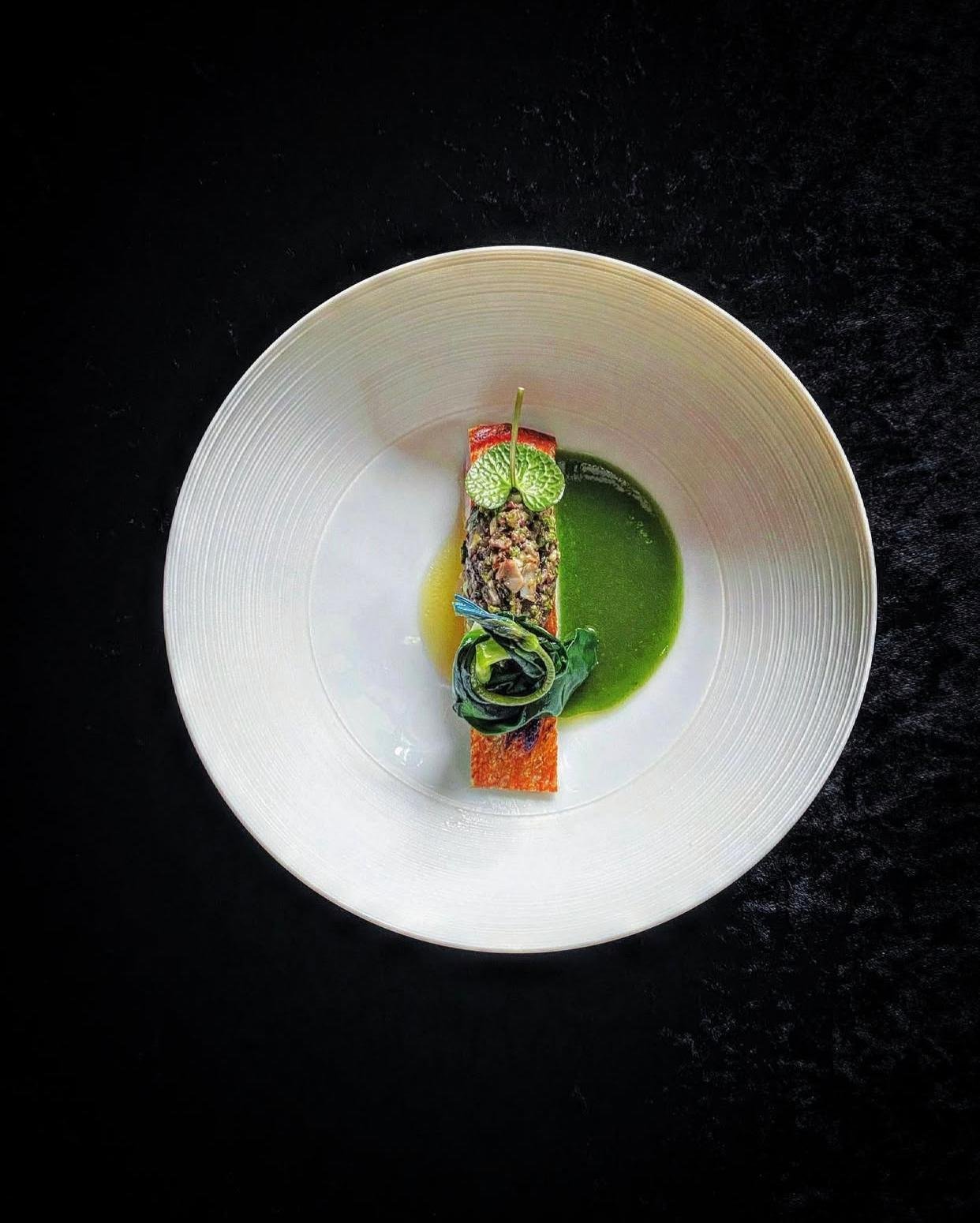
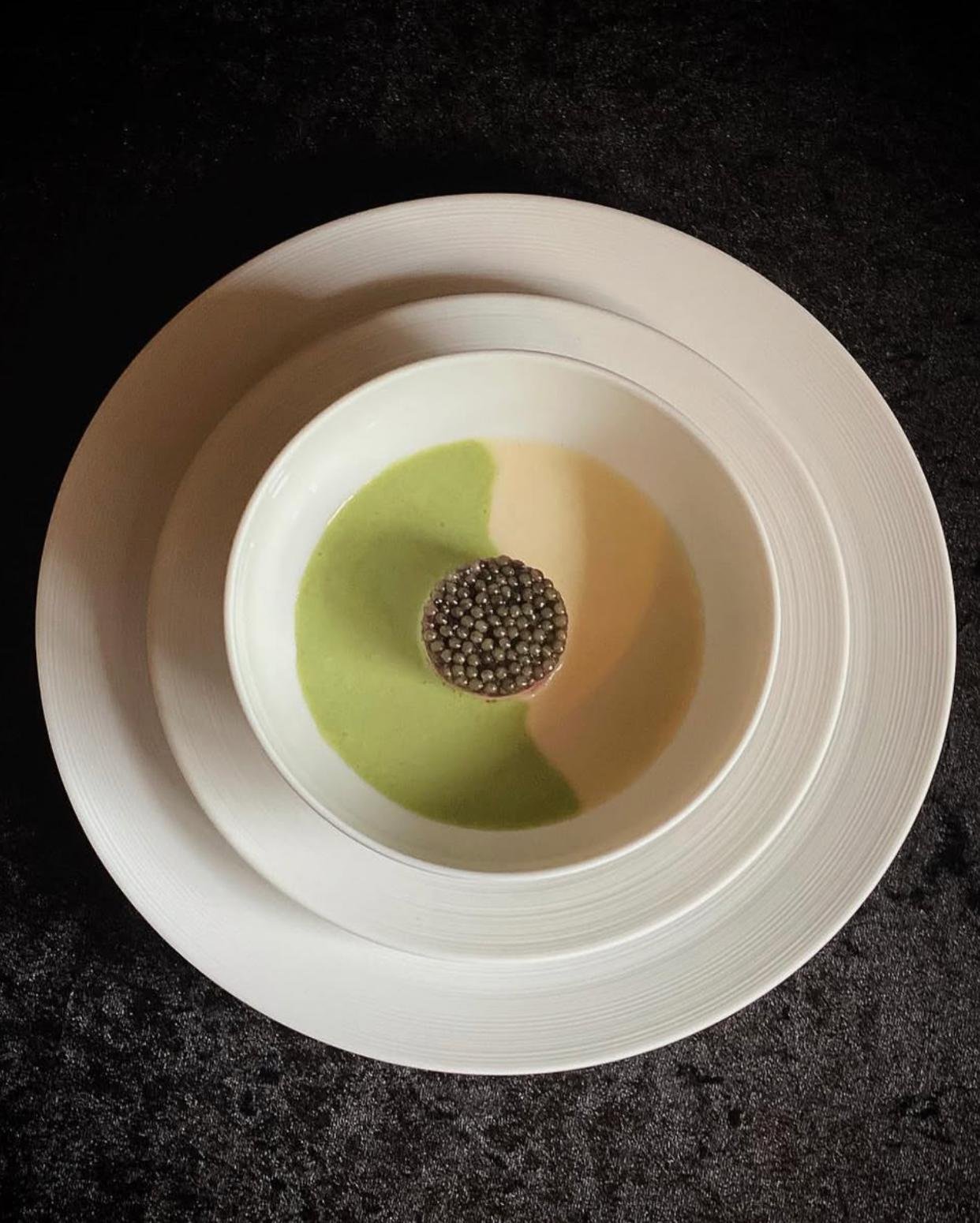
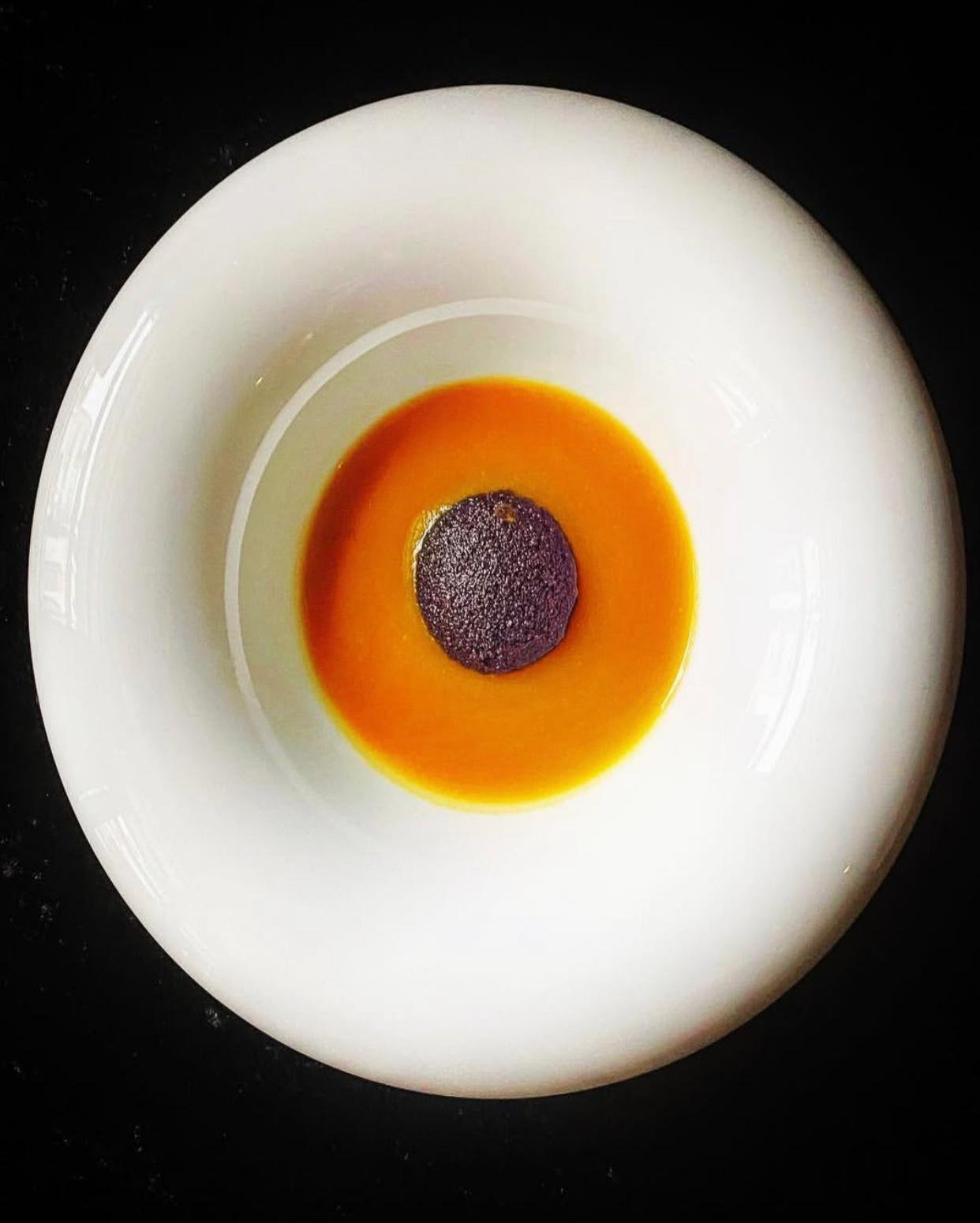
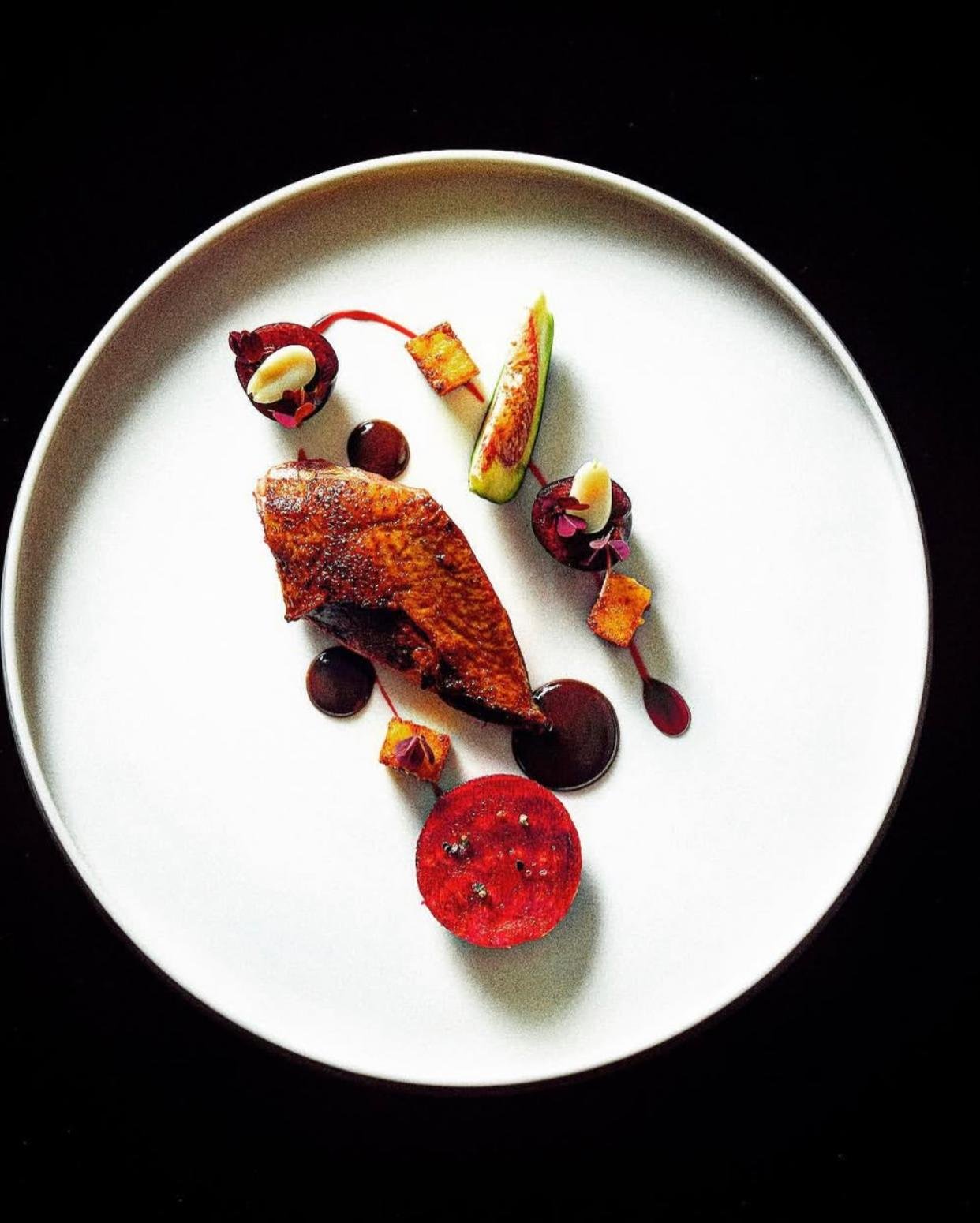
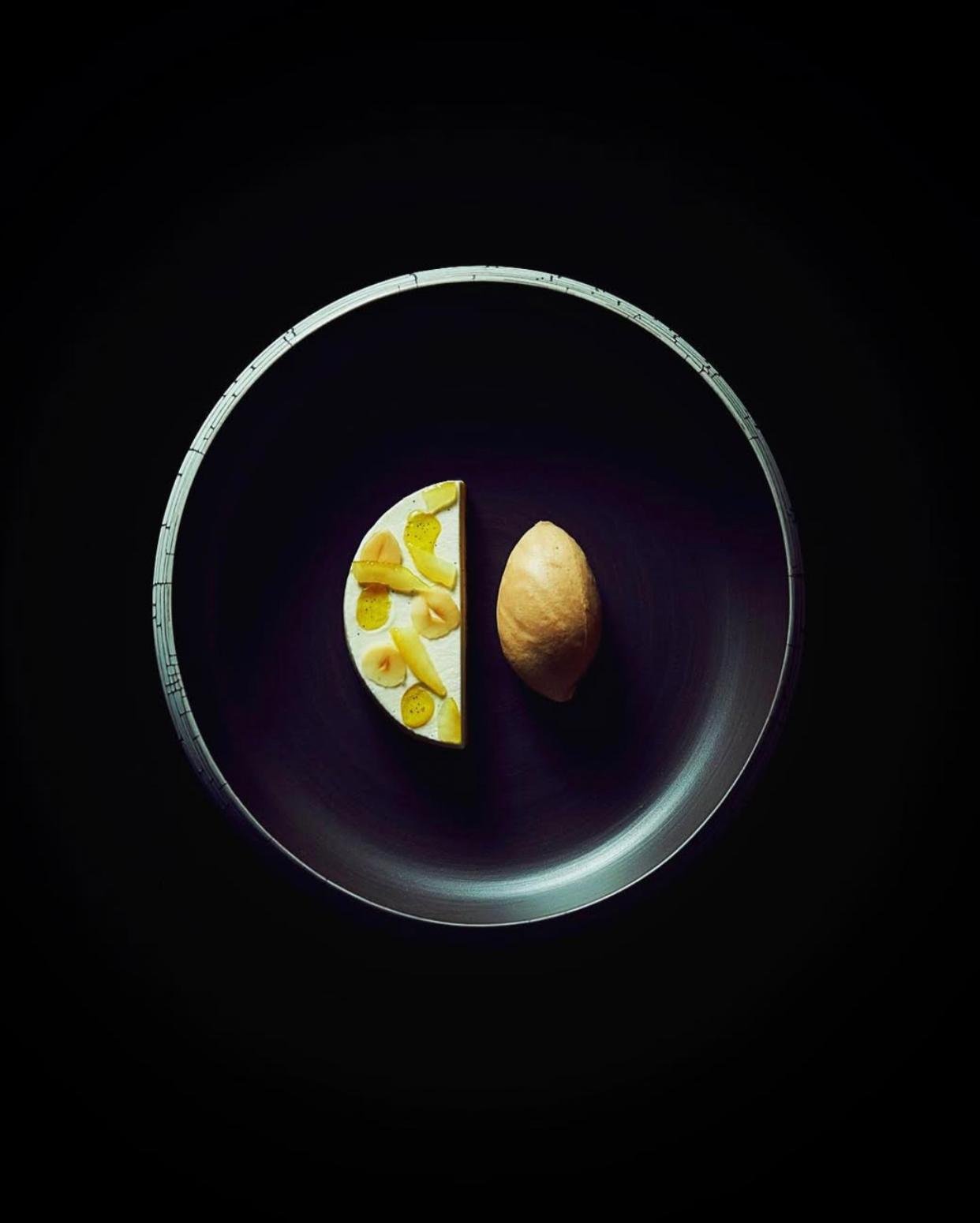
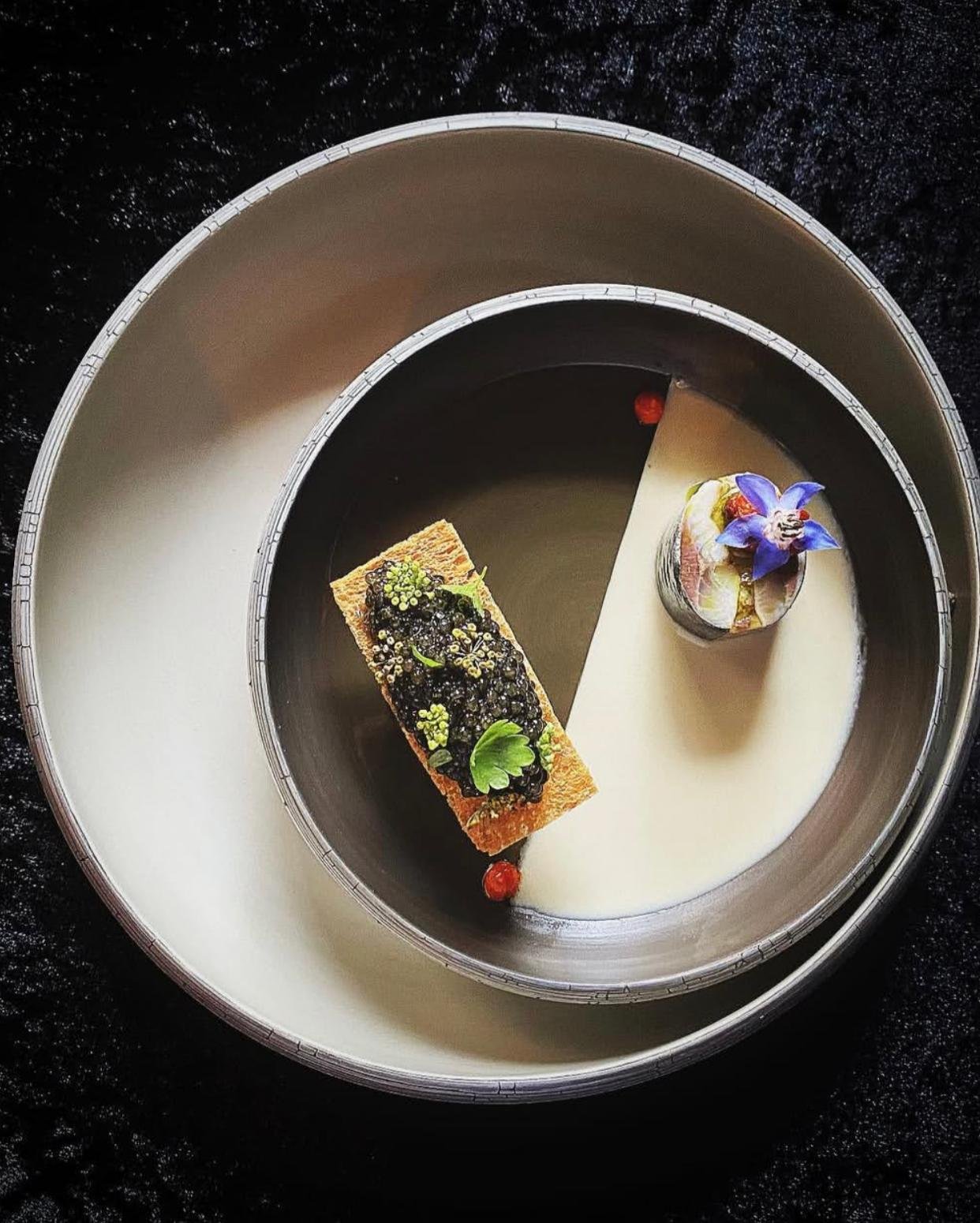
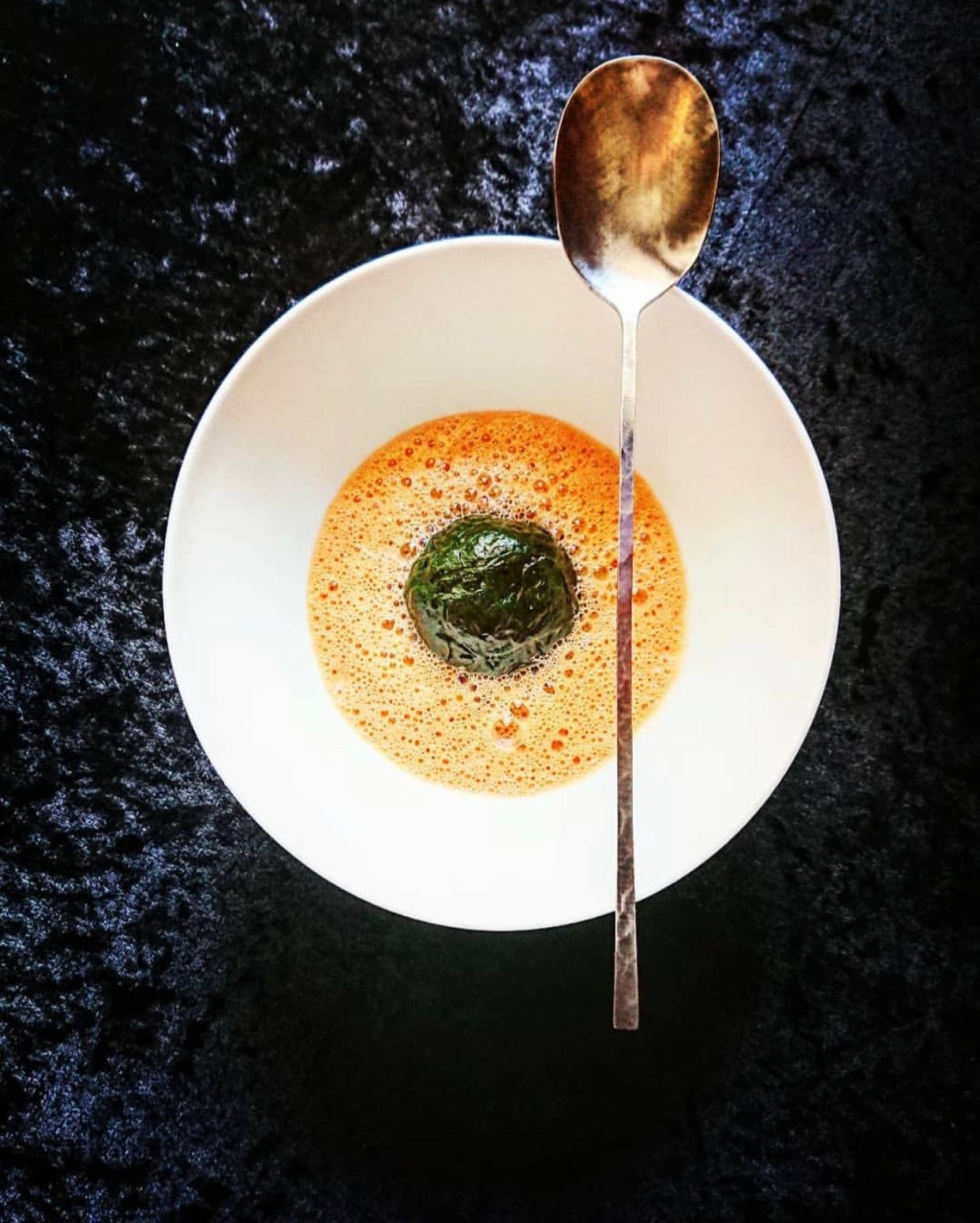
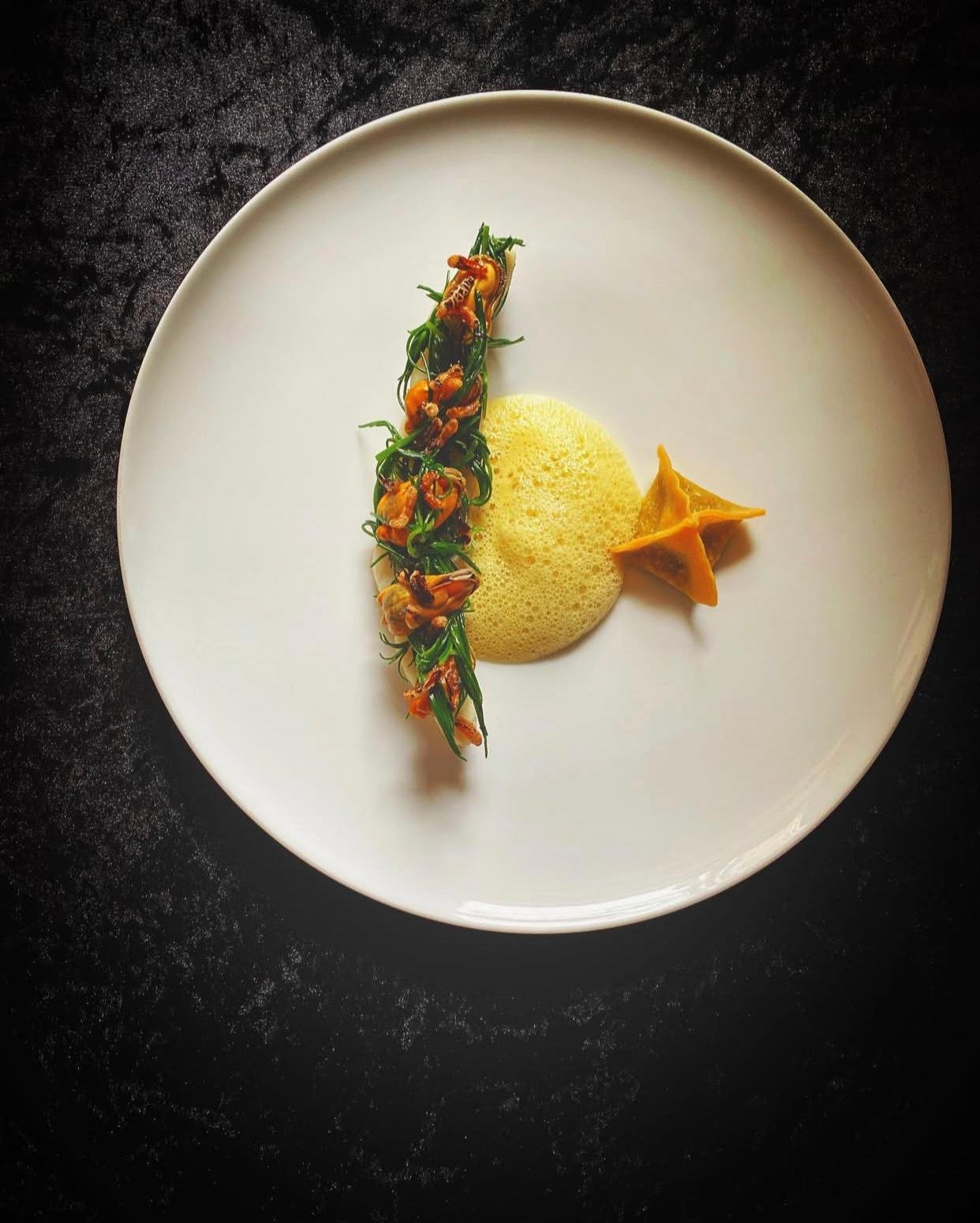
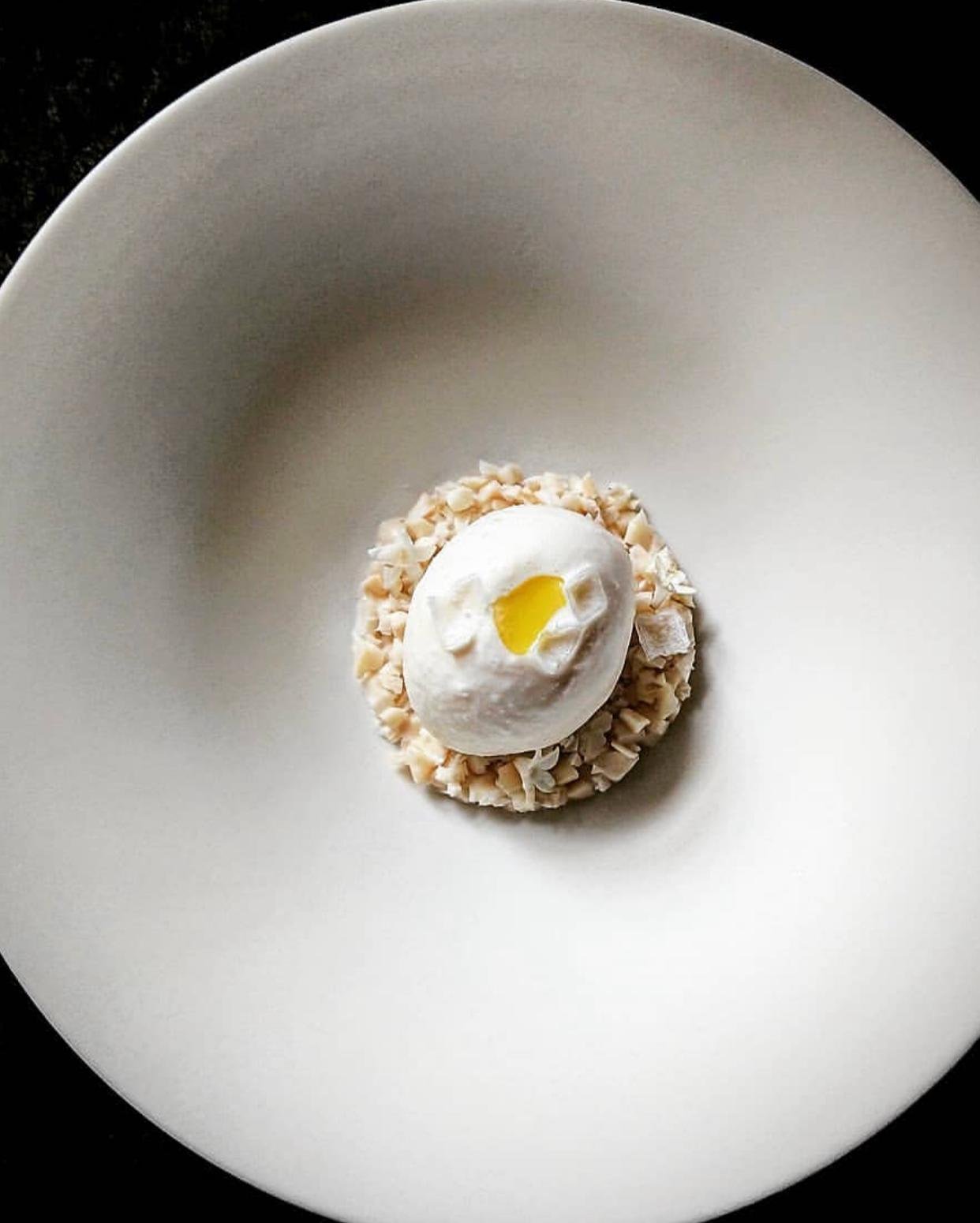
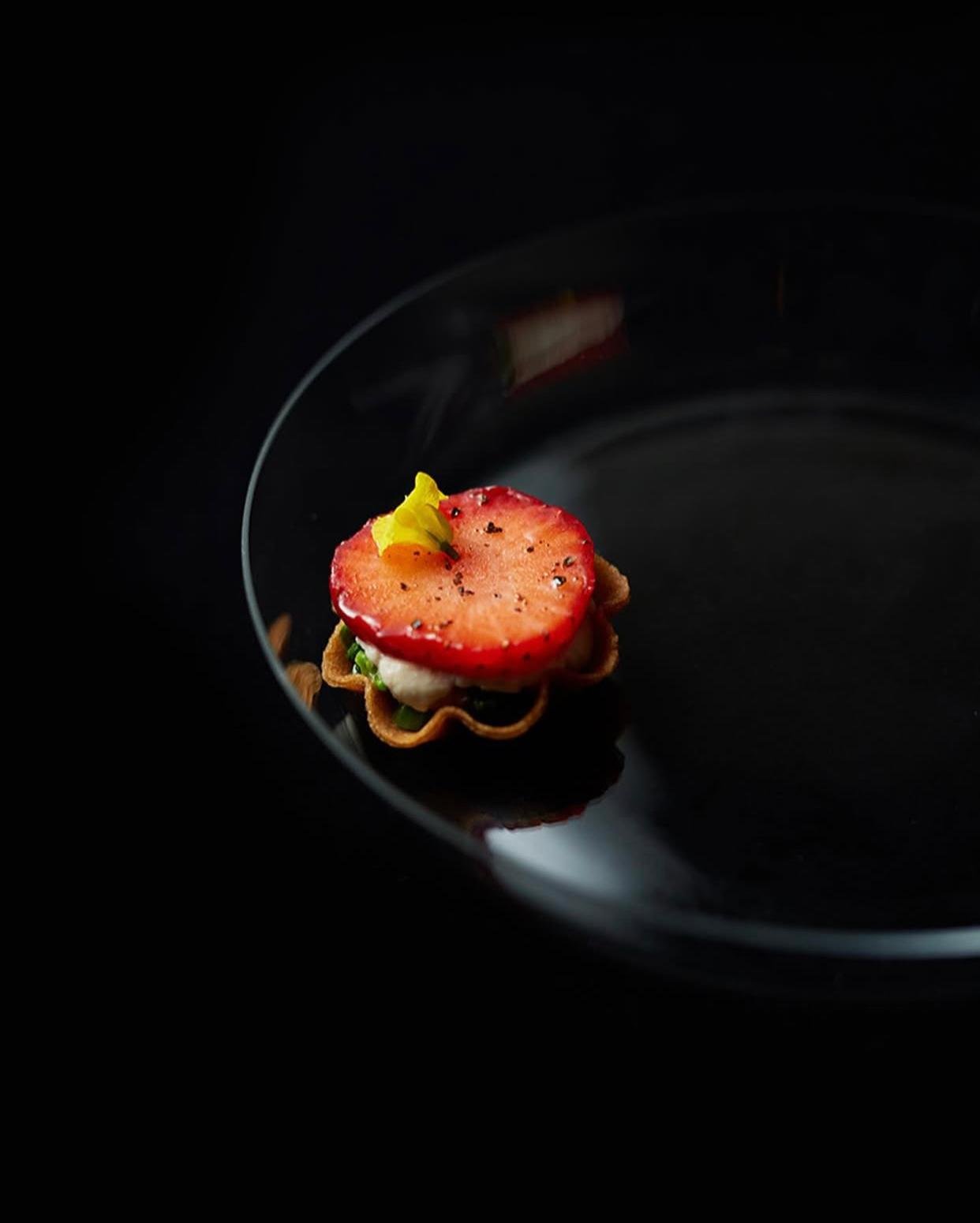
— textures organized like small architectures,
— discreet sauces calibrated with absolute accuracy,
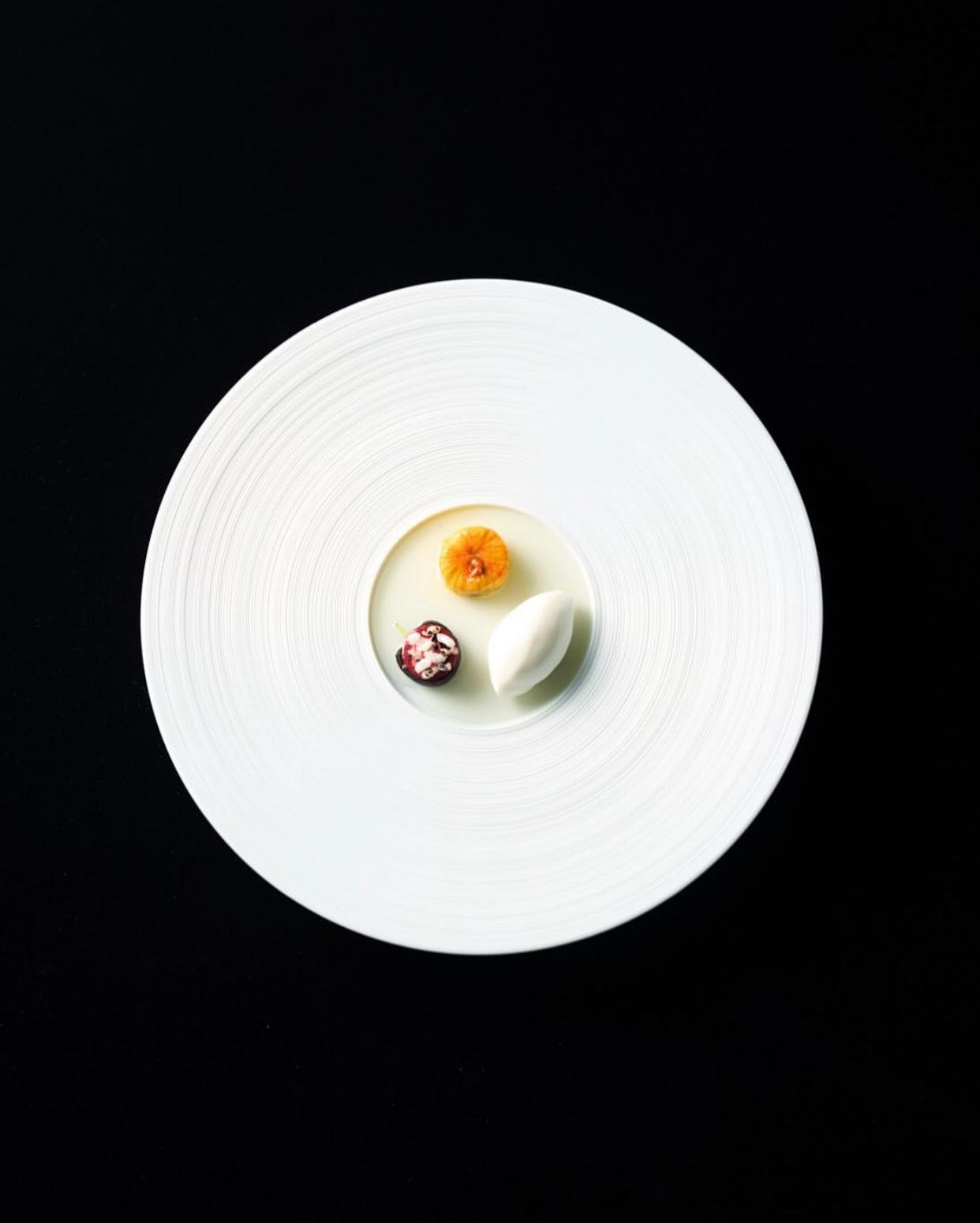
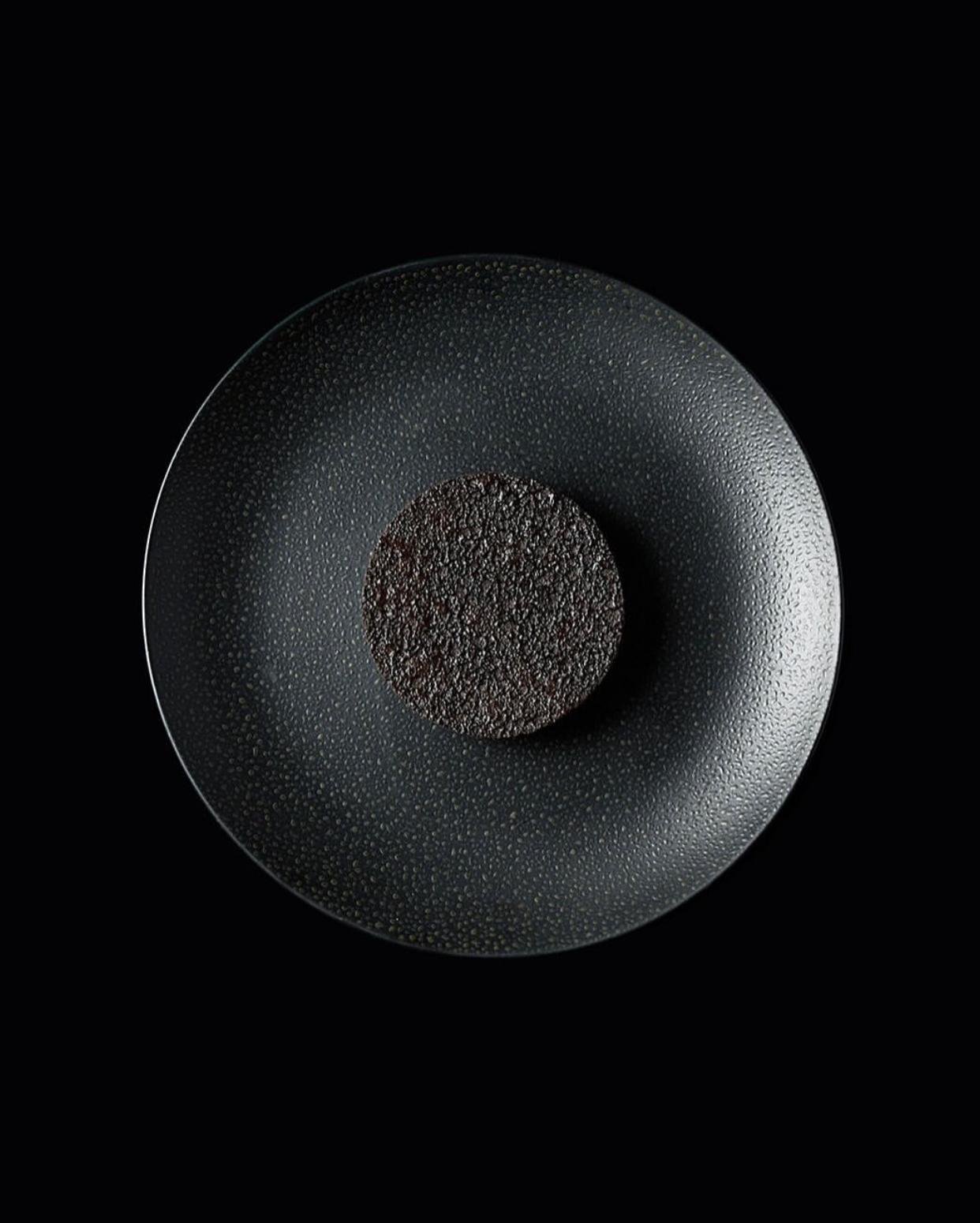
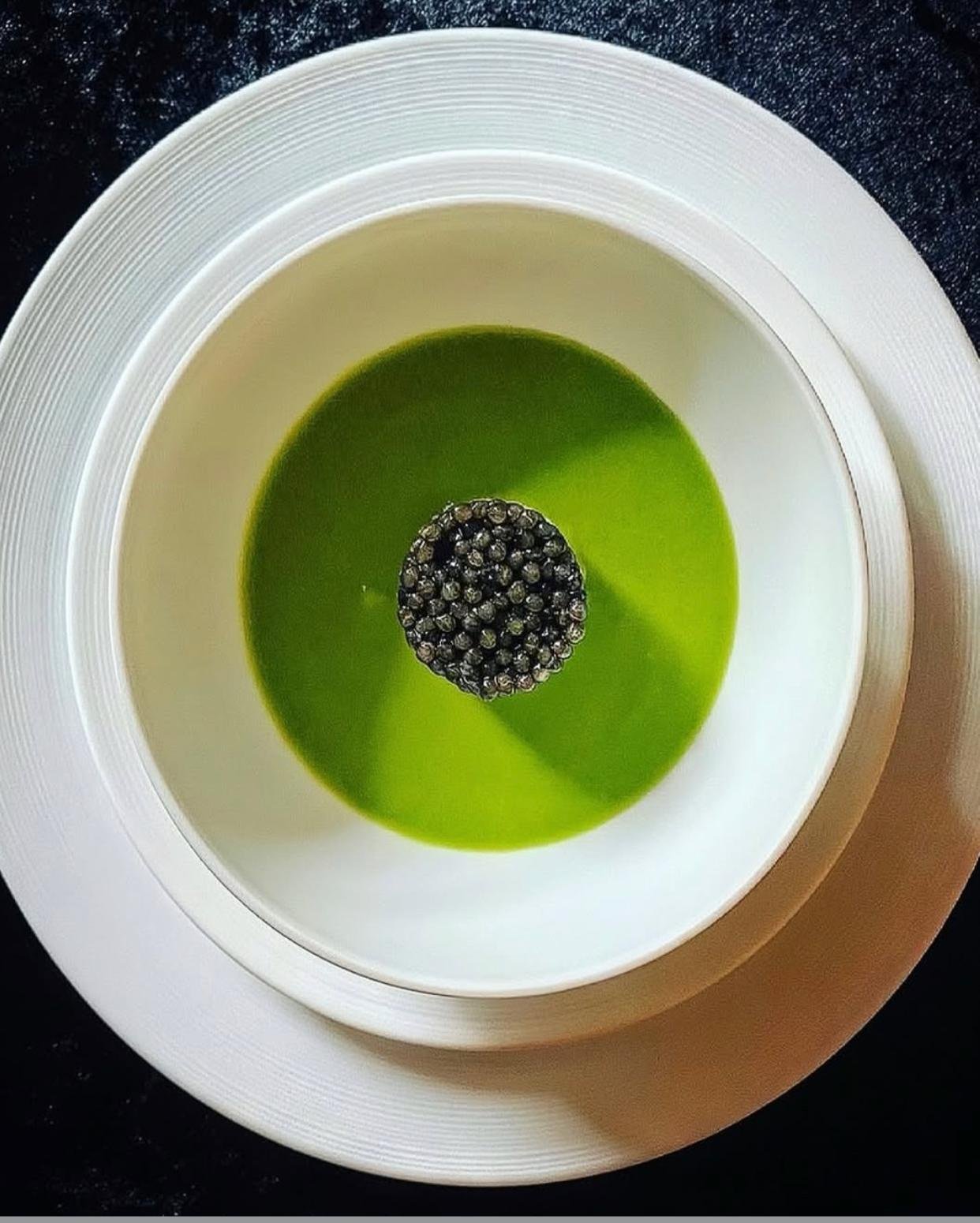
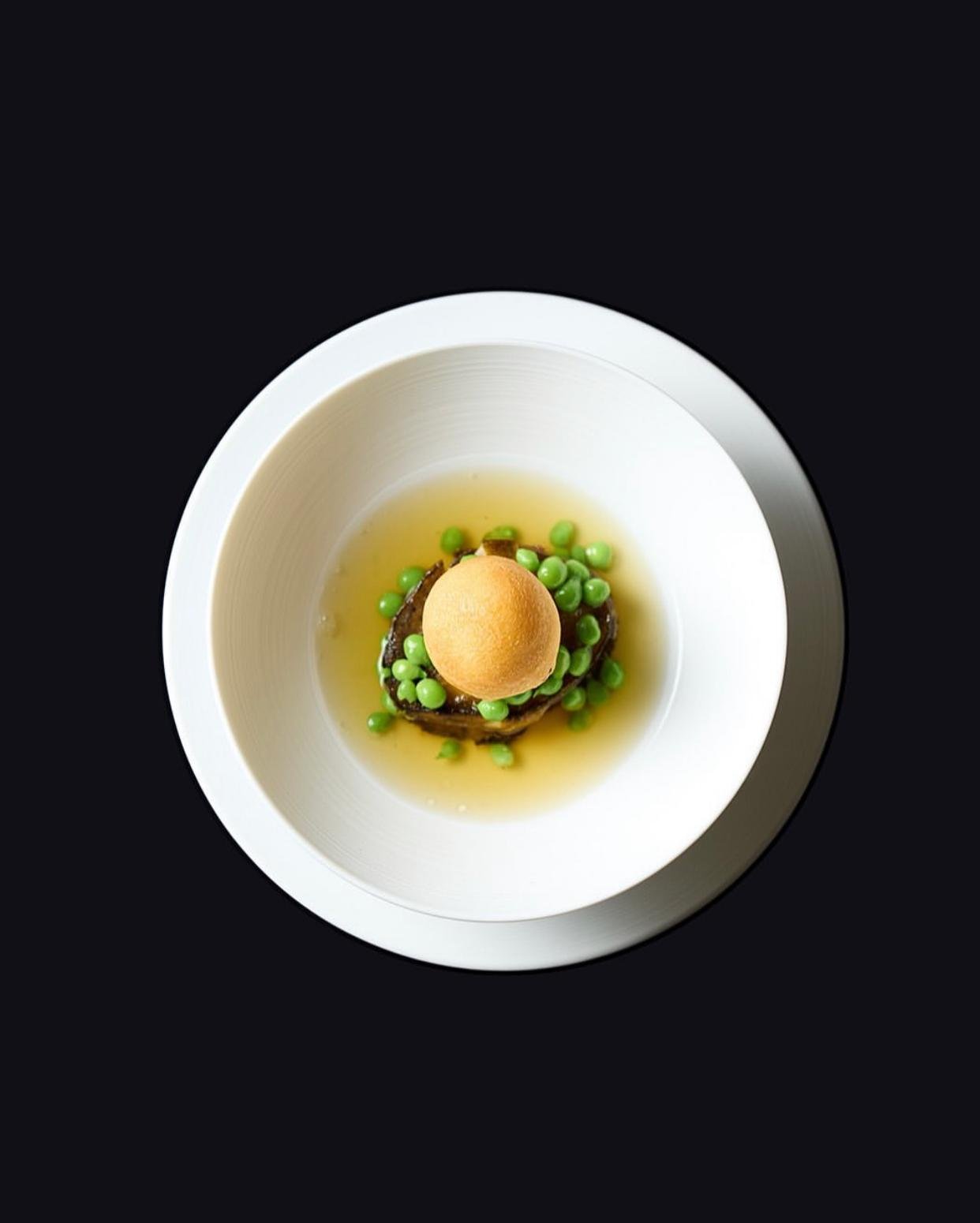
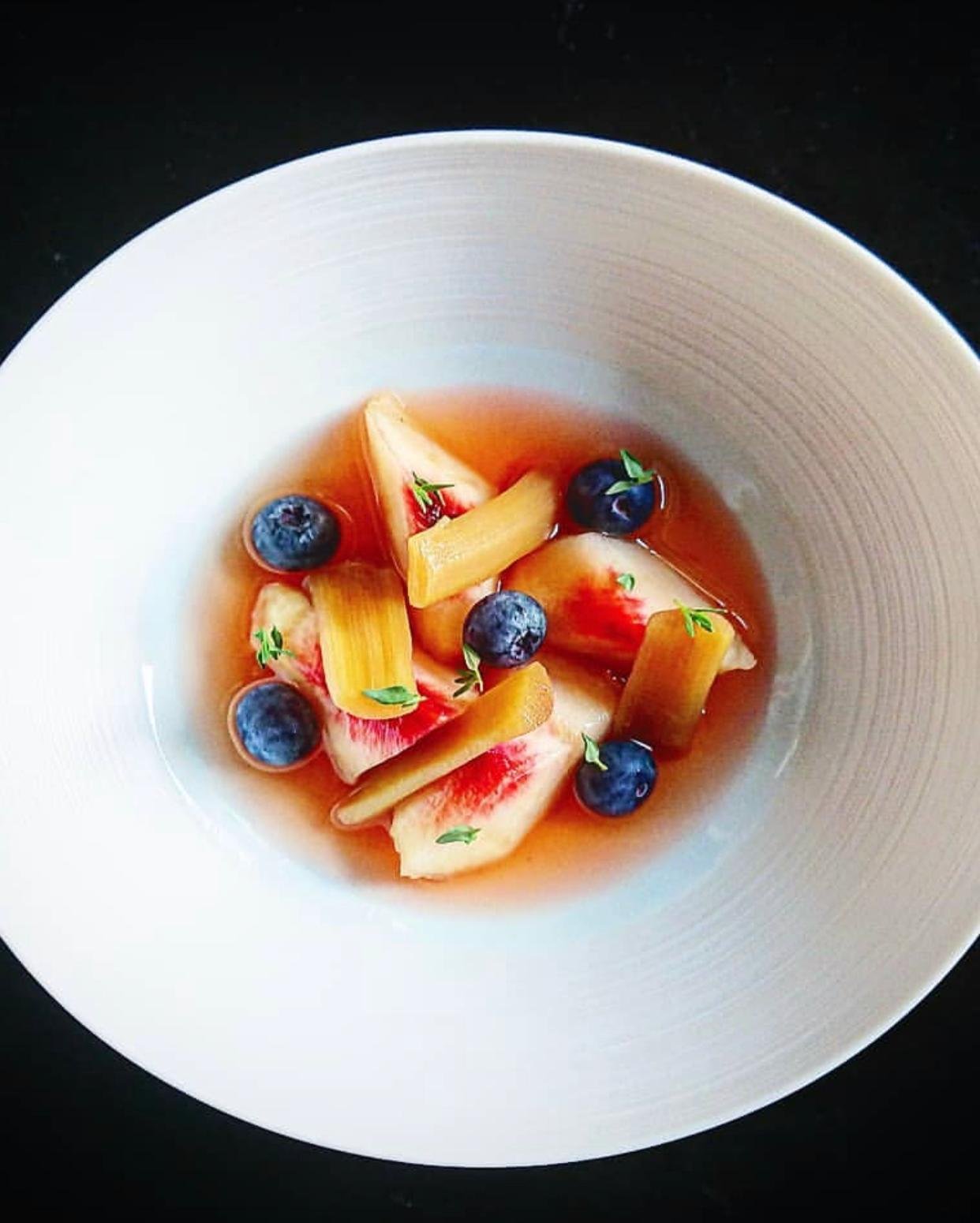
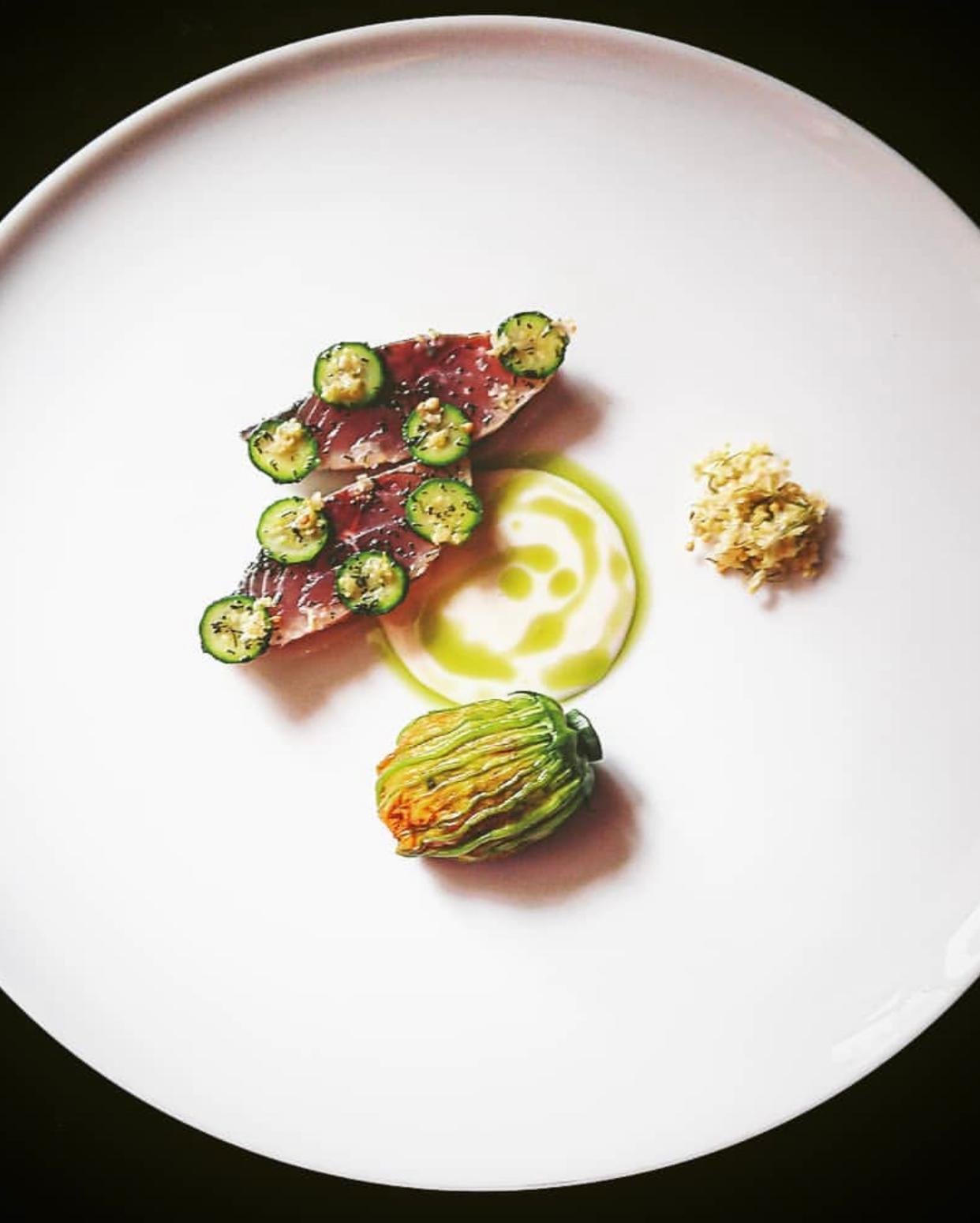
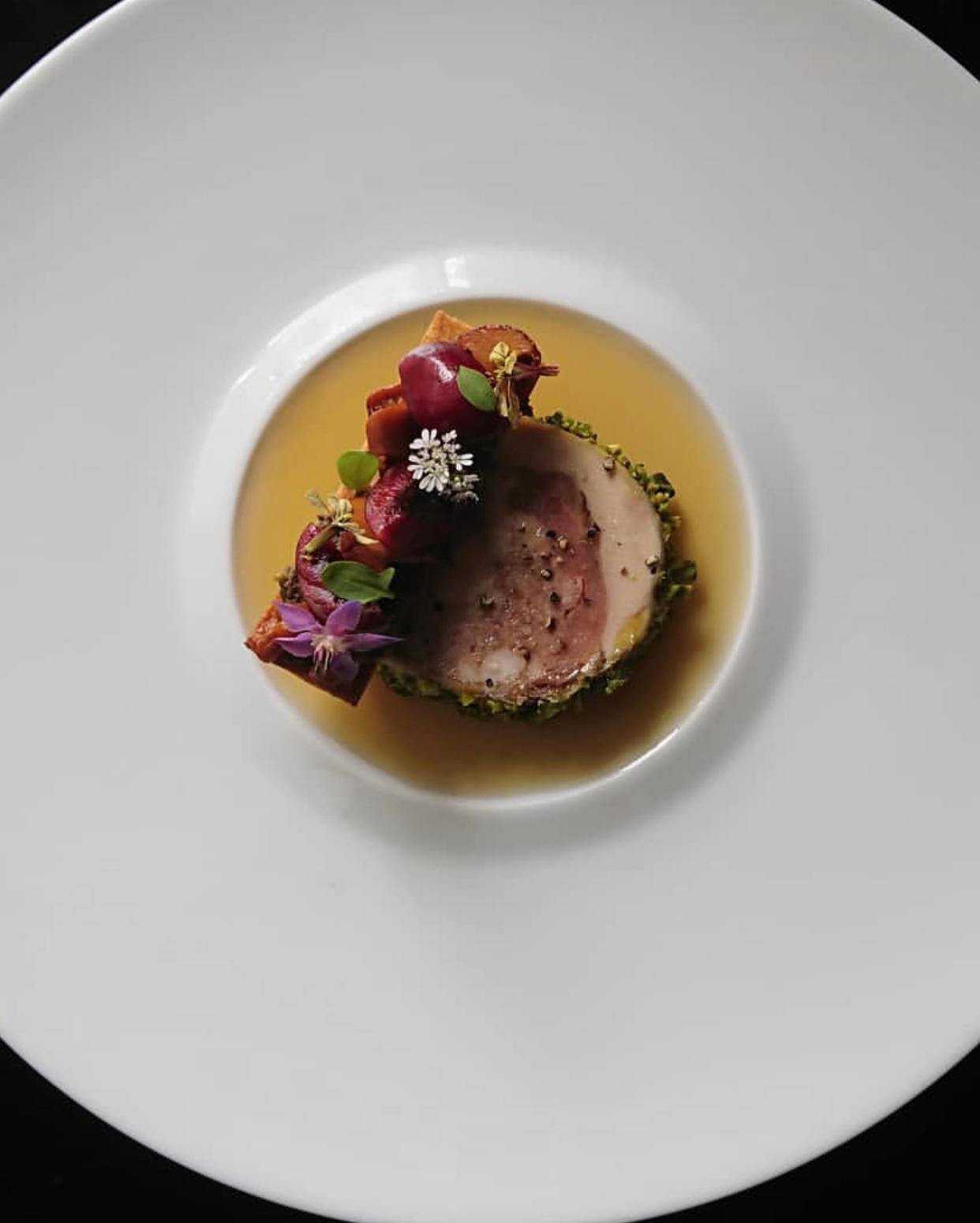
— plates constructed with three or four elements at most.
The cuisine follows a single principle:
keep only what has meaning.
Dishes are never decorative.
They are built as gustatory structures — readable, clean, coherent.
· • • ·
Experience
The Hommage experience unfolds as a clear, almost methodical progression.
Welcome: simple, precise, without staging.
Service: discreet, fluid, fully controlled.
Rhythm: slow, regulated, never scattered.
Tasting: a sequence of sensory benchmarks with no unnecessary noise.
Each dish has a function within the trajectory of the meal.
The menu is not a narrative.
It is a logical construction in which everything fits perfectly.
Emotion is not the goal.
Clarity is.
· • • ·
Sustainability
Hommage practices a quiet, concrete form of sustainability:
— local, seasonal sourcing,
— direct relationships with producers and fishermen,
— full use of ingredients,
— no excess material,
— rational preparation to limit waste.
Responsibility here is never declarative.
It is structural — built into every culinary decision.
· • • ·
Conclusion Gloss Signature™
Hommage expresses:
50% French gastronomy reduced to its clearest form,
30% Japanese culinary craftsmanship executed with extreme precision,
20% sustainability applied without discourse.
A restaurant where taste becomes a line,
texture becomes architecture,
and cuisine becomes an exercise in precision.
Hommage does not offer a meal.
It offers a clear reading of flavor.
· • • • ·
© Hommage
© Hommage
© Hommage
© Hommage
© Hommage
© Hommage
© Hommage
© Hommage

© Hommage
© Hommage
© Hommage
© Hommage
© Hommage
© Hommage
© Hommage
© Hommage
© Hommage
© Hommage
© Hommage
© Hommage
© Hommage
© Hommage
© Hommage
© Hommage
© Hommage
© Hommage
FAQ — Hommage Tokyo
· • • • ·
1. Where is Hommage located, and why is this neighborhood essential?
Hommage is located in Asakusa, one of Tokyo’s oldest and most structurally meaningful districts.
This location is not chosen for charm.
It is chosen for significance.
Asakusa represents:
— the culinary memory of Tokyo,
— artisanal tradition,
— disciplined ancestral techniques,
— a direct relationship with seasonality.
Within this context, Hommage becomes a French interpretation of a Japanese neighborhood that tolerates neither excess nor artifice.
· • • • ·
2. What is the restaurant’s general atmosphere?
The atmosphere is not warm.
Not theatrical.
Not emotional.
It is methodical.
At Hommage, everything reflects:
— clean simplicity,
— intentional calm,
— controlled light,
— absence of unnecessary décor.
The atmosphere serves one purpose:
to make tasting readable.
· • • • ·
3. What is Chef Noboru Arai’s philosophy?
Noboru Arai practices French cuisine reduced to its skeleton.
Key principles:
— remove noise,
— isolate flavor,
— clarify material,
— organize intensities,
— eliminate non-functional decoration.
His cuisine does not imitate France.
It analyzes France through a Japanese lens.
The result: a cuisine that does not seduce
— it states.
· • • • ·
4. How are Hommage’s dishes characterized?
Dishes are not compositions.
They are gustatory structures.
Major traits:
— three or four elements maximum,
— clean lines on the plate,
— organized textures,
— very short sauces,
— millimetric cooking.
Each plate is an exercise in clarity.
Nothing is added to impress.
Everything is designed to clarify taste.
· • • • ·
5. Is the cuisine fusion?
Absolutely not.
Hommage is neither fusion, nor hybrid, nor demonstrative.
It is a Japanese interpretation of French rigor,
where each local product is treated with French neutrality and Japanese discipline.
It is a mental fusion,
not a visual one.
· • • • ·
6. How does service work at Hommage?
Service follows a logic of controlled disappearance:
— clean gestures,
— calm rhythm,
— Japanese precision,
— zero emphasis,
— no attempt to charm.
Service creates the conditions for taste to become the central point.
It acts as an interface.
· • • • ·
7. Are the portions small?
Yes — by principle.
The aim is not to satisfy hunger.
The aim is to condense the season,
allow the material to speak,
and maintain a perfectly stable gustatory curve.
The small portion is a tool, not an economy.
· • • • ·
8. Does the menu change often?
Yes, because Hommage follows the exact variability of the Japanese market.
The menu does not change for novelty.
It changes to remain correct.
Noboru Arai never cooks against the season.
He cooks within it.
· • • • ·
9. Is the restaurant suitable for guests unfamiliar with haute cuisine?
Yes — with an implicit expectation.
Hommage requires:
— concentration,
— curiosity,
— attention,
— openness to radical simplicity.
It is not a spectacular restaurant.
It is a revealing one.
· • • • ·
10. What is the restaurant’s sustainability approach?
Sustainability at Hommage is technical:
— precise local sourcing,
— ultra-fresh products,
— zero waste,
— rational stock organization,
— full use of each ingredient,
— collaboration with Tokyo artisans and producers.
Nothing is showcased.
Everything is applied.
· • • • ·
11. Why is Hommage so respected in the Tokyo dining scene?
Because it represents:
Japanese culinary discipline + French structural clarity
merged into a system of exceptional purity.
Hommage is not an experience.
It is a method.
· • • • ·
12. Why does Gloss Tokyo highlight this restaurant?
Because it expresses the Gloss Tokyo matrix perfectly:
— 50% structured gastronomic luxury,
— 30% pure craftsmanship in technique and gesture,
— 20% integrated, understated sustainability.
Hommage is not narrative.
It is structural.
It does not try to charm.
It organizes taste.
· • • • ·
HOMMAGE
© Hommage