


© SK-II
© SK-II
© SK-II
SK-II
SK-II Tokyo — Purity as Absolute Science
A Japanese House that does not promise beauty —
it reveals it through method.
· • • ·
The SK-II Essence — Transparency as a Guiding Principle
SK-II was not created to “improve” the skin.
It was created to change it.
Tokyo shaped this logic:
— observation,
— discipline,
— scientific rigor,
— reduction of unnecessary gestures,
— measurable results.
The Maison reads the skin as a complex biological system.
It aims for what few brands dare to target:
total clarity,
deep transparency,
stabilized internal light.
It is a radical vision — almost spiritual —
yet entirely scientific.
In SK-II, beauty is not a narrative.
It is a visible, controlled, gradual transformation.
· • • ·
The Material — Pitera™: The Ingredient That Changed Japanese Beauty
SK-II exists because of a single element: Pitera™.
A material derived from a Japanese fermentation process,
of extreme purity,
capable of stabilizing skin balance with near-clinical precision.
It is not a trendy ingredient.
It is a living system composed of:
— amino acids,
— minerals,
— natural vitamins,
— hydration factors.
Pitera™ does not act on the surface.
It reorganizes the entire structure:
texture, light, grain, balance, transparency.
At SK-II, the material is the formula.
And the formula is the logic.
· • • ·
Signatures — Light, Transparency, Stability
SK-II is built on three fundamental concepts:
1. Transparency
A clear, readable complexion — zero visual noise.
This is the highest Japanese standard.
2. Surface
Skin texture must be smoothed like fine ceramic:
no shine,
no roughness,
no breaks.
3. Stability
Light must remain identical throughout the day —
the most difficult goal to achieve.
SK-II products are not treatments.
They are transformation protocols.
· • • ·
The Experience — Japan’s Most Disciplined Ritual
Applying SK-II is not a sensorial gesture.
It is a method.
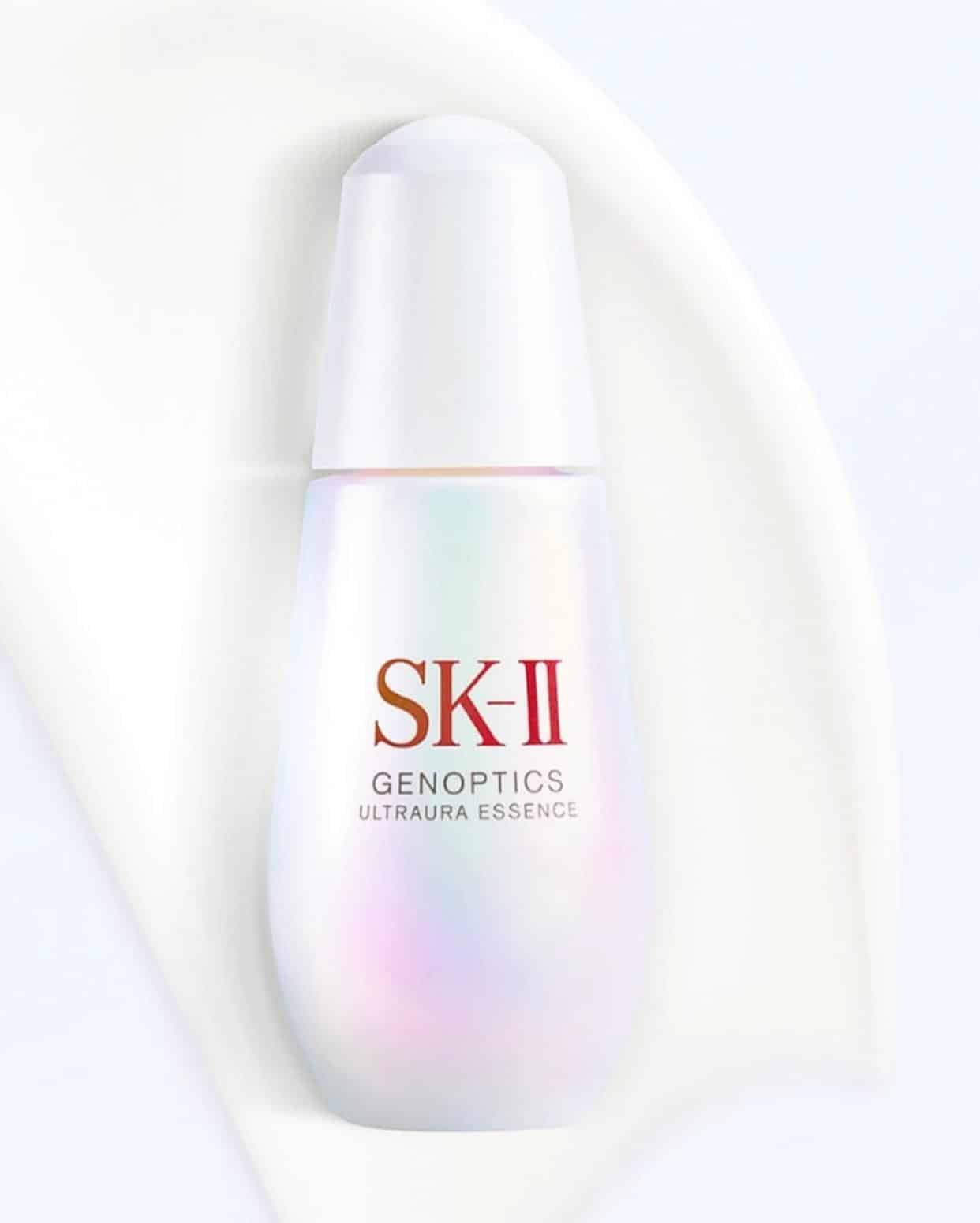
— deposit the essence,
— press slowly,
— let it penetrate without rubbing,
— stabilize the surface,
— wait for the moment when the skin “locks in.”
The SK-II ritual follows a slow, deliberate tempo:
the skin must absorb, clarify, tighten, breathe.
It is demanding —
but extraordinarily controlled.
· • • ·
Scientific Atelier — Where Pitera™ Becomes Transformation
SK-II laboratories function like controlled environments:
calibrated light, fixed temperature, millimetric measurement tools.
Researchers analyze:
— grain transformation,
— internal light diffusion,
— hydrolipidic film stability,
— thermal response after application.
Research is not theoretical.
It is visible.
Transformation is documented.
Every product must prove what it does.
· • • ·
Tokyo — The City That Defined the SK-II Standard
Tokyo imposes on SK-II:
— an obsession with clarity,
— absolute control of light,
— rejection of unnecessary gestures,
— transparency as a sign of discipline.
The city does not seek elegance.
It seeks precision.
SK-II follows this philosophy exactly.
· • • ·
Sustainability — Rigor Over Rhetoric
SK-II adopts a factual, disciplined approach to responsibility:
no exaggeration,
no emotional promises.
Priorities include:
— packaging reduction and optimization,
— improved fermentation processes,
— strict control of raw materials,
— cleaner formulation design,
— stabilized supply chains,
— elimination of unnecessary production volumes.
SK-II sustainability is not displayed.
It is methodical, almost clinical.
· • • ·
Conclusion Gloss Signature™
SK-II Tokyo expresses:
— beauty shaped by rigorous science,
— a unique material that reorganizes the skin,
— Japanese scientific craftsmanship,
— controlled, integrated responsibility.
A House that does not seek spectacle —
it seeks correct transformation:
clear, deep, mastered.
· • • • ·
© SK-II
© SK-II
© SK-II
© SK-II

© SK-II
© SK-II
© SK-II

© SK-II
© SK-II
© SK-II

© SK-II
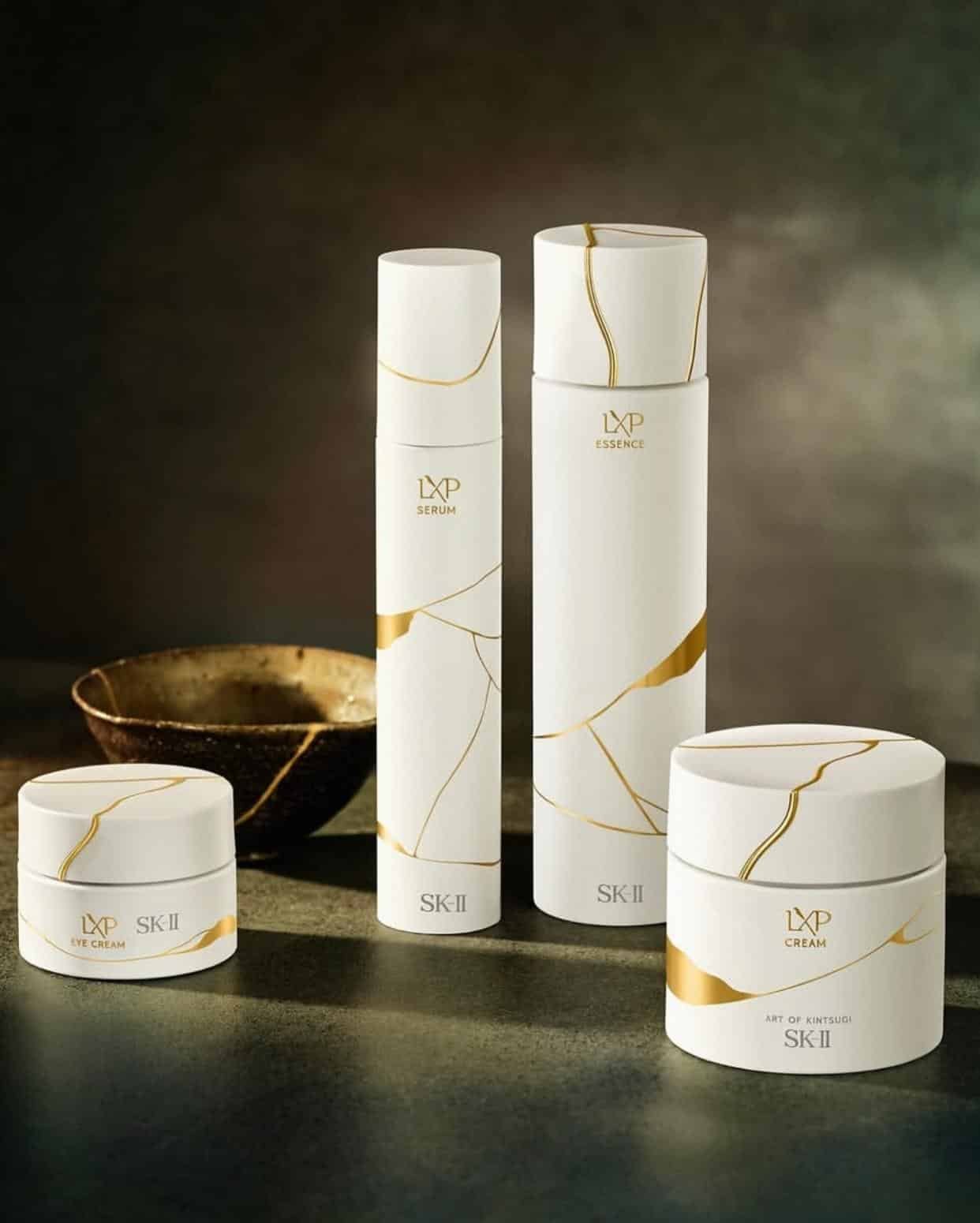
© SK-II
FAQ — SK-II Tokyo
· • • ·
1. Why does SK-II hold such a unique place in Japanese beauty?
Because SK-II was not born from sensoriality.
It was born from a laboratory.
From the beginning, the Maison chose a radical path:
visible transformation,
measurable results,
structured methodology.
Tokyo reinforces this logic — a city that does not value “effect,”
but precision.
A city where beauty is defined by transparency, discipline, and controlled light.
SK-II does not offer embellishment.
It offers a change of state, guided by science and method.
· • • ·
2. What distinguishes SK-II from other Japanese or international beauty brands?
SK-II has one engine: Pitera™.
Where other brands multiply ingredient lists,
SK-II follows an engineering logic:
one master ingredient,
but of exceptional complexity.
It is a brand of transformation, not comfort —
aiming for clarity, readability, stability, and luminous purity.
SK-II operates like a protocol, not a routine.
· • • ·
3. Why is Pitera™ considered a “living system”?
Because it is not a single active.
Pitera™ is a natural complex produced through a tightly controlled Japanese fermentation process, containing:
— amino acids,
— minerals,
— vitamins,
— essential hydration factors.
This composition enables Pitera™ to regulate multiple parameters simultaneously:
texture, balance, light, hydration.
Pitera™ does not simply nourish the skin.
It reorganizes its internal functioning.
· • • ·
4. Why is transparency so central to SK-II?
Transparency is the highest Japanese standard.
For SK-II, skin is considered “transparent” when it:
— diffuses light evenly,
— shows no visible shadows or irregularities,
— has an extremely refined grain,
— remains stable throughout the day.
Transparency is not an aesthetic effect —
it is a sign of biological precision.
It is SK-II’s ultimate signature.
· • • ·
5. Is SK-II intentionally less sensorial than other beauty brands?
Yes — intentionally.
The SK-II application follows a strict protocol:
apply, press, stabilize, wait.
No elaborate massage.
No heavy fragrance.
No decorative textures.
The ritual is designed to optimize penetration,
not create sensorial indulgence.
In Japanese culture, this rigor signals technical luxury,
not austerity.
· • • ·
6. How does SK-II test product efficacy?
In controlled environments:
— calibrated light,
— fixed temperature,
— high-precision optical tools.
Laboratories measure:
— internal light diffusion,
— texture refinement,
— balance stabilization,
— thermal response,
— duration and consistency of transformation.
SK-II does not test for “sensations.”
It tests for proof.
· • • ·
7. Why is SK-II considered Japan’s most “clinical” beauty Maison?
Because it has removed everything unnecessary:
— no romantic storytelling,
— no ingredient clutter,
— no emotional marketing,
— no exuberant packaging.
SK-II operates like a laboratory:
method, rigor, precision.
It speaks to a clientele that prioritizes:
clarity,
science,
measured effectiveness.
· • • ·
8. How does Tokyo influence SK-II’s philosophy?
Tokyo imposes an exacting aesthetic:
— diffused light,
— clean surfaces,
— natural transparency,
— zero cosmetic overload.
The city becomes a visual reference:
it demands readable, calm, stable skin.
SK-II is perfectly aligned with this vision.
· • • ·
9. How does SK-II approach sustainability?
With rationality.
The Maison focuses on:
— material reduction,
— optimized packaging,
— controlled fermentation cycles,
— strict sourcing,
— cleaner formulation design,
— minimized waste through calibrated production volumes.
Responsibility is Japanese:
sober, measured, methodical.
· • • ·
10. Does SK-II align with the Gloss City 50/30/20 structure (50% luxury, 30% craftsmanship, 20% sustainability)?
Yes — almost flawlessly.
50% Luxury
Luxury as visible, scientific transformation.
A Japanese precision standard.
30% Craftsmanship
Disciplined gesture, strict protocol, calibrated textures, high-precision labs.
Scientific craftsmanship.
20% Sustainability
Optimization, reduction, control, sobriety —
a responsibility that is real, not performative.
SK-II perfectly reflects the Gloss City Tokyo philosophy:
a luxury of transformation,
a craftsmanship of method,
a responsibility of control.
· • • • ·
SK-II
© SK-II