


© Cartier
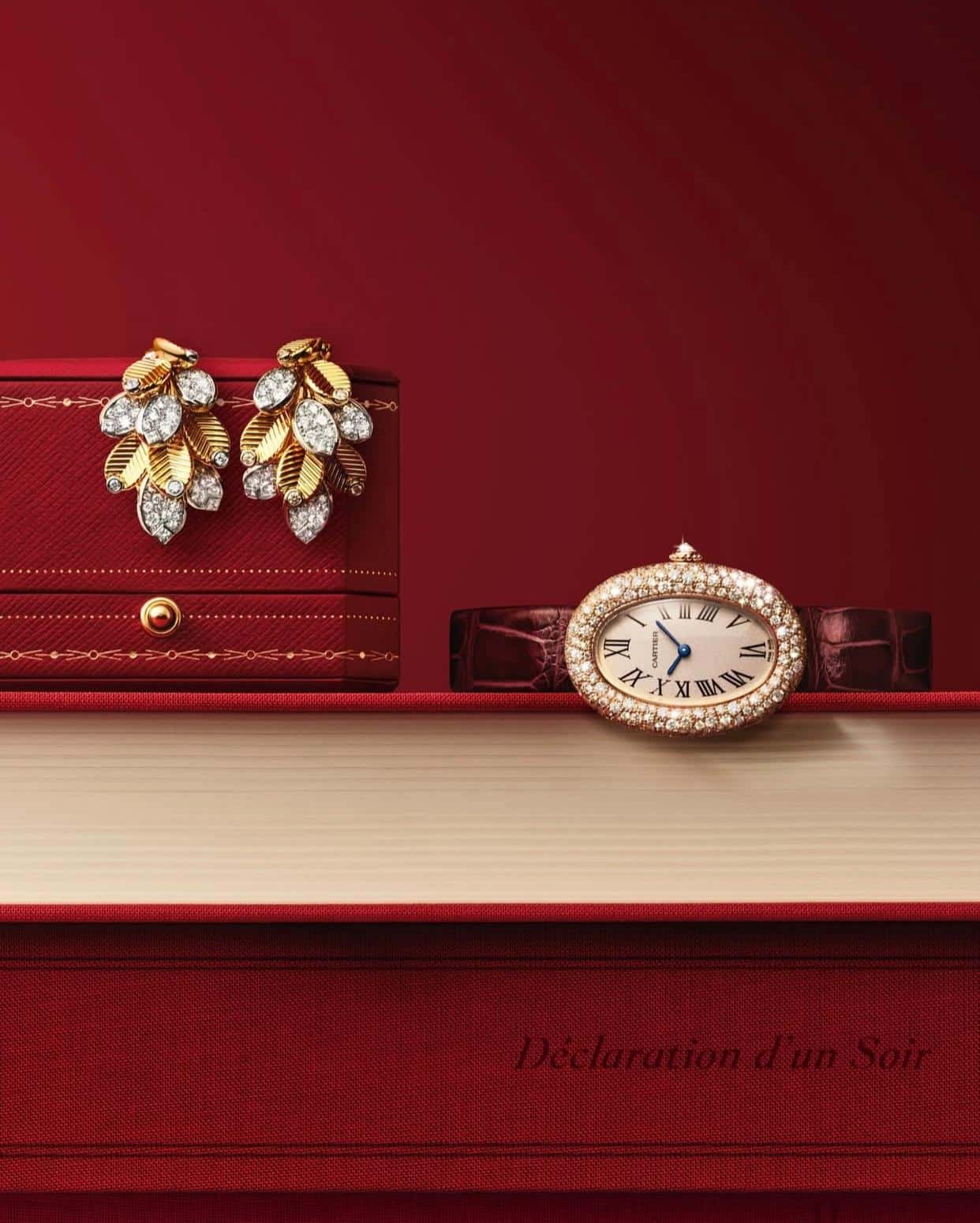
© Cartier

© Cartier
WATCHMAKING
CARTIER

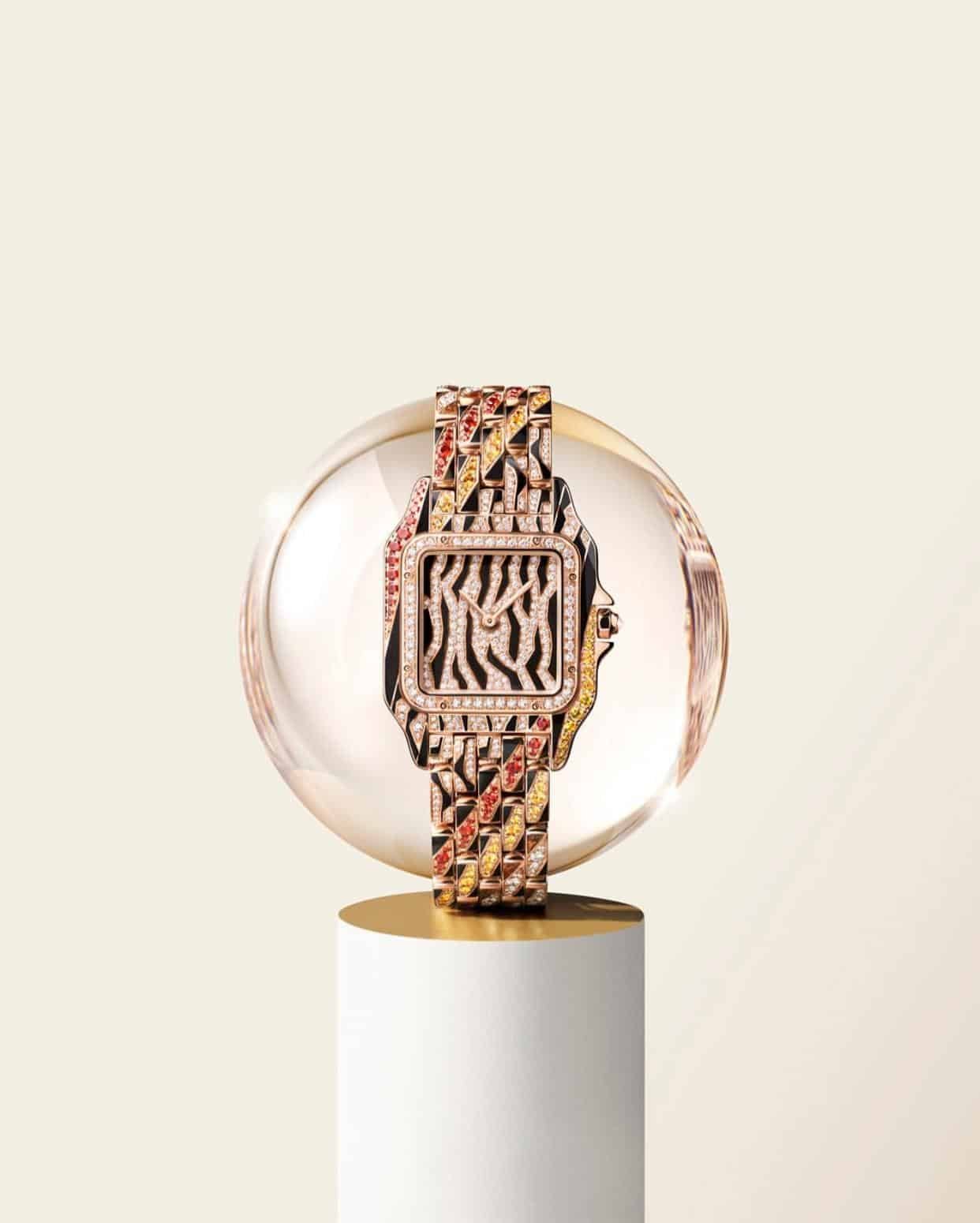

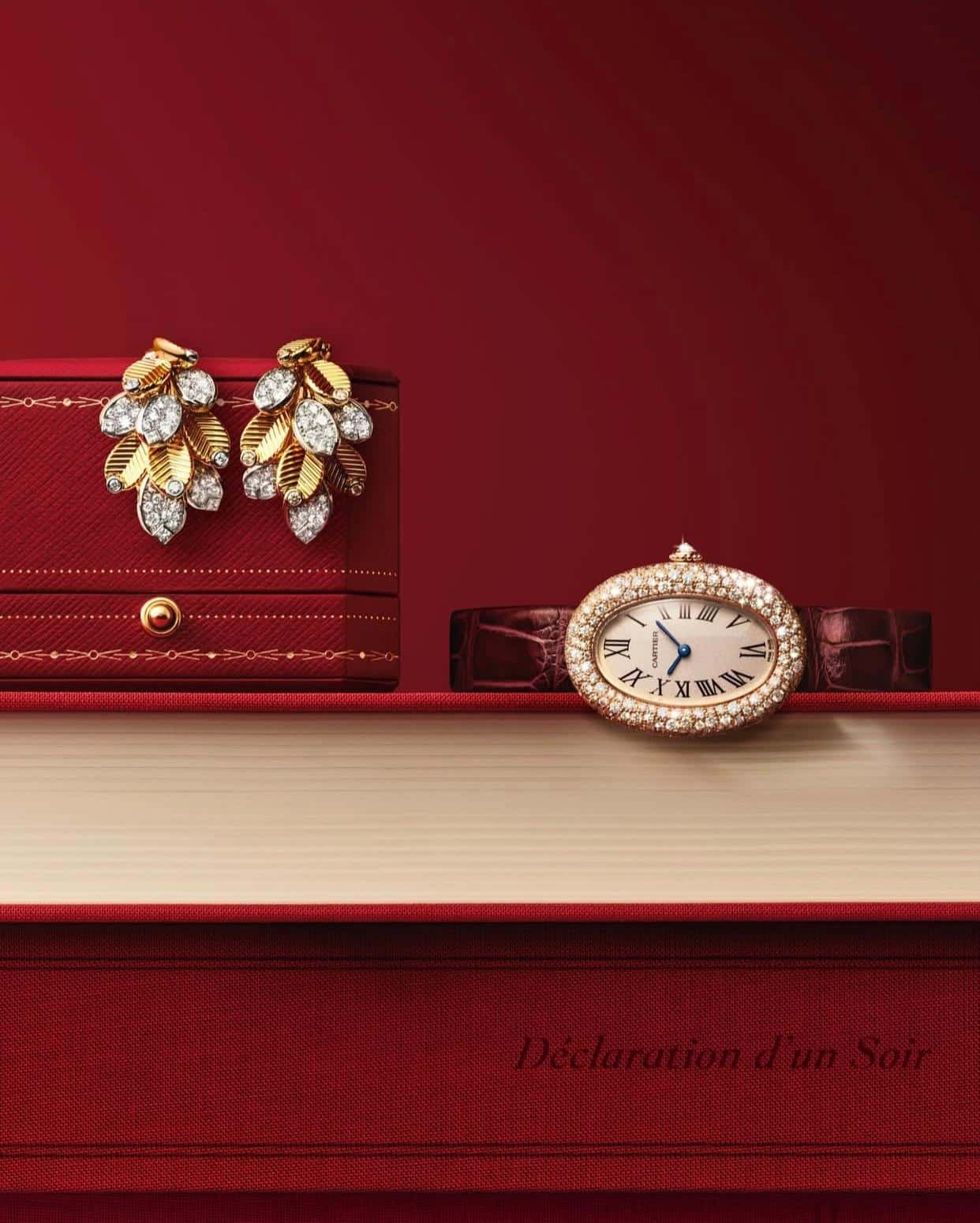
© Cartier
FAQ — High Watchmaking in Tokyo
· • • ·
1. Why has Tokyo become a global reference for High Watchmaking?
Because Tokyo has a rare quality:
it transforms the measurement of time into an aesthetic discipline.
The city imposes:
— white, direct light,
— clean volumes,
— precise circulation,
— a rigorously organized relationship to time.
In this environment, High Watchmaking finds a natural resonance.
Pieces are viewed under light that reveals everything —
every reflection,
every polishing nuance,
every mechanical tension.
Tokyo is not decorative.
It is a technical revealer.
Each watch is examined with complete honesty.
· • • ·
2. How does Tokyo High Watchmaking differ from Europe’s?
In Europe, High Watchmaking emphasizes:
— tradition,
— heritage,
— artistic expression,
— mechanical storytelling.
In Tokyo, the reading is different.
People analyze:
— precision,
— caliber coherence,
— polishing purity,
— dial clarity,
— controlled case tension.
Europe tells a story.
Tokyo measures.
· • • ·
3. Why do Grand Seiko and Credor hold a unique position in Tokyo’s High Watchmaking?
Because they represent the Japanese summit of horology.
Grand Seiko:
— Zaratsu polishing,
— microscopic finishing,
— Spring Drive (mechanical + quartz regulation),
— dials inspired by natural Japanese phenomena.
Credor:
— almost graphic elegance,
— hand-made complications,
— extremely pure movements,
— refined and silent aesthetics.
These Maisons do not imitate Switzerland.
They follow another path:
technical beauty.
· • • ·
4. Do major Swiss Maisons adapt their High Watchmaking for Tokyo?
Yes — with absolute discretion.
They retain their identity but refine:
— proportions,
— index clarity,
— case purity,
— polishing quality,
— limited editions designed for the Japanese market.
In Tokyo, visual precision takes precedence over visual effect.
Maisons know this and adjust accordingly.
· • • ·
5. Why does Tokyo’s light influence High Watchmaking so strongly?
Because it is direct, white, frontal —
without the warm glow of Paris or Geneva.
Under this light:
— an overloaded case becomes heavy,
— a complex dial becomes confusing,
— any imperfect finish becomes visible.
Japanese light demands:
— perfectly polished surfaces,
— balanced volumes,
— sharp contrasts,
— immediate readability.
Tokyo is not indulgent.
It is exact.
· • • ·
6. Why does one speak of “silence” in Japanese High Watchmaking ateliers?
Because silence allows absolute precision.
In specialized workshops, one hears only:
— the beat of the balance wheel,
— the micro-pressure of a tool,
— the slide of a pivot,
— the measured breathing of the artisan.
Nothing is left to chance.
Every gesture has a purpose.
Every error becomes instantly visible in the movement.
Silence is not aesthetic.
It is necessary.
· • • ·
7. Do Tokyo clients seek spectacular complications?
Not necessarily.
Tokyo often values:
— perfection of the simple caliber,
— extreme precision,
— movement stability,
— coherence between case, dial and mechanism.
Highly visible complications may impress,
but Tokyo favors:
— the structural beauty of a three-hand watch,
— a perfectly balanced GMT,
— a precise calendar,
— a clear power reserve.
Spectacle is appreciated.
Silent mastery is preferred.
· • • ·
8. How does Japanese watchmaking relate to sustainability?
Through long-term logic.
Sustainability here means:
— repairable movements,
— accessible servicing,
— robust finishing,
— optimized production to reduce waste,
— strict control of metal supply chains,
— precision that minimizes wear.
Tokyo’s responsibility comes from respect:
respect for gesture,
respect for time,
respect for material.
Durability is not a slogan.
It is logic.
· • • ·
9. Why is readability an obsession in Tokyo High Watchmaking?
Because Tokyo operates “at first glance.”
Time must be readable:
— in a crowded train,
— under harsh light,
— in motion,
— without effort.
A Tokyo watch must stay clear
in every situation.
Readability is not comfort.
It is an aesthetic criterion.
· • • ·
10. Does Tokyo High Watchmaking align with the Gloss City 50/30/20 model?
Yes — perfectly.
50% Luxury
Controlled measurement, perfect light, technical beauty.
30% Craftsmanship
Zaratsu, extreme polishing, silent assembly, manual regulation.
20% Sustainability
Repairability, long lifespan, optimized workshops, controlled materials.
Tokyo expresses a luxury that does not seek shimmer —
but accuracy.
· • • • ·